
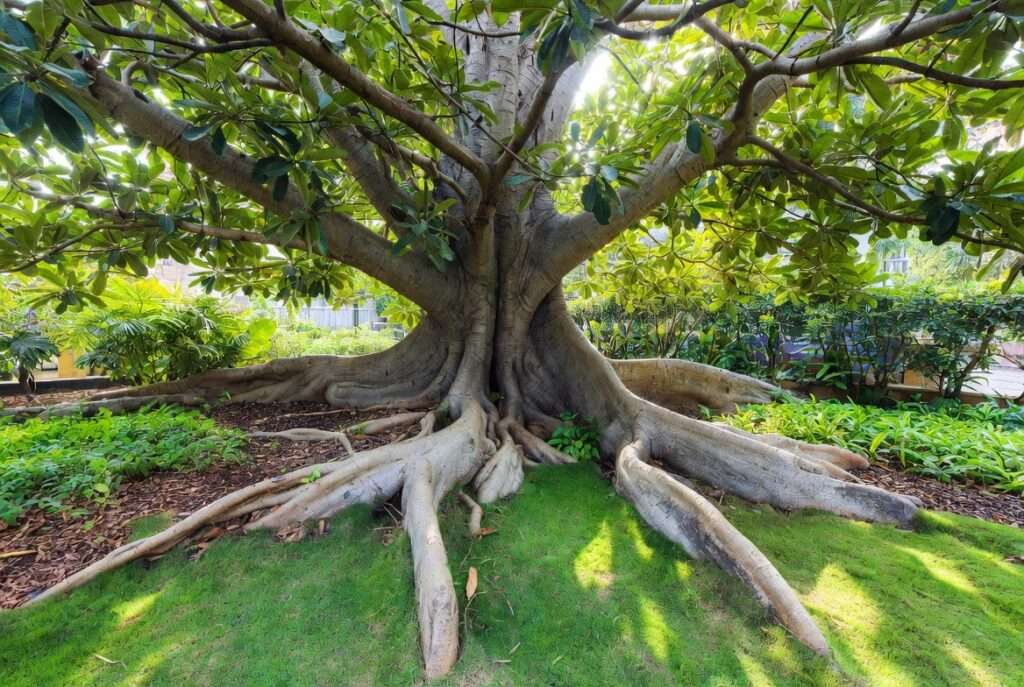
You step barefoot onto your lush green lawn on a warm Dhaka morning, only to feel a sudden jolt as your toe stubs against a thick, woody root snaking across the grass. 😣 Your heart skips a beat — is your favorite mango or banyan tree in trouble? Will those tree roots above ground damage your driveway, trip the kids, or ruin the perfect garden you’ve worked so hard to create?
Don’t worry! As a certified arborist with over 15 years of hands-on experience helping homeowners across tropical climates like Bangladesh and beyond, I’ve seen this exact situation countless times. Exposed or surface roots are surprisingly common, usually harmless to the tree, and completely manageable with the right know-how. In this comprehensive guide, we’ll uncover why tree roots above ground appear, when you should (and shouldn’t) worry, and the safest, most effective ways to handle them without harming your precious tree.
You’ll walk away with practical, step-by-step solutions tailored for home gardens in humid, rainy regions — plus prevention tips to keep your yard safe and beautiful for years to come. 🌿 Let’s dig in (gently, of course)!
What Are Tree Roots Above Ground? Understanding Surface Roots 🌱
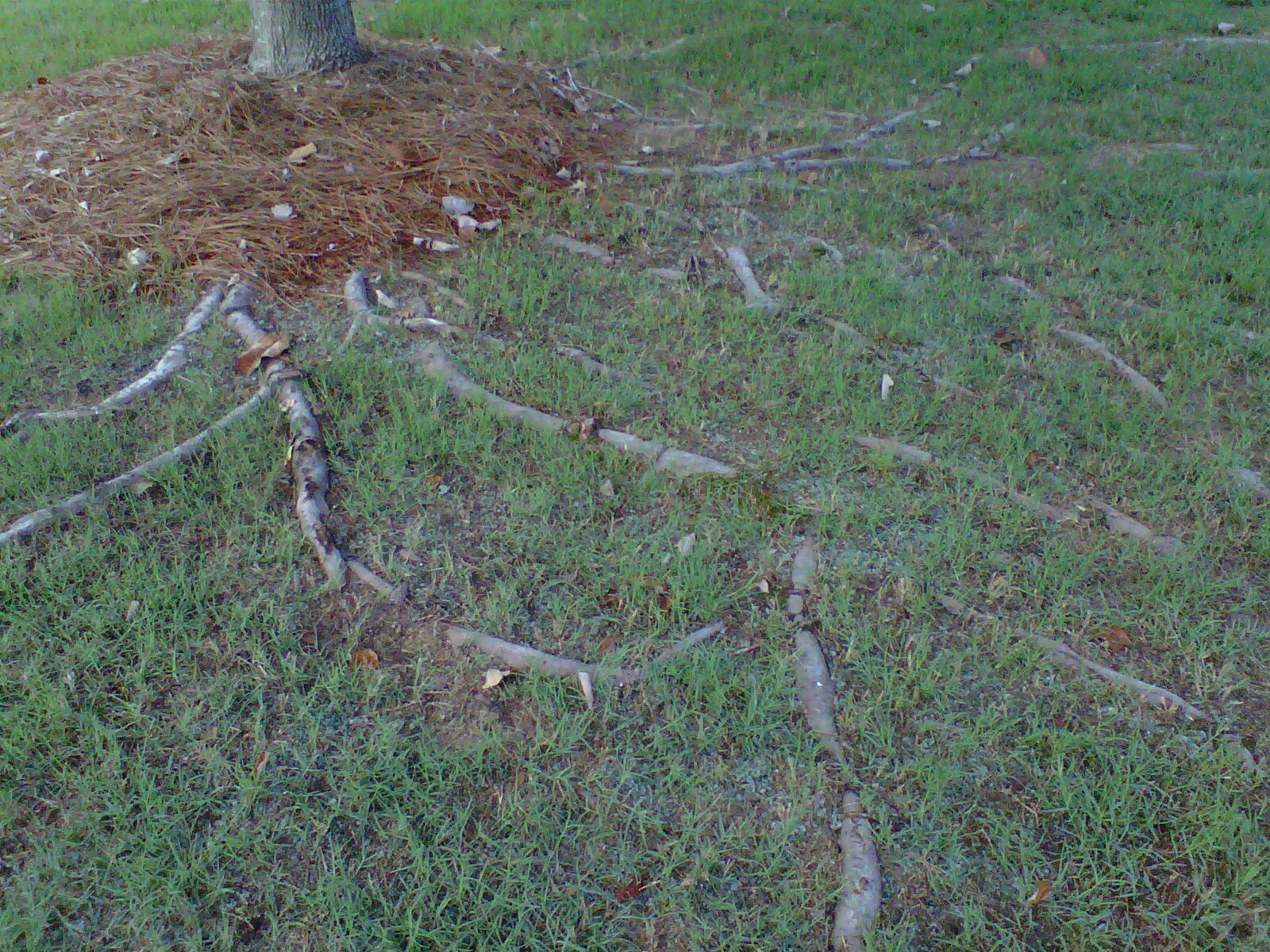
Tree roots above ground — also called surface roots or exposed roots — are simply the shallow roots that grow near the soil surface instead of staying buried deep underground. They’re not a disease or a sign your tree is dying; they’re a natural part of how many trees grow!
Roots have two main jobs: anchoring the tree against wind and storms, and absorbing water and nutrients. In ideal deep, loose soil, they stay hidden. But in real home gardens (especially in clay-heavy or compacted soils common in Dhaka and surrounding areas), roots often spread horizontally just under the turf. Over time, as the tree matures or soil erodes, these roots become visible.
Key difference to remember:
- Normal surface roots = healthy, flexible, and part of a thriving tree.
- Dangerous exposure = roots that are suddenly damaged, girdled, or accompanied by other stress signs like wilting leaves or cracking bark.
Certain species are natural “surface rooters.” In South Asia, you’ll often spot this in:
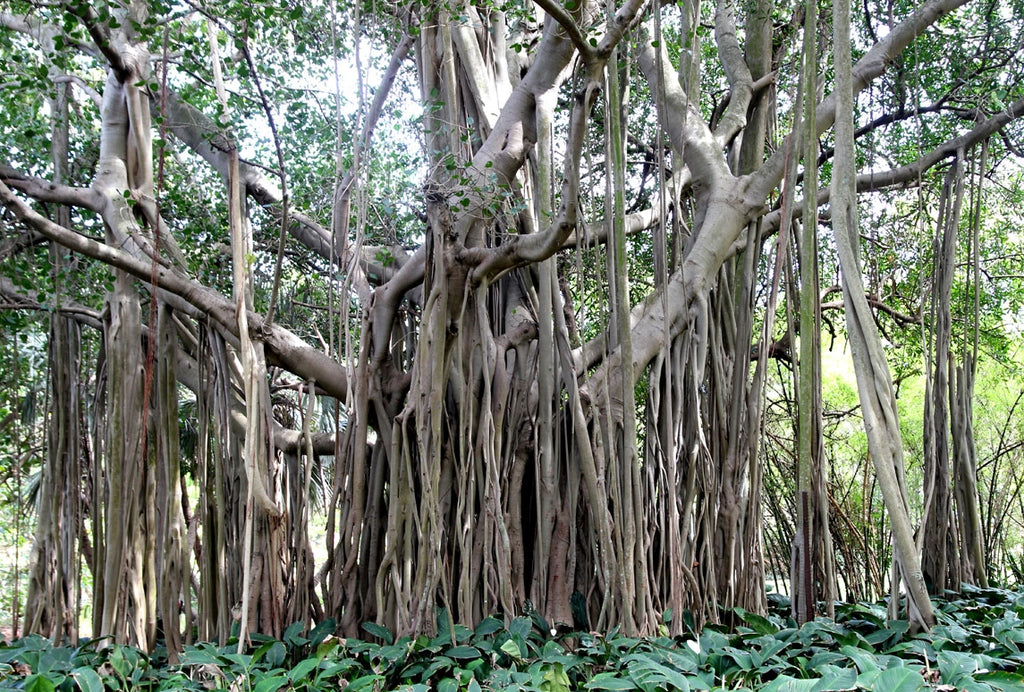
- Banyan trees (Ficus benghalensis) 🪴
- Mango trees
- Neem
- Ficus varieties
- Coconut palms
These trees evolved in tropical forests where surface rooting helps them grab quick rainwater and oxygen in shallow soils.
Why Do Tree Roots Grow Above Ground? 7 Common Causes 🕵️♂️
Understanding the “why” is the first step to solving the problem safely. Here are the top reasons tree roots above ground show up in home gardens:
1. Soil Erosion from Heavy Rain Bangladesh’s monsoon rains can wash away topsoil quickly, leaving roots exposed. This is super common in sloped yards or areas with poor ground cover.
2. Shallow or Compacted Soil Many Dhaka gardens sit on dense clay or soil compacted by foot traffic and construction. Roots can’t push downward, so they grow sideways near the surface instead.
3. Mature Tree Age As trees grow older (especially after 10–15 years), their root systems expand outward. The older, thicker roots naturally lift slightly as the tree gains girth.
4. Overwatering or Poor Drainage Too much water (or water pooling in low spots) pushes oxygen out of deeper soil layers, forcing roots to seek air closer to the surface.
5. Construction Damage Building a new house, driveway, or even heavy machinery can compact soil and slice deeper roots, causing the tree to send out more surface ones as a survival response.
6. Tree Species Genetics Some trees are simply wired to grow surface roots — maples, oaks, and our beloved tropical ficus and banyan are famous for it!
7. Climate Change & Extreme Weather More frequent floods, droughts, and heatwaves are pushing roots upward as trees adapt to changing conditions.
Each cause comes with a quick win: for erosion, add ground cover plants; for compaction, gentle aeration helps. We’ll cover full fixes soon!
Are Exposed Tree Roots Harmful to Your Tree or Your Yard? The Honest Truth ⚠️
Here’s the good news first: tree roots above ground are often a sign of a strong, healthy tree adapting to its environment! They help the tree breathe better, access surface moisture during dry spells, and stay stable in windy monsoons.
But they can create real headaches for homeowners:
- Tripping hazards for kids and elderly family members 👟
- Lawn mower blade damage (and flying grass clumps!)
- Cracked pathways or driveways if roots keep expanding
- Ugly bare patches where grass won’t grow
Quick checklist to tell if your tree is stressed vs. just showing healthy roots:
- ✅ Leaves are vibrant green and full
- ✅ No sudden leaf drop or wilting
- ✅ Bark looks healthy, no cracks or oozing
- ❌ Roots feel soft, mushy, or smell rotten
- ❌ Tree leans noticeably or has dead branches
If everything looks good, relax — your tree is just being its natural self!
Safe & Effective Ways to Manage Tree Roots Above Ground (Without Killing Your Tree!) 🛠️
This is the part you’ve been waiting for — the practical, tree-friendly fixes that actually work. Never fear: you can make your yard safe and gorgeous again.
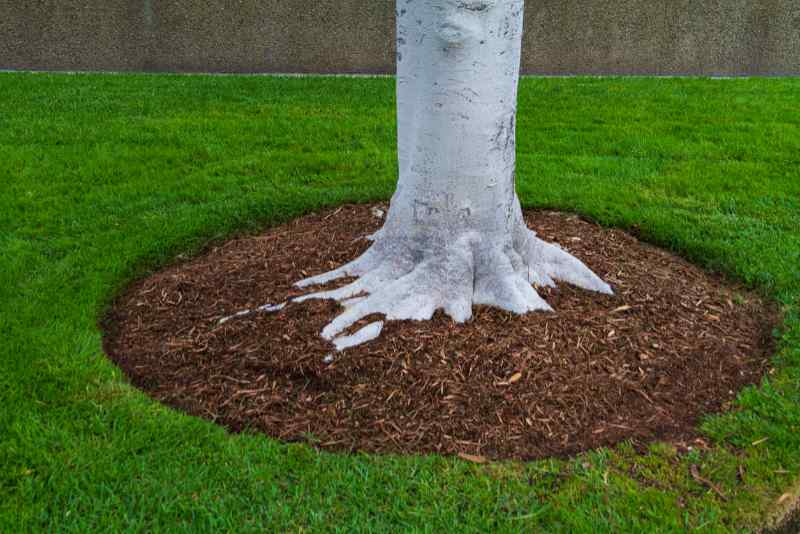
1. Mulching Magic – The #1 Recommended Fix 🌟 Mulch is your best friend! It gently covers roots, retains moisture, cools the soil, and prevents further erosion.
Step-by-step guide:
- Gently rake away any grass or weeds around the roots (no digging!).
- Spread 2–3 inches of organic mulch (wood chips, coconut coir, or shredded leaves work great in Bangladesh).
- Keep mulch 2–3 inches away from the trunk to avoid rot.
- Reapply every 6–12 months.
Pro tip: Use aged hardwood mulch — it breaks down slowly and feeds the soil.
2. Adding a Thin Layer of Soil or Topdress Only a very thin (1–2 inch) layer of good-quality topsoil mixed with compost. Never bury roots deeply — they need oxygen!
3. Planting Ground Covers and Companion Plants Hide roots beautifully with low-growing, shade-tolerant plants like:
- Creeping thyme
- Dwarf mondo grass
- Ferns
- Caladiums (perfect for Dhaka’s humidity!)
These plants compete gently with grass while protecting roots.
4. Creating a Natural Root Zone Garden Bed Turn the area into a beautiful raised bed with ferns, hostas, and flowering perennials. Add a small decorative border — instant garden upgrade!
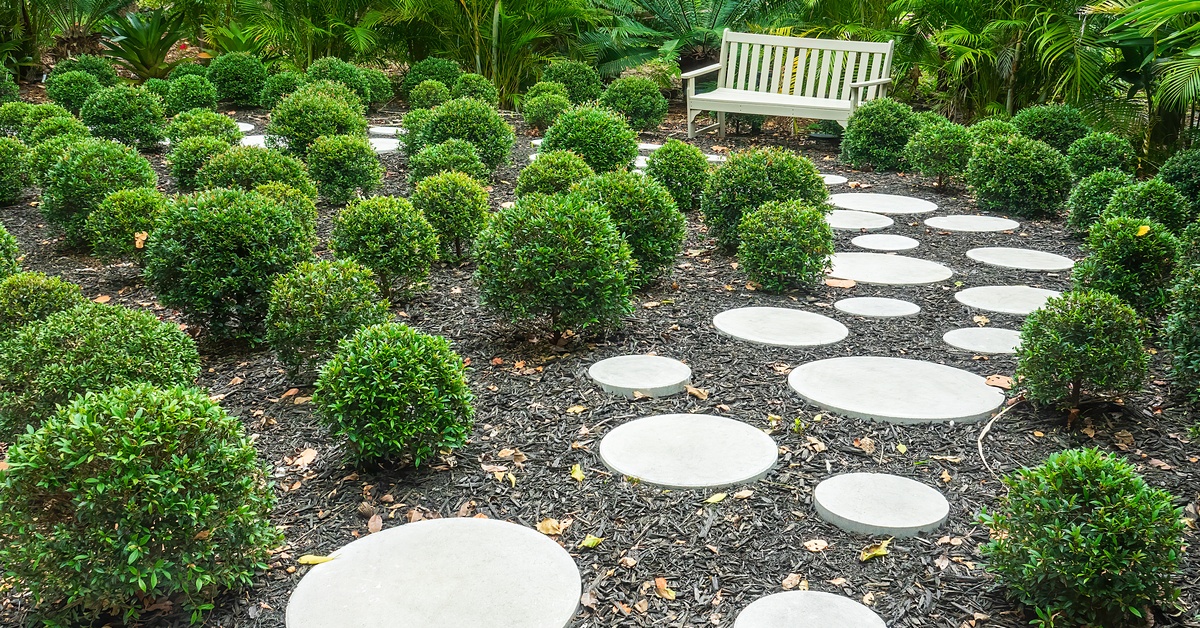
5. Installing Decorative Stepping Stones or Pathways Place flat stones or pavers directly over roots (with a thin sand base so they don’t shift). This creates a charming, functional path while protecting both your feet and the tree.
What NOT to Do – 5 Costly Mistakes That Can Kill Your Tree ❌
While managing tree roots above ground is usually straightforward, one wrong move can seriously stress or even kill your tree. Here are the most common (and expensive) mistakes I see homeowners make in tropical gardens:
1. Cutting or Pruning Exposed Roots Many people grab a saw or axe thinking “out of sight, out of mind.” Big mistake! Cutting large surface roots (especially those thicker than 2–3 inches) removes vital water and nutrient highways. This can cause sudden leaf drop, branch dieback, or make the tree unstable in storms.
Only a certified arborist should ever remove roots — and even then, only small ones far from the trunk, following the “one-third rule.”
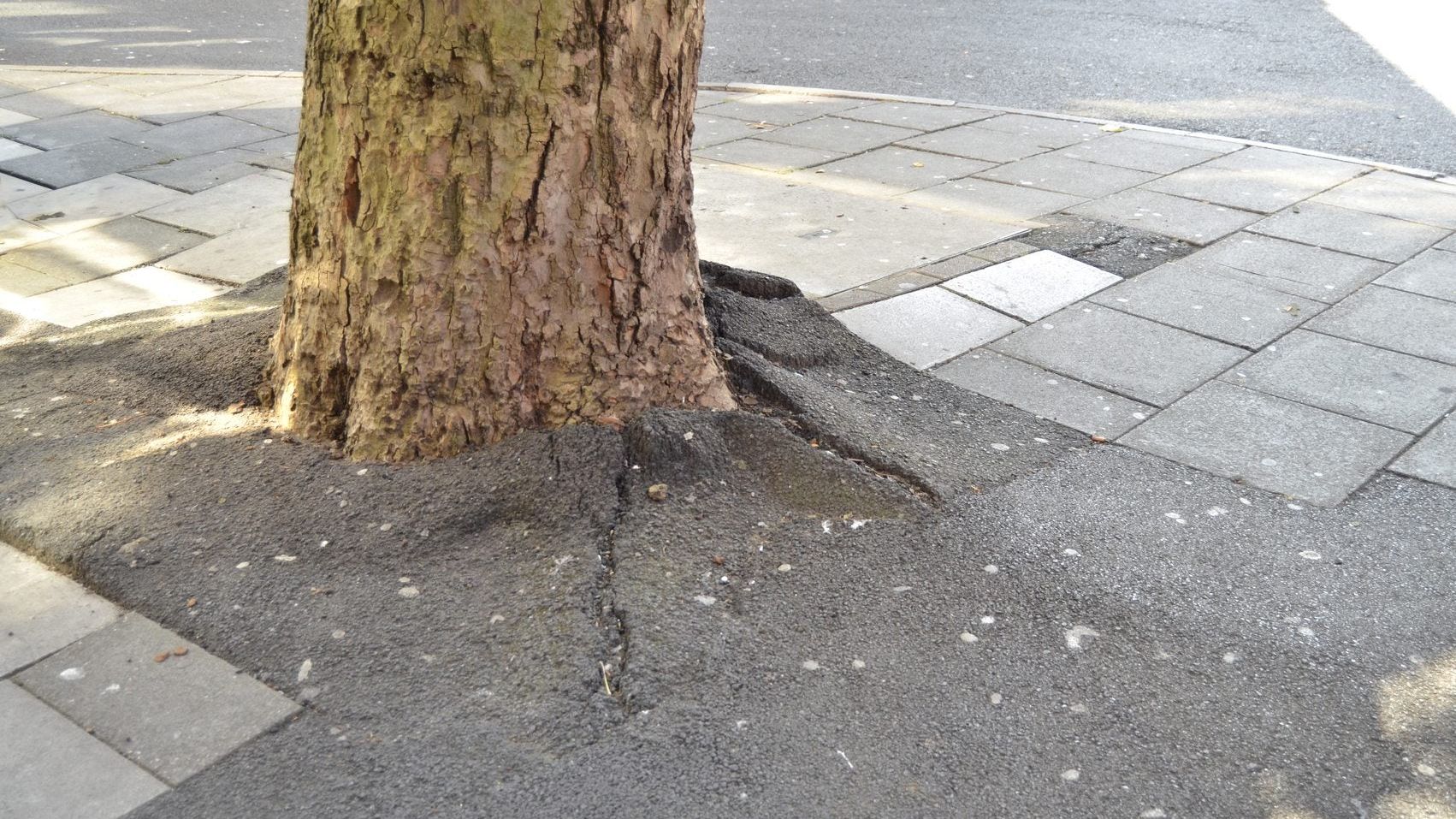
2. Covering Roots with Concrete, Asphalt, or Thick Soil Paving directly over roots or dumping heavy soil smothers them by cutting off oxygen and water. You’ll often see cracked driveways or patios a few years later as the roots continue to grow underneath.
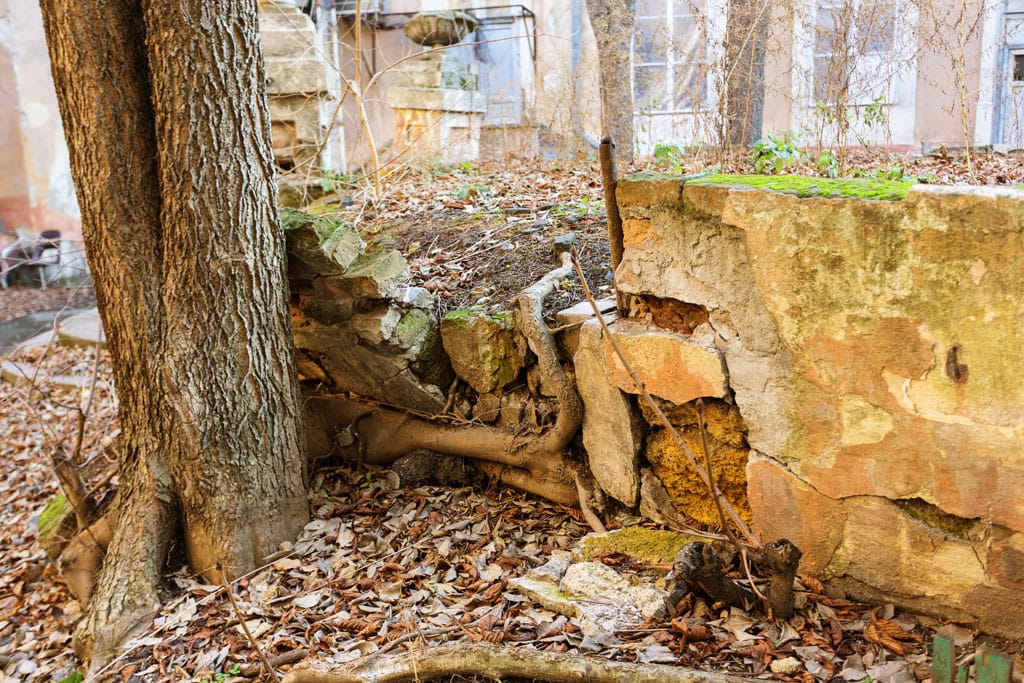
3. Using Root Barriers Incorrectly Root barriers can be helpful near foundations, but installing them too close to the tree or too shallow can redirect roots into even worse surface growth or damage the tree’s stability.
4. Compacting Soil Around Roots with Heavy Machinery or Constant Foot Traffic Avoid parking cars, storing heavy pots, or letting kids play rough games right over the root zone. Compaction squeezes out air pockets that roots desperately need.
5. Ignoring the Warning Signs Until It’s Too Late If you notice mushrooms at the base, sudden leaning, or large areas of dead grass around the roots, don’t wait. These can signal root rot or deeper structural problems.
Pro Tip from 15 Years of Experience: When in doubt, do less rather than more. Trees are remarkably resilient when we work with their natural systems instead of against them. 🌳
Species-Specific Advice for Common Trees in Home Gardens 🌍
Tropical and subtropical climates like those in Bangladesh bring their own unique root behaviors. Here’s tailored guidance for popular trees:
Banyan Trees (Ficus benghalensis) These giants are famous for aerial roots that turn into prop roots. Surface roots are completely normal. Focus on generous mulching and avoid any construction near the wide canopy spread.
Mango Trees Mangoes often develop surface roots as they mature. Keep the area under the canopy mulched and plant shade-loving companions like turmeric or ginger to suppress grass competition.
Neem Trees Neem is hardy but can show roots in poor soil. Improve soil with organic compost annually and ensure good drainage during monsoons.
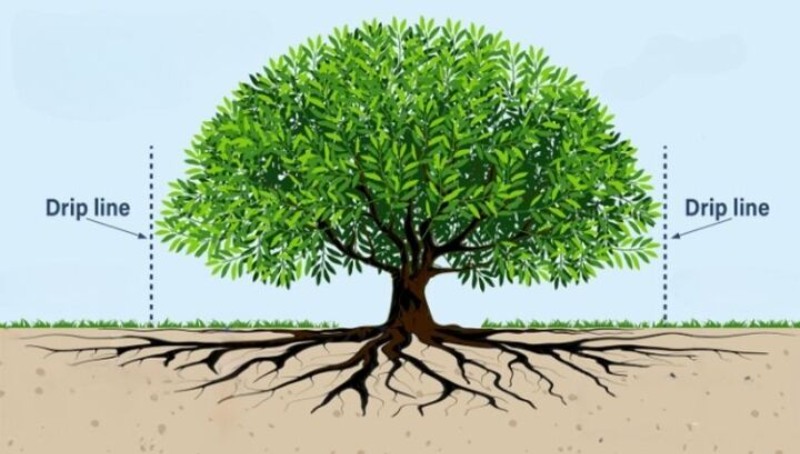
Ficus and Coconut Palms Both love surface rooting. For coconuts, maintain a clear “palm circle” of mulch extending to the drip line. Never plant grass right up to the trunk.
Young vs. Mature Trees Young trees (under 5–7 years) showing early surface roots usually just need better planting depth next time. Mature trees need gentle management rather than drastic changes.

Prevention Tips – Stop Surface Roots Before They Start 🌟
The best way to handle tree roots above ground is to prevent excessive exposure in the first place:
1. Choose the Right Tree and Planting Depth When planting new trees, set the root flare (where trunk meets roots) slightly above soil level. Research species that match your soil type before buying.
2. Improve Soil Structure Add organic matter like compost and coconut husk regularly. Gentle aeration (without damaging roots) helps oxygen reach deeper layers.
3. Smart Watering and Fertilizing Water deeply but infrequently to encourage downward root growth. Use slow-release organic fertilizers rather than high-nitrogen ones that push fast, shallow growth.
4. Long-Term Maintenance Calendar
- Pre-Monsoon (March–May): Apply fresh mulch and check for erosion.
- Monsoon Season: Ensure good drainage; redirect water flow away from trunk.
- Post-Monsoon (October–November): Inspect roots, add compost, plant ground covers.
- Winter (December–February): Light pruning of dead branches only.
When to Call a Professional Arborist (And How to Choose One) 👷♂️
Sometimes DIY isn’t enough. Call a professional if you see:
- Large roots cracking structures
- Signs of disease or rot
- Leaning tree or sudden leaf loss
- Roots interfering with underground utilities
Questions to Ask Before Hiring:
- Are you ISA-certified or have equivalent local credentials?
- Do you carry insurance?
- Can you show examples of similar work in tropical conditions?
Expect consultation fees in Dhaka to range from 2,000–5,000 BDT depending on tree size and complexity. A good arborist will always prioritize the tree’s long-term health over quick fixes.
Conclusion: Keep Your Tree Healthy and Your Yard Safe for Years to Come 🌳❤️
Tree roots above ground are rarely a crisis — they’re often just your tree’s clever way of adapting to real-world conditions like heavy rains, compacted soil, and tropical heat. With the right approach — generous mulching, thoughtful ground covers, and a gentle touch — you can turn a potential headache into a beautiful, natural feature of your garden.
Your trees have been quietly supporting your home and family for years. Now you have the knowledge to support them back. Start with one simple step today: spread a nice layer of mulch around those visible roots and watch how both your tree and your yard thank you.
Share this guide with your gardening friends and neighbors — together we can create healthier, safer green spaces across Bangladesh and beyond!
If you have photos of your own tree roots situation, feel free to describe them in the comments. I’m happy to offer personalized tips.
Happy gardening! 🌿✨
FAQ Section ❓
1. Is it normal for tree roots to be above ground? Yes! Many healthy trees, especially in tropical climates, naturally develop surface roots. It’s usually not a sign of trouble.
2. Can I cover exposed tree roots with dirt? Only a very thin layer (1–2 inches) of good soil mixed with compost. Thick soil or dirt smothers roots by blocking oxygen. Mulch is much safer.
3. Will cutting surface roots kill my tree? Cutting large surface roots can seriously harm or kill the tree. Small roots far from the trunk may be trimmed by a professional, but never DIY large ones.
4. How do I hide tree roots in my lawn without harming the tree? The best methods are heavy mulching, planting low-growing ground covers (ferns, mondo grass, caladium), or installing decorative stepping stones.
5. Do exposed roots mean my tree is dying? Not usually. Check for other symptoms like wilting leaves, dead branches, or soft/rotten roots. If the foliage looks healthy, your tree is probably fine.
6. What is the best mulch for covering tree roots in Bangladesh? Aged hardwood chips, coconut coir, or shredded dry leaves work excellently. Avoid fresh grass clippings that can mat and trap moisture.
7. How much mulch should I put over exposed roots? 2–4 inches maximum, kept several inches away from the trunk to prevent rot. Reapply as it breaks down.











