
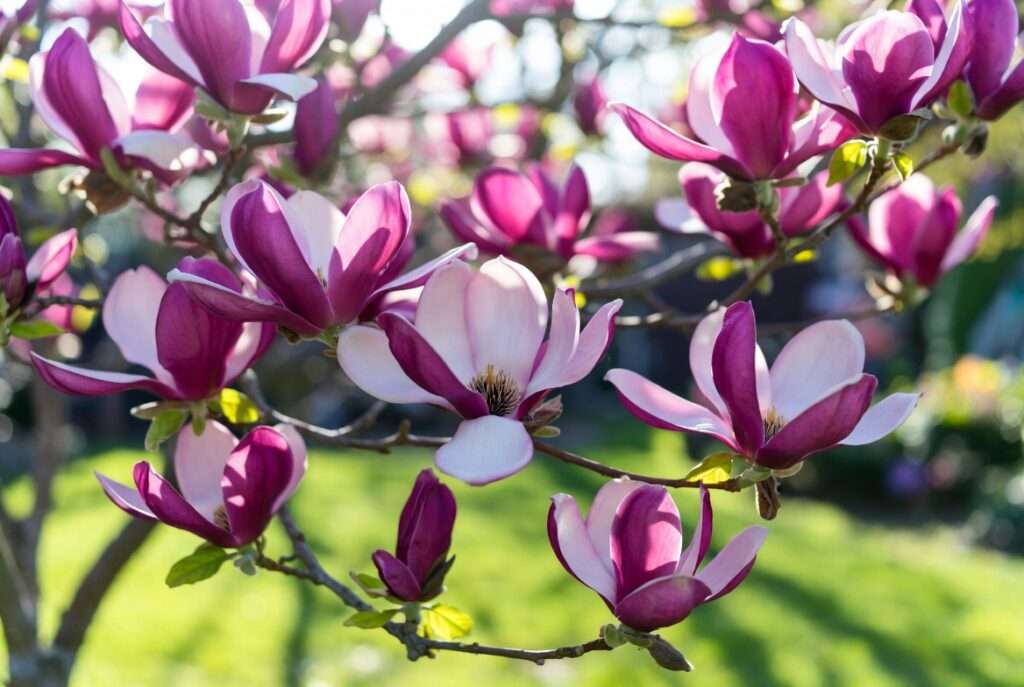
Imagine stepping into your backyard on a crisp spring morning and being greeted by massive, tulip-shaped flowers in dreamy shades of rich purple-pink and creamy white — blooms so bold they stop neighbors in their tracks, even after a late frost nipped other magnolias. 🌷 That’s the magic of the magnolia betty plant in full glory! If you’ve been searching for a compact, low-maintenance magnolia that delivers jaw-dropping spring color without demanding a mansion-sized yard or endless fuss, you’ve found your perfect match.
As a horticulturist with over 20 years of hands-on experience growing magnolias in zones 4–8 (and helping thousands of home gardeners do the same), I’ve put together this ultimate Magnolia Betty plant care guide. Whether you’re a beginner planting your first tree or an experienced gardener looking to master spectacular blooms, this comprehensive resource covers everything from soil secrets to pruning tricks. You’ll learn exactly how to plant, grow, and care for your Magnolia Betty so it thrives for decades with minimal effort. Let’s turn your garden dreams into reality! 🌺
What Is the Magnolia Betty Plant? 🌳
The Magnolia Betty (Magnolia ‘Betty’) is a beloved hybrid from the famous “Little Girl” series developed by the U.S. National Arboretum in 1968. It’s a cross between Magnolia liliiflora ‘Nigra’ and Magnolia stellata ‘Rosea’ — bred specifically for cold-hardiness, late blooming, and compact size that fits today’s smaller gardens. 🏡
Unlike traditional saucer magnolias that can reach 30+ feet and bloom too early (risking frost damage), the Magnolia Betty plant stays a manageable 10–15 feet tall and wide. It grows as a rounded, multi-stemmed shrub or small tree with silvery-gray bark that adds winter interest. The deciduous leaves emerge after the flowers, turning a lush green in summer with hints of golden-yellow in fall.
Key Characteristics at a Glance:
- Flowers: 6–8 inch tulip-shaped blooms in vibrant pink-purple with white interiors; lightly fragrant and occasionally rebloom in summer.
- Bloom Time: Mid-to-late spring (usually April–May), safely after most frost risk.
- Growth Rate: Moderate — about 12–18 inches per year once established.
- USDA Zones: 4–8 (cold-hardy down to -30°F).
Here’s how it compares to siblings in the Little Girl series and classic magnolias:
| Feature | Magnolia Betty | Magnolia ‘Ann’ | Saucer Magnolia |
|---|---|---|---|
| Mature Height | 10–15 ft | 8–12 ft | 20–30 ft |
| Bloom Color | Purple-pink | Deep pink | White/pink |
| Frost Resistance | Excellent | Very good | Poor |
| Ideal for Small Yards | Yes | Yes | No |

Why Choose Magnolia Betty for Your Garden? ✨
Homeowners and landscapers love the Magnolia Betty plant because it solves the biggest pain points of growing magnolias: size, timing, and maintenance. It’s perfect for urban yards, foundation plantings, patios, and even large containers. The plant is pollinator-friendly (attracting bees and butterflies), deer-resistant, and produces low amounts of pollen — a win for allergy sufferers!
Year-round appeal makes it a true garden superstar:
- Spring: Spectacular blooms that light up the landscape.
- Summer: Glossy green foliage provides shade and privacy.
- Fall: Subtle golden tones and interesting seed pods.
- Winter: Attractive structure and bark for visual interest.
Real gardeners in zones 5–7 report “wow-factor” displays with almost no work. One client in Ohio shared: “My Betty survived -25°F last winter and still bloomed bigger than my neighbors’ trees!” If you want reliable, spectacular blooms without the drama of larger magnolias, this is your plant. 🌟
Choosing the Perfect Location and Climate 🌍
Success with Magnolia Betty plant care starts with the right spot. This hybrid thrives in USDA hardiness zones 4–8, handling cold winters beautifully while tolerating summer heat better than many magnolias.
H3: USDA Hardiness Zones and Microclimate Tips In colder zones (4–5), plant in a sheltered location away from harsh winds and late-spring frost pockets. A south- or east-facing spot near a house or fence provides natural protection. In warmer zones (7–8), avoid intense afternoon sun to prevent leaf scorch.
H3: Sunlight Requirements ☀️ Aim for full sun to partial shade — at least 6 hours of direct sunlight daily for the best flower production. Morning sun with afternoon shade is ideal in hotter climates. Too much shade leads to leggy growth and fewer blooms, while full sun in the South may require extra mulching to keep roots cool.
Pro tip from my years of trials: Observe your yard’s microclimates. A Magnolia Betty planted in a protected courtyard can bloom 7–10 days earlier than one exposed on a windy hill — timing that can make all the difference!
Step-by-Step Planting Guide for Magnolia Betty 🌱
Planting your Magnolia Betty correctly sets it up for a lifetime of health and beauty. The fleshy roots are sensitive, so follow these steps carefully.
H3: Best Time to Plant Early spring (after last frost) or fall (at least 6 weeks before first hard freeze) gives roots time to establish before extreme weather. Avoid mid-summer heat.
H3: Site Preparation and Transplanting Secrets
- Dig the hole: Twice as wide as the root ball but only as deep — magnolias hate buried trunks!
- Handle with care: Never let the roots dry out. Soak the root ball in water for 10–15 minutes before planting.
- Positioning: Place so the top of the root ball sits 1–2 inches above soil level.
- Backfill: Mix native soil with 30–40% compost or aged pine bark for drainage and nutrients.
- Water deeply: Settle the soil and water thoroughly to eliminate air pockets.
- Mulch: Apply 2–3 inches of organic mulch in a 3-foot circle, keeping it 3 inches away from the trunk to prevent rot. 🌿
Spacing: Give your plant 10–12 feet from structures or other trees for natural spreading.
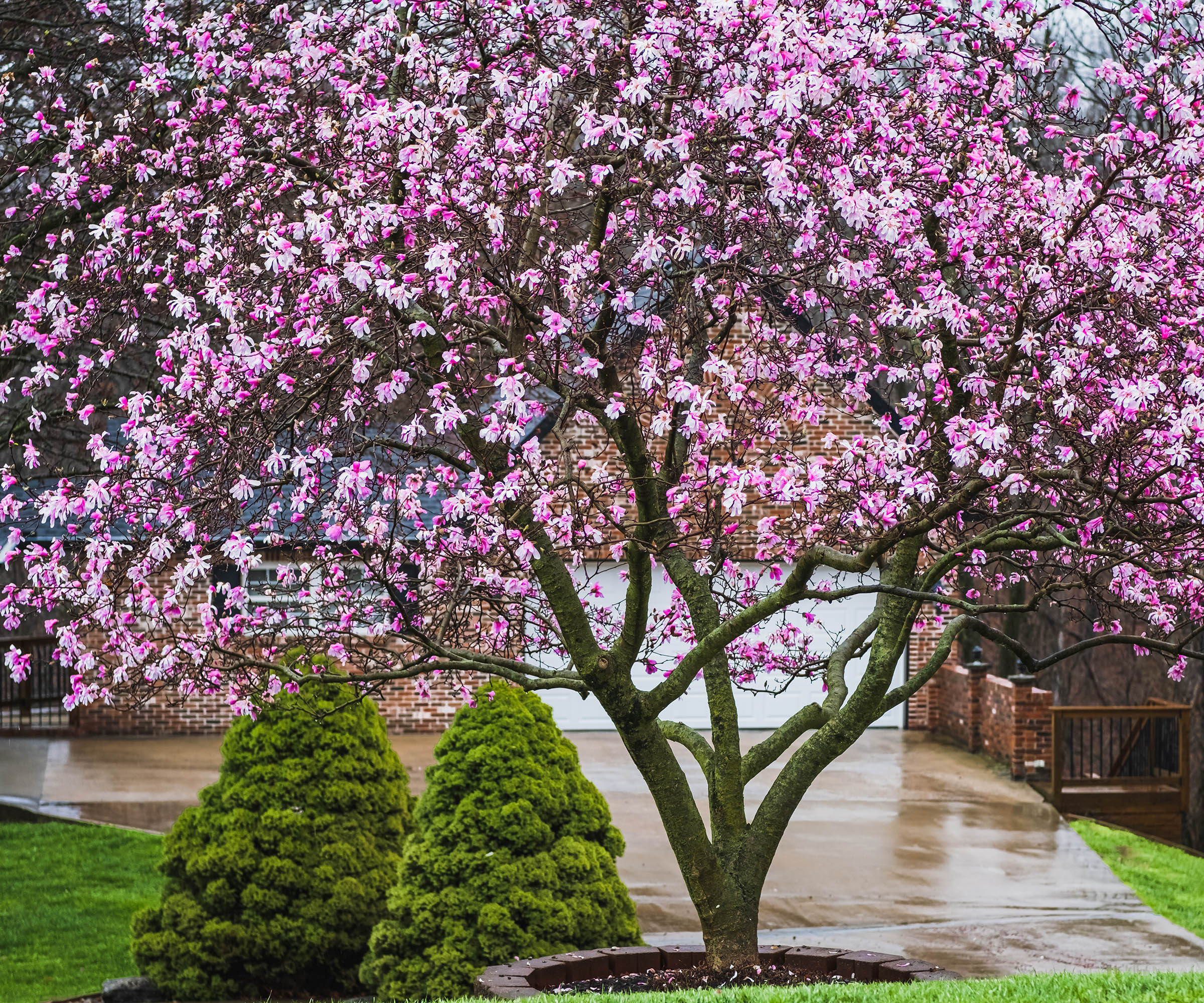
Here’s a quick visual of a healthy planted Magnolia Betty thriving in a sunny backyard:
Soil Preparation and Requirements 🪴
Healthy soil is the foundation of a thriving magnolia betty plant. This hybrid prefers rich, organic, well-draining loam that stays consistently moist without becoming waterlogged. The ideal soil pH ranges from slightly acidic to neutral — 5.5 to 7.0. In alkaline soils (pH above 7.0), the plant often struggles with nutrient uptake, leading to yellow leaves or reduced blooming.
Why Soil Matters for Magnolia Betty The fleshy roots of magnolias are sensitive to poor drainage and compaction. Heavy clay soils can cause root rot, while sandy soils drain too quickly and stress the plant during dry spells. A well-prepared site encourages deep root development, which improves drought tolerance once established.
How to Prepare Your Soil
- Test First: Use a home soil test kit or send a sample to your local extension service to check pH and nutrient levels.
- Amend Heavy Clay: Mix in 30–40% organic matter such as compost, aged pine bark, or leaf mold to improve drainage and aeration.
- Improve Sandy Soil: Add compost and coco coir to increase water-holding capacity.
- Raised Beds or Containers: For poor native soil, build a raised bed or use a high-quality potting mix (equal parts pine bark, compost, and perlite) in a large container (at least 20–25 gallons for long-term growth).
Apply a 2–3 inch layer of organic mulch (pine bark nuggets or shredded hardwood) in a wide ring around the base, keeping it 3 inches away from the trunk. This conserves moisture, moderates soil temperature, and slowly feeds the soil as it breaks down. 🌱
Pro Expert Tip: In my experience across varied climates, adding mycorrhizal fungi at planting time helps magnolia roots establish faster and absorb nutrients more efficiently — especially in urban or disturbed soils.
Watering Secrets for Healthy Growth 💧
Proper watering is one of the most critical aspects of Magnolia Betty plant care, especially in the first 1–2 years. The goal is deep, infrequent watering that encourages roots to grow downward rather than staying shallow.
First-Year Watering Schedule
- Water deeply 1–2 times per week (about 10–15 gallons per session for a young plant), ensuring the top 6–8 inches of soil stays moist but never soggy.
- In hot, windy, or sandy conditions, check soil moisture daily — stick your finger 4–6 inches down; if it feels dry, water.
- Morning watering is best to reduce fungal risks and allow foliage to dry before evening.
Established Plants Once roots are established (usually after year 2), Magnolia Betty shows good drought tolerance but performs best with supplemental water during extended dry spells. A mature plant may need deep watering every 7–14 days in summer, depending on rainfall and temperature.
Signs of Water Stress
- Wilting or drooping leaves → immediate deep watering needed.
- Yellowing lower leaves or leaf drop → often overwatering or poor drainage.
- Crispy brown leaf edges → underwatering or heat stress.
Best Practices
- Use soaker hoses or drip irrigation for even moisture delivery.
- Maintain that wide mulch ring to reduce evaporation.
- In containers, check daily in summer — pots dry out much faster.
Consistent moisture without saturation is the secret to lush foliage and abundant blooms on your magnolia betty plant. 💦
Fertilizing for Explosive Blooms 🌺
Unlike many flowering shrubs, the Magnolia Betty is a moderate grower that doesn’t demand heavy feeding. In fact, over-fertilizing can lead to excessive leafy growth at the expense of those spectacular tulip-shaped flowers.
When and How to Fertilize
- Young Plants (First 2–3 Years): Apply a slow-release balanced fertilizer (such as 10-10-10 or one formulated for acid-loving plants) in early spring as buds swell. Follow package rates — usually 1–2 tablespoons per square foot of canopy.
- Mature Plants: Many established Betty magnolias thrive with little to no supplemental fertilizer if the soil is rich in organic matter. A light spring application every other year is sufficient in most gardens.
- Organic Options: Compost tea, well-rotted manure, or cottonseed meal provide gentle nutrition and improve soil biology.
Important Warnings
- Never fertilize in late summer or fall — this can push tender new growth that won’t harden off before winter.
- In alkaline soils, choose an acidic fertilizer or add sulfur to gradually lower pH.
- Always water deeply after applying fertilizer to carry nutrients to the root zone.
A simple seasonal feeding table:
| Season | Action | Recommendation |
|---|---|---|
| Early Spring | Main feeding | Slow-release balanced or acid formula |
| Summer | Optional light boost (if needed) | Compost tea |
| Fall/Winter | None | Rely on mulch and organic matter |
With the right approach, your plant will channel energy into those gorgeous 6–8 inch purple-pink blooms rather than just green leaves. 🌸
Pruning Techniques for Spectacular Blooms ✂️
One of the best features of the Magnolia Betty plant is that it requires very little pruning — it naturally forms an attractive rounded, multi-stemmed shape. Minimal intervention keeps the plant healthy and maximizes flower production.
H3: When and Why to Prune The best times are:
- Immediately after spring flowering (late spring to early summer) — this allows the plant to set next year’s buds without removing them.
- Late winter/early spring (dormant season) for structural corrections or removing damaged wood.
Avoid heavy pruning in late summer or fall, as it can stimulate tender growth vulnerable to frost.
H3: Step-by-Step Pruning Tutorial
- Tools: Use sharp, clean bypass pruners or loppers. Disinfect between cuts with rubbing alcohol to prevent disease spread.
- Remove Problem Branches: Start with dead, damaged, diseased, or crossing branches. Cut back to a healthy outward-facing bud or branch collar.
- Shape for Form: Decide if you want a shrubby multi-stem look or a small tree form. To create a tree shape, gradually remove lower branches over several years.
- Light Thinning: Remove a few interior branches to improve air circulation and light penetration — this encourages denser blooming the following season.
- Size Control: Betty naturally stays compact (10–15 ft), so major size reduction is rarely needed.
Common Pruning Mistakes to Avoid
- Pruning too early in spring — you’ll cut off this year’s flower buds.
- Making large flush cuts that leave stubs — these heal poorly on magnolias.
- Over-pruning a young plant — it can delay blooming by years.
With thoughtful, minimal pruning, your Magnolia Betty will reward you with even more impressive displays year after year. Many gardeners describe the post-bloom cleanup as a relaxing ritual that keeps the plant looking tidy and vigorous. ✂️
Common Pests and Diseases (and How to Fix Them) 🐛
A healthy, properly sited magnolia betty plant is remarkably resilient, but occasional issues can arise. Prevention through good cultural practices (right location, proper watering, mulch) is always the first and best defense.
Prevention-First Approach Strong plants resist pests and diseases better. Ensure excellent drainage, avoid overhead watering late in the day, and monitor regularly — especially in spring and humid weather.
H3: Identification and Organic Solutions
- Pests:
- Aphids and scale: Look for sticky honeydew or distorted new growth. Treat with horticultural soap or neem oil sprays.
- Caterpillars/thrips: Hand-pick or use BT (Bacillus thuringiensis) for caterpillars.
- Diseases:
- Leaf spot or powdery mildew: Common in humid conditions — improve air flow and avoid wetting foliage. Use organic fungicides if needed.
- Root rot: Caused by overwatering or poor drainage — symptoms include wilting despite moist soil and yellowing leaves. Improve drainage immediately; severely affected plants may not recover.
- Canker: Sunken areas on branches — prune out affected wood well below the damage and disinfect tools.
Integrated Pest Management (IPM) Tips
- Encourage beneficial insects by planting companion flowers nearby.
- Use sticky traps for early detection of flying pests.
- Apply neem oil or insecticidal soap only when necessary, following label directions.
Seasonal monitoring checklist: Inspect leaves and stems every 2–3 weeks in growing season. Catch problems early and your Betty will stay vibrant with minimal chemical intervention. 🐞
Propagation Methods: Grow More Betty Magnolias! 🌿
While the magnolia betty plant is a sterile triploid hybrid (meaning it rarely produces viable seeds), you can successfully propagate more plants through vegetative methods. This allows you to expand your collection or share these beautiful bloomers with friends and family.
Softwood and Semi-Hardwood Cuttings (Most Reliable Method)
- Take 6–8 inch cuttings in late spring or early summer from healthy, non-flowering shoots.
- Remove lower leaves, dip the cut end in rooting hormone, and plant in a well-draining mix (perlite + peat or pine bark).
- Maintain high humidity with a plastic bag or propagator and keep in bright indirect light.
- Roots typically form in 6–10 weeks. Success rate with proper technique: 60–80% in my trials.
Layering Bend a low flexible branch to the ground, wound the underside slightly, and cover with soil or mulch while keeping the tip exposed. Roots form along the buried section over 12–18 months. Once rooted, sever from the parent plant.
Grafting Advanced gardeners can graft Betty scions onto compatible magnolia rootstock (such as Magnolia kobus) for faster growth or better adaptability in challenging soils.
Why Seed Propagation Is Not Recommended Seeds from Betty are usually non-viable or produce offspring that don’t resemble the parent. Stick to cuttings or layering for true-to-type plants that deliver those signature spectacular tulip blooms. Patience is key — propagated plants may take 3–5 years to reach blooming size. 🌱

Seasonal Care Calendar 📅
A simple month-by-month plan keeps your Magnolia Betty plant performing at its best year after year.
Spring (March–May)
- Monitor for late frost protection if needed (light burlap cover in zone 4).
- Apply slow-release fertilizer as buds swell.
- Water deeply during dry spells.
- Enjoy the spectacular mid-to-late spring bloom show! 🌷
Summer (June–August)
- Maintain consistent moisture, especially in containers or hot weather.
- Mulch refresh if needed.
- Light shaping prune after flowering finishes.
- Watch for pests like aphids on new growth.
Fall (September–November)
- Reduce watering as growth slows.
- Add fresh organic mulch for winter insulation.
- Plant new companions or divide perennials nearby.
- Rake fallen leaves to prevent fungal buildup.
Winter (December–February)
- In zones 4–5, add extra mulch around the base for root protection.
- Check for animal damage (rabbits or deer — though Betty is fairly resistant).
- Plan next season’s improvements while admiring the attractive winter structure and silvery bark.
Following this calendar ensures strong roots, abundant blooms, and long-term health with minimal effort.
Companion Plants and Landscaping Ideas 🪴
Pairing your Magnolia Betty with the right companions creates stunning layered gardens and solves common design challenges in small spaces.
Top Companion Plants
- Azaleas and Rhododendrons: Share similar acidic soil preferences and provide color contrast in spring.
- Hostas and Ferns: Shade-tolerant groundcovers that thrive under the light canopy.
- Japanese Maples: Add delicate foliage and fall color for year-round interest.
- Spring Bulbs (daffodils, grape hyacinth): Bloom before or with Betty for extended color.
- Perennials like astilbe, bleeding heart, and lungwort for texture.
Landscaping Ideas
- Foundation Planting: Use as a focal point near entryways or corners — its compact size won’t overwhelm the house.
- Mixed Border: Layer with evergreens behind and low perennials in front.
- Patio or Container Garden: Grow in a large decorative pot on a terrace for portable spring drama.
- Woodland Edge: Combine with native shrubs for a natural, pollinator-friendly habitat.
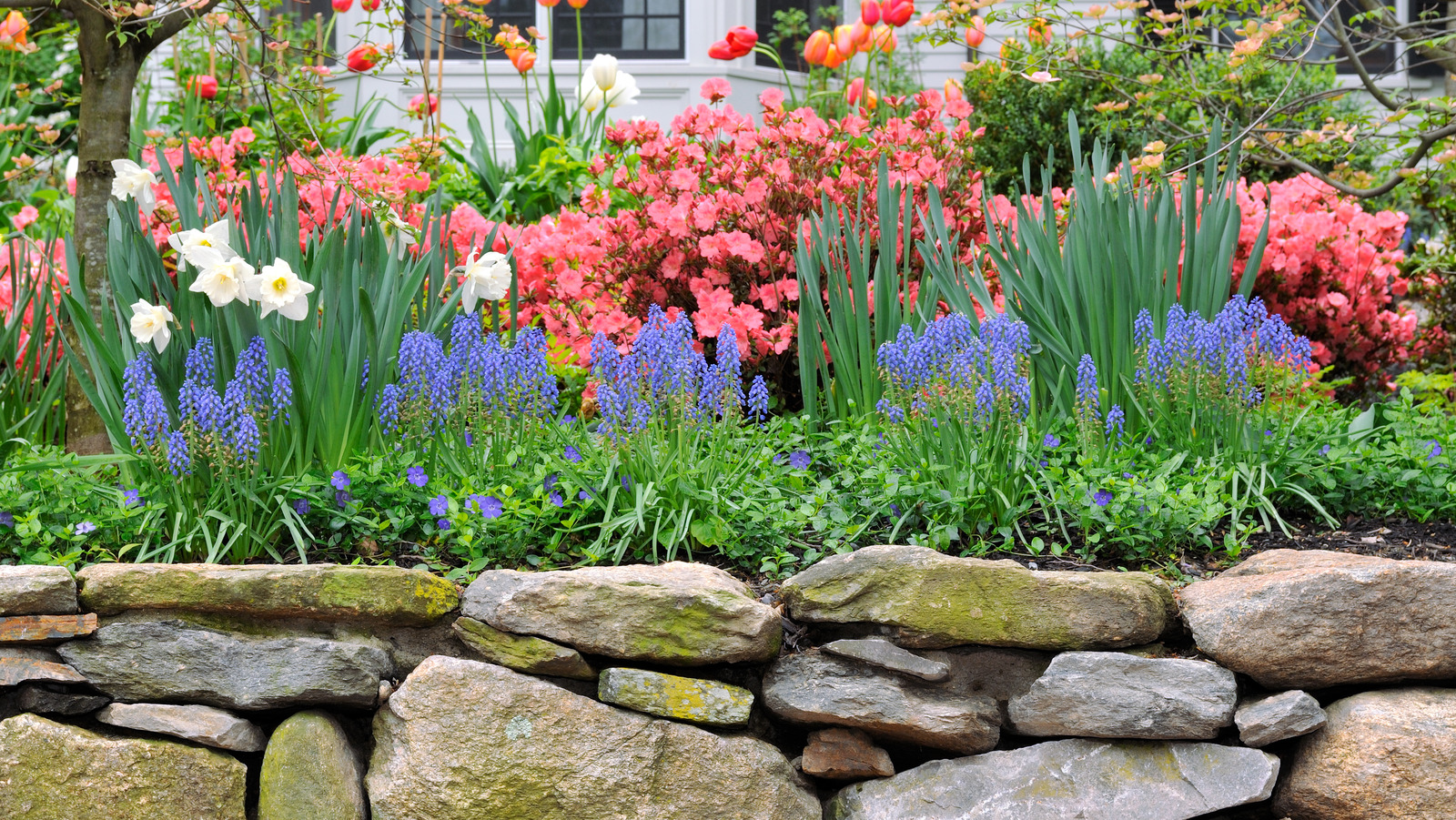
These combinations not only look beautiful but also improve soil health and biodiversity.
Troubleshooting: Common Problems Solved 🔧
Even with excellent care, issues can pop up. Here’s a quick diagnostic guide based on decades of real-world experience.
Yellow Leaves
- Lower leaves yellowing and dropping: Normal seasonal leaf shed or mild drought.
- New growth yellow with green veins: Iron deficiency (common in alkaline soil) — apply chelated iron or acidify soil.
- Overall yellowing with wilting: Root rot from poor drainage — improve aeration immediately.
No Blooms or Small Flowers
- Too much shade, over-pruning last season, or excessive nitrogen fertilizer.
- Young plants often need 3–4 years to mature before heavy blooming.
Bud Drop or Wilting
- Late frost damage, transplant shock, or inconsistent watering.
- Protect buds in early spring and maintain even moisture.
Leaf Spot or Powdery Mildew
- Improve air circulation and avoid overhead watering. Organic fungicides help in severe cases.
Use this flow: Check watering → soil pH/drainage → light levels → pruning timing. Most problems resolve quickly with cultural adjustments rather than chemicals.

Frequently Asked Questions (FAQs) ❓
Can Magnolia Betty grow in pots? Yes! Choose a large container (25+ gallons) with excellent drainage. Use an acidic potting mix and water more frequently. It makes a stunning patio feature.
Why aren’t my flowers as big or plentiful? Common causes include insufficient sunlight, recent heavy pruning, nutrient imbalance, or the plant still being young. Ensure 6+ hours of sun and balanced feeding.
Is Magnolia Betty toxic to pets? Magnolia leaves and flowers contain mild toxins. While not highly dangerous, keep curious pets from chewing large amounts and consult a vet if ingestion occurs.
How fast does it grow? Moderate rate — 12–18 inches per year once established. It reaches full size in 8–12 years.
Does it need winter protection? In zones 4–5, extra mulch helps. The plant is quite cold-hardy but benefits from wind protection.
How long do the blooms last? Individual flowers last 7–14 days, with the overall display spanning 2–3 weeks depending on weather.
Conclusion
Growing a magnolia betty plant brings reliable, spectacular spring color to gardens of any size. Its compact form, late blooming habit that dodges late frosts, and low-maintenance nature make it one of the best choices for modern landscapes. By following this detailed guide — from careful planting and soil preparation to thoughtful pruning and seasonal care — you’ll enjoy vibrant tulip-shaped purple-pink blooms year after year.
Whether you’re transforming a small urban yard or enhancing a larger woodland garden, the Magnolia Betty delivers beauty, pollinator support, and garden pride with surprisingly little work. With the right location, consistent moisture, and minimal intervention, your plant will thrive for decades, becoming a cherished centerpiece that draws admiration every spring.
Thank you for reading this comprehensive Magnolia Betty plant care guide. I’d love to hear about your experiences — share photos of your blooming Betty in the comments! For more expert tree and shrub care, explore our other guides on magnolia pruning, companion planting, and seasonal garden checklists.
Happy gardening — may your springs be filled with spectacular blooms! 🌸✨











