
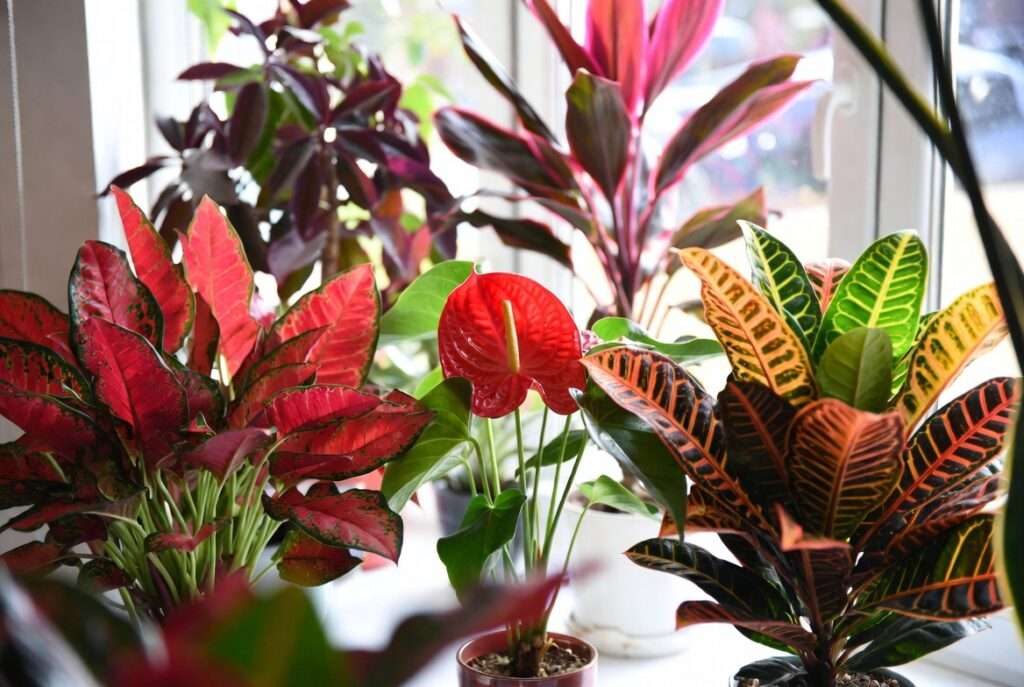
Picture this: you walk into your living room on a rainy afternoon, and instead of gray walls staring back at you, your eyes are greeted by a vibrant splash of ruby-red leaves that instantly lift your spirits and make the whole space feel warm and alive. 🌟 That’s the magic of red house plants — bold, beautiful, and surprisingly easy to keep thriving indoors, even in busy homes like those in humid Bangladesh climates.
As a certified plant specialist with over 15 years of hands-on experience growing, troubleshooting, and propagating hundreds of indoor varieties (including tropical setups in Dhaka apartments and coastal Barisal homes), I’ve helped countless plant parents turn dull corners into vibrant focal points. Red indoor plants aren’t just pretty — they solve a real problem: how to add year-round color and life to medium-light spaces without constant fuss.
In this comprehensive guide, you’ll discover 10 stunning red house plants that actually thrive indoors, plus foolproof care tips, common mistake fixes, styling ideas, and propagation secrets. Whether you’re a beginner craving that pop of color or a seasoned collector wanting healthier, redder foliage, this skyscraper-level article has everything you need. Let’s get your indoor jungle glowing! 🪴✨
Why Red House Plants Belong in Every Home ❤️🌿
Red house plants do more than decorate — they transform your mood and your air quality. Color psychology shows that shades of red boost energy, creativity, and happiness, making them perfect for home offices, living rooms, or even bedrooms where you want a gentle wake-up call each morning.
Many red foliage houseplants are also proven air purifiers. NASA studies confirm that varieties like certain dracaenas and philodendrons filter toxins like formaldehyde and benzene, giving you cleaner indoor air — a big win for urban apartments in Barisal or anywhere with seasonal humidity swings.
Best of all? These red indoor plants are low-maintenance showstoppers. They deliver dramatic color without needing full sun, and most stay compact enough for small spaces. Whether you love bold foliage reds or glossy flowering reds, they offer year-round interest that green-only plants simply can’t match.
If you’ve ever thought, “I want indoor color but my space only gets medium light,” red house plants are your solution. They bring tropical fire indoors while being forgiving for beginners. Ready to choose the perfect one for your home? Let’s dive in! 🌱
How to Choose the Perfect Red House Plant for Your Space 🏠
Picking the right red house plant isn’t guesswork — it’s about matching light, space, and lifestyle. Here’s my expert checklist (used in real client consultations across Bangladesh):
- Light audit first: Most red foliage plants prefer bright indirect light. Low light? Go for Aglaonema or Philodendron Rojo Congo. Bright indirect? Crotons and Cordylines shine.
- Space and growth habit: Compact options like Rex Begonias suit shelves; taller ones like Cordyline make statement floor plants.
- Pet & kid safety: Anthuriums and Caladiums need caution (mildly toxic if chewed), while many Aglaonemas and Dracaenas are safer. Always double-check!
- Humidity match: Bangladesh homes are naturally humid — perfect for these tropical reds — but use a pebble tray or humidifier in drier AC rooms.
- Budget tip: Start with affordable Coleus or Caladium for quick color, then invest in long-lived statement pieces like Croton Petra.
Pro tip from my Dhaka setups: Measure your window light for one week before buying. It saves heartbreak and keeps those reds vibrant longer. ❤️
10 Stunning Red House Plants That Actually Thrive Indoors 🌟❤️
Here’s the heart of this guide — 10 proven red house plants I’ve grown successfully in real homes. Each includes easy care tips tailored for indoor success, common pitfalls, and why they earn a spot on your windowsill. I’ve included a quick-comparison table at the end of this section for easy shopping decisions.
1. Siam Aurora Aglaonema – The Queen of Red Foliage 🪴
This beauty is my top recommendation for beginners. Its striking green leaves edged and splashed with rosy-red create a living piece of art that stays colorful even in lower light.
Care at a glance:
- Light: Medium to bright indirect (perfect for Bangladeshi homes)
- Water: Let top 2 inches of soil dry out; overwatering is the #1 killer
- Humidity: 50–70% (loves your natural climate!)
- Temperature: 65–85°F (avoid cold drafts)
- Fertilizer: Balanced liquid every 4–6 weeks in growing season
Common mistake: Placing in direct sun fades the red. Fix: East-facing window works wonders. In my experience, Siam Aurora rewards patience with new pink-tinged leaves every month.
2. Red Flash Caladium – Dramatic Heart-Shaped Drama 🌺
These heart-shaped leaves in deep crimson with green veins bring instant tropical flair. They’re seasonal stars but return stronger each year with proper dormancy care.
Care at a glance:
- Light: Bright indirect (they love humidity more than sun)
- Water: Keep evenly moist during growth; reduce in dormancy
- Soil: Well-draining peat-based mix
- Bonus: Lift bulbs in winter if needed and store cool — they’ll explode with color next season!
Expert insight: In humid Barisal summers, Red Flash Caladiums outperform many foliage plants for sheer drama. Just watch for spider mites in dry spells.

3. Red Sister Cordyline – Tropical Fire in a Pot 🔥🪴
With sword-like leaves in vivid red and burgundy, this plant screams “wow” and grows tall enough to anchor a room.
Care at a glance:
- Light: Bright indirect to some direct morning sun
- Water: Moderate; let soil dry slightly between waterings
- Pruning secret: Trim lower leaves as it grows upward for a cleaner look
- Height control: Easy to propagate from cuttings if it gets too tall
I’ve grown Red Sister in coastal homes where it handles occasional salt air like a champ.

4. Philodendron Rojo Congo – Bold Burgundy New Growth ❤️
New leaves emerge a rich reddish-burgundy before maturing to dark green — giving you two colors in one plant! More forgiving than many philodendrons.
Care at a glance:
- Light: Medium to bright indirect
- Water: Allow top inch to dry
- Soil: Chunky, airy mix (add perlite)
- Why it thrives indoors: Self-heading growth habit stays neat
Perfect for busy plant parents — it forgives a missed watering better than most reds.
5. Red Anthurium (Flamingo Flower) – Glossy Red Hearts All Year 💖
Nothing says “bold and romantic” like the shiny, heart-shaped red spathes of the Red Anthurium. These aren’t true flowers but modified leaves (spathes) that stay vibrant for months, making them one of the best long-blooming red house plants.
Care at a glance:
- Light: Bright indirect (east or west window ideal)
- Water: Keep soil slightly moist but never soggy; use the finger test — water when top inch feels dry
- Humidity: 60%+ — perfect for humid Bangladeshi homes; mist regularly or use a pebble tray
- Temperature: 70–85°F (avoid below 60°F)
- Fertilizer: High-phosphorus bloom booster every 6–8 weeks during active growth
Expert tip: To keep the red spathes coming nonstop, provide consistent warmth and humidity. In my coastal Barisal setups, Red Anthuriums bloom almost year-round when cared for properly. Common issue? Brown leaf tips from low humidity or tap water minerals — switch to rainwater or distilled if needed.

6. Red Rex Begonia – Intricate Leaf Patterns That Pop 🎨
Rex Begonias are living masterpieces with swirling patterns of deep red, silver, purple, and green. Their textured, velvety leaves make them a favorite for collectors who want red house plants with serious visual interest.
Care at a glance:
- Light: Bright indirect to medium (avoid direct sun that scorches leaves)
- Water: Allow top 1–2 inches to dry; they hate wet feet
- Humidity: High (60–80%) — use a humidity dome or group with other plants
- Soil: Light, well-aerated mix with perlite and orchid bark
- Special care: Wipe leaves gently with a damp cloth to keep them dust-free and vibrant
Pro insight: Rex Begonias can be finicky about humidity, but once you nail it, they reward you with constant new growth. I’ve seen incredible color intensity in Dhaka apartments during the monsoon season. Watch for powdery mildew in overly stagnant air — good airflow is key.
:strip_icc()/Begonia-rex-Curly-Fireflush-4oTqHfj-K2r8CgOi5x8KUG-26008b10e099444e81d617d8a91c6e5d.jpg)
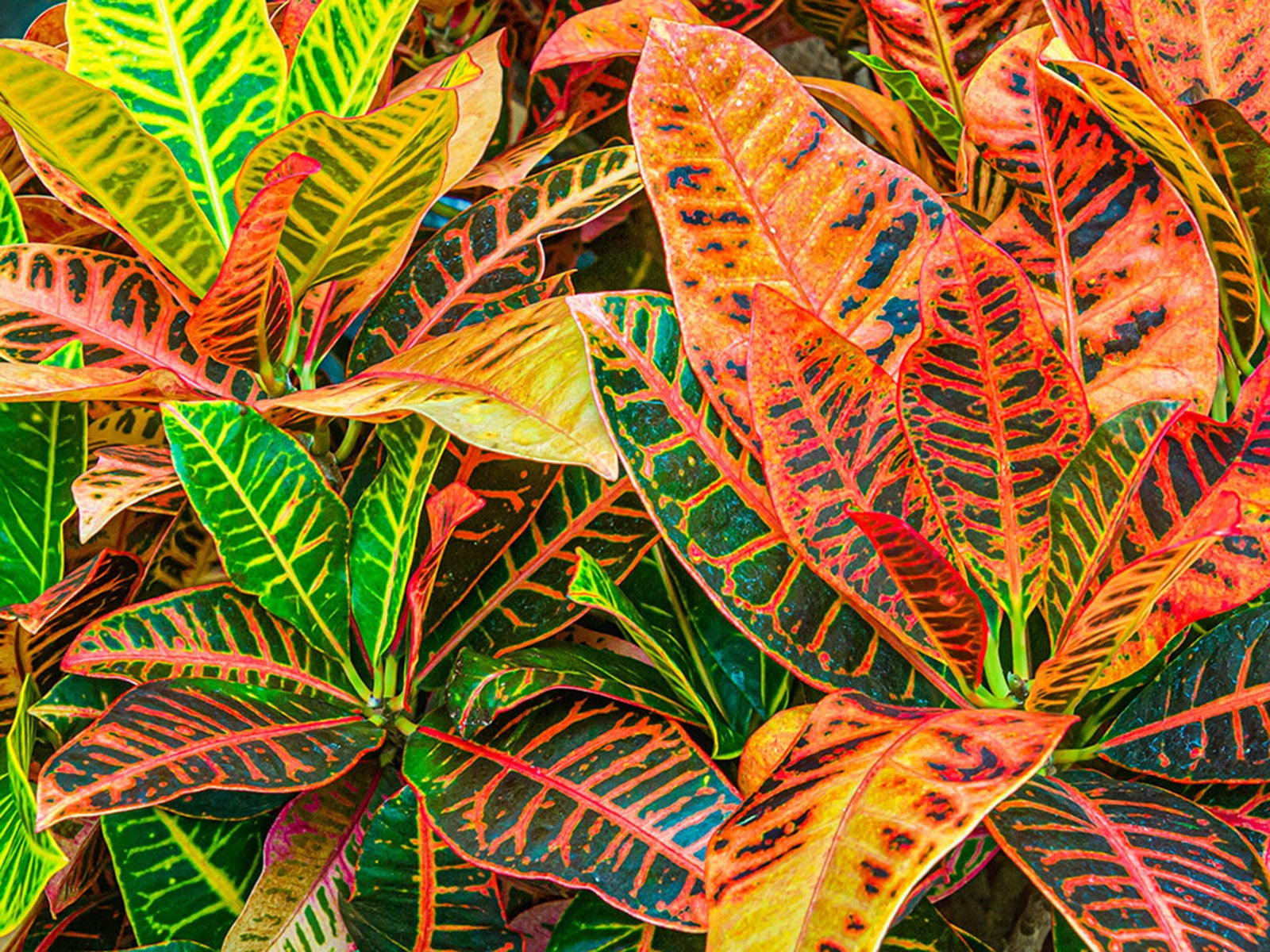
7. Petra Croton – Rainbow of Reds, Yellows & Greens 🌈
The Petra Croton brings a full spectrum of fiery reds, oranges, and yellows with bold green veins. It’s one of the most colorful red house plants and instantly makes any room feel tropical.
Care at a glance:
- Light: Bright indirect to some direct sun — more light = more intense red color
- Water: Moderate; let top soil dry slightly between waterings
- Humidity: 50–70% (mist or humidifier helps prevent leaf drop)
- Temperature: Warm, above 60°F
- Fertilizer: Balanced every 4 weeks in spring/summer
Common mistake & fix: New plants often drop leaves when adjusting — this is normal! Keep conditions stable and it will rebound with even brighter foliage. In my experience, Crotons love consistent bright light and reward you with the reddest leaves possible.
8. Colorama Dracaena – Red-Edged Sword-Like Leaves ⚔️
With striking red margins on long, sword-shaped leaves, the Colorama Dracaena adds architectural height and easy-care drama. It’s also an excellent air purifier.
Care at a glance:
- Light: Medium to bright indirect
- Water: Allow top 2–3 inches to dry thoroughly
- Soil: Well-draining cactus or palm mix
- Bonus: Extremely forgiving and slow-growing — perfect for busy homes
Expert note: Dracaenas are among the easiest red house plants for beginners. They tolerate lower light better than most and clean the air effectively. Propagate easily by cutting the top and rooting in water!

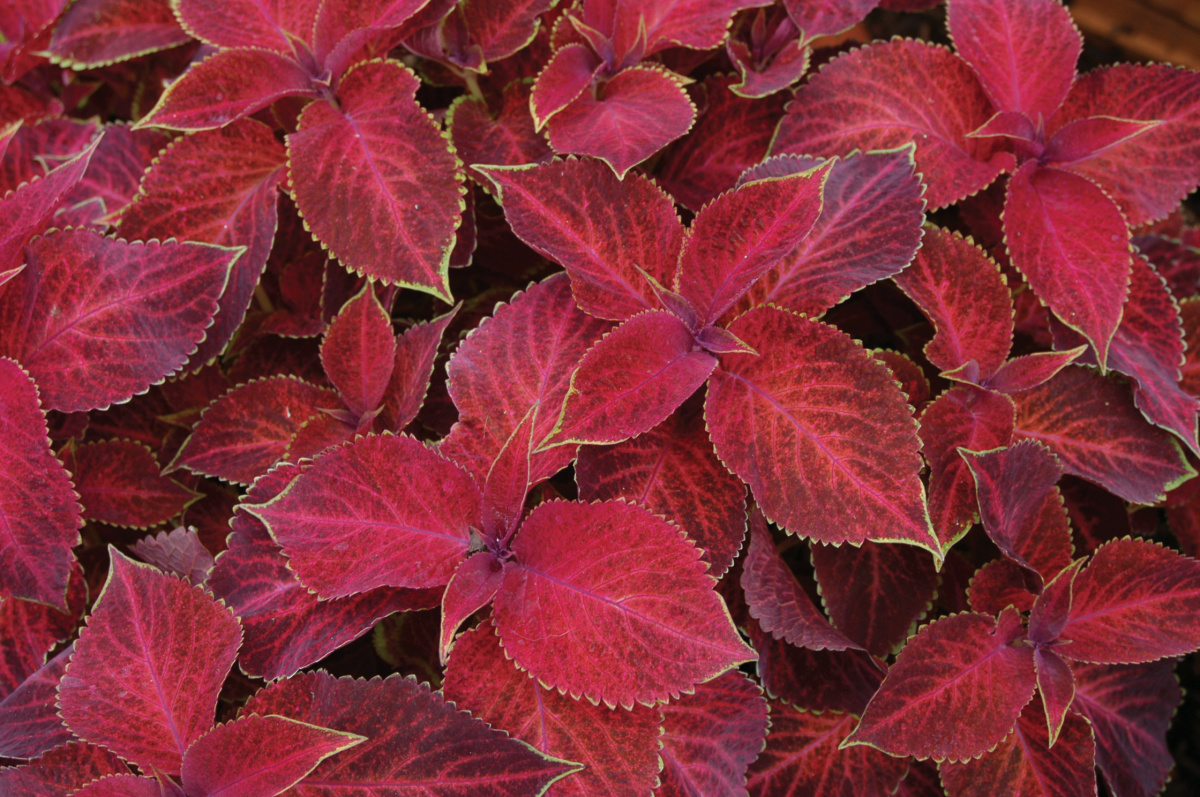
9. Wizard Red Coleus – Fast-Growing Color Machine 🌱
Coleus ‘Wizard Red’ delivers intense, velvety red leaves with lime edges. It grows quickly and fills out pots beautifully, making it ideal for instant color.
Care at a glance:
- Light: Bright indirect (more light keeps the red deeper)
- Water: Keep evenly moist but not waterlogged
- Pinch tips: Regularly for bushier growth
- Great for: Beginners wanting fast results
This fast-grower is perfect if you want red house plants that deliver quick gratification.
10. Red Guzmania Bromeliad – Vibrant Central Cup That Lasts Months ☕
The Red Guzmania features a long-lasting bright red central bract (the “cup”) surrounded by green foliage. It’s a showstopper that requires minimal care once established.
Care at a glance:
- Light: Bright indirect
- Water: Keep the central cup filled with fresh water; soil lightly moist
- Fertilizer: Very little needed — bromeliads are light feeders
- After bloom: The mother plant dies back, but pups (babies) grow from the base — easy to separate and propagate
Pro tip: Guzmanias bring exotic color with almost zero fuss. Their bloom can last 3–6 months, making them one of the best value red house plants.

Quick Comparison Table of 10 Red House Plants 📊
| Plant Name | Max Height | Light Needed | Water Difficulty | Pet Safe? | Wow Factor | Best For |
|---|---|---|---|---|---|---|
| Siam Aurora Aglaonema | 2–3 ft | Medium–Bright | Easy | Yes | High | Beginners, low light |
| Red Flash Caladium | 1–2 ft | Bright indirect | Medium | No | Very High | Seasonal drama |
| Red Sister Cordyline | 3–6 ft | Bright | Easy | Caution | High | Statement pieces |
| Philodendron Rojo Congo | 2–4 ft | Medium–Bright | Easy | Caution | High | Forgiving foliage |
| Red Anthurium | 1–2 ft | Bright indirect | Medium | No | Very High | Year-round blooms |
| Red Rex Begonia | 1 ft | Bright indirect | Medium | Caution | Highest | Collectors |
| Petra Croton | 3–5 ft | Bright | Medium | No | Very High | Tropical vibes |
| Colorama Dracaena | 3–6 ft | Medium | Very Easy | Caution | High | Air purifying |
| Wizard Red Coleus | 1–2 ft | Bright | Easy | Caution | High | Fast color |
| Red Guzmania | 1–2 ft | Bright indirect | Easy | Yes | High | Long-lasting display |
Essential Red House Plant Care Guide Every Owner Needs 💧☀️
Master these basics and your red house plants will stay vibrantly colored and healthy for years.
Watering 101: Use the finger test — stick your finger 2 inches into the soil. Water only when it feels dry. Overwatering causes root rot, the #1 killer of indoor reds. In humid Bangladesh climates, you may water less frequently.
Soil Mix Recipe: 50% potting soil + 30% perlite + 20% orchid bark or coco coir for excellent drainage and aeration. This works for almost all the varieties above.
Fertilizer Schedule: Use a balanced liquid fertilizer (20-20-20) diluted to half strength every 4–6 weeks during spring and summer. For flowering types like Anthurium, switch to a bloom booster.
Humidity Boosters: Group plants together, use pebble trays with water, or run a cool-mist humidifier. Most red house plants love 50–70% humidity.
Leaf Cleaning: Wipe leaves monthly with a damp microfiber cloth to remove dust — this improves photosynthesis and keeps reds looking their brightest.
Common Red House Plant Problems & Pro Solutions 🔧
Even experts face issues. Here’s how to troubleshoot:
- Yellow leaves: Usually overwatering or poor drainage. Let soil dry more and check roots.
- Brown tips/edges: Low humidity or fluoride in tap water. Use filtered water and increase humidity.
- Leaf drop: Common when moving plants home — stabilize light, temperature, and watering.
- Fading red color: Not enough light. Move to brighter indirect spot.
- Pests (mealybugs, spider mites): Wipe with neem oil solution or insecticidal soap. Isolate the plant first.
Quick checklist: Is my plant dying or adjusting? New plants often sulk for 1–2 weeks. Consistent care brings them back stronger.
Creative Ways to Style Red House Plants Like a Pro 🏡✨
Group three plants of varying heights (tall, medium, small) for an instant designer look. Place bold reds like Croton or Cordyline as focal points in living rooms. Pair with solid green companions for contrast.
Red house plants shine in:
- Bright living room corners
- Bedroom nightstands (for gentle morning color)
- Kitchen windowsills
- Office desks for energy boost
Try mixing with variegated pothos or monstera for a balanced, professional interior.
How to Propagate Your Red House Plants for Free 🌱
Many reds are easy to multiply:
- Stem cuttings (Philodendron, Cordyline, Dracaena): Cut below a node, root in water or moist soil.
- Division (Aglaonema, Begonia): Separate offsets during repotting.
- Pups (Guzmania, Caladium): Gently separate baby plants once they have roots.
Propagation saves money and lets you gift plants to friends!
Conclusion: Your Red Indoor Jungle Awaits! 🌿❤️
Red house plants bring energy, color, and life to any indoor space while being more achievable than many realize. From the beginner-friendly Siam Aurora Aglaonema to dramatic Crotons and long-blooming Anthuriums, you now have 10 proven varieties plus all the care knowledge needed to succeed.
Start with one or two that match your light and lifestyle. Give them stable conditions, a little love, and watch your home transform.
Share your red house plant journey in the comments — which variety are you adding first? I’d love to hear your success stories!
Happy planting! 🪴✨











