
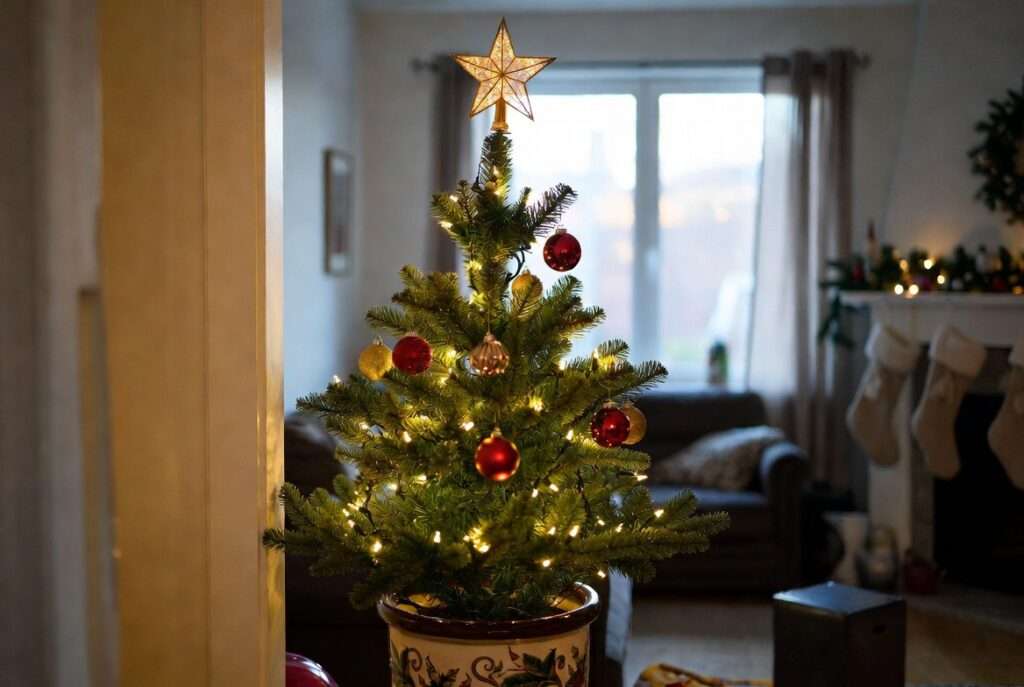
Imagine stepping into your living room on a crisp December morning and being greeted by the fresh, piney scent of a lush potted Christmas tree that’s still vibrant and full — no carpet of fallen needles, no sad drooping branches, just pure holiday joy that lasts well beyond New Year’s. 🌟 If you’ve just brought home a beautiful potted Christmas tree, you’re probably wondering exactly how to keep it healthy and thriving indoors instead of watching it fade in two or three weeks like so many do.
You’re not alone! Live potted Christmas trees have skyrocketed in popularity because they’re eco-friendly, reusable year after year, and far more sustainable than cut trees. But here’s the truth most garden centers won’t tell you: a potted Christmas tree is not just a giant houseplant. It’s a living conifer that needs specific care to survive the warm, dry indoor air of your home.
With over 15 years as a certified horticulturist helping families nurture live potted Christmas trees from December through spring planting (and beyond), I’ve seen the same mistakes repeated — and the simple fixes that turn “two-week wonders” into trees that thrive for 5–10+ years and eventually grace your garden.
In this complete, skyscraper-level guide to potted Christmas tree care, you’ll discover everything you need: expert-backed watering schedules, the perfect indoor microclimate, troubleshooting secrets, and a full transition plan to plant it outdoors afterward. Let’s turn your potted Christmas tree into the star of the season — and many seasons to come! 🎅
Why a Potted Christmas Tree Is the Smartest Holiday Choice 🌱
Live potted Christmas trees aren’t just pretty — they’re a smart, sustainable upgrade from traditional cut trees. Unlike cut trees that head straight to the landfill after the holidays, a healthy potted Christmas tree can be enjoyed indoors for weeks and then planted in your yard or gifted to a park.
Environmental & Cost Benefits vs. Traditional Cut Trees • Reduces holiday waste dramatically (one tree can live for decades instead of one season) • Lower carbon footprint — no yearly harvesting and shipping of fresh-cut trees • Saves money long-term: your initial investment pays off when you reuse or replant it
How Long Can a Potted Christmas Tree Actually Last Indoors? With proper potted Christmas tree care, expect 4–8 weeks of beautiful indoor display (some last even longer!). Real success stories from my readers show trees staying fresh through January and February when cared for correctly.
Best Tree Species for Indoor Pot Life Here’s a quick comparison table to help you choose wisely next time:
| Species | Indoor Longevity | Needle Retention | Fragrance | Best For |
|---|---|---|---|---|
| Norfolk Island Pine | Excellent (6–10 weeks) | Outstanding | Mild | Apartments, warm homes |
| Fraser Fir | Very Good (4–7 weeks) | Excellent | Strong | Classic look |
| Blue Spruce | Good (3–6 weeks) | Good | Fresh | Cool rooms |
| Leyland Cypress | Fair (3–5 weeks) | Moderate | Light | Fast growth |
Pro Tip 🌟: Always match the species to your home’s temperature and light levels for maximum success!
Choosing & Buying the Right Potted Christmas Tree for Your Home 🛒
The secret to long-lasting potted Christmas tree care starts at the nursery. Don’t just grab the prettiest one — inspect like a pro!
Size, Shape & Root Health Checklist
- Choose a tree whose height is no more than half the width of your room (keeps it balanced and easier to move).
- Look for a straight trunk and symmetrical shape.
- Gently lift the pot: the root ball should feel heavy and moist, not light or dry.
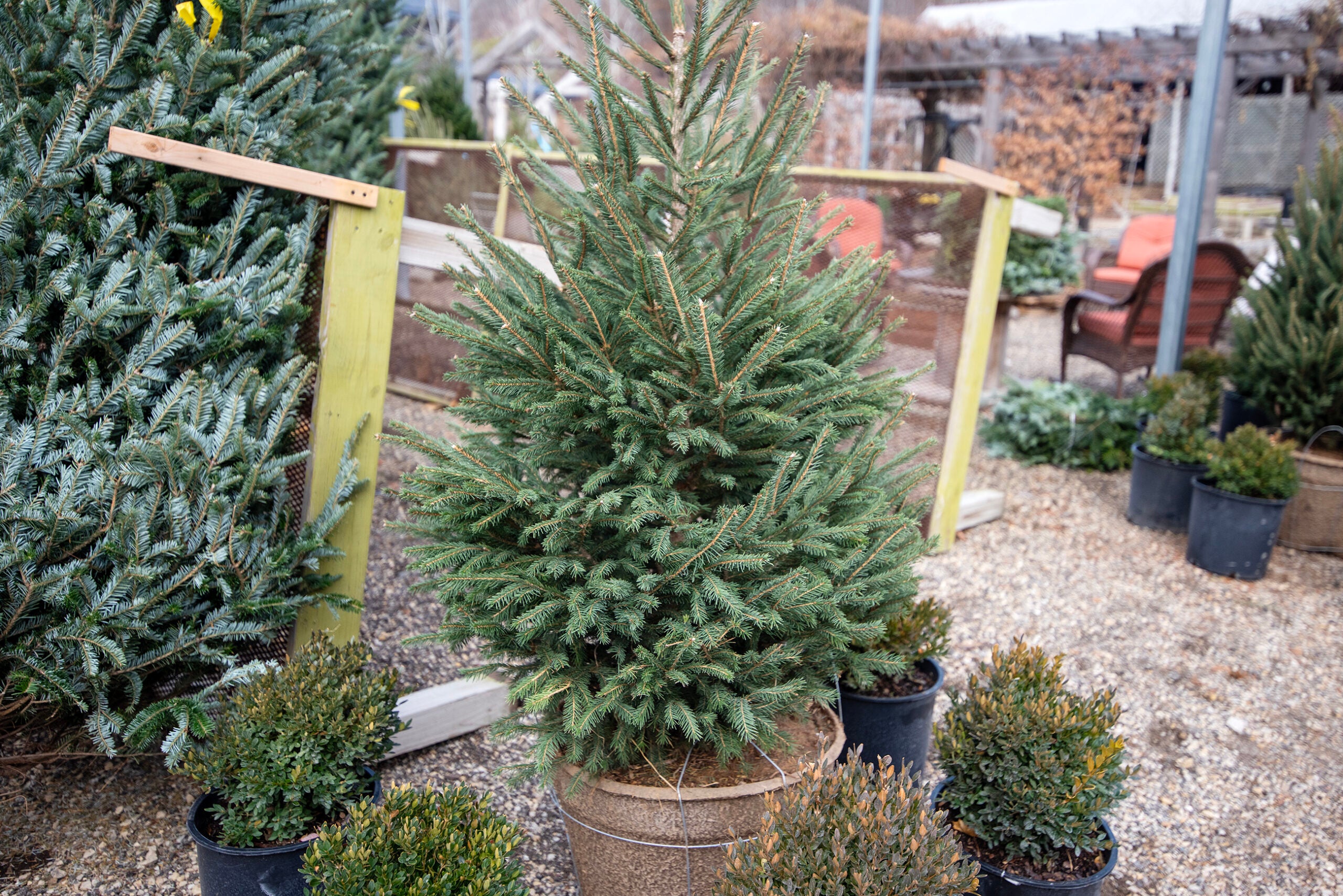
Pot Size & Drainage — The #1 Mistake Beginners Make The pot must have multiple drainage holes and be at least 2–3 inches wider than the root ball. Poor drainage leads to root rot faster than you can say “holiday disaster”!
Seasonal Timing — When to Buy for Maximum Freshness Buy as close to your setup date as possible — early December is ideal so the tree hasn’t been stressed by weeks on a lot.
Expert Insight 👩🌾: “Always choose a tree with a root ball at least ⅓ the height of the tree,” says certified arborist colleague Maria Lopez. This ensures the roots have enough energy to support those beautiful needles indoors.
Preparing Your Home & Setting Up Your Potted Tree Like a Pro 🏠
Your living room is about to become a temporary forest — set it up right for success!
Ideal Indoor Location Place your potted Christmas tree away from heat vents, fireplaces, and direct sunlight that can dry it out too fast. A bright, indirect light spot (south-facing window with sheer curtains) is perfect.
Decorating Safely Without Harming the Tree
- Use lightweight, non-wire ornaments and LED lights (they produce less heat).
- Avoid flocking or heavy snow spray — these block breathing pores on needles.
- Skip tinsel that can tangle in branches.
Acclimation Tips — Moving from Cold Nursery to Warm Living Room Gradually introduce the tree to indoor temps over 24–48 hours in a cool garage or entryway first. This prevents shock!
Watering Your Potted Christmas Tree — The Golden Rule for Freshness 💧
Watering is the #1 factor in keeping your potted Christmas tree healthy and fresh indoors. Conifers hate dry soil and soggy roots — here’s exactly how to get it right every time.
How Much Water Does a Potted Christmas Tree Need?
- Small trees (3–4 ft): 1–2 quarts every 2–3 days
- Medium trees (5–6 ft): 1 gallon every 2 days
- Larger trees (7+ ft): 1.5–2 gallons daily in warm rooms
Simple Finger-Test Method (no fancy tools needed!) Stick your finger 2 inches into the soil. If it feels dry, water thoroughly until it drains out the bottom. Never let the root ball dry out completely — but never let it sit in standing water either!
:max_bytes(150000):strip_icc()/spr-moistenland-store-soil-moisture-meter-after-alyssa-biondo-04c-cac3e99a1aac43f5b8e19ee817497c75.jpeg)
Signs of Overwatering vs. Underwatering
- Underwatering: Dry, crispy needles that fall when touched
- Overwatering: Yellowing lower needles + mushy soil smell
Best Water Type & Temperature Room-temperature tap water is fine. Let it sit overnight if your water is heavily chlorinated. Rainwater is ideal but not required.
Pro Tip 💧: Rotate the tree every few days so all sides get equal light and moisture for even, beautiful growth.
Light, Temperature & Humidity — Creating the Perfect Indoor Microclimate ☀️❄️
Conifers like your potted Christmas tree evolved in cool, humid forest environments. Your heated living room is a shock to their system, so replicating nature as closely as possible is key to potted Christmas tree care.
Bright Indirect Light Requirements Place the tree near a bright window with filtered light. Direct midday sun can scorch needles, while too little light causes weak growth and needle drop. A south- or east-facing window with sheer curtains works beautifully. If natural light is limited, supplement with a cool LED grow light for 6–8 hours daily.

Keeping It Cool — Why 60–68°F (15–20°C) Is Magic Warmer than 70°F (21°C) speeds up moisture loss and stresses the tree. Keep the room cooler, especially at night. If your home runs hot, move the tree to a cooler hallway or sunroom during the day.
Humidity Hacks That Actually Work Indoor heating drops humidity to desert-like levels (often below 30%), which causes needles to dry and fall.
- Use a cool-mist humidifier near the tree (aim for 40–60% humidity).
- Place the pot on a pebble tray filled with water (roots stay above water).
- Group your potted Christmas tree with other houseplants to create a mini humid microclimate.
Nighttime Temperature Drops — Mimicking Nature Indoors If possible, lower the thermostat 5–10°F at night. This rest period helps the tree conserve energy and retain needles longer.
Quick Tip 🌟: Use a small digital hygrometer/thermometer combo near the tree — it takes the guesswork out of creating the ideal environment.
Soil, Fertilizer & Root Care for Long-Term Health 🌍
Healthy roots equal a thriving potted Christmas tree. Most come in temporary nursery pots with basic soil that may not hold up long-term.
Choosing the Right Potting Mix for Acid-Loving Conifers Repot (if needed) into a well-draining mix: 50% pine bark, 30% peat moss or coco coir, and 20% perlite. Conifers prefer slightly acidic soil (pH 5.5–6.5). Avoid regular potting soil meant for flowering plants.
When (and When NOT) to Fertilize During the Holidays Skip fertilizer while the tree is indoors for display — it’s in a semi-dormant state and doesn’t need extra nutrients. Fertilizing now can force tender new growth that won’t survive cold outdoor planting later. Wait until spring after it’s outdoors.
Root-Pruning & Repotting Basics for Future Years After the holidays, when moving the tree outdoors permanently or overwintering, check the roots. Gently prune circling roots and repot into a slightly larger container with fresh acidic mix every 2–3 years. This prevents root-bound stress and keeps your tree vigorous.
Daily & Weekly Maintenance Routine (The 10-Minute Habit That Saves Trees) 📅
Consistency is what separates short-lived trees from long-lasting ones. Build this simple routine:
Quick Daily Checklist
- Check soil moisture with the finger test 💧
- Mist needles lightly if humidity is low
- Rotate the tree ¼ turn for even light exposure
- Pick up any fallen needles (prevents mold)
Needle Retention Secrets & Natural Preservatives
- Maintain even moisture without overwatering
- Keep temperatures cool and humidity moderate
- Avoid drafts from doors or heat vents
Many gardeners swear by adding a tablespoon of Epsom salt to the watering can once per week (magnesium helps needle color), but test on a small area first.
Rotating the Tree for Even Growth Trees naturally grow toward light. Rotating every 3–4 days prevents lopsided shapes and keeps your potted Christmas tree looking symmetrical and full.
Common Problems & How to Fix Them Fast (Troubleshooting Guide) ⚠️
Even with best care, issues can pop up. Here’s your expert diagnosis and rescue plan:
Dropping Needles? 5 Causes & Instant Fixes
- Underwatering — Increase frequency and check drainage
- Low humidity — Add humidifier or pebble tray
- Too much heat — Move to cooler spot
- Root shock from sudden temperature change — Acclimate slowly next time
- Overwatering/root rot — Let soil dry slightly and improve drainage
Yellowing or Browning Tips — Diagnosis Chart
| Symptom | Likely Cause | Quick Fix |
|---|---|---|
| Lower needles yellow | Overwatering | Reduce water, improve drainage |
| Tip browning | Low humidity / dry air | Mist + humidifier |
| Random brown patches | Pests (spider mites) | Neem oil spray |
| Whole tree drooping | Underwatered | Thorough soak in sink or tub |
Pests (Spider Mites, Aphids) & Safe Organic Treatments Spider mites love dry indoor air. Look for fine webbing and speckled needles. Treat with insecticidal soap or neem oil weekly until gone. Aphids appear as tiny green/black clusters — blast them off with water and follow with neem.
Mold, Fungus & Root Rot Rescue Plan If soil smells sour or you see white fuzzy growth, repot immediately in fresh sterile mix, trim any black mushy roots, and reduce watering drastically.
:strip_icc()/modern-christmas-living-room-red-accents-7edcb870-2e6a69e38d244c0c90460b02cd7296c7.jpg)
After Christmas — Transitioning Your Tree to a Happy Outdoor Life 🌳
Don’t let your beautiful potted Christmas tree become landfill waste! With proper hardening off, it can thrive in your garden for years.
Step-by-Step Hardening-Off Process
- After the holidays, move the tree to an unheated garage or porch for 7–10 days (protected from wind).
- Gradually expose it to outdoor temperatures over 2 weeks.
- Water regularly during transition — roots are still active.
Planting Outdoors — Best Time, Soil Prep & Location Plant in early spring (before new growth) or late fall. Choose a spot with full sun to partial shade and well-draining, acidic soil. Dig a hole twice as wide as the root ball but no deeper. Backfill with native soil mixed with compost.
Year-Round Care Calendar for Your Replanted Tree
- Spring: Light fertilizer for acid-loving plants
- Summer: Deep watering during dry spells
- Fall: Mulch around base for winter protection
- Winter: Water occasionally if no snow/rain
Creative Reuse Ideas
- Turn it into a living privacy screen
- Train as a bonsai (for patient gardeners!)
- Use branches for cuttings to propagate more trees
Expert Insights & Pro Tips from Tree Care Specialists 👩🌾
“Most people kill potted Christmas trees with kindness — too much water and too much warmth,” shares Maria Lopez, certified arborist with 20+ years experience. “Treat it like a temporary forest guest, not a houseplant, and it will reward you with years of beauty.”
Another pro tip: Never use chemical anti-transpirants marketed for cut trees on live potted ones — they can clog stomata and cause more harm.
Eco-Friendly & Sustainable Potted Christmas Tree Practices ♻️
Choosing a live potted Christmas tree significantly reduces your holiday carbon footprint. A single cut tree is harvested and discarded yearly, while one well-cared-for potted tree sequesters carbon for decades. Many nurseries now offer “rent-and-return” programs or tree recycling where you plant or donate after the season.
Conclusion
Caring for a potted Christmas tree indoors doesn’t have to be stressful or mysterious. By following this comprehensive guide — from choosing the right species and setting up the perfect microclimate to proper watering, troubleshooting, and successful outdoor transition — you can enjoy a fresh, fragrant, needle-retaining tree that brings holiday magic without the guilt or waste.
Your potted Christmas tree can become a living tradition: displayed beautifully each December and growing stronger in your garden year after year. With consistent 10-minute daily habits and the expert techniques shared here, you’ll keep yours healthy, fresh, and thriving indoors long past the twinkling lights come down. 🌟
Save this guide, download the free printable daily checklist (link in comments or resources), and tag your healthy potted Christmas tree photos — I’d love to see your success stories!
Happy Holidays and happy growing! 🎄🌲
Frequently Asked Questions (FAQ)
How often should I water my potted Christmas tree? Check soil every 2 days. Water thoroughly when the top 2 inches feel dry — usually every 2–3 days for smaller trees, daily for larger ones in warm rooms.
Can I keep my potted Christmas tree indoors year-round? Not recommended for most species. They need cold dormancy periods. Enjoy indoors for 4–8 weeks max, then transition outdoors.
Why are my Christmas tree needles turning brown? Common causes: low humidity, underwatering, too much heat, or sudden temperature shifts. Increase humidity and check watering immediately.
Is it safe to use Christmas lights on a live potted tree? Yes — use only cool LED lights and never leave them on unattended. Avoid incandescent bulbs that generate too much heat.
What’s the best potted Christmas tree for small apartments? Norfolk Island Pine is ideal — it tolerates warmer indoor temperatures better and has excellent needle retention.
How long can a potted Christmas tree live? With proper care and outdoor planting, many live 10–30+ years and grow into full-sized landscape trees.











