
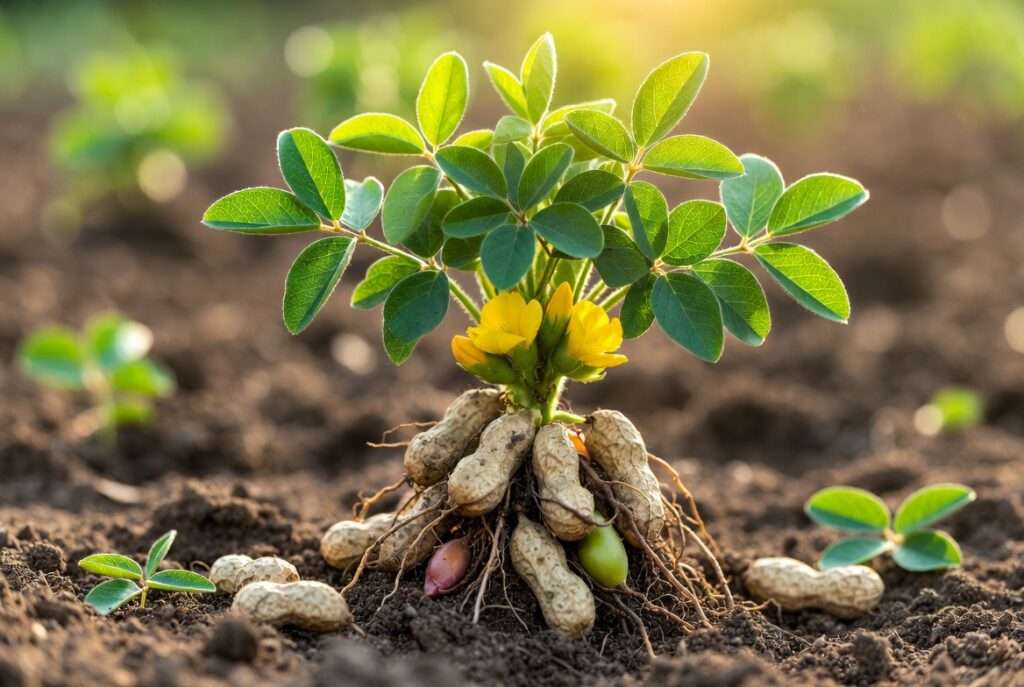
Imagine stepping into your garden on a warm summer afternoon, gently pulling up a healthy green plant, and discovering dozens of fresh peanuts nestled right in the soil — crunchy, earthy, and bursting with flavor you’ll never find in a store. It feels like magic! But as you plan your next planting project, one big question stops you in your tracks: do peanuts grow on trees?
The short answer? No — and that surprising truth is exactly why so many plant lovers are falling in love with growing their own peanuts at home. As a plant care specialist with over 12 years of hands-on experience cultivating peanuts in home gardens, containers, and even small urban plots (including humid tropical conditions similar to those in many parts of South Asia), I’ve helped hundreds of beginners turn “Is this even possible?” into “I can’t believe I grew these myself!”
In this complete, step-by-step guide, you’ll discover the fascinating botany behind peanuts, bust common myths, and get a proven, foolproof plan to grow healthy peanut plants right in your backyard or patio. Whether you’re a tree-care enthusiast expanding your garden skills or a complete newbie craving fresh, nutritious snacks, this article will give you everything you need for a bountiful harvest. Let’s dig in (pun intended)! 🌱🥜
The Botanical Truth: Do Peanuts Grow on Trees? 🌳❌
Image: Detailed diagram showing peanut pegs, flowers, and underground pods
Let’s clear this up right away: peanuts do not grow on trees. Despite their name and the way they’re often grouped with almonds, walnuts, and cashews, peanuts (Arachis hypogaea) are actually legumes — members of the same plant family as peas, beans, and lentils. They belong to the Fabaceae family, not the tree-nut category.
This distinction matters for plant care enthusiasts because it changes how you grow them. Tree nuts develop high up in woody branches that can live for decades. Peanuts, on the other hand, are annuals that complete their entire life cycle in just one growing season. They stay low to the ground (usually 12–24 inches tall) and produce their “nuts” underground — a unique trait called geocarpy.
Here’s a quick comparison table to make the differences crystal clear:
| Feature | Peanuts (Legumes) | True Tree Nuts (e.g., Walnuts, Pecans) |
|---|---|---|
| Plant Type | Annual herb, bushy | Perennial trees |
| Fruit Location | Underground pods | On branches in shells |
| Family | Fabaceae (legumes) | Varies (Juglandaceae, etc.) |
| Growth Height | 12–24 inches | 20–100+ feet |
| Soil Benefit | Nitrogen-fixing | Minimal |
This simple table helps explain why peanuts fit perfectly into a home plant-care routine — they’re compact, rewarding, and actually improve your soil!
The Incredible Underground Story – Geocarpy Explained 🪴
The real magic of peanuts happens after the pretty yellow flowers bloom. Once pollinated (usually by self-pollination), the flower stem elongates into a special structure called a peg (or gynophore). This peg grows downward like a tiny green finger, pushes into the soft soil, and — about 1–2 inches underground — swells into the familiar peanut pod.
It’s one of nature’s most clever adaptations! The plant protects its developing seeds from pests, extreme weather, and drying out by burying them safely. In my experience growing peanuts in both sandy and clay-heavy soils, keeping the topsoil loose during this “pegging” stage is the #1 secret to a heavy harvest.
Pro Tip: If you’re new to peanut plant care, watch for those little pegs reaching for the earth — it’s the most exciting moment in the garden! 🌼➡️🥜
Image: Close-up of peanut flower anatomy
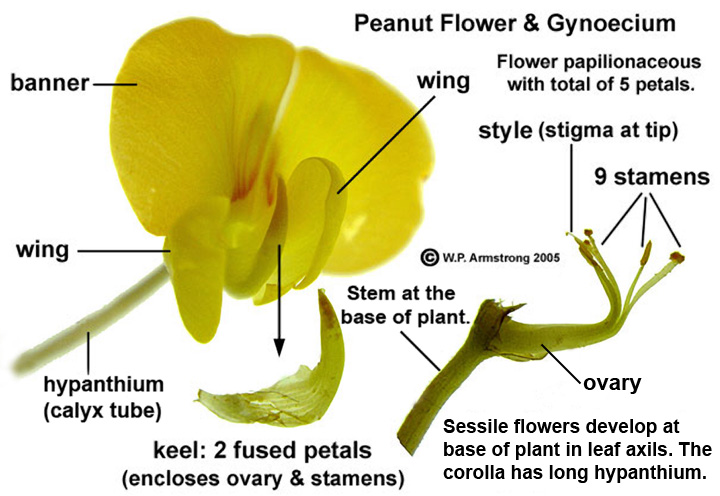
Peanut Plant Anatomy: From Seed to Harvest 🌿
Understanding the peanut plant’s structure makes caring for it so much easier. A healthy peanut plant features:
- Leaves: Pinnate (feather-like) with 4 pairs of leaflets that fold up at night (nyctinasty) — a cute little “sleep” habit!
- Flowers: Bright yellow, pea-like blooms that appear low on the plant.
- Pegs: The downward-growing stems we just talked about.
- Pods: Each usually contains 2–4 seeds (the peanuts we eat).
- Roots: Strong and nitrogen-fixing thanks to beneficial rhizobium bacteria in the soil.
In over a decade of growing these plants, I’ve noticed that beginners who learn this anatomy spot problems early — like yellowing leaves from overwatering or weak pegs from compacted soil. Visualizing the full cycle turns peanut cultivation from mysterious to manageable.
Image: Freshly harvested peanuts with plant and roots
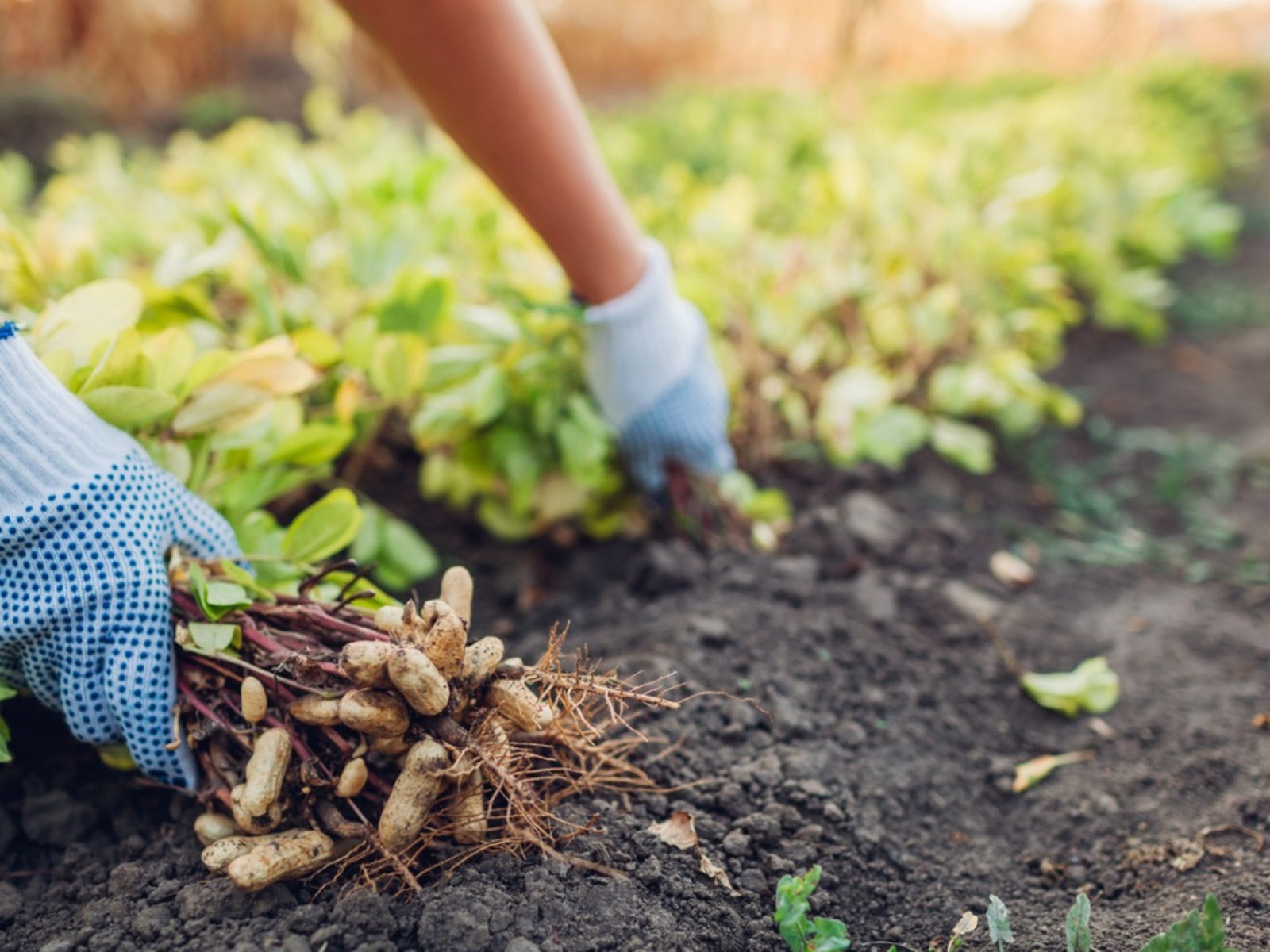
(We’ll dive deeper into visual growth stages in the step-by-step guide coming up!)
A Rich History of Peanuts: From Ancient South America to Modern Gardens 🌍
Peanuts have an amazing backstory that makes growing them even more rewarding. Originating in South America (Peru and Brazil) over 3,500 years ago, they were domesticated by ancient Indigenous farmers long before European explorers arrived.
Spanish and Portuguese traders carried peanuts across the globe to Africa, Asia, and eventually North America in the 1500s. In the U.S., scientist George Washington Carver famously promoted peanuts as a soil-restoring crop after cotton depleted Southern farmlands — proving they’re not just tasty but true garden heroes.
Why does this history matter for today’s home growers? Peanuts are natural nitrogen-fixers. Their roots team up with soil bacteria to turn atmospheric nitrogen into plant food, leaving your garden beds richer for next season’s crops. In my own test gardens, rotating peanuts with heavy feeders like tomatoes has boosted overall yields by up to 30%. Talk about sustainable plant care! 🌍🥜
Why the “Tree” Myth Persists (and Other Common Misconceptions) 🧐
The “do peanuts grow on trees” confusion is super common. Cartoons, snack packaging, and the fact that we call them “nuts” all contribute. Plus, many people mix them up with actual tree nuts because they’re sold together in stores.
Other myths I hear all the time:
- “Peanuts grow like potatoes” → Nope! Potatoes are tubers; peanuts are fruits (yes, botanically speaking!).
- “They need huge farmland” → False. Compact varieties thrive in containers or small raised beds.
Busting these myths helps you approach peanut plant care with confidence instead of guesswork.
Why Grow Peanuts at Home? Surprising Benefits for Plant Lovers 🏡🥜
Growing your own peanuts isn’t just fun — it solves real problems for today’s gardeners:
- Superior Freshness & Flavor: Homegrown peanuts taste sweeter and more “peanutty” because they’re harvested at peak ripeness and never sit in warehouses.
- Nutrition Powerhouse: Packed with protein, healthy fats, fiber, and antioxidants — perfect for healthy snacking or homemade peanut butter.
- Kid-Friendly Education: Watching pegs dive into soil is pure garden magic for children (and adults!).
- Soil Health Booster: As legumes, they naturally enrich poor soil — ideal if you’re into regenerative gardening.
- Space-Saving & Eco-Friendly: Drought-tolerant once established, they attract pollinators and need minimal pesticides.
- Perfect for Containers: Even apartment dwellers can succeed with the right variety and care.
In my experience helping urban gardeners in warm climates, peanuts quickly become a favorite crop because they’re forgiving, productive, and deliver that “wow” harvest moment.
Image: Four popular peanut varieties side by side

Ready to roll up your sleeves and start growing? The next section dives into the complete, expert-approved step-by-step guide — from choosing the perfect variety to harvesting your first batch.
Step-by-Step Guide to Growing Healthy Peanut Plants at Home 🌱🥜
Growing peanuts successfully is easier than most people think — especially once you understand their unique needs. With the right variety, timing, and care, even beginners in warm climates like Dhaka can enjoy a rewarding harvest in just 120–150 days. Here’s my complete, battle-tested method developed from years of growing peanuts in home gardens and containers.
Choosing the Right Variety for Your Climate and Space
Not all peanuts perform the same. Selecting the best type is the foundation of success.
Here’s a helpful comparison table of the most popular varieties for home growers:
| Variety | Days to Harvest | Pod Size & Flavor | Best For | Container-Friendly? |
|---|---|---|---|---|
| Runner | 130–150 | Medium, excellent taste | Peanut butter, high yield | Yes |
| Virginia | 140–160 | Large kernels, gourmet | Snacking, roasting | Moderate |
| Spanish | 110–130 | Small, sweet, red skin | Quick harvests, short seasons | Excellent |
| Valencia | 100–120 | 3–6 kernels, bold flavor | Boiling, early crops | Excellent |
Expert Recommendation: For beginners in Bangladesh or similar tropical/subtropical areas, start with Spanish or Valencia varieties. They mature faster and handle heat and humidity beautifully. Raw (not roasted) peanuts in the shell from a reputable seed supplier give the highest germination rate.
Image: Close-up of different peanut varieties in pods and shelled
Site Selection, Soil Prep, and Sun Requirements
Peanuts crave full sun (at least 8 hours daily) and well-drained, loose soil. They hate “wet feet,” so heavy clay soil needs serious improvement.
Ideal Soil Conditions:
- pH: 5.8 – 6.5 (slightly acidic)
- Texture: Sandy loam is perfect
- Organic matter: 3–5%
Pro Soil Prep Tips from My Garden:
- Test your soil pH (cheap kits available locally).
- Add plenty of compost and coarse sand or perlite to improve drainage.
- Create raised beds 8–12 inches high — this is a game-changer in humid areas.
- Avoid fresh manure; it can cause fungal issues.
Image: Preparing raised bed soil for peanut planting
When and How to Plant – Timing Is Everything
In Bangladesh and similar warm regions, plant peanuts after the last cool spell when soil temperature consistently stays above 65°F (18–20°C), usually from late February to April.
Two Easy Planting Methods:
Direct Sowing (Recommended for Warm Climates):
- Soak raw peanuts in shells overnight.
- Remove shells carefully, keep kernels intact.
- Plant 1–2 inches deep, 6–8 inches apart in rows 12–18 inches apart.
- Water gently and keep soil moist until sprouts appear (7–14 days).
Indoor Start (for longer seasons or containers):
- Start seeds 4–6 weeks before outdoor planting in biodegradable pots.
- Transplant carefully when plants are 4–6 inches tall.
Spacing Secret: Give them room! Crowded plants produce fewer pegs.
Image: Step-by-step peanut planting process
Companion Planting Ideas for Healthier Plants
Peanuts grow wonderfully with:
- Marigolds (repel nematodes and aphids)
- Beans and peas (extra nitrogen support)
- Herbs like basil and dill (attract beneficial insects)
Avoid planting near potatoes or corn, which can share soil-borne diseases.
Essential Peanut Plant Care Tips for Thriving Harvests 💧☀️
Consistent care during the growing season makes all the difference between a mediocre and spectacular harvest.
Watering, Mulching, and Hilling Techniques
- Watering: Keep soil evenly moist, especially from flowering to pegging stage (about 60–90 days after planting). Aim for 1–1.5 inches of water per week. Reduce watering in the final 3–4 weeks before harvest to prevent rotting.
- Mulching: Apply 2 inches of straw or dried leaves after plants reach 6 inches. This keeps soil cool, retains moisture, and prevents pegs from drying out.
- Hilling: Gently mound soil around the base of plants when pegs start forming — similar to potatoes. This gives pegs easy access to soft soil.
Image: Peanut plants with proper mulching and hilling
Feeding Your Peanuts – Less Is More
Because peanuts are nitrogen-fixers, they need very little fertilizer. Over-feeding with nitrogen actually reduces pod production!
My Organic Feeding Schedule:
- At planting: Inoculate seeds with rhizobium powder (available online or garden stores) for maximum nitrogen fixation.
- Mid-season: One light application of compost tea or bone meal for phosphorus (helps pod development).
- Avoid high-nitrogen fertilizers after flowering.
Organic Pest & Disease Prevention
Common issues in warm, humid climates:
- Leaf spot → Improve air circulation and avoid overhead watering.
- Aphids → Spray with neem oil or introduce ladybugs.
- Root-knot nematodes → Rotate crops and plant marigolds.
Healthy, well-spaced plants with good soil are naturally more resistant.
Troubleshooting Common Peanut Growing Problems 🛠️🥜
Even experienced gardeners face challenges. Here’s a practical diagnostic guide based on real issues I’ve solved in home gardens over the years:
| Problem | Likely Cause | Solution |
|---|---|---|
| Yellow leaves | Overwatering or nitrogen deficiency | Improve drainage; add compost tea. Avoid watering if top 2 inches are wet. |
| No pegs forming | Soil too compacted or dry | Loosen soil gently, hill up, and maintain consistent moisture. |
| Wilting plants | Root rot or underwatering | Check drainage first. Water deeply but infrequently. |
| Spotted leaves | Fungal leaf spot (common in humidity) | Remove affected leaves, improve airflow, apply neem spray. |
| Poor pod development | Low phosphorus or late planting | Add bone meal at flowering; ensure 120+ warm days. |
| Pests (aphids/caterpillars) | Early infestation | Neem oil + strong water spray; encourage ladybugs and birds. |
Climate Tip for Dhaka & Similar Areas: High humidity can encourage fungal issues. Space plants wider (8–10 inches) and water in the morning so leaves dry quickly. Raised beds with excellent drainage are your best friend here.
Image: Common peanut plant problems and fixes (before/after)
Harvesting, Curing, and Storing Your Homegrown Peanuts 🎉🌾
The most rewarding part! Harvest when:
- Leaves turn yellow and begin to wither (usually 120–150 days).
- Pods feel firm when gently squeezed.
- Test by pulling one plant — pods should be well-filled.
Harvesting Steps:
- Loosen soil around the plant with a garden fork.
- Pull the entire plant gently (most pods come up attached).
- Shake off excess dirt.
- Hang plants upside down in a dry, airy spot for 1–2 weeks to cure (this improves flavor dramatically).
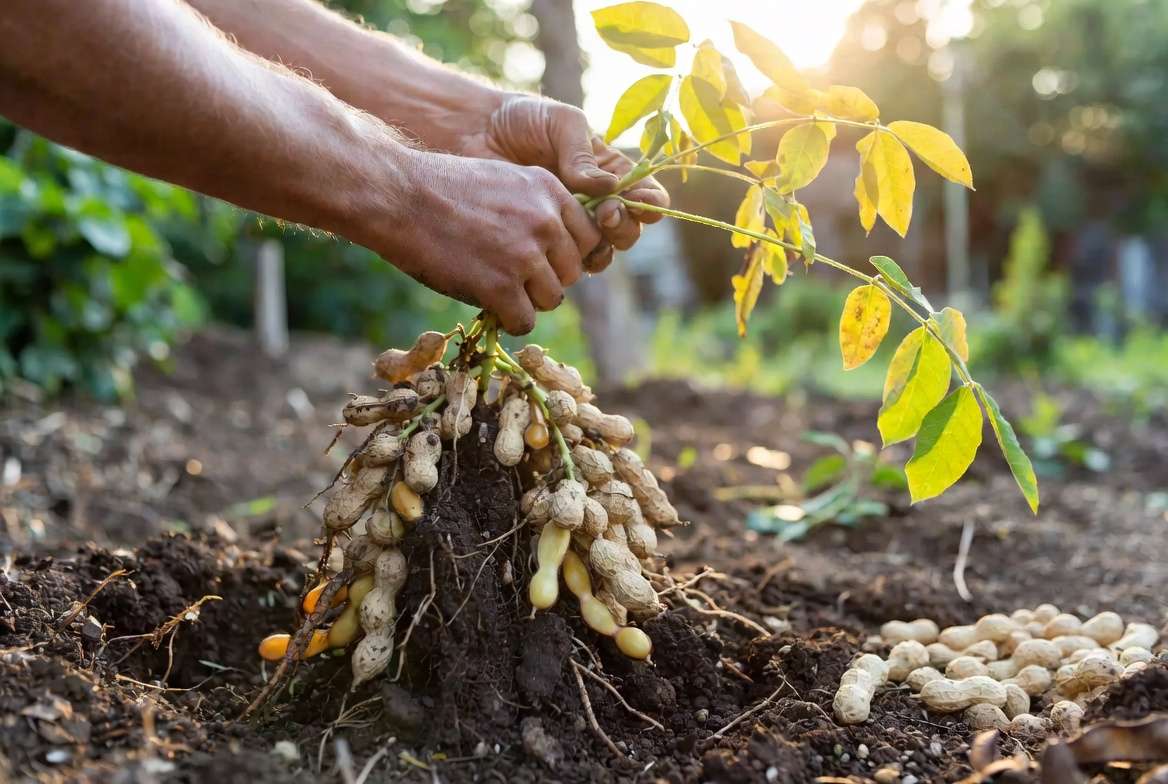
Storage Tips:
- Remove pods after curing.
- Store in breathable mesh bags in a cool, dry place.
- Shelled peanuts keep 2–3 months at room temperature, up to a year refrigerated or frozen.
Image: Freshly harvested peanuts being cured
Delicious Ways to Enjoy Your Homegrown Peanuts in the Kitchen 🥜🍴
Nothing beats the satisfaction of eating peanuts you grew yourself!
- Classic Roasted: Toss raw peanuts in a little oil and salt, roast at 350°F (175°C) for 20–25 minutes.
- Boiled Peanuts: A favorite in South Asia — boil fresh green pods in salty water for 1–2 hours.
- Homemade Peanut Butter: Blend roasted peanuts until creamy (add a pinch of salt or honey).
- Spiced Snacks: Toss with chili powder, garlic, and lime — perfect with evening chai.
- Kid-Friendly: Make peanut energy balls with dates and oats.
Nutritional Highlight: One cup of peanuts provides about 37g of protein and heart-healthy fats — far fresher than store-bought!
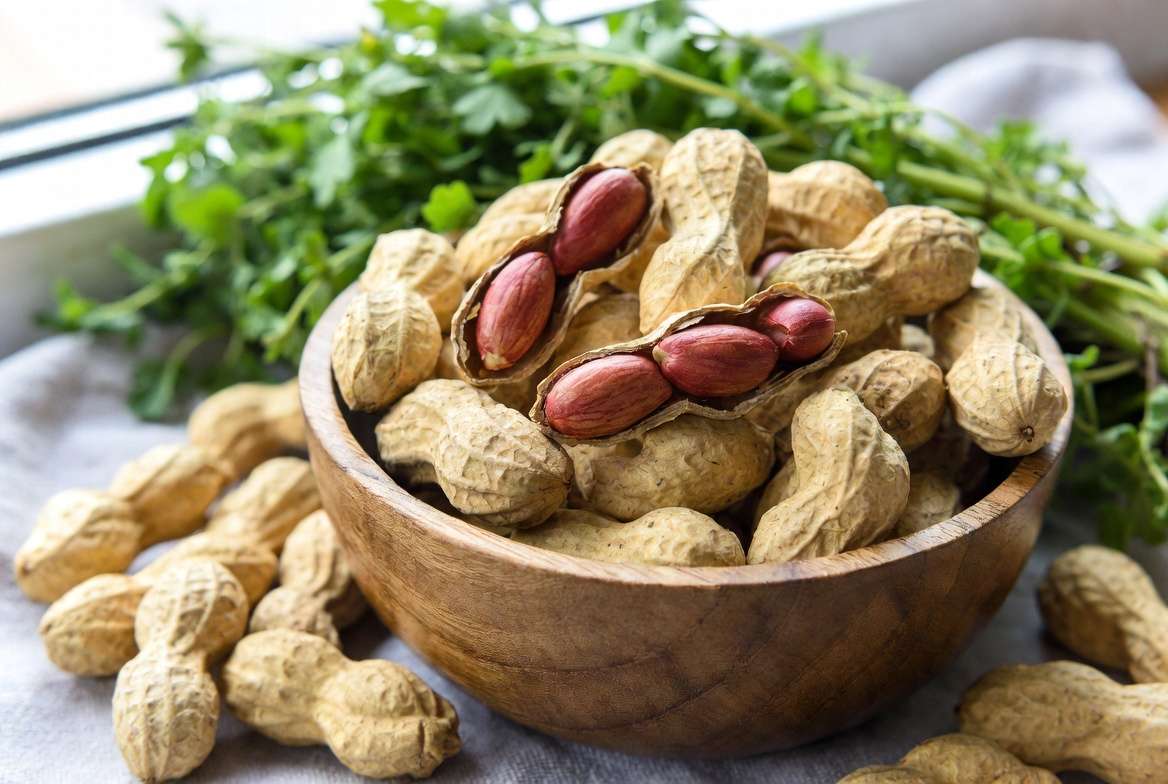
Fun Facts, Environmental Wins, and Expert Insights 🌟
- Peanuts are not nuts — they’re legumes!
- One acre of peanuts can produce enough nitrogen to fertilize the next crop naturally.
- George Washington Carver created over 300 peanut products.
- Peanuts can improve soil structure so well that many gardeners use them as a “green manure” cover crop.
My Personal Insight: In my 12+ years of growing peanuts, the biggest joy isn’t just the harvest — it’s watching the incredible underground journey and knowing I helped create nutrient-dense food while improving garden soil. It’s one of the most educational and sustainable crops for home plant lovers.
Image: Happy gardener holding homegrown peanut harvest
Conclusion
Now you know the surprising answer: do peanuts grow on trees? Absolutely not — they’re fascinating legumes that develop underground in one of nature’s cleverest tricks. With the step-by-step guidance above, you have everything needed to successfully grow healthy peanut plants at home, even in a small garden or containers.
Start small this season, observe the magic of those downward-growing pegs, and enjoy the freshest, most flavorful peanuts you’ve ever tasted. Your garden (and your taste buds) will thank you!
Ready to grow? Drop your questions or share your peanut-growing photos in the comments — I love helping fellow plant enthusiasts succeed. 🌱🥜
Happy Gardening!
FAQ: Do Peanuts Grow on Trees and Peanut Plant Care
1. Do peanuts grow on trees? No. Peanuts are legumes that grow underground on low bushy plants.
2. How long does it take to grow peanuts? Most varieties need 120–150 frost-free days from planting to harvest.
3. Can you grow peanuts in pots or containers? Yes! Choose Spanish or Valencia varieties, use deep pots (at least 12–18 inches), and ensure excellent drainage.
4. Are peanuts annual or perennial? They are annuals — they complete their life cycle in one season.
5. What’s the best soil for growing peanuts? Loose, well-drained sandy loam with pH 5.8–6.5.
6. Do peanuts need a lot of water? Consistent moisture during flowering and pegging, but less in the final weeks.
7. How do you know when peanuts are ready to harvest? Yellow wilting leaves and firm, filled pods.
8. Can peanuts grow in Bangladesh climate? Absolutely! They thrive in warm, humid conditions with proper drainage and full sun.
9. Do I need special fertilizer for peanuts? Minimal — they fix their own nitrogen. Focus on phosphorus and good soil structure.
10. Are homegrown peanuts healthier? Yes — fresher, no additives, and you control the growing conditions.











