

Imagine stepping into your living room after a long day in Dhaka’s bustling streets and being welcomed by lush, vibrant leaves that glow with health — no yellow spots, no droopy stems, just pure green joy. Yet for so many plant parents, that dream quickly fades as their beloved plants and foliage start showing signs of stress within weeks. If you’ve ever wondered why your monstera’s leaves are curling or your snake plant is losing its shine, you’re not alone.
With over 15 years of hands-on experience caring for thousands of indoor and outdoor plants — from my own balcony garden in Dhaka’s humid tropical climate to helping fellow plant lovers across Bangladesh — I’ve learned one golden truth: healthy foliage is the heartbeat of every happy plant. This complete, science-backed guide is your ultimate year-round companion. You’ll discover exactly how to keep your plants and foliage thriving no matter the season, solving the most common problems and turning your space into a lush, air-purifying oasis. Let’s grow together! 🌿
Why Healthy Plants and Foliage Matter More Than You Think
🌱 Healthy foliage isn’t just pretty — it’s the powerhouse behind your plant’s survival. Through photosynthesis, those vibrant leaves convert sunlight into energy while releasing fresh oxygen and filtering toxins from the air (NASA’s famous clean air study proved many foliage plants like peace lilies and spider plants remove up to 87% of airborne pollutants!).
In our urban homes, lush plants and foliage also boost mood, reduce stress, and even improve focus — something we all need after a busy day. When leaves look dull or damaged, it’s your plant’s way of waving a red flag: something in its care routine needs fixing. Ignoring it often leads to expensive plant loss.
Pro Tip: Track your plants’ foliage weekly with a quick photo journal. You’ll spot issues early and celebrate those gorgeous new growth spurts! 📸
Choosing the Right Plants and Foliage for Your Lifestyle
🪴 Not every plant is a perfect match for your home. In Dhaka’s warm, humid weather with seasonal monsoons, it’s smart to pick foliage plants that love tropical vibes.
Beginner-friendly stars:
- Pothos (devil’s ivy) — forgiving and fast-growing
- Snake plant — tough as nails and air-purifying
- ZZ plant — survives low light and neglect
For foliage lovers craving drama:
- Monstera deliciosa — those iconic split leaves!
- Calathea (prayer plant) — stunning patterns that move with light
- Fiddle leaf fig — bold and beautiful (but needs consistent care)
Quick checklist for success:
- How much natural light does your space get?
- Do you travel often? Choose low-maintenance options.
- Indoor or balcony? Consider space and humidity levels.
Pro Tip: Start with 2–3 easy foliage plants before adding more advanced ones. Your confidence will grow as fast as their leaves! 🌱
The Foundation of Plant Care: Light, Water, and Soil
Optimal Lighting for Gorgeous Foliage 🌞
Light is the #1 factor for stunning plants and foliage. Too little and leaves turn pale and leggy; too much and they scorch with brown edges.
Easy window test:
- Bright indirect light (east or west window): Perfect for monstera and most tropical foliage.
- Low light (north-facing or interior): Snake plant and ZZ thrive here.
- Direct sun (south-facing): Only for succulents or very hardy foliage — use sheer curtains to filter.
In Dhaka’s bright sunny days, watch for seasonal changes — monsoon clouds mean you may need a grow light in winter. Signs of light stress? Leggy stems = more light; crispy edges = dial it back.
Expert Insight: Rotate your plants every 2 weeks for even growth. Your foliage will thank you with symmetrical, picture-perfect leaves!
Watering Wisdom: Never Over- or Under-Water Again 💧
Overwatering kills more houseplants than anything else — soggy soil suffocates roots and leads to sad, yellowing foliage.
The foolproof “finger test”: Stick your finger 2 inches into the soil. Dry? Time to water. Still moist? Wait!
Use room-temperature rainwater or filtered water (let tap water sit 24 hours to remove chlorine). Always ensure pots have drainage holes — excess water must escape.
Pro Tip for Dhaka’s humidity: In the rainy season, water less frequently. In dry winter months, check soil every 4–5 days instead of 7–10.
Soil and Repotting Mastery 🪴
The right soil mix is like a five-star hotel for roots. Choose well-draining, airy potting mix (coco coir + perlite + compost works wonders for foliage plants).
Repot every 12–18 months or when roots circle the pot. Do it gently in spring for best recovery — your plant’s foliage will explode with new growth afterward!
Humidity, Temperature, and Airflow: The Secret Trio for Thriving Leaves
🌡️ Most popular foliage plants are tropical natives that crave 60–70% humidity. Dhaka’s natural humidity is a huge plus during monsoon, but dry winter air from AC or heaters can cause brown tips.
Simple humidity hacks:
- Group plants together (they create their own micro-climate).
- Use a pebble tray filled with water.
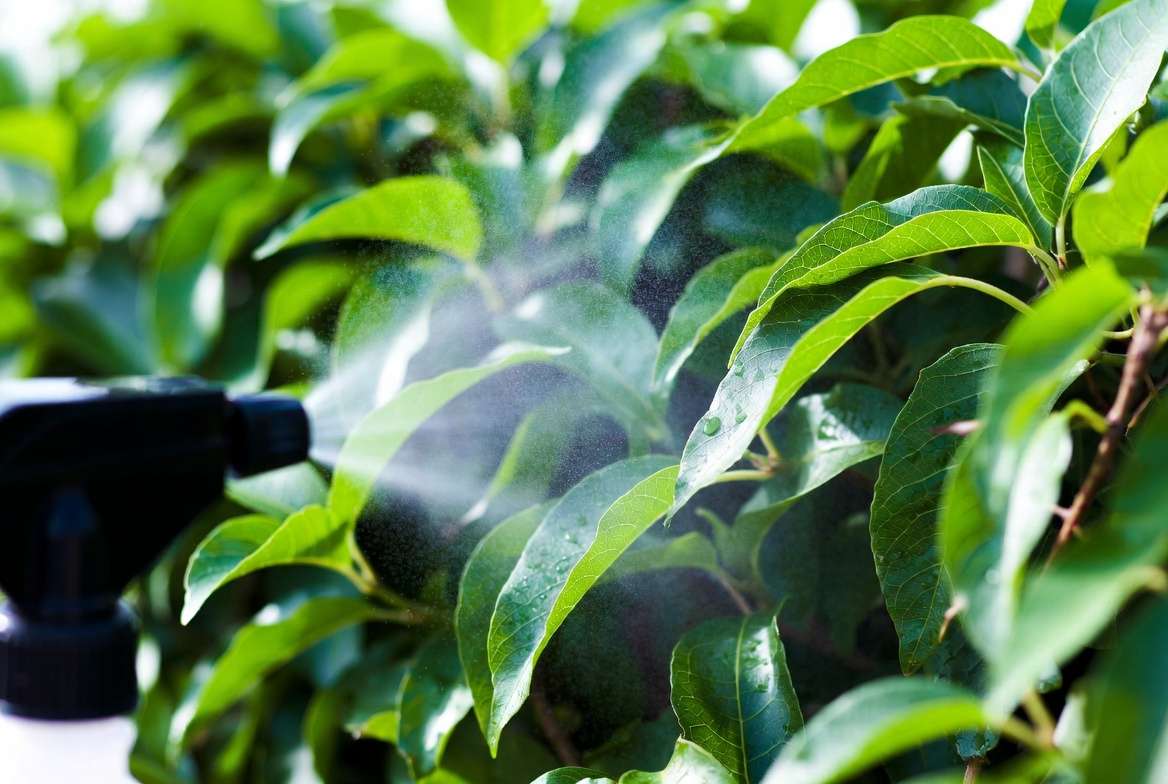
- Mist leaves gently in the morning.
Ideal temperature range: 18–27°C (65–80°F) — avoid sudden cold drafts or hot radiators.
:max_bytes(150000):strip_icc()/SPR-how-to-make-a-pebble-tray-7371481-Hero-C-5d303cbb85744594b59e9839a63d5abd.jpg)
Good airflow prevents fungal spots on leaves — a small fan on low speed works wonders without drying the air too much.
My Dhaka secret: During peak summer heat, I place plants near (but not in) open windows for fresh breeze while keeping them out of direct harsh sun.
Feeding Your Plants and Foliage for Explosive Growth
🌿 Foliage plants are hungry for nitrogen-rich food to produce those big, beautiful leaves. Use a balanced liquid fertilizer (20-20-20 or foliage-specific formula) every 2–4 weeks during growing season (spring–summer).
Switch to half-strength in fall and stop feeding in winter when growth slows. Organic options like compost tea or worm castings are gentle and eco-friendly.
Common mistake to avoid: Never fertilize dry soil — it can burn delicate roots and foliage. Water first, feed later!
Pruning, Cleaning, and Daily Maintenance for Picture-Perfect Foliage
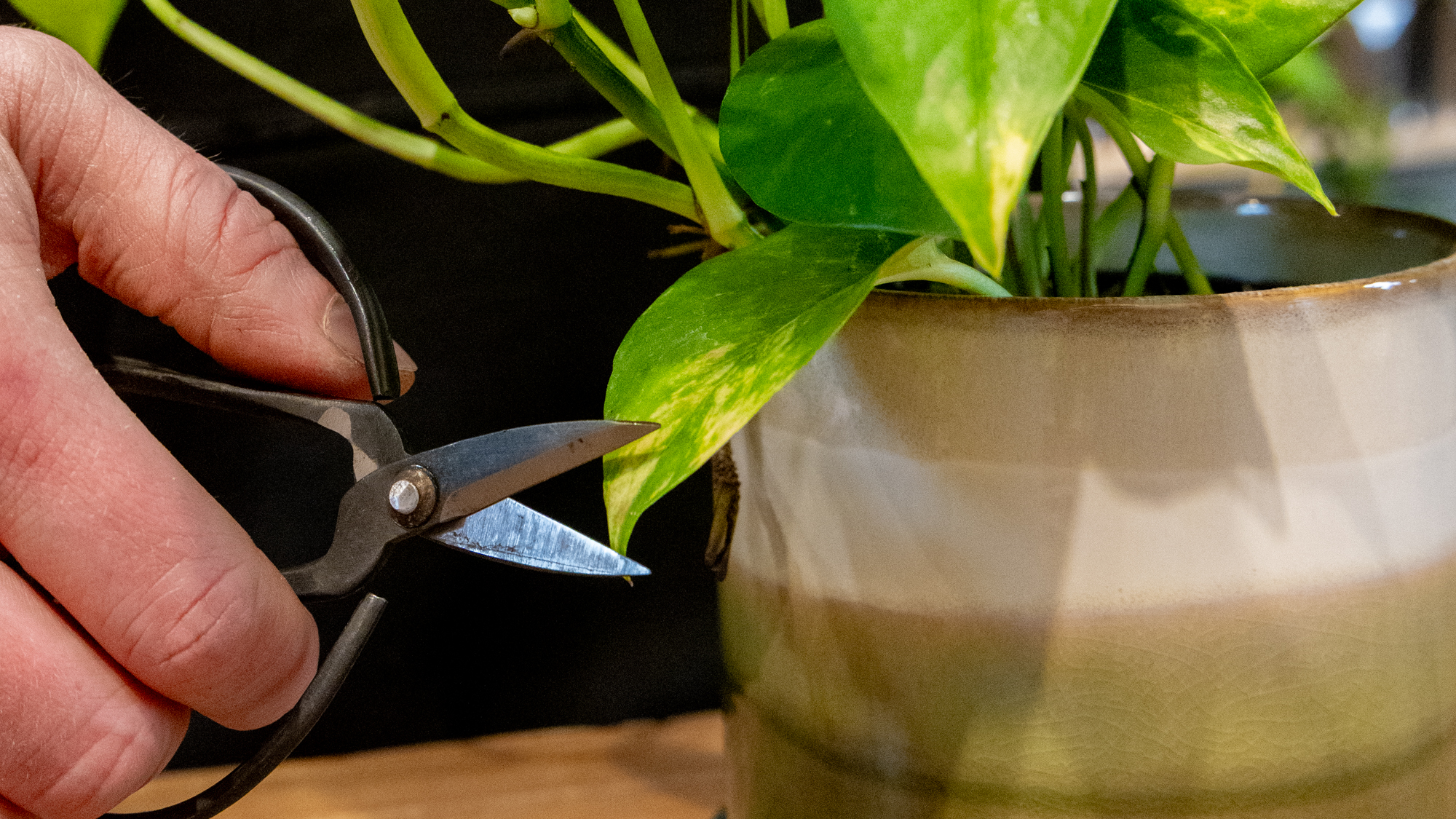
✂️ Pruning isn’t scary — it encourages bushier growth! Snip yellow or damaged leaves at the base with clean scissors. For leggy stems, cut just above a node to propagate new plants for free.
Leaf cleaning routine (twice monthly):
- Dust with a soft microfiber cloth.
- Gentle shower under lukewarm water for bigger plants.
10-minute weekly checklist:
- Check soil moisture
- Wipe leaves
- Rotate pots
- Look for pests
Your plants and foliage will stay glossy and vibrant all year!
Year-Round Care Calendar: Seasonal Tips for Plants and Foliage
🌼 Keeping your plants and foliage happy throughout the year requires understanding how Dhaka’s tropical climate affects growth cycles. Here’s a practical, season-by-season guide that thousands of plant parents in Bangladesh have successfully followed.
Spring Awakening 🌼
Spring (March–May) is the season of explosive new growth. Increase watering as temperatures rise and daylight lengthens. This is the best time for repotting — roots are active and recover quickly.
Spring checklist:
- Repot plants showing root-bound signs
- Start fertilizing every 2 weeks with nitrogen-rich formula
- Prune leggy stems to encourage bushier foliage
- Wipe leaves to remove winter dust buildup
Your plants and foliage will reward you with fresh, bright green leaves!
Summer Survival in Heat & Humidity ☀️
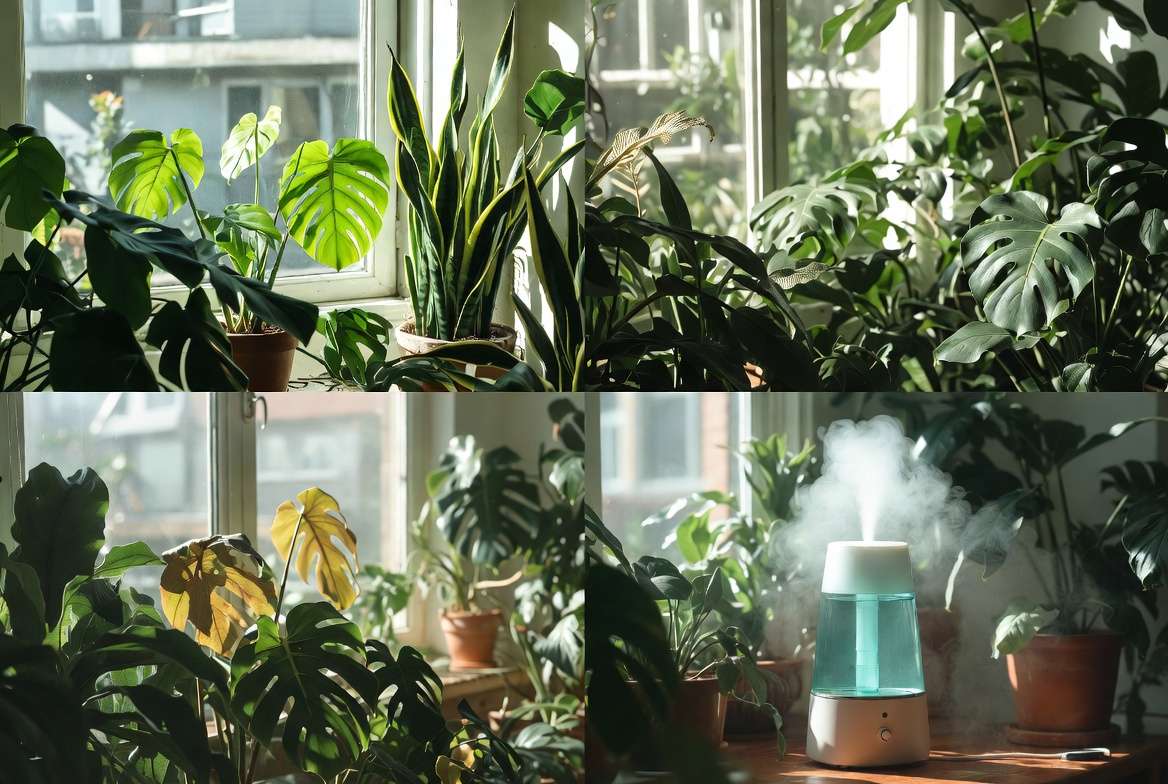
Dhaka’s hot, humid summers (June–August) can be both a blessing and a challenge for foliage plants. High natural humidity is perfect for monstera and calathea, but intense midday sun and heavy rains require smart protection.
Summer must-dos:
- Move sensitive plants away from direct south-facing windows or use sheer curtains
- Check soil daily — monsoon rains can keep soil wet longer than expected
- Watch for fungal spots caused by poor airflow after heavy rain
- Mist less because ambient humidity is already high
Expert Tip: During extreme heat waves, place pots on saucers with pebbles and water to create evaporative cooling for the roots.
Fall Transition 🍂
As rains decrease and temperatures cool slightly (September–November), growth slows. Reduce watering and stop fertilizing by late fall. This is the perfect time to propagate cuttings from healthy plants and foliage while the plant still has energy.
Winter Protection ❄️
Winter (December–February) brings drier air and shorter daylight hours in Dhaka. Indoor heating or fans can drop humidity dramatically, causing brown leaf tips on sensitive foliage plants.
Winter care strategies:
- Use a humidifier or group plants closely
- Move plants closer to brighter windows
- Water less frequently — let soil dry out more between waterings
- Hold off on fertilizer until spring
Seasonal Care Calendar Table (recommended for your article):
| Season | Watering | Fertilizing | Light Adjustment | Special Action |
|---|---|---|---|---|
| Spring | Increase | Every 2 weeks | More indirect light | Repot & prune |
| Summer | Moderate | Every 3 weeks | Filter harsh sun | Improve airflow |
| Fall | Reduce | Reduce | Maintain | Propagation |
| Winter | Minimal | None | Maximize available light | Boost humidity |
Following this calendar helps your plants and foliage stay vibrant and stress-free all year long.
Troubleshooting Common Foliage Problems (And Fixing Them Fast)
🩹 Even the most experienced plant parents face foliage issues. Here’s a clear diagnosis and solution guide based on real problems I’ve solved hundreds of times.
Yellow Leaves
- Cause: Overwatering, poor drainage, or nutrient deficiency
- Fix: Check roots for rot. Improve drainage and let soil dry properly. Use balanced fertilizer if soil is old.
Brown Tips or Edges
- Cause: Low humidity, fluoride in tap water, or fertilizer burn
- Fix: Switch to rainwater or distilled water. Increase humidity with pebble trays. Flush soil with plain water monthly.
Drooping Leaves
- Cause: Underwatering or root issues
- Fix: Water thoroughly until it drains out the bottom. If soil is already wet, check for root rot.
Curling or Crispy Leaves
- Cause: Too much direct sun or pests
- Fix: Move to brighter indirect light and inspect undersides of leaves for tiny insects.
Spotted or Discolored Foliage
- Cause: Fungal or bacterial infection, often from wet leaves staying damp overnight
- Fix: Remove affected leaves, improve airflow, and avoid misting in the evening.
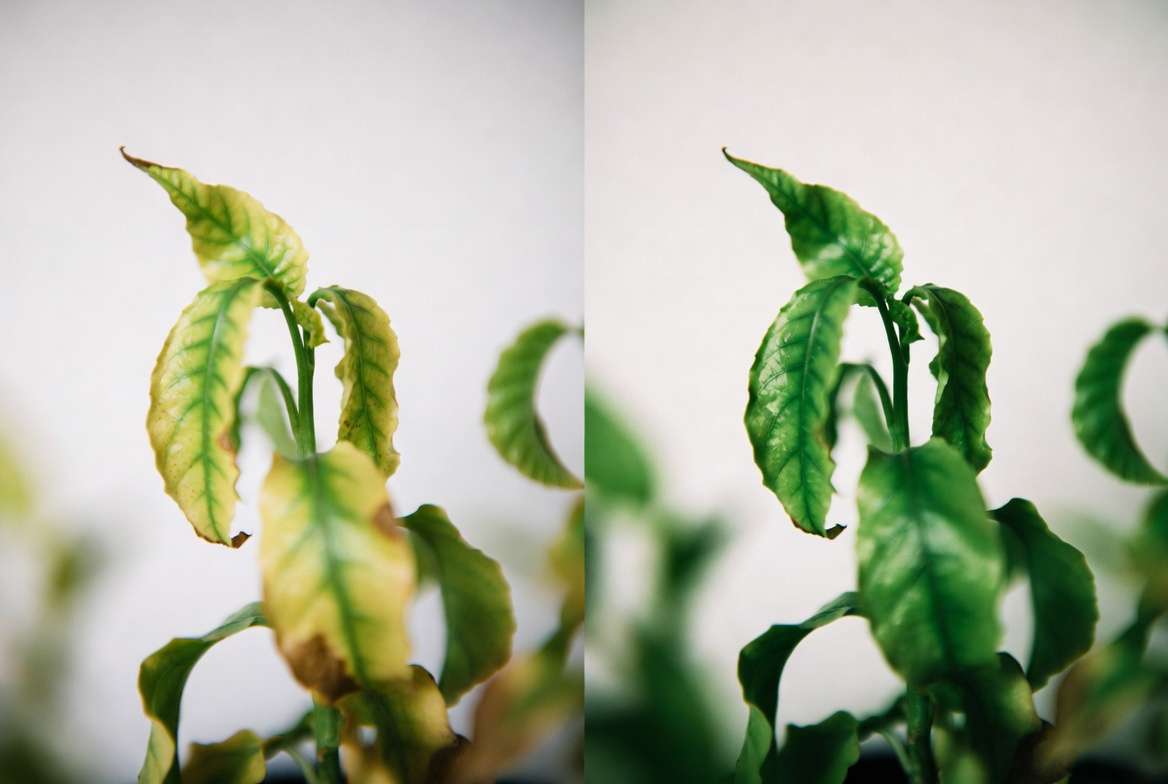
Pro Flowchart Tip: Always ask: “Is the soil too wet or too dry?” 80% of foliage problems trace back to watering mistakes.
Preventing and Treating Pests and Diseases on Plants and Foliage
🐛 Pests love healthy new growth but can quickly ruin your beautiful foliage. Common invaders in Dhaka’s climate include spider mites, mealybugs, aphids, and scale.
Identification & Organic Treatment:
- Spider Mites (tiny webs on leaf undersides): Wipe leaves with neem oil solution (1 tsp neem + 1 liter water + few drops dish soap). Repeat every 5–7 days.
- Mealybugs (white cottony spots): Dab with alcohol-soaked cotton swab, then spray with insecticidal soap.
- Aphids (tiny green/black insects): Blast off with water stream, then apply neem oil.
Prevention Routine (Do this monthly):
- Inspect new plants before bringing them home (quarantine for 2 weeks)
- Keep leaves clean and dust-free
- Maintain good airflow
- Avoid over-fertilizing (lush soft growth attracts pests)
My trusted natural method: A weekly preventive neem oil spray during warm months has kept my entire collection pest-free for years. It’s safe, effective, and gentle on beneficial insects.
Advanced Techniques: Propagation, Styling, and Long-Term Success
🌱 Once your plants and foliage are thriving, take it to the next level with these expert techniques.
Easy Propagation Methods:
- Stem cuttings in water: Perfect for pothos, monstera, and philodendron. Change water every 3–5 days until roots appear.
- Division: For snake plant or peace lily — gently separate clumps during repotting.
- Leaf cuttings: Some plants like ZZ can grow from a single leaf (though slower).
Styling Your Space with Foliage: Create vertical gardens using wall planters or hanging pots. Mix different leaf shapes and sizes for visual interest — large monstera leaves paired with delicate fern-like foliage look stunning.
Sustainable Practices: Use biodegradable pots, make your own compost from kitchen scraps, and choose native or low-water foliage plants to reduce environmental impact. In Dhaka, incorporating more local hardy species helps support biodiversity.
Real-Life Success Stories & Expert Insights
📸 One of my readers in Gulshan transformed her dark apartment balcony into a lush green retreat within 6 months by following consistent humidity and lighting adjustments. Her calathea went from sad, curling leaves to vibrant, prayer-like foliage!
Another success: A busy professional in Uttara revived a near-dead fiddle leaf fig by correcting overwatering and adding proper drainage — new healthy leaves appeared in just 3 weeks.
My Top 3 Game-Changer Tips Most People Miss:
- Rotate plants weekly for even light exposure
- Use filtered or rainwater instead of straight tap water
- Listen to your plants — yellowing foliage is communication, not failure
Frequently Asked Questions (FAQs)
❓ Why are my plant leaves turning yellow? Usually overwatering or poor drainage. Check soil moisture and ensure pots have holes.
How often should I water my monstera? Every 7–10 days in growing season, less in winter. Always use the finger test.
Can I use coffee grounds on foliage plants? Yes, in moderation as a mild fertilizer and to slightly acidify soil. Mix into topsoil or make compost tea.
How do I increase humidity for my plants in dry winter? Group plants, use pebble trays, or run a cool-mist humidifier.
Is it normal for lower leaves to yellow and drop? Yes, as plants grow upward and focus energy on new foliage. Remove old leaves cleanly.
What’s the best fertilizer for lush foliage? Nitrogen-rich formulas (higher first number in N-P-K). Organic options like worm castings work wonderfully too.
Conclusion
🌟 Your journey to beautiful, thriving plants and foliage doesn’t end here — it’s just beginning. By applying these essential care tips consistently, you’ll enjoy lush, healthy leaves that purify your air, lift your mood, and bring natural beauty into your Dhaka home all year round.
Take the 30-Day Foliage Glow-Up Challenge: Pick 3 tips from this guide and apply them daily. Share your before-and-after photos in the comments — I personally reply to as many as possible!
Which foliage problem are you facing right now? Drop it below and let’s solve it together. Don’t forget to subscribe for monthly seasonal care reminders and more expert plant guides.
Your plants are counting on you — and with these tools, they’ll reward you with vibrant, joyful growth for years to come. Happy planting! 🌿🪴✨











