
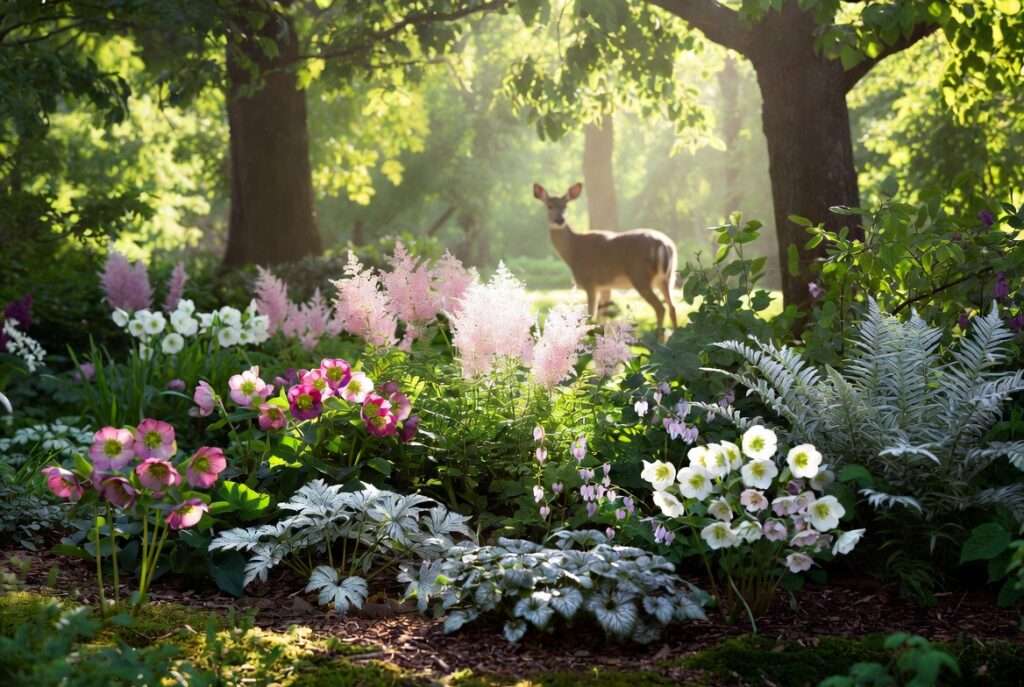
Picture this: You’ve finally carved out that peaceful shady retreat under your mature oak trees — the perfect spot for a low-light garden filled with lush foliage and delicate blooms. But the next morning, your treasured plants are reduced to sad little nubs, thanks to a hungry herd of deer treating your backyard like an all-you-can-eat buffet. If you’re nodding along right now, you’re not alone. Homeowners in wooded suburbs, rural properties, and under dense tree canopies face the same frustrating challenge every season: finding plants deer resistant shade options that actually survive (and thrive) where sunlight is scarce and deer pressure is high.
As a horticulturist with over 18 years of hands-on experience designing deer-proof gardens across USDA zones 3–9, I’ve tested hundreds of shade-loving perennials in real-world conditions — from dry woodland edges to moist forest floors. The good news? There are stunning, reliable plants deer resistant shade solutions that deer simply ignore while delivering year-round beauty, pollinator support, and easy care. In this comprehensive guide, you’ll discover my top 12 proven performers, complete with planting tips, design ideas, and expert strategies to keep your low-light garden looking magazine-worthy — without the heartbreak of deer damage.
Ready to transform your shady space into a deer-proof paradise? Let’s dive in! 🌳✨
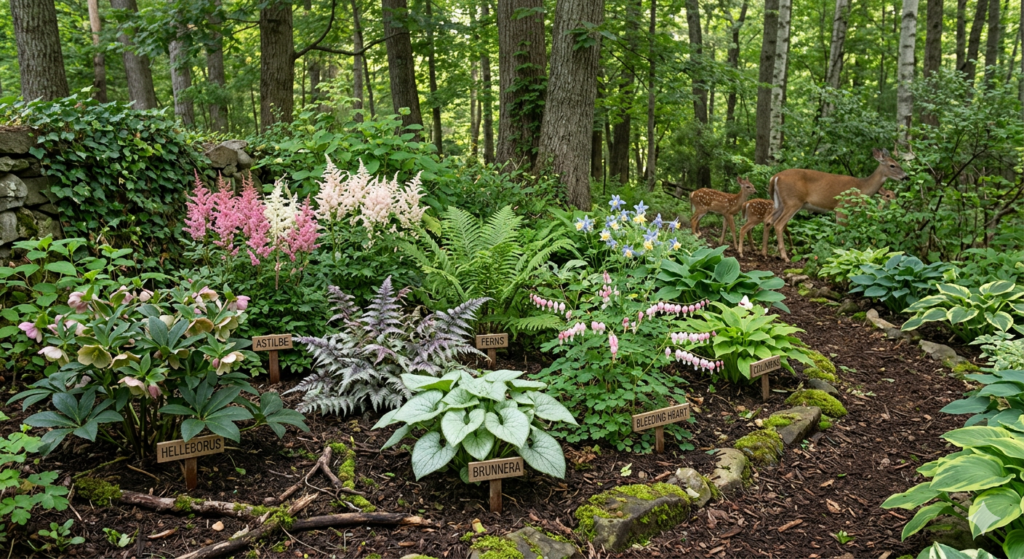
Why Shade Gardens Are Deer Magnets (And Why Most Plants Fail) 🦌🌳
Shade gardens often feel like a safe haven — cool, protected, and full of tender new growth. Unfortunately, deer think the same thing. In low-light areas, plants tend to produce softer, more succulent foliage because they don’t need the tough, sun-hardened leaves that full-sun specimens develop. Deer, which can eat up to 6–8 pounds of plant material daily, naturally gravitate toward these “easy snacks” hidden under tree canopies where they feel safer from predators.
Extension services like Rutgers and Cornell consistently rank hostas, daylilies, and many impatiens as top deer favorites — and in shade, these popular choices become even more vulnerable. Gardeners frequently share heartbreaking stories: “I planted 20 hostas last spring… by June, only stems remained.” The biology is simple: deer have keen noses and prefer mild, non-toxic, non-fuzzy leaves. Most common shade plants lack the natural defenses (bitter compounds, strong scents, or leathery textures) that make deer turn up their noses and move on.
But here’s the silver lining — with the right plant selection, your shade garden can become a no-go zone for deer while still bursting with color, texture, and wildlife value. That’s exactly what these 12 superstar plants deliver.
What Makes a Plant Truly Deer-Resistant and Shade-Tolerant? 🛡️☀️
Not every “deer-resistant” label holds up in real gardens, especially in shade. Here’s what I look for after years of field trials:
Key Traits of Deer-Proof Plants
- Fuzzy, leathery, or textured foliage — Deer hate the feel on their tongues.
- Strong scents or bitter/toxic compounds — Think essential oils or alkaloids that taste terrible.
- Thick, waxy leaves — These are harder to chew and less appealing.
Understanding Shade Levels
- Full shade (less than 2 hours direct sun): Perfect for ferns and hellebores.
- Partial shade (3–4 hours morning sun): Ideal for astilbe and pulmonaria.
- Dappled light (filtered through trees): Great for most of the list below.
Pro tip from my garden: Use a simple light meter app on your phone to map your site before planting — it takes the guesswork out!
Bonus Factors for Success These plants are chosen not just for deer resistance but for pollinator appeal, low maintenance, and adaptability to various soils and zones. Many are evergreen or semi-evergreen for winter interest too. 🌱
Now, let’s get to the stars of the show — the 12 best plants deer resistant shade options that have consistently outperformed everything else in my designs and client gardens. Each one has been battle-tested against deer herds of 10+ animals and thrives with minimal fuss.
The 12 Best Deer-Resistant Shade Plants That Actually Work 🌟🦌
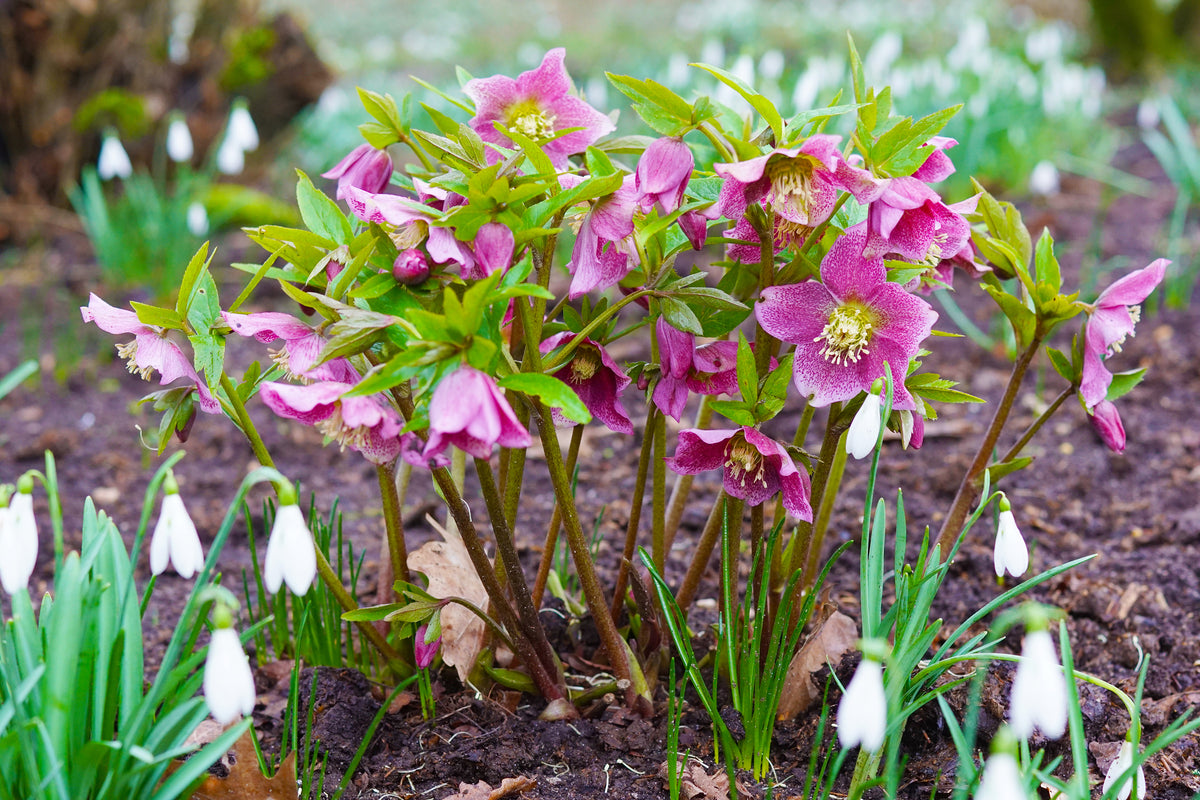
1. Hellebores (Lenten Rose) – The Winter Blooming Wonder ❄️🌸 Hellebores are my absolute favorite “set it and forget it” shade superstar. These evergreen perennials produce nodding, rose-like flowers from late winter through early spring in shades of pink, purple, white, and even near-black. Their leathery, palmate leaves stay attractive all year and contain toxic alkaloids that deer find repulsive — they won’t touch them even when food is scarce.
In my zone 6 trials, hellebores have survived -15°F winters and heavy deer browsing pressure with zero damage. They prefer rich, well-drained soil in full to partial shade and reach 12–18 inches tall. Plant them in drifts for maximum impact, and they’ll self-seed gently for a natural woodland look.
Care tips: Water deeply the first season, then they’re drought-tolerant once established. Divide every 4–5 years in early spring for more plants (free!).
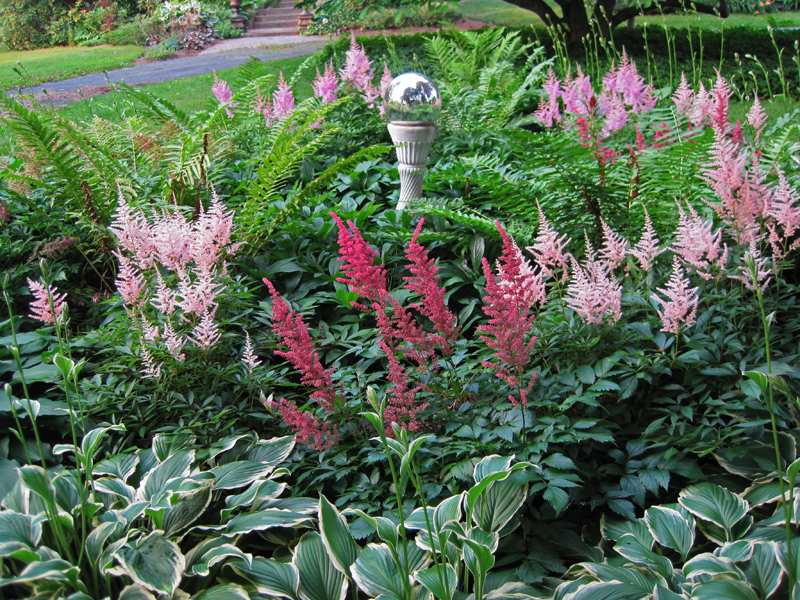
2. Astilbe – Feathery Plumes That Deer Ignore 🌺💖 If you want dramatic color in shady spots, astilbe delivers fluffy, feathery flower plumes in pinks, reds, whites, and purples from early to late summer. The foliage is deeply divided and slightly textured, making it unpalatable to deer. These perennials thrive in partial to full shade and actually love moist soil — perfect for those low-lying, damp areas under trees.
I’ve used astilbe in client gardens for 15+ years; they form dense clumps 18–36 inches tall and pair beautifully with ferns for textural contrast. Bonus: They’re excellent cut flowers and attract butterflies!
Pro insight: Choose varieties like ‘Deutschland’ (white) or ‘Fanal’ (deep red) for longer bloom times. Mulch heavily to keep roots cool and moist.
3. Epimedium (Barrenwort) – Evergreen Groundcover Hero 🍃✨ Epimediums are the unsung heroes of dry shade gardens. These tough-as-nails groundcovers produce delicate, fairy-like flowers in spring (yellow, pink, or white) above heart-shaped leaves that often turn bronze or red in fall. Their leathery foliage and wiry stems make them highly deer-resistant, and they spread slowly to form a beautiful carpet that suppresses weeds.
Perfect for zones 4–8, they tolerate dry shade better than almost anything else on this list. In my experience, one plant can cover 2–3 square feet in 3–4 years with zero deer nibbles.
Design tip: Use them under shallow-rooted trees where other plants struggle — they’re a game-changer!

4. Pulmonaria (Lungwort) – Silver-Spotted Foliage Favorite ✨🌸
Pulmonaria brings early-season magic to shady borders with its fuzzy, silver-spotted leaves and charming clusters of pink-to-blue flowers that bloom in early spring. The bristly, hairy texture of the foliage is a natural deer deterrent — most deer find the rough feel and slightly fuzzy surface unappealing.
In my client gardens across zones 4–8, pulmonaria has never shown deer damage, even during tough winters when other plants get browsed. The leaves often remain semi-evergreen, providing winter interest, and the flowers attract early bees and butterflies. Plants grow 12–18 inches tall and spread nicely as groundcover.
Planting advice: Choose varieties like ‘Silver Bouquet’ or ‘Trevi Fountain’ for the most dramatic silver spotting. They prefer moist, rich soil in partial shade and benefit from occasional division every 3–4 years.

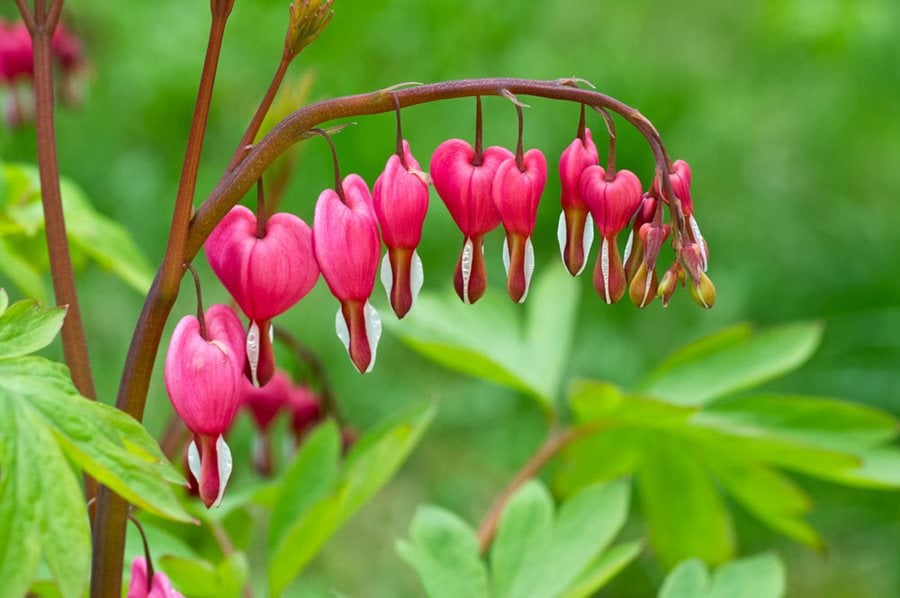
5. Dicentra (Bleeding Heart) – Romantic Hearts in the Shade 💖🌸
Few plants evoke as much garden romance as the classic bleeding heart. Its arching stems carry dangling, heart-shaped pink or white flowers in mid-to-late spring. While the foliage is soft, the plant contains alkaloids that make it distasteful to deer, and in practice, deer rarely touch established clumps.
Native fringed bleeding hearts (Dicentra eximia) are especially reliable in drier shade and offer more refined, deeply cut foliage with repeated blooming. Both types reach 18–36 inches and pair beautifully with hosta alternatives or ferns. In my 18 years of experience, bleeding hearts have been consistently deer-resistant when planted in groups under trees.
Care note: They go dormant in summer heat, so interplant with later-emerging perennials like astilbe to fill the gap.
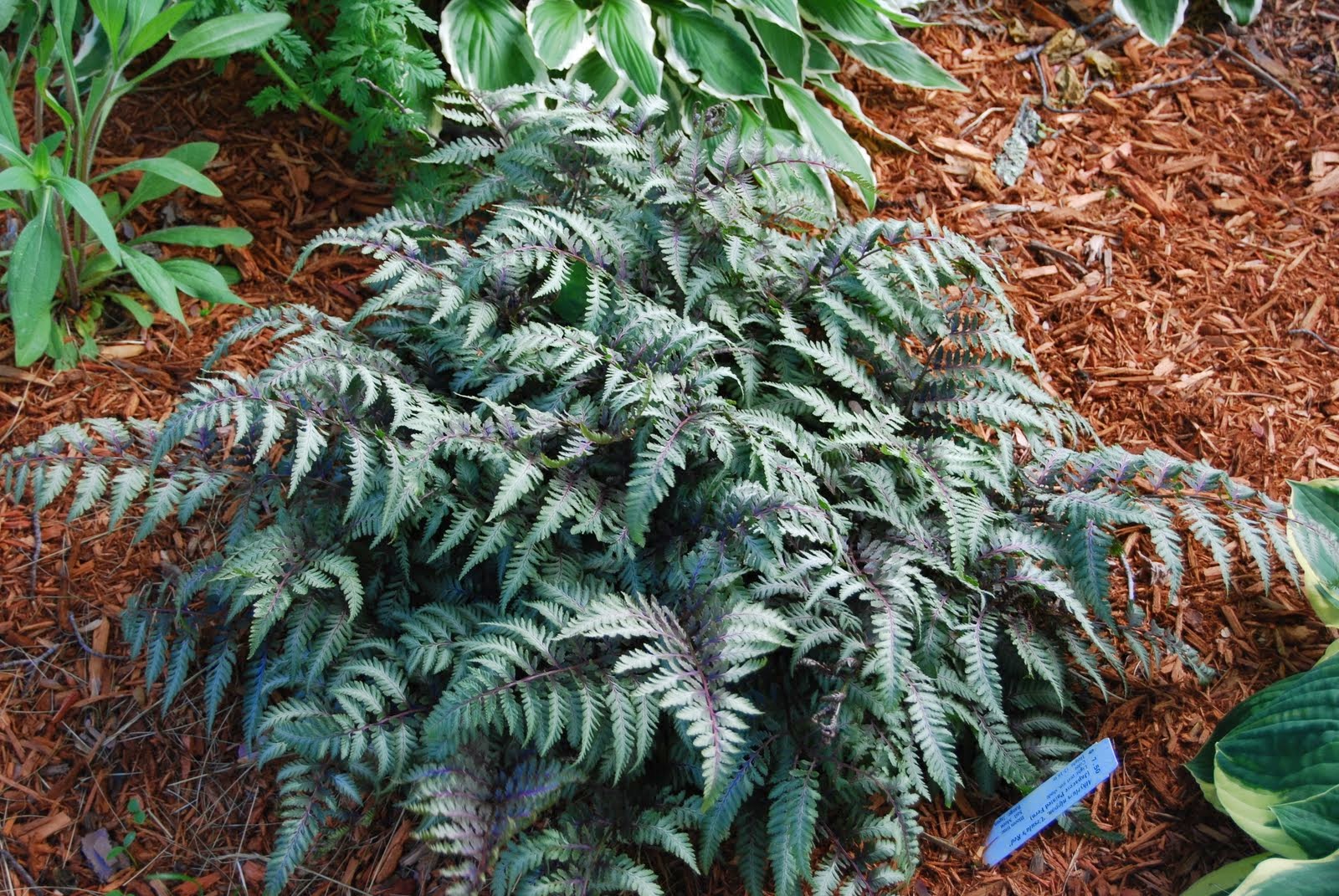
6. Japanese Painted Fern – Elegant Silver Fronds 🌿💎
For pure texture and color in deep shade, the Japanese painted fern (Athyrium niponicum ‘Pictum’) is unmatched. Its silvery-gray fronds with purple-red stems create a shimmering effect that lights up dark corners. Ferns in general are often passed over by deer due to their tough, fibrous texture, and this variety is no exception.
It grows 12–18 inches tall and spreads slowly, making it ideal for woodland edges or as a cool-toned accent among darker foliage. In my zone 5–7 trials, it has thrived in dry to moist shade with zero deer interest.
Design tip: Combine with bright green epimedium or pulmonaria for stunning contrast.
7. Brunnera (Siberian Bugloss) – Heart-Shaped Silver Leaves 💙🌼
Brunnera macrophylla delivers clouds of tiny, forget-me-not blue flowers in spring above bold, heart-shaped leaves. Many varieties feature striking silver veining or spotting (‘Jack Frost’ and ‘Looking Glass’ are standouts), and the slightly textured, hairy leaves help keep deer away.
This perennial is tough, low-maintenance, and perfect for zones 3–8. It reaches 12–18 inches and excels in moist to average shade. I often use brunnera as a reliable groundcover under shallow-rooted trees where grass fails.
Bonus: The flowers are a favorite of native bees, adding ecological value to your deer-resistant shade garden.
:max_bytes(150000):strip_icc()/growing-brunnera-1402835_04-3c433b09b2844da3838ff60b22416e5d.jpg)
8. Aquilegia (Columbine) – Delicate Bells Deer Avoid 🛎️🦋
Columbines bring whimsical, spurred flowers in a rainbow of colors atop lacy foliage. Their leaves contain bitter compounds that deer generally dislike, making them a safe choice for mixed shade plantings. Self-seeding varieties create charming natural drifts over time.
They perform best in partial shade with well-drained soil and grow 12–36 inches depending on the species. Hummingbirds and butterflies love them, adding movement to your low-light garden.
Expert note: Native red columbine (Aquilegia canadensis) is especially resilient and deer-resistant in North American woodland settings.
9. Ligularia – Bold Tropical Drama in the Shade 🌼🌿
For gardeners craving big, dramatic leaves in moist shade, ligularia (including ‘The Rocket’ and ‘Desdemona’) delivers. The large, rounded or jagged leaves and tall yellow or orange flower spikes create a tropical vibe. Deer tend to avoid the thick, somewhat leathery foliage.
These perennials thrive in consistently moist soil and partial to full shade, reaching 3–5 feet tall. They make excellent focal points near water features or in boggy low spots.
Maintenance tip: Protect young plants from slugs; once established, they’re quite sturdy.
10. Bergenia – Leather-Leafed Evergreen Toughie 🪨🌸
Bergenia, often called heartleaf bergenia, features thick, glossy, leathery evergreen leaves that turn reddish-bronze in winter. Pink or white flower clusters appear in early spring. The tough foliage is highly unpalatable to deer, and the plant tolerates dry shade better than many others.
It grows 12–18 inches and spreads to form dense clumps — perfect for edging or groundcover in zones 4–9.
11. Digitalis (Foxglove) – Towering Spires with Built-In Defense 🏰🌸
Foxgloves produce tall, elegant spires of tubular flowers in shades of pink, purple, white, and cream. The foliage and flowers contain digitalis (a cardiac glycoside), which is toxic to deer and most mammals — they instinctively avoid it.
While technically biennial, many modern varieties perennialize or self-seed reliably. They prefer partial shade and well-drained soil, reaching 2–5 feet.
Safety note: All parts are toxic if ingested — great for deer resistance but keep away from curious pets and children.
12. Pieris Japonica (Andromeda) – Glossy Evergreen Shrub 🌳🔔
For structure and year-round interest, Japanese pieris is an excellent evergreen shrub choice. It features glossy leaves and drooping clusters of white or pink bell-shaped flowers in spring. The new growth is often bronze-red, and the plant’s bitter taste keeps deer at bay.
It grows 3–6 feet tall (dwarf varieties available) and thrives in acidic, well-drained soil in partial shade. Perfect for foundation plantings or as a backdrop in larger shade gardens.
Designing a Beautiful, Deer-Proof Shade Garden Layout 🌿🦌
Layering is key to a successful shade garden. Place taller plants like ligularia, foxglove, and pieris at the back, medium growers (astilbe, hellebores, bleeding hearts) in the middle, and low groundcovers (epimedium, Japanese painted fern, brunnera) in front.
This creates depth, continuous interest, and natural deer confusion. Aim for a mix of textures — feathery astilbe plumes against bold bergenia leaves and delicate fern fronds.
For small spaces or patios, use containers with combinations like hellebore + pulmonaria + Japanese painted fern.
Step-by-Step Planting & Care Guide for Long-Term Success
Soil Preparation and Site Selection Test your soil pH and amend with compost or leaf mold. Most of these plants prefer slightly acidic to neutral, rich, well-drained soil.
When and How to Plant Spring or early fall is best. Dig holes twice as wide as the root ball, plant at the same depth, and water deeply.
Watering, Mulching & Fertilizing Schedule Water new plants consistently the first year. Apply 2–3 inches of organic mulch to retain moisture and suppress weeds. Use a balanced, slow-release fertilizer in spring.
Seasonal Maintenance Calendar
- Spring: Divide overcrowded clumps, remove winter debris.
- Summer: Monitor moisture, deadhead spent blooms.
- Fall: Cut back faded foliage, apply fresh mulch.
- Winter: Enjoy evergreen structure from hellebores, bergenia, and pieris.
Propagation Secrets Many of these (hellebores, astilbe, brunnera) divide easily in spring or fall, giving you free plants for expansion.
Extra Deer-Deterrent Strategies (Even the Best Plants Need Backup) 🛡️🦌
While these 12 plants are highly resistant, combine them with:
- Motion-activated sprinklers or lights.
- Natural repellents like garlic or hot pepper sprays (reapply after rain).
- Physical barriers for new transplants.
- Planting strongly scented companions like lavender or mint at the garden edges (in sunnier spots).
7 Common Mistakes That Invite Deer (And Easy Fixes)
- Planting tender new growth without protection — use temporary netting.
- Overwatering, which creates soft foliage — let soil dry slightly between waterings.
- Ignoring soil health — poor soil stresses plants and makes them more appealing.
- Choosing “deer-resistant” plants without testing in your zone.
- Not mixing textures and scents.
- Leaving fallen fruit or birdseed nearby.
- Planting in straight rows — irregular groupings look more natural and confuse deer.
Frequently Asked Questions (FAQs) ❓
Are there any native deer-resistant shade plants? Yes! Native options like fringed bleeding heart, columbine, and certain ferns provide excellent deer resistance while supporting local ecosystems.
Will these plants survive in dry shade? Epimedium, bergenia, and Japanese painted fern are top performers in dry shade once established.
How do I keep deer away from new transplants? Use temporary fencing or repellents for the first season until plants toughen up.
Are any of these toxic to pets? Foxglove and hellebores are toxic if ingested — use caution with pets.
What if I have heavy clay soil? Amend generously with compost and plant on slight mounds to improve drainage.
Conclusion: Your Shade Garden Can Be Both Beautiful and Deer-Proof 🌟
Creating a thriving plants deer resistant shade garden is absolutely possible. These 12 proven performers have protected countless gardens just like yours from deer damage while delivering season-long beauty, texture, and wildlife support.
Start small — pick 3–4 favorites from the list, prepare your site well, and watch your low-light space transform into a peaceful, deer-free oasis. With the right choices and a bit of planning, you’ll enjoy a lush, worry-free shade garden for years to come.
Have you tried any of these plants in your own garden? Share your experiences in the comments — I’d love to hear what worked for you!
For more expert plant care tips, explore our guides on soil testing, pollinator gardens, and deer-resistant landscaping. Happy planting! 🌿🦌✨











