
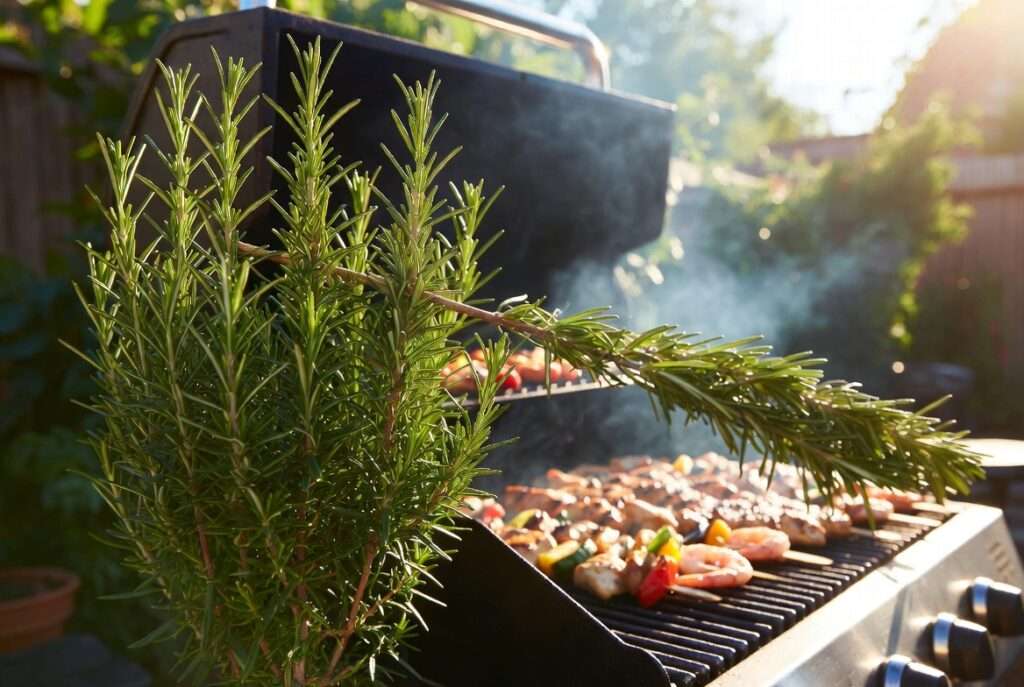
Imagine firing up your grill on a sunny afternoon, threading juicy chunks of chicken, vegetables, or lamb onto sturdy, aromatic stems freshly snipped from your own garden. As they sizzle over the coals, the bbq rosemary plant releases its signature piney, lemon-peppery fragrance, infusing every bite with incredible flavor that store-bought herbs simply can’t match.
If you’ve ever struggled with flimsy skewers or bland supermarket rosemary, this guide is for you. As a plant care specialist with over 15 years of hands-on experience growing Mediterranean herbs in various climates, I’ve cultivated dozens of rosemary varieties. The BBQ Rosemary (often labeled as Salvia rosmarinus ‘Barbeque’ or ‘Barbecue’) stands out as a true superstar for both home gardens and backyard grilling.
In this comprehensive, skyscraper-level guide, you’ll discover everything needed to successfully grow, care for, and harvest your own BBQ rosemary plant. From planting secrets to expert harvesting techniques for perfect skewers, this resource solves the common frustrations of herb gardeners and grill enthusiasts alike. Let’s turn your backyard into a flavorful, sustainable herb haven! 🌱🔥
What Is BBQ Rosemary? Understanding This Flavor Powerhouse 🌟
Why ‘Barbeque’ Rosemary Stands Out from Other Varieties BBQ Rosemary is a vigorous, upright cultivar of common rosemary prized for its strong, straight stems that double perfectly as natural grilling skewers. Unlike trailing or compact varieties, it grows tall and architectural — reaching 4-6 feet in height with a 2-3 foot spread — making it ideal as both a culinary herb and an ornamental evergreen shrub.
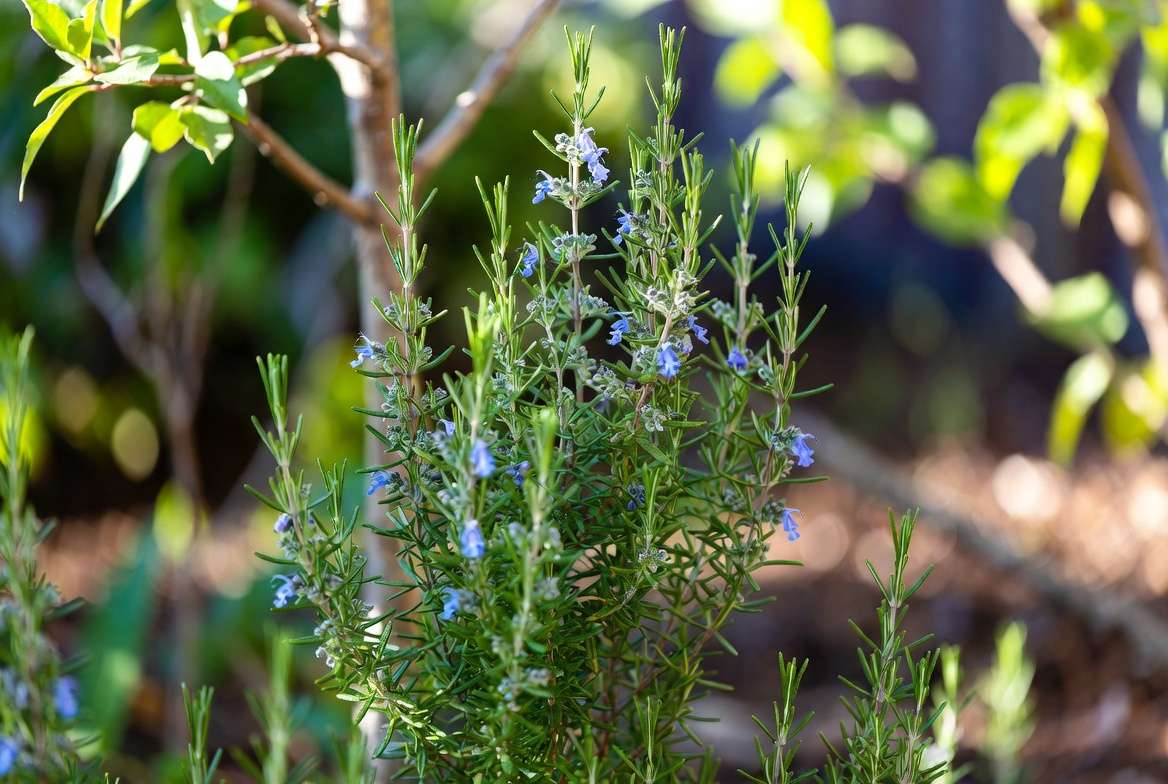
Its needle-like, bright green leaves pack an intense aromatic punch with notes of pine, lemon, and subtle pepper. In summer, it produces abundant clear blue flowers that attract bees and pollinators while remaining deer-resistant. The stems are notably sturdier and longer than standard rosemary, perfect for kebabs without splintering or burning too quickly.
Key Benefits for Home Gardeners and Grill Masters
- Superior Flavor: Higher essential oil content delivers bolder taste for marinades, roasts, and grilling.
- Dual Purpose: Beautiful landscape plant + endless fresh herbs.
- Sustainability: Reduce plastic skewers and grocery trips.
- Pollinator Friendly: Supports biodiversity.
- Low Maintenance: Drought-tolerant once established.
Here’s a quick comparison table:
| Variety | Growth Habit | Stem Strength | Best For | Height |
|---|---|---|---|---|
| BBQ Rosemary | Upright | Excellent | Skewers & Grilling | 4-6 ft |
| Tuscan Blue | Upright | Good | General Cooking | 4-6 ft |
| Arp | Upright | Moderate | Cold Hardy Areas | 3-5 ft |
| Prostrate | Trailing | Poor | Ground Cover | 1-2 ft |
Health and Culinary Benefits of Fresh Rosemary Fresh rosemary is rich in antioxidants, anti-inflammatory compounds, and essential oils like cineole and camphor. It pairs beautifully with lamb, chicken, potatoes, breads, and roasted vegetables. Regular use may support digestion and cognitive health. Growing your own ensures maximum potency compared to dried or store-bought options. 🍃
Choosing and Buying Your BBQ Rosemary Plant 🛒
Best Places to Source Quality Plants + What to Look For Look for healthy plants at local nurseries, reputable online herb specialists, or garden centers in spring. Choose specimens with vibrant green foliage, no yellowing or wilting, and sturdy stems. Avoid plants with visible pests or root-bound conditions (roots circling the pot bottom).
USDA Hardiness Zones BBQ Rosemary thrives in zones 8-11. In colder zones (6-7), grow it in large containers and bring indoors or provide heavy protection during winter. It tolerates down to about 15°F with shelter.
Growing from Seed, Cuttings, or Established Plants
- Established Plants: Fastest results — harvest within months.
- Cuttings: Highly recommended for true-to-type clones (success rate 80-90%).
- Seeds: Slower germination (often 3+ weeks) and variable results — best for patient gardeners.
Planting Your BBQ Rosemary: Step-by-Step Guide 🌱
When and Where to Plant for Maximum Success Plant in spring after the last frost, or in fall in mild climates. Choose a spot with full sun (6-8+ hours daily) and protection from strong winds. Near your BBQ area is perfect for convenient harvesting! ☀️
Soil Preparation and Ideal Conditions Rosemary demands excellent drainage — it’s a Mediterranean native that hates “wet feet.” Aim for sandy or loamy soil with pH 6.0-7.5. In heavy clay, use raised beds or amend generously with gravel, sand, and compost.
For containers: Select pots at least 12-16 inches wide with drainage holes. Use a mix of potting soil, perlite, and coarse sand.
Spacing, Companion Planting, and Container Growing Space in-ground plants 2-3 feet apart. Excellent companions include lavender, thyme, sage, oregano, and vegetables like tomatoes or carrots. Avoid water-loving plants nearby.
Pro Tip: Plant in terracotta pots for better airflow and moisture control — they mimic Mediterranean conditions beautifully.
Essential Care for Thriving BBQ Rosemary Plants ☀️💧
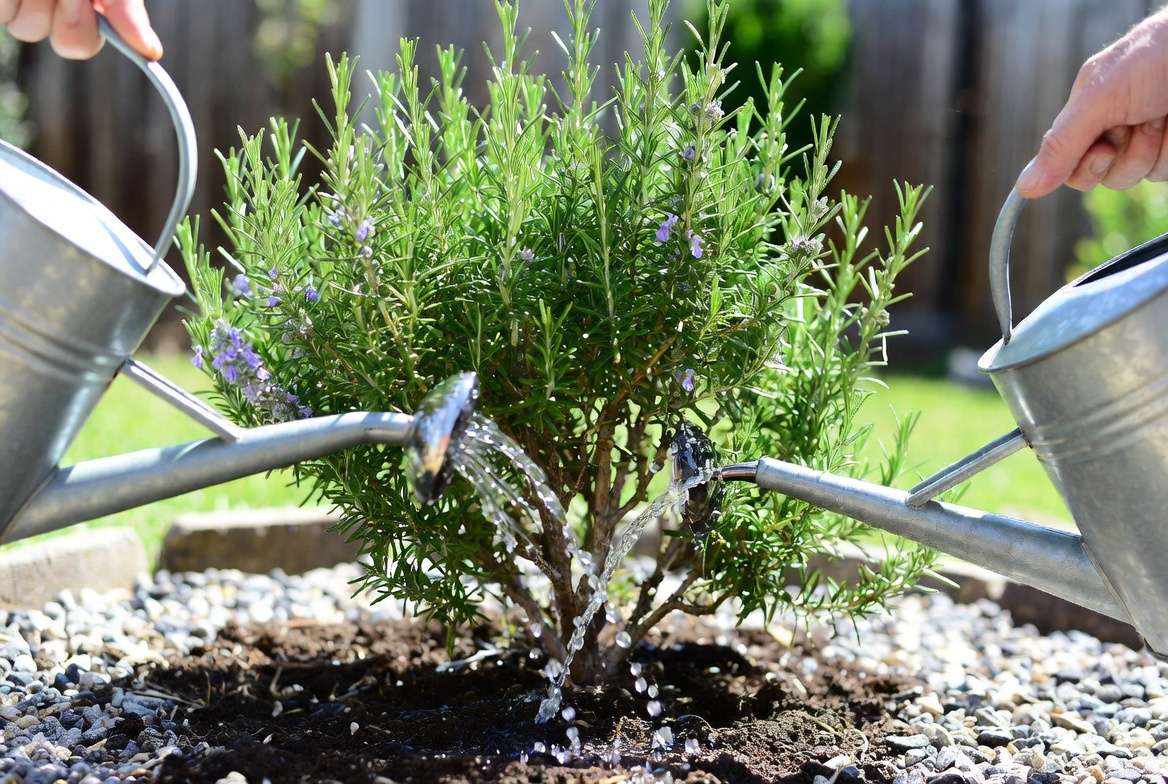
Watering Secrets to Prevent Common Mistakes Water deeply but infrequently. After establishment (4-6 weeks), allow the top 2-3 inches of soil to dry completely between waterings. Overwatering is the #1 killer, leading to root rot. Use the “finger test” — if it feels dry, water at the base. Mulch with gravel or bark to retain moisture and suppress weeds.
Sunlight, Temperature, and Seasonal Care Full sun is non-negotiable for dense growth and strong flavor. It handles heat and drought exceptionally well but appreciates afternoon shade in extreme desert climates. In winter, protect from freezing winds.
Fertilizing for Flavorful Growth (Not Just Green Growth) Go easy! Over-fertilizing produces lush but less aromatic foliage. Apply a balanced, slow-release organic fertilizer in early spring. Compost tea or seaweed extract every 4-6 weeks during growing season works wonders.
Pruning and Shaping for Bushier, Productive Plants ✂️ Prune regularly to encourage bushiness and prevent woodiness. After flowering or in early spring, cut back up to 1/3 of the plant. Shape it attractively while harvesting stems. Never prune into old brown wood. Regular pruning keeps your BBQ rosemary plant compact and productive for years. 🌿
Propagation: Multiply Your BBQ Rosemary for Free 🌿
Easy Stem Cutting Propagation Tutorial
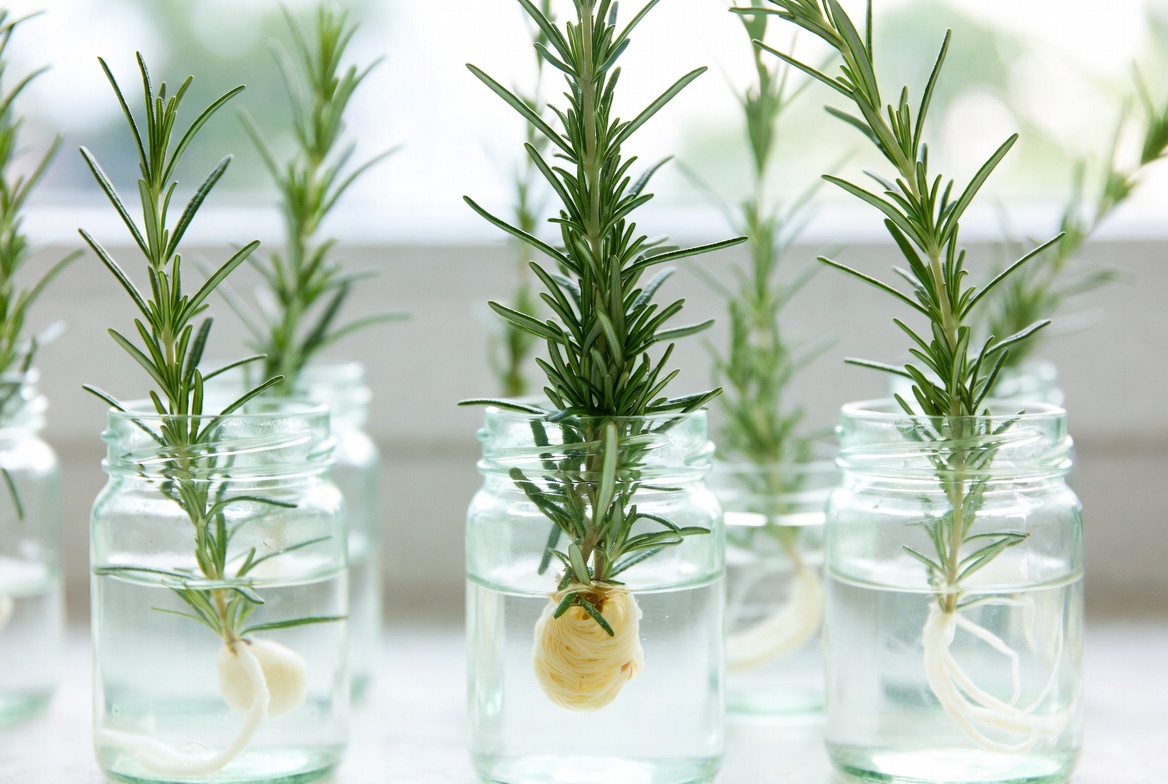
- Take 4-6 inch semi-woody cuttings in spring/summer.
- Remove lower leaves, dip in rooting hormone (optional but helpful).
- Place in well-draining mix or water.
- Keep humid and bright — roots in 4-8 weeks.
This method is reliable and cost-effective for expanding your herb garden.
Layering and Division Techniques For established plants, bend a low branch to the ground, cover with soil, and wait for rooting.
Common Problems and Organic Solutions 🛡️
Troubleshooting Pests, Diseases, and Issues
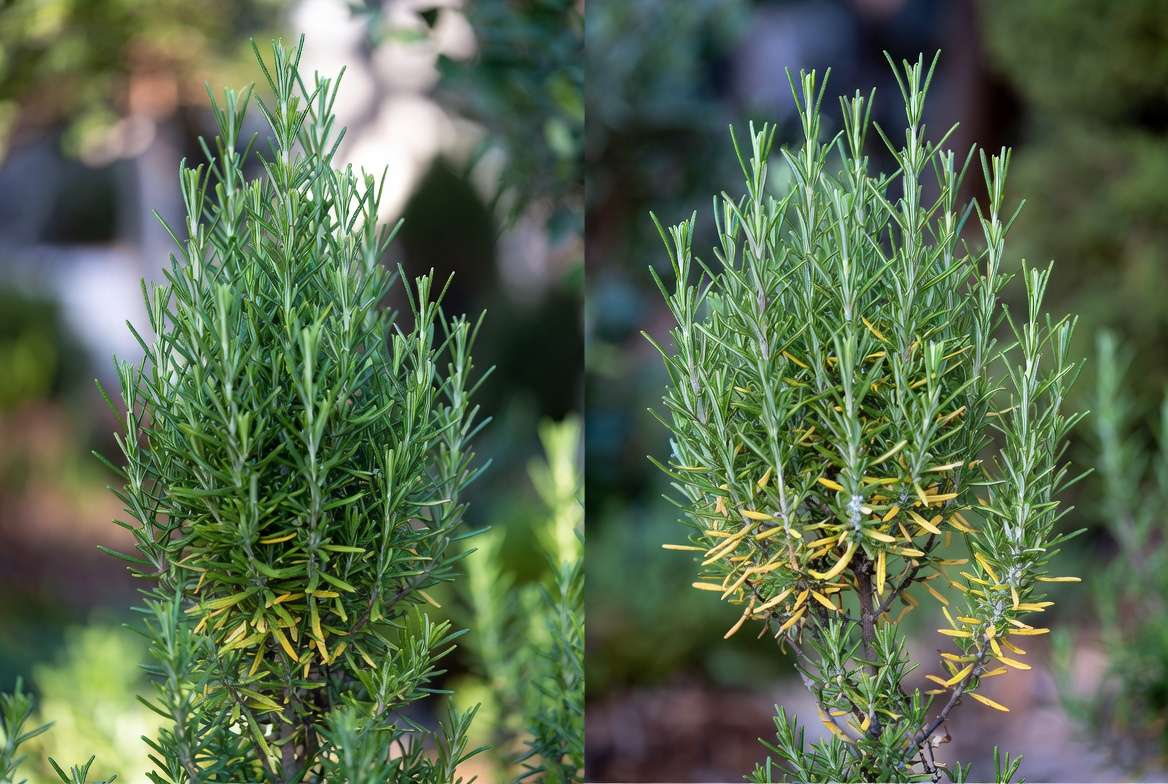
- Root Rot: Yellowing leaves + soggy soil → Improve drainage immediately.
- Powdery Mildew: White powder on leaves → Increase airflow, avoid overhead watering.
- Aphids/Spider Mites: Blast with water or use neem oil.
- Yellow Leaves: Usually over/under watering or nutrient issues.
Weather-Related Challenges and Fixes Frost protection with row covers or moving pots indoors. In high humidity, ensure excellent circulation.
Harvesting and Using Your Home-Grown BBQ Rosemary 🍖🌿
When and How to Harvest Without Harming the Plant Harvest once the plant is 12+ inches tall, ideally in the morning for peak oils. Never remove more than 20-30% at once. For skewers, select mature, straight stems 8-12 inches long. Strip lower leaves and soak before grilling.
Creative BBQ and Kitchen Uses
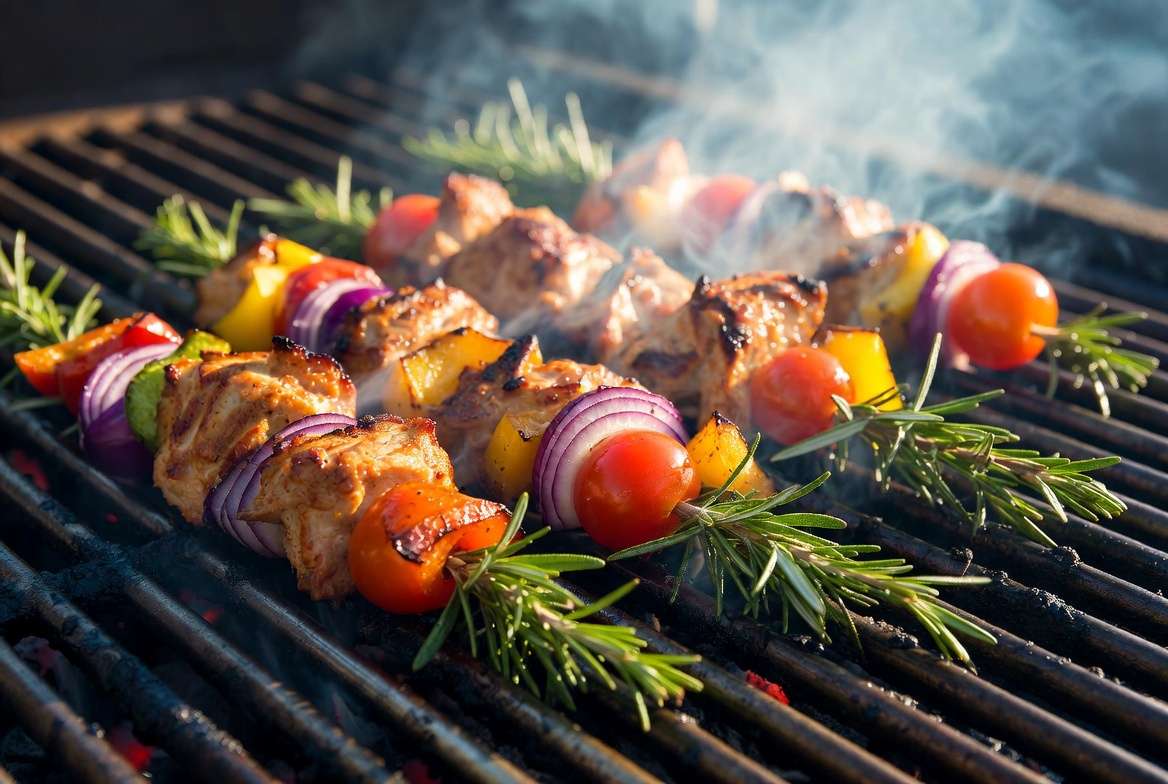
- Rosemary Skewers: Thread meats and veggies — infuses amazing flavor!
- Fresh chopped leaves in marinades, compound butters, or roasted potatoes.
- Toss stems on coals for smoky aroma.
- Infused oils and vinegars.
Preserving Your Harvest Year-Round Fresh rosemary is best used immediately, but proper preservation lets you enjoy that signature BBQ flavor all year.
- Air Drying: Tie small bundles with twine and hang upside down in a warm, dark, well-ventilated area for 7–14 days.
- Dehydrator Method: Dry at low temperature (95–110°F) for 4–8 hours to retain maximum essential oils.
- Freezing: Chop leaves and freeze in olive oil using ice cube trays — perfect for direct addition to marinades or the grill.
- Infused Oils & Vinegars: Create gourmet gifts or pantry staples by steeping stems in high-quality olive oil or white wine vinegar for 2–4 weeks.
Store dried rosemary in airtight glass jars away from light and heat. Properly preserved, it retains excellent flavor for 6–12 months.
Advanced Tips from a Plant Expert for Pro Results 🚀
After growing rosemary professionally for many years across different climates, here are my battle-tested secrets that elevate your bbq rosemary plant from good to exceptional:
- Edible Landscape Integration: Plant near your outdoor kitchen or BBQ pit for effortless harvesting. Combine with lavender and sage for a stunning, fragrant Mediterranean border that doubles as a pollinator magnet.
- Container vs In-Ground Performance: Containers offer better control in cold or wet climates but require more frequent watering and repotting every 2–3 years. In-ground plants develop deeper roots and superior drought tolerance.
- Flavor Maximization: Slightly stress the plant with reduced watering (while avoiding wilting) in the weeks before heavy harvesting — this concentrates essential oils for bolder aroma on the grill.
- Winter Protection Strategies: In zones 6–7, use frost cloth, mulch heavily around the base, or move large pots to a sunny, unheated garage. A simple DIY cold frame can extend the season significantly.
- Sustainable Water-Wise Gardening: Install drip irrigation on a timer and use gravel mulch. This Mediterranean herb is perfect for xeriscaping and low-maintenance yards.
- Companion Planting Power List:
- Best companions: Thyme, oregano, sage, marjoram, tomatoes, carrots, beans.
- Avoid: Basil (prefers more moisture) and heavy water users.
These advanced techniques help your plants live 8–10+ years while producing abundant, high-quality stems for grilling. 🌱✨
Image Idea: Side-by-side photo collage showing mature BBQ rosemary in a beautiful garden border next to a grill setup with fresh skewers.
Common Problems and Organic Solutions 🛡️ (Expanded)
Even resilient plants like BBQ rosemary can face challenges. Here’s a comprehensive troubleshooting guide:
Root Rot & Overwatering Symptoms: Yellowing lower leaves, wilting despite moist soil, black/soft roots. Solution: Immediately stop watering, improve drainage, and prune damaged parts. Repot in fresh, gritty mix if container-grown. Prevention is easier than cure — always check soil moisture first.
Powdery Mildew White dusty coating on leaves during humid periods. Fix: Increase spacing and airflow, water at soil level only, apply diluted neem oil or baking soda spray (1 tbsp baking soda + 1 tsp soap per quart of water).
Pests (Aphids, Spider Mites, Whiteflies) Blast with strong water spray in the morning. Introduce beneficial insects like ladybugs or use insecticidal soap. Severe cases: neem oil or horticultural oil.
Yellow Leaves & Nutrient Issues
- Bottom leaves yellowing + dry soil → Underwatering
- Overall pale foliage → Needs light feeding
- Brown tips → Salt buildup (flush soil thoroughly)
Weather Extremes
- Extreme Heat: Provide afternoon shade cloth and extra mulch.
- Frost Damage: Prune affected tips in spring; new growth usually emerges vigorously.
Create a simple monthly care calendar to stay ahead of issues.
Frequently Asked Questions (FAQs) ❓
Q1: Can BBQ rosemary survive winter in colder climates? Yes, in zones 6–7 with protection. Grow in movable containers or use heavy mulching and frost covers. It’s more cold-hardy than many other rosemary types.
Q2: How long until I can harvest from a new BBQ rosemary plant? You can lightly harvest after 3–4 months. Wait for substantial growth (12+ inches) before taking stems for skewers.
Q3: Why are my rosemary leaves turning brown or crispy? Usually underwatering, low humidity, or too much direct hot sun without acclimation. Adjust watering and provide wind protection.
Q4: Is BBQ rosemary safe for pets? Rosemary is generally considered non-toxic to dogs and cats in small amounts, but large ingestion can cause stomach upset. Keep plants out of reach if your pets like to chew.
Q5: How often should I prune my BBQ rosemary plant? Light pruning/harvesting every 4–6 weeks during growing season. Major shaping once or twice a year.
Q6: Can I grow BBQ rosemary indoors? Yes, but it needs a very sunny south-facing window or strong grow lights (14+ hours). Good airflow prevents mildew.
Q7: What’s the best fertilizer for flavorful rosemary? Low-nitrogen, high-phosphorus organic options. Avoid high-nitrogen fertilizers that reduce aroma.
Q8: Do the stems really work well as skewers? Absolutely! They are stronger and more aromatic than regular rosemary. Soak in water 30 minutes before grilling to prevent burning.
Conclusion: Transform Your Grilling Game with Home-Grown Rosemary 🔥🍢
Growing your own bbq rosemary plant is one of the most rewarding investments for any home gardener and outdoor cook. Not only do you gain access to fresh, superior-flavored herbs and natural skewers, but you also add beauty, fragrance, and biodiversity to your garden.
By following this detailed guide — from proper planting and care to expert harvesting techniques — you’ll enjoy years of abundant harvests and restaurant-quality grilled meals. The combination of practical know-how and love for plants turns ordinary backyard BBQs into memorable flavor experiences.
Start today: Source a healthy plant, prepare a sunny well-drained spot, and watch your rosemary thrive. Share your success stories, photos of your rosemary skewers, or questions in the comments below. I’d love to help fellow gardeners succeed!
Happy growing and happy grilling! 🌿🔥🍖











