
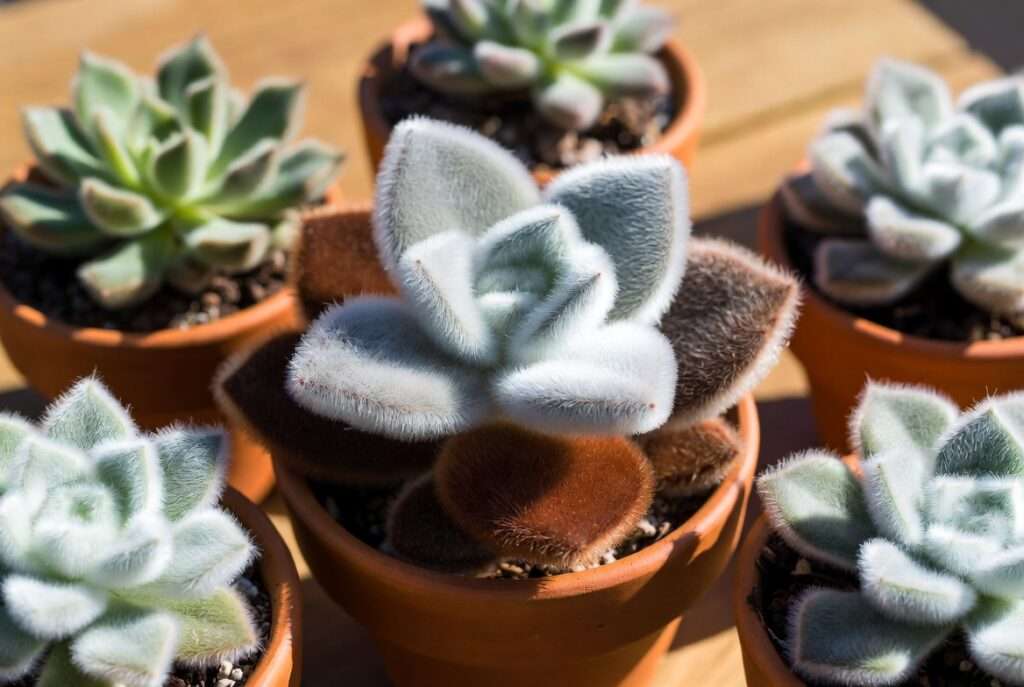
Have you ever touched a succulent leaf that felt like velvet or a soft teddy bear? That irresistible fuzzy texture is what makes fuzzy succulent plants so uniquely charming and addictive to collect 🌿✨.
If you’re searching for reliable care advice, you’re in the right place. As a succulent enthusiast with over 12 years of hands-on experience growing hundreds of varieties indoors and outdoors, I’ve learned exactly what these special plants need to thrive. This comprehensive guide will walk you through everything you need to know about fuzzy succulent plant care — from identification to expert propagation techniques — so you can enjoy healthy, beautiful plants for years to come.
Whether you’re a beginner struggling with leggy growth or an experienced plant parent wanting to expand your collection, this guide delivers practical, proven solutions.
What Are Fuzzy Succulent Plants? Identification and Popular Varieties 🪴
Fuzzy succulent plants stand out in the vast succulent world because of their soft, hair-like structures called trichomes. These tiny outgrowths give the leaves a velvety, fuzzy, or even woolly appearance. Beyond their adorable look, trichomes serve important survival functions: they reduce water loss, protect against intense sunlight, and deter some pests.
This natural “fuzz” is an evolutionary adaptation that helps these succulents survive in arid, high-altitude, or sunny environments.
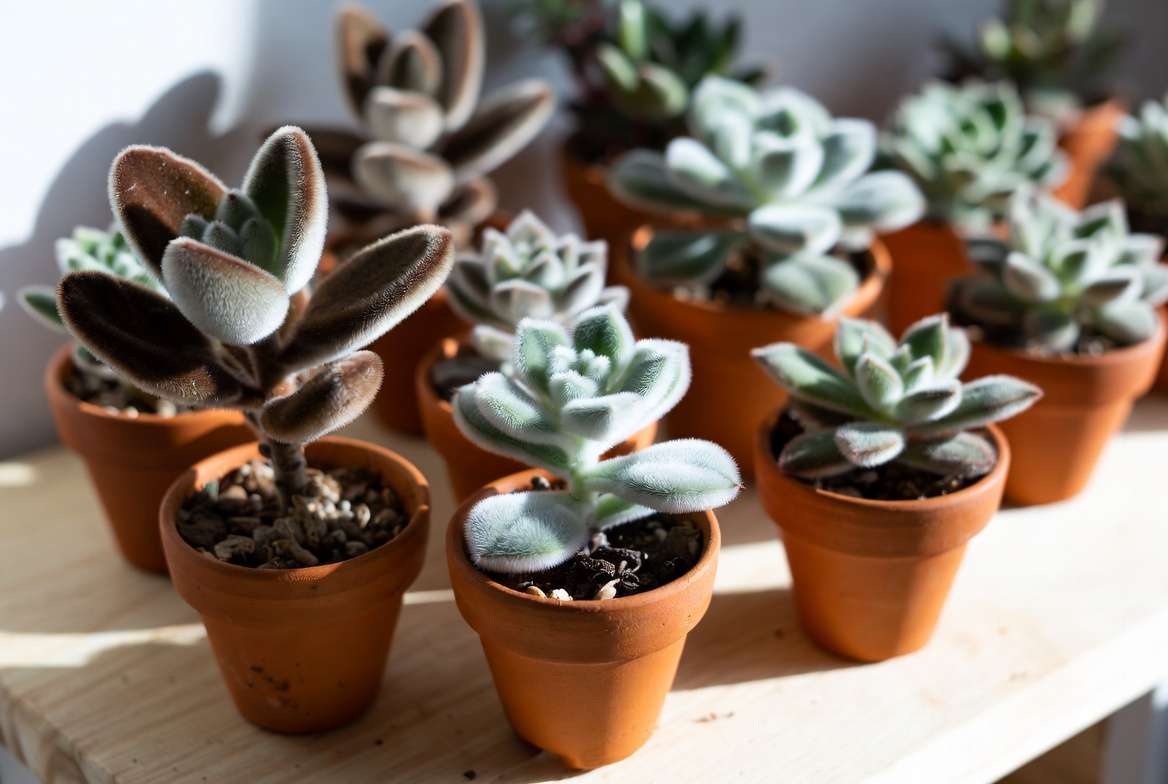
Understanding the Fuzzy Texture and Its Benefits
The fuzzy coating on these plants isn’t just for show. Trichomes create a boundary layer of still air around the leaf surface, which minimizes transpiration (water evaporation). They also reflect excess UV rays, preventing sunburn — a common issue with smooth-leaved succulents in bright light.
However, this same fuzz makes watering trickier, as moisture can get trapped and lead to fungal issues if not managed properly.
Top Fuzzy Succulent Plants for Home and Garden
Here are some of the most beloved fuzzy succulent varieties:
Kalanchoe tomentosa (Panda Plant / Teddy Bear Succulent) This is the most popular fuzzy succulent plant. Its leaves are covered in dense brown or silver hairs, giving it a plush, chocolate-dipped appearance. It grows upright, reaching 12–18 inches indoors, and produces small tubular flowers in good conditions. Perfect for beginners. 🧸
Echeveria setosa (Mexican Firecracker) Known for its bright green leaves densely packed with white, silky hairs. It forms tight rosettes and produces stunning red-orange flowers on tall stalks. This variety loves bright light and looks magical when backlit.
Kalanchoe orgyalis (Copper Spoons) Young leaves appear silvery-fuzzy but mature into a beautiful coppery-bronze color. The contrast between new fuzzy growth and older metallic leaves is striking.
Other Notable Fuzzy Succulents:
- Crassula mesembryanthemoides – Long, cylindrical fuzzy leaves that look like tiny green caterpillars.
- Sedum dasyphyllum (Corsican Stonecrop) – Tiny, highly textured fuzzy leaves ideal for ground cover or fairy gardens.
- Sempervivum ‘Fuzzy Wuzzy’ and similar hen-and-chicks varieties.
Quick Comparison Table
| Variety | Light Needs | Mature Size | Difficulty | Special Feature |
|---|---|---|---|---|
| Panda Plant | Bright Indirect | 12-18″ | Easy | Teddy bear texture |
| Echeveria setosa | Full Sun/Partial | 6-8″ rosettes | Medium | Silky white hairs |
| Copper Spoons | Bright Light | 12-24″ | Easy | Color-changing leaves |
Ideal Growing Conditions for Fuzzy Succulents 🌞
Getting the basics right is essential for preventing common problems like etiolation (stretching) and root rot.
Light Requirements – Getting It Just Right
Fuzzy succulent plants generally crave bright indirect light to partial direct morning sun. Aim for 4–6 hours of bright light daily.
- Indoors: Place near east or south-facing windows. Rotate plants every 1–2 weeks for even growth.
- Signs of insufficient light: Long, leggy stems and faded fuzz.
- Too much direct sun: Scorched leaf tips (especially in summer).
For low-light homes, consider full-spectrum grow lights (6500K) used 12–14 hours per day. Many growers report excellent results with affordable LED grow lights positioned 12–18 inches above the plants.
Soil and Potting Mix – The Foundation of Healthy Roots
Never use regular potting soil. Fuzzy succulents demand excellent drainage to avoid root issues.
Recommended DIY Mix:
- 50% cactus/succulent soil
- 30% perlite or pumice
- 20% coarse sand or horticultural grit
This combination ensures quick drainage while providing some nutrients. Always choose pots with drainage holes — terracotta or unglazed ceramic is ideal because they wick away excess moisture.
Watering Fuzzy Succulents – Avoid the #1 Killer 💧
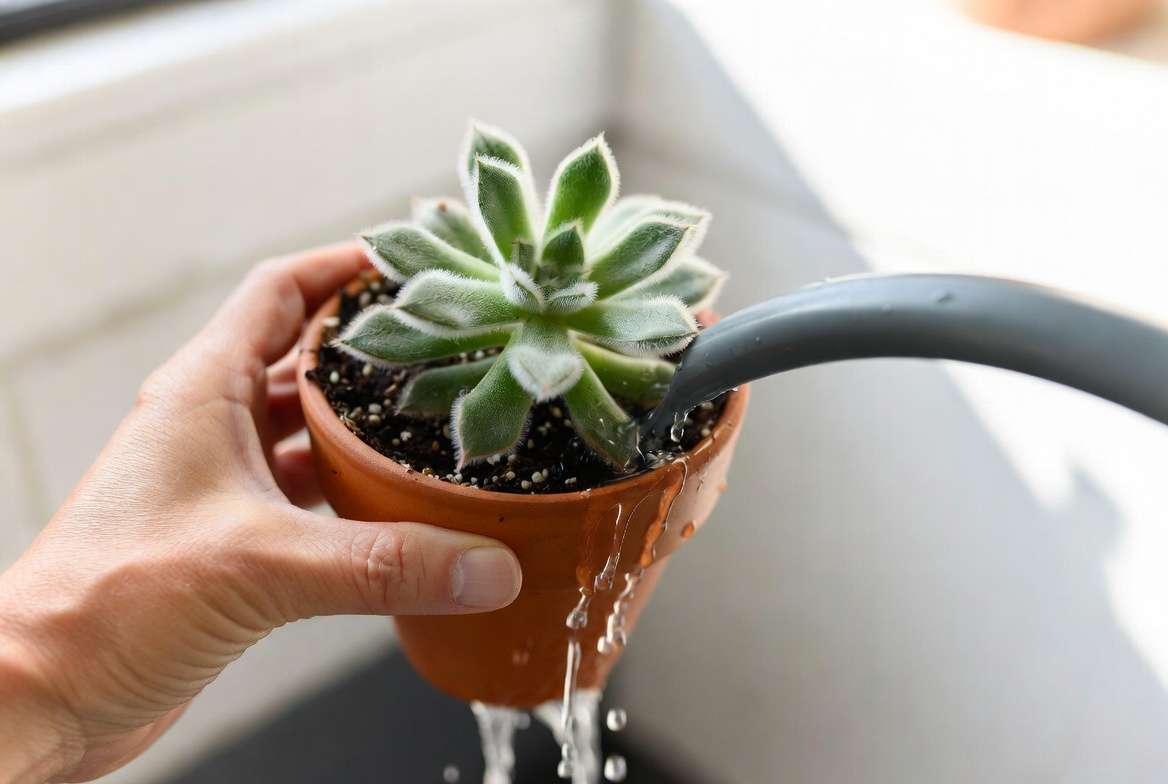
Overwatering is the fastest way to lose a fuzzy succulent plant. Follow the “Soak and Dry” method:
- Water thoroughly until it drains out the bottom.
- Allow the soil to dry completely (top 2–3 inches) before watering again.
- In growing season (spring/summer): Every 7–14 days.
- In dormant season (fall/winter): Every 18–30 days.
Pro Tip: Water from the base of the pot or use a watering can with a narrow spout to avoid wetting the fuzzy leaves, which can trap moisture and invite powdery mildew.
Use a moisture meter for confidence, especially as a beginner.
Temperature, Humidity, and Air Circulation
- Ideal temperature: 65–80°F (18–27°C) daytime, not below 50°F (10°C) at night.
- Low humidity preferred (30–50%). Good airflow is crucial — use a small fan on low if needed.
- Protect from cold drafts and frost. Most fuzzy succulents are not frost-hardy.
Daily and Seasonal Care Routine ✨
Consistent care routines make all the difference between a struggling fuzzy succulent plant and one that becomes a show-stopping centerpiece in your home.
Fertilizing for Vibrant Growth
Fuzzy succulents are not heavy feeders, but a balanced feeding schedule during the active growing season encourages stronger stems, denser fuzz, and better flowering.
- Best fertilizer: Use a diluted balanced succulent or cactus fertilizer (such as 5-10-5 or 8-7-7 formula) at half strength.
- Frequency: Every 4–6 weeks from spring through early fall.
- How to apply: Always water the soil first, then apply fertilizer solution to prevent root burn.
- Winter rule: Skip fertilizing completely during dormant months to avoid weak, leggy growth.
In my experience, plants fed consistently show richer color in their fuzzy coating and more compact rosettes compared to unfertilized ones.
Pruning, Grooming, and Maintaining Shape
Regular grooming keeps your fuzzy succulent plant looking neat and prevents energy waste on damaged parts.
- Gently remove dead or yellowing lower leaves by twisting them off at the base.
- For leggy Panda Plants or stretched Echeveria setosa, cut the top 3–4 inches of the stem during spring. Allow the cutting to callus for 3–5 days before replanting.
- Use clean, sterilized scissors or pruning shears to avoid introducing infections.
- Pro tip: The “fuzz” can collect dust over time. Use a soft paintbrush or compressed air to gently clean the leaves without damaging the trichomes.
Repotting Fuzzy Succulents – When and How
Repot every 18–24 months or when roots start circling the bottom of the pot.
Step-by-Step Repotting Guide:
- Choose a pot only 1–2 inches larger in diameter.
- Gently remove the plant and shake off old soil.
- Inspect roots and trim any rotten ones with sterilized tools.
- Place fresh succulent soil mix in the new pot.
- Position the plant at the same depth as before and firm the soil lightly.
- Wait 5–7 days before watering to allow roots to heal.
Repotting in early spring gives the plant the entire growing season to settle in comfortably.
Propagation Mastery: Multiply Your Fuzzy Collection 🌱
One of the greatest joys of fuzzy succulent plant ownership is how easily they propagate. This section covers reliable methods that consistently deliver high success rates.
Easy Propagation Methods
Stem Cuttings (Most Reliable Method) This works exceptionally well for Kalanchoe tomentosa and similar upright varieties.
- Select a healthy stem 3–5 inches long with several leaves.
- Cut cleanly just below a node using sterilized scissors.
- Let the cutting callus over for 4–7 days in a warm, dry spot (this prevents rot).
- Plant in well-draining soil mix and place in bright indirect light.
- Water sparingly after 7–10 days once roots begin forming.
- Expected rooting time: 3–6 weeks.
Leaf Propagation Excellent for Echeveria setosa and other rosette-forming fuzzy succulents.
- Twist a mature, healthy leaf gently from the stem.
- Place on top of dry succulent soil in bright indirect light.
- Mist lightly every few days to keep the soil slightly damp.
- Tiny plantlets (babies) usually appear at the base within 4–8 weeks.
- Once the new plant has several leaves, gently separate it from the mother leaf.
Division for Clumping Varieties Some fuzzy succulents like certain Sempervivum or clustered Kalanchoe naturally produce offsets.
- Carefully separate the offsets with roots attached during repotting.
- Plant immediately in individual small pots.
- Keep soil slightly moist for the first two weeks.
Common Propagation Mistakes and How to Avoid Them
- Rotting cuttings: Always allow proper callusing time.
- Overwatering new plants: Use the “soak and dry” method from day one.
- Insufficient light: Leads to weak, stretched babies that won’t develop good fuzz.
With proper technique, you can easily turn one fuzzy succulent into dozens within a single season.
Troubleshooting Common Problems and Solutions 🛠️
Even experienced growers face challenges. Here’s how to diagnose and fix the most frequent issues with fuzzy succulent plants.
Diagnosing and Fixing Issues
Overwatering and Root Rot Symptoms: Soft, mushy stems, yellowing leaves, and a foul smell from the soil. Solution: Remove the plant from wet soil immediately. Trim rotten roots, let the healthy part dry for several days, then repot in fresh dry mix. Reduce watering frequency significantly.
Powdery Mildew (A Fuzzy Leaf Specific Problem) The dense trichomes can trap moisture, leading to white powdery fungal growth. Prevention: Avoid getting water on the leaves. Improve air circulation. Treatment: Mix 1 tablespoon baking soda + 1 teaspoon mild soap in 1 quart of water and spray affected areas. Remove severely infected leaves.
Pests (Mealybugs, Spider Mites, Aphids) Mealybugs especially love hiding in the fuzzy texture. Solution: Use neem oil spray weekly for 3 weeks. For heavy infestations, dab individual pests with alcohol-dipped cotton swabs. Isolate affected plants immediately.
Leggy Growth and Stretching Caused by insufficient light. Fix: Move to brighter location or add grow lights. Behead and propagate the top portion for a compact new plant.
Sunburn and Leaf Discoloration Brown or crispy patches on the fuzz. Solution: Provide afternoon shade during peak summer heat. Gradually acclimate plants to brighter conditions.
Prevention Checklist:
- Always check soil dryness before watering
- Ensure excellent airflow
- Use well-draining pots and soil
- Inspect new plants for pests before adding to collection
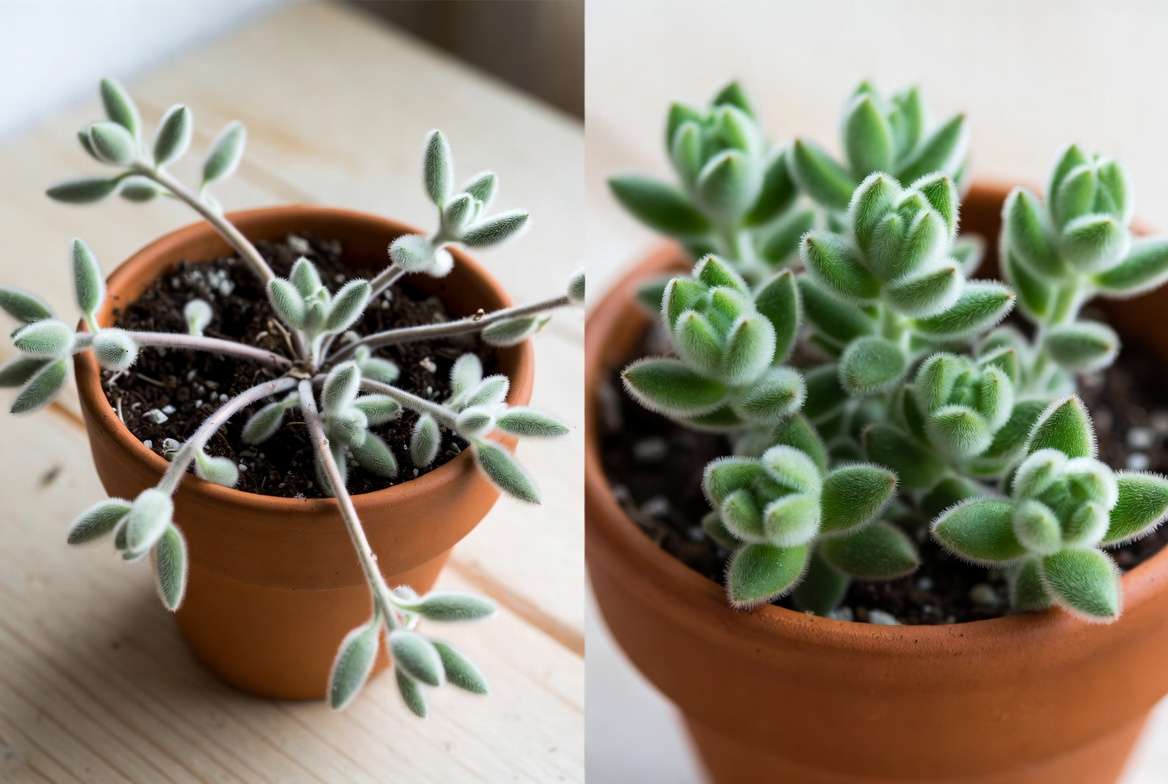
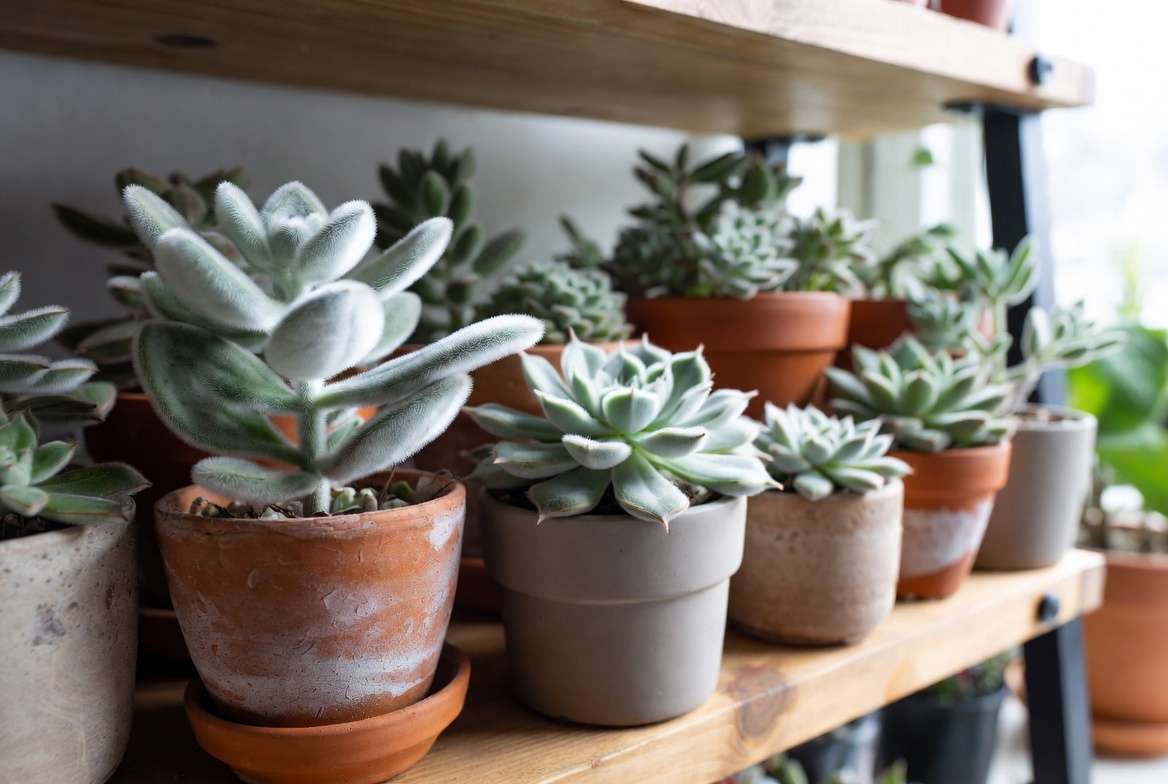
Styling and Displaying Fuzzy Succulents in Your Home
Fuzzy succulents make excellent living decor thanks to their unique texture.
- Create a “petting garden” in a shallow wide bowl with multiple varieties.
- Use hanging planters for trailing types or elevated shelves for upright Panda Plants.
- Pair with smooth-leaved succulents for beautiful textural contrast.
- Terracotta pots enhance the natural, earthy aesthetic.
Companion Plants: Smooth Echeverias, Haworthia, and String of Pearls create stunning mixed arrangements.
Safety and Toxicity Considerations
Many fuzzy succulents, especially Kalanchoe species, contain cardiac glycosides and can be toxic if ingested by pets or children. Keep them out of reach of curious cats, dogs, and toddlers. Always wash hands after handling and consider non-toxic alternatives like certain Sedum varieties if safety is a primary concern.
Advanced Tips from a Succulent Expert
These insights come from years of trial, observation, and successful cultivation of fuzzy succulent collections in varying climates.
Frequently Asked Questions (FAQs) ❓
Q1: How often should I water my fuzzy succulent plant? Water only when the top 2–3 inches of soil are completely dry. This is typically every 7–14 days in summer and every 18–30 days in winter. Always prioritize the “soak and dry” method over a fixed schedule. 💧
Q2: Why is my fuzzy succulent losing its fuzz? This usually happens due to overwatering, poor air circulation, or powdery mildew. Reduce watering, improve airflow, and gently clean leaves with a soft brush. Healthy new growth should regain the fuzzy texture.
Q3: Can fuzzy succulents grow indoors with low light? They can survive but may become leggy. Supplement with full-spectrum grow lights for 12–14 hours daily to maintain compact growth and rich fuzz.
Q4: Are fuzzy succulent plants toxic to pets? Most Kalanchoe species (including the popular Panda Plant) are toxic if ingested by cats or dogs. Keep them out of reach or choose safer varieties like certain Sedum if you have pets.
Q5: How do I propagate a fuzzy succulent plant successfully? Stem cuttings offer the highest success rate. Allow cuttings to callus for several days, then plant in gritty soil. Provide bright indirect light and minimal water until roots form.
Q6: What causes brown spots on the fuzzy leaves? This is often sunburn or fungal issues from water sitting on the trichomes. Move the plant to gentler light and avoid wetting the leaves during watering.
Q7: Why is my Panda Plant growing tall and stretched? Insufficient light is the main culprit. Relocate to a brighter spot or use grow lights. You can also behead and propagate the top for a bushier plant.
Q8: Can I use regular potting soil for fuzzy succulents? No. Regular potting soil retains too much moisture and leads to root rot. Always use a well-draining cactus/succulent mix with added perlite and grit.
Q9: How do I clean the fuzzy texture without damaging it? Use a very soft artist’s brush or gentle puffs of compressed air. Never use water sprays directly on the leaves.
Q10: Do fuzzy succulents flower indoors? Yes! With proper light and seasonal care, many produce beautiful tubular flowers. Panda Plants bloom with small bell-shaped flowers on tall stalks during spring/summer.
Q11: What’s the best fertilizer for fuzzy succulents? A low-nitrogen, balanced succulent fertilizer diluted to half strength, applied every 4–6 weeks during the growing season.
Q12: How long do fuzzy succulent plants live? With excellent care, many varieties like Kalanchoe tomentosa can live 5–10+ years indoors, continuously producing new offsets and beautiful foliage.

Conclusion
Fuzzy succulent plants offer a delightful combination of unique texture, easy-care nature, and striking beauty that few other houseplants can match 🌿🧸. By following the expert tips in this guide — from proper lighting and watering techniques to successful propagation methods — you can overcome common challenges and enjoy thriving, velvety specimens in your home or garden.
Remember: The key to success lies in mimicking their natural arid environment with excellent drainage, bright light, and careful watering. Whether you’re just starting with your first Panda Plant or expanding an impressive collection, these practices will help your fuzzy succulents stay healthy and gorgeous for years.
Start implementing these care routines today and watch your plants reward you with lush growth and charming fuzzy leaves. Have questions or success stories? Share them in the comments below — I love hearing from fellow plant lovers!
Ready to expand your knowledge? Check out our other in-depth guides:
- Best Succulents for Beginners
- Complete Guide to Succulent Propagation
- Indoor Plant Care for Low-Light Spaces
Thank you for reading this comprehensive fuzzy succulent plant care guide. Happy planting! ✨🪴











