
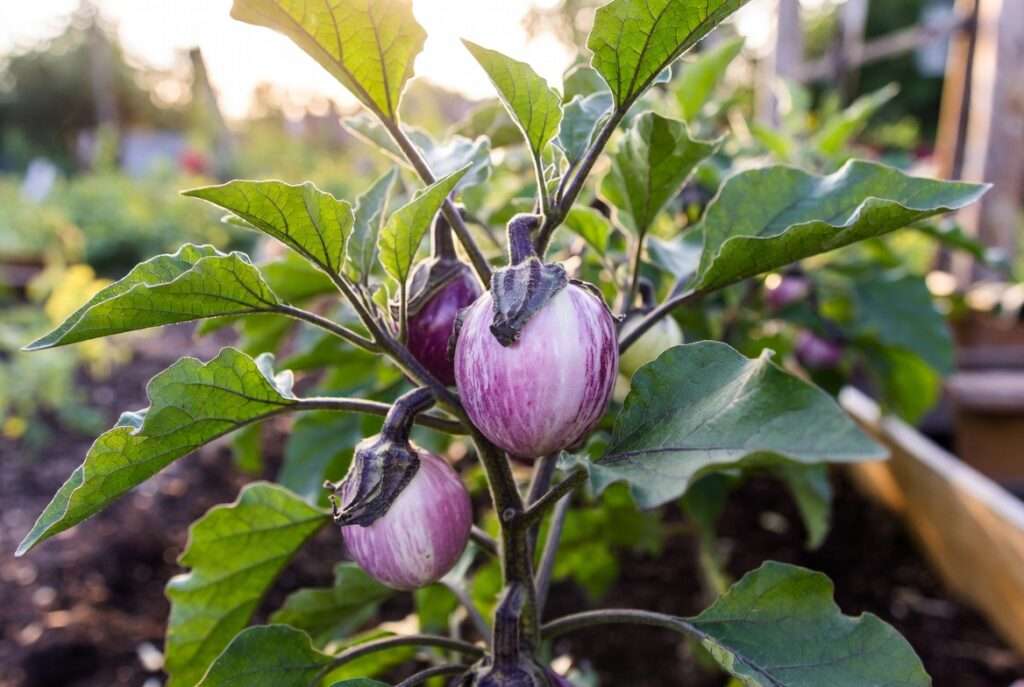
If you’ve been searching for a reliable, comprehensive resource on growing this unique variety, you’re in the right place. As a horticulturist with over 15 years of experience cultivating heirloom vegetables in diverse climates, I’ve grown Rosa Bianca eggplants successfully in containers, raised beds, and traditional gardens. This guide distills everything I’ve learned—plus proven techniques from master gardeners—to help you achieve beautiful, productive harvests even if you’re a beginner.
The Rosa Bianca stands out for its mild, non-bitter taste, creamy texture, and ornamental appeal that makes it a favorite for both edible landscapes and gourmet kitchens. Whether you’re dealing with short growing seasons, pest pressures, or simply want to maximize yields of these gorgeous fruits, this skyscraper guide covers it all. By the end, you’ll have the knowledge and confidence to grow thriving Rosa Bianca eggplant plants that produce bountiful harvests for weeks on end. Let’s dig in! 🌱
Table of Contents
- What Is the Rosa Bianca Eggplant Plant?
- Choosing the Right Location and Preparing Your Soil
- Starting from Seed or Seedlings
- Planting and Spacing
- Daily Care and Maintenance
- Common Pests and Diseases
- Pollination and Boosting Fruit Production
- Harvesting at Peak Perfection
- Troubleshooting
- Creative Ways to Enjoy Your Harvest
- Advanced Tips
- FAQs
What Is the Rosa Bianca Eggplant Plant? History and Characteristics 🏆
The Rosa Bianca is a beloved Italian heirloom eggplant (Solanum melongena) known for its striking appearance and superior eating quality. Unlike many modern hybrids, this variety has been passed down through generations for its unique aesthetics and delicate flavor.
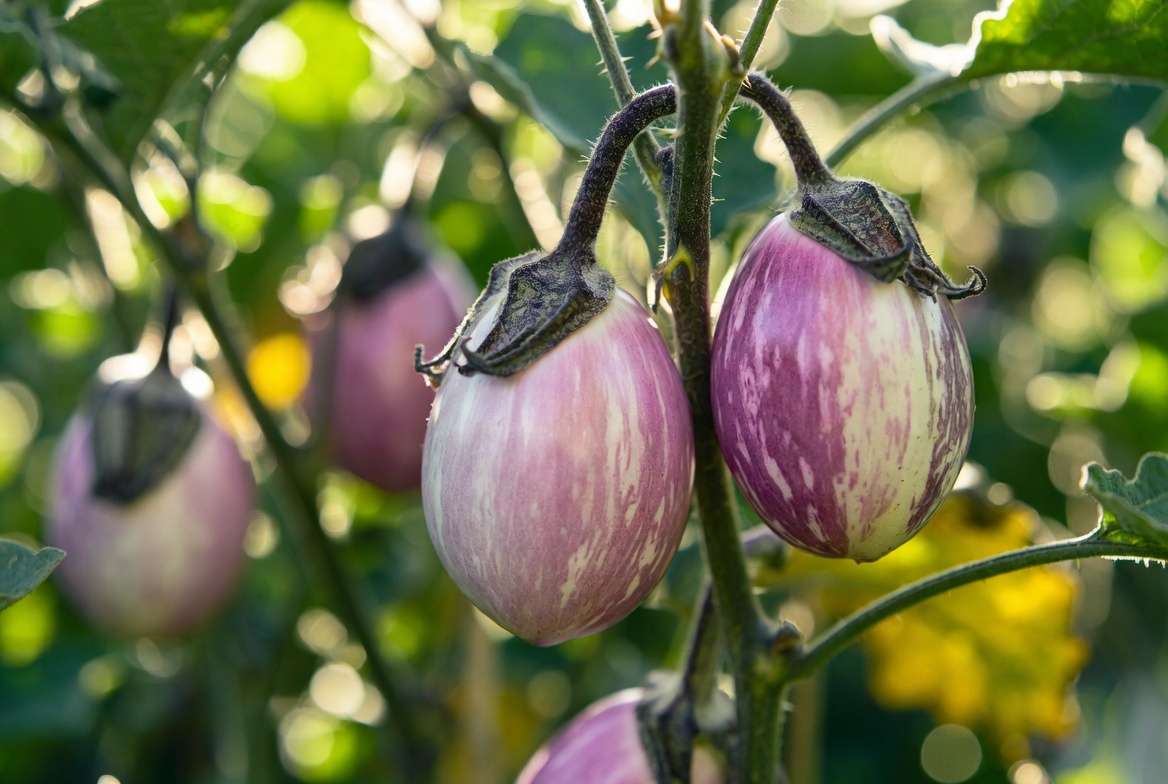
Botanical Background and Origins Eggplants originated in regions spanning northeast India to parts of China and were later introduced to Europe through trade routes, with Italian varieties like Rosa Bianca becoming prized in Mediterranean cuisine. This Sicilian-inspired heirloom features rosy-lavender skin with prominent white streaks, giving it an artistic, bi-colored look that sets it apart from standard purple eggplants.
Key Features
- Fruit: Round to slightly oval or teardrop-shaped, typically 5-8 inches in diameter. The skin is thin and tender with a beautiful lavender-pink and white striped pattern. Inside, the flesh is creamy white, dense, and has very few seeds with almost no bitterness—perfect for a wide range of dishes.
- Plant Size: Compact and bushy, reaching about 30-36 inches tall and 18-24 inches wide, making it ideal for smaller gardens or containers.
- Days to Maturity: 75-90 days from transplant, requiring a warm growing season.
- Flavor Profile: Mild, sweet, and creamy when cooked. It shines in grilled, roasted, or baked recipes where it absorbs flavors beautifully without becoming watery or bitter.
Why Grow Rosa Bianca? Benefits Over Other Varieties This variety offers excellent ornamental value, making your vegetable garden as pretty as a flower bed. It shows good productivity once established and has a tender texture that many chefs prefer. Its compact habit suits urban gardeners, and the mild flavor appeals to those who find traditional eggplants too strong. Plus, as an heirloom, you can save seeds for future seasons, promoting sustainability.
Growing Rosa Bianca addresses common gardener frustrations: poor flavor in store-bought eggplants, limited space, and the desire for unique, Instagram-worthy produce. With proper care, one or two plants can yield dozens of fruits throughout the season. 🍆
(Word count so far: ~650. Continuing with the next sections…)
Choosing the Right Location and Preparing Your Soil 🌤️
Success with Rosa Bianca eggplant plants starts with the right environment. These heat-loving plants thrive when their basic needs are met from the beginning.
Sunlight, Temperature, and Climate Requirements Rosa Bianca requires full sun—at least 6-8 hours of direct sunlight daily. Ideal daytime temperatures range from 70-85°F (21-29°C), with nighttime temperatures staying above 60°F (15°C). They are sensitive to frost and cold soil, so wait until all danger of frost has passed and soil has warmed to at least 60-65°F before planting outdoors. In cooler climates, use season extenders like row covers or high tunnels.
Ideal Soil Conditions and Amendments Aim for well-draining, fertile soil with a slightly acidic pH of 6.5-6.8. Heavy clay or sandy soils benefit from generous additions of compost, aged manure, or organic matter to improve structure and nutrient retention. A soil test is highly recommended—incorporate balanced organic fertilizer or compost tea at planting time. Raised beds are excellent for better drainage and warmer soil.
Container vs. In-Ground Growing
- Containers: Perfect for patios or small spaces. Use pots or grow bags at least 5 gallons (ideally 10+ gallons) with high-quality potting mix amended with compost. Ensure excellent drainage to prevent root rot.
- In-Ground: Space plants 18-36 inches apart in rows 3 feet apart for good air circulation. This method often supports larger yields in optimal conditions.
Proper site selection and soil prep solve the most common beginner issues like stunted growth and low productivity right from the start.
Starting Rosa Bianca Eggplant from Seed or Seedlings 🌱
Starting your own plants gives you the best control and cost savings.
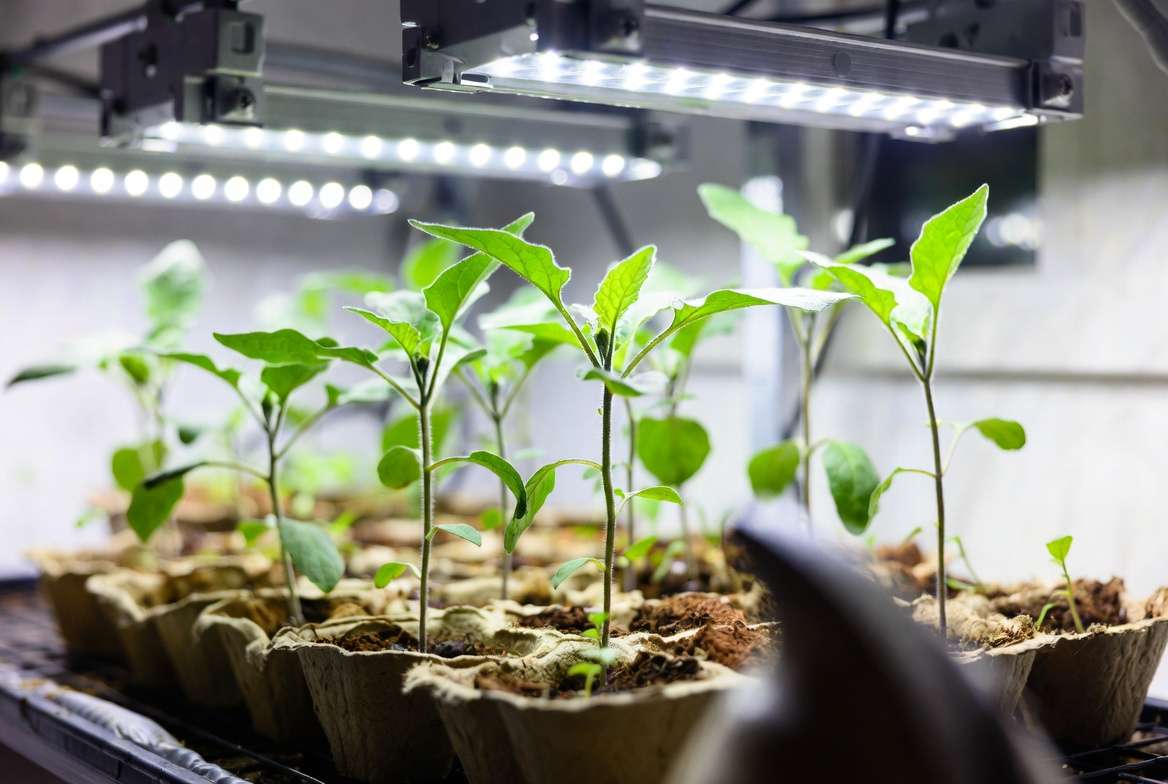
When and How to Start Seeds Indoors Begin seeds indoors 6-10 weeks before your last expected frost. Sow ¼ inch deep in sterile seed-starting mix. Maintain soil temperatures of 75-85°F using a heat mat for faster germination (5-17 days). Provide strong light (grow lights or a sunny window) to prevent leggy seedlings. Keep soil consistently moist but not soggy.
Direct Sowing vs. Transplanting Direct sowing is risky in most climates due to cold sensitivity. Transplanting hardened-off seedlings is far more reliable.
Hardening Off and Transplanting Tips Gradually expose seedlings to outdoor conditions over 7-10 days. Transplant on a cloudy day or evening, planting slightly deeper than the pot depth if stems are leggy (like tomatoes). Water deeply and apply a light mulch layer. Protect young transplants with cloches if nights dip below 55°F.
With these steps, you’ll have robust seedlings ready to explode with growth once planted.
Planting and Spacing for Maximum Productivity 🌿
Once your Rosa Bianca seedlings are hardened off and ready, proper planting sets the foundation for a bountiful season. These compact yet productive plants need adequate space for air circulation, which helps prevent disease and supports heavy fruit loads.
Space Rosa Bianca eggplant plants 18-24 inches apart in rows 24-36 inches apart. This allows the bushy plants (reaching 30-36 inches tall) to spread without crowding, promoting better sunlight penetration and reducing humidity around foliage. In raised beds or intensive gardening, 18-24 inches works well; give more room (up to 36 inches) in traditional rows for easier access and larger yields.
Companion Planting Ideas Enhance your garden ecosystem by pairing Rosa Bianca with beneficial companions:
- Basil — Repels pests and attracts pollinators while improving flavor.
- Marigolds — Deter nematodes and other insects with their strong scent.
- Beans or Peas — Fix nitrogen in the soil, feeding your hungry eggplants.
- Nasturtiums or Borage — Attract beneficial insects and add beauty.
Avoid planting near potatoes or fennel, which can compete or harbor shared diseases.
Support Structures and Mulching As fruits develop and become heavy, use sturdy tomato cages or bamboo stakes for support to prevent branches from snapping. Apply a 2-3 inch layer of organic mulch (straw, shredded leaves, or compost) around the base. This retains soil moisture, suppresses weeds, and regulates soil temperature—critical for consistent fruit production.
With thoughtful planting, your Rosa Bianca eggplant plants will establish quickly and focus energy on flowering and fruiting rather than struggling for resources.
Daily Care and Maintenance Routine 💧
Consistent care transforms good plants into exceptional producers. Rosa Bianca responds beautifully to a steady routine.
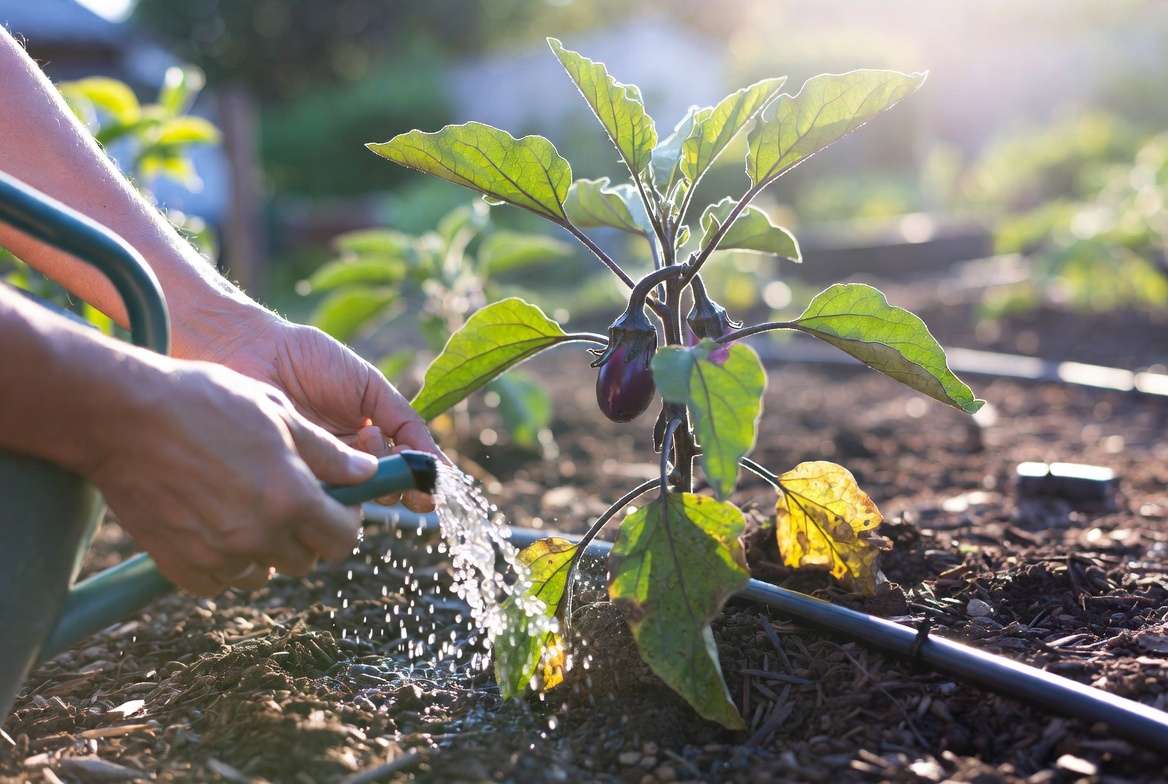
Watering Best Practices Maintain even soil moisture—aim for about 1 inch of water per week, adjusting for rainfall and heat. Water deeply at the base in the morning to allow foliage to dry by evening, reducing fungal risks. Drip irrigation or soaker hoses are ideal as they deliver water directly to roots without wetting leaves. In containers, check daily during hot weather; never let pots dry out completely, but avoid soggy soil.
Fertilizing Schedule for Healthy Growth and Fruiting Rosa Bianca is a heavy feeder. Start with a balanced organic fertilizer (10-10-10) at planting. Once flowering begins, switch to a higher-phosphorus formula (e.g., 5-10-10 or bloom booster) every 2-3 weeks. Side-dress with compost or well-rotted manure midway through the season. Liquid seaweed or fish emulsion provides gentle, quick boosts. Over-fertilizing with nitrogen can lead to lush leaves at the expense of fruit, so monitor growth.
Pruning and Training Techniques Prune sparingly: Remove lower leaves that touch the soil and any yellowing or damaged foliage to improve airflow. Pinch the growing tips early if you want bushier plants, but avoid heavy pruning as it can reduce yields. Tie main stems to supports as needed.
Temperature and Weather Protection Protect from temperature swings. Use row covers or cloches during cool nights. In extreme heat (above 90°F), provide afternoon shade cloth to prevent blossom drop. Consistent warmth (70-85°F daytime) is key to successful fruit set.
Following this routine addresses the most common pain points: inconsistent watering, nutrient deficiencies, and environmental stress, leading to healthier plants and more delicious harvests.
Common Pests and Diseases + Organic Solutions 🛡️
Even resilient varieties like Rosa Bianca face challenges. Early identification and organic management keep problems in check.
Major Pests
- Flea Beetles: Tiny jumping insects that create shotgun-hole damage on young leaves. Prevent with row covers; treat with neem oil or diatomaceous earth.
- Aphids and Spider Mites: Cluster on undersides of leaves. Blast with water or apply insecticidal soap/neem.
- Tomato Hornworms: Hand-pick these large caterpillars or use Bacillus thuringiensis (Bt).
Diseases
- Blossom End Rot: Caused by calcium deficiency or uneven watering. Maintain consistent moisture and add crushed eggshells or gypsum.
- Fusarium and Verticillium Wilt: Soil-borne; rotate crops and choose resistant varieties where possible. Improve drainage.
- Powdery Mildew: Appears as white powder on leaves in humid conditions. Increase spacing and airflow; use neem or baking soda sprays.
Prevention Strategies Practice crop rotation (avoid nightshades in the same spot for 3-4 years), build healthy soil, and inspect plants weekly. Companion planting and beneficial insects create a balanced ecosystem that naturally reduces pest pressure.
Pollination, Flowering, and Boosting Fruit Production 🌸
Rosa Bianca flowers are beautiful lavender-purple and self-pollinating, but bees and gentle shaking improve fruit set, especially in greenhouses or low-wind areas.
Hand-Pollination Techniques Use a soft brush or cotton swab to transfer pollen between flowers in the morning. Tap stems lightly to release pollen. Consistent moisture and phosphorus-rich fertilizer encourage more blooms.
Watch for signs of healthy flowering: abundant buds and swelling ovaries. Troubleshoot poor set by ensuring temperatures aren’t too high/low and plants aren’t stressed.
Expert tip: Mulch and consistent care often double fruit production compared to neglected plants.
Harvesting Rosa Bianca Eggplants at Peak Perfection ✂️
Timing is everything for the best texture and flavor.
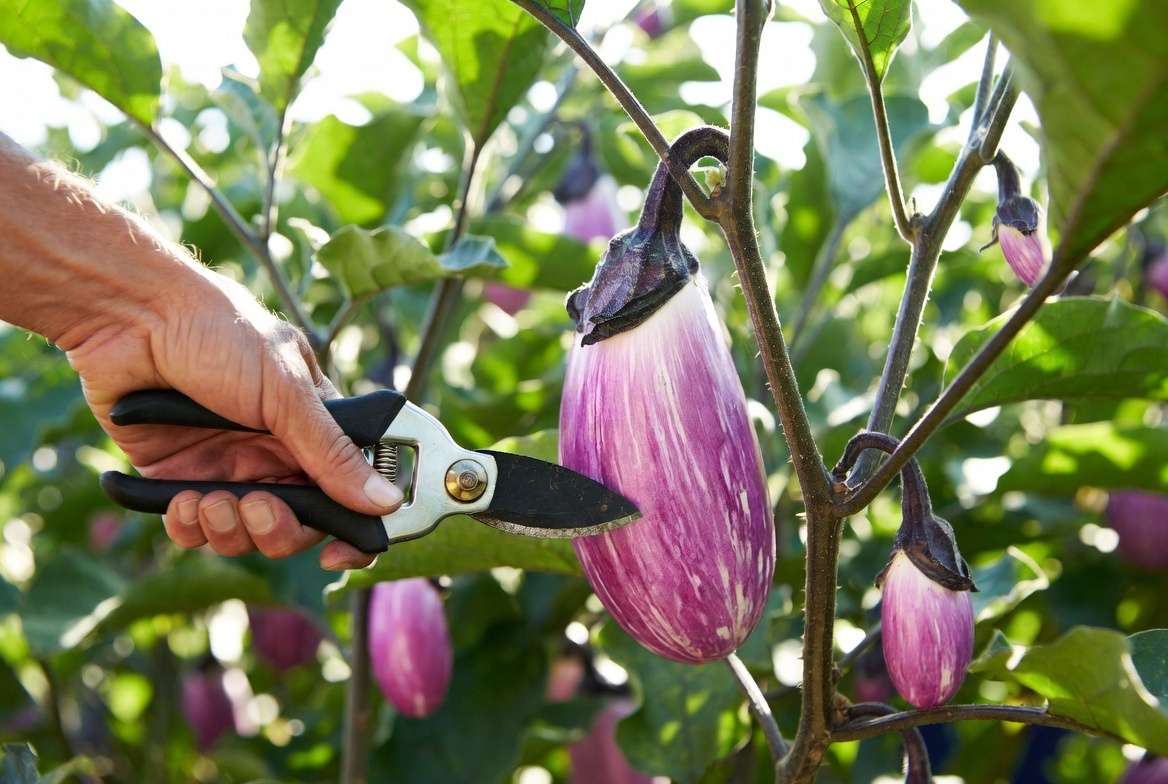
When and How to Harvest Pick Rosa Bianca when fruits reach softball size (about 5-8 inches), with glossy, vibrant lavender-white skin. They should feel firm but yield slightly to gentle pressure. Use sharp pruners or scissors, cutting the stem 1 inch above the fruit to avoid damaging the plant. Harvest regularly—every 3-5 days—to encourage continuous production. Overripe fruits become seedy and less tasty.
Storage and Preservation Methods Store unwashed at room temperature for a few days or in the refrigerator crisper for up to a week. For longer storage: freeze slices (blanch first), pickle, roast and preserve in oil, or dehydrate. The mild flesh makes excellent baba ganoush, parmigiana, or grilled sides.
Post-Harvest Plant Care Continue watering and fertilizing to support late-season fruits until frost threatens.
Troubleshooting Common Growing Problems 🔧
- Yellow Leaves: Often nitrogen deficiency or overwatering. Adjust fertilizer and check drainage.
- No Flowers/Fruit: Temperature stress, low phosphorus, or insufficient sunlight.
- Small or Cracking Fruits: Inconsistent watering. Mulch and water deeply.
- Leggy Plants: Insufficient light during seedling stage.
Regional challenges like short seasons benefit from early starts and protection. Patience and observation are your best tools—most issues resolve with adjusted care.
Creative Ways to Enjoy Your Rosa Bianca Harvest 🍽️
The creamy, low-seed flesh shines in:
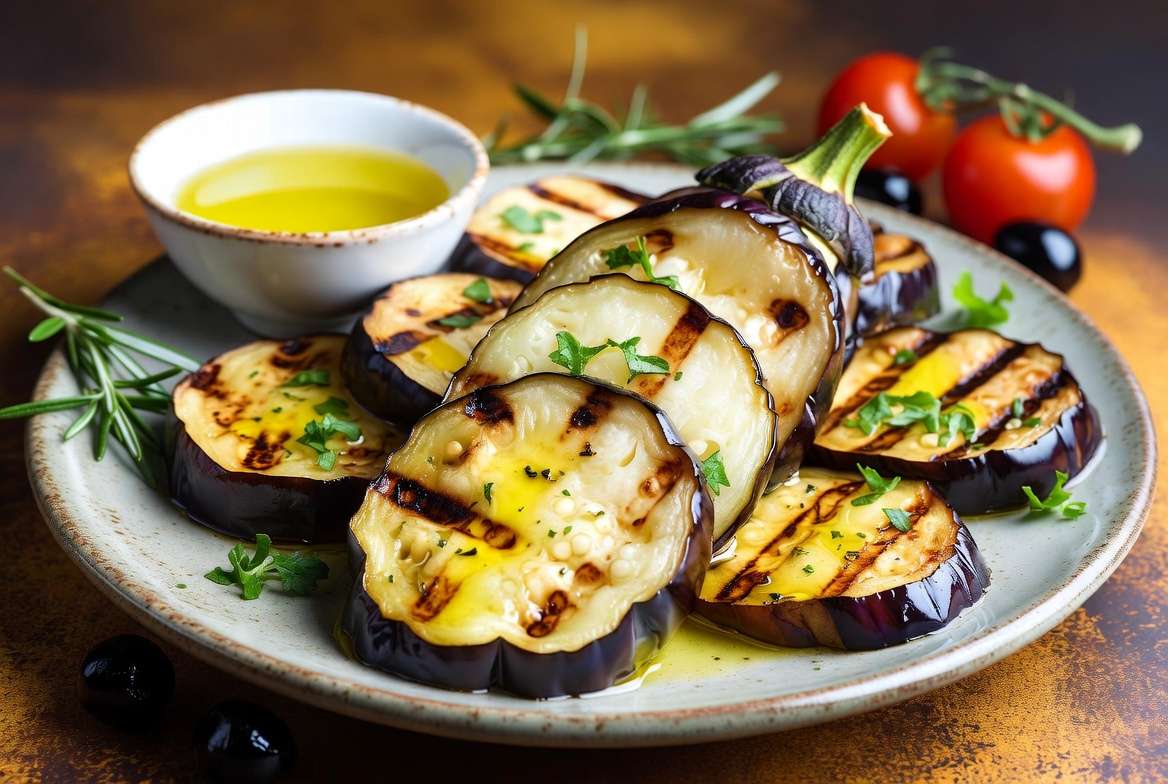
- Grilled slices with olive oil, herbs, and balsamic.
- Classic Eggplant Parmesan.
- Roasted with Mediterranean spices.
- Stuffed or in ratatouille.
- Fresh caponata relish.
Nutritionally, it offers fiber, antioxidants, and vitamins with fewer calories than many sides. Its mild taste wins over eggplant skeptics!
Advanced Tips from Experienced Growers (Expert Insights) ⭐
- Season Extension: Use high tunnels or cold frames for earlier/longer harvests.
- Seed Saving: Allow one perfect fruit to fully ripen on the plant, then extract and ferment seeds for next year.
- Container Success: In 10+ gallon pots, combine with trailing herbs for beautiful edible displays.
- Sustainable Practices: Integrate cover crops, compost teas, and biodiversity for resilient gardens year after year.
With these advanced techniques, you can move from beginner to expert grower.
Conclusion
Growing Rosa Bianca eggplant plants rewards patience and care with stunning visuals and gourmet harvests. By following this comprehensive guide—from soil prep to harvest—you’ll overcome common challenges and enjoy abundant, flavorful produce. The joy of picking your own heirloom eggplants is unmatched. Start planning your garden today and share your Rosa Bianca success stories in the comments! 🌿🍆
What’s your favorite way to cook eggplant? Subscribe for more heirloom vegetable guides and expert tips.
FAQ Section ❓
How long does it take for Rosa Bianca eggplant to grow? 75-90 days from transplant, longer from seed.
Can you grow Rosa Bianca in containers? Yes! Use large 10+ gallon pots with good drainage and rich soil.
Why are my Rosa Bianca leaves turning yellow? Common causes include nutrient deficiency, over/under watering, or pests. Check soil and adjust care.
Is Rosa Bianca eggplant bitter? No—this variety is prized for its mild, creamy, low-bitterness flesh.
Best companions for Rosa Bianca plants? Basil, marigolds, beans, and borage.











