
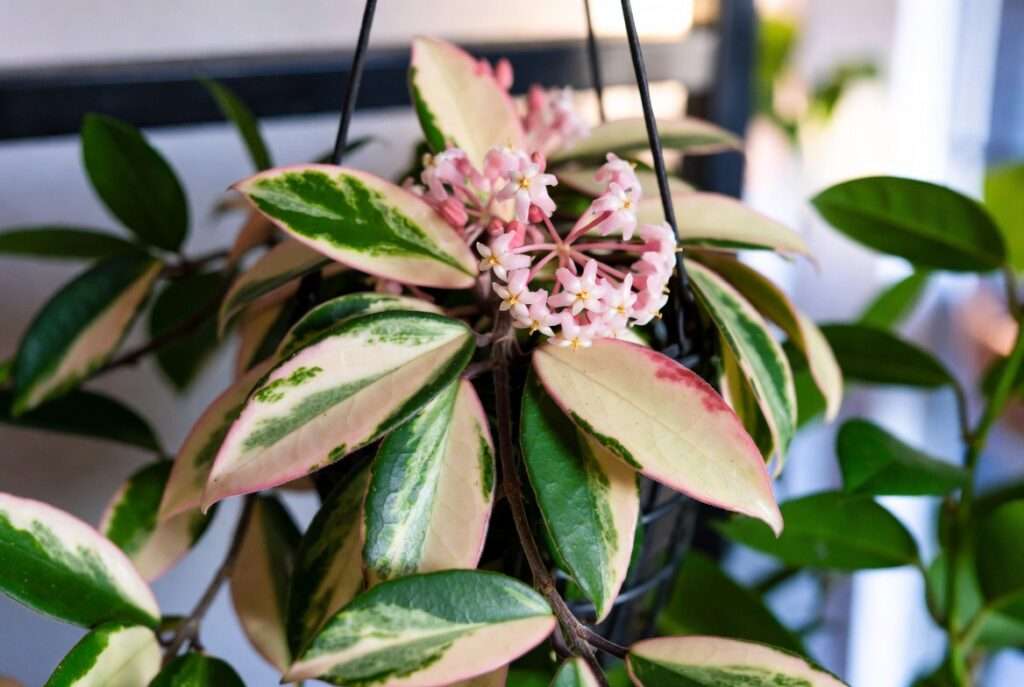
Imagine a cascading vine adorned with waxy, heart-shaped leaves splashed in creamy white, soft pink, and vibrant green — a living piece of art that transforms any indoor space into a lush tropical oasis. The variegated hoya plant, also known as the Wax Plant, is one of the most coveted houseplants for good reason. Its unique foliage and clusters of fragrant, star-shaped flowers make it a showstopper that rewards patient growers with years of beauty.
As a plant care specialist with over a decade of hands-on experience cultivating hundreds of Hoya varieties in diverse home environments, I’ve learned what makes these beauties thrive — and what common mistakes lead to disappointment. Whether you’re a beginner enchanted by your first Hoya carnosa ‘Krimson Queen’ or an enthusiast looking to perfect your collection, this comprehensive guide delivers everything you need for vibrant variegation, robust growth, and those coveted blooms. 🌸
In the following 2000+ word guide, we’ll cover optimal light, watering, soil, propagation, troubleshooting, and advanced tips. By the end, you’ll have the confidence and knowledge to grow a thriving variegated Hoya plant that becomes the pride of your plant family. Let’s dive in! 💚
What Is a Variegated Hoya Plant? 🌱
Understanding Variegated Hoyas
Variegated Hoyas are tropical epiphytic vines native to regions across Asia and Australia. In nature, they climb trees and rocks, absorbing moisture and nutrients from the air and rain. The term “variegated” refers to the striking color patterns on their leaves caused by a lack of chlorophyll in certain areas, resulting in creamy whites, pinks, yellows, and silvers alongside deep green.
This reduced chlorophyll means variegated varieties often require brighter light than their solid-green counterparts to photosynthesize effectively and maintain those gorgeous patterns. Without enough light, variegation can fade as the plant produces more green tissue to compensate — a process called reversion.
Hoyas are members of the Apocynaceae family, famous for their succulent-like, waxy leaves and umbels of porcelain-like flowers that emit a sweet, honey-like fragrance, especially at night. They’re relatively slow-growing but long-lived, often becoming family heirlooms passed down through generations.
Popular Variegated Hoya Varieties
Here are some of the most beloved options for home growers:
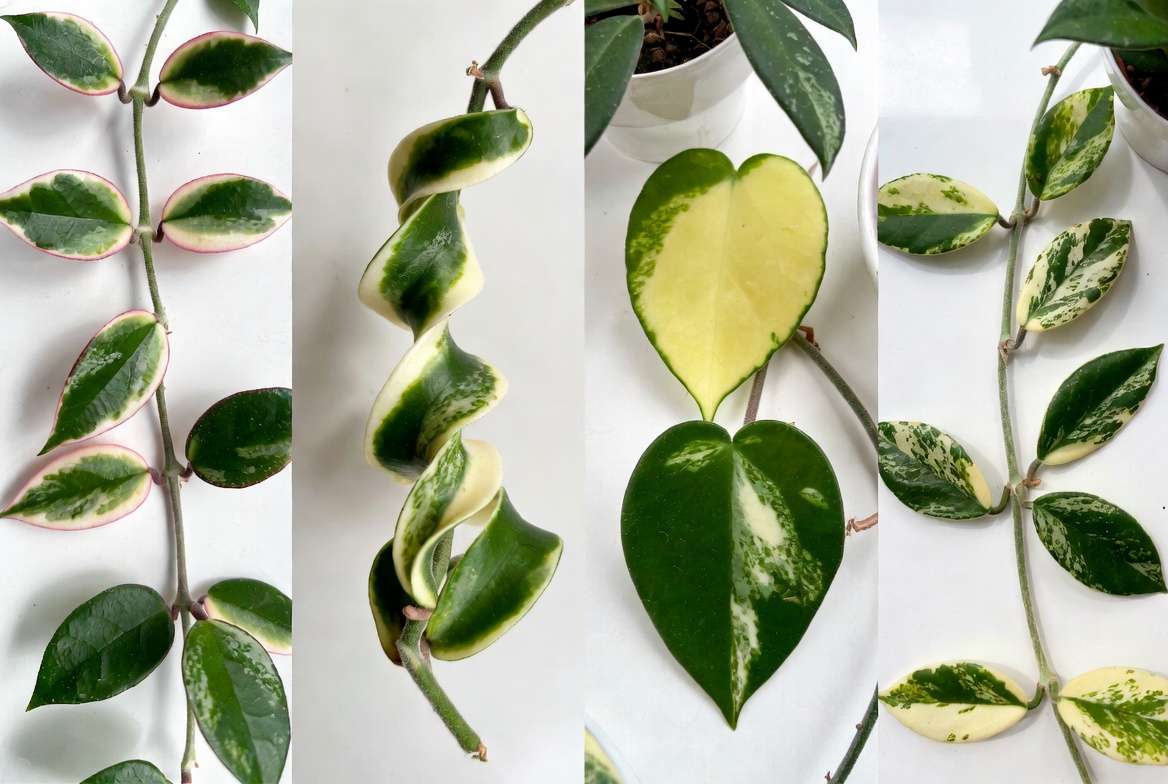
- Hoya carnosa ‘Krimson Queen’ (Tricolor): The queen of variegated Hoyas features leaves with pink, white, and green edges. It’s forgiving for beginners and produces stunning pink flower clusters.
- Hoya carnosa ‘Variegata’: Classic white and green variegation with a more subtle look.
- Hoya compacta Variegated (Rope Plant): Tight, twisted “rope-like” leaves with creamy edges — perfect for hanging baskets.
- Hoya kerrii Variegated (Sweetheart or Valentine Hoya): Iconic heart-shaped leaves with inner or outer variegation. Great as a single-leaf starter but grows best as a full plant.
- Hoya australis ‘Lisa’: Splashy yellow-cream variegation on a vigorous vining variety.
- Others worth noting: Hoya mathilde (silver splash), Hoya latifolia variegated, and Hoya obovata variegated.
Choose based on your space and light conditions — Krimson Queen and Compacta are excellent starting points for most indoor setups.
Essential Growing Conditions for Success ☀️💧
Light Requirements for Vibrant Variegation
Bright, indirect light is the golden rule for a happy variegated Hoya plant. Aim for 4–6+ hours of filtered sunlight daily. East or west-facing windows are ideal. Too little light causes leggy growth and faded variegation; too much direct sun scorches the delicate white/pink areas.
Pro Tip: Use a sheer curtain to diffuse intense afternoon sun. In darker homes, supplement with full-spectrum LED grow lights (placed 12–24 inches away) for 12–14 hours daily. This maintains stunning variegation and encourages blooming.
Monitor your plant: Pale leaves or stretching stems signal more light is needed, while brown crispy edges mean it’s time to pull back from the window.
Watering Your Variegated Hoya the Right Way
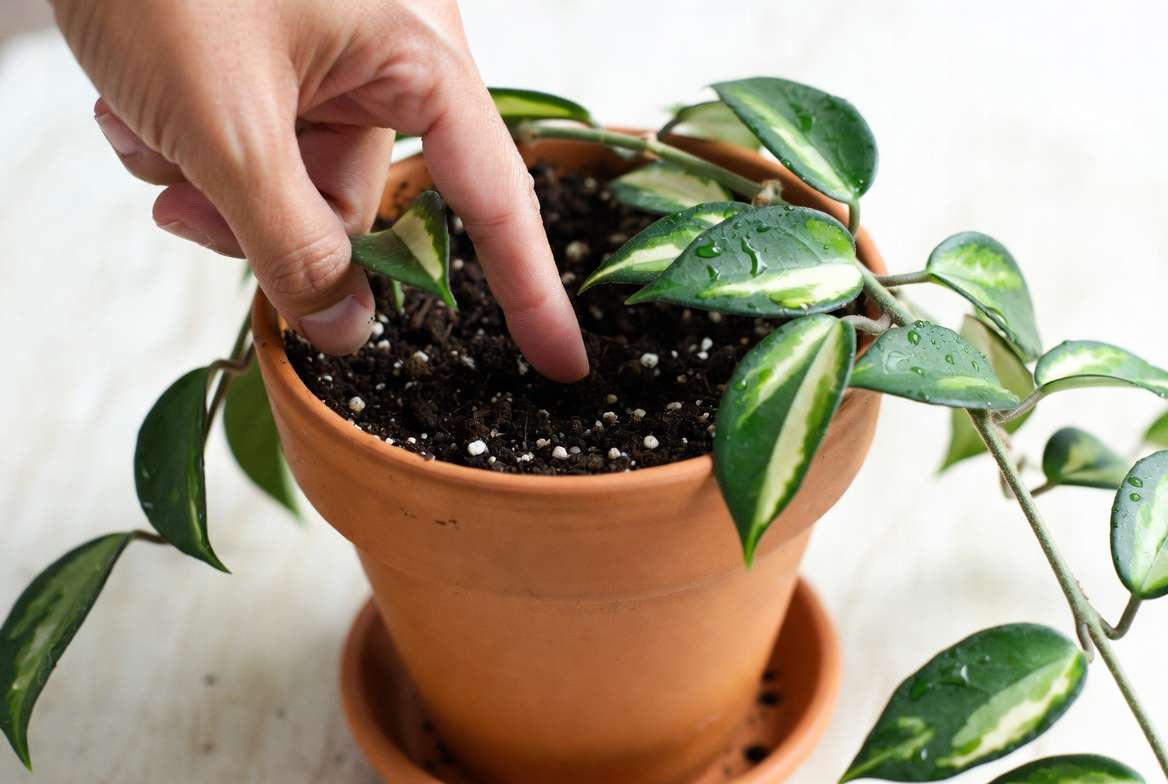
Hoyas are semi-succulent and prefer the “soak and dry” method. Water thoroughly when the top 1–2 inches of soil feel dry to the touch — typically every 7–14 days depending on conditions.
- Spring/Summer (Growing Season): More frequent watering as the plant is actively growing.
- Fall/Winter: Reduce significantly; allow soil to dry out more to prevent root rot.
Signs of Issues:
- Yellowing lower leaves + soggy soil = Overwatering (most common killer).
- Wrinkled, limp leaves = Underwatering.
Use room-temperature distilled or rainwater when possible. Ensure pots have excellent drainage holes. A moisture meter is a worthwhile investment for precision.
Soil and Potting Mix – The Foundation of Healthy Roots
Variegated Hoyas demand chunky, well-aerated soil that mimics their epiphytic nature. Standard potting soil is too dense and holds excess moisture.
Recommended DIY Mix (proportions by volume):
- 40% orchid bark or pine bark
- 30% perlite or pumice
- 20% coco coir or peat moss
- 10% horticultural charcoal + worm castings for nutrients
This mix provides perfect drainage and airflow while retaining just enough moisture. Repot every 2–3 years or when roots circle the pot. Terracotta pots are excellent for preventing overwatering due to their breathability.
Temperature, Humidity, and Air Circulation
Optimal temperatures range from 60–85°F (15–29°C) daytime, with nights not dropping below 50°F. Protect from cold drafts, heaters, and AC vents.
These tropical natives appreciate 50–70% humidity. Boost levels with:
- Pebble trays filled with water
- A cool-mist humidifier
- Grouping plants together
- Occasional misting (avoid overdoing it on flowers)
Good air circulation prevents fungal problems while mimicking their natural breezy habitats. 🌬️
Daily and Seasonal Care Routine 🪴
Fertilizing for Lush Growth and Blooms
Variegated Hoyas are light feeders. Use a balanced, diluted liquid fertilizer (e.g., 20-20-20 or bloom-boosting formula) every 4–6 weeks during spring and summer. Stop fertilizing in winter when growth slows.
Organic options like compost tea or fish emulsion work wonderfully. Consistent feeding supports strong variegation and those fragrant flower clusters that appear on old peduncles (flower stalks) — never cut them off!
Pruning, Training, and Propagation
Prune selectively in spring to shape your plant or remove damaged leaves. Always leave peduncles intact for future blooms.
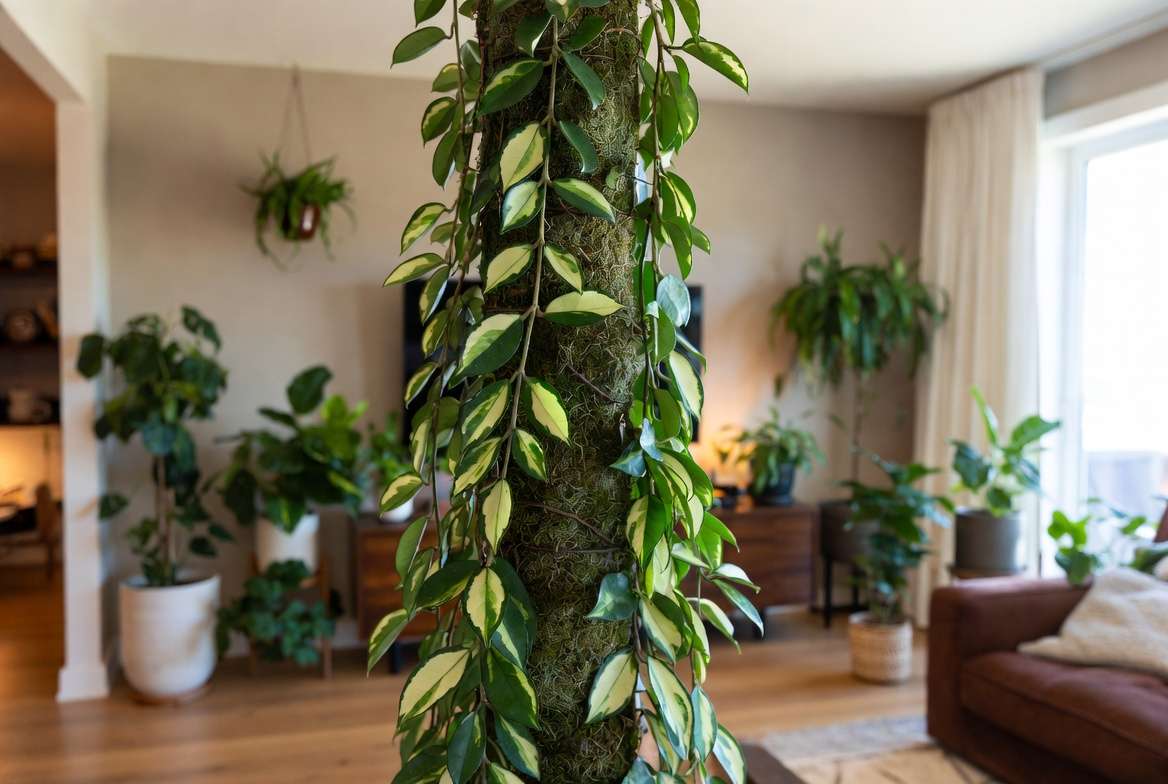
Train vines on moss poles, trellises, or let them trail dramatically from shelves and hanging baskets. This encourages larger leaves and more blooms.
Step-by-Step Propagation (Highly Successful with Variegated Varieties)
- Stem Cuttings in Water: Take 4–6 inch cuttings with 2–3 nodes. Place in water, change weekly. Roots appear in 2–4 weeks.
- Soil or Sphagnum Moss: Dip cut end in rooting hormone, plant in moist mix, cover with a humidity dome or plastic bag. Bright indirect light is key.
- Leaf Cuttings (less reliable but fun): Works better for some varieties like Kerrii.
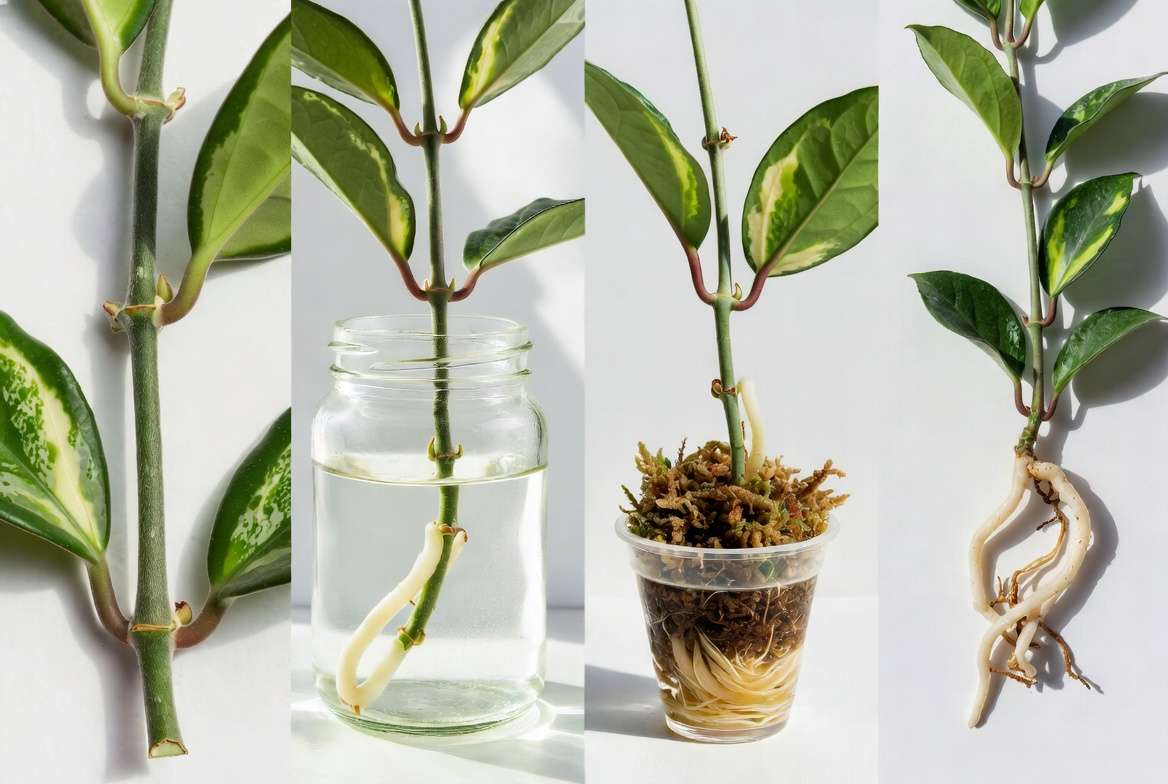
Success rate is high with variegated Hoyas when you maintain warmth (70°F+) and humidity. New plants often show strong variegation from the start. 📸
Repotting and Long-Term Maintenance
Repot in spring when roots fill the container. Gently loosen old soil, choose a pot only 1–2 inches larger, and use fresh mix. Clean leaves monthly with a damp cloth to remove dust and maximize photosynthesis. Avoid leaf shine products that can clog pores. ✨
Troubleshooting Common Problems 🛠️
Even the most experienced growers encounter challenges with their variegated hoya plant. The key is quick identification and gentle correction. Here’s a comprehensive diagnostic approach based on years of real-world troubleshooting.
Pests and Diseases
Variegated Hoyas can attract common houseplant pests, especially in dry indoor air:
- Mealybugs: Look for white, cottony clusters in leaf axils. Treat with neem oil spray or isopropyl alcohol on a cotton swab. Repeat weekly for 3–4 weeks.
- Spider Mites: Fine webbing and stippled leaves. Increase humidity and use insecticidal soap.
- Scale and Thrips: Hard bumps or silvery trails. Isolate the plant and apply horticultural oil.
Prevention: Weekly inspections, good airflow, and quarantining new plants are your best defenses. For fungal issues like root rot (mushy black roots and yellow leaves), remove affected parts, repot in fresh sterile mix, and treat with hydrogen peroxide solution. 🌿
Yellow Leaves, Leaf Drop, and Other Issues
Use this troubleshooting matrix for fast solutions:
| Symptom | Likely Cause | Solution |
|---|---|---|
| Yellow lower leaves | Overwatering / poor drainage | Let soil dry, improve drainage, repot if needed |
| Brown crispy edges | Too much direct sun / low humidity | Move to brighter indirect light, add humidity |
| Leaf drop | Temperature shock or underwatering | Stabilize environment, consistent watering |
| Faded variegation | Insufficient light | Move closer to light source or add grow lights |
| Leggy growth | Low light | Prune and provide more bright indirect light |
| Reversion (more green) | Not enough light or stress | Increase light exposure gradually |
Variegated varieties are slightly more sensitive due to lower chlorophyll. Act early and your plant will rebound beautifully. In my experience, most issues stem from watering imbalances or light problems — fix those and 80% of troubles disappear.
Why Isn’t My Variegated Hoya Blooming? Expert Fixes 🌸
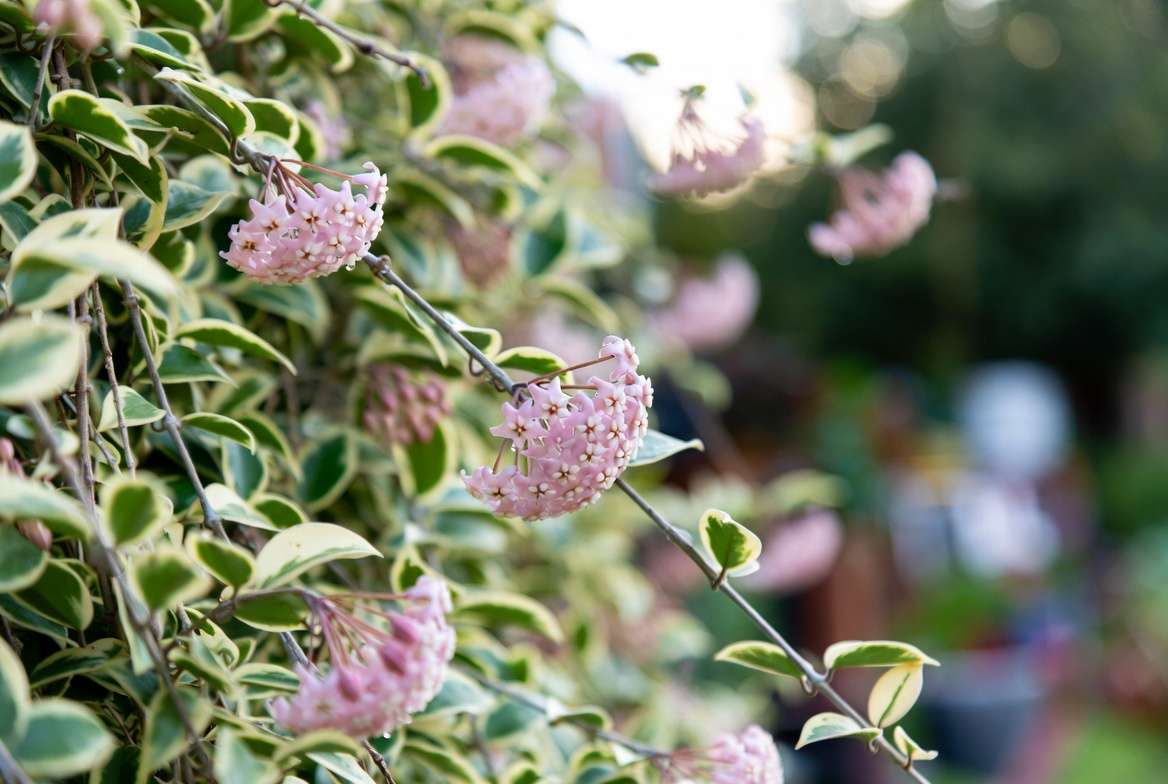
Blooming is the ultimate reward! Hoyas flower on old spurs (peduncles), so patience is essential. Common reasons and fixes:
- Insufficient Light: Blooms require very bright indirect light. Supplement with grow lights if needed.
- Plant Maturity: Most need 2–3 years to bloom reliably.
- Wrong Fertilizer: Switch to a high-phosphorus “bloom booster” in spring.
- Disturbing Peduncles: Never remove spent flower stalks.
- Temperature Fluctuations: Consistent warmth (especially nights above 60°F) triggers flowering.
With optimal care, expect fragrant pink or white umbels in late spring through summer. The scent is intoxicating — many compare it to vanilla or honey!
Advanced Tips for Stunning Foliage and Blooms 🌟
Take your variegated hoya plant to the next level:
- Enhancing Variegation: Provide consistent bright light and avoid high-nitrogen fertilizers that push green growth.
- Moss Pole Magic: Train vines up a sphagnum moss pole for larger leaves and aerial roots — mimics their natural epiphytic habit.
- Seasonal Rotation: Turn your plant weekly for even growth and symmetrical variegation.
- Companion Planting: Pair with other humidity lovers like ferns or calatheas for a stunning indoor jungle display.
- Pet Safety Note: Hoyas are generally non-toxic to cats and dogs (per ASPCA), making them family-friendly choices. Still, keep out of reach of curious chewers.
Expert Insight: In my collection, Hoya carnosa ‘Krimson Queen’ consistently outperforms others in bloom frequency when grown under full-spectrum lights. Debunking a common myth: Hoyas do not need to be root-bound to flower — they simply need the right balance of light, humidity, and minimal disturbance. ✨
Styling ideas: Hanging baskets for trailing varieties, shelves for cascading vines, or trellises for vertical drama. These plants elevate minimalist, boho, or tropical interiors effortlessly.
Benefits of Growing Variegated Hoyas 💚
Beyond aesthetics, variegated Hoyas are excellent air purifiers, removing toxins like formaldehyde and benzene. They’re low-maintenance once established, forgiving of occasional neglect, and incredibly rewarding for patient plant parents.
Many growers report reduced stress and improved well-being from tending these living artworks. Their slow, steady growth teaches mindfulness and brings long-term satisfaction unlike fast-growing plants that outpace care routines.
Frequently Asked Questions (FAQs) ❓
How often should I water a variegated Hoya? Water when the top 1–2 inches of soil are dry, usually every 7–14 days. Always check with your finger rather than following a strict schedule.
Can variegated Hoyas tolerate low light? They survive but won’t thrive or maintain strong variegation. Bright indirect light is essential for health and beauty.
How do I propagate a variegated Hoya successfully? Stem cuttings in water or sphagnum moss work best. Maintain warmth and humidity for high success rates.
Is Hoya carnosa Krimson Queen the best for beginners? Yes! It’s resilient, beautiful, and forgiving compared to rarer varieties.
What causes loss of variegation? Primarily low light. Increase brightness gradually to restore patterns.
Why are my Hoya leaves turning soft and wrinkled? Underwatering. Soak thoroughly and adjust frequency.
How do I encourage more flowers? Bright light, proper fertilizer, and leaving peduncles intact are the secrets.
Are variegated Hoyas toxic? Generally considered non-toxic, but sap can irritate skin — wash hands after handling.
Can I grow them outdoors? In USDA zones 9–11 or during warm summers, yes — provide shade and bring indoors before temperatures drop.
What’s the best pot for variegated Hoya? Terracotta or ceramic with drainage holes to prevent soggy soil.
Conclusion
Caring for a variegated hoya plant is a journey of patience, observation, and small daily wins that lead to breathtaking results. By following this guide — from choosing the right variety and perfecting your soil mix to troubleshooting challenges and celebrating those first fragrant blooms — you’ll cultivate not just a healthy plant, but a stunning centerpiece that brings joy for years.
Remember: Every Hoya is unique. Observe your plant closely, adjust conditions as needed, and enjoy the process. Your efforts will be rewarded with cascading vines of creamy, pink-splashed foliage and porcelain-like flowers that fill your home with sweetness. 🌸
Ready to grow your own variegated Hoya masterpiece? Start with proper light and watering, and you’ll soon become the envy of fellow plant lovers. Share your progress or questions in the comments below — I love hearing success stories!
For more expert plant care guides, explore our articles on Hoya propagation, indoor tropical plants, and seasonal houseplant care. Happy growing! 💚✨











