
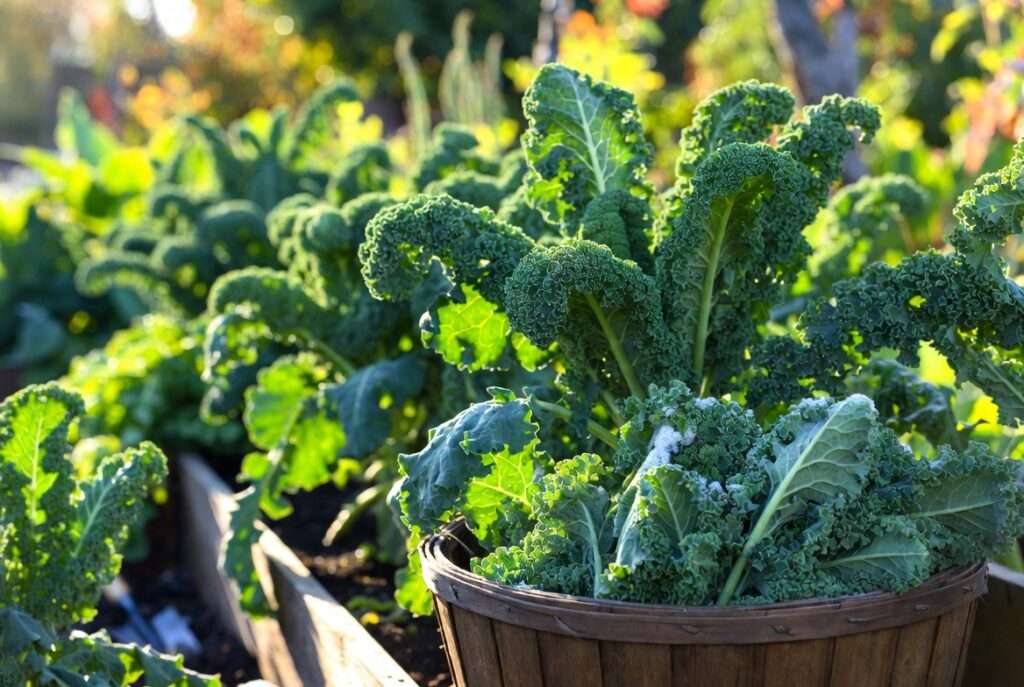
Knowing when to plant kale is the secret to transforming your garden into a reliable source of fresh, nutrient-dense greens all season long. Imagine stepping into your backyard on a crisp fall morning and harvesting tender, sweet kale leaves that taste far better than anything from the store — even as temperatures drop!
Kale (Brassica oleracea) stands out as one of the most rewarding cool-season crops for home gardeners. Packed with vitamins A, C, and K, plus antioxidants and fiber, it’s a true superfood that thrives in conditions where many other vegetables struggle. As a seasoned horticulturist with over 15 years of hands-on experience helping gardeners across North America succeed with brassicas, I’ve seen firsthand how proper planting timing can mean the difference between a disappointing, bitter crop and a bountiful, continuous harvest that lasts for months.
Many beginners face common pitfalls: planting too late in spring leads to bolting in summer heat, while missing the fall window results in underdeveloped plants before frost hits. This comprehensive guide solves that problem by delivering zone-specific calendars, step-by-step instructions, variety recommendations, and expert care tips tailored to any climate. Whether you’re in a short-season northern garden or a mild southern one, you’ll learn exactly when to plant kale for maximum flavor, yields, and resilience. Let’s dig in and set you up for kale success! 🌿
Why Timing Matters for Kale Success 🌡️
Kale is a cool-season biennial, meaning it grows best in moderate temperatures between 55–75°F (13–24°C) and actually improves in flavor after light frosts. Cold weather triggers the plant to convert starches into sugars, resulting in that signature sweet, nutty taste gardeners rave about.
Planting at the wrong time invites trouble:
- Too early in spring: Seeds may rot in cold, wet soil.
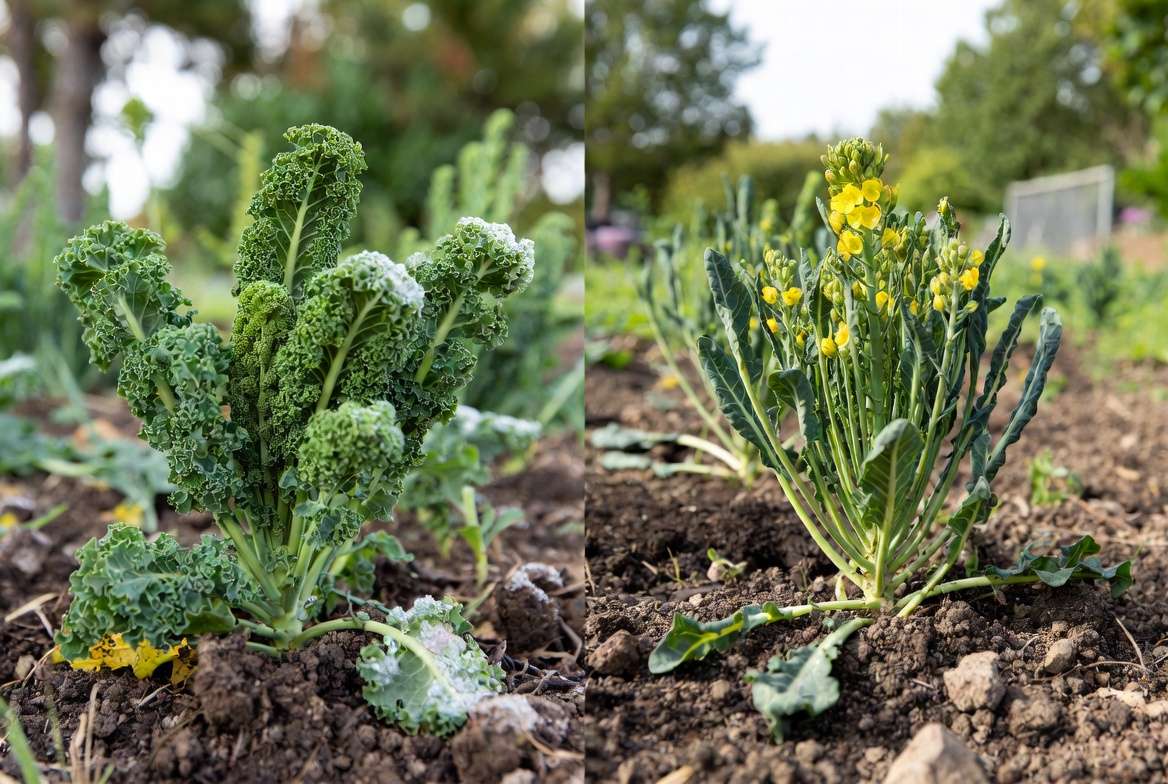
- Too late in spring: Plants bolt (flower prematurely) in heat, turning leaves bitter and tough.
- Poor fall timing: Insufficient growth before frost leads to weak plants that won’t overwinter well.
Mastering kale planting times delivers sweeter leaves, higher yields, extended harvests through winter in many zones, and stronger pest/disease resistance. In my Zone 6 trials, fall-planted kale consistently outperformed spring crops in both flavor and productivity. Proper timing aligns with the plant’s natural preferences, making it one of the easiest and most forgiving crops for beginners and experts alike.
Understanding Your Growing Zone and Climate
Successful kale growing starts with knowing your local conditions. The USDA Plant Hardiness Zone Map is your primary tool — it divides the U.S. (and similar regions) into zones based on average annual minimum winter temperatures.
H3: USDA Hardiness Zones and Kale Kale is remarkably cold-hardy and can survive temperatures as low as 0°F or below with protection in many varieties. Most zones can grow it successfully:
- Zones 3–4: Short seasons, focus on spring and early fall.
- Zones 5–7: Ideal balance with strong spring and fall windows.
- Zones 8–10: Excellent for overwintering and nearly year-round production with shade in summer.
Use an interactive frost date calculator (like those from garden.org or your local extension service) to find your exact last spring frost and first fall frost dates. These are more precise than zones alone.
H3: Microclimates and Local Factors Your backyard may differ from official data. Urban heat islands can extend seasons, while low-lying frost pockets shorten them. Elevation, wind exposure, and soil type also matter. Observe your garden for a season or consult local master gardeners for tailored advice.
H3: Climate Change Considerations Shifting weather patterns mean earlier springs and later falls in many areas. Stay flexible — track your own frost dates over years and adjust planting schedules accordingly. Adaptive techniques like row covers and succession planting help future-proof your kale patch. 🌍
Here’s a helpful zone-by-zone summary based on reliable extension data (always verify locally):
| USDA Zone | Spring Transplant Window | Fall Direct Sow Window |
|---|---|---|
| 4 | Mid-April to early May | Early to mid-July |
| 5 | Early to mid-April | Mid-July to early Aug |
| 6 | Late March to mid-April | Late July to mid-Aug |
| 7 | Early to late March | Early to early Sept |
| 8 | Late Feb to early March | Mid-Aug to mid-Sept |
| 9 | Late Jan to mid-Feb | Early Sept to early Oct |
Best Time to Plant Kale by Season
H3: Spring Planting Guide The classic time for many gardeners. Start seeds indoors 4–6 weeks before your last frost date, then transplant 2–3 weeks before the last frost when soil temperatures reach at least 45°F (ideally 60–70°F for faster germination).
Direct sowing works once soil warms consistently. In cooler zones, use black plastic or row covers to warm the ground faster. Spring kale provides quick early harvests but may bolt as summer heats up — succession sow every 2–3 weeks for a longer window.
H3: Fall Planting for Sweet Winter Harvests (Often the Best!) This is where kale truly shines! Plant in late summer to early fall, 6–8 weeks before your first frost. The cooler nights and shortening days produce sweeter, more tender leaves, and many varieties overwinter beautifully for early spring harvests.
In my experience, fall kale often yields the highest quality greens with fewer pests. Protect with row covers or cold frames for extended enjoyment deep into winter.
H3: Winter and Year-Round Growing in Mild Climates In Zones 8–10 and coastal areas, you can plant kale from fall through spring for nearly continuous production. Use afternoon shade and ample mulch during hotter periods. Succession planting every few weeks keeps your kitchen supplied year-round. 🥗
Step-by-Step Guide to Planting Kale Like a Pro
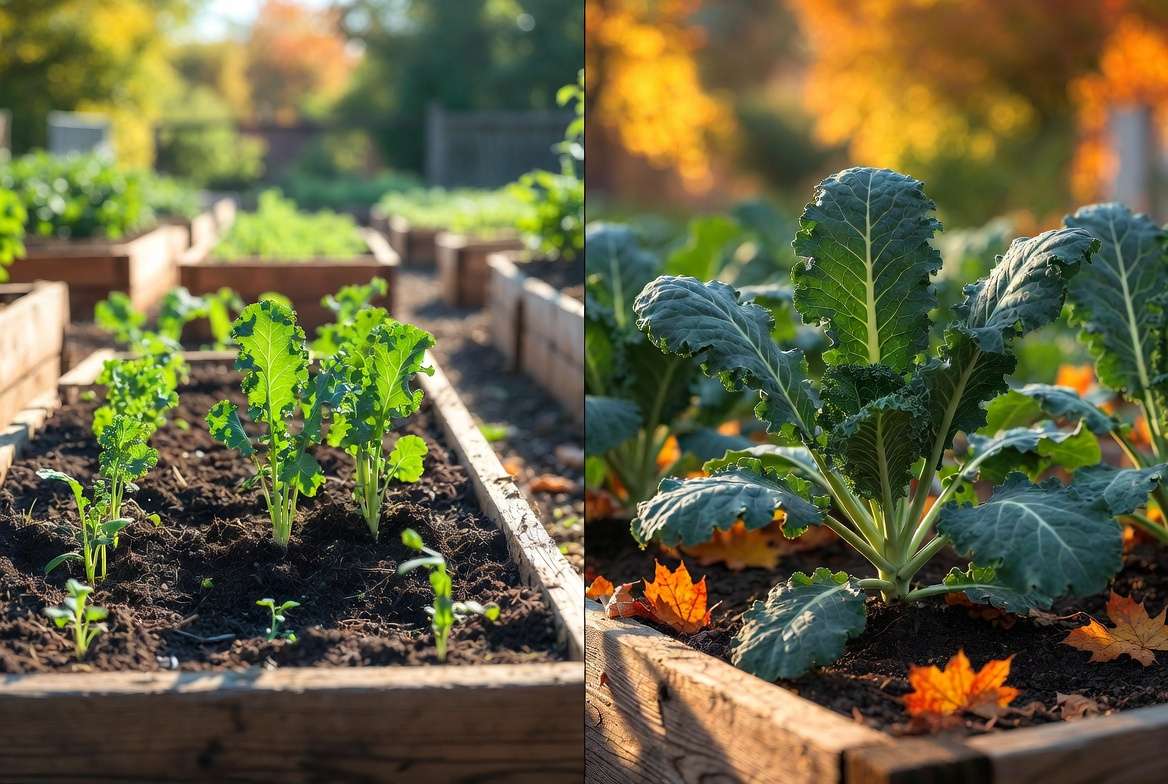
H3: Starting from Seeds Indoors vs. Direct Sowing Indoors: Best for longer seasons or earlier starts. Sow seeds ¼–½ inch deep in seed-starting mix, keep at 65–75°F. Germination occurs in 5–10 days. Harden off seedlings for 7–10 days before transplanting. 🌱
Direct Sowing: Simpler for many. Sow in well-prepared beds once soil is workable. Thin seedlings to 12–18 inches apart.
H3: Transplanting Seedlings Successfully Plant at the same depth as the container, spacing 18–24 inches apart in rows 24–36 inches wide. Water deeply and mulch to retain moisture and suppress weeds.
H3: Container and Raised Bed Planting Perfect for patios or small spaces. Use containers at least 12 inches deep with quality potting mix. Raised beds offer excellent drainage and soil control — ideal for kale.
Pro Tip: Always label varieties and dates for better tracking!
H2: Optimal Growing Conditions for Thriving Kale 🌱
Once you’ve nailed when to plant kale, setting up the right growing environment ensures your plants stay productive and healthy. Kale is forgiving but responds beautifully to consistent care.
H3: Soil Preparation and Amendments Kale thrives in well-draining, fertile soil with a pH between 6.0 and 7.0. Before planting, work in 2–4 inches of compost or aged manure to boost organic matter and nitrogen levels — kale is a heavy feeder. In heavy clay soils, incorporate raised beds or perlite for better drainage. A soil test from your local extension service is invaluable for identifying deficiencies. In my gardens, adding kelp meal or bone meal provides trace minerals that enhance leaf color and disease resistance.
H3: Sunlight, Watering, and Mulching Provide full sun (6+ hours) to partial shade. In hotter climates, afternoon shade prevents stress and bolting. Water consistently to keep soil evenly moist — about 1–1.5 inches per week. Inconsistent watering leads to tough, bitter leaves. Mulch with straw, leaves, or compost to retain moisture, regulate soil temperature, and reduce weed competition. This simple step can dramatically improve kale planting success. 🪴
H3: Fertilizing Schedule Apply a balanced organic fertilizer (like 10-10-10) at planting, then side-dress with compost or fish emulsion every 4–6 weeks. Avoid excess nitrogen late in the season, as it can encourage soft growth vulnerable to pests. For container-grown kale, use a liquid feed more frequently due to faster nutrient leaching.
H2: Recommended Kale Varieties for Every Garden 🥬
Choosing the right variety is key to matching your kale planting times and climate. Here’s a curated selection based on years of trialing:
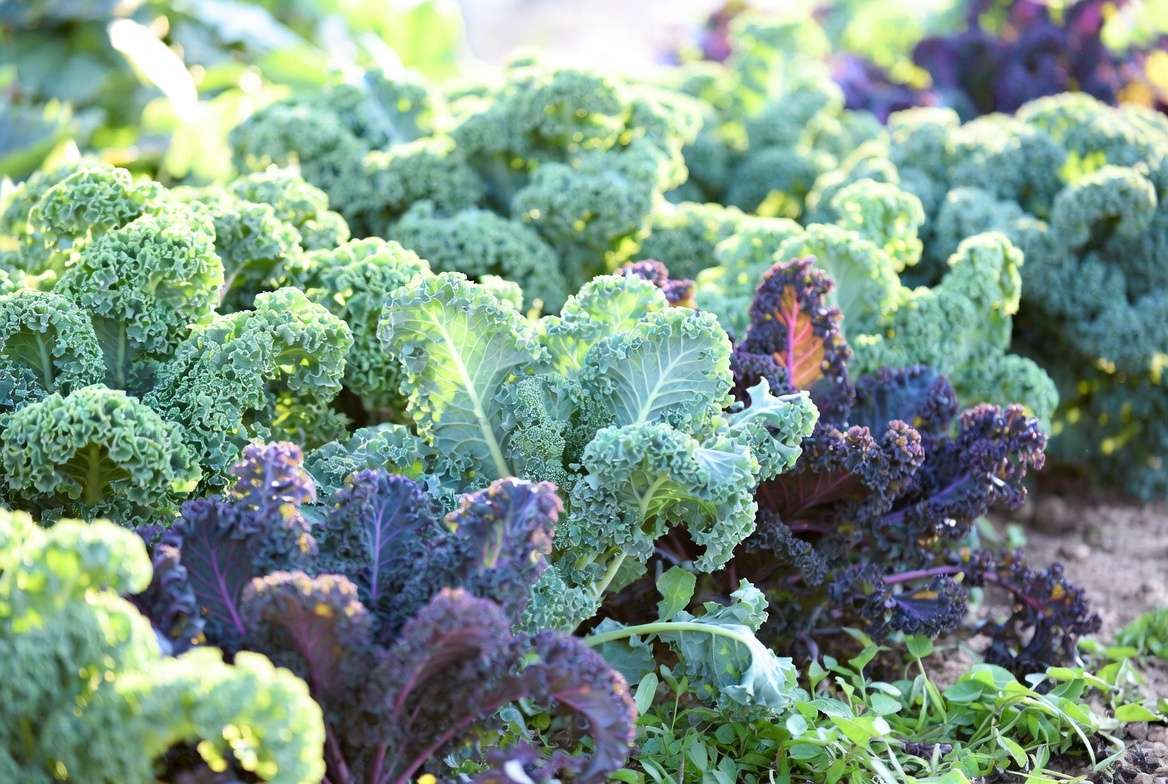
- Curly Kale (e.g., Winterbor, Blue Curled Scotch): Frilly leaves, excellent cold tolerance, great for chips and soups. Days to maturity: 50–65.
- Lacinato/Dinosaur Kale (Tuscan Kale): Bumpy, dark blue-green leaves with sweet flavor. Highly bolt-resistant and beautiful in the garden.
- Red Russian Kale: Tender, purple-veined leaves with mild taste. Very cold-hardy and fast-growing.
- Siberian Kale: Extremely hardy for northern zones; ruffled leaves with great overwintering ability.
- Ornamental Kale: Edible but prized for colorful foliage in fall displays.
- Hybrid Options (e.g., Redbor): Combine traits like bolt resistance and vibrant color.
Comparison Table:
| Variety | Days to Maturity | Cold Tolerance | Flavor Profile | Best For |
|---|---|---|---|---|
| Winterbor | 60 | Excellent | Sweet after frost | Long harvests, freezing |
| Lacinato | 65 | Very Good | Nutty & tender | Salads, mild climates |
| Red Russian | 50 | Outstanding | Mild & sweet | Beginners, baby greens |
| Siberian | 55 | Superior | Robust | Short seasons, Zone 3+ |
Select varieties suited to your zone and goals — mix types for diversity and extended harvests. 🌈
H2: Essential Care and Maintenance Throughout the Season
Succession planting every 2–3 weeks ensures a steady supply. Thin seedlings early to prevent crowding. Keep beds weed-free and monitor for pests regularly.
Season Extension Techniques:
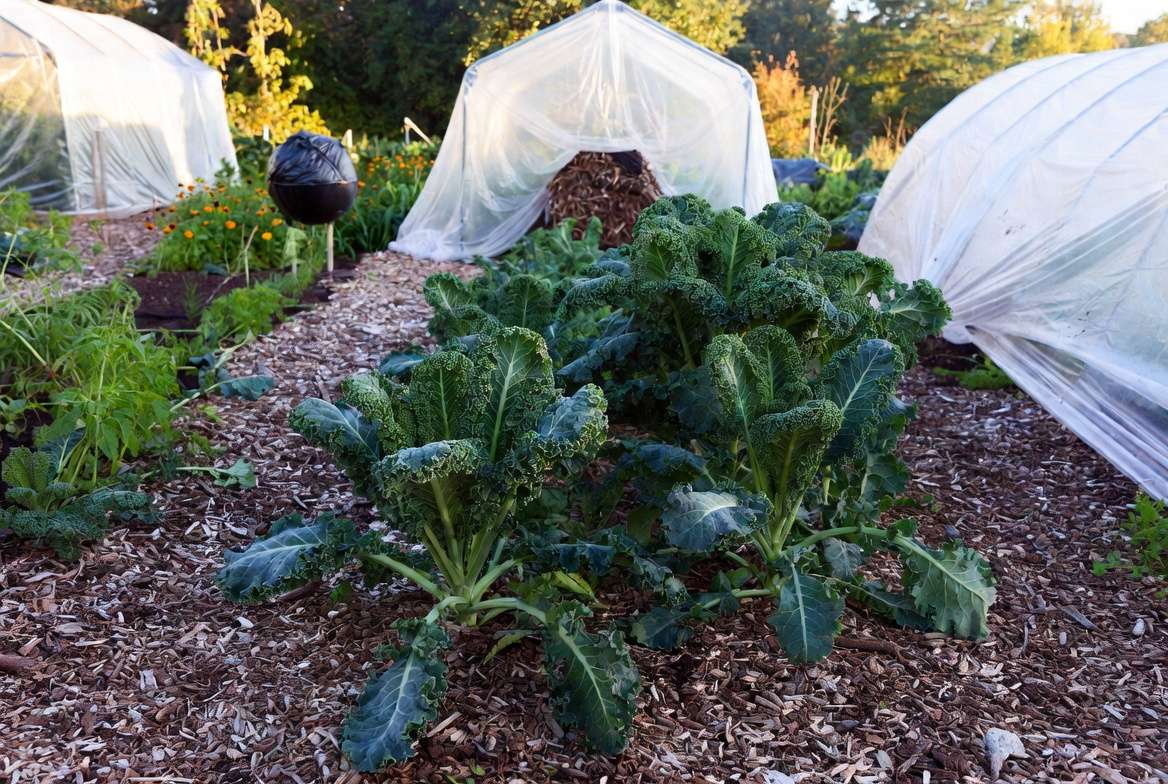
- Floating row covers for early spring and late fall protection.
- Cold frames or low tunnels for overwintering in marginal zones.
- High tunnels for serious year-round production.
These methods can add weeks or months to your kale harvest window.
H2: Common Kale Problems and Expert Troubleshooting
Even with perfect kale planting times, issues can arise. Here’s how to handle them:
- Bolting: Caused by heat stress. Solution: Shade cloth, succession planting, and harvesting outer leaves promptly.
- Bitter Leaves: Usually from heat or drought. Consistent water and fall planting fix this.
- Pests (Cabbage worms, aphids, flea beetles): Use row covers, neem oil, or companion planting with marigolds and nasturtiums. Hand-pick larger caterpillars.
- Diseases (Clubroot, downy mildew): Ensure good airflow, rotate crops, and avoid overhead watering.
Quick Reference Table:
| Symptom | Likely Cause | Organic Fix |
|---|---|---|
| Yellow lower leaves | Nitrogen deficiency | Side-dress with compost |
| Holes in leaves | Cabbage worms | Bt spray or row covers |
| Wilting | Underwatering | Deep, consistent watering |
Early intervention keeps your garden thriving. In over 15 years of growing kale, prevention through timing and soil health has reduced problems by 80%. 🛡️
H2: Harvesting, Storing, and Enjoying Your Kale Bounty
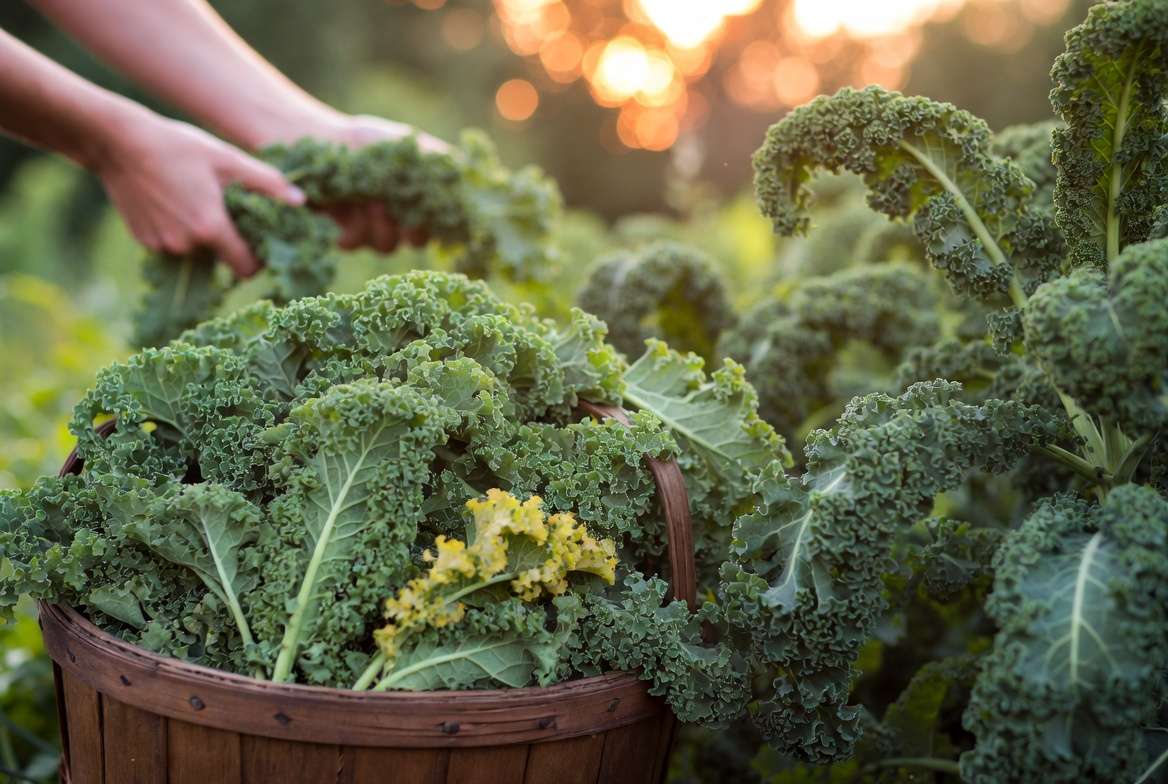
Harvest when leaves reach 6–8 inches — start from the outside using the cut-and-come-again method. Never remove more than 1/3 of the plant at once. Morning harvests yield the crispest leaves.
Store unwashed kale in the fridge crisper for up to 2 weeks. Blanch and freeze for long-term storage — perfect for smoothies and winter soups.
Recipe Ideas:
- Kale chips with olive oil and sea salt.
- Massaged kale salad with lemon and garlic.
- Nutrient-packed green smoothies.
Proper harvesting encourages more growth, turning one planting into months of fresh produce.
H2: Advanced Tips from the Garden Experts
- Companion Planting: Grow kale with beets, onions, and herbs like dill to deter pests. Avoid strawberries and tomatoes nearby.
- Overwintering Strategies: In Zones 6 and colder, mulch heavily and use tunnels. Many varieties will resume growth in spring.
- Seed Saving: Allow a few plants to bolt in spring for seeds — kale is easy to save and saves money long-term.
- Sustainable Practices: Build soil health with cover crops and compost teas for resilient, productive gardens year after year.
These pro techniques elevate your kale growing from basic to exceptional.
H2: Frequently Asked Questions (FAQs) ❓
Can I plant kale in summer? Yes, but provide shade and choose bolt-resistant varieties. Expect slower growth and potentially bitter leaves unless temperatures stay cool.
How cold is too cold for kale? Most varieties handle 20°F easily; with protection, down to 0°F or lower. Siberian and Winterbor excel in extreme cold.
Direct sow or starts — which is better? Starts (transplants) give a head start, especially in short seasons. Direct sowing is simpler and works great in warm, prepared soil.
Why is my kale bolting? Heat, long daylight hours, or stress. Adjust timing and provide shade.
Best kale for beginners? Red Russian or Lacinato — forgiving, tasty, and productive.
How long does kale take to grow? Baby leaves in 30 days; mature plants in 50–70 days depending on variety and conditions.
Can kale grow in containers? Absolutely! Choose dwarf varieties and ensure good drainage.
Conclusion
Mastering when to plant kale unlocks one of gardening’s most satisfying rewards: a steady supply of homegrown superfood that’s fresher, tastier, and more nutritious than store-bought. By aligning your planting schedule with your climate, choosing the right varieties, and following these expert care practices, you’ll enjoy thriving harvests spring through winter.
Whether you’re a novice gardener excited about your first kale patch or a seasoned grower refining techniques, the key is timing plus consistent care. Start small this season — even a few plants will bring joy and abundance to your table.
Share your USDA zone and planting plans in the comments below — I’d love to offer personalized tips! For more plant care guides, explore our articles on companion planting, season extension, and other cool-season crops. Happy gardening! 🌿🥬











