
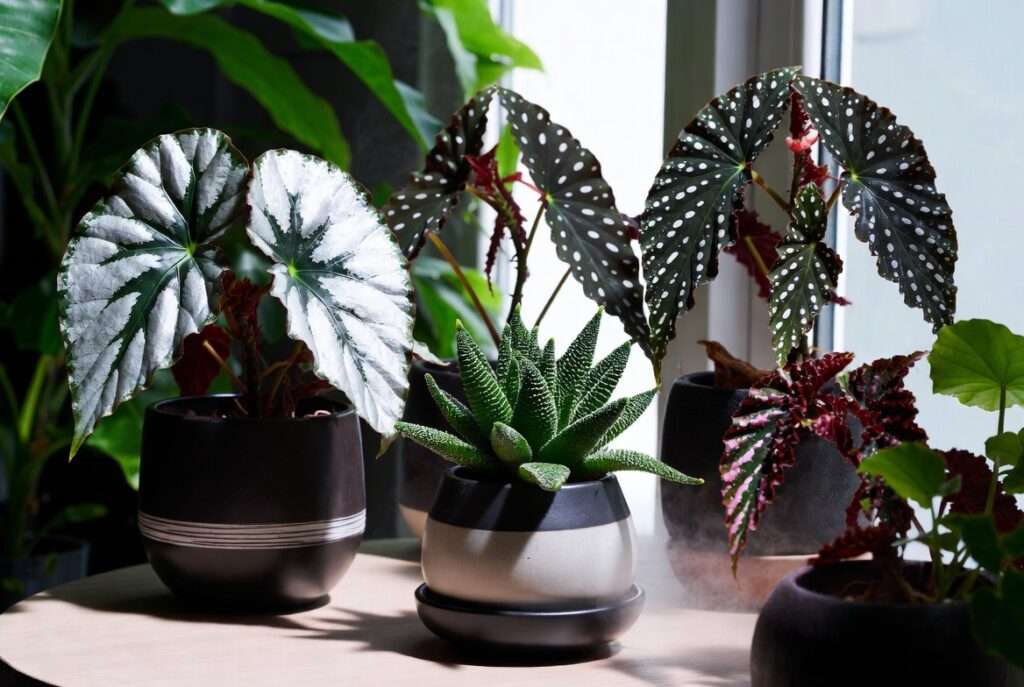
Have you ever spotted a begonia rare plant with its mesmerizing, almost otherworldly foliage—spiky textures, metallic sheen, or intricate polka-dot patterns—and felt an irresistible urge to bring it home? Only to watch it struggle weeks later? You’re not alone. These exotic treasures captivate plant lovers worldwide, but their reputation for being finicky often leaves new owners frustrated and searching for reliable answers.
As a passionate horticulturist with over 15 years cultivating rare houseplants, including extensive collections of Begonia species in varied indoor environments, I’ve learned what makes these beauties thrive. From reviving struggling specimens to successfully propagating dozens of varieties, my experience has shown that with the right knowledge, anyone can transform a delicate begonia rare plant into a stunning, long-lived centerpiece. 💚
In this comprehensive guide, we’ll dive deep into everything you need to know about growing and caring for rare begonias. Whether you’re a beginner drawn to their unique charm or an experienced collector seeking advanced techniques, you’ll find actionable, expert-backed strategies that go far beyond basic tips. By the end, you’ll have the confidence to nurture these living artworks and watch them flourish. Let’s embark on this rewarding journey together! 🪴
What Makes a Begonia a “Rare Plant”? Understanding the Appeal 🪴
Rare begonias stand out in the vast world of houseplants due to their extraordinary diversity and limited availability. Unlike common wax begonias found in garden centers, these varieties often feature dramatic foliage prized more than their flowers. Many originate from tropical regions in South America, Asia, and Africa, where they evolved in humid, shaded understories.
Key Types of Rare Begonias:
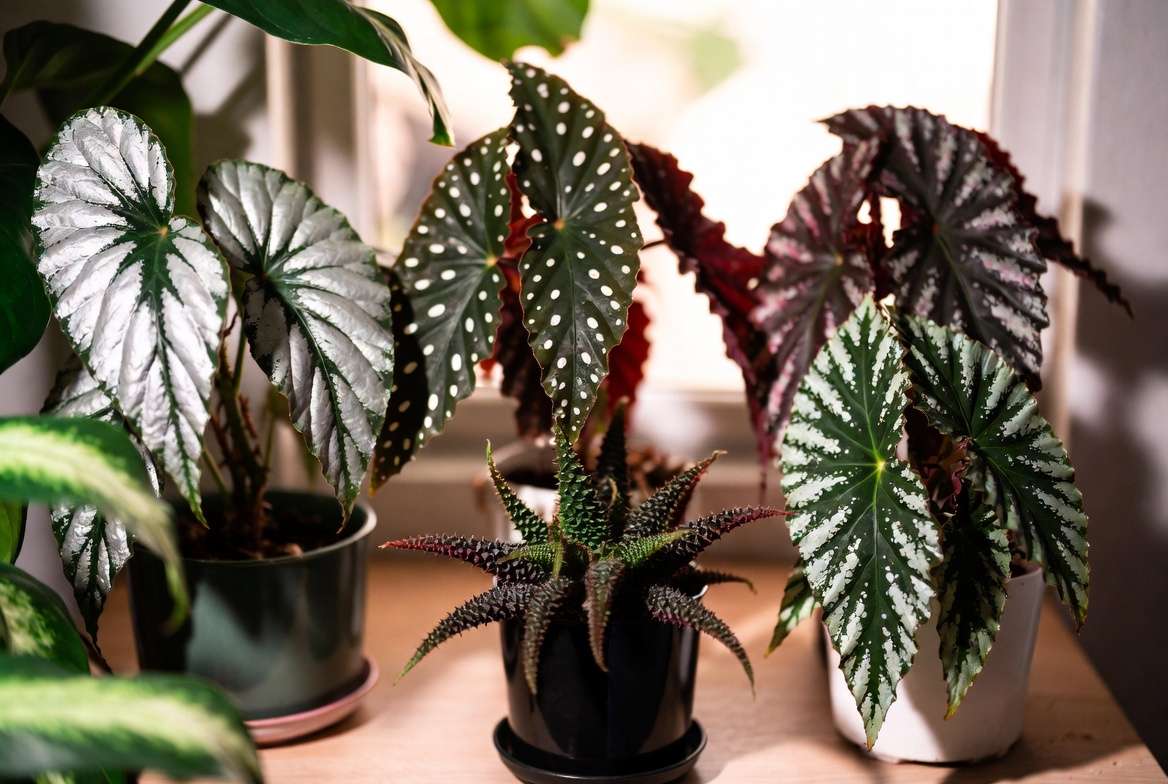
- Rex Begonias: Famous for swirling patterns, iridescent colors, and textured leaves. Think silver spirals or deep burgundy hues.
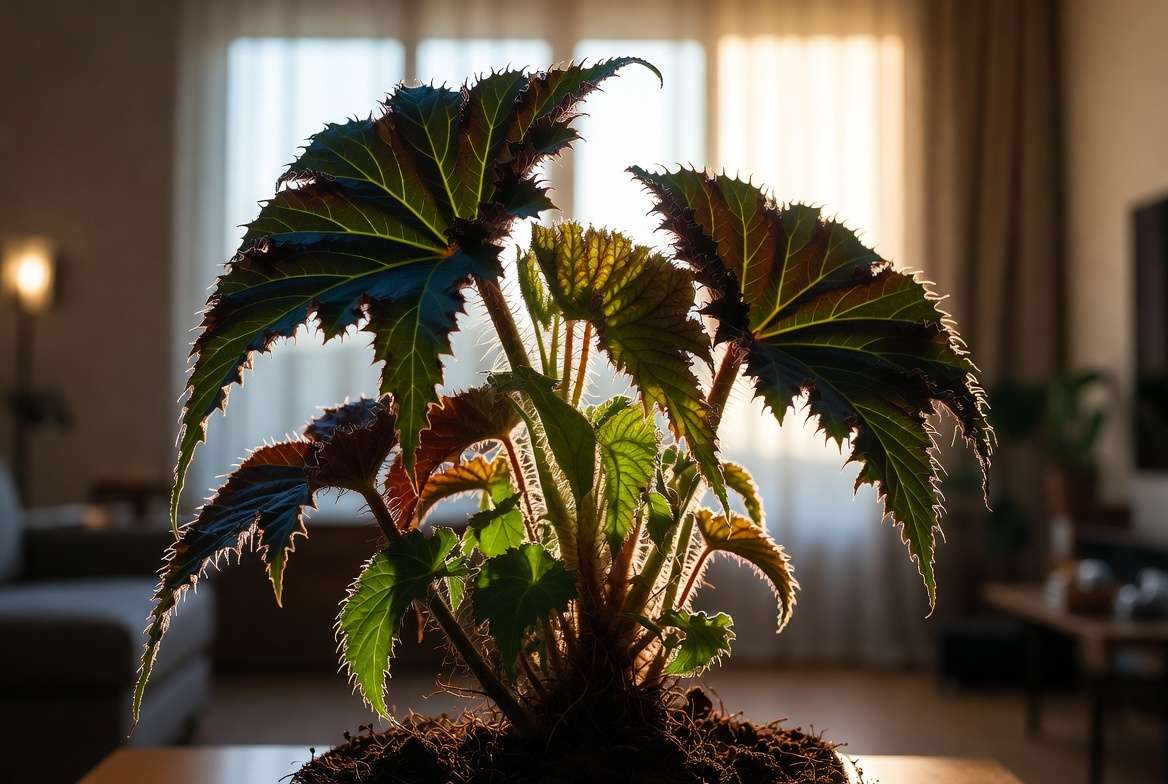
- Rhizomatous Begonias: Low-growing with creeping rhizomes; excellent for propagation. Examples include the spiky Begonia ferox (often called the “Troll Plant”).
- Cane Begonias: Upright stems with angel-wing leaves, like Begonia maculata ‘Polka Dot’.
- Other standouts: Begonia ‘Inca Flame’, Begonia masoniana (Iron Cross), Begonia ‘Lion Dance’, and Begonia sp. aff. aiensis.
What drives their appeal? Scarcity from slow propagation, stunning visual impact that elevates any interior, and the collector’s thrill of acquiring something special. These plants reward patience with vibrant growth and even occasional delicate blooms. However, their sensitivity to improper care is why many fail—addressing this is at the heart of this guide. 🌟
Choosing and Acquiring Your First Rare Begonia 🌟
Selecting the right begonia rare plant sets the foundation for success. Beginners should start with more forgiving cane or rhizomatous types before tackling ultra-sensitive Rex varieties.
Beginner-Friendly Picks vs. Advanced:
- Easier: Begonia maculata (Polka Dot) or Begonia ‘Lucerna’ for their resilience.
- Advanced: Begonia ferox or intricate Rex hybrids requiring precise humidity.
Where to Buy Ethically: Prioritize reputable specialty nurseries, online growers with strong reviews, and plant shops that propagate their stock. Avoid wild-collected plants, which harm ecosystems and often arrive stressed. Look for vendors offering healthy, tissue-cultured or well-rooted specimens. Quarantine new plants for 2-4 weeks to prevent pest spread.
What to Look For in a Healthy Specimen:
- Firm, vibrant leaves without yellowing or spots.
- No signs of pests (check undersides for mealybugs or webbing).
- Sturdy stems and moist but not soggy soil.
- Active new growth indicates vigor.
Pro Tip: Inspect roots gently if possible—white and fibrous is ideal. Starting small builds your skills without high financial risk. 🛒
Essential Growing Conditions for Success 💧☀️
Mastering the environment is crucial for rare begonias, as they hail from consistent tropical conditions.
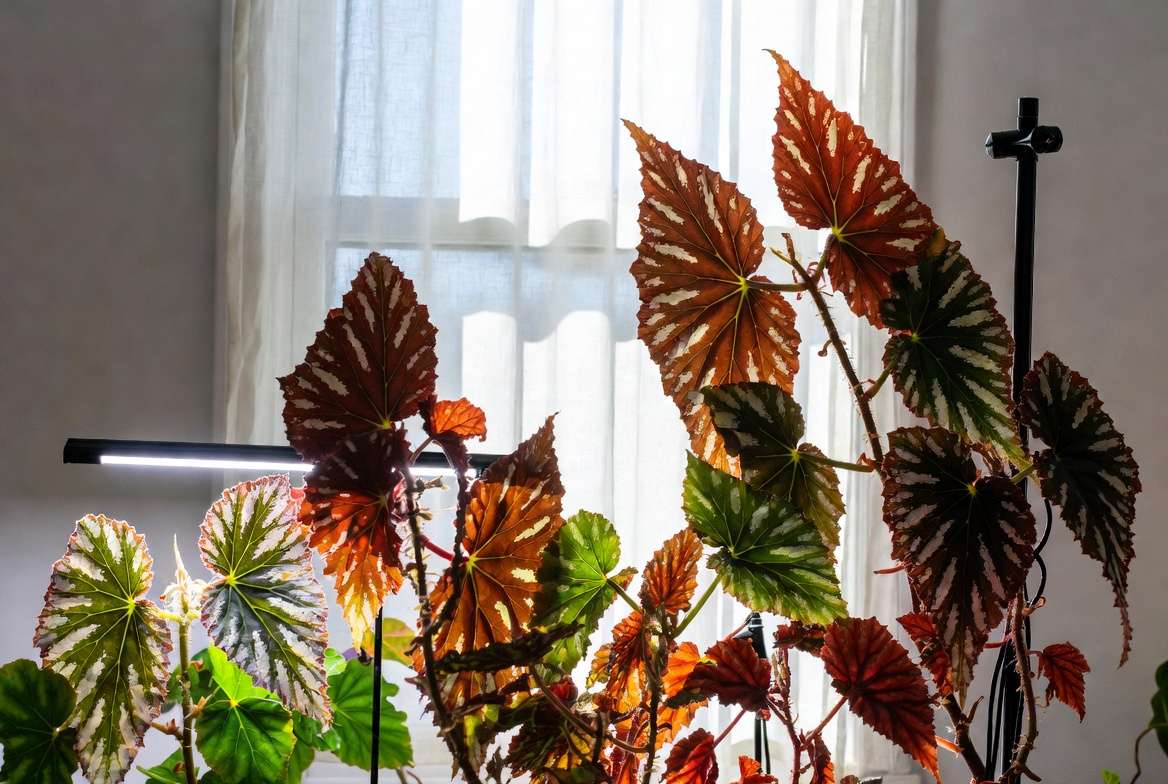
Light Requirements – Bright Indirect is Key Rare begonias crave bright, filtered light but scorch easily in direct sun. East or north-facing windows work well; supplement with grow lights (full-spectrum LED, 12-16 hours) during darker months. Too little light causes leggy growth and faded colors; too much leads to bleached leaves. Aim for 200-400 foot-candles for most varieties.
Soil Mix Recipe for Rare Begonias These plants demand excellent drainage to prevent root rot. A custom airy mix is superior to standard potting soil:
- 40% high-quality peat or coco coir (moisture retention)
- 30% perlite or pumice (aeration)
- 20% orchid bark or charcoal (drainage & pH balance)
- 10% worm castings or compost (nutrients)
This blend mimics their natural epiphytic tendencies while staying lightweight. Test drainage: water should flow freely without pooling. Adjust for your climate—more perlite in humid areas.
Temperature and Humidity Needs Maintain 65-80°F (18-27°C) daytime; avoid drops below 55°F. Most rare types love 60-80% humidity. Use pebble trays, group plants, or a humidifier. For finicky Rex types, consider a terrarium or grow tent. Good airflow prevents fungal issues—fans on low help.
Watering Mastery – The #1 Reason Rare Begonias Fail Overwatering kills more begonias than anything else. Water when the top 1-2 inches of soil feel dry (usually every 4-7 days). Use room-temperature distilled or rainwater; bottom watering reduces leaf spotting. Reduce frequency in winter. Always ensure pots have drainage holes. A moisture meter is a worthwhile investment for precision.
Fertilizing, Pruning, and Repotting for Lush Growth 🌱
Best Fertilizers and Feeding Schedule During the active growing season (spring-fall), feed every 2-4 weeks with a balanced, diluted liquid fertilizer (e.g., 20-20-20 at half strength). Opt for formulations with micronutrients to enhance foliage color. Pause or reduce in winter when growth slows. Over-fertilizing causes salt buildup and leaf burn.
Pruning Techniques Regular pinching of stem tips encourages bushier growth. Remove yellow or damaged leaves promptly with sterilized shears. For cane types, cut back leggy stems to promote new shoots from the base.
When and How to Repot Repot every 12-18 months in spring into a pot only 1-2 inches larger. Gently loosen roots, refresh soil, and water lightly after. This minimizes shock and refreshes nutrients.
Propagation Secrets – Multiply Your Rare Collection 📈
One of the joys of rare begonias is easy propagation, allowing you to expand your collection affordably.
Stem Cuttings Method
- Select healthy stems with 2-3 nodes.
- Cut at a 45-degree angle below a node.
- Remove lower leaves and dip in rooting hormone (optional).
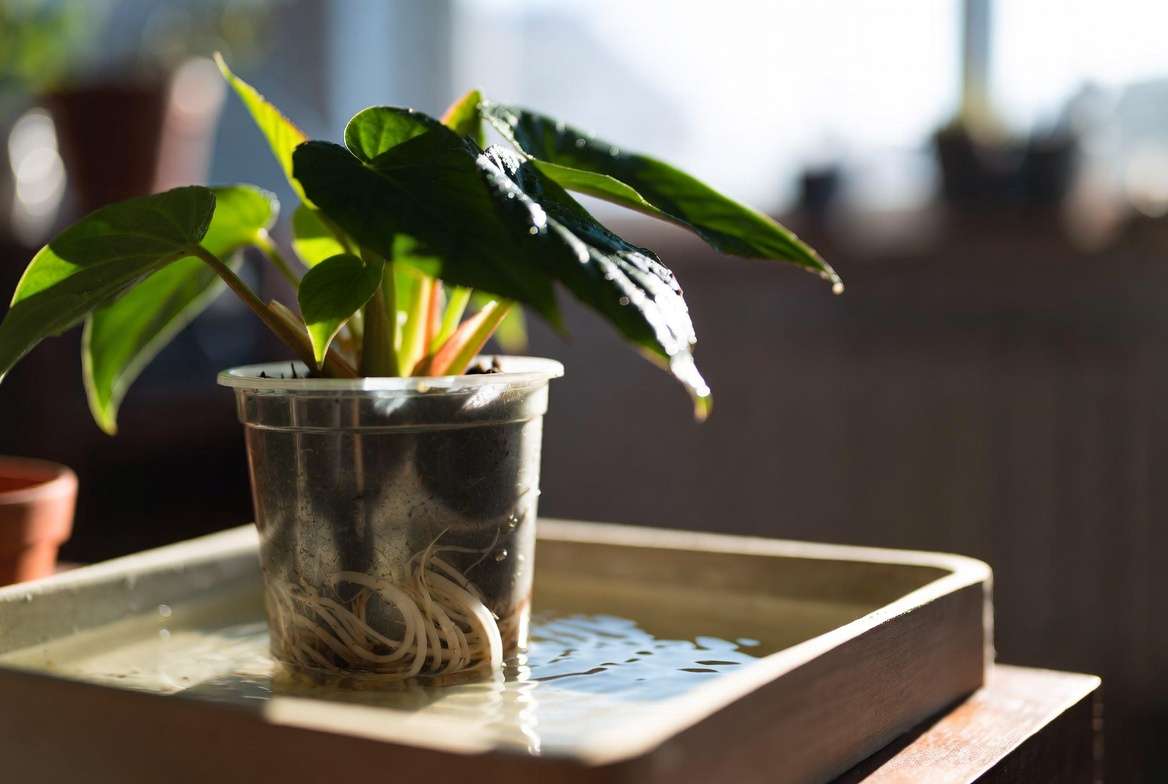
- Place in water or moist sphagnum moss/perlite mix.
- Keep in bright indirect light and high humidity; roots form in 2-4 weeks.
Leaf Cuttings and Wedge Propagation (Ideal for Rex Types) Cut a healthy leaf with petiole. For wedges, slice veins and pin the leaf onto moist soil. New plantlets emerge at cut sites in 4-8 weeks. Begonia ferox propagates exceptionally well this way.
Division for Rhizomatous Begonias Carefully separate rhizomes during repotting, ensuring each section has roots and leaves.
Water vs. Soil Propagation + Tips Water works for many but soil reduces rot risk long-term. Maintain consistent moisture and warmth (70°F+). Success rates improve with fresh cuts and patience—don’t disturb too early!
Expert Insight: Many collectors achieve 80-90% success with these methods once humidity and light are optimized. Experiment and track what works in your space. ✨
Advanced Care Tips for Collectors and Enthusiasts 🏆
Once you’ve mastered the basics, rare begonias open up exciting possibilities for deeper engagement. These plants respond beautifully to tailored care that mimics their natural rainforest habitats while adapting to modern indoor spaces.
Seasonal Care Adjustments Winter can be challenging with shorter days and drier air from heating systems. Reduce watering significantly and provide supplemental grow lights to maintain 12-14 hours of bright indirect light. Many rhizomatous types may enter a semi-dormant phase—don’t panic if growth slows. In summer, protect from heat waves above 85°F by increasing humidity and ensuring excellent ventilation. Shield plants from air conditioning vents that cause sudden temperature drops. 🌡️
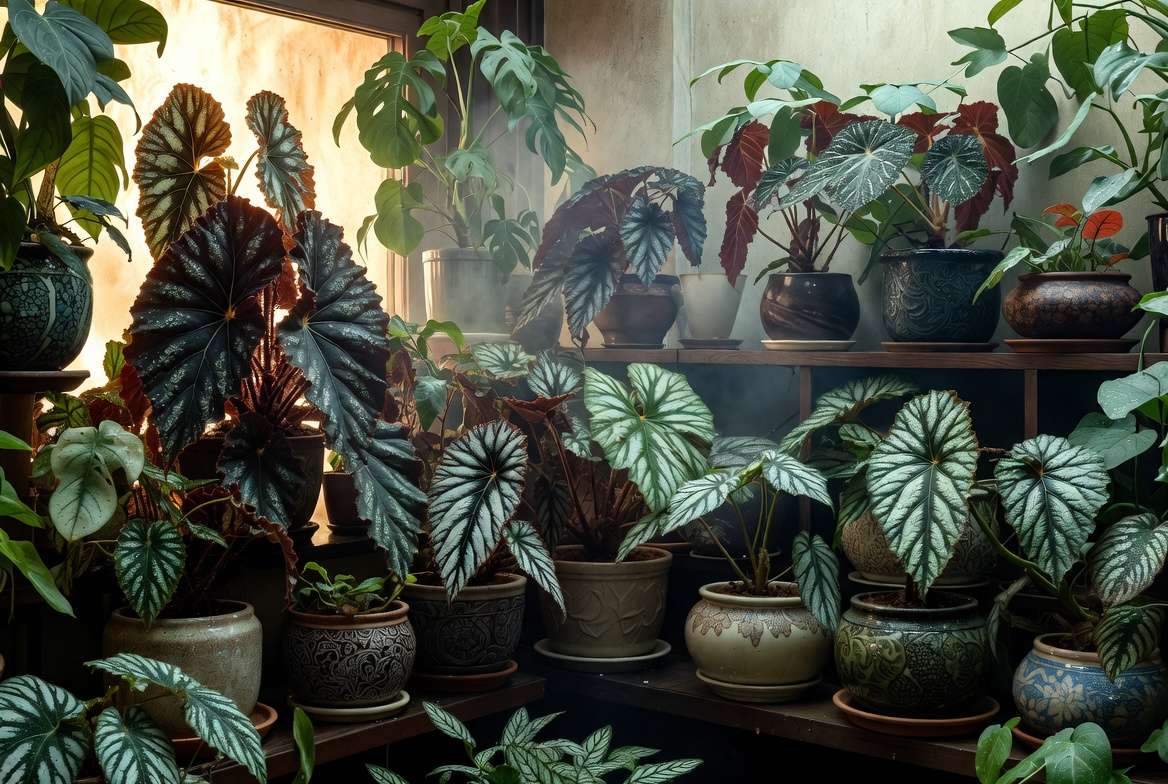
Companion Planting and Styling Ideas Rare begonias shine in curated displays. Pair them with other humidity-loving plants like ferns, calatheas, or philodendrons for a lush indoor jungle vibe. Use them in closed or open terrariums for Rex varieties that crave extra moisture. On shelves or plant stands, group different textures—spiky Begonia ferox next to smooth polka-dot canes creates visual drama. For modern homes, minimalist ceramic pots in matte black or earthy terracotta complement their artistic foliage perfectly. 🪴
Enhancing Foliage Color and Texture To bring out intense colors and metallic sheens, provide consistent high humidity combined with the right light balance. A weekly misting with distilled water (avoid tap water minerals) helps, but never mist in low light to prevent fungal issues. Some collectors use diluted seaweed extracts or kelp-based foliar sprays for micronutrients that boost vibrancy. Rotate plants weekly for even growth and prevent one-sided development.
Bonus: Ethical Hybridizing and Sourcing Ultra-Rare Species For dedicated enthusiasts, hand-pollinating compatible begonias can yield unique hybrids. Use a fine brush to transfer pollen and label carefully. Source responsibly through specialized societies, seed exchanges, or verified tissue culture labs to avoid contributing to wild depletion. Always research CITES status for any international acquisitions.
These advanced techniques separate thriving collections from mere survival setups, rewarding patience with increasingly spectacular specimens. ✨
Common Problems and How to Solve Them (Troubleshooting Guide) ⚠️
Even experienced growers face challenges with begonia rare plant care. Here’s a detailed diagnostic and solution manual based on years of hands-on observation.
Overwatering and Root Rot (The Most Common Killer) Symptoms: Yellowing leaves, mushy stems, soil that stays wet. Prevention: Strict “top inch dry” rule and well-draining soil. Rescue: Remove plant from pot, trim rotten roots with sterilized scissors, treat with fungicide if needed, and repot in fresh mix. Allow to dry out slightly before resuming normal care. Many plants recover remarkably well with this intervention. 💧
Pests – Mealybugs, Spider Mites, Thrips, and Aphids Inspect regularly, especially new leaves and undersides.
- Mealybugs: White cottony clusters—remove with alcohol-dipped cotton swabs or neem oil sprays.
- Spider Mites: Fine webbing and stippled leaves—raise humidity and use insecticidal soap or predatory mites.
- Thrips: Silvery trails—sticky traps plus systemic treatments for severe cases. Quarantine affected plants immediately and repeat treatments every 7-10 days for 3 cycles. Organic options like horticultural oils are highly effective and safe for indoor use. 🐛
Diseases – Powdery Mildew, Botrytis, and Bacterial Leaf Spot Powdery Mildew appears as white powder on leaves—improve airflow and apply diluted milk spray or sulfur-based fungicide. Botrytis (gray mold) thrives in cool, damp conditions—remove infected parts and reduce humidity temporarily. Bacterial leaf spot shows as water-soaked lesions; prune affected foliage and avoid overhead watering. Prevention through good cultural practices is far easier than cure.
Yellowing Leaves, Drooping, Leggy Growth – Quick Diagnostics
- Lower leaves yellowing naturally: Normal aging—remove them cleanly.
- Widespread yellowing: Usually overwatering or nutrient deficiency.
- Drooping: Check soil moisture (both too dry and too wet cause this).
- Leggy stems: Insufficient light—relocate or add grow lights.
Prevention Checklist
- Weekly visual inspections
- Proper watering routine with moisture meter
- Balanced environment (light + humidity + airflow)
- Sterilized tools and quarantine protocols
- Seasonal adjustments
Following this guide dramatically reduces loss rates and builds long-term confidence with your rare collection. 🌱
Expert Insights and Real-World Success Stories 🌟
Over my 15+ years specializing in rare foliage plants, I’ve revived countless struggling begonias that owners were ready to discard. One memorable case involved a prized Begonia ferox that arrived with severe root rot after shipping. By carefully trimming damaged roots, using a highly aerated mix, and maintaining stable humidity in a grow tent, it rebounded within 6 weeks and produced vibrant new spikes.
Another collector friend transformed a leggy Begonia maculata ‘Polka Dot‘ into a bushy showpiece through consistent pruning, strategic lighting upgrades, and patient propagation of healthy cuttings. These stories highlight a universal truth: rare begonias are resilient when their specific needs are met consistently.
From community forums to my own trials, the key differentiator is observation—track your plants’ responses to conditions and adjust accordingly. This data-driven approach, combined with ethical sourcing and continuous learning, elevates hobbyists into true stewards of these botanical treasures. Many of my propagated plants now grace other enthusiasts’ homes, creating a ripple effect of successful cultivation. 💖
Frequently Asked Questions (FAQs) ❓
Q: Why is my rare begonia dropping leaves suddenly? A: Most often due to overwatering, cold drafts, or transplant shock. Check soil moisture and stabilize the environment. Consistent care usually stops further drop within days.
Q: Can rare begonias grow outdoors? A: In USDA zones 10-11 or during warm summers in temperate areas, yes—with protection from direct sun and heavy rain. Bring indoors before temperatures drop below 55°F.
Q: How long do rare begonias live? A: With proper care, many live 5-10+ years indoors. Regular propagation keeps the genetic line going indefinitely.
Q: Are begonias toxic to pets? A: Yes, most contain calcium oxalates that can cause mouth irritation or digestive upset in cats and dogs. Keep out of reach.
Q: What’s the best way to increase humidity for Rex begonias? A: Combine pebble trays, a room humidifier, and grouping plants. Terrariums work exceptionally well for smaller specimens.
Q: How often should I fertilize my rare begonia? A: Every 2-4 weeks in growing season with diluted balanced fertilizer. Skip winter months.
Q: Why won’t my begonia bloom? A: Many rare types are grown for foliage. Provide cooler nights and proper phosphorus if blooms are desired.
Q: Can I use regular potting soil? A: Not recommended—create or buy a well-aerated specialty mix to prevent root issues.
Q: How do I clean dusty leaves? A: Gently wipe with a soft damp cloth. Avoid leaf shine products that can clog pores.
Q: Is it normal for new leaves to look different? A: Yes—juvenile leaves often differ from mature ones in color and texture. They usually develop true characteristics over time.
Conclusion
Caring for a begonia rare plant is more than a hobby—it’s a deeply rewarding journey that connects you with nature’s artistry and your own growth as a plant parent. By following this detailed guide, from selecting your first specimen to mastering propagation and troubleshooting, you’ll be equipped to grow thriving, spectacular exotic varieties that bring joy for years. 💚
Remember, patience and observation are your greatest tools. Start small, celebrate every new leaf, and don’t hesitate to experiment within the proven parameters outlined here. Your rare begonia collection can become a source of pride and beauty in your home.
Ready to get started? Share your experiences or favorite varieties in the comments below—I’d love to hear your success stories and offer personalized advice where possible. For more expert plant care guides, explore our articles on other rare houseplants and advanced propagation techniques.
Happy growing, and may your begonias flourish abundantly! 🪴✨











