
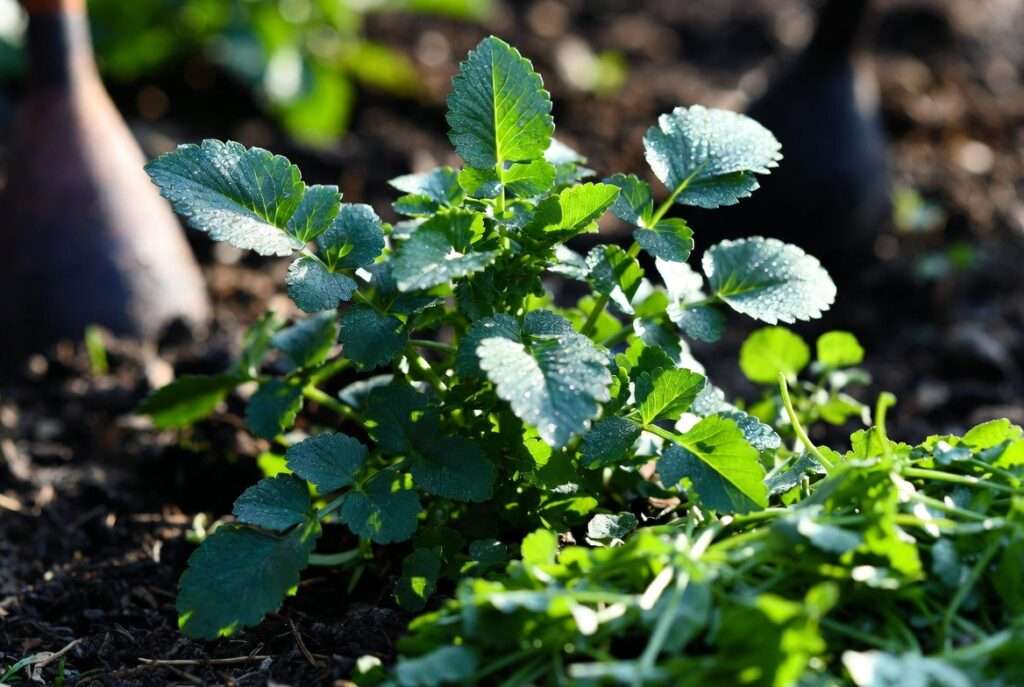
Frustrated by your cilantro bolting and turning bitter just weeks after planting, especially during warm weather? You’re not alone. Many home gardeners struggle with the short harvest window of regular coriander in hot or humid climates. Enter the sawtooth coriander plant — a robust, flavorful powerhouse that delivers the familiar punch of cilantro with far greater heat tolerance and longevity.
Also known as culantro, recao, ngo gai, or shadow beni, this tropical herb (Eryngium foetidum) has serrated, sawtooth-edged leaves and a bolder aroma that elevates countless dishes. In this comprehensive guide, you’ll discover everything needed to successfully grow, care for, and harvest abundant sawtooth coriander at home — whether in garden beds, containers, or even indoors.
As a plant care expert with years of hands-on experience in herb cultivation, I’ve helped countless gardeners transition from struggling cilantro to thriving culantro patches. This skyscraper guide combines proven techniques, troubleshooting wisdom, and practical insights to help you enjoy fresh, aromatic leaves season after season. Let’s dive in! 🌱
What Is Sawtooth Coriander and How Does It Differ from Cilantro?
The sawtooth coriander plant is a biennial herb in the Apiaceae family, native to tropical regions of the Americas, including Mexico, Central America, and the Caribbean. It has gained global popularity for its resilience in warm, humid environments where traditional cilantro (Coriandrum sativum) often fails.
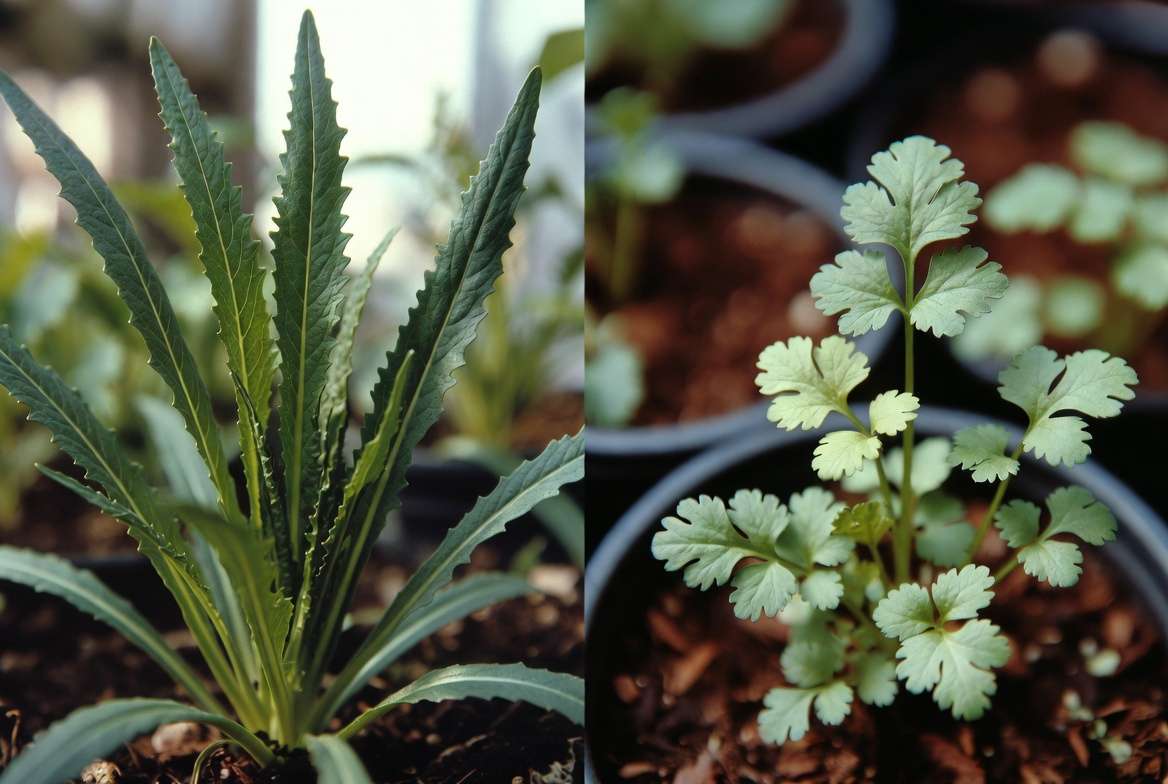
Visual Identification Sawtooth coriander grows in a low rosette pattern with long, lance-shaped leaves featuring distinct jagged, tooth-like margins — hence the name. Mature plants can reach 12–24 inches tall before sending up a central flower stalk with small, cream-colored blooms and spiny bracts. The leaves are darker green, thicker, and more leathery than cilantro’s delicate, lobed foliage.
Taste and Aroma Comparison While both herbs share a citrusy, soapy-pungent profile (loved by some, polarizing for others), sawtooth coriander offers a stronger, more intense flavor — often described as brighter, peppery, and more robust. Many chefs use it in a 1:3 or 1:2 ratio compared to cilantro because of its potency. It holds up better in cooked dishes like soups, stews, and curries without losing its essence.
Why Gardeners Love It
- Exceptional heat and humidity tolerance
- Longer harvest periods (especially with proper care)
- Potential to act as a short-lived perennial in frost-free zones
- Versatile in culinary and traditional medicinal applications
This makes it an ideal choice for gardeners in USDA zones 7–11 or tropical/subtropical areas seeking reliable fresh herbs.
Ideal Growing Conditions for Thriving Sawtooth Coriander 🌱
Success with sawtooth coriander starts with replicating its preferred tropical environment. Unlike many sun-loving herbs, this plant excels in partial shade, making it perfect for spots where full-sun plants struggle.
Light Requirements Provide 4–6 hours of direct sunlight or bright indirect light daily. In hot climates, afternoon shade prevents bolting and keeps leaves tender. Full sun can work in cooler regions but often leads to quicker flowering and tougher foliage. Position plants on shaded patios, under taller companions, or use shade cloth (30–50% shade) during peak summer.
Soil Needs Opt for fertile, well-draining loamy or sandy soil with a pH of 6.0–7.5. Amend heavy clay with compost, perlite, or coarse sand to prevent waterlogging, which invites root rot. Rich organic matter supports lush leaf production — mix in aged compost or worm castings at planting.
Temperature and Humidity Ideal daytime temperatures range from 70–85°F (21–29°C). It tolerates high humidity well but dislikes prolonged cold below 50°F. In marginal climates, grow in containers for easy winter protection or overwintering indoors.
Container vs. In-Ground Growing Containers (at least 8–12 inches deep) offer flexibility and excellent drainage. Use a high-quality potting mix blended with perlite. In-ground planting yields larger plants and easier perennialization in suitable zones. Space plants 8–12 inches apart to allow rosette expansion.
How to Plant Sawtooth Coriander: Step-by-Step Guide
Starting sawtooth coriander successfully requires patience, as seeds can take 14–30 days to germinate.
Starting from Seeds
- Sow seeds indoors 6–8 weeks before the last frost or directly outdoors after soil warms.
- Surface-sow or barely cover seeds (they need light for germination).
- Maintain soil temperature around 70–80°F using a heat mat if needed. Keep consistently moist with a spray bottle or dome.
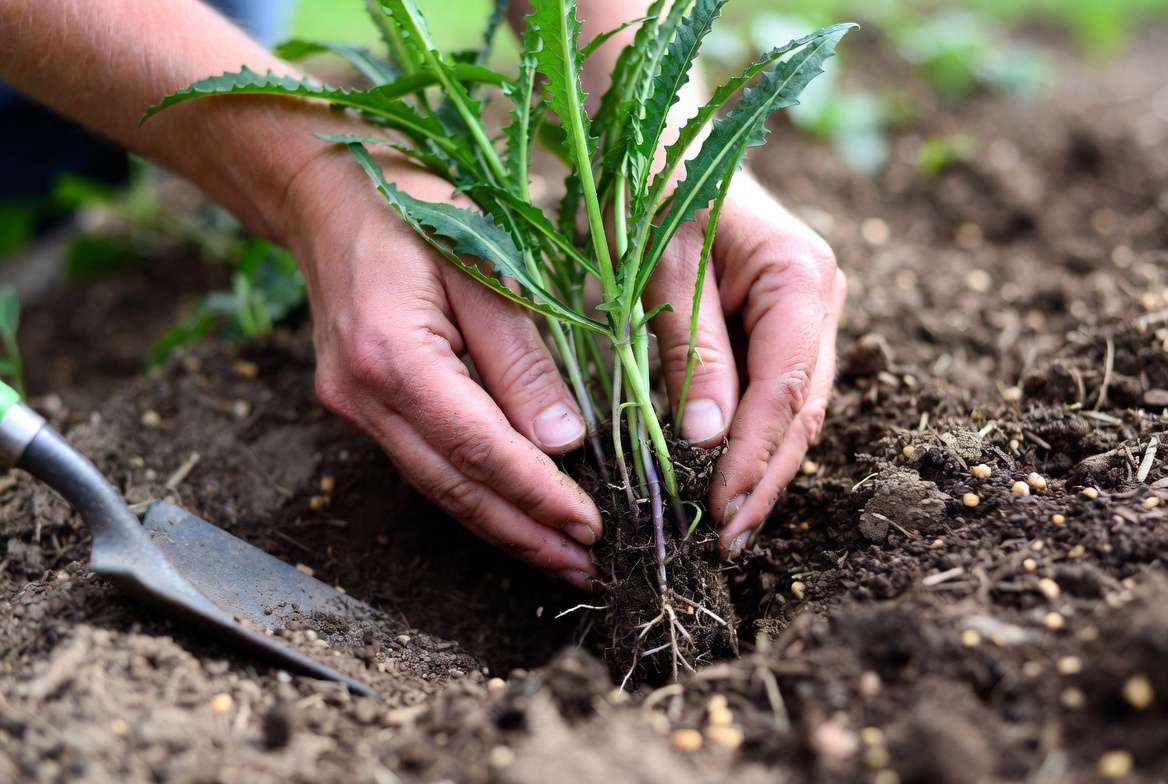
- Transplant seedlings once they have 2–3 true leaves, handling the taproot gently.
Propagation Methods
- Seeds: Most reliable for new varieties.
- Division: Mature plants can be divided at the crown during repotting.
- Transplanting: Buy nursery starts for quicker harvests.
Best planting times: Spring in temperate areas; year-round in tropics with succession sowing. Companion plants like tomatoes or peppers benefit from its pest-repelling qualities.
Essential Care Tips for a Bountiful Harvest 💧
Consistent care transforms your sawtooth coriander into a productive powerhouse.
Watering Schedule Keep soil evenly moist but never soggy. Water when the top inch feels dry — typically every 2–3 days in containers, less in ground beds with mulch. Droopy leaves signal thirst; yellowing may indicate overwatering. Morning watering reduces fungal risks.
Fertilizing for Lush Growth Feed every 2–4 weeks with a balanced liquid fertilizer (e.g., 10-10-10) or organic options like compost tea or fish emulsion. Nitrogen-rich feeds promote leafy growth. Avoid over-fertilizing to prevent weak, leggy plants.
Mulching Benefits Apply 2 inches of organic mulch (straw, leaves, or bark) to retain moisture, suppress weeds, and regulate soil temperature.
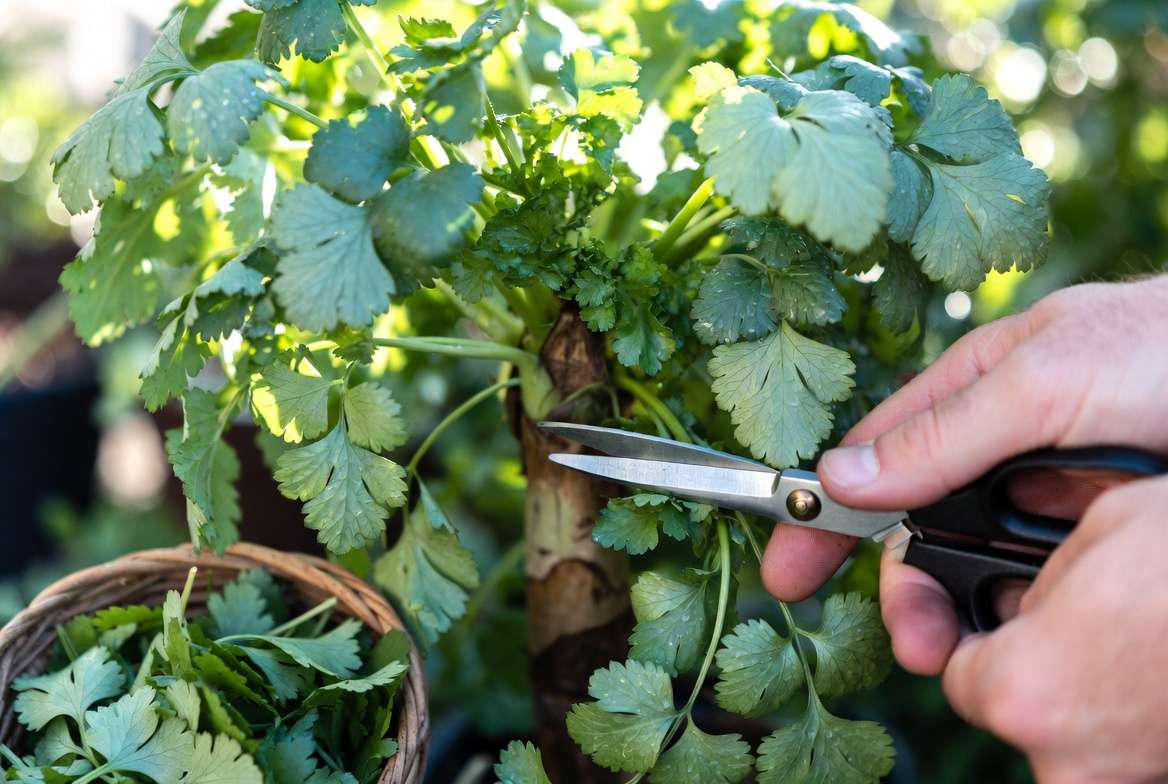
Pruning and Maintenance Regularly harvest outer leaves to encourage bushiness. Pinch or cut emerging flower stalks promptly to delay bolting and extend the vegetative phase. In ideal conditions, plants can produce for months or even years with this technique.
Common Problems and Solutions: Pests, Diseases, and Troubleshooting 🛠️
Even resilient plants face challenges. Early intervention is key.
Pests
- Aphids and spider mites: Blast with water or apply neem oil in evenings.
- Caterpillars: Hand-pick or use organic Bt. Companion planting with marigolds or garlic helps deter many insects.
Diseases Root rot from poor drainage is the biggest threat — ensure excellent airflow and avoid overwatering. Fungal leaf spots respond to improved circulation and organic fungicides.
Environmental Stresses
- Bolting: Increase shade and consistent moisture.
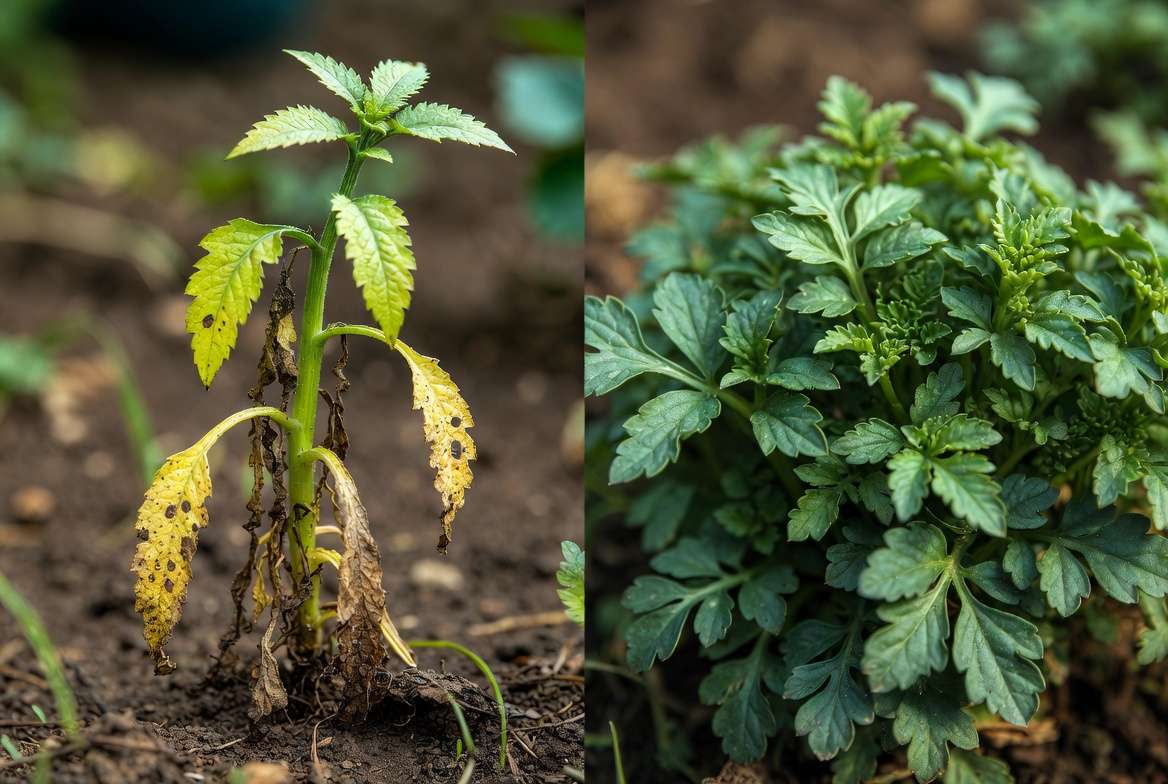
- Yellow leaves: Check watering, nutrients, or drainage. Healthy plants naturally resist many issues when grown in optimal conditions.
Harvesting Secrets: Maximize Flavor and Yield ✂️
Harvest at the right time for peak tenderness and flavor.
Cut individual outer leaves or entire rosettes, leaving the central crown intact for regrowth. Harvest in the morning when oils are concentrated. Leaves become tougher after flowering, so stay vigilant.
Seed Harvesting and Saving Allow some stalks to mature, then dry heads in paper bags. Store viable seeds in a cool, dry place for next season.
Post-Harvest Handling Use fresh immediately. Store in the fridge wrapped in damp paper towels for a few days, or freeze chopped leaves in ice cube trays with oil/water.
Culinary Uses and Recipes Ideas 🍲
Sawtooth coriander shines in Latin American, Caribbean, and Asian cuisines — perfect for sofritos, pho, curries, salsas, and marinades. Its stronger flavor means a little goes a long way.
Nutritionally, it’s rich in vitamins A, C, and K, plus antioxidants. Traditional uses include digestive aid and anti-inflammatory properties.
Try these ideas:
- Fresh chopped in tomato salsa or guacamole.
- Blended into green seasoning pastes.
- Added at the end of soups for bright finish.

Advanced Growing Techniques and Expert Insights
In frost-free areas, cut flower stalks religiously to perennialize plants. Use succession planting and shade strategies for year-round supply. Indoor growing under grow lights works well for apartment dwellers.
Sustainable practices like rainwater collection and organic amendments align with eco-friendly gardening.
Frequently Asked Questions (FAQs) ❓
Why is my sawtooth coriander bolting quickly? Insufficient shade or inconsistent moisture often triggers this. Provide more protection from intense sun.
Can I grow it indoors? Yes! Bright indirect light and consistent moisture are key.
Is sawtooth coriander invasive? It self-seeds readily in ideal conditions but is generally manageable with regular harvesting.
Conclusion
Growing sawtooth coriander opens doors to reliable, flavorful harvests even in challenging climates. With the right conditions, care, and harvesting techniques outlined here, you’ll enjoy this versatile herb for months on end.
Start small, observe your plants, and adjust — gardening is a rewarding journey! Share your successes or questions in the comments, and explore more plant care guides on our site. Happy growing! 🌿✨











