
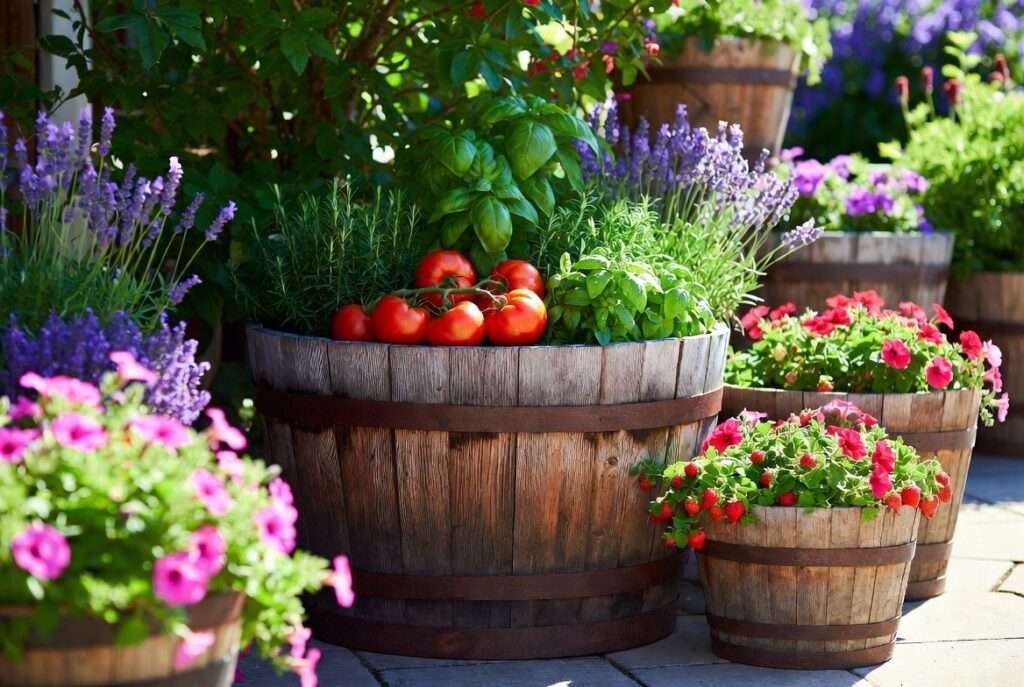
In today’s gardening world, where space is often limited and sustainability matters more than ever, wooden barrel planters have surged in popularity among urban gardeners, homeowners, and eco-conscious plant lovers. These repurposed wine, whiskey, or oak barrels offer far more than aesthetic appeal; they provide practical solutions for growing flowers, vegetables, herbs, and even small trees in containers.
As a horticulturist with over 15 years of hands-on experience in sustainable container gardening, I’ve helped countless enthusiasts transform ordinary spaces into thriving oases using wooden barrels. In this comprehensive guide, we’ll dive deep into their benefits, share my top recommendations for 2026, and provide expert, step-by-step planting and care tips that go beyond basic advice you’ll find elsewhere. Whether you’re a beginner worried about drainage and rot or an experienced gardener seeking creative design ideas, this article delivers actionable insights to help you succeed.
By the end, you’ll have everything you need to confidently choose, prepare, plant, and maintain wooden barrels for plants that not only look beautiful but produce abundantly season after season. Let’s get growing! ✨
What Are Wooden Barrels for Plants and Why Are They Popular?
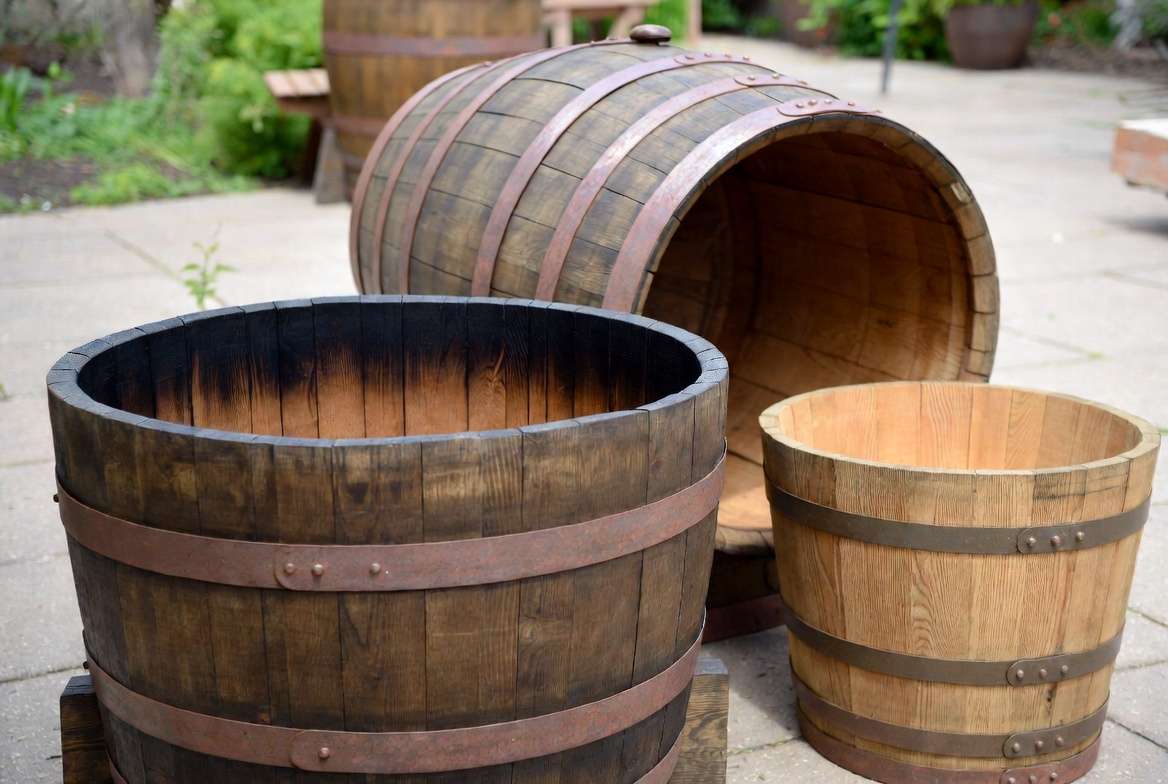
Wooden barrels for plants are essentially repurposed or purpose-built large wooden containers, traditionally used for aging wine, whiskey, or other spirits, now transformed into spacious planters. Most are made from sturdy oak, though cedar, pine, and other hardwoods appear in garden-specific versions. Half-barrels (cut lengthwise) are especially common because they’re more manageable while still offering generous root space—typically 20–30 gallons or more.
The History and Modern Appeal of Barrel Planters
Barrel gardening dates back centuries, with European vineyards and distilleries repurposing spent barrels. Today, they’ve become a staple in modern sustainable gardening. Their rustic charm perfectly complements cottage gardens, farmhouse styles, and urban patios alike. In 2026, with rising interest in upcycling and container gardening, wooden barrels stand out as eco-friendly alternatives to mass-produced plastic pots.
Types of Wooden Barrels Suitable for Gardening
- Wine Barrels (Oak): Neutral pH after cleaning, excellent for edibles.
- Whiskey/Bourbon Barrels: Charred interior adds character; generally safe once properly prepped.
- Cedar or Pine: Naturally rot-resistant, lighter weight.
- New vs. Reclaimed: Reclaimed barrels bring history and sustainability; new ones offer consistency.
Key Features That Make Them Stand Out from Plastic or Ceramic Pots
Unlike lightweight plastic that can crack in winter or terracotta that dries out quickly, wooden barrels provide superior thermal insulation, protecting roots from temperature swings. Their large volume supports bigger root systems, and the natural wood aesthetic ages gracefully with your garden. They’re also heavy enough to resist tipping in windy areas but portable enough for renters.
This foundational understanding sets the stage for why wooden barrels for plants remain a smart, stylish choice. 🌳
Top Benefits of Using Wooden Barrels for Plants
The advantages go well beyond looks. Here’s why I frequently recommend them to clients:
Superior Insulation and Temperature Regulation for Roots
Wood acts as a natural insulator, keeping soil cooler in summer and warmer in winter compared to metal or thin plastic. This stability reduces plant stress, leading to healthier growth and higher yields—especially beneficial for vegetables and fruit trees.
Excellent Drainage and Aeration When Properly Prepared
With the right drainage holes, barrels prevent waterlogging while the wood allows some breathability. Proper setup creates an ideal environment that mimics raised beds.
Aesthetic and Rustic Charm That Elevates Any Space
A single well-planted barrel instantly adds character. Group them for impact or use them as focal points near entrances. They weather beautifully, developing a patina that enhances curb appeal. 🏡
Eco-Friendly and Sustainable Choice
Repurposing barrels reduces waste and supports circular economy principles. Many come from wineries eager to divert them from landfills. This aligns perfectly with organic and regenerative gardening practices.
Durability, Cost-Effectiveness, and Longevity
Well-maintained oak barrels can last 8–15+ years outdoors. While initial cost might be higher than cheap plastic, their lifespan and performance make them more economical long-term.
Versatility for Flowers, Herbs, Vegetables, and Small Trees
From cascading petunias and strawberries to dwarf citrus, tomatoes, or blueberries, barrels accommodate a wide range of plants. Their depth supports root crops and perennials that struggle in shallower pots.
Quick Benefit Summary 🏆:
- Better root health through insulation
- Timeless style + sustainability
- Space-efficient for patios and balconies
- Higher productivity for edibles
These benefits directly solve common container gardening pain points like poor drainage, temperature extremes, and lack of visual appeal.
How to Choose the Best Wooden Barrels for Plants
Selecting the right barrel is crucial for long-term success.
Factors to Consider: Size, Wood Type, Condition, and Food-Safe Status
Aim for barrels at least 20–25 inches in diameter for most applications. Check for tight metal bands, no major cracks, and a pleasant (or neutral) smell. For edibles, confirm the barrel hasn’t held harmful chemicals.
Oak vs. Cedar vs. Pine – Which Wood Lasts Longer?
Oak is the gold standard—dense, rot-resistant, and traditional. Cedar offers natural insect-repelling properties. Pine is more affordable but may require more maintenance.
New vs. Repurposed Barrels: Pros, Cons, and Safety Tips
Repurposed barrels are budget-friendly and eco-friendly but need thorough cleaning. New barrels are ready-to-use but pricier.
Size Guide by Plant Type
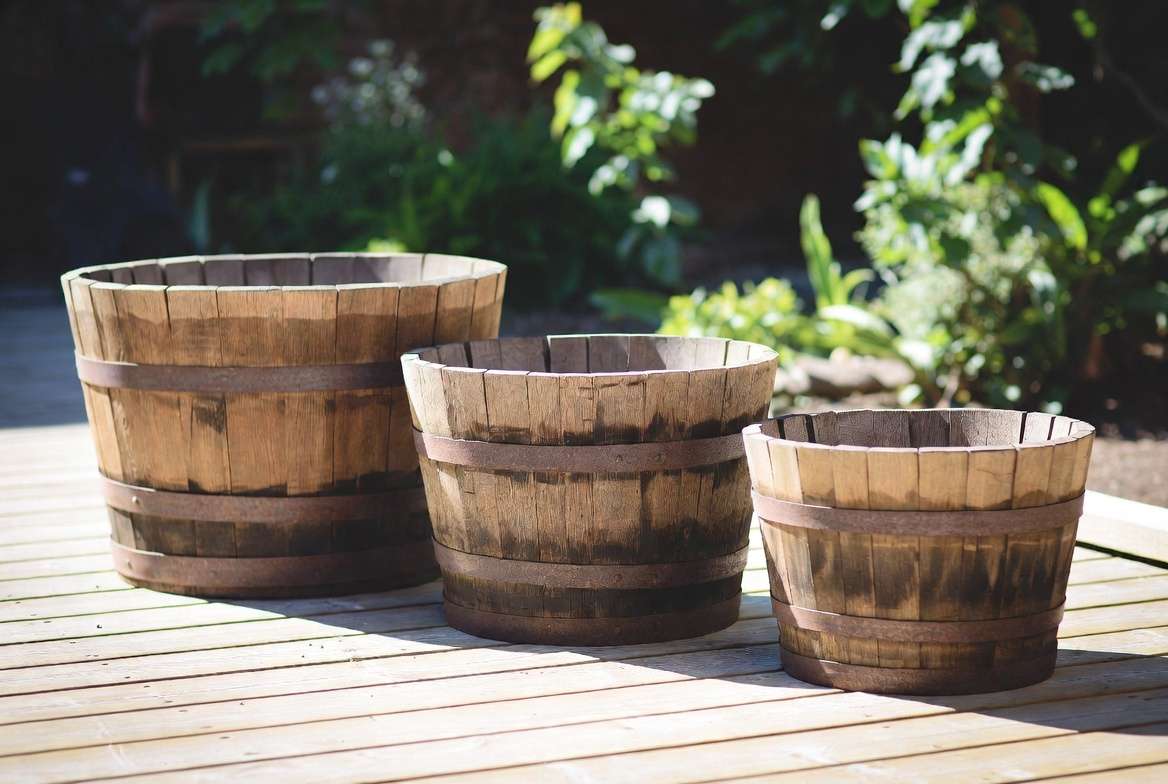
- Herbs & Annuals: Smaller half-barrels (15–20 gal)
- Vegetables & Perennials: Standard half-barrels (25–35 gal)
- Dwarf Trees/Shrubs: Full or large half-barrels (50+ gal)
Expert Checklist ✅:
- Inspect for structural integrity
- Smell for residues
- Measure depth and width
- Confirm drainage potential
Best Wooden Barrels for Plants in 2026 – Expert Recommendations
After testing and reviewing options, here are my top picks:
Top 5 Picks
- Best Overall: Classic oak half whiskey barrels from reputable suppliers like Rocky Mountain Barrel Company—durable, food-safe after prep, around $50–$80.
- Best Budget: Sets from brands like Best Choice Products on major retailers—pre-drilled, stained for protection.
- Premium Choice: High-end reclaimed French oak wine barrels for serious gardeners seeking authenticity and longevity.
- Best for Herbs: Smaller cedar barrels—lightweight and aromatic.
- Best Large Statement: Full-sized or extra-deep barrels for small trees or dramatic mixed plantings.
Where to Source High-Quality Barrels
Local wineries, distilleries, online garden stores, Etsy, and reclaimed lumber yards. Always buy from trusted vendors with good reviews.
What to Avoid
Cheap thin-pine imitations that warp quickly, barrels with chemical odors, or those without sturdy bands.
Visual Tip 📸: Look for high-resolution images showing tight construction and natural grain.
Where to Source High-Quality Barrels
Look for local wineries and distilleries that often sell used barrels at affordable prices. Online marketplaces like Etsy, Amazon, and specialized garden sites frequently stock them. Reclaimed lumber yards and Facebook Marketplace can yield great deals, but always verify the seller’s reputation. In 2026, many sustainable brands now offer pre-cleaned, food-safe options certified for organic gardening. 🌍
What to Avoid When Buying Wooden Barrels
Steer clear of barrels with loose metal hoops, deep cracks, or a strong chemical odor. Avoid very cheap pine imitations that lack density—they warp and rot quickly in outdoor conditions. If growing edibles, skip any barrel that previously held non-food substances.
Visual Suggestion 📸: When shopping, prioritize listings with multiple clear photos showing the interior, bands, and base.
Step-by-Step Guide to Preparing Wooden Barrels for Planting 🛠️
Proper preparation is the secret to long-lasting, thriving barrel gardens. Skipping this step is one of the most common reasons beginners face disappointment with wooden barrels for plants.
Cleaning and Sanitizing Your Barrel
Start by thoroughly scrubbing the interior and exterior with a stiff brush and a solution of 1 part white vinegar to 10 parts water. Rinse multiple times until the water runs clear. For stubborn residues (especially from whiskey barrels), let the barrel soak for 24–48 hours, then rinse again. Allow it to air-dry completely in the sun for several days. This process removes tannins, sugars, and potential contaminants while naturally sanitizing the wood. As an expert, I always recommend this step for food safety—especially important for herbs and vegetables. ✨
Creating Proper Drainage Holes (Tools and Techniques)
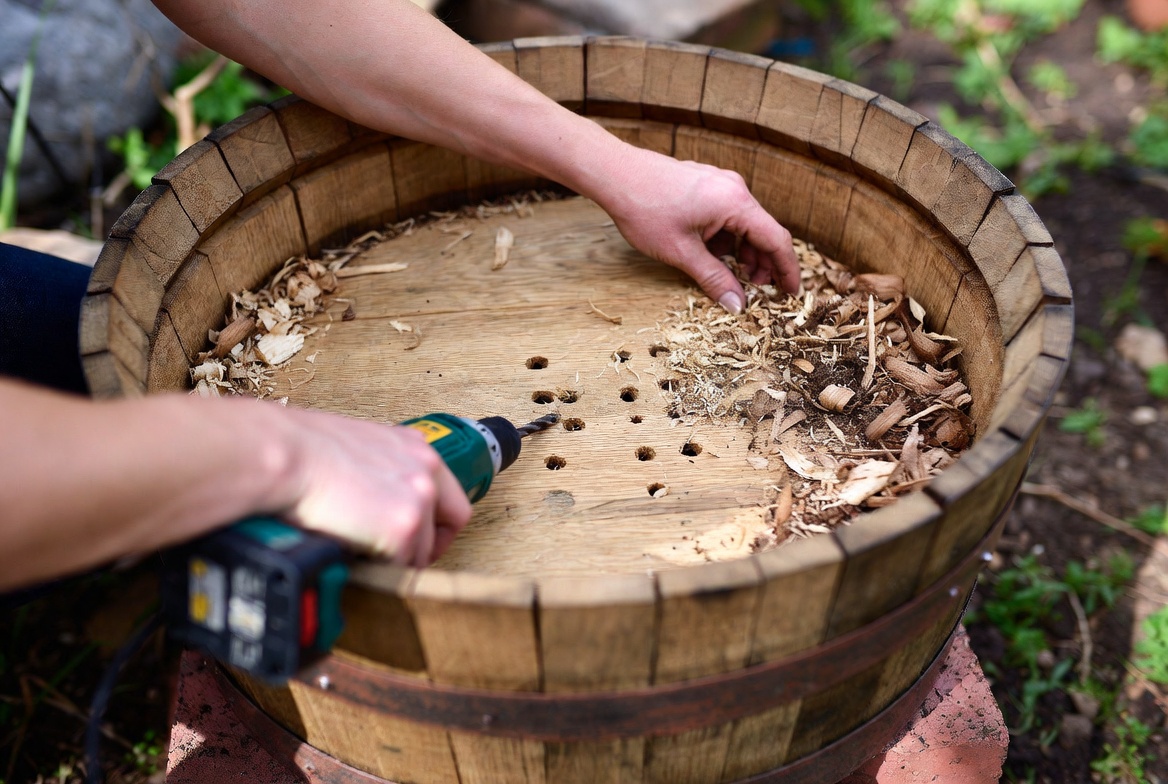
Wooden barrels need excellent drainage to prevent root rot. Use a 1/2-inch or 3/4-inch spade bit to drill 4–6 holes evenly across the bottom. For larger barrels, add a few extra along the lower sides if needed. Place the barrel on bricks or pot feet to elevate it slightly for better airflow. Pro tip: Drill at a slight outward angle to help water escape more efficiently.
Lining Options for Longevity and Moisture Control
To extend the life of your barrel, line the interior with landscape fabric or burlap. This prevents soil from clogging drainage holes while allowing the wood to breathe. Some gardeners use a thin layer of plastic sheeting with holes punched in the bottom, but avoid full plastic liners—they can trap too much moisture and accelerate rot. My preferred method: landscape fabric secured with staples for a natural feel.
Choosing the Right Soil Mix for Barrel Planters
Never use garden soil alone—it compacts and drains poorly in containers. Instead, create a custom mix: 50% high-quality potting soil, 30% compost, and 20% perlite or coarse sand for aeration. For edibles, enrich with worm castings and organic slow-release fertilizer. This mix supports healthy microbial activity and retains just enough moisture for wooden barrel planters.
Expert Tip 💡: Test drainage by filling the prepared barrel with water—it should drain within 10–15 minutes. Adjust holes or mix if needed.
Expert Planting Tips for Thriving Barrel Gardens 🌸
With your barrel ready, it’s time to plant for success.
Best Plants for Wooden Barrels (Companion Planting Ideas)
Wooden barrels excel with plants that appreciate roomy root zones:
- Herbs: Basil, rosemary, thyme, mint (in its own barrel to control spreading).
- Vegetables: Tomatoes, peppers, cucumbers, strawberries, leafy greens.
- Flowers: Lavender, petunias, marigolds, geraniums for pollinator appeal.
- Small Trees/Shrubs: Dwarf citrus, blueberries, or Japanese maples.
Companion planting example: Tomatoes with basil and marigolds in one large barrel for natural pest control and flavor enhancement.
Seasonal Planting Calendar and Arrangement Strategies
In spring, plant cool-season crops first, then transition to warm-season varieties. For year-round interest, combine evergreens with seasonal bloomers. Use the “thriller, filler, spiller” technique: tall centerpiece (thriller), mid-height plants (filler), and trailing varieties (spiller) around the edges.
Watering, Fertilizing, and Mulching Best Practices
Barrels dry out faster than in-ground beds due to exposure. Water deeply when the top 2 inches of soil feel dry—usually every 2–3 days in summer. Mulch with straw, bark, or cocoa hulls to retain moisture and regulate temperature. Fertilize every 4–6 weeks with organic options suited to your plants.
Positioning Barrels for Optimal Sunlight and Wind Protection
Place barrels where plants receive 6–8 hours of sun (more for vegetables). Use walls or fences for wind protection, especially for taller plantings. On patios, group barrels for microclimate benefits and easier watering.
Creative Design Ideas – Vertical Stacking, Tiered Displays, and Themed Barrels
Stack smaller barrels on larger ones (securely!) for vertical gardens. Create herb wheels, pollinator barrels, or even fairy gardens. Themed barrels—like a Mediterranean mix with olive, lavender, and oregano—bring personality and functionality.
Bonus DIY Project: Convert a barrel into a self-watering planter by adding a reservoir at the bottom using PVC pipe and a wicking system. This reduces watering frequency significantly—perfect for busy gardeners! 🪴
Ongoing Care and Maintenance of Wooden Barrel Planters
Consistent care keeps your investment thriving for years.
Seasonal Maintenance Checklist
- Spring: Clean, refresh soil, replant.
- Summer: Monitor watering and pests daily.
- Fall: Harvest, add compost, protect from early frost.
- Winter: Empty or cover barrels in harsh climates to prevent cracking.
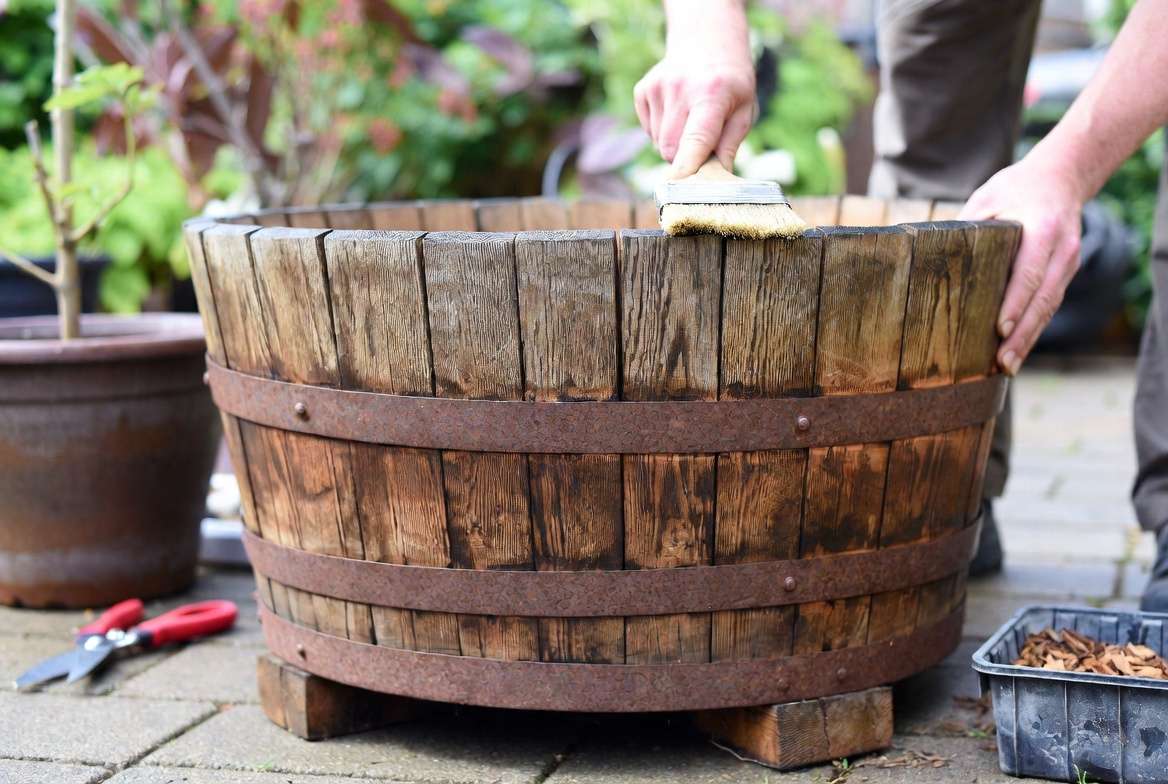
Protecting Wood from Rot and Weather Damage
Apply a food-safe wood preservative or linseed oil annually to the exterior. Keep the barrel slightly elevated and avoid direct ground contact. Rotate barrels occasionally for even weathering.
Pest and Disease Prevention Specific to Barrel Gardens
Good airflow from elevation helps. Use neem oil for aphids and companion planting for natural defense. Inspect regularly for signs of fungal issues caused by overwatering.
Repotting, Dividing, and Refreshing Soil Over Time
Every 2–3 years, refresh the top 6–8 inches of soil or repot entirely. Divide perennials to prevent crowding. This maintains nutrient levels and prevents soil fatigue.
Pro Tip Box 🌧️: Use moisture meters for precision watering—especially helpful in wooden barrels.
Common Mistakes to Avoid with Wooden Barrels for Plants
- Insufficient drainage → leads to root rot.
- Using unwashed barrels for edibles.
- Overcrowding plants.
- Neglecting exterior protection against UV and moisture.
- Placing in poor locations with inadequate sun or excessive wind.
Learning from these common pitfalls (drawn from years of client consultations and my own early experiments) will save you time, money, and frustration.
Wooden Barrels vs. Other Planters – A Complete Comparison
| Planter Type | Insulation | Durability | Aesthetics | Cost Over Time | Best For |
|---|---|---|---|---|---|
| Wooden Barrels | Excellent | High (8–15 yrs) | Rustic charm | Excellent | Versatile gardens |
| Plastic | Poor | Medium | Basic | Low initial | Budget/temporary |
| Terracotta | Fair | Medium | Classic | Medium | Mediterranean look |
| Metal | Poor | High | Modern | Medium | Contemporary |
| Fabric Grow Bags | Good | Medium | Casual | Low | Root crops |
Wooden barrels win for most home gardeners seeking beauty, performance, and sustainability.
Sustainable Gardening with Wooden Barrels
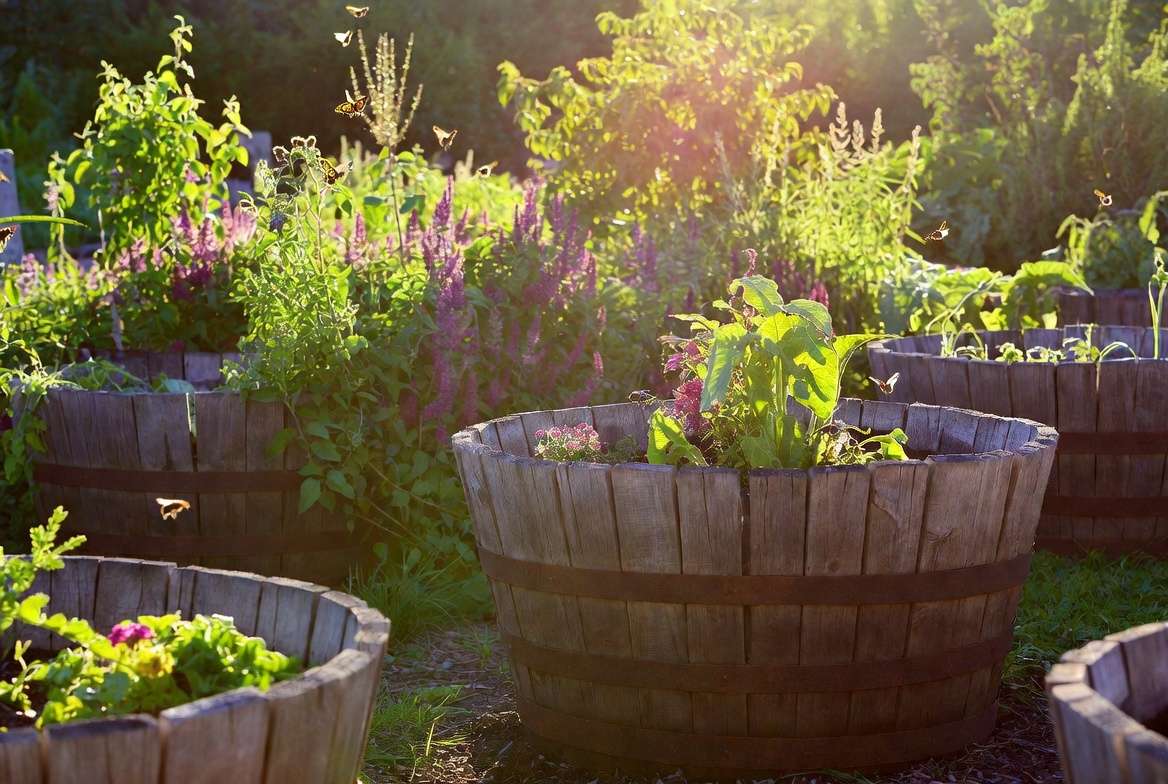
By choosing reclaimed wooden barrels for plants, you participate in upcycling—keeping materials out of landfills and reducing demand for new plastic. These planters support biodiversity by creating habitats for beneficial insects and pollinators. Many gardeners report stronger yields and healthier plants thanks to the natural properties of wood. This practice aligns beautifully with regenerative gardening principles popular in 2026. 🌍
Conclusion
Wooden barrels for plants combine timeless beauty, practical performance, and environmental responsibility like few other containers can. From superior root insulation and stunning aesthetics to versatile planting options and long-term value, they solve many common challenges faced by container gardeners today.
Armed with this detailed guide—benefits, expert picks, preparation steps, care routines, and creative ideas—you’re ready to create your own flourishing barrel garden. Start small with one or two barrels, experiment with plant combinations, and watch your space transform into a productive, beautiful oasis.
Share your barrel garden photos and successes in the comments—I love seeing what readers create! Happy planting, and may your harvests be bountiful. 🌳✨
FAQ Section
1. Are wooden barrels good for plants? Yes! They offer excellent insulation, drainage (when prepared), and ample root space, making them superior for many flowers, herbs, vegetables, and small trees.
2. How long do wooden barrel planters last? With proper care, 8–15 years or more. Oak barrels tend to outlast pine or cedar.
3. Do I need to drill holes in wooden barrels? Absolutely. Proper drainage holes are essential to prevent waterlogging and root rot.
4. Are old wine barrels safe for growing edible plants? Yes, after thorough cleaning and sanitizing. Avoid barrels that held chemicals.
5. How do you stop wooden barrels from rotting? Elevate them, apply wood preservative, ensure good drainage, and refresh linings periodically.
6. What are the best plants to grow in wooden barrels? Tomatoes, herbs, strawberries, lavender, peppers, and dwarf fruit trees perform exceptionally well.
7. Where can I buy quality wooden barrels for plants? Local wineries, online garden retailers, Etsy, and reclaimed suppliers.
8. Can wooden barrels be used indoors? Yes, with proper drainage trays, but they work best outdoors where they can weather naturally.
9. How heavy are filled wooden barrels? A large planted barrel can weigh 100–300+ lbs—position them permanently or use a dolly.
10. Do wooden barrels need winter protection? In cold climates, empty them or cover to prevent freeze-thaw damage to the wood.











