
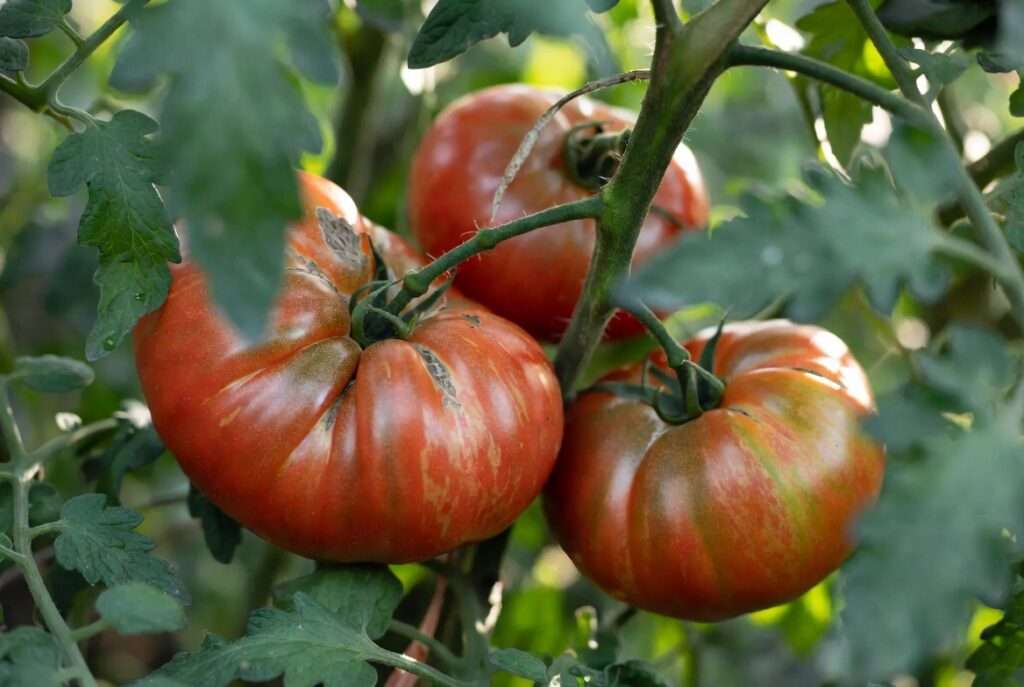
Imagine biting into a massive, juicy beefsteak tomato that looks like a piece of edible art—vibrant red stripes dancing across golden-orange flesh, bursting with sweet, low-acid flavor that makes supermarket varieties taste forgettable. If you’ve ever dreamed of growing show-stopping heirloom tomatoes in your own backyard or containers, the Mr Stripey tomato plant is about to become your new favorite. This stunning indeterminate variety delivers not just beauty but generous harvests of 1-pound (or larger) fruits that turn heads and delight taste buds.
As a passionate horticulturist with over 15 years of experience cultivating heirloom vegetables in diverse climates, I’ve grown dozens of tomato varieties, and Mr. Stripey consistently ranks among the top performers for flavor, vigor, and garden charm. In this comprehensive guide, you’ll discover everything you need to successfully plant, nurture, and harvest this exceptional tomato—from seed starting to troubleshooting common issues. Whether you’re a beginner gardener seeking reliable results or an experienced grower looking to elevate your tomato game, this guide solves the real frustrations of inconsistent yields, bland fruit, and pest problems. Let’s grow something extraordinary together! 🚀
What Is the Mr. Stripey Tomato Plant? 🌟
The Mr. Stripey tomato plant (sometimes labeled as Mister Stripey) is a beloved heirloom variety known for its striking bi-colored fruits and robust growth habit. Originating as a traditional heirloom, it has captured the hearts of gardeners worldwide for its unique appearance that can even fool the untrained eye into thinking the tomatoes are unripe.
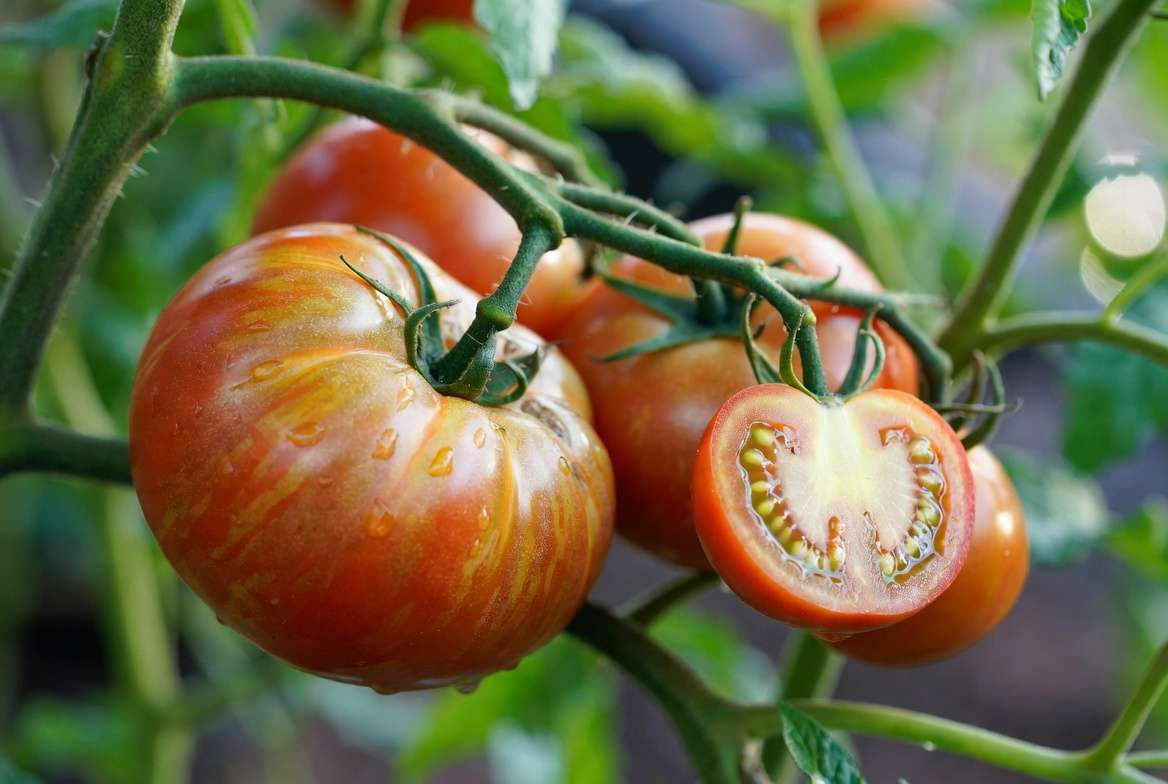
Origins and History of This Heirloom Gem Heirloom tomatoes like Mr. Stripey trace their roots to seeds passed down through generations, often prized for superior taste over modern hybrids. This variety gained popularity particularly in the mid-South and warmer regions of the United States. It is occasionally confused with Tigerella, but true Mr. Stripey stands out with its larger beefsteak-style fruits and distinctive striping pattern.
Key Characteristics – Appearance, Size, and Growth Habit Mr. Stripey is an indeterminate tomato plant, meaning the vines continue growing and producing fruit throughout the season until frost. Plants can reach 8–10 feet tall (or more with strong support), featuring regular but unusually small leaves compared to many other tomatoes. The fruits are large beefsteak types, typically weighing 14–24 ounces, with a beautiful yellow-to-light-orange base marbled or striped with pinkish-red. The stripes often radiate from the stem end, creating a mesmerizing pattern on each unique fruit—no two are ever exactly alike!
Flavor Profile and Nutritional Benefits 🍅 One of the biggest draws is the exceptional flavor: high sugar content with low acidity, resulting in a sweet, mild taste perfect for fresh eating. Nutritionally, like most tomatoes, it’s rich in vitamins C and K, potassium, and antioxidants such as lycopene, which supports heart health and may reduce inflammation. The bi-coloring often indicates a delightful balance of sugars and acids.
Mr. Stripey vs. Similar Varieties
| Variety | Fruit Size | Color Pattern | Growth Type | Best For |
|---|---|---|---|---|
| Mr. Stripey | 1–2+ lbs | Red stripes on yellow-orange | Indeterminate | Fresh slicing, visual appeal |
| Tigerella | Smaller | Red with green stripes | Indeterminate | Earlier harvest |
| Striped German | Large | Yellow/red stripes | Indeterminate | Similar but different flavor |
| Brandywine | Large | Pink/red | Indeterminate | Classic heirloom taste |
This comparison helps you choose the right variety for your garden space and preferences.
Why Grow Mr. Stripey Tomato Plants? Top Reasons for Gardeners 🏆
Growing the Mr Stripey tomato plant offers numerous advantages that address common gardener needs: better flavor than store-bought, reduced reliance on commercial produce, and the joy of harvesting something truly special.
First, the visual appeal makes it a standout in any vegetable garden or even ornamental beds. The fruits add vibrant color to salads and platters, impressing family and guests. Second, its productivity is impressive—vigorous vines can yield dozens of large tomatoes per plant under good conditions. Third, many gardeners report good disease resistance compared to other heirlooms, though proper care is still essential.
Environmentally, homegrown tomatoes reduce your carbon footprint and avoid pesticides often used in commercial farming. Cost-wise, a few plants can save you significantly over a season. For beginners, the forgiving nature (once established) builds confidence, while experts appreciate the opportunity for seed-saving and experimentation.
If you’ve struggled with cracking fruits, poor flavor, or short harvest windows in the past, Mr. Stripey’s robust genetics and extended production period provide a reliable solution.
Planning and Preparing for Success – Before You Plant 🛠️
Success with any tomato starts with thoughtful planning, and the Mr Stripey tomato plant is no exception.
Best USDA Hardiness Zones and Climate Considerations Mr. Stripey thrives in USDA zones 5–11, performing best in warm summers with consistent temperatures above 60°F (15°C) at night. It loves full sun but can benefit from afternoon shade in extremely hot climates (above 95°F) to prevent sunscald.
Choosing the Right Location – Sunlight, Soil, and Spacing Needs Select a spot with at least 8 hours of direct sunlight daily. Soil should be well-draining, rich in organic matter, and have a pH between 6.0–6.8. Space plants 24–36 inches apart in rows 36–48 inches apart to allow good air circulation and room for sprawling vines.
Container vs. In-Ground Growing – Pros, Cons, and Setup Tips 🪴 Containers (minimum 5–10 gallon pots) are excellent for patios or small spaces. Use high-quality potting mix and ensure excellent drainage. In-ground beds offer more stability for large plants but require amending native soil. For containers, choose dwarfing rootstocks if available or provide sturdy support.
Soil Preparation and Amendments for Optimal Results Test your soil and amend with compost, aged manure, or worm castings for fertility. Add bone meal or crushed eggshells for calcium to prevent blossom end rot—a common tomato issue. Raised beds warm up faster in spring, giving Mr. Stripey an earlier start.
When to Plant – Timing by Region and Frost Dates Start seeds indoors 6–8 weeks before your last frost date. Transplant outdoors after soil temperatures reach 65–70°F and all frost danger has passed. In warmer zones, you can direct sow or plant earlier with protection.
Step-by-Step Planting Guide for Mr. Stripey Tomato Plants 🌱
Starting from Seeds Indoors Fill seed trays with sterile seed-starting mix. Plant seeds ¼ inch deep, keep soil moist at 75–85°F for germination (usually 7–14 days). Provide strong light (grow lights recommended) to prevent leggy seedlings. Harden off plants gradually before transplanting.
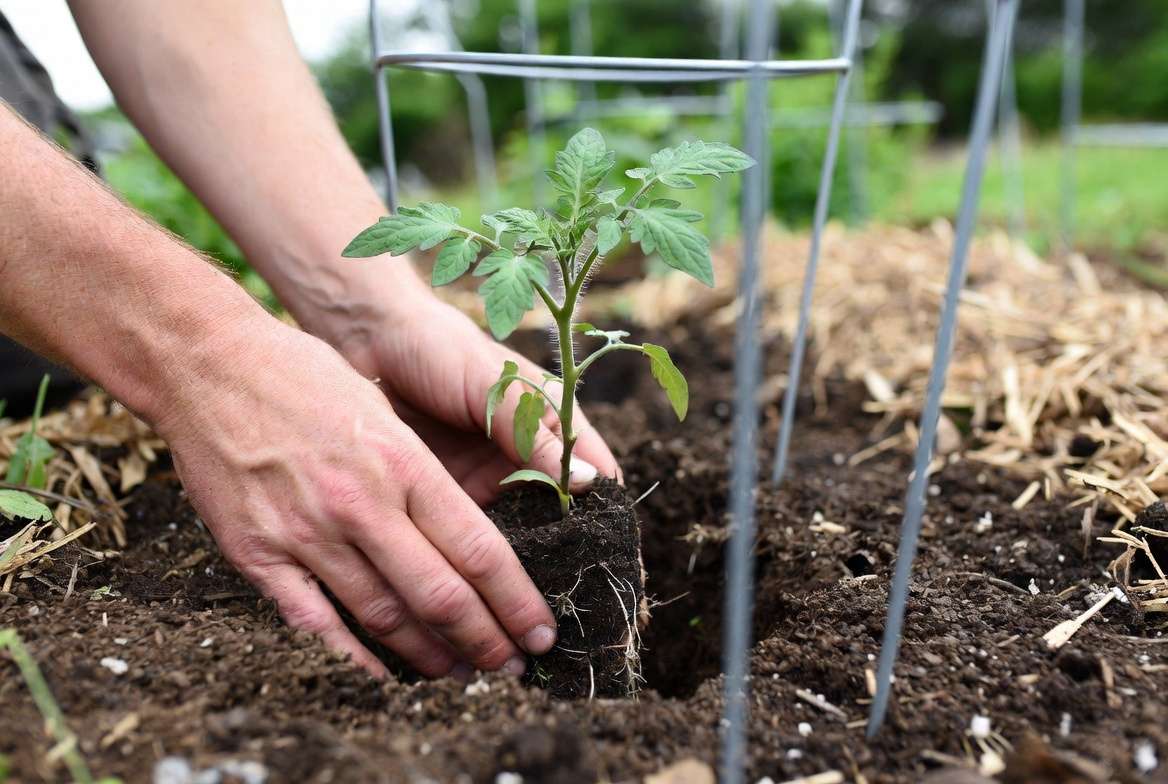
Transplanting Seedlings – Deep Planting Technique Explained Dig a deep hole and bury the stem up to the first set of true leaves. This encourages additional root growth along the stem, leading to stronger, more drought-resistant plants. Water thoroughly after planting and apply mulch.
Direct Sowing Best Practices Less common for indeterminate varieties but possible in long-season areas. Sow after soil warms, using row covers for protection.
Support Systems – Stakes, Cages, and Trellises for Vigorous Vines Mr. Stripey’s indeterminate growth demands strong support. Use sturdy tomato cages, Florida weave trellising, or single stakes with twine. Prune suckers regularly for better airflow and larger fruits.
Essential Care and Maintenance for Thriving Plants 🌿
Caring for your Mr Stripey tomato plant properly is the key to transforming good growth into exceptional, bountiful harvests. Consistent attention to watering, feeding, and pruning addresses the most common challenges gardeners face with large-fruited indeterminate tomatoes.
Watering Best Practices – Avoiding Common Mistakes Tomatoes crave consistency. Water deeply 1–2 times per week (more in extreme heat or containers), aiming for about 1–1.5 inches of water weekly. Keep soil evenly moist but never soggy to prevent root rot or cracking fruits. Early morning watering is ideal, directing flow to the base of the plant to keep foliage dry and reduce disease risk. A simple moisture meter or the finger-test (top 1–2 inches dry before watering) helps maintain the perfect balance. Mulch heavily with straw, wood chips, or leaves to retain moisture and regulate soil temperature—crucial for preventing blossom end rot in Mr. Stripey.
Fertilizing Schedule and Organic Options Mr. Stripey is a heavy feeder. Start with a balanced organic fertilizer (like 10-10-10) at planting, then switch to a higher phosphorus/potassium formula once flowering begins to support fruit development. Apply every 2–3 weeks or use slow-release options. Excellent organic choices include compost tea, fish emulsion, seaweed extract, and Epsom salts (for magnesium). Side-dress with well-rotted manure mid-season. Avoid excessive nitrogen, which promotes leafy growth at the expense of fruit. Calcium supplementation (via foliar sprays or soil amendments) is especially important for this beefsteak-type variety.
Pruning and Training Techniques for Maximum Yield ✂️ Pruning is essential for indeterminate varieties like Mr. Stripey. Remove suckers (shoots emerging from leaf axils) when small, leaving 2–3 main stems for better fruit production and airflow. This prevents the plant from becoming an unmanageable jungle while directing energy into fewer, larger fruits. Tie vines gently to supports as they grow. In hot climates, some afternoon shade cloth can protect developing fruit from sunscald.
Mulching, Weed Control, and Companion Planting Ideas A 2–3 inch layer of organic mulch suppresses weeds, cools roots, and adds nutrients as it breaks down. Companion planting enhances success: basil repels flies and improves flavor, marigolds deter nematodes, and borage attracts pollinators. Avoid planting near potatoes or brassicas that share disease risks.
Seasonal Care Adjustments – Spring Start to Fall Harvest In spring, focus on establishment and protection from cool nights. Summer brings peak watering and monitoring for pests. As fall approaches, pinch growing tips to encourage ripening of existing fruit before frost. Row covers or moving container plants can extend your season by weeks.
Pest and Disease Management – Protect Your Mr. Stripey Harvest 🛡️
Even resilient heirlooms like Mr. Stripey can face challenges. Early detection and integrated pest management (IPM) keep problems minimal without harsh chemicals.
Common Pests and Natural Controls Tomato hornworms can strip leaves quickly—handpick them or use beneficial nematodes and parasitic wasps. Aphids cluster on new growth; blast them with water or apply insecticidal soap/neem oil. Flea beetles and spider mites also appear in dry conditions—maintain humidity and use row covers early on.
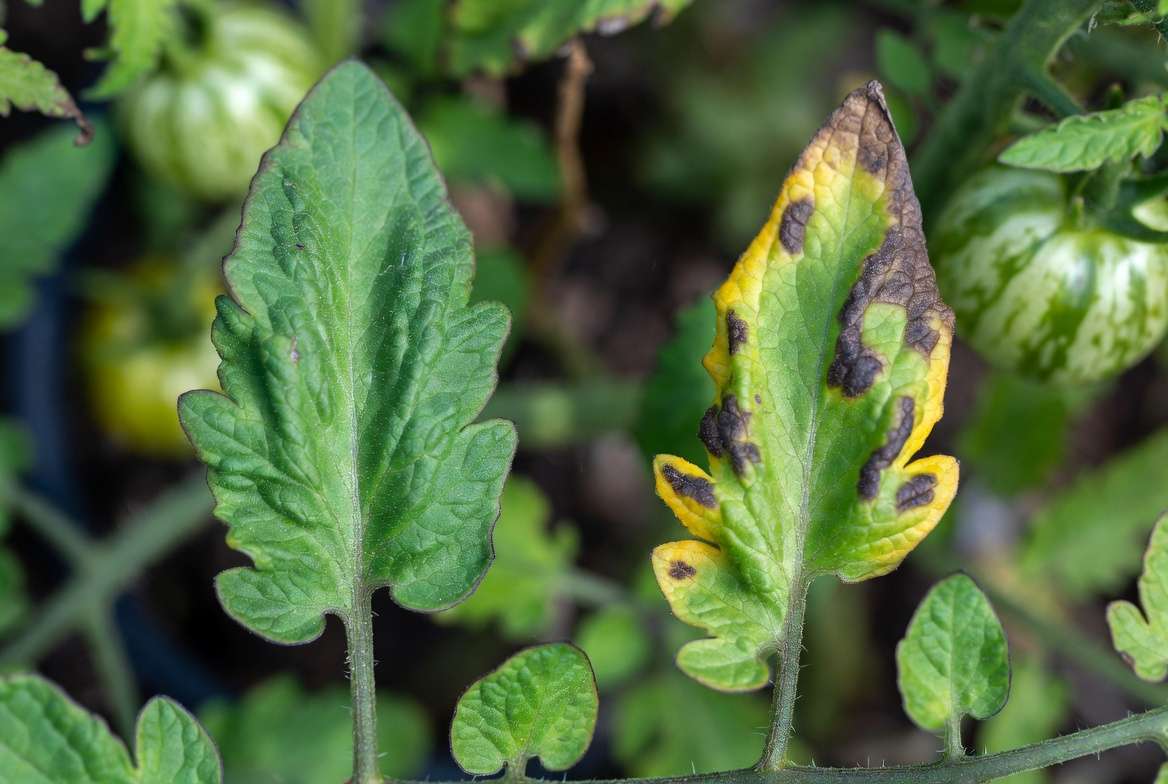
Identifying and Treating Tomato Diseases Watch for early blight (brown spots on lower leaves), late blight (dark lesions), or fusarium wilt (yellowing and wilting). Blossom end rot appears as sunken black spots on fruit bottoms—almost always a calcium uptake issue tied to uneven watering. Septoria leaf spot creates small circular spots. Remove affected leaves promptly and improve circulation.
Preventative Strategies and Organic Solutions Rotate crops yearly, choose disease-resistant companions, and maintain soil health. Copper-based fungicides or baking soda sprays offer organic protection. Proper spacing and pruning reduce humidity-related diseases. Many gardeners successfully grow Mr. Stripey using only organic methods with vigilance.
Troubleshooting Yellow Leaves, Cracking Fruits, and Other Issues Yellow leaves can signal nitrogen deficiency, overwatering, or transplant shock. Cracking often results from irregular watering—mulch and consistency fix this. If fruits aren’t striping well, ensure full sun and adequate potassium. Stunted growth? Check for root-bound containers or cold soil at planting.
Harvesting, Storing, and Enjoying Your Mr. Stripey Tomatoes 🍽️
Signs of Ripeness and Proper Picking Technique Harvest when fruits feel slightly soft and show deep, rich coloration. The stripes become more pronounced as they ripen. Twist gently or use pruners to avoid damaging vines. Pick regularly to encourage more production.
Expected Yield and Harvest Timeline From transplant, expect first fruits around 80 days. A single healthy Mr Stripey plant can produce 20–50+ pounds of tomatoes in a long season with good care—far surpassing many hybrids in flavor if not always in quantity.
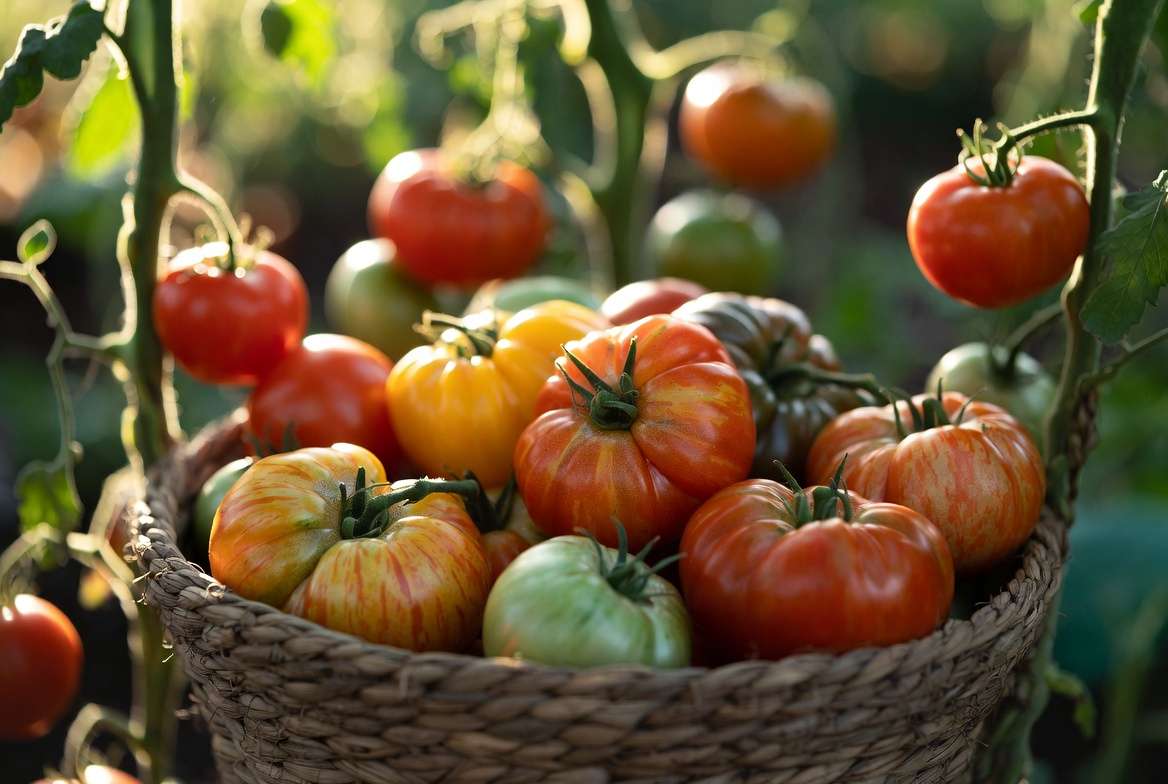
Storage Tips and Preservation Methods Store ripe tomatoes at room temperature out of direct sun for best flavor (refrigeration dulls taste). For longer storage, freeze whole, can as sauce, or dehydrate slices. The sweet flavor shines in salsas, roasted dishes, and fresh preparations.
Delicious Recipe Ideas
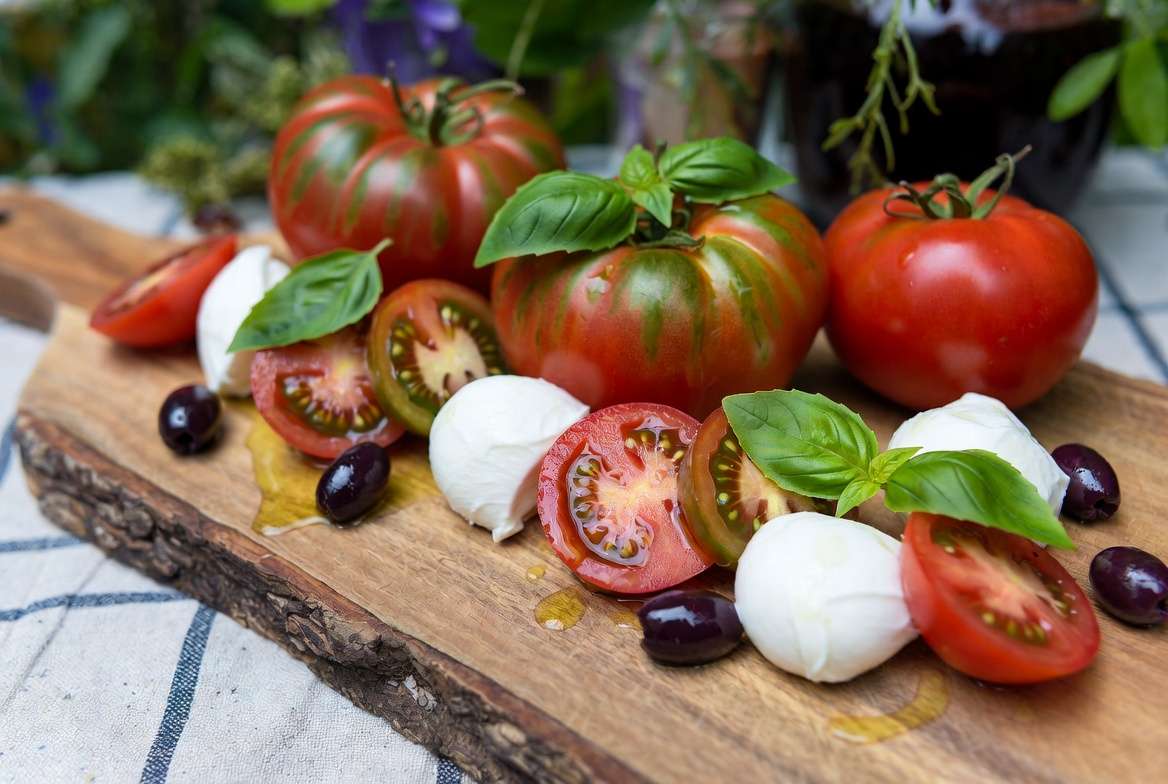
- Classic Caprese Salad: Alternate thick Mr. Stripey slices with fresh mozzarella, basil, olive oil, and balsamic. The color contrast is stunning!
- Grilled Tomato Sandwiches: Thick slices on sourdough with herbs.
- Fresh Tomato Salsa or Bruschetta: Chop with onion, cilantro, and lime.
- Roasted Tomato Sauce: Slow-roast with garlic and herbs for freezing.
These recipes highlight why homegrown Mr Stripey tomatoes elevate everyday meals.
Advanced Tips and Expert Insights for Record-Breaking Harvests 🌟
For seasoned gardeners, consider season extension techniques like high tunnels or greenhouses to push harvests into late fall. Save seeds from the healthiest fruits (ferment pulp for 3–4 days, rinse, and dry) to maintain this open-pollinated heirloom line. Experiment with foliar feeding schedules or biochar soil amendments for even better results in poor soils. Track your yields year-over-year to refine techniques specific to your microclimate. Many commercial and backyard growers report Mr. Stripey as a reliable performer once the calcium and watering balance is mastered.
Frequently Asked Questions (FAQs) ❓
How tall does the Mr Stripey tomato plant grow? It can reach 8–10 feet or taller with proper support and pruning.
Is Mr. Stripey determinate or indeterminate? Indeterminate—vines keep producing all season.
Why are my Mr Stripey fruits not developing stripes? Insufficient sunlight, nutrient imbalance (especially potassium), or temperature stress can reduce striping. Ensure full sun and balanced feeding.
Can I grow Mr Stripey in containers? Yes! Use large pots (5+ gallons) with excellent support and consistent watering.
How do I prevent blossom end rot on Mr Stripey? Maintain even soil moisture, add calcium, and avoid high-nitrogen fertilizers. Mulch helps tremendously.
When should I start Mr Stripey seeds indoors? 6–8 weeks before your last expected frost.
Are Mr Stripey tomatoes good for canning? Absolutely—the low acidity and meaty texture make excellent sauces and salsas, though they shine brightest fresh.
What companions work best with Mr Stripey tomato plants? Basil, marigolds, garlic, and borage are excellent partners.
How do I save seeds from Mr Stripey? Select fully ripe fruits from healthy plants, ferment, rinse thoroughly, and air-dry seeds.
Does Mr Stripey have good disease resistance? Better than many heirlooms, but not immune. Good cultural practices are the best defense.
Conclusion
Growing the Mr Stripey tomato plant rewards patience and care with stunning visual appeal and some of the sweetest, most flavorful tomatoes you’ll ever taste. By following this detailed guide—from proper planting depth and support to vigilant watering and pest management—you’ll overcome common tomato-growing hurdles and enjoy abundant harvests season after season.
Whether you have a spacious backyard plot or a sunny balcony, this heirloom variety brings joy, beauty, and nutrition to your garden. Start planning your Mr Stripey plants today, and don’t forget to share your success stories or photos in the comments below. For more expert plant care guides on heirlooms, companion planting, and sustainable gardening, explore our other articles. Happy gardening! 🌱🍅✨











