
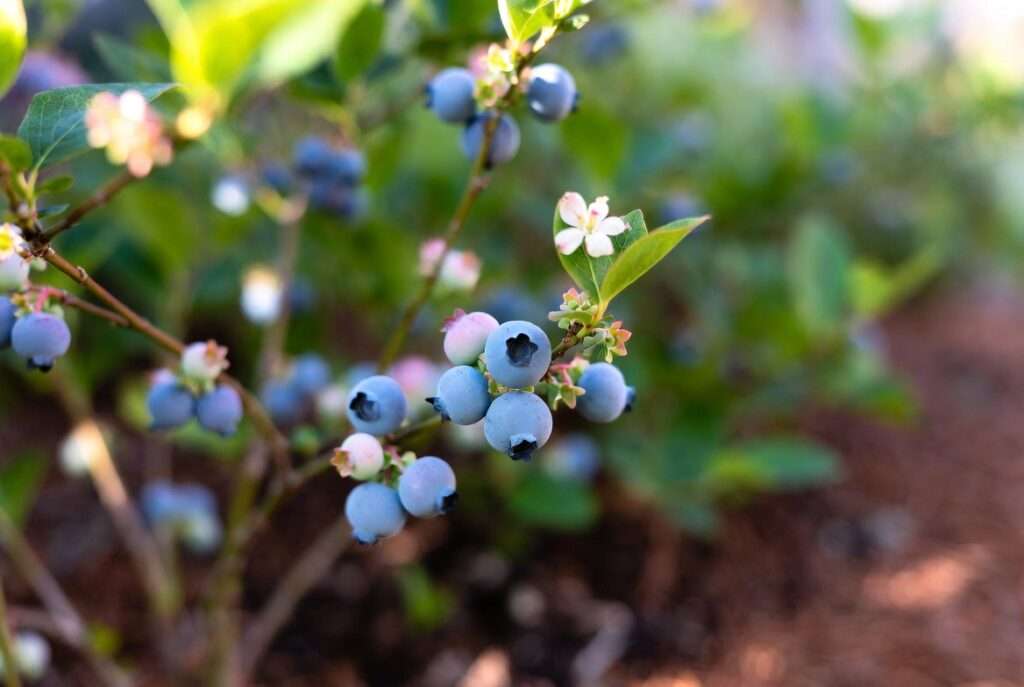
Imagine stepping into your backyard on a warm summer morning, gently pulling clusters of plump, powder-blue berries that burst with sweet-tangy flavor straight from the bush. For many home gardeners in warmer climates, this dream becomes reality with the powder blue blueberry plant — a reliable, high-yielding rabbiteye variety that turns backyard growing into a rewarding harvest season. Whether you’re a beginner dreaming of fresh berries or an experienced gardener seeking more productive bushes, this comprehensive guide will walk you through everything needed for thriving plants and abundant crops.
As a plant care specialist with years of hands-on experience cultivating blueberries across different soil types and climates, I’ve seen firsthand how the right techniques transform average bushes into prolific producers. Backed by recommendations from university extension services like NCSU and LSU AgCenter, this guide goes beyond basic advice. It offers detailed, practical strategies to help you avoid common pitfalls and enjoy years of homegrown success. Let’s dive in and unlock the full potential of your powder blue blueberry plant! ✨
What Is the Powder Blue Blueberry Plant?
The Powder Blue blueberry (scientific name Vaccinium ashei ‘Powderblue’) is a standout rabbiteye blueberry variety prized for its adaptability and delicious fruit. Unlike northern highbush types that demand colder winters, this heat-tolerant gem thrives in USDA Zones 7-9, making it perfect for Southern and warmer gardeners who often struggle with traditional blueberries.
Key Characteristics Powder Blue produces medium-sized berries with an attractive light-blue “powder” bloom that signals excellent quality and shelf life. The fruit has a sweet flavor with just the right touch of tartness, ideal for fresh eating, smoothies, jams, and baking. Mature plants typically reach 6-10 feet tall and wide, developing into attractive, rounded shrubs with pretty white-to-pink spring flowers, lush green foliage, and vibrant fall color. 🍂
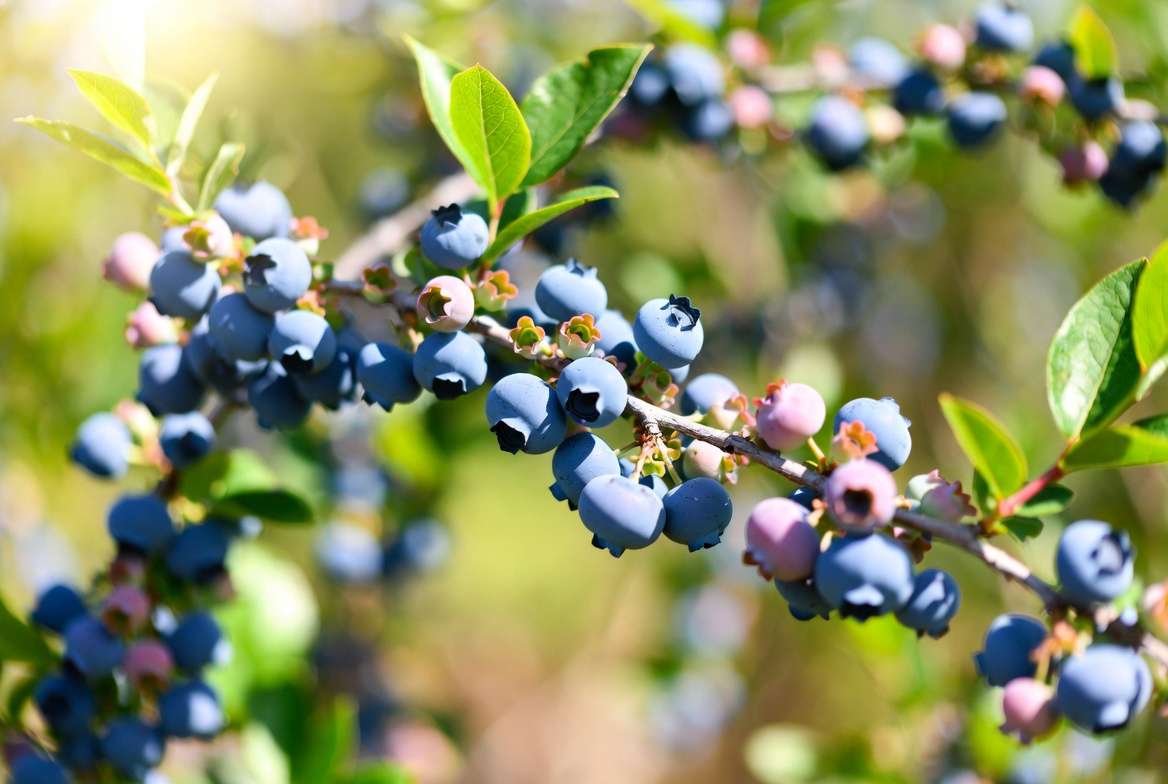
It requires around 600 chill hours (hours below 45°F/7°C) and ripens late in the season — usually late June through July or later depending on your location. This late ripening extends your overall blueberry harvest when paired with earlier varieties. While somewhat self-fertile, cross-pollination with compatible rabbiteye types dramatically boosts fruit set and yield.
Why Choose Powder Blue for Your Garden? Home growers love this variety for several compelling reasons:
- Heat and drought tolerance: Performs better than many highbush varieties in hot summers.
- High productivity: Healthy, mature bushes can yield 10-20+ pounds of fruit annually.
- Disease resistance: Strong performer with fewer issues than some other types when given proper care.
- Versatility: Excellent for in-ground planting, raised beds, or large containers.
- Nutritional benefits: Berries are packed with antioxidants, fiber, and vitamins — a superfood you can grow at home. 🫐
By choosing Powder Blue, you’re investing in a plant that rewards patience and care with years of bountiful, flavorful harvests.
Ideal Growing Conditions for Success
Success with any blueberry starts with matching the plant to the right environment. Powder Blue is forgiving compared to other varieties, but meeting its core needs ensures vigorous growth and heavy fruiting.
Climate and Hardiness Zones
Powder Blue excels in regions with mild winters and long, warm growing seasons. It is well-suited to the Southeast, South, and parts of the West Coast. Avoid areas with extremely harsh winters (below Zone 7) or very short summers. Consistent moisture during fruit development is especially important in hotter climates.
Soil Requirements: The Foundation of Healthy Plants
Blueberries are acid-loving plants. The powder blue blueberry plant demands soil pH between 4.0 and 5.5 (ideally 4.5-5.3). Outside this range, nutrient uptake suffers, leading to yellow leaves (chlorosis) and poor growth.
How to Prepare Your Soil:
- Test your soil pH and nutrients (kits or local extension services work great).
- If pH is too high, incorporate elemental sulfur several months before planting.
- Amend heavy clay or poor soils with generous amounts of organic matter: pine bark, peat moss, and composted leaves.
- Raised beds (12-18 inches high) filled with a 50/50 mix of native soil and acidic amendments are ideal for challenging sites.
Good drainage is non-negotiable — rabbiteye roots are shallow and fibrous but hate “wet feet.” Mulch heavily after planting to retain moisture and suppress weeds. 🌲
Sunlight, Spacing, and Site Selection
Provide full sun (at least 6-8 hours of direct sunlight daily) for maximum flowering and fruit production. Light afternoon shade can help in extremely hot regions.
Space plants 6-10 feet apart to allow good air circulation and room for mature size. Choose a site protected from strong winds, which can damage shallow roots or dry out the soil faster. Avoid low-lying frost pockets if possible.
Step-by-Step Planting Guide
Timing is everything. Plant your powder blue blueberry plant in late winter to early spring (as soon as soil is workable) or in fall in milder areas.
Choosing Plants: Select healthy 2-3 year old nursery stock in containers. Look for strong stems and vibrant leaves — avoid plants with signs of stress.
Planting Process:
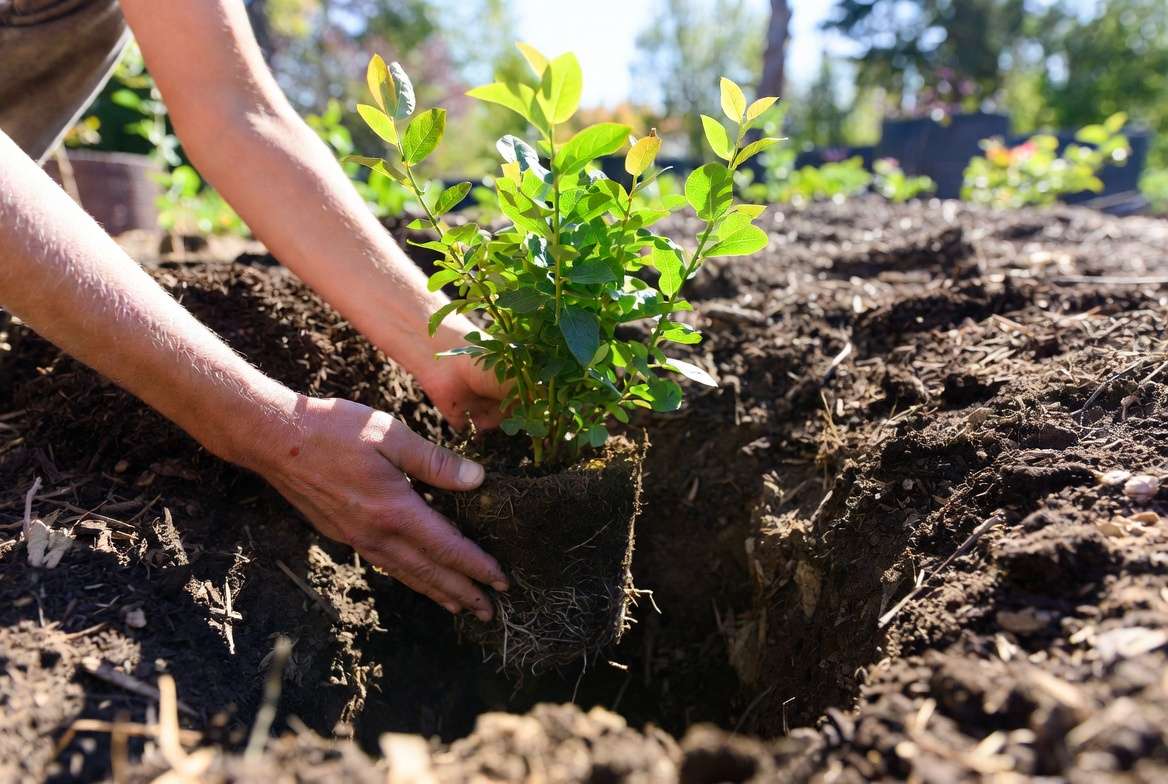
- Dig a hole 2-3 times wider than the root ball but no deeper.
- Gently loosen roots and place the plant so the top of the root ball sits slightly above ground level.
- Backfill with amended soil, firm gently, and water deeply to settle.
- Apply 3-4 inches of acidic mulch (pine needles or shredded bark), keeping it away from the stems.
Water new plants regularly for the first year to establish a strong root system. Many gardeners report their bushes begin producing meaningful crops in year 2-3, with peak yields by year 4-5. Patience truly pays off! 🪴
Pro Tip from Experience: When planting multiple bushes, include at least two different rabbiteye varieties for better pollination. Excellent partners for Powder Blue include Tifblue and Brightwell.
Ongoing Care and Maintenance
Consistent care transforms good plants into great ones. Focus on moisture, nutrition, and structure for your powder blue blueberry plant.
Watering for Consistent Moisture 💧
Blueberries have shallow roots and need even moisture — aim for soil like a wrung-out sponge. Provide about 1-2 inches of water per week, more during dry spells or fruit ripening. Drip irrigation or soaker hoses work wonderfully and minimize leaf wetness that can encourage disease.
Mulch is your best friend: It conserves water, cools roots, and adds organic matter as it breaks down. Reapply annually.
Fertilizing Schedule and Techniques
Use fertilizers formulated for acid-loving plants (azalea/camellia/rhododendron types). Apply in early spring as new growth begins, and again lightly after harvest. Avoid high-nitrogen formulas that promote leaves at the expense of fruit.
Organic gardeners can use cottonseed meal, blood meal, or composted pine bark. Always follow soil test recommendations and water fertilizers in well.
Pruning for Health and Higher Yields ✂️
Pruning is one of the most important yet often overlooked aspects of blueberry care.
- Years 1-3: Remove only dead, damaged, or crossing branches. Focus on establishing a strong framework.
- Mature bushes (Year 4+): Each winter, remove about 20% of the oldest canes (those 5+ years old) at ground level. Thin crowded areas to improve light and air penetration. Aim for an open vase shape.
Proper pruning encourages larger berries, better disease resistance, and easier harvesting. In my experience, well-pruned Powder Blue bushes produce noticeably sweeter and more abundant fruit.
Pollination and Increasing Fruit Set 🐝
While Powder Blue has some self-fertility, planting a compatible pollinator variety nearby can double or triple your harvest. Bees are the primary pollinators — encourage them by avoiding broad-spectrum pesticides and planting nectar-rich flowers nearby.
Managing Pests, Diseases, and Common Problems
Even resilient varieties like Powder Blue benefit from proactive management.
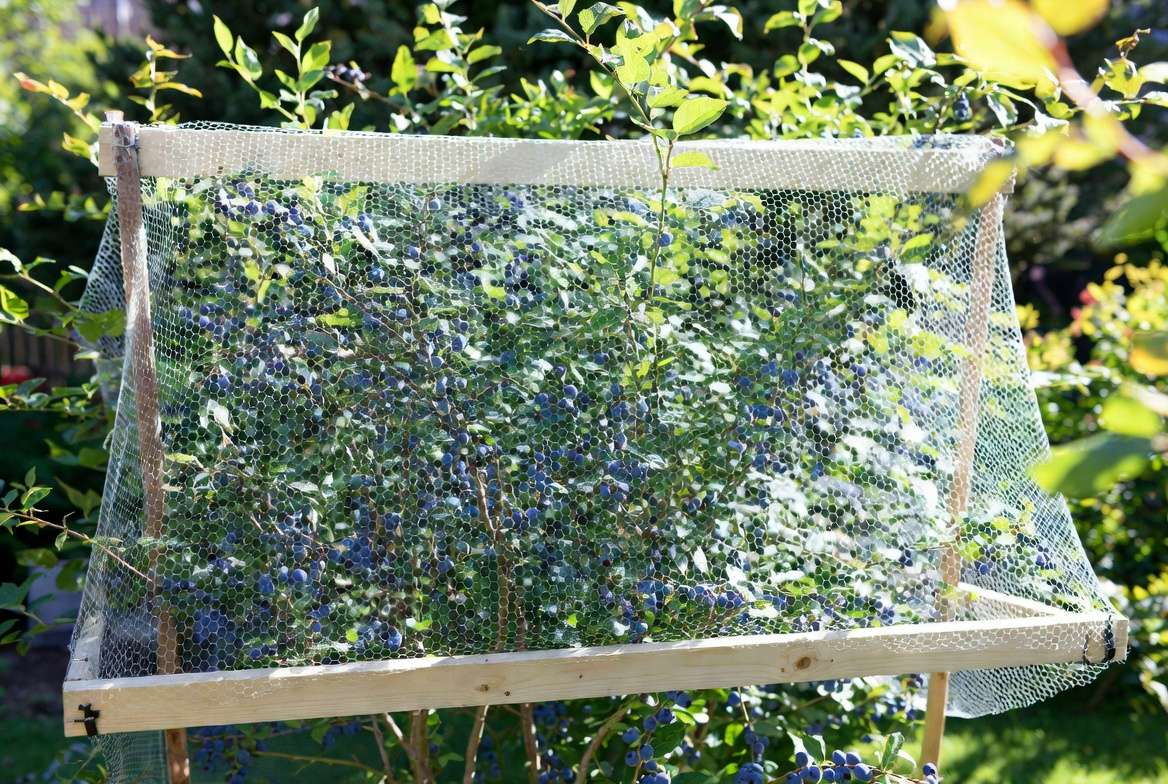
Common Pests: Birds are the biggest threat — use netting as berries begin to color. Spotted wing drosophila can affect late-season fruit; harvest promptly and refrigerate. Other occasional visitors include aphids and Japanese beetles — neem oil or insecticidal soap usually suffices.
Diseases: Mummyberry, fungal leaf spots, and root rot are possible but rare with good cultural practices (proper pH, drainage, and airflow). Remove fallen debris in winter and avoid overhead watering.
Troubleshooting:
- Yellow leaves → Usually pH or iron deficiency.
- Few berries → Check pollination, sunlight, or age of plant.
- Slow growth → Soil test and adjust amendments.
A simple diagnostic table or checklist can save seasons of frustration.
Harvesting and Enjoying Your Berries 🫐
The most rewarding part of growing a powder blue blueberry plant is harvest time! Berries typically ripen over several weeks in late June to July (or later in cooler microclimates). Wait until they turn a deep powder blue and detach easily with a gentle twist — this ensures peak sweetness and flavor.
Harvesting Tips:
- Pick every few days to encourage continued production.
- Harvest in the morning when berries are firm and cool.
- Use shallow containers to avoid crushing fruit.
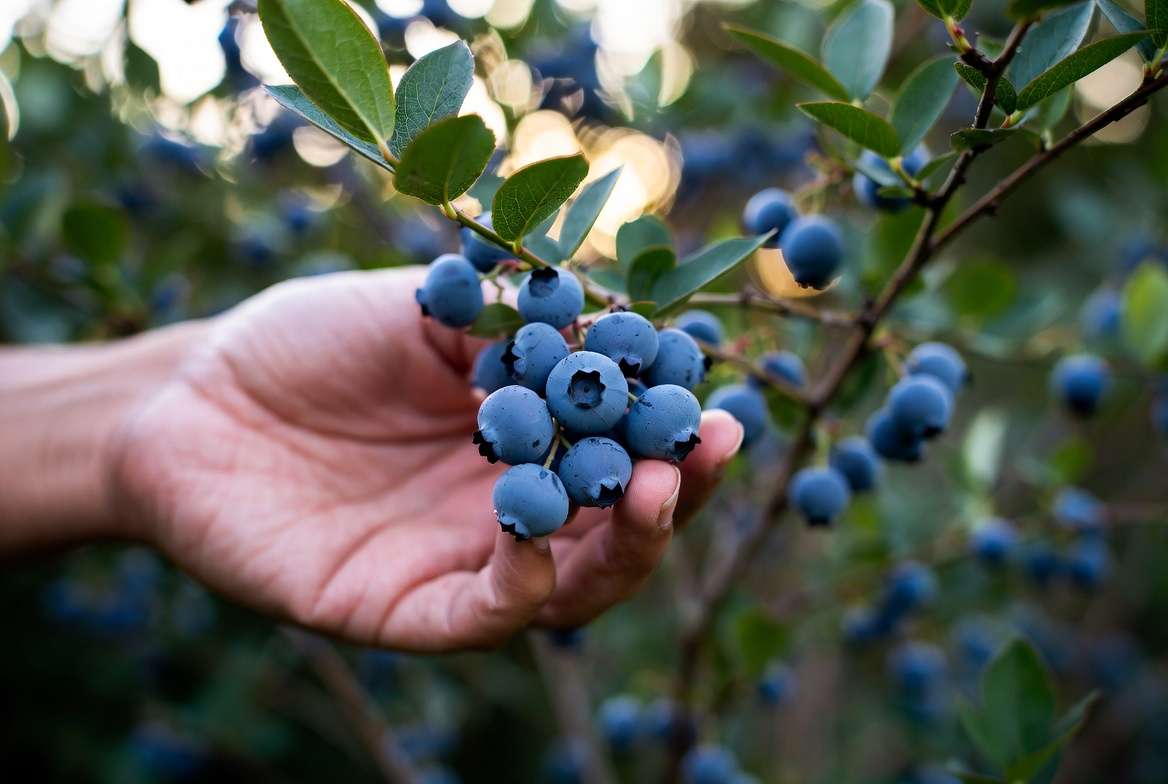
A mature, well-cared-for bush can yield 10-20 pounds or more annually. Store fresh berries in the refrigerator for up to a week or freeze them for year-round enjoyment in smoothies, muffins, sauces, and desserts. The light-blue powder bloom helps protect the fruit during handling.
Pro Tip: Berries left on the bush longer develop even richer flavor, but watch for birds and insects. Netting systems or reflective tape can protect your hard-earned harvest.
Propagation and Expanding Your Blueberry Patch
Once you’ve mastered growing Powder Blue, you may want to propagate more plants for friends, family, or to enlarge your edible garden.
Easy Methods:
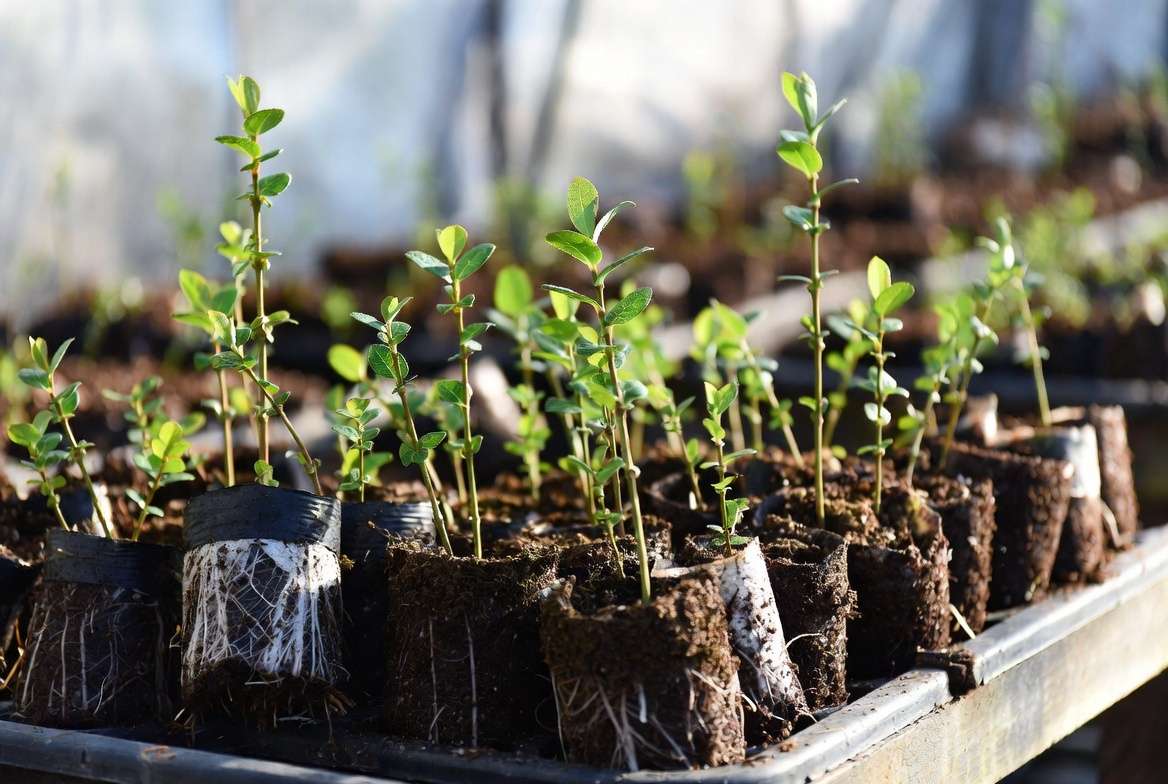
- Softwood cuttings in late spring/early summer: Take 4-6 inch cuttings from healthy new growth, dip in rooting hormone, and place in a moist, acidic medium under high humidity.
- Layering: Bend a low branch to the ground, wound it slightly, and cover with soil/mulch until roots form.
- Division (less common): For older clumps.
Success rates improve with bottom heat and consistent moisture. Propagated plants take 2-3 years to reach productive size, so patience remains key. Many gardeners expand their patch over time, creating beautiful blueberry hedges that serve as both food source and landscape feature. 🌳
Seasonal Care Calendar
Winter (Dormant Season): Prune, apply dormant oil if needed, and test soil. Protect young plants from extreme cold with mulch. Spring: Fertilize as buds swell, monitor for new growth and pests. Summer: Consistent watering and mulching are critical during fruit development. Harvest regularly. Fall: Reduce watering as plants prepare for dormancy. Add fresh mulch and enjoy fall foliage color.
Following this rhythm helps your powder blue blueberry plant stay healthy year after year.
Advanced Tips for Bountiful, Long-Term Harvests
Drawing from extensive practical experience and extension research, here are insights that elevate your results:
- Soil Health Over Time: Blueberries benefit from gradual organic matter buildup. Annual top-dressing with composted pine bark maintains acidity and microbial activity.
- Integrated Pest Management (IPM): Combine cultural practices, monitoring, and minimal targeted interventions for sustainable gardening.
- Flavor Enhancement: Slight water stress (carefully managed) just before ripening can concentrate sugars.
- Container Growing: For patios or small spaces, use large pots (minimum 20-25 gallons) with acidic potting mix. Repot or refresh soil every 2-3 years. Choose dwarfing rootstocks or keep plants pruned. 🪴
These techniques help Powder Blue bushes remain productive for 15-30+ years — far outlasting many other garden plants.
Frequently Asked Questions (FAQs)
How long does it take for a powder blue blueberry plant to produce fruit? Most bushes start light production in year 2-3 and reach full potential by year 4-6 with proper care.
Can Powder Blue grow in clay soil? Not ideally. Raised beds or containers with amended acidic mix are strongly recommended for heavy soils.
Why are my berries small or few? Common causes include insufficient pollination, low sunlight, improper pH, drought stress, or young plant age. Cross-pollinators and consistent care usually resolve this.
Is Powder Blue self-pollinating? It has partial self-fertility but produces significantly better yields with a compatible rabbiteye pollinator nearby.
What’s the best fertilizer for blueberries? Acid-specific, slow-release formulas or organic options like cottonseed meal. Follow soil test results.
How do I protect berries from birds? Physical netting is most effective once fruit begins coloring.
Can I grow Powder Blue in containers? Yes! Use large pots, acidic mix, and ensure excellent drainage with consistent moisture.
What are common signs of nutrient deficiency? Yellowing leaves with green veins often indicate iron chlorosis from high pH.
How much water do established plants need? 1-2 inches per week, adjusted for rainfall and temperature. Deep, infrequent watering is better than daily light sprinkles.
Are Powder Blue berries good for freezing? Absolutely — they freeze beautifully and retain flavor and nutrition for months.
Conclusion: Start Your Powder Blue Blueberry Journey Today
The powder blue blueberry plant offers one of the most satisfying experiences in home gardening: beautiful shrubs, pollinator support, and buckets of nutritious, delicious berries. By following this detailed guide — from proper soil preparation and planting to expert pruning and harvest techniques — you’ll set yourself up for years of success and bountiful harvests.
Whether you have a spacious backyard or a sunny patio, these resilient rabbiteye bushes can become a cornerstone of your edible landscape. Take the first step today: test your soil, source quality plants, and give them the acidic, well-drained conditions they crave.
Your future self (and taste buds) will thank you when you’re harvesting sweet, homegrown blueberries straight from the garden. Happy growing! 🌟🫐
If you found this guide helpful, explore our other plant care articles on soil amending, companion planting, and more berry varieties. Share your Powder Blue success stories in the comments — we love hearing from fellow gardeners.











