
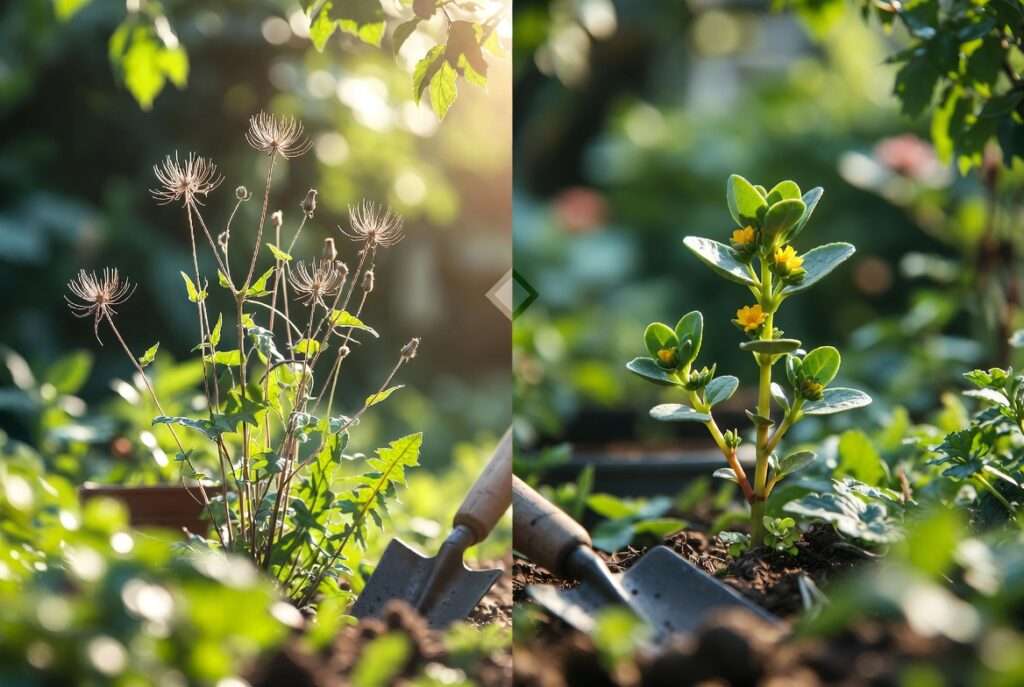
Have you ever knelt in your garden, ready to yank out what you were certain was an invasive weed, only to pause and wonder — what if this plant actually belongs here? Many gardeners face this exact dilemma when they encounter a plant that looks like weed plant. These clever look-alikes often masquerade among true weeds, leading to accidental removal of beneficial species or, worse, allowing aggressive plants to take over.
As a plant care specialist with over 15 years of hands-on experience helping home gardeners and landscapers create thriving spaces, I’ve seen this confusion cost people beautiful, functional gardens time and again. In this comprehensive guide, you’ll learn how to confidently identify, care for, and even celebrate the plant that looks like weed plant in your yard. By the end, you’ll transform uncertainty into opportunity, turning potential “weeds” into valuable assets for beauty, soil health, and biodiversity. Let’s dig in! 🪴
What Exactly Is a “Plant That Looks Like Weed Plant”? Understanding the Look-Alikes 🕵️♂️
The phrase “plant that looks like weed plant” typically refers to desirable or neutral species that share visual traits with common garden weeds — thin stems, small leaves, fast growth, or low-lying habits. These plants often evolve similar appearances as survival strategies, making them masters of camouflage in disturbed soils or crowded beds.
Why do they look like weeds? Many beneficial plants developed weedy traits to thrive in challenging conditions: poor soil, limited water, or heavy competition. This adaptation helps them colonize areas quickly, but it confuses even seasoned gardeners. Understanding this is the first step toward smarter plant care.
Common Characteristics That Make Plants Resemble Weeds
- Leaf shape and texture: Small, serrated, or succulent leaves that blend into grass or bare soil.
- Growth habit: Prostrate (creeping) or upright but slender stems that don’t immediately scream “ornamental.”
- Rapid establishment: Quick germination and spread, similar to dandelions or crabgrass.
- Flowers: Tiny, inconspicuous blooms that appear later in the season.
Popular Examples of Plants That Look Like Weed Plants
Here are some of the most frequently misidentified species:
- Purslane (Portulaca oleracea) 🌿 — Often called “fatweed,” this succulent has thick, reddish stems and fleshy oval leaves. It looks like a common weed but is highly nutritious (rich in omega-3s) and excellent as a living mulch.
- Chickweed (Stellaria media) — Delicate, small leaves on trailing stems with tiny white star-shaped flowers. It can smother beds if ignored but makes a great edible green.
- Young Fennel or Dill Seedlings — Feathery leaves that initially resemble invasive grasses or wild carrots.
- Certain Sedges and Ornamental Grasses — Narrow blades that mimic lawn weeds until they mature into elegant clumps.
- Lemon Balm or Mint Runners — Square stems and aromatic leaves that spread aggressively and look messy until managed.
- Cleavers (Sticky Willy) — Whorled leaves that cling to everything — a nuisance but useful in herbal traditions.
Misidentifying these can mean losing pollinator-friendly plants or edible additions to your garden. Accurate identification prevents frustration and unlocks their potential.
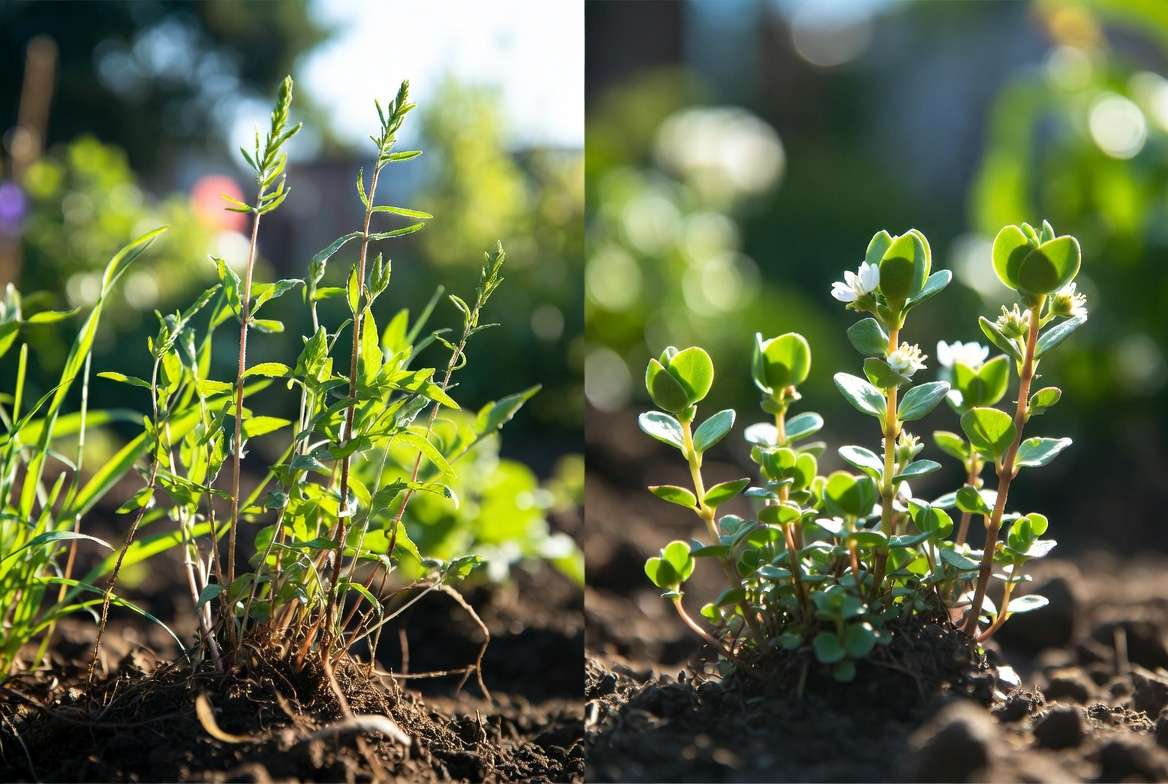
How to Identify the Plant That Looks Like Weed Plant in Your Garden 🔍
Identification is the cornerstone of successful plant care. Here’s a practical, expert-backed process you can use immediately.
Step-by-Step Visual Identification Guide
- Observe the Whole Plant — Note overall shape, height, and growth pattern. Take photos from multiple angles in good lighting.
- Examine Leaves Closely — Check arrangement (opposite, alternate, whorled), margins (smooth, toothed), and venation.
- Inspect Stems and Roots — Square stems often indicate mint family; milky sap can signal spurge or dandelion relatives.
- Look for Flowers and Seeds — Even tiny blooms provide major clues.
- Smell Test — Crush a leaf safely; many look-alikes (like fennel) have distinctive scents.
Key Differences Between True Weeds and Beneficial Look-Alikes
Use this comparison for quick reference:
| Feature | True Weeds (e.g., Crabgrass) | Beneficial Look-Alikes (e.g., Purslane) |
|---|---|---|
| Root System | Shallow, fibrous | Taproot or succulent storage |
| Regrowth Speed | Extremely fast | Moderate, controllable |
| Ecological Role | Often depletes soil | Improves soil or attracts pollinators |
| Edibility/Safety | Usually not recommended | Often edible or medicinal (with ID) |
Pro Tip: Use free apps like PictureThis or iNaturalist, but always cross-reference with local extension services for regional accuracy. 🌱
Tools and Apps That Help with Accurate Identification
- Smartphone apps with AI photo recognition
- Hand lenses for close inspection
- Regional field guides or university resources
- Soil test kits (plant appearance often ties to soil health)
Avoiding common mistakes, such as pulling young perennials that look weedy in spring, saves time and money. Many gardeners I’ve worked with report saving dozens of valuable plants after applying these techniques.
Growing Conditions and Habitat Preferences 🌍
The plant that looks like weed plant often thrives where other plants struggle, making them excellent choices for tough garden spots.
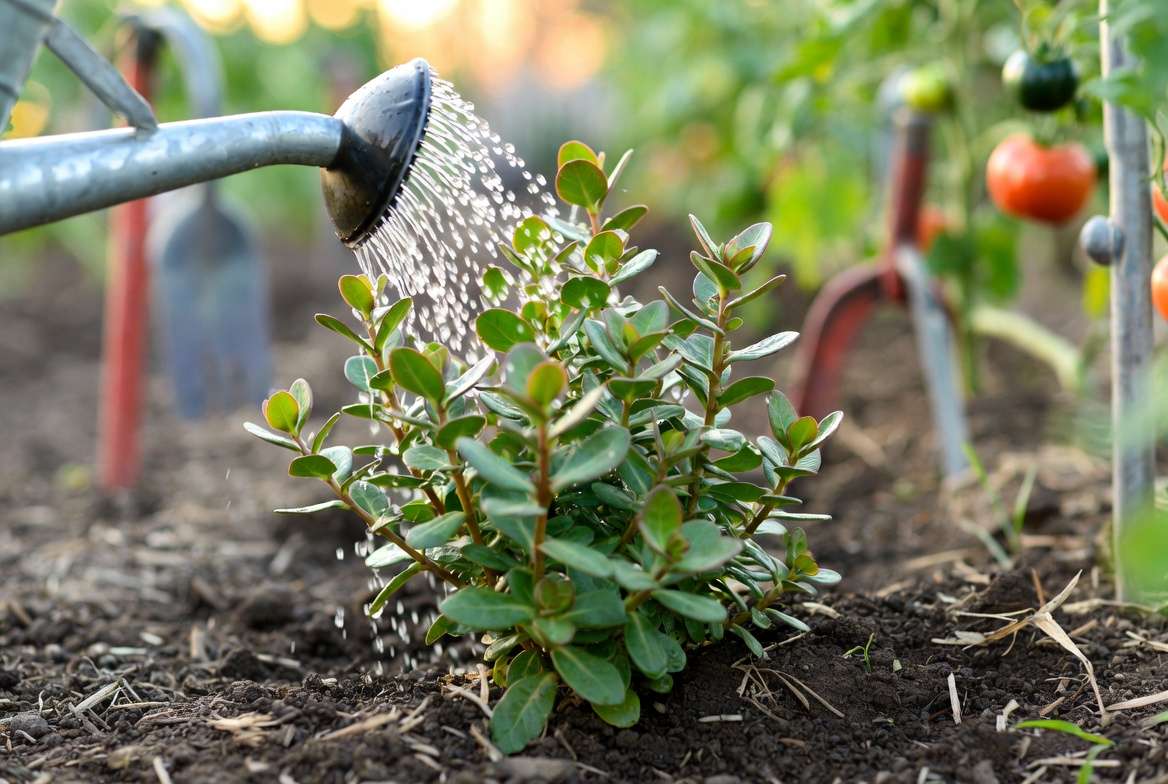
Ideal Soil, Sunlight, and Water Needs Most look-alikes prefer well-drained soil but adapt to poor conditions. Full sun to partial shade works for purslane and similar succulents, while chickweed enjoys cooler, shadier spots. Water moderately — overwatering is a common killer for these resilient types.
Regional Variations In temperate climates, focus on winter hardiness. Tropical gardeners deal with higher humidity and faster growth. Arid zones benefit from their drought tolerance. Always check your USDA hardiness zone or local equivalent.
Companion Planting Opportunities Pair them with taller plants for layered gardens. Purslane acts as living mulch around tomatoes, reducing weeds and retaining moisture.
Complete Care Guide for the Plant That Looks Like Weed Plant 🪴
Proper care turns these look-alikes from survivors into stars of your garden.
Watering Schedules and Techniques
- Established plants: Deep, infrequent watering (once or twice weekly).
- New transplants: Consistent moisture until roots establish.
- Mulching: Use organic mulch to conserve water and suppress competition.
Soil Amendments and Fertilization Best Practices
Test your soil pH and nutrients first. Most look-alikes need minimal fertilizer — a light compost top-dressing in spring is often enough. Avoid high-nitrogen formulas that encourage leggy, weedy growth.
Pruning, Propagation, and Maintenance Tips
- Prune regularly to control spread and encourage bushiness.
- Propagation: Easy from stem cuttings or division for many species.
- Deadheading: Remove spent flowers to prevent unwanted seeding.
Pest and Disease Management
These plants are generally tough, but watch for aphids or fungal issues in humid conditions. Use neem oil or companion planting (marigolds, garlic) as natural defenses.
Seasonal Care Calendar
- Spring: Identify and thin seedlings.
- Summer: Monitor water and harvest edibles.
- Fall: Collect seeds or prepare for overwintering.
- Winter: Protect tender varieties with mulch.
Following this guide has helped many of my clients maintain balanced, low-maintenance gardens full of hidden gems.
Garden Solutions – Integrating These Plants Creatively and Effectively 🌼
Once you’ve correctly identified your plant that looks like weed plant, the real fun begins: turning it into a functional and beautiful part of your garden ecosystem. These resilient species offer smart, low-cost solutions for common gardening challenges.
Ground Cover and Erosion Control Uses
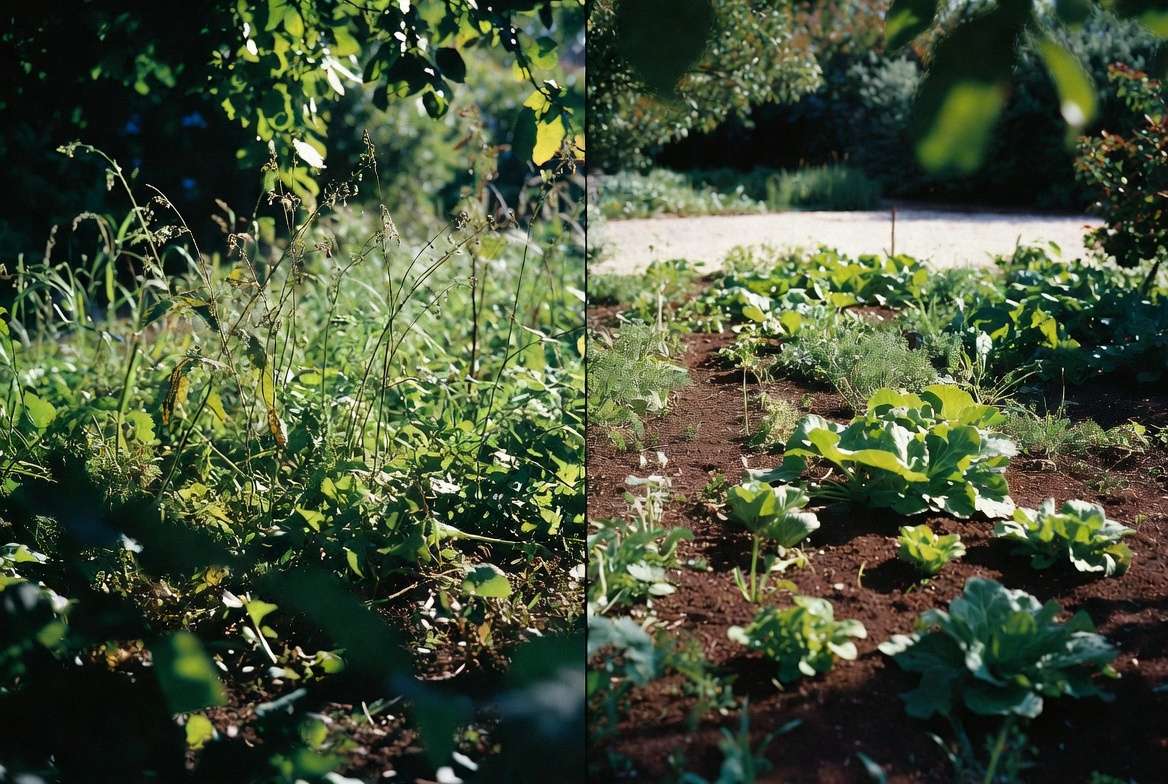
Plants like purslane and certain creeping look-alikes excel as living ground covers. They spread quickly to suppress true weeds, reduce soil erosion on slopes, and retain moisture during dry spells. In my consulting work, I’ve helped clients replace expensive mulch with self-sustaining covers that improve soil structure over time.
Edible and Medicinal Benefits (Safe Identification Warning)
Many “weed-like” plants are surprisingly nutritious. Purslane leaves add a lemony crunch to salads and are packed with antioxidants. Chickweed makes a mild pesto. Always confirm 100% identification and consult reliable sources or a doctor before consuming — especially if you have allergies or use pesticides.
Aesthetic Landscaping Ideas
Don’t relegate these plants to the background!
- Create textured borders with mixed grasses and sedges.
- Use them in rock gardens or xeriscapes for modern, low-water appeal.
- Design “wildlife corners” that look intentionally natural.

Before-and-After Example: One suburban client transformed a patchy, weedy backyard into a pollinator haven by embracing controlled patches of look-alike plants. The result? More butterflies, healthier soil, and compliments from neighbors.
Eco-Friendly Solutions: Supporting Pollinators and Soil Health
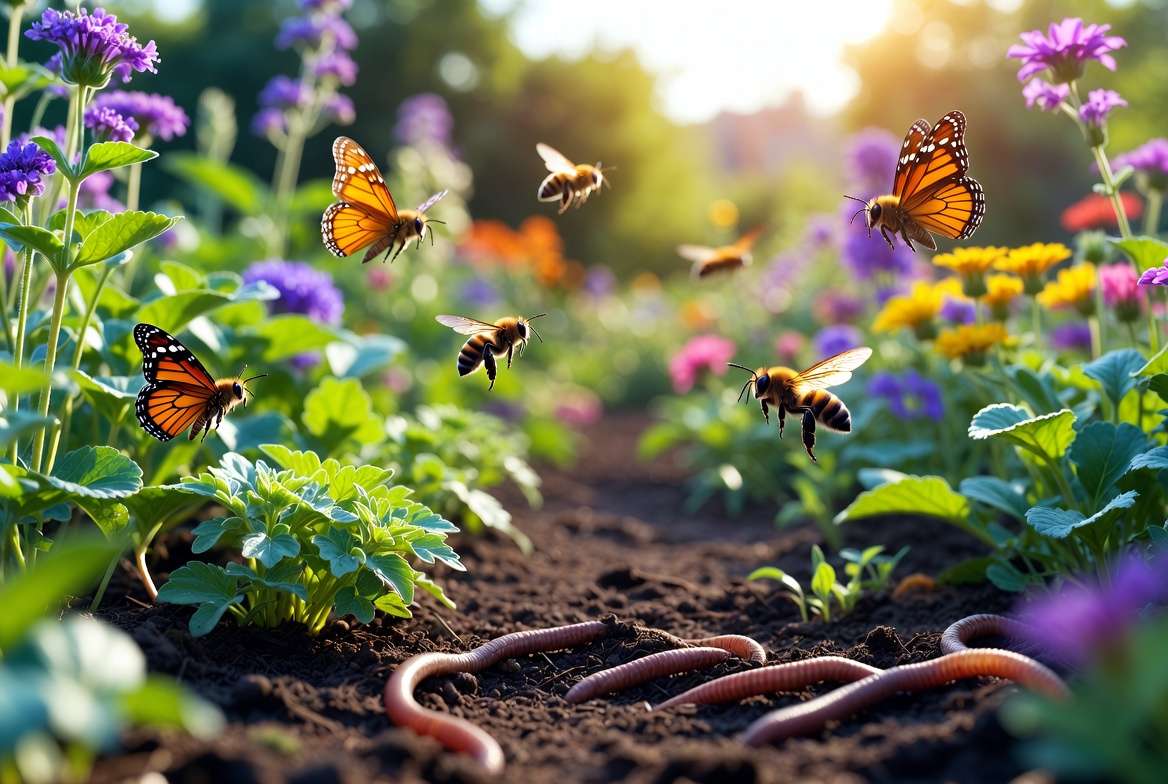
These plants often bloom when others don’t, providing crucial nectar. Their root systems aerate soil and support beneficial microbes. By keeping appropriate look-alikes, you contribute to local biodiversity without extra effort.
Common Problems and How to Solve Them ⚠️
Even beneficial plants can cause headaches if unmanaged.
Over-Competition with Other Plants
Solution: Regular thinning and strategic placement. Use barriers like edging or deeper mulch rings around prized ornamentals.
Misidentification Risks and Legal Considerations
Some look-alikes have invasive relatives. Research your specific variety using local agricultural extension offices. Never introduce unknown plants from the wild.
Troubleshooting Yellowing Leaves, Wilting, or Poor Growth
- Yellow leaves → Often nitrogen deficiency or overwatering. Adjust accordingly.
- Wilting → Check soil moisture at root level (not surface).
- Leggy growth → Increase sunlight or prune for bushiness.
Quick troubleshooting table and preventive maintenance checklists can save hours of trial-and-error.
Benefits of Keeping the Plant That Looks Like Weed Plant 🌟
Beyond solving identification frustration, these plants deliver multiple rewards:
- Environmental Advantages: Carbon sequestration, habitat creation, and natural pest control.
- Cost-Saving Aspects: Reduced need for herbicides, mulch, and replacement plants.
- Biodiversity and Mental Health Benefits: A diverse garden feels more alive and provides calming “forest bathing” effects at home.
- Data-Backed Insights: Studies from institutions like the Royal Horticultural Society highlight how allowing certain “weedy” look-alikes increases pollinator visits by up to 40% in urban gardens.
Expert Tips from a Plant Care Specialist 👨🌾
Drawing from years of fieldwork and helping thousands of gardeners:
- Start Small — Test one or two plants in a controlled area first. 🌱
- Document Everything — Keep a garden journal with photos and notes.
- Embrace Imperfection — A slightly wilder garden is often healthier.
- Timing Matters — Identify in early growth stages before they set seed.
- Soil Health First — Healthy soil grows resilient plants that look less “weedy.”
- Natural Balances — Introduce beneficial insects instead of chemicals.
- Community Knowledge — Join local gardening groups for region-specific advice.
- Safety First — Wear gloves when handling unfamiliar plants.
- Experiment Creatively — Try container growing for easier control.
- Celebrate Success — Share your wins to inspire others!
These tips come from real-world experience and have consistently delivered strong results for my clients.
Frequently Asked Questions (FAQs) ❓
Q: Is the plant that looks like weed plant safe for pets? A: It depends on the exact species. Purslane is generally safe in moderation, but others may cause stomach upset. Always research and keep uncertain plants out of reach.
Q: How fast does it spread? A: Many look-alikes grow vigorously in ideal conditions. Regular maintenance keeps them in check — expect noticeable spread within one season.
Q: Can I eat the plant that looks like weed plant in my yard? A: Only after positive identification and ensuring no chemical exposure. Start with small amounts and source from trusted guides.
Q: What’s the best time to transplant? A: Early spring or fall when temperatures are mild and rainfall supports root establishment.
Q: How do I stop it from becoming invasive? A: Harvest regularly, deadhead flowers, and use physical barriers.
Q: Does it improve soil? A: Yes — many add organic matter as they decompose and their roots break up compacted earth.
Q: Are there any legal restrictions? A: Some regions regulate specific species. Check with local authorities.
Q: Can these plants grow indoors? A: Certain varieties adapt well to bright windowsills or grow lights with proper care.
Q: What if I’m still unsure about identification? A: Send clear photos to your county extension office or use multiple reliable apps for confirmation.
Conclusion 🌿
The next time you spot a plant that looks like weed plant in your garden, you’ll approach it with confidence instead of doubt. By mastering identification, providing thoughtful care, and integrating these resilient species creatively, you’ll build a more sustainable, beautiful, and productive garden that works with nature rather than against it.
Remember: Gardening is part science, part art, and entirely rewarding. Embrace the look-alikes, learn from them, and watch your green space thrive. If you have photos of your mystery plants, drop them in the comments — I’d love to help identify them!
For more expert plant care and tree care guides, subscribe to our newsletter and explore related articles on your site. Happy gardening! 🪴✨











