
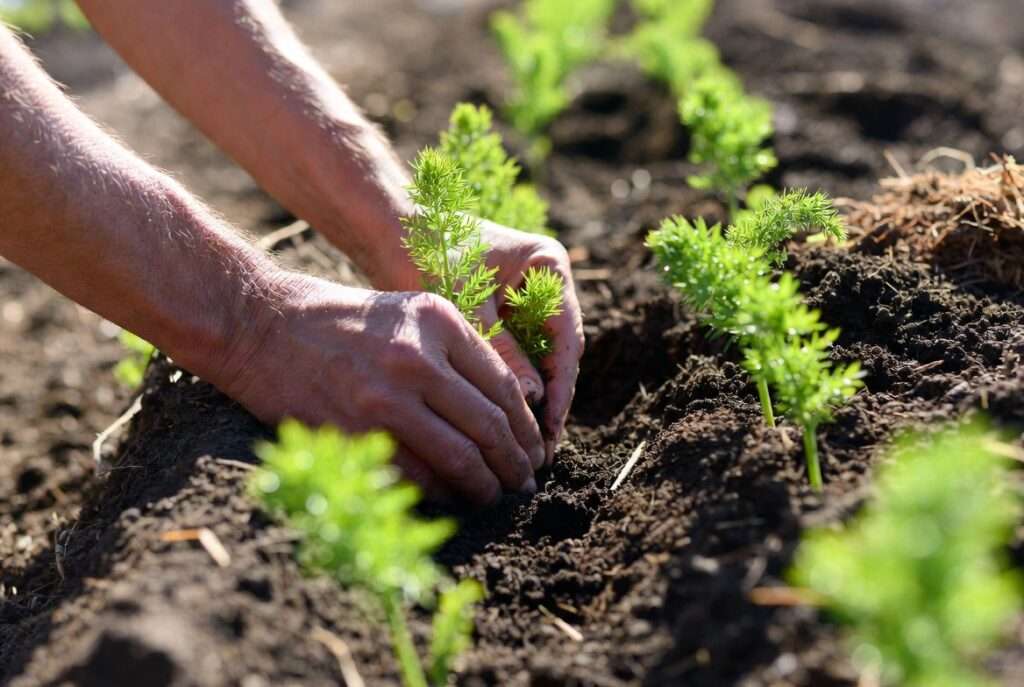
Imagine biting into a tender, fresh-picked asparagus spear from your own garden—sweet, crisp, and far superior to anything from the store. Now picture that bounty returning year after year for decades with minimal effort. For many home gardeners, planting asparagus seedlings is the rewarding first step toward this delicious reality. Yet, the process can feel intimidating, with risks of poor establishment, weak roots, or disappointing early harvests.
As a gardening expert with over 15 years of hands-on experience growing perennial vegetables in diverse climates, I’ve helped countless gardeners successfully establish productive asparagus beds from seedlings. This comprehensive guide walks you through every detail, from site preparation to long-term care, so you can avoid common pitfalls and enjoy a thriving, abundant harvest. Whether you’re a beginner or seasoned grower, these proven techniques will set your asparagus patch up for success. Let’s dig in! 🥕
Why Grow Asparagus from Seedlings? Benefits and Considerations 🏆
Asparagus (Asparagus officinalis) is a true garden treasure—a perennial vegetable that can produce for 15 to 30 years once established. Starting from seedlings rather than crowns offers unique advantages that many overlook.
Seedlings vs. Crowns: Making the Right Choice Crowns (dormant root clusters) are popular because they speed up the timeline to first harvest by a year. However, growing asparagus from seedlings gives you greater control over variety selection, often at a lower cost, and potentially stronger genetic diversity. Seedlings allow you to start with fresh, vigorous plants tailored to your specific climate and soil.
In my experience, gardeners who invest time in healthy seedlings frequently end up with more robust, disease-resistant beds. The trade-off? Patience. You’ll typically wait until the third year for a meaningful harvest, but the long-term rewards are immense.
Key benefits of planting asparagus seedlings include:
- Access to a wider range of hybrid varieties with improved rust resistance or unique flavors (like purple spears).
- Cost savings— a packet of seeds can yield dozens of plants.
- Satisfaction of nurturing plants from the very beginning.
If space or time is limited, crowns might suit you better. But for a truly personalized, sustainable patch, seedlings are an excellent choice. 🌿
Choosing the Best Asparagus Varieties for Your Garden 🌟
Success begins with the right genetics. Not all asparagus varieties perform equally in every region.
Top Recommended Varieties:
- Jersey Knight: All-male hybrid, highly productive, rust-resistant, and excellent for many climates. Spears are thick and uniform.
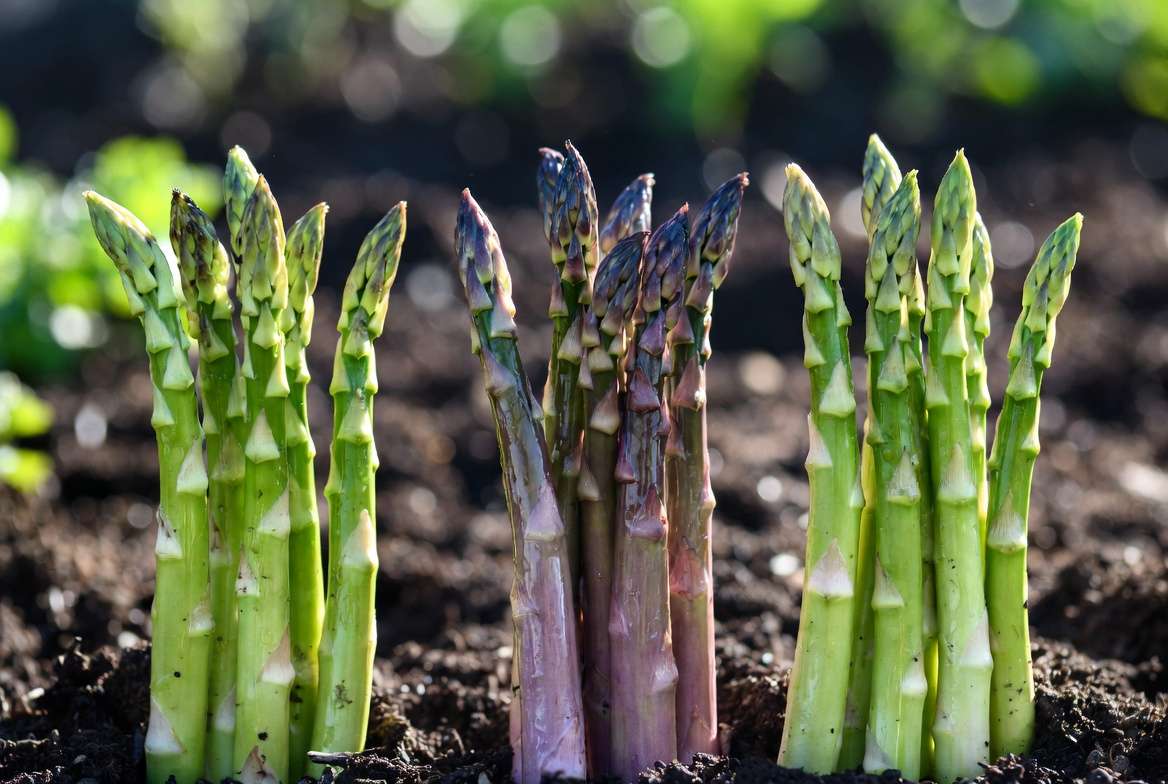
- Purple Passion: Sweet, nutty flavor with striking purple spears that turn green when cooked. Great for smaller gardens.
- Mary Washington: Heirloom favorite, reliable performer with good flavor.
- Jersey Supreme or Millennium: Modern hybrids prized for vigor and high yields in cooler or challenging conditions.
Consider your USDA hardiness zone, soil drainage, and disease pressures when selecting. All-male hybrids often outperform in productivity since they don’t waste energy on seed production. Source seeds or started seedlings from reputable suppliers to ensure viability and true-to-type plants.
Pro Tip: Start small if you’re new—aim for 10–20 plants initially. You can always expand your asparagus bed later!
Preparing for Success: Site Selection and Soil Preparation 🛠️
Asparagus is a long-term investment, so choosing the right spot is critical.
Ideal Location for Your Asparagus Bed Select a permanent area that receives full sun (at least 6–8 hours daily) and has excellent drainage. Avoid low-lying spots prone to waterlogging, as “wet feet” can lead to root rot. Position the bed at the edge of your vegetable garden so it won’t interfere with annual crop rotation.
Rows should run north-south for even sunlight. Plan for generous spacing: plants 12–18 inches apart within rows, with rows 4–5 feet apart to allow easy access and airflow.
Soil Testing, Amendments, and pH Optimization Asparagus thrives in slightly acidic to neutral soil with a pH of 6.5–7.5. Conduct a soil test through your local extension service or a reliable kit.
Incorporate plenty of well-aged compost or organic matter to improve structure and fertility. For heavy clay soils, add coarse sand or raised bed mix to enhance drainage. In sandy soils, focus on building organic content to retain moisture and nutrients.
Work amendments into the top 12–18 inches of soil. Some gardeners create dedicated raised beds 12–18 inches high for perfect control. A well-prepared asparagus bed with rich, loose soil sets the foundation for deep, extensive root systems that sustain the plants for decades.
Starting Asparagus Seeds Indoors (If Applicable) 🌱
Many gardeners start seeds indoors 12–14 weeks before the last expected frost for stronger transplants.
Step-by-Step Indoor Start:
- Soak seeds in lukewarm water for 12–24 hours to speed germination.
- Sow in a sterile seed-starting mix, ½ inch deep, at 70–85°F soil temperature (use a heat mat for best results).
- Expect germination in 10–21 days—be patient!
- Provide strong light (grow lights) to prevent leggy seedlings.
- Pot up into larger containers as they grow, then harden off gradually before transplanting.
Healthy seedlings with sturdy stems and deep roots transplant best. This method gives you a head start and higher success rates in shorter growing seasons.
Step-by-Step: How to Plant Asparagus Seedlings 🌿
This is the heart of the guide—planting asparagus seedlings correctly ensures quick establishment.
Best Time to Transplant Transplant after all danger of frost has passed and soil has warmed to at least 50°F. In many regions, this falls in mid-to-late spring.
Preparing the Planting Trench or Holes The traditional trench method works beautifully for seedlings too. Dig trenches 6–8 inches deep (shallower in heavy clay, deeper in well-drained soil) and 12–18 inches wide. Loosen the soil at the bottom and create a slight mound or ridge along the center.
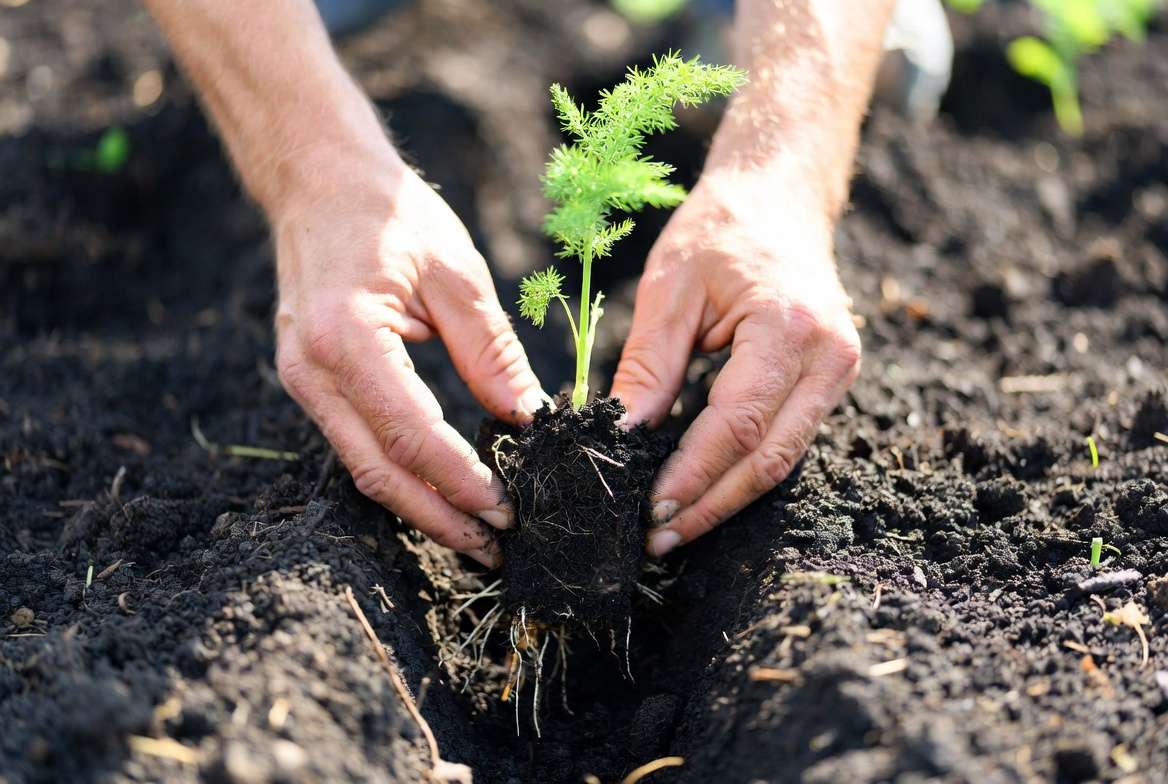
Transplanting Technique – Detailed Steps
- Gently remove seedlings from pots, handling roots carefully to minimize disturbance.
- Place seedlings on the mound, spreading roots naturally downward. For seedlings, the crown (where roots meet the stem) should end up 4–6 inches below the final soil level, depending on soil type.
- Space plants 12–18 inches apart in the row.
- Backfill gradually with 2–3 inches of soil initially, then add more as plants grow taller during the first season.
- Water deeply after planting to settle soil around roots and eliminate air pockets.
Apply a 2–3 inch layer of organic mulch (straw, shredded leaves, or compost) to conserve moisture and suppress weeds. Keep the mulch a few inches away from stems to prevent rot.
This careful transplanting asparagus seedlings process promotes strong root development and protects young plants as they establish.
Aftercare in the First Year: Helping Seedlings Establish 💪
The first year is all about root growth, not harvesting.
Watering, Mulching, and Weed Control Maintain consistent moisture—about 1 inch of water per week, especially during dry spells. Deep, infrequent watering encourages deep roots. Mulch is your best friend here.
Stay vigilant with weeds; they compete aggressively with young asparagus. Hand-pull or use shallow cultivation, avoiding damage to shallow roots.
Fertilizing for Strong Root Development Use a balanced organic fertilizer or compost tea in early growth stages. Side-dress with nitrogen-rich amendments mid-season to support fern growth. Soil tests guide precise needs.
Managing Pests and Diseases Naturally Watch for asparagus beetles—hand-pick them or use neem oil. Companion planting with herbs like basil or marigolds can help deter pests. Good airflow and healthy soil prevent most fungal issues.
Allow ferns to grow fully and turn brown in fall before cutting them back. This feeds the roots for next year’s spears. No harvesting in year one—let the plants build strength!
Seasonal Care and Maintenance for Years 2+ 🌸
Once established, your asparagus bed becomes low-maintenance and highly productive.
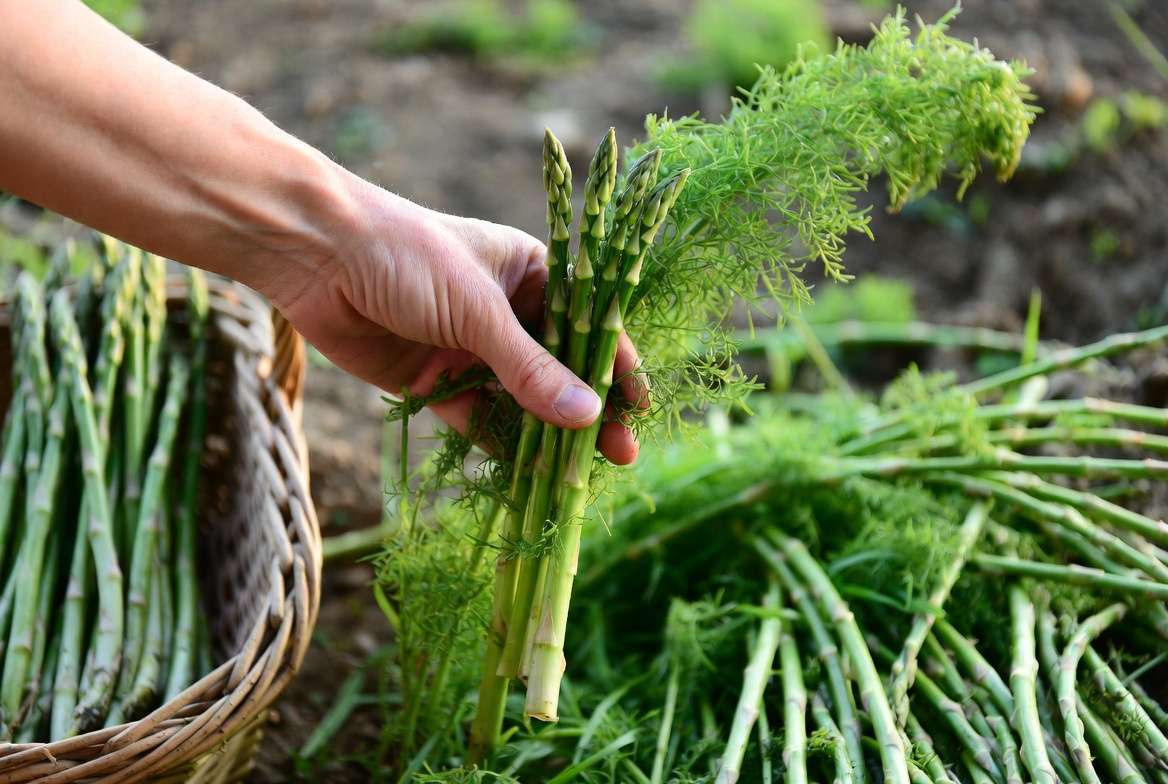
Spring Care and Harvesting Guidelines In year two, harvest lightly for 2–3 weeks. By year three, enjoy 6–8 weeks of cutting. Snap or cut spears at ground level when they reach 6–8 inches tall. Stop harvesting when spears thin to pencil size so plants can fern out.
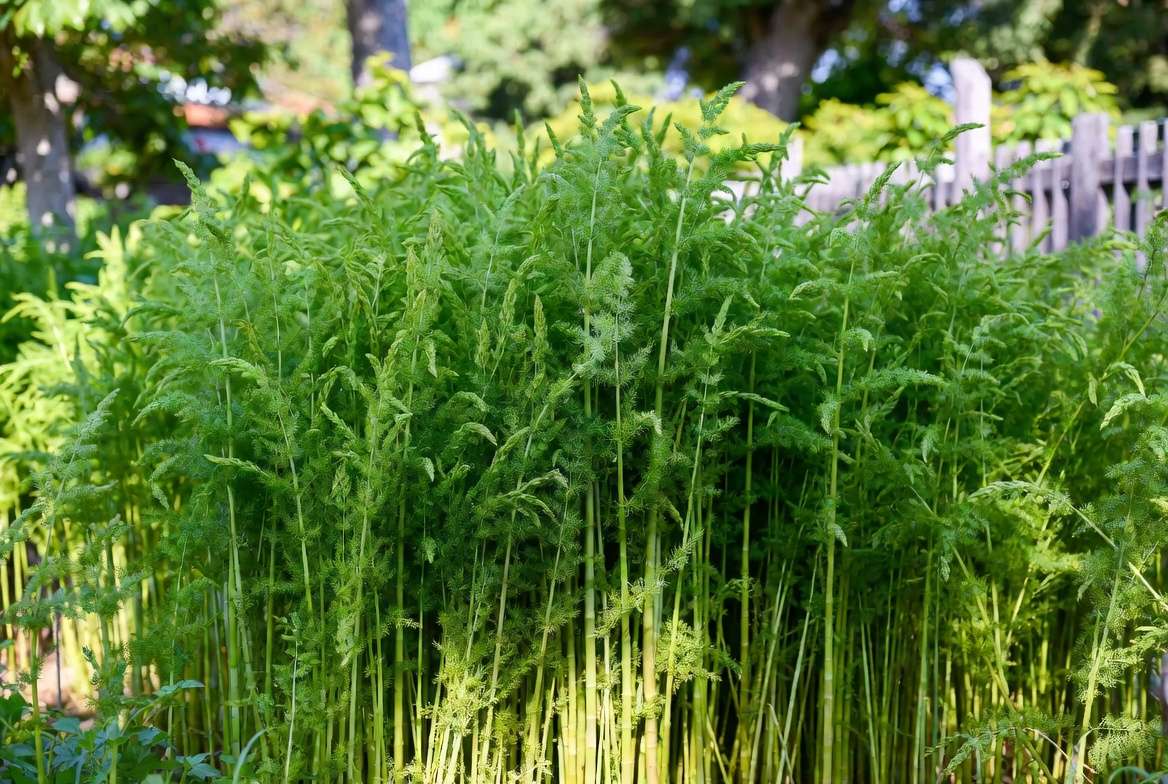
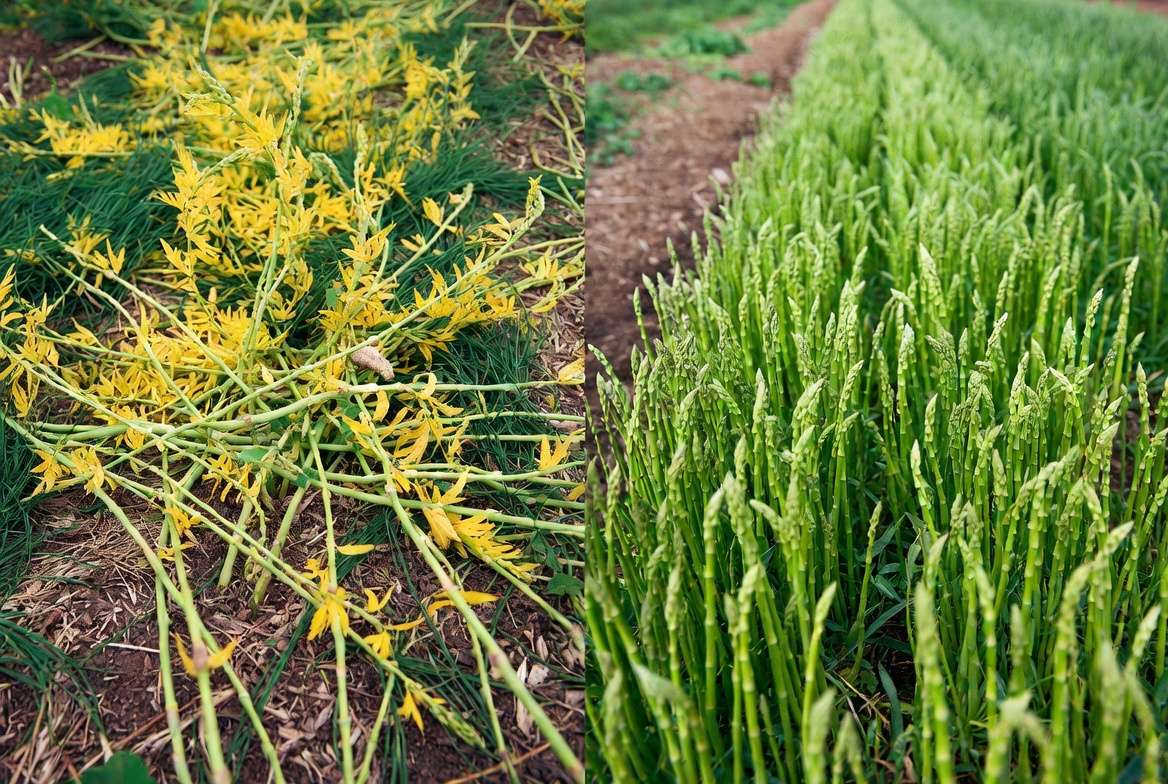
Summer Fern Management and Fall Cleanup Support tall ferns (they can reach 4–6 feet) if needed. They photosynthesize to store energy in roots. In fall, after ferns yellow, cut back to 2–3 inches and clean debris to reduce overwintering pests.
Winter Protection and Perennial Maintenance In colder zones, add extra mulch for insulation. Top-dress with compost annually in early spring. Rotate occasional cover crops or green manures between rows if space allows.
Consistent care keeps beds productive for decades. Many gardeners report increasing yields over time with proper management.
Common Mistakes to Avoid When Planting Asparagus Seedlings ❌
Even experienced gardeners make errors. Here are the biggest ones I see:
- Improper Depth: Planting too shallow exposes crowns; too deep delays emergence. Adjust based on your soil.
- Poor Drainage: Always prioritize this—raised beds solve many issues.
- Overharvesting Too Early: This weakens plants permanently. Patience pays off.
- Inadequate Spacing: Crowded plants compete, leading to smaller spears and disease.
- Neglecting Weeds and Water: Early competition or drought stunts growth.
Learn from these and monitor your bed closely the first season.
Companion Planting and Garden Integration Ideas 🌼
Asparagus pairs well with tomatoes, basil, parsley, and strawberries (the classic combination). These companions deter pests and maximize space. Avoid planting near alliums like onions or garlic, which may inhibit growth.
Design a dedicated perennial bed or integrate into a food forest edge. The tall ferns provide structure and shade for lower-growing plants later in summer.
Expected Timeline and Harvesting Your Bounty 📅
- Year 1: Establishment, no harvest.
- Year 2: Light harvest (2–4 weeks).
- Year 3+: Full production, potentially ½ pound or more per plant annually.
Harvest in the morning for best quality. Store spears upright in the fridge or process quickly for freezing/pickling. Fresh homegrown asparagus elevates meals from simple stir-fries to gourmet sides.
Frequently Asked Questions (FAQs) ❓
Can I plant asparagus seedlings in summer or fall? Best in spring, but early fall planting works in mild climates with extra protection.
How deep should I plant asparagus seedlings specifically? Usually 4–6 inches for the crown area, adjusted for soil drainage. Shallower in clay, deeper in sandy soils.
How do I deal with persistent weeds in an established bed? Mulch heavily and hand-weed. Avoid deep cultivation that damages roots.
Are there male and female asparagus plants? Yes—males are generally preferred for higher yields as females produce seeds.
Can asparagus grow in containers? Possible for dwarf varieties or short-term, but not ideal for long-term perennial success due to root space needs.
What if my seedlings are leggy or weak? Improve light, ensure proper hardening off, and amend soil before transplanting.
Conclusion: Enjoy Years of Delicious Homegrown Asparagus 🎉
Planting asparagus seedlings successfully transforms your garden into a perennial powerhouse of fresh, nutritious spears season after season. By following this detailed guide—careful site selection, proper transplanting, and attentive aftercare—you’ll overcome common challenges and reap the rewards for decades.
The key is patience and consistent care in the early years. Your future self (and taste buds) will thank you!
Ready to start your own asparagus bed? Share your experiences or questions in the comments below. For more plant care guides, explore our articles on companion planting or vegetable garden planning. Happy gardening! 🌿🥗











