
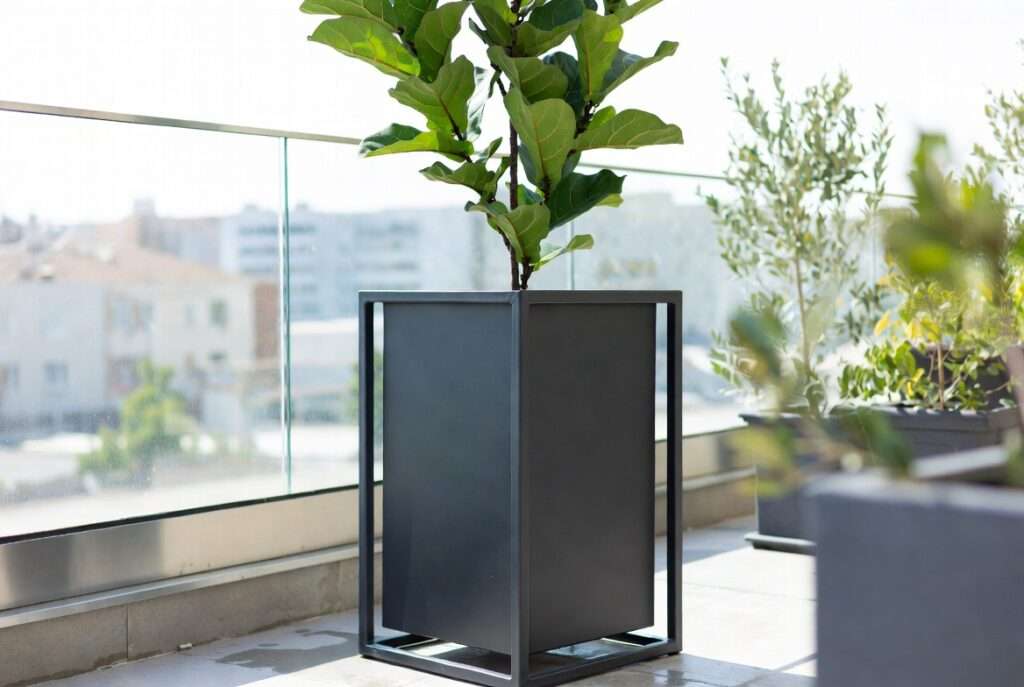
Imagine stepping onto your balcony or into your living room and being greeted by a lush, thriving green oasis that adds height, privacy, and instant elegance — all without needing a massive backyard. For many urban gardeners and plant enthusiasts, a tall rectangle planter is the perfect solution to limited space challenges while supporting healthy plant and tree growth. Whether you’re nurturing a young olive tree, a dramatic fiddle leaf fig, or a privacy screen of bamboo, these sleek vertical containers deliver both beauty and functionality.
In this comprehensive guide, we’ll explore everything you need to know about tall rectangle planters — from selecting the best options to expert plant care techniques and creative styling ideas that transform any space. As a horticulture specialist with over 15 years helping homeowners and urban gardeners succeed with container planting, I’ve seen firsthand how the right tall rectangle planter can elevate your plant care routine and deliver stunning results. 🌳
What Is a Tall Rectangle Planter and Why It’s Trending? 🏡
Tall rectangle planters, sometimes called tall rectangular planters, are elongated, upright containers designed specifically for vertical impact. Unlike traditional round pots or low troughs, they feature a slim profile with significant height — often ranging from 24 to 48 inches or more — making them ideal for small patios, balconies, indoor corners, and narrow garden borders.
These planters have surged in popularity due to modern minimalist design trends and the rise of urban gardening. Their rectangular shape allows efficient use of space while providing ample root room for taller plants and small trees. The straight lines create a clean, architectural look that complements contemporary interiors and exteriors alike.
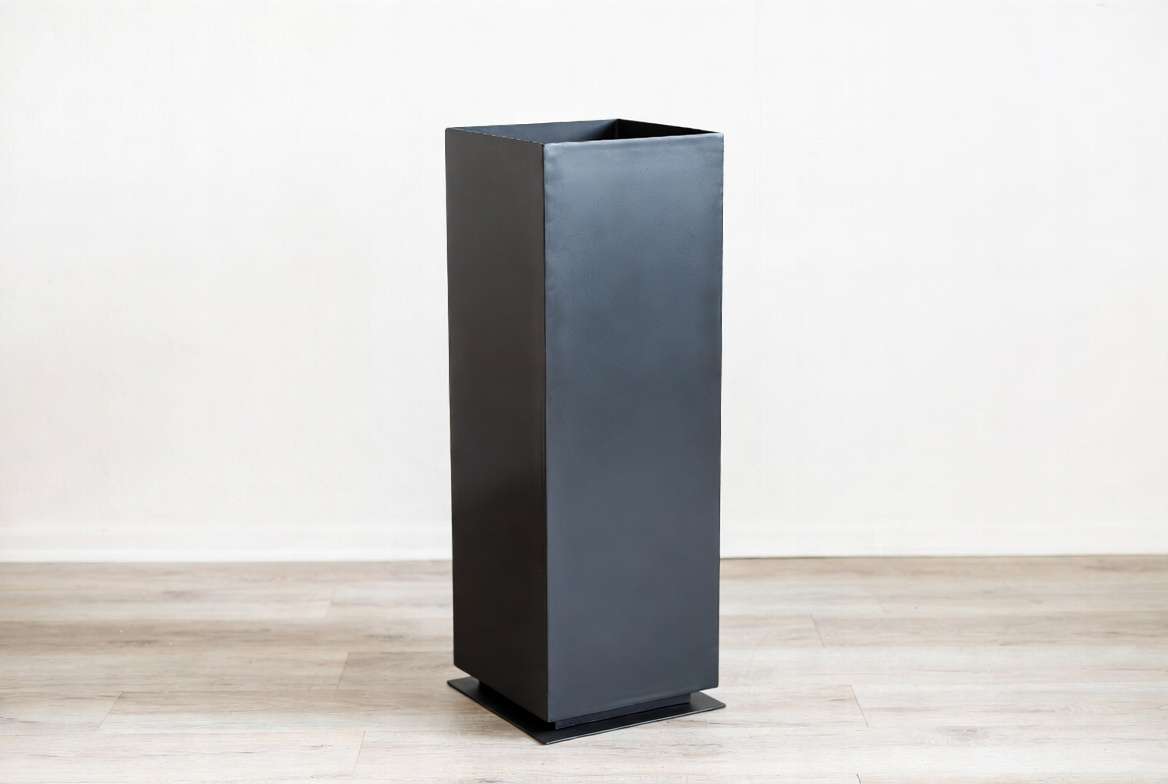
Key Features That Set Them Apart:
- Vertical Orientation: Promotes better air circulation and light exposure for foliage.
- Stable Base: Reduces tipping risk compared to round pots, especially important for windy outdoor areas.
- Modern Aesthetics: Sleek lines pair beautifully with both industrial and natural decor styles.
For tree care enthusiasts, a tall rectangle planter offers an excellent alternative to in-ground planting when space or soil quality is limited. They excel in container gardening setups where mobility and control over growing conditions matter most. 🌿
Key Benefits of Using a Tall Rectangle Planter
Choosing a tall rectangle planter addresses several common pain points for plant lovers:
1. Enhanced Root Development and Stability Tall planters provide deeper soil volume, which encourages strong taproots in trees and tall perennials. This leads to healthier, more resilient plants that can better withstand temperature fluctuations and minor droughts. In my experience, plants grown in properly sized tall rectangle planters often show faster vertical growth and richer foliage color compared to those in shallower containers.
2. Space-Saving Vertical Design Perfect for apartments, small yards, or narrow hallways, these planters maximize vertical space without spreading horizontally. They create natural privacy screens, room dividers, or focal points while leaving floor area free for other uses.
3. Improved Drainage and Moisture Control Most quality tall rectangle planters include excellent drainage holes. Combined with the right soil mix, they prevent waterlogging — a major cause of root rot in container plants. The rectangular shape also allows for even moisture distribution across the root zone.
4. Aesthetic and Functional Versatility They serve multiple roles: statement pieces, windbreaks, noise reducers, or even herb/vegetable gardens. Their shape makes grouping multiple planters visually pleasing and easy to arrange symmetrically. 🏡
5. Easier Maintenance for Busy Plant Parents Elevated height reduces bending during watering and pruning, while the contained environment simplifies pest monitoring and soil amendment.
How to Choose the Best Tall Rectangle Planter in 2026
Selecting the right tall rectangle planter requires balancing aesthetics, durability, and plant needs. Here’s an expert breakdown:
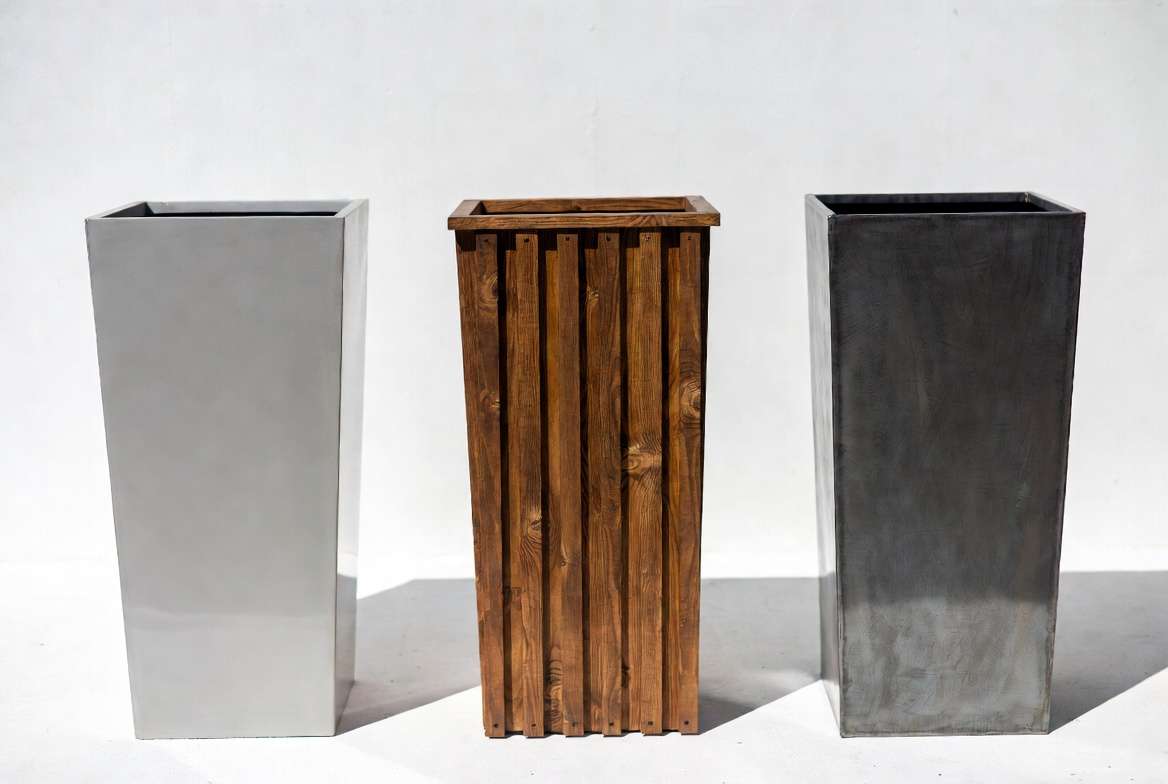
Material Comparison
- Fiberglass: Lightweight, weather-resistant, and available in premium finishes. Excellent for rooftops or frequent rearranging. Highly recommended for both indoor and outdoor use.
- Metal (Galvanized Steel or Aluminum): Modern industrial look with great durability. Ensure proper coating to prevent rust. Ideal for contemporary spaces.
- Wood (Cedar or Teak): Natural warmth and excellent insulation for roots. Requires periodic sealing but ages beautifully.
- Ceramic or Terracotta: Classic beauty with good breathability, though heavier and more fragile.
- Concrete: Ultra-sturdy for outdoor tree care but very heavy — best for permanent placements.
- Recycled Plastic: Affordable, lightweight, and eco-friendly options with modern designs.
Size and Dimension Guide Aim for at least 30-36 inches in height for most trees and tall plants. Width and depth should be 12-18 inches for stability without overwhelming small spaces. For larger specimen trees, consider 40+ inch heights with wider bases.
Essential Features to Prioritize
- Multiple drainage holes (or ability to add them)
- UV and frost resistance for outdoor models
- Built-in saucers or wheels for mobility
- Non-toxic materials for indoor use near pets or children
Pro Buyer’s Checklist:
- Match planter dimensions to mature plant size
- Consider weight when filled (especially for balconies)
- Check warranty and material certifications
- Read recent customer reviews focusing on longevity
Top Tall Rectangle Planter Recommendations
After testing and reviewing dozens of options based on real-world performance in plant care scenarios, here are standout choices:
Best Overall: Modern Fiberglass Tall Rectangle Planter Lightweight yet sturdy, with excellent drainage and a matte finish available in multiple neutral colors. Perfect balance of style and function for both indoor plants and outdoor trees. Users report outstanding results with fiddle leaf figs and dwarf citrus trees.
Best Budget Option Durable plastic or resin models that mimic high-end materials. Surprisingly good drainage and lightweight design make them beginner-friendly without sacrificing performance.
Best Premium Choice Handcrafted concrete or high-grade fiberglass with designer textures. These investment pieces offer superior insulation and longevity for serious tree care enthusiasts.
Best for Outdoor Tree Care Heavy-duty galvanized metal or concrete planters built to withstand elements and support larger root systems.
Best Indoor/Modern Aesthetic Slim-profile fiberglass or ceramic options in white, black, or wood tones that blend seamlessly with home decor.
Comparison Table (visualize as a clean table in final design): Columns for Model, Material, Height, Price Range, Best For, Rating.
Preparing Your Tall Rectangle Planter – Setup Guide 🛠️
Proper setup is crucial for long-term success. Start by selecting a bright location with appropriate light levels for your chosen plants. Most tall rectangle planters thrive in spots receiving 6+ hours of indirect or direct sunlight, depending on species.
Soil Mix Recommendations Use a high-quality, well-draining potting mix amended with perlite, orchid bark, or coarse sand. For trees, incorporate some compost for nutrients while maintaining aeration. Avoid garden soil, which compacts easily in containers.
Layering for Optimal Drainage
- Place a layer of mesh or broken pottery over drainage holes.
- Add 2-3 inches of coarse gravel or clay pebbles.
- Fill with your prepared soil mix, leaving 2 inches at the top for watering.
Initial Planting Steps Gently remove the plant from its nursery pot, loosen roots, and position it at the same depth as before. Backfill carefully, firm the soil, and water thoroughly until it drains from the bottom. Add a layer of mulch to retain moisture and suppress weeds. 🌱
Plant Care Tips for Thriving in Tall Rectangle Planters 🌼
Caring for plants in a tall rectangle planter requires attention to their unique environment. The height provides excellent aeration but can also lead to faster drying at the top layers, so consistent monitoring is key.
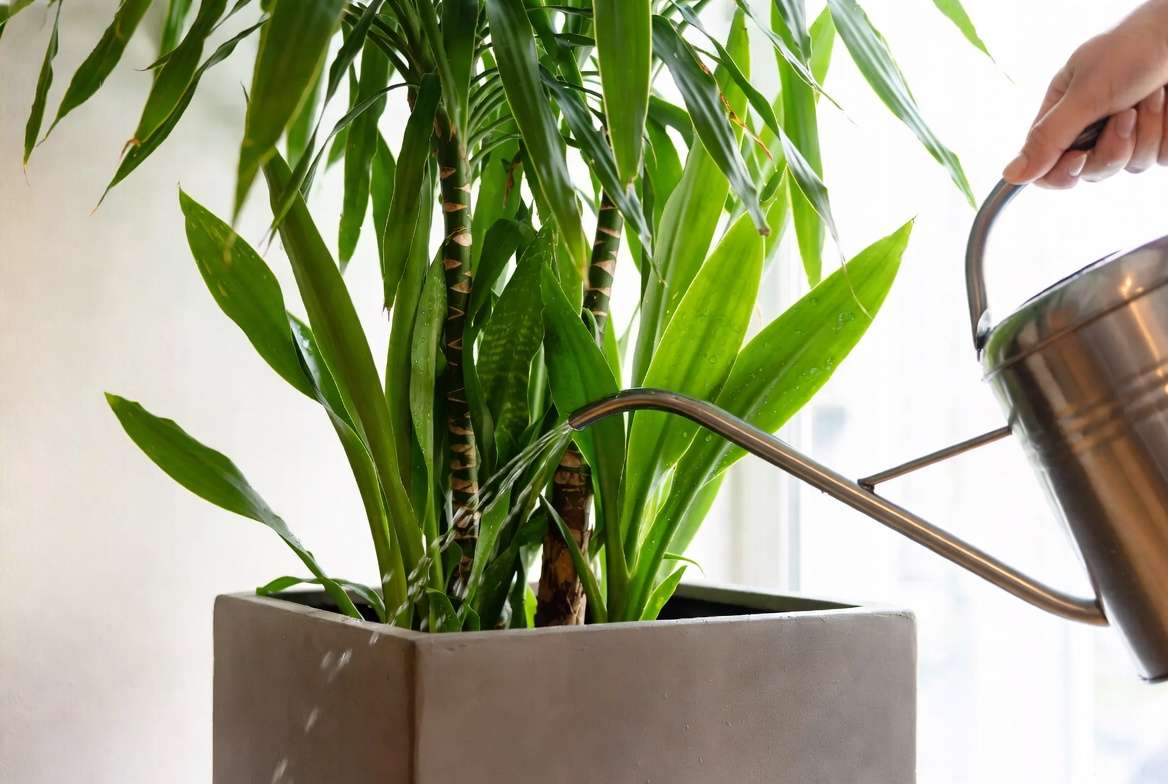
Watering Techniques to Avoid Common Mistakes Water deeply until it flows freely from the drainage holes, then allow the top 2-3 inches of soil to dry before the next watering. Use a moisture meter for precision, especially in the first few months. In hot weather, check daily; during cooler months, reduce frequency. Overwatering remains the top killer of container plants — always prioritize drainage over frequent light sprinkles. For trees, a slow drip method using a watering can with a long spout works wonders. 🪴
Fertilizing Schedule and Nutrient Needs During the growing season (spring through early fall), feed every 2-4 weeks with a balanced, slow-release organic fertilizer or diluted liquid plant food. Trees and heavy feeders like monstera or palms benefit from higher nitrogen early on, shifting to phosphorus-rich formulas for root and bloom support later. Always water before fertilizing to prevent root burn. In my practice, consistent balanced feeding has helped many clients achieve vibrant, robust growth in tall rectangle planters year after year.
Pruning, Support, and Maintenance for Tall Plants & Small Trees Regular pruning encourages bushier growth and maintains shape. Remove dead or yellowing leaves promptly. For taller specimens, use discreet stakes or trellises integrated into the planter during early stages. Rotate the planter quarterly for even light exposure and balanced growth.
Seasonal Care Adjustments
- Summer: Provide afternoon shade in intense heat and increase humidity with pebble trays or misting.
- Winter: Move sensitive plants indoors or wrap planters for frost protection. Reduce watering significantly as growth slows.
- Spring/Fall: Prime repotting and fertilizing windows.
Best Plants and Trees for Tall Rectangle Planters
- Fiddle Leaf Fig (Ficus lyrata): Loves the height and stability for its large leaves.
- Olive Trees & Dwarf Citrus: Excellent for Mediterranean vibes and edible harvests.
- Bamboo or Grasses: Fast-growing privacy screens with graceful movement.
- Snake Plant, ZZ Plant, and Dracaena: Forgiving indoor options that tolerate lower light.
- Japanese Maple (dwarf varieties): Stunning focal points with seasonal color.
Experiment with combinations — pair a tall centerpiece with trailing plants at the base for layered beauty.
Styling Ideas to Elevate Your Space with Tall Rectangle Planters ✨
A well-chosen tall rectangle planter becomes more than a container — it’s a design element.
Indoor Styling Place a pair flanking a doorway or sofa for symmetry. Use them in empty corners to draw the eye upward and make ceilings feel higher. Mix materials (e.g., matte black fiberglass with wooden accents) for visual interest. In living rooms, they soften modern furniture and improve air quality naturally.
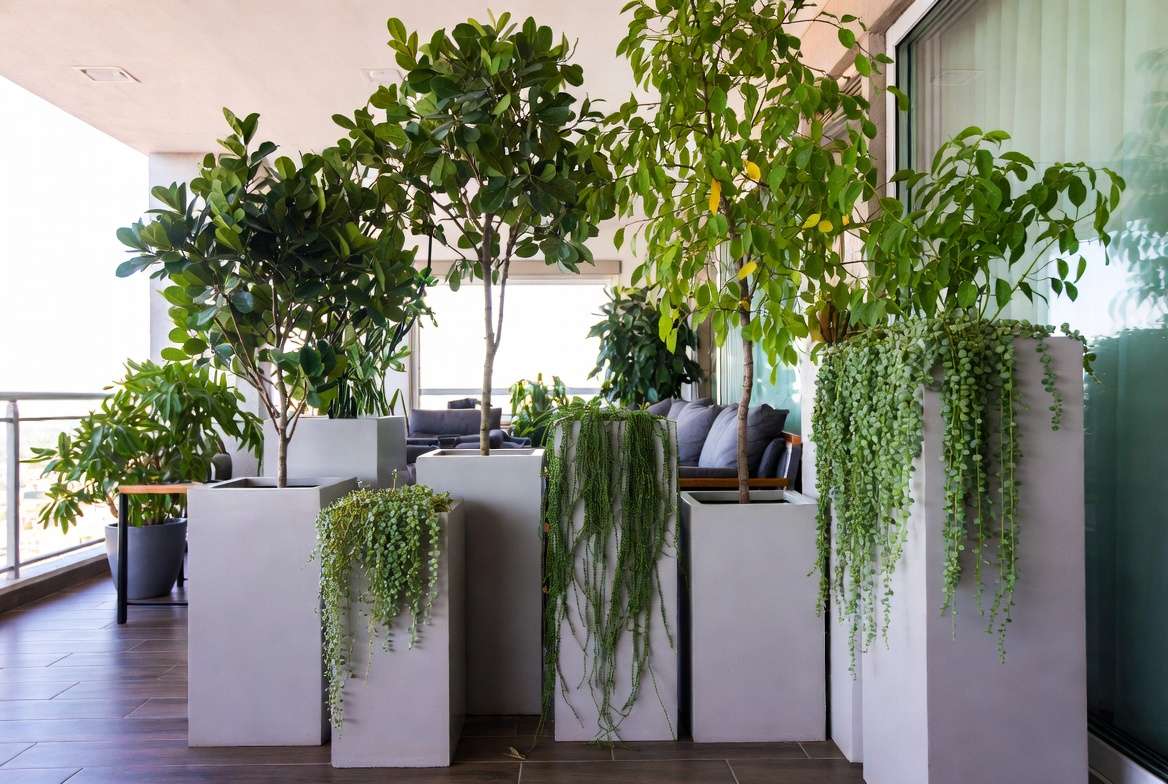
Outdoor and Patio Arrangements Create a living privacy wall by lining balconies with matching tall rectangle planters. Group three of varying heights in a triangular formation for dynamic appeal. Line pathways or define seating zones. For small patios, a single large planter with a statement tree can transform the entire feel of the space. 🌳
Creative DIY and Theming Ideas
- Minimalist: White or gray planters with green foliage only.
- Tropical Paradise: Mix monstera, birds of paradise, and ferns.
- Boho Vibes: Woven baskets slipped over basic planters with trailing pothos.
- Edible Garden: Herbs at the base, dwarf fruit trees above.
Pairing Tips Combine with lower round planters for contrast or use matching sets for cohesion. Add subtle lighting (solar or low-voltage) to highlight textures at night.
Common Problems and Expert Solutions
Even experienced gardeners face challenges. Here’s how to troubleshoot effectively:
Root Rot and Poor Drainage Symptoms: Wilting despite moist soil, foul smell. Solution: Repot immediately in fresh, sterile mix. Improve drainage with added perlite and ensure holes are clear. Prevent by watering only when needed.
Leaning or Instability Common in windy spots or top-heavy plants. Solution: Add weight to the base (gravel layer), use wider planters for larger specimens, or stake securely. Choose heavier materials like concrete for outdoor use.
Pests and Diseases Aphids, spider mites, and scale can appear. Inspect regularly, especially undersides of leaves. Use neem oil or insecticidal soap as first-line organic treatments. Good airflow in tall rectangle planters helps reduce fungal issues.
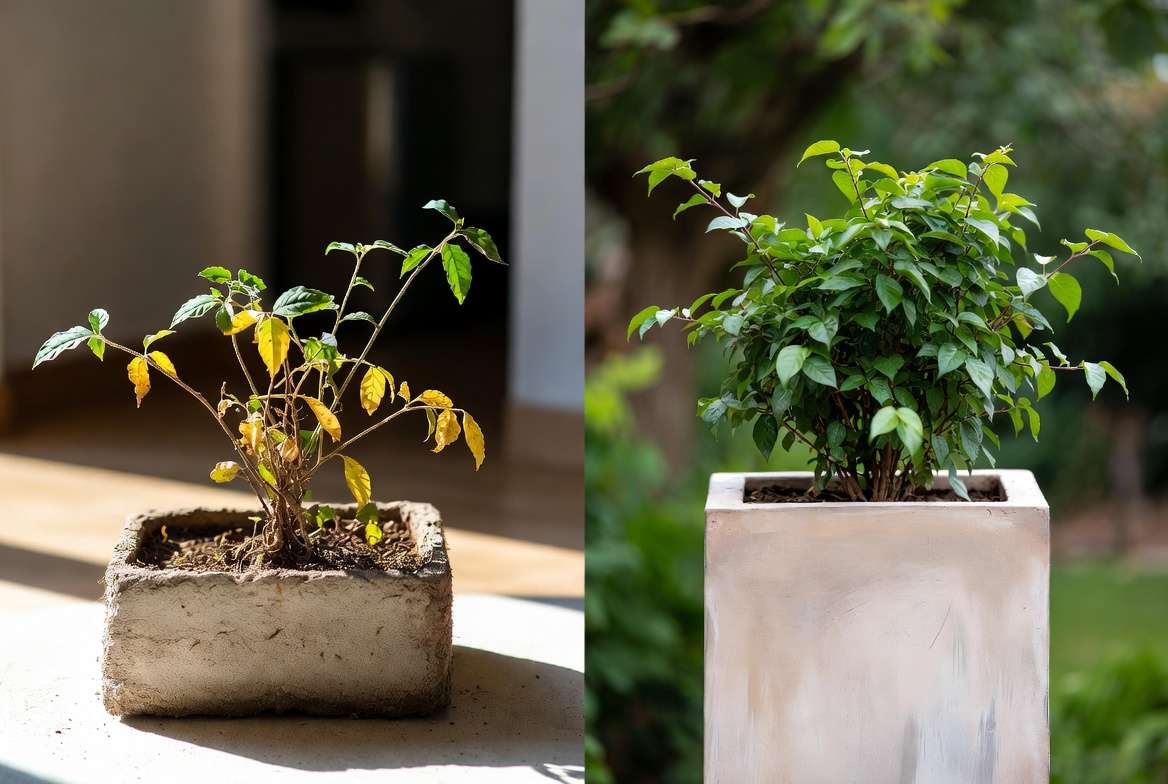
Overwatering/Underwatering Yellow leaves often signal too much water; crispy edges indicate thirst. A moisture meter is your best friend for precision care.
Maintenance and Longevity Tips for Your Tall Rectangle Planter
Clean exteriors seasonally with mild soap to prevent buildup. For wooden planters, apply protective sealant annually. Check for cracks or wear, especially in freeze-thaw climates. Refresh topsoil yearly and repot every 2-3 years or when roots emerge from drainage holes.
With proper care, a quality tall rectangle planter can last 10+ years, providing ongoing value and beauty. 🌱
Frequently Asked Questions (FAQs) ❓
How tall should a tall rectangle planter be? Generally 30-48 inches for most applications. Taller for privacy or tree specimens; shorter for smaller spaces.
Are tall rectangle planters good for growing trees? Yes! They provide excellent root depth and stability for dwarf and container-friendly varieties when properly maintained.
What is the best soil for a tall rectangle planter? A well-aerated potting mix with perlite, compost, and bark. Avoid heavy garden soil.
How do I move a heavy tall rectangle planter? Use a furniture dolly or add wheels/casters during setup. For very large ones, empty soil first.
Can I use them indoors? Absolutely — choose lightweight, non-toxic materials and ensure proper drainage with saucers.
How often should I repot? Every 2-3 years or when growth stalls and roots are crowded.
Do they retain water well? Yes, but with good drainage to prevent sogginess. Mulching helps maintain even moisture.
Are they pet-safe? Most modern materials are, but always confirm and keep toxic plants out of reach.
Conclusion
A thoughtfully selected and well-maintained tall rectangle planter can revolutionize your plant care journey, bringing nature closer even in the smallest spaces. By combining the right choice with proven care techniques and creative styling, you’ll enjoy healthier plants, beautiful design, and the satisfaction of a thriving green sanctuary.
Whether you’re just starting with your first tall rectangular planter or upgrading your collection, the principles in this guide will set you up for success. Ready to transform your space? Browse options that match your style and light conditions, then watch your plants reach new heights — literally! 🌳🪴
Share your own tall rectangle planter success stories in the comments. For more expert plant care advice, check our guides on container gardening, tree selection, and indoor plant troubleshooting.











