
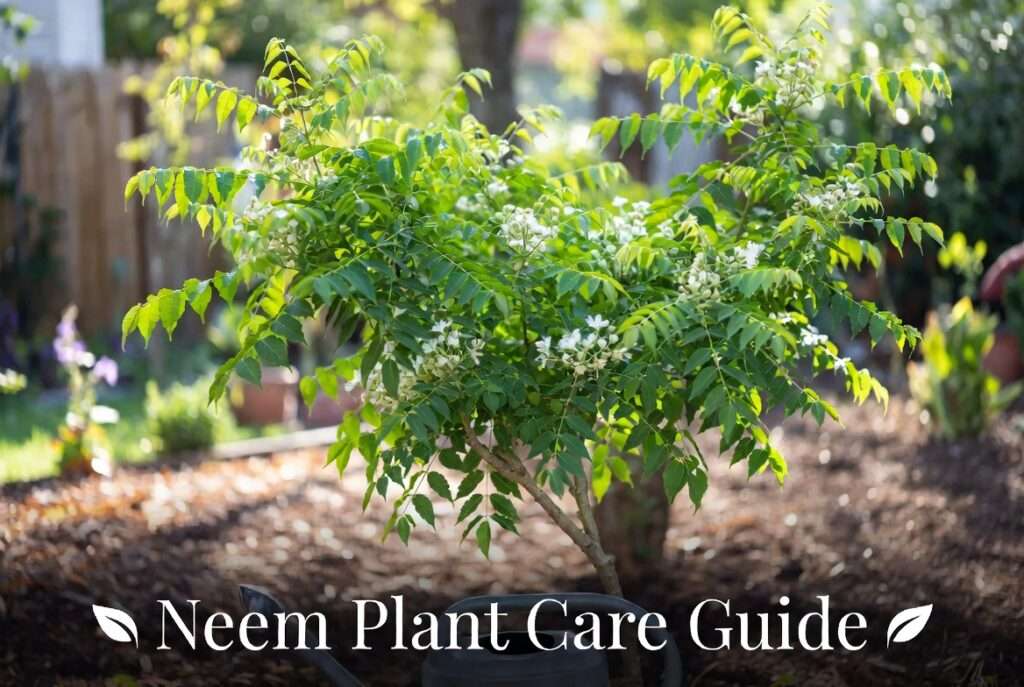
Are you dreaming of a lush, vibrant green addition to your garden that not only beautifies your space but also acts as a natural shield against pests and offers powerful home remedies? The neem plant might be exactly what you’ve been searching for. Known scientifically as Azadirachta indica, this remarkable tree has earned the title “miracle tree” in many cultures for its incredible resilience and multifaceted benefits. 🌱
As a horticulturist with over 15 years of hands-on experience cultivating medicinal and ornamental trees across tropical and subtropical climates, I’ve helped countless home gardeners successfully grow thriving neem plants — even in containers or challenging conditions. Whether you’re a beginner struggling with yellowing leaves or an experienced gardener looking to expand your edible landscape, this comprehensive guide will walk you through every step.
In this in-depth neem plant care guide, you’ll discover proven techniques to plant, nurture, and maintain a healthy neem tree that rewards you for years with beauty, natural pest control, and wellness benefits. Let’s turn your neem-growing dreams into reality! ✨
What Is the Neem Plant? Understanding Azadirachta indica 🧪
The neem plant, or neem tree, is a fast-growing evergreen to semi-evergreen member of the mahogany family (Meliaceae). Native to the Indian subcontinent, it has spread across tropical and subtropical regions worldwide, including parts of Africa, the Middle East, and even warmer zones in the United States and Australia.
Key Physical Features:
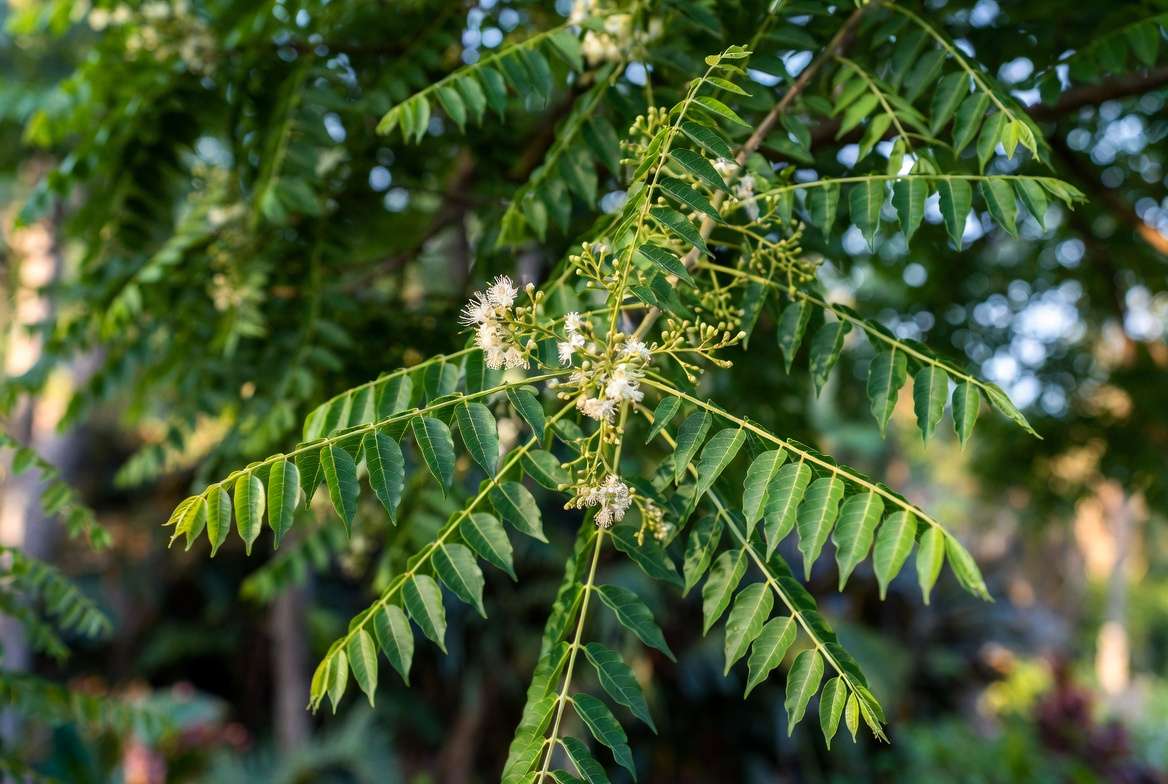
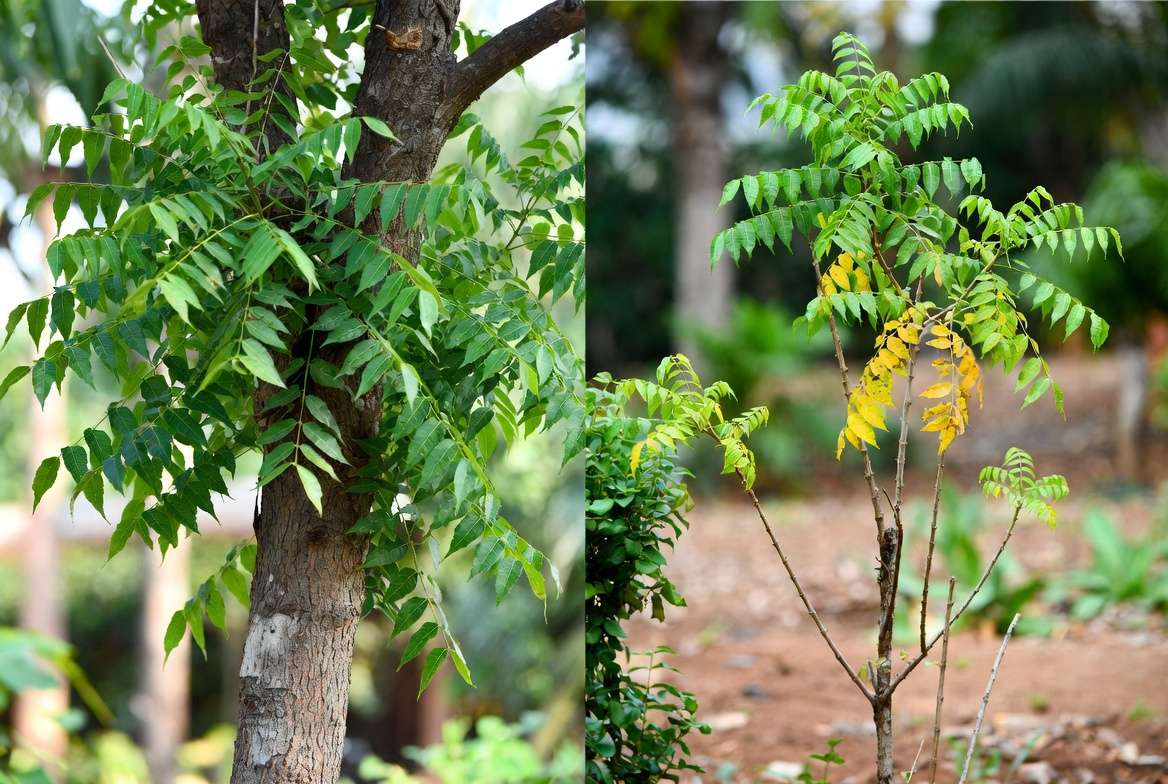
- Leaves: Pinnately compound, bright green, and serrated — they release a distinct bitter aroma when crushed.
- Flowers: Small, white, fragrant clusters that attract bees and butterflies.
- Fruit: Olive-sized drupes that turn yellow when ripe, containing seeds rich in neem oil.
- Growth Habit: Can reach 15–20 meters (50–65 feet) in the ground but stays manageable (6–10 feet) in large pots.
Neem is incredibly hardy once established, with excellent drought tolerance and natural resistance to many pests thanks to compounds like azadirachtin. This makes it an outstanding choice for eco-friendly gardening. Many gardeners plant it specifically for its ability to purify air and repel unwanted insects without harsh chemicals. 🐛
Benefits of Growing a Neem Plant at Home 🌟
Growing a neem plant offers rewards that go far beyond aesthetics. Here’s why it deserves a prime spot in your garden:
1. Natural Pest Control Powerhouse Neem leaves and seeds contain potent insect-repelling properties. A single mature tree can significantly reduce pest pressure on nearby vegetables, flowers, and fruit trees. Home-made neem sprays are effective against aphids, whiteflies, spider mites, and caterpillars.
2. Medicinal and Wellness Uses For centuries, neem has been a cornerstone of Ayurvedic medicine. Leaves are used for skin issues, oral hygiene (neem twigs as natural toothbrushes), and immune support. Bark and oil offer antifungal and antibacterial benefits. Always consult a healthcare professional before using medicinally.
3. Environmental Benefits
- Excellent carbon sequester and air purifier.
- Improves soil structure with its deep root system.
- Provides shade and windbreaks in larger landscapes.
4. Low-Maintenance Beauty Once established, neem trees require minimal care compared to many fruit trees, making them ideal for busy gardeners. Their graceful form and year-round greenery add tropical charm to any space.
Bonus Comparison: Unlike some fast-growing trees that become invasive, properly managed neem stays well-behaved in most home settings.
How to Choose the Right Neem Plant for Your Space
Success starts with the right specimen:
- Seeds: Economical but slower (germination can take 2–4 weeks).
- Saplings: Best for beginners — look for healthy 1–2 year old plants with vibrant leaves and strong stems.
- Mature Trees: Faster results but more expensive and harder to transplant.
Pro Tips for Buying:
- Choose plants with no signs of wilting, yellowing, or pest damage.
- Prefer locally adapted varieties when possible.
- For small patios or balconies, select dwarf or compact cultivars.
Ideal Growing Conditions for a Thriving Neem Tree ☀️
Neem plants are tropical lovers but surprisingly adaptable.
Climate and Temperature: They thrive in USDA zones 9–11. Ideal daytime temperatures are 25–35°C (77–95°F). They tolerate brief dips but need protection from frost below 4°C (40°F). In colder areas, grow in large movable containers.
Sunlight: Full sun (6–8+ hours daily) is essential for robust growth and flowering. Partial shade leads to leggy, weak plants.
Soil: Well-draining, slightly acidic to neutral (pH 6.2–7.5). A mix of garden soil, compost, and perlite or sand works wonders. Avoid heavy clay that retains too much water.
Watering: Deep but infrequent watering. Young plants need consistent moisture; established trees are highly drought-tolerant. Overwatering is the #1 killer — ensure excellent drainage.
Humidity: Prefers moderate to high humidity but adapts to drier air with occasional misting.
Step-by-Step Planting Guide for Neem Plant 🌱
Best Planting Time: Spring or early summer after the last frost, or at the start of the rainy season in tropical areas.
Planting in Ground:
- Choose a sunny spot with space for future growth.
- Dig a hole twice as wide as the root ball but same depth.
- Gently loosen roots and place the plant.
- Backfill with amended soil and water thoroughly.
- Apply a 2–3 inch mulch layer (keep away from trunk).
Container Planting:
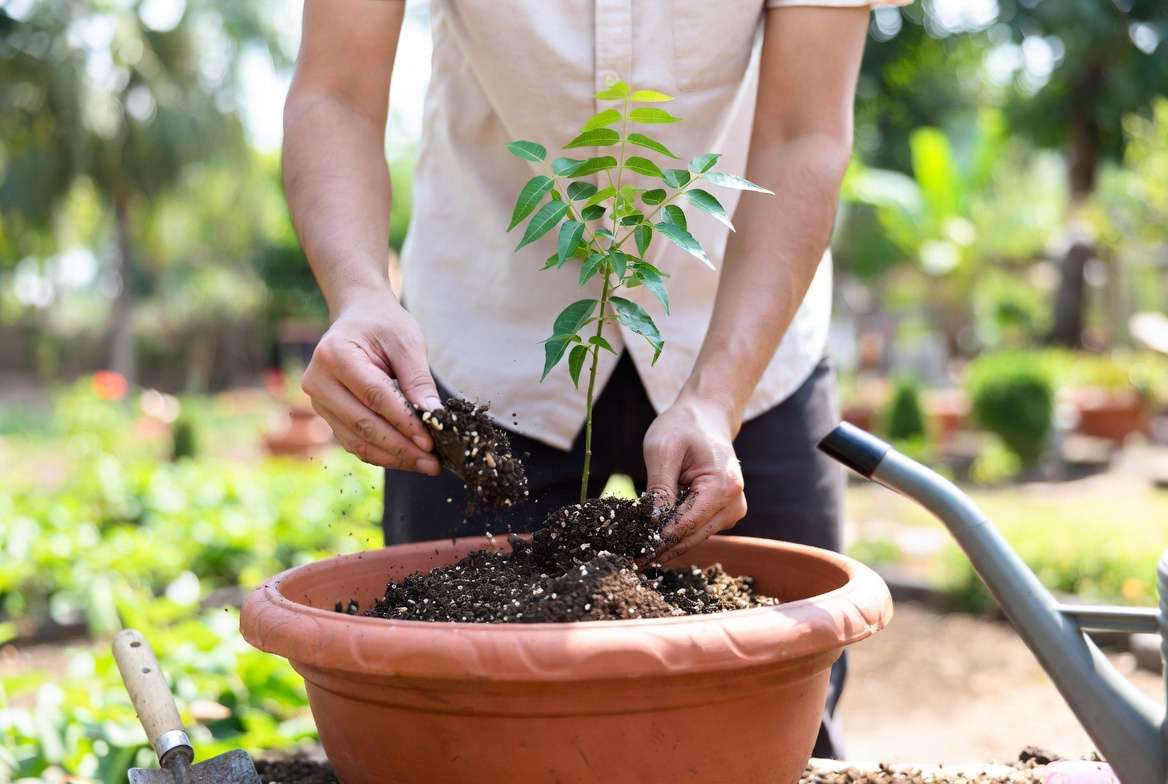
- Use pots at least 12–16 inches wide with drainage holes.
- High-quality potting mix + compost.
- Repot every 1–2 years as the tree grows.
Water deeply after planting and provide temporary shade for the first week to reduce transplant shock.
Essential Neem Plant Care Routine
Watering Schedule: Water young plants every 2–3 days in hot weather, reducing to weekly for established trees. Let the top 2–3 inches of soil dry out between waterings.
Fertilizing: Use balanced organic fertilizer (e.g., 10-10-10) in growing season. Neem cake (seed residue) is an excellent slow-release organic option that also deters soil pests. Apply every 6–8 weeks during spring and summer.
Pruning and Shaping ✂️: Prune in late winter or early spring. Remove dead/diseased branches and shape for better airflow. Neem responds well to pruning and can be maintained as a smaller tree.
Mulching: Organic mulch conserves moisture and suppresses weeds.
Repotting: For container neem, move to a larger pot when roots circle the bottom. Refresh soil annually.
Common Pests and Diseases + Organic Solutions 🛡️
Even resilient neem can face issues:
- Pests: Aphids, scale insects, mealybugs. Solution: Weekly neem oil spray (2–5 ml neem oil + 1 tsp mild soap per liter of water). Apply in evening.
- Diseases: Root rot (from overwatering), leaf spot, powdery mildew. Improve drainage and air circulation.
- Prevention: Healthy plants resist problems better. Regular inspection is key.
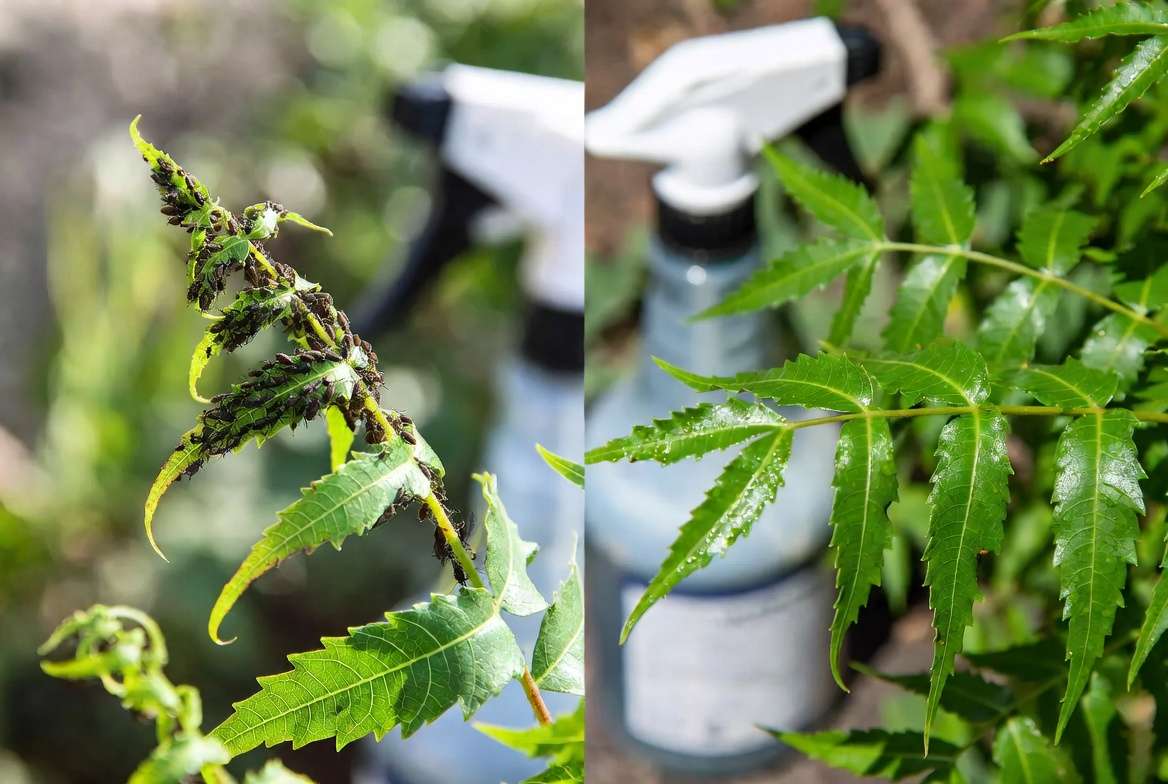
DIY Neem Pesticide Recipe:
- 1 liter warm water
- 5 ml pure neem oil
- 1–2 ml liquid soap
- Shake well and spray thoroughly.
This safe, effective spray is gentle on beneficial insects when used properly.
Propagation Methods: Grow More Neem Plants for Free
From Seeds:
- Collect fresh, ripe seeds and remove pulp.
- Sow immediately in moist, well-draining mix.
- Keep warm (25–30°C) and moist — germination in 1–3 weeks.
Stem Cuttings: Take 6–8 inch semi-hardwood cuttings, dip in rooting hormone, and plant in humid conditions.
Air Layering: Excellent for larger branches — high success rate.
With proper technique, you can multiply your neem collection easily and share with friends!
Seasonal Care Calendar for Neem Trees 📅
Caring for your neem plant changes with the seasons. Following a structured calendar helps ensure year-round health.
Spring (Growth Season): This is the perfect time for repotting, fertilizing, and light pruning. Increase watering as new leaves emerge. Watch for new pest activity as temperatures rise.
Summer (Peak Growing Period): Provide consistent deep watering during heat waves. Mulch heavily to retain soil moisture. Your neem tree will grow rapidly — support heavy branches if needed. Full sun is ideal, but offer afternoon shade in extremely hot regions (>38°C/100°F).
Monsoon/Rainy Season (Tropical Climates): Ensure excellent drainage to prevent root rot. Reduce fertilizing. This is often a natural growth spurt period, but monitor for fungal issues due to high humidity.
Autumn: Gradually reduce watering. This is a good time for shaping pruning. Harvest mature leaves for home uses before cooler weather.
Winter (Dormant or Slow Growth): Protect from frost — move potted plants indoors or to a greenhouse if temperatures drop below 5°C (41°F). Water sparingly (only when soil is quite dry). Avoid fertilizing during cold months as the plant rests.
In temperate zones, neem behaves semi-deciduous in winter, dropping some leaves — this is normal and not a cause for alarm.
Troubleshooting Common Neem Plant Problems
Even experienced gardeners face challenges. Here’s how to diagnose and fix the most frequent issues:
Yellow Leaves:
- Cause: Overwatering, nutrient deficiency, or poor drainage.
- Fix: Check soil moisture, improve drainage, and apply balanced fertilizer.
Leaf Drop: Common in newly planted or relocated trees (transplant shock). Reduce stress by maintaining consistent moisture and avoiding direct harsh sun initially. Established trees may drop leaves in extreme cold or drought — they usually recover quickly.
Slow Growth: Insufficient sunlight, poor soil, or underwatering. Move to a sunnier spot and enrich the soil with compost.
Pest Infestations: Early detection is key. Isolate affected plants and treat with neem oil sprays. Severe cases may need repeated applications every 7–10 days.
Root Rot: Soft, black roots and wilting despite moist soil. Repot immediately into fresh, sterile mix after trimming damaged roots. Prevention is better than cure — always use well-draining containers and soil.
Pro Insight: In my years of growing neem, the most common beginner mistake is over-loving the plant with too much water. Remember: neem prefers “tough love” once established.
Advanced Tips for Expert-Level Neem Tree Care 🌳
Take your neem plant to the next level with these professional techniques:
Bonsai Neem: Neem responds beautifully to bonsai training. Regular root and branch pruning creates stunning miniature specimens perfect for patios or indoor displays.
Companion Planting: Pair neem with basil, marigolds, or chrysanthemums for a powerful pest-repelling guild. Its bitter compounds benefit neighboring plants.
Edible and Medicinal Garden Integration: Create a dedicated “healing garden” section. Combine with other Ayurvedic plants like tulsi (holy basil) and turmeric for a synergistic, functional landscape.
Long-Term Longevity: With proper care, neem trees can live 100–200 years. Feed the soil annually with organic matter and monitor pH to support this impressive lifespan.
Eco-Landscaping Ideas: Use neem as a living fence, shade provider for smaller plants, or centerpiece in xeriscape (water-wise) gardens.
Harvesting and Using Neem Plant Products
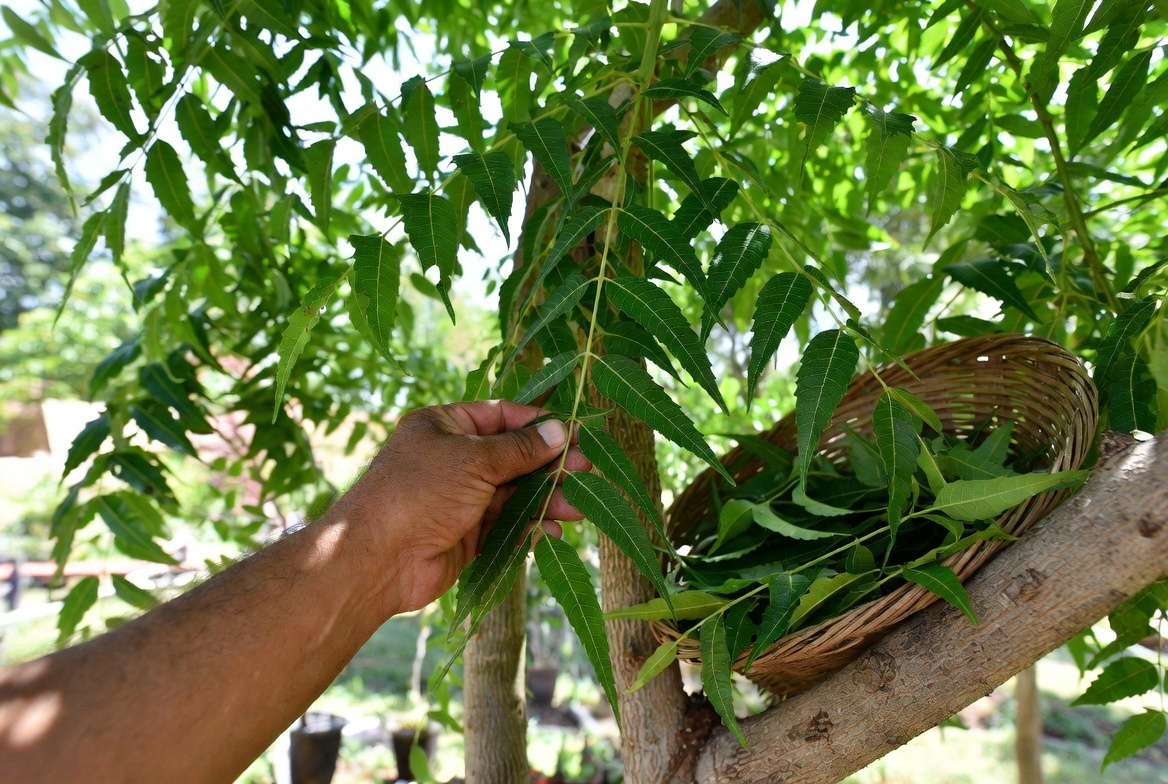
Once your tree is mature enough (usually 2–3 years), you can start harvesting sustainably:
- Leaves: Pick young leaves anytime. Dry them in shade for tea or powder.
- Seeds: Collect fallen ripe fruits. Extract oil by cold-pressing or using simple home methods.
- Bark: Harvest sparingly from pruned branches for traditional uses.
Safe DIY Recipes:
- Neem Leaf Tea: Steep fresh or dried leaves for a bitter tonic (use sparingly).
- Multi-Purpose Neem Spray: As detailed earlier — great for garden and even mild skin applications (diluted).
- Neem Cake Fertilizer: Grind seed residue and mix into soil for slow-release nutrients + pest control.
Storage: Keep dried leaves and powder in airtight containers away from light. Neem oil lasts 1–2 years when stored cool.
Safety Note: While neem is generally safe, concentrated products can be irritating. Test on small areas and avoid use on young children or pets without guidance.
Frequently Asked Questions (FAQs) ❓
Can neem plants grow indoors? Yes, but they need bright south-facing windows or grow lights (12–16 hours daily). Good air circulation prevents fungal issues. Dwarf varieties work best indoors.
How fast does a neem tree grow? Very fast! Under ideal conditions, it can grow 1–2 meters (3–6 feet) per year in the ground.
Is the neem plant toxic to pets? Neem oil and leaves can be mildly toxic if ingested in large quantities by dogs or cats. Keep fallen fruits picked up and use products carefully around pets.
How often should I apply neem oil? Preventively every 2–4 weeks. For active infestations, every 7 days until resolved.
Can I grow neem from store-bought seeds? Fresh seeds work best. Seeds from dried commercial packets often have low viability.
Will neem survive winter in zone 8? It can with heavy protection (frost cloth, greenhouse) or as a large potted plant moved indoors. Otherwise, treat as annual or choose hardier alternatives.
How big do container neem trees get? With regular pruning and root restriction, they stay between 6–12 feet tall — perfect for patios.
Is neem plant invasive? In some tropical regions it can self-seed aggressively. Harvest fruits regularly and avoid planting near natural forests in sensitive ecosystems.
Conclusion
Growing and caring for a neem plant is one of the most rewarding experiences for any home gardener. From its stunning foliage and natural pest-fighting abilities to the joy of harvesting your own medicinal resources, this miracle tree truly delivers on multiple levels. 🌿
By following this detailed guide — from selecting the right specimen to mastering seasonal care and troubleshooting — you’re now equipped to cultivate a healthy, thriving neem tree that will enhance your garden for decades. Remember, patience and consistent care are key; your neem will reward you generously as it matures.
Have you started your neem journey yet? Share your experiences, photos of your plants, or specific challenges in the comments below. I love connecting with fellow plant enthusiasts and offering personalized advice where I can.
For more expert plant care guides, check out our articles on natural pest control, medicinal herbs for home gardens, and container tree growing. Happy gardening — may your neem tree flourish abundantly! ✨🌳











