
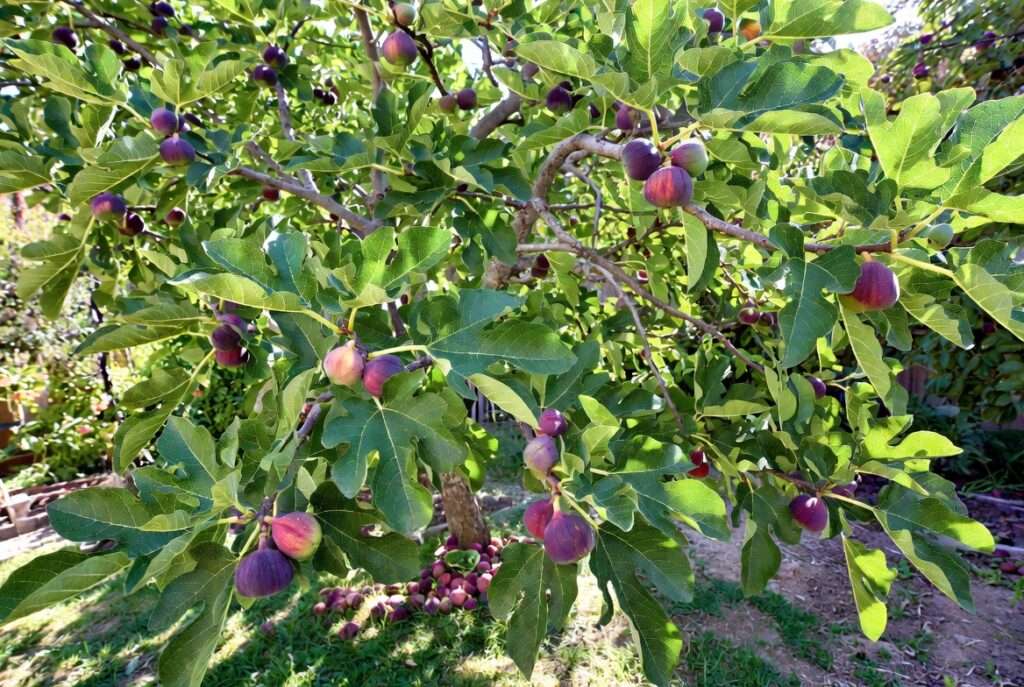
Imagine stepping into your backyard on a warm summer morning, reaching up to pluck a perfectly ripe, honey-sweet fig straight from the tree — its soft, juicy flesh bursting with flavor that store-bought fruit simply can’t match. For countless home gardeners, this dream becomes reality with the right fig trees care knowledge. Whether you’re a beginner dreaming of your first harvest or an experienced grower looking to boost yields, this comprehensive guide delivers everything you need to cultivate thriving, productive fig trees.
Fig trees (Ficus carica) are among the most rewarding fruit trees for home landscapes. They offer beautiful foliage, remarkable resilience, and generous harvests while requiring less fuss than many other fruiting plants once established. In this in-depth guide, we’ll cover every aspect — from selecting the perfect variety to expert pruning techniques and troubleshooting — so you can enjoy abundant fruit for years to come. Drawing from years of hands-on experience and trusted horticultural research, this resource goes beyond basic tips to provide actionable, science-backed strategies.
Understanding Fig Trees – Botany, History, and Why They Belong in Your Garden 🌳
Fig trees have been cherished by humans for millennia. Archaeological evidence shows fig cultivation dates back over 5,000 years in the Mediterranean and Middle East, making them one of the oldest cultivated fruit trees. Today, they remain a favorite for backyard orchards, urban gardens, and container growers worldwide.
Botanical Background and Key Characteristics Fig trees are deciduous perennials in the mulberry family (Moraceae). They produce a unique fruit called a syconium — technically an inverted flower with tiny blooms inside the fleshy receptacle. This fascinating structure is what develops into the sweet fig we love to eat. Mature trees can reach 10–30 feet tall depending on variety and pruning, with large, lobed leaves that provide excellent shade and ornamental appeal.
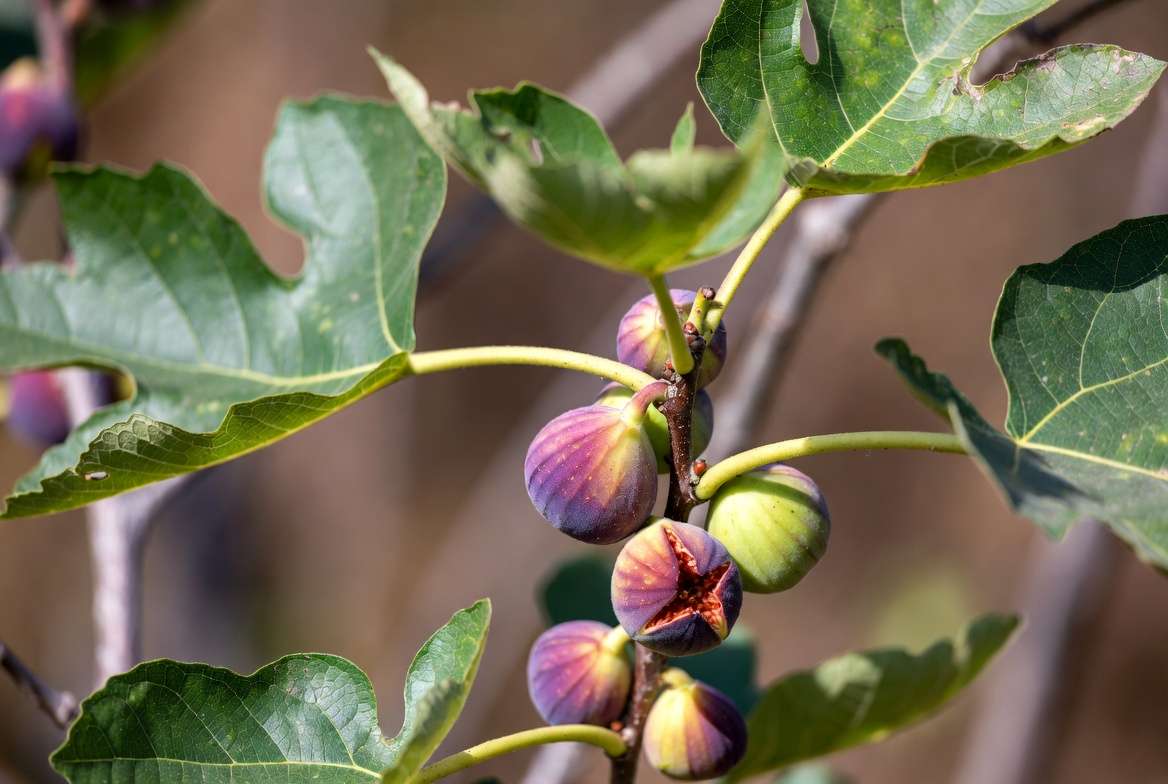
Popular Fig Tree Varieties for Home Growers Choosing the right cultivar is crucial for success. Here are some top performers:
- Brown Turkey: Reliable, cold-hardy, and productive with sweet brownish-purple fruit. Excellent for beginners.
- Celeste (also called Little Miss Figgy): Compact, sweet, early-ripening, and great for smaller spaces or containers. 🍈
- Kadota: Classic greenish-yellow figs with rich flavor; self-fertile and productive.
- Black Mission: Deep purple-black skin with strawberry-colored flesh; one of the most flavorful varieties.
- Chicago Hardy: Outstanding cold tolerance — survives temperatures down to -10°F (-23°C) — perfect for northern gardeners.
- Desert King: Large, green figs with excellent flavor for Pacific Northwest climates.
| Variety | Fruit Color | Hardiness | Best For | Ripening Season |
|---|---|---|---|---|
| Brown Turkey | Brown-Purple | Zones 7–10 | Beginners, fresh eating | Mid to late |
| Chicago Hardy | Purple | Zones 6–10 | Cold climates | Late summer |
| Celeste | Brown | Zones 7–10 | Containers, small yards | Early |
Nutritional and Health Benefits of Fresh Figs Fresh figs are nutritional powerhouses — rich in fiber, potassium, magnesium, and antioxidants. They support digestive health, blood sugar regulation (when eaten in moderation), and heart health. One cup provides significant amounts of calcium and vitamin K for bone strength.
Environmental Benefits Fig trees improve soil structure with their extensive root systems, attract beneficial pollinators, and provide habitat for birds and insects. They’re relatively drought-tolerant once established, making them sustainable choices for water-wise gardens.
Choosing the Right Fig Tree for Your Space and Climate 🌍
Success begins with matching the tree to your conditions. Fig trees thrive in USDA Zones 7–10 but hardy varieties push into Zone 6 and even colder with protection.
Climate Considerations In warmer regions, almost any variety works well. In cooler climates, prioritize Chicago Hardy or Celeste. Research your local last frost date and choose accordingly.
Container vs. In-Ground Planting Container growing is ideal for patios, balconies, or cold climates where you can move the tree indoors for winter. Use large pots (at least 20 gallons) with excellent drainage. In-ground planting allows bigger trees and higher yields but requires more permanent space.
Where to Buy Healthy Fig Trees Purchase from reputable nurseries or online specialists. Look for vigorous plants with healthy green leaves, no signs of pests, and strong root systems. Avoid trees that appear stressed or root-bound.
Pro Tip: Ask local extension services for recommended varieties in your area — this small step dramatically increases long-term success.
Planting Fig Trees Successfully – Step-by-Step Guide 🏡
Best Time to Plant Plant fig trees in early spring after the last frost or in fall while the soil is still warm. This gives roots time to establish before extreme weather.
Site Selection Choose a spot with full sun (6–8+ hours daily) and protection from strong winds. Good air circulation helps prevent disease. Space trees 10–20 feet apart depending on variety and training method.
Soil Requirements Fig trees prefer well-draining, slightly acidic to neutral soil (pH 6.0–7.0) rich in organic matter. Heavy clay soils need amendment with compost and perlite for drainage. Sandy soils benefit from added compost to retain moisture and nutrients.
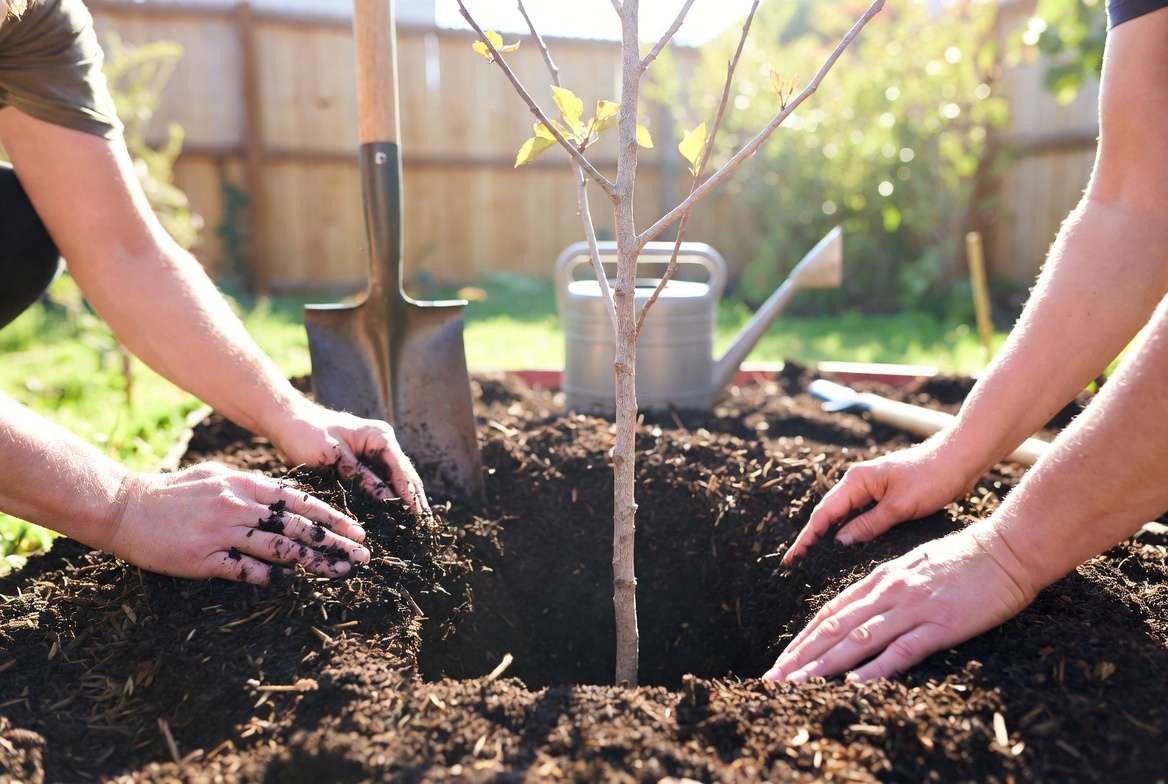
Step-by-Step Planting Instructions
- Dig a hole twice as wide as the root ball but no deeper.
- Gently loosen roots and position the tree at the same depth it was in the nursery pot.
- Backfill with amended native soil and water deeply.
- Apply 2–4 inches of organic mulch, keeping it away from the trunk.
- For containers: Use high-quality potting mix blended with compost.
Companion Planting Ideas Pair fig trees with basil, lavender, or marigolds to deter pests naturally. Underplant with strawberries or herbs for a beautiful, productive guild.
Common Planting Mistakes to Avoid
- Planting too deep (leads to rot)
- Poor drainage (root issues)
- Insufficient sunlight
Essential Fig Tree Care Routine for Healthy Growth 💧☀️
Watering Guidelines Newly planted fig trees need consistent moisture — about 1–2 inches of water per week. Once established (after 1–2 years), they become quite drought-tolerant but produce better fruit with regular deep watering during dry spells. Avoid constant soggy soil, which causes root rot.
Sunlight and Temperature Needs Full sun is essential for fruit production. In very hot climates, provide afternoon shade to prevent fruit scorch. Fig trees tolerate heat well but need winter protection in marginal zones.
Fertilizing Schedule Use a balanced, slow-release organic fertilizer in early spring. Switch to lower-nitrogen, higher-potassium formulas in summer to encourage fruiting. Over-fertilizing leads to lush leaves but fewer figs — moderation is key.
Mulching Techniques Organic mulch (wood chips, straw, or compost) conserves moisture, regulates soil temperature, and adds nutrients as it breaks down. Reapply annually.
Seasonal Care Calendar
- Spring: Prune, fertilize, and monitor new growth.
- Summer: Water consistently and watch for pests.
- Fall: Reduce watering as growth slows; harvest final fruits.
- Winter: Protect young trees with burlap or move containers indoors.
Pruning Fig Trees Like a Pro – Techniques for Bigger Harvests ✂️
Pruning is one of the most important yet often misunderstood aspects of fig trees care. Proper pruning promotes strong structure, increases fruit production, improves air circulation, and keeps trees manageable in size. A well-pruned fig tree can yield significantly more fruit than an unpruned one.
Why Pruning Matters for Fig Trees Figs fruit on new wood (current season’s growth) in most varieties. Pruning stimulates fresh growth and removes dead or crossing branches that waste energy. It also reduces disease risk by opening the canopy.
Best Time to Prune and Tools Needed Prune in late winter or early spring while the tree is dormant. In warmer climates, a light summer prune can be done after the main harvest. Use sharp, clean bypass pruners, loppers, and a pruning saw for larger branches. Always disinfect tools between cuts.
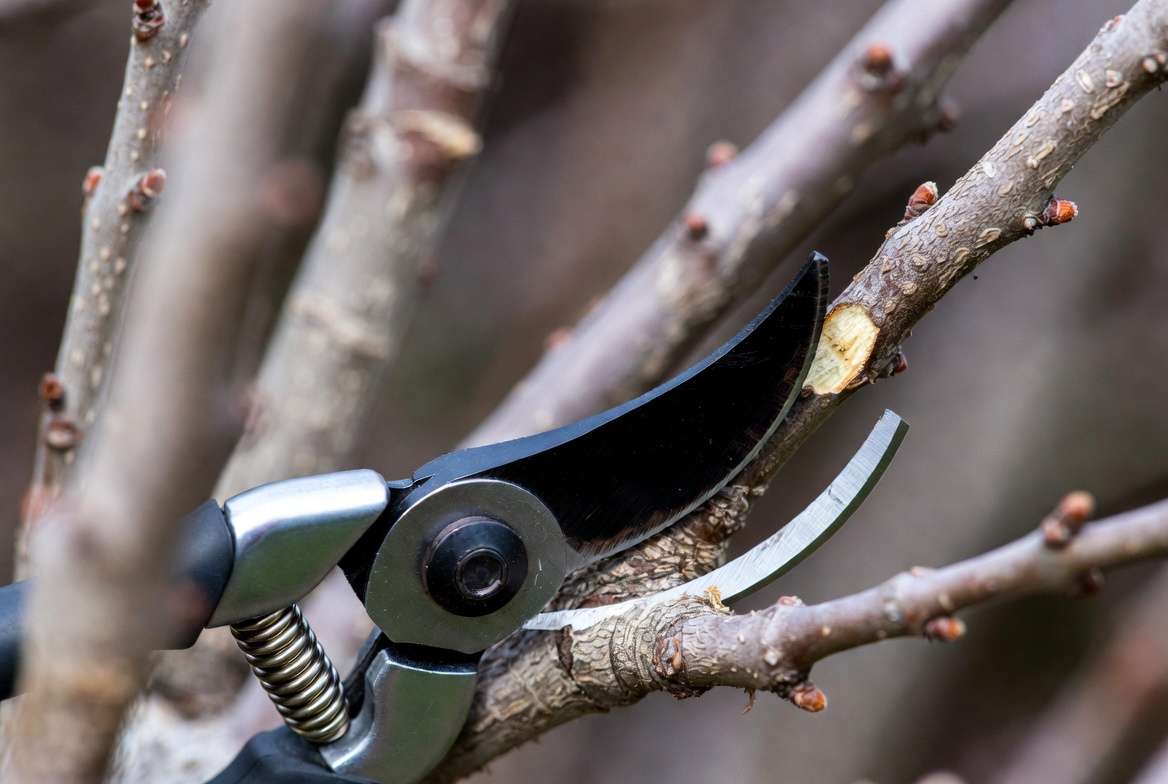
Step-by-Step Pruning Guide
- Remove dead, damaged, or diseased wood first.
- Thin crowded areas to improve light penetration and airflow.
- Cut back vigorous upright shoots (water sprouts) to encourage lateral fruiting branches.
- For young trees: Focus on establishing 3–5 strong main branches.
- For mature trees: Remove about 20–30% of growth annually to maintain productivity.
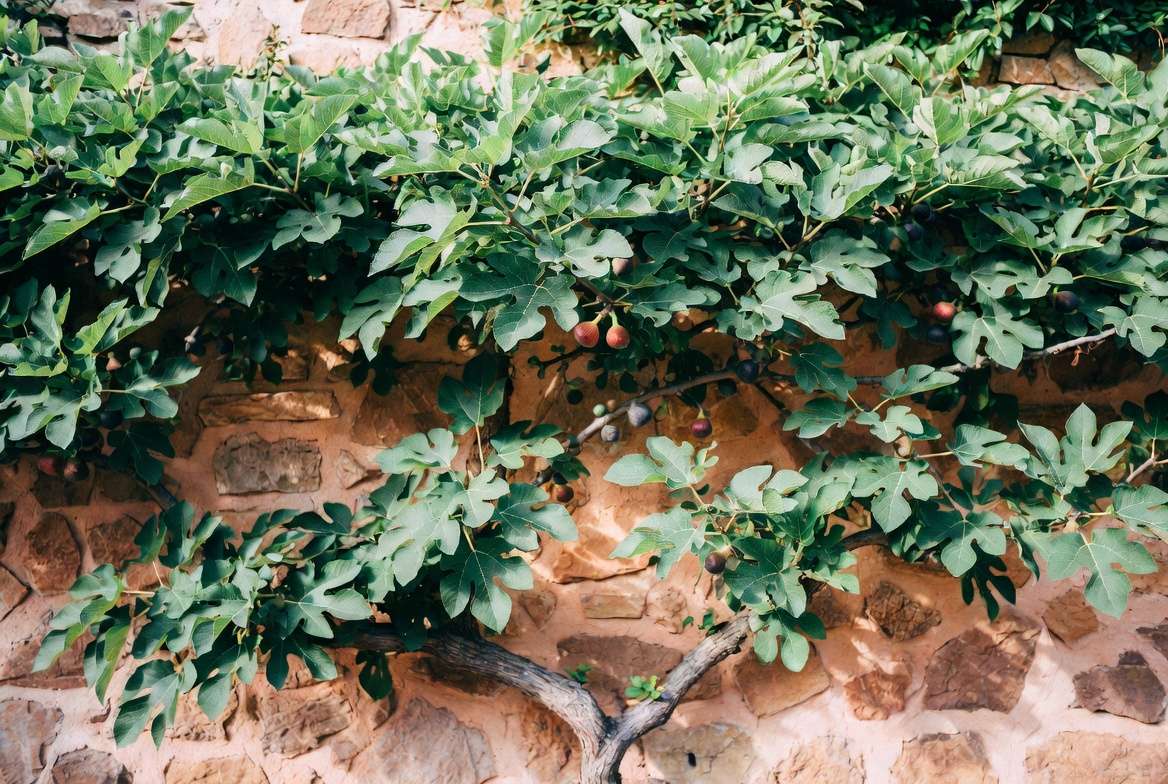
Training Fig Trees into Espalier or Bush Form Espalier (flat against a wall or fence) saves space and creates stunning garden features. Bush forms are easier for beginners and ideal for containers. Both methods make harvesting simpler.
Rejuvenation Pruning for Older or Neglected Trees If your fig tree has become overgrown or unproductive, don’t hesitate to cut it back hard — often to 2–3 feet tall. Figs are vigorous and will rebound beautifully within one or two seasons, often with renewed vigor and higher yields.
Pro Insight: Many gardeners fear pruning too much, but fig trees are forgiving. Consistent annual maintenance yields the best long-term results.
Pest and Disease Management for Fig Trees 🛡️
Healthy, properly sited fig trees are naturally resilient, but vigilance prevents minor issues from becoming major problems.
Common Pests
- Fig wasps and fruit flies: Netting or early harvesting helps.
- Scale insects and borers: Horticultural oil or neem oil applications in dormant season.
- Root-knot nematodes: Improve soil health with organic matter and rotate planting locations when possible.
Diseases
- Fig rust: Appears as yellow-orange spots on leaves. Remove affected foliage and ensure good airflow.
- Fig mosaic virus: Causes mottled leaves. Prevention through clean stock is key; affected plants should be removed.
- Root rot: Caused by overwatering or poor drainage — the most common killer of young fig trees.
Preventive Cultural Practices
- Plant in well-draining soil.
- Avoid overhead watering.
- Keep the area around the base weed-free.
- Monitor regularly during the growing season.
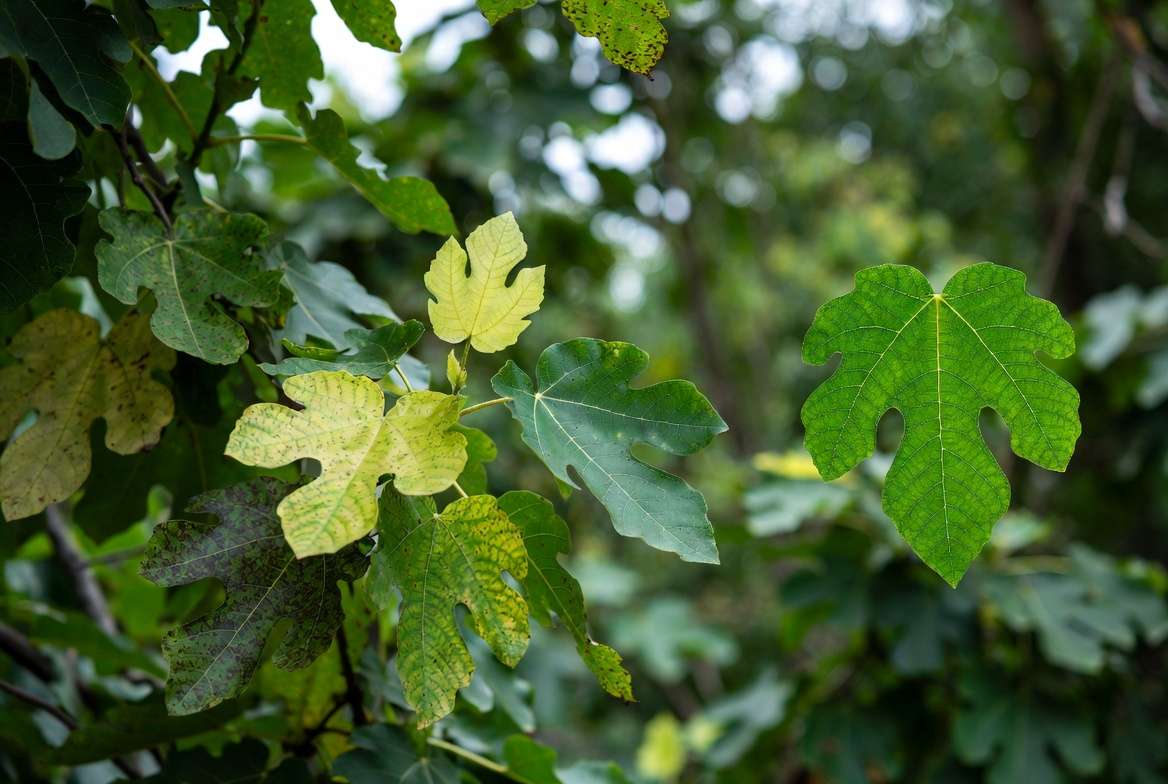
Safe, Natural Remedies Neem oil, insecticidal soaps, and beneficial insects (like ladybugs) form the foundation of an organic approach. For stubborn issues, consult your local cooperative extension for region-specific recommendations.
Harvesting Figs at Peak Perfection – Timing, Techniques, and Storage 🍓
The reward for all your fig trees care effort arrives when those plump fruits ripen.
How to Tell When Figs Are Ripe Ripe figs are slightly soft to the touch, hang downward on the stem, and often develop cracks in the skin. Color varies by variety — from deep purple to greenish-yellow. They should detach easily with a gentle tug. Avoid harvesting under-ripe figs, as they won’t continue ripening off the tree.
Proper Harvesting Methods Use scissors or pruners to cut fruits, leaving a short stem. Harvest in the morning when sugar content is highest. Wear gloves if your variety has irritating sap (latex).
Expected Yields and Extending the Season A mature tree can produce 50–200+ pounds annually. Some varieties offer a breba crop (early spring fruit on old wood) followed by a main crop in summer/fall.
Preserving Your Bounty
- Fresh storage: Refrigerate for up to a week.
- Drying: Halve and dry in a dehydrator or low oven.
- Freezing: Whole or halved for smoothies and baking.
- Jamming and canning: Classic fig preserves make wonderful gifts.
Delicious Recipe Ideas: Fresh fig and goat cheese salad, balsamic roasted figs, homemade fig bars, or fig chutney to pair with grilled meats.
Troubleshooting Common Fig Tree Problems and Solutions 🔧
Even the best gardeners face challenges. Here’s how to diagnose and fix the most frequent issues:
- Yellowing Leaves: Often overwatering or nutrient deficiency. Improve drainage and test soil.
- No Fruit Production: Young trees (under 2–3 years), insufficient sun, or excessive nitrogen fertilizer. Be patient and adjust care.
- Fruit Splitting: Irregular watering or rapid growth after drought. Consistent moisture prevents this.
- Slow Growth: Poor soil, insufficient light, or root issues. Amend soil and ensure full sun.
- Winter Damage: Protect with mulch or wraps in cold areas. Hardy varieties recover well in spring.
Use this troubleshooting knowledge to turn potential frustration into learning opportunities and stronger trees.
Advanced Growing Techniques for Maximum Productivity 🚀
Propagating Fig Trees from Cuttings Figs root easily from dormant hardwood cuttings. Take 6–10 inch cuttings in late winter, dip in rooting hormone, and plant in moist potting mix. Many varieties root within weeks with bottom heat.
Overwintering Tips In colder zones, wrap trunks, mulch heavily, or grow in movable containers. Some growers successfully overwinter figs in unheated garages or basements.
Container Growing Mastery Repot every 2–3 years and root-prune to keep trees compact yet productive. Use slow-release fertilizer and excellent drainage.
Organic and Sustainable Practices Compost tea, cover crops, and biodiversity create resilient garden ecosystems where fig trees thrive with minimal intervention.
Integrating into Food Forests Fig trees make excellent mid-layer trees in permaculture designs, providing shade and fruit while supporting overall system health.
Frequently Asked Questions (FAQs) ❓
How long until a fig tree produces fruit? Most varieties begin light production in 2–3 years and reach full productivity by year 4–5.
Can fig trees grow indoors? Yes, with bright south-facing windows or grow lights and proper humidity. Dwarf varieties work best.
Why are my figs dropping prematurely? Stress from inconsistent water, heat, or nutrient imbalance. Stabilize conditions.
What is the best fertilizer for fig trees? Balanced organic options or those formulated for fruit trees with higher potassium during fruiting season.
Are fig trees invasive? Generally not in most home garden settings, though roots can be vigorous. Container growing contains them effectively.
How do you protect fig trees in winter? Heavy mulching, trunk wrapping, and choosing hardy varieties are the most effective strategies.
Conclusion – Your Journey to Fig Tree Success 🌟
Growing healthy, productive fig trees is one of the most satisfying experiences in home gardening. With the right variety, proper planting, consistent care, thoughtful pruning, and timely harvesting, you’ll enjoy sweet rewards season after season. Remember that every gardener’s journey includes learning moments — embrace them as part of the process.
Start small, observe your trees closely, and adjust practices to your unique microclimate. The joy of biting into a sun-ripened fig you grew yourself makes every effort worthwhile.
Ready to plant your first (or next) fig tree? Share your experiences, successes, or questions in the comments below. For more expert plant care guides — from citrus to berries and beyond — explore our other articles and subscribe for regular tips.











