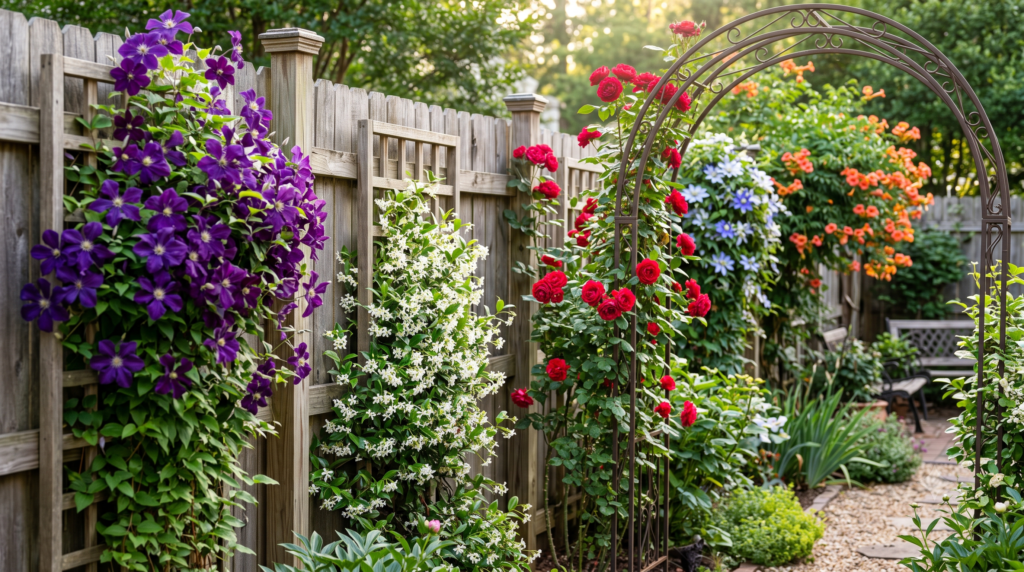
Picture your dream garden: a lush, vibrant sanctuary where greenery doesn’t just spread across the ground but climbs beautifully toward the sky. If you want to transform a stark, bare structure into a living masterpiece, you need to find the best 10 climbing plants for a trellis.
Vertical gardening is the ultimate space-saving hack, but it often comes with a unique set of gardener frustrations. Whether you are dealing with limited ground space, trying to hide an unsightly chain-link fence, or simply feeling overwhelmed by the fear of picking a finicky vine that will fail to thrive despite your best soil health and cultivation efforts, making the right choice is crucial. You want a vigorous, beautiful grower, but certainly not one that will invasively take over your entire property.
Furthermore, you want a garden that looks visually striking—creating the perfect backdrop for vibrant Pinterest pins, striking video thumbnails, or simply a breathtaking patio view. To take the guesswork out of your next landscaping project, this comprehensive guide cuts through the clutter. We have reviewed the best 10 climbing plants for a trellis, focusing on top-rated, reliable climbers available for fast delivery on Amazon. From fragrant blooms to fast-growing privacy screens, we will help you confidently choose the perfect plant to elevate your yard today.
How We Picked and Tested
To find the absolute best options for your vertical garden, we looked beyond simple aesthetics. A successful climbing plant needs to possess robust vitality. We analyzed hundreds of Amazon customer reviews, cross-referenced botanical data, and evaluated growth rates to find plants that genuinely thrive.
Our criteria focused on:
-
Root Health & Shipping Vitality: We prioritized plants that survive the shipping process and arrive ready to establish themselves.
-
Maintenance Level: We favored plants that offer maximum visual impact with manageable pruning requirements.
-
Visual Appeal: We specifically looked for striking foliage and bloom structures that pop on camera and in real life.
-
Soil & Hardiness Adaptability: We selected climbers that respond well to standard soil health management and offer varying degrees of hardiness across USDA zones.
At-a-Glance Comparison Table
Designed for quick reading and mobile-friendly comparisons.
| Plant Name | Standout Feature & Best Use | Hardiness Zones |
| Clematis ‘Jackmanii’ | Deep purple blooms; Best for showstopping aesthetic | Zones 4-9 |
| Star Jasmine | Intoxicating fragrance; Best for patios and privacy | Zones 8-10 |
| Climbing Rose (‘Don Juan’) | Classic romance; Best for cottage garden appeal | Zones 5-9 |
| Honeysuckle (‘Major Wheeler’) | Tubular red flowers; Best for attracting hummingbirds | Zones 4-8 |
| Amethyst Falls Wisteria | Cascading blooms; Best for heavy-duty pergolas | Zones 5-9 |
| Blue Passion Flower | Exotic, alien-like flowers; Best for tropical aesthetics | Zones 6-10 |
| Bougainvillea | Neon bracts & heat tolerance; Best for hot, sunny climates | Zones 9-11 |
| Trumpet Vine | Extreme vigor; Fastest grower for quick coverage | Zones 4-9 |
| Morning Glory (Seeds) | Fast, single-season coverage; Best budget annual | All (Annual) |
| Sweet Pea (Seeds) | Sweet scent, delicate vines; Best for small pots/obelisks | All (Annual) |
Buying Guide: How to Choose the Right Climber for Your Yard
Before adding to your cart, consider these crucial factors to ensure your trellis project is a success:
-
Sunlight vs. Shade: Matching light exposure is step one. For instance, Clematis famously prefers its foliage in the bright sun but its root system kept cool and shaded. Always check your yard’s daily light cycle.
-
Annuals vs. Perennials: Are you looking for a permanent structural feature or a temporary seasonal pop of color? Perennials (like Roses and Wisteria) require a multi-year commitment and structural support, while annuals (like Morning Glory) give you a massive one-season display and die back in the winter.
-
Trellis Strength and Material: Not all trellises are created equal. Delicate wire supports are perfect for Sweet Peas, but planting a heavy, woody vine like Wisteria on a flimsy structure will eventually pull it down. Match the vigor of the plant to the strength of your architecture.
Detailed Reviews: The Best 10 Climbing Plants for a Trellis
1. Clematis ‘Jackmanii’ (The Queen of Climbers)
Product Description:
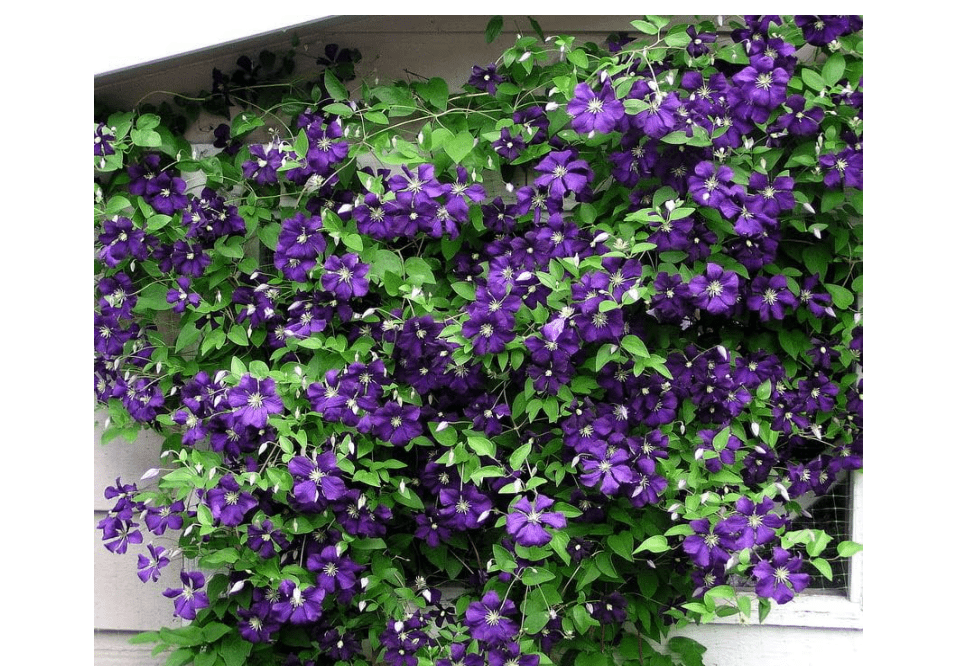
Widely revered as the “Queen of Climbers,” the Clematis ‘Jackmanii’ produces massive, velvety, deep purple blooms that can measure up to 5 inches across. When it comes to the best 10 climbing plants for a trellis, Jackmanii is a legendary staple. It twines elegantly, producing a profusion of flowers from mid-to-late summer that instantly elevate the look of any vertical space.
Price: $25.99
Key Features & Benefits:
-
Type: Deciduous perennial
-
Bloom Season: Mid to late summer
-
Growth Habit: Twining vine, reaches 10-12 feet tall.
-
USDA Zones: 4-9
Pros and Cons:
-
Pros: Jaw-dropping visual impact; highly reliable blooming cycle; stays relatively compact compared to heavier vines.
-
Cons: Requires specific pruning (Type 3 – hard prune in late winter); roots must be heavily mulched or shaded to thrive.
Amazon Customer Ratings & Reviews:
This plant consistently averages 4.5 stars. Buyers rave about the careful nursery packaging, noting that while the plant may look dormant upon arrival, it explodes with healthy green growth once planted in well-amended soil.
Why It’s a Good Choice for a Trellis:
It uses leaf stalks to gently twine around thin supports, meaning it won’t damage your home’s siding or crush delicate metal scrollwork.
Ideal Use Case / Who Should Buy It:
Perfect for gardeners looking to dress up a front-yard obelisk, mailbox, or decorative archway where maximum aesthetic impact is the primary goal.
2. Star Jasmine / Trachelospermum jasminoides (Best Fragrance)
Product Description:
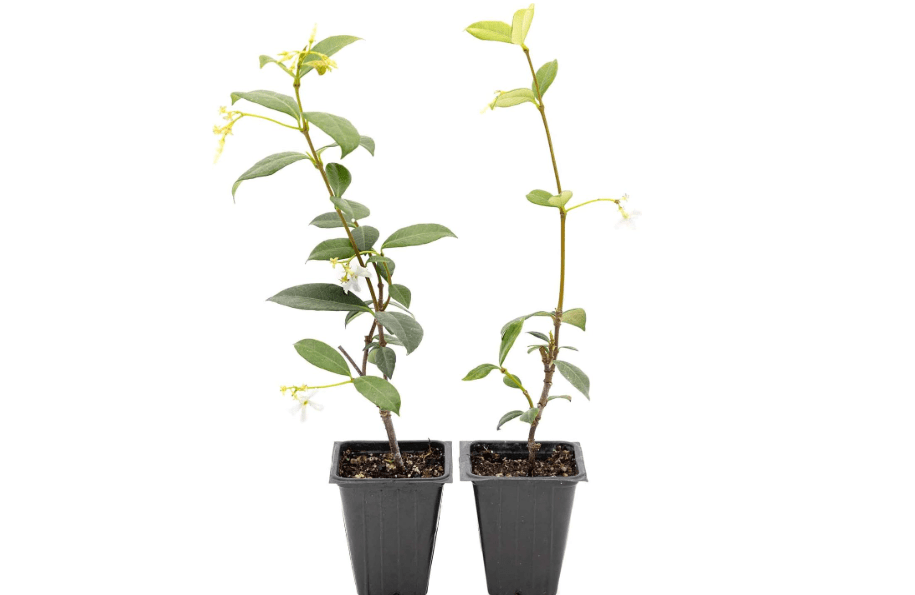
If you want your garden to smell as incredible as it looks, Star Jasmine is unparalleled. This fast-growing, evergreen vine features glossy, dark green leaves and an abundance of small, pinwheel-shaped white flowers. The sweet, intoxicating perfume carries effortlessly on a warm evening breeze, transforming an ordinary seating area into a sensory retreat.
Price:
Key Features & Benefits:
-
Type: Evergreen vine (in warmer climates)
-
Bloom Season: Late spring to early summer
-
Growth Habit: Twining, can reach up to 20 feet if supported.
-
USDA Zones: 8-10
Pros and Cons:
-
Pros: Heavenly scent; provides year-round visual interest with evergreen foliage; highly drought-tolerant once established.
-
Cons: Only half-hardy; will not survive harsh, freezing winters below zone 8 without being brought indoors.
Amazon Customer Ratings & Reviews:
Sitting at an impressive 4.6-star average, reviewers frequently highlight the lush health of the foliage upon delivery. Many customers mention how quickly it establishes itself and begins covering fences within a single growing season.
Why It’s a Good Choice for a Trellis:
Its dense, evergreen growth habit provides excellent, thick privacy screening all year long, rather than dying back to bare woody stems in the winter.
Ideal Use Case / Who Should Buy It:
Homeowners in warmer climates looking to cover an ugly fence line or anyone wanting to create a highly fragrant, romantic seating area on a patio.
3. Climbing Rose – ‘Don Juan’ or ‘New Dawn’ (Best Classic Aesthetic)
Product Description:
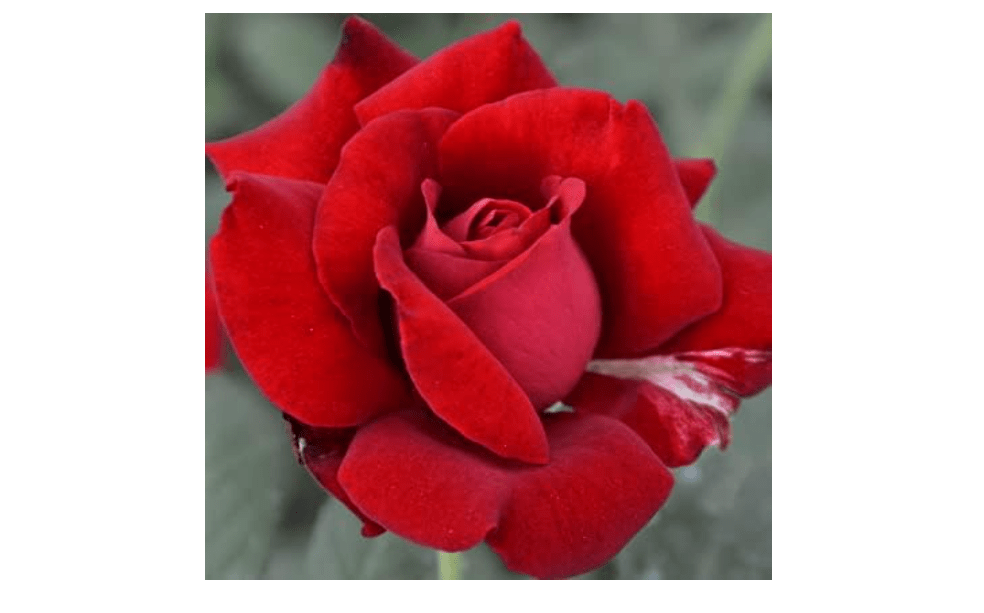
Nothing captures the timeless romance of a classic English garden quite like a climbing rose. Varieties like the deep red ‘Don Juan’ or the soft pink ‘New Dawn’ offer cascading, heavily petaled blooms that command attention. These resilient climbers push out vigorous canes that, when properly trained, turn any basic trellis into a fairytale backdrop.
Price: $39.99
Key Features & Benefits:
-
Type: Perennial Shrub / Climber
-
Bloom Season: Repeat bloomers from late spring through fall
-
Growth Habit: Long, arching canes reaching 10-15 feet.
-
USDA Zones: 5-9
Pros and Cons:
-
Pros: Unmatched classic beauty; incredibly long lifespan; rich, traditional rose fragrance.
-
Cons: Does not naturally climb—canes must be manually tied to the trellis; thorny maintenance requires heavy gloves.
Amazon Customer Ratings & Reviews:
Highly rated for their hardy rootstocks. Amazon buyers appreciate the detailed planting instructions provided by top sellers, noting that the root systems are incredibly healthy, leading to rapid first-year cane growth.
Why It’s a Good Choice for a Trellis:
Because rose canes can be manually fanned out horizontally on a wide trellis, you can actually manipulate the plant to produce a massive wall of blooms (horizontal training encourages more flower-producing side shoots).
Ideal Use Case / Who Should Buy It:
Traditional gardeners and visual creatives who want that lush, cottage-core aesthetic, and who don’t mind dedicating a little extra time to pruning and tying.
4. Honeysuckle Vine – ‘Major Wheeler’ (Best for Attracting Hummingbirds)
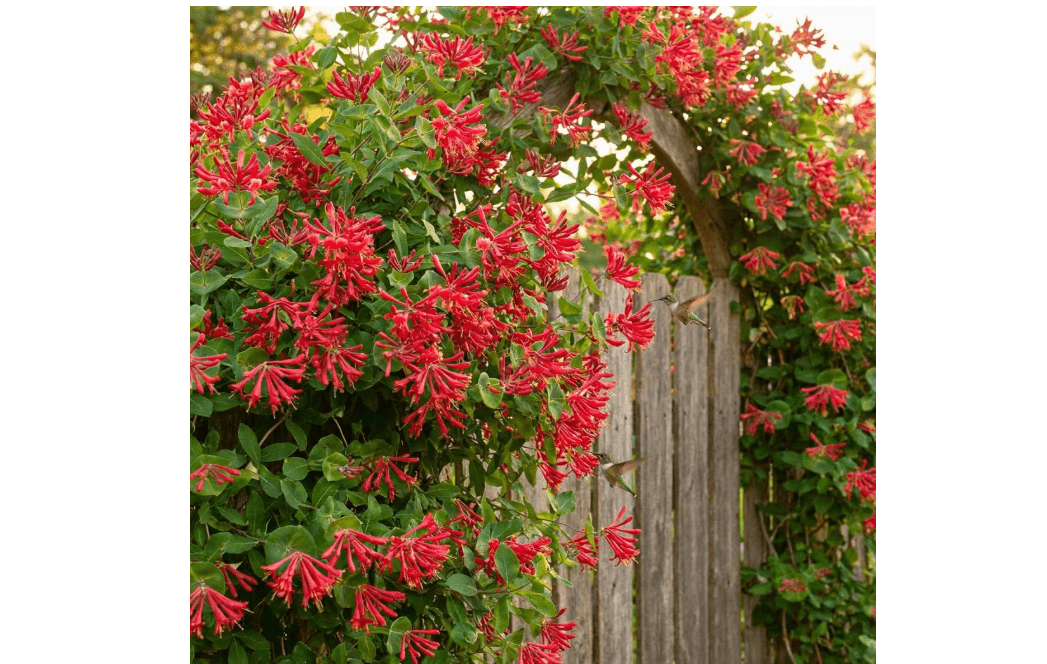
Product Description: If you want to bring your garden to life with active, buzzing wildlife, the ‘Major Wheeler’ Honeysuckle is an absolute must-have. This native vine produces a stunning, continuous flush of blazing red, tubular flowers from late spring through late summer. It is widely considered one of the top pollinator attractants, pulling in hummingbirds and butterflies like a magnet while providing a lush, green backdrop.
Price:
Key Features & Benefits:
-
Type: Deciduous vine (semi-evergreen in warmer zones)
-
Bloom Season: Late spring to late summer
-
Growth Habit: Twining, fast-growing up to 10-15 feet.
-
USDA Zones: 4-8
Pros and Cons:
-
Pros: Incredible wildlife value; highly resilient and mildew-resistant; extremely long bloom time.
-
Cons: Can aggressively spread and become tangled if not pruned back annually.
Amazon Customer Ratings & Reviews: Averaging 4.5 stars, reviewers frequently praise this plant’s rapid growth rate. Many Amazon buyers note that hummingbirds found the vine within weeks of it producing its first blooms, and compliment the secure shipping methods used to keep the vine intact during transit.
Why It’s a Good Choice for a Trellis: Honeysuckle naturally twines and spirals around supports, rapidly covering bare wooden or metal structures with minimal training required.
Ideal Use Case / Who Should Buy It: Nature lovers, bird watchers, and content creators looking to capture dynamic wildlife shots against a beautiful, fast-growing privacy screen.
5. American Wisteria ‘Amethyst Falls’ (Best for Sturdy Pergolas)
Product Description: Wisteria is famous for its breathtaking, cascading racemes of purple flowers that look straight out of a fairy tale. However, traditional Asian varieties can be dangerously invasive and destructive to homes. ‘Amethyst Falls’ is a native American variety that offers that same dramatic, weeping floral display but with a much less aggressive growth habit, making it a safer, highly manageable choice for domestic gardens.
Price: $19.99
Key Features & Benefits:
-
Type: Deciduous woody vine
-
Bloom Season: Late spring, with occasional summer re-blooms
-
Growth Habit: Twining woody vine, reaches 15-20 feet.
-
USDA Zones: 5-9
Pros and Cons:
-
Pros: Spectacular, photogenic blooms; less invasive and blooms at a younger age than Chinese Wisteria; light, musky fragrance.
-
Cons: Even this “tame” variety requires a heavy-duty, reinforced structure; regular pruning is required to encourage blooms.
Amazon Customer Ratings & Reviews: Boasting a 4.4-star average, customers are thrilled that this variety often blooms in its very first year of planting (unlike others that can take a decade). Buyers appreciate receiving well-rooted, healthy starter plants.
Why It’s a Good Choice for a Trellis: It creates an unparalleled “living roof” effect when grown over sturdy pergolas, arbors, or heavy iron arches.
Ideal Use Case / Who Should Buy It: Homeowners with heavy timber or strong architectural structures who want a showstopping, structural centerpiece in their landscaping.
6. Blue Passion Flower / Passiflora (Best Exotic Look)
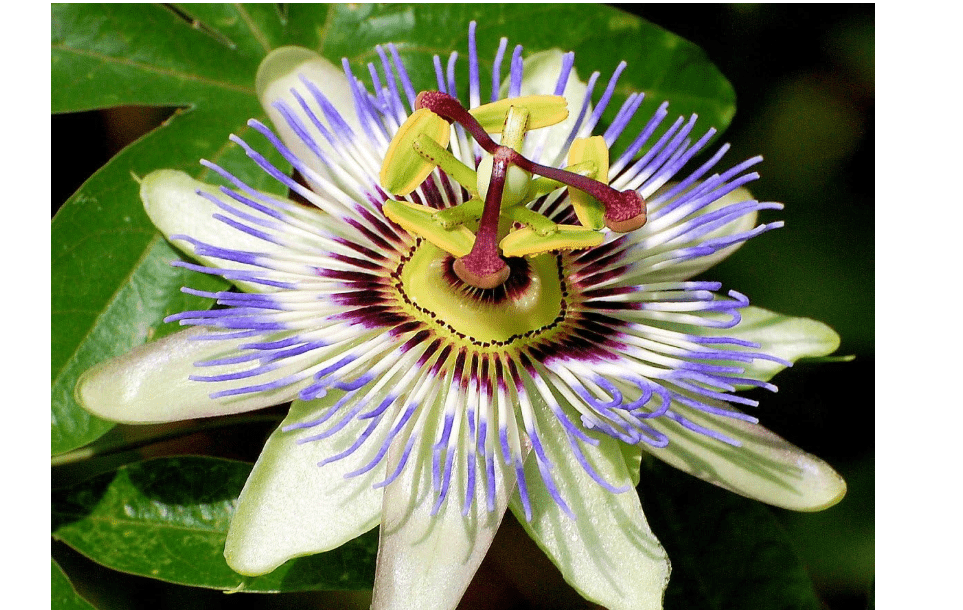
Product Description: For a genuinely tropical and exotic aesthetic, the Blue Passion Flower is unmatched. The blooms look beautifully alien, featuring a complex arrangement of white petals overlaid with a striking crown of blue, purple, and white filaments. It is an incredibly fast grower that adds instant jungle-like drama to your yard.
Price: $14.50
Key Features & Benefits:
-
Type: Semi-evergreen climbing vine
-
Bloom Season: Mid-summer to early fall
-
Growth Habit: Tendril climber, easily reaching 15-30 feet.
-
USDA Zones: 6-10 (Often grown as an annual in colder zones)
Pros and Cons:
-
Pros: Completely unique, visually complex flowers; extremely fast growth rate; produces edible (though often bland) passion fruits.
-
Cons: Can be highly invasive in tropical zones (9-10) if not aggressively controlled; dies back entirely in cold winters.
Amazon Customer Ratings & Reviews: Averaging 4.3 stars, users are consistently amazed by the speed at which this vine overtakes a trellis. Many buyers highlight that it arrived healthy and immediately began anchoring itself to nearby supports.
Why It’s a Good Choice for a Trellis: It uses small, tight tendrils to grab onto wire, mesh, or thin wood, allowing it to climb rapidly without heavy, thick woody trunks that warp structures.
Ideal Use Case / Who Should Buy It: Gardeners looking for a conversational piece, or anyone wanting to inject a vibrant, tropical flair into their outdoor living space.
7. Bougainvillea (Best for Hot Climates)
Product Description: If your trellis sits baking in the relentless summer sun where other plants shrivel, Bougainvillea is your answer. This tough, sun-loving vine explodes in a riot of neon pink, purple, or magenta. Interestingly, the color comes not from the actual flowers, but from the papery bracts surrounding them. It thrives on heat and neglect, making it a ruggedly beautiful choice.
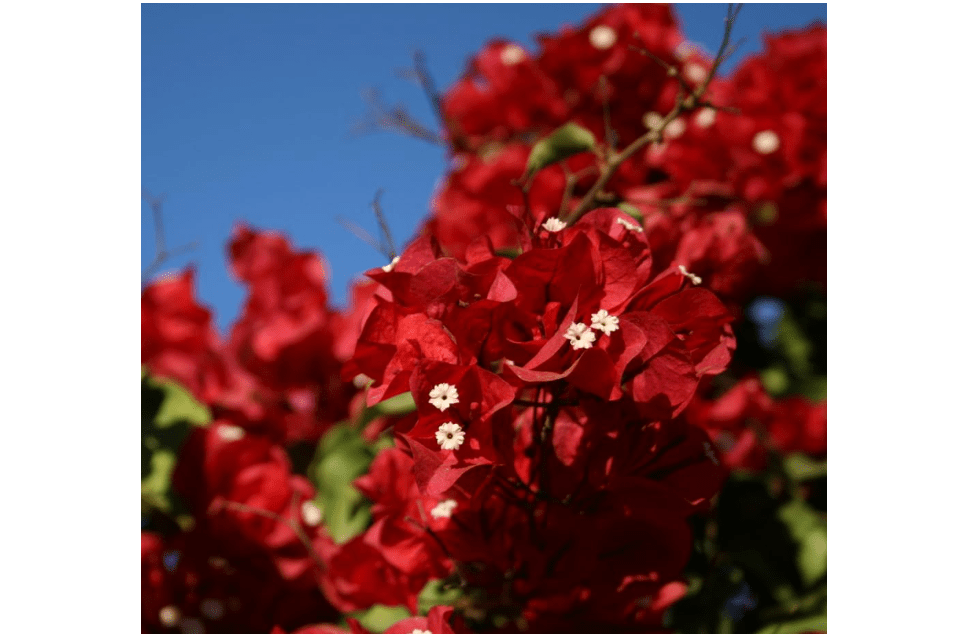
Price: $33.99
Key Features & Benefits:
-
Type: Evergreen woody vine (in frost-free zones)
-
Bloom Season: Year-round in warm climates; summer in cooler zones
-
Growth Habit: Scrambling vine, 15-30 feet.
-
USDA Zones: 9-11
Pros and Cons:
-
Pros: Unbelievably vibrant, eye-popping color; extreme heat and drought tolerance.
-
Cons: Very sharp thorns; does not climb on its own (needs to be tied); zero frost tolerance.
Amazon Customer Ratings & Reviews: With a 4.5-star average, southern and west-coast buyers consider this a staple. Reviewers caution to handle the root ball very carefully during transplanting, as the roots are delicate, but confirm the plant explodes with color once established.
Why It’s a Good Choice for a Trellis: When tied to a sunny wall trellis or a sturdy arch, it creates a massive, dense wall of neon color that is impossible to ignore.
Ideal Use Case / Who Should Buy It: Those living in hot, dry climates (like Florida, Texas, or Southern California) who need a bulletproof plant for full-sun exposure.
8. Trumpet Vine / Campsis radicans (Fastest Grower)
Product Description: When you need to cover an ugly structure yesterday, the Trumpet Vine answers the call. This incredibly vigorous native plant pushes out dense foliage and clusters of fiery orange, trumpet-shaped flowers that hummingbirds adore. It is a powerhouse grower, but it requires a gardener willing to show it who is boss.
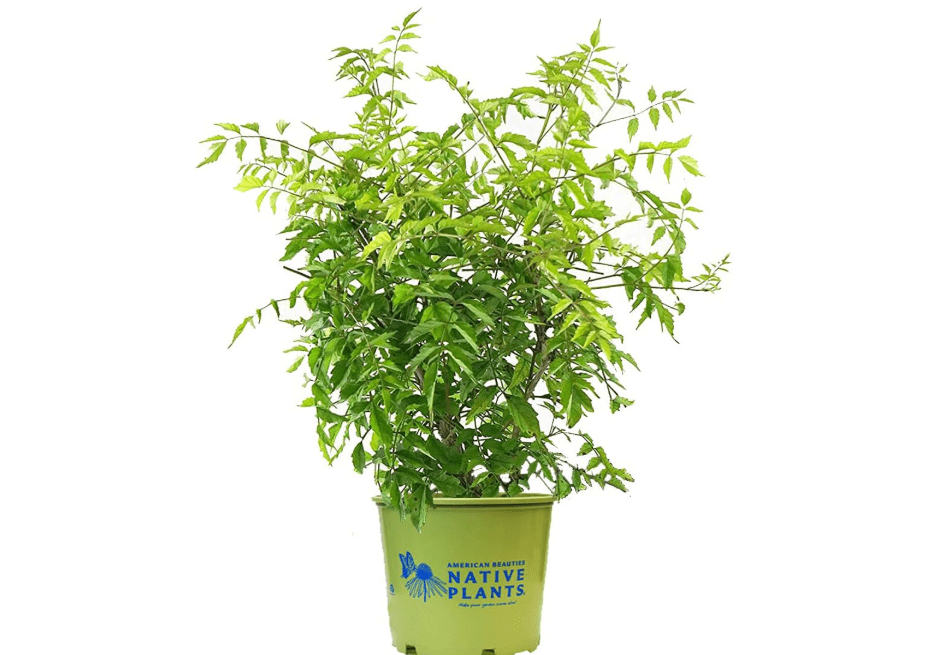
Price: $60.99
Key Features & Benefits:
-
Type: Deciduous woody vine
-
Bloom Season: Mid-summer to early fall
-
Growth Habit: Clinging vine, can surge to 30-40 feet.
-
USDA Zones: 4-9
Pros and Cons:
-
Pros: Unbeatable growth speed; brilliant tropical-looking flowers; highly adaptable to poor soils.
-
Cons: Extremely aggressive; utilizes aerial roots that can damage wood siding or brick mortar; drops a lot of spent flowers.
Amazon Customer Ratings & Reviews: Sitting at 4.2 stars, buyers confirm this plant’s reputation as a rapid grower. Reviews often note that it ships small but establishes itself with shocking speed, quickly blanketing whatever structure it touches.
Why It’s a Good Choice for a Trellis: It self-clings using aerial rootlets, meaning you don’t have to tie or train it. Just point it at a heavy-duty trellis and step back.
Ideal Use Case / Who Should Buy It: Gardeners with very large, standalone, heavy-duty structures (away from the house foundation) who want maximum coverage in the shortest amount of time.
9. Morning Glory ‘Heavenly Blue’ – Seeds (Best Budget Annual)
Product Description: If you are on a strict budget or renting your property, planting perennial vines isn’t always practical. Morning Glory seeds offer the perfect solution. ‘Heavenly Blue’ produces heart-shaped leaves and mesmerizing, sky-blue trumpet flowers that open fresh every single morning. For just a few dollars, you get massive, single-season coverage.
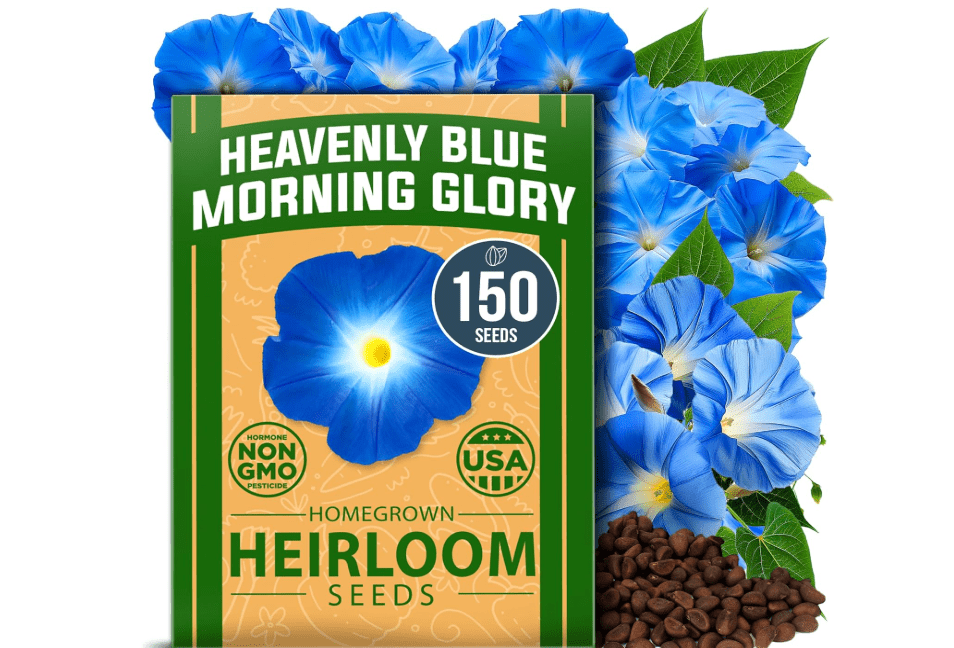
Price: $5.31
Key Features & Benefits:
-
Type: Annual vine
-
Bloom Season: Early summer to first frost
-
Growth Habit: Twining vine, 10-15 feet in a single season.
-
USDA Zones: All zones (grown as an annual)
Pros and Cons:
-
Pros: Extremely inexpensive; ultra-fast growth; vibrant daily blooms.
-
Cons: Dies at the first frost; seeds aggressively (it will likely reseed itself the following year whether you want it to or not).
Amazon Customer Ratings & Reviews: Averaging 4.6 stars, seed buyers love the near-100% germination rate. Many note that soaking the seeds in water for 24 hours prior to planting yields rapid, successful sprouting.
Why It’s a Good Choice for a Trellis: It is lightweight and twines easily around even the flimsiest bamboo stakes or wire netting, making it perfect for temporary setups.
Ideal Use Case / Who Should Buy It: Renters, budget-conscious gardeners, or anyone wanting a fast, cheap way to trial vertical gardening before committing to a permanent plant.
10. Sweet Pea – Seeds (Best for Small Trellises & Pots)
Product Description: For an elegant, cottage-garden aesthetic in a compact space, Sweet Peas are the ultimate choice. Grown easily from seed, these delicate vines produce charming, ruffled petals in soft pastels and striking bi-colors. Their most famous attribute, however, is their fragrance—a sweet, honey-and-orange-blossom scent that is perfect for cutting and bringing indoors.
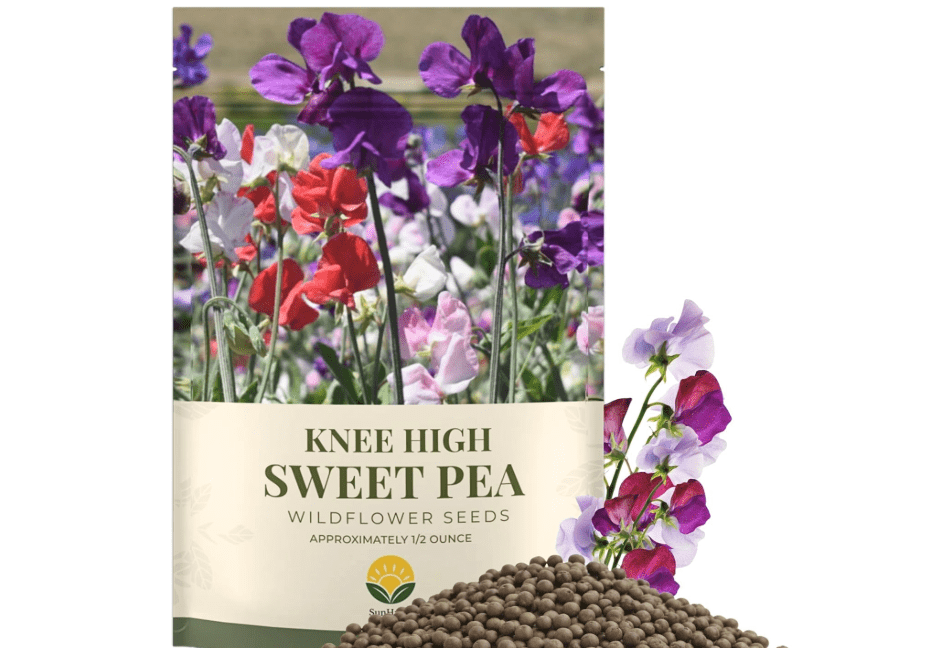
Price:
Key Features & Benefits:
-
Type: Annual vine
-
Bloom Season: Spring to early summer (fades in high heat)
-
Growth Habit: Tendril climber, 6-8 feet.
-
USDA Zones: All zones (grown as an annual)
Pros and Cons:
-
Pros: Incredible fragrance; excellent cut flowers; perfect for small containers.
-
Cons: Dislikes hot weather (will die back in mid-summer heat); requires frequent deadheading to keep blooming.
Amazon Customer Ratings & Reviews: With a 4.4-star rating, buyers praise the beautiful color mixes provided in seed packets. Customers strongly recommend planting them early in the spring, as they thrive in the cooler temperatures.
Why It’s a Good Choice for a Trellis: Sweet Peas use tiny tendrils to climb, making them the perfect candidate for delicate, highly decorative wire obelisks, netting, or small container trellises on a balcony.
Ideal Use Case / Who Should Buy It: Balcony gardeners, container enthusiasts, or anyone wanting beautiful, fragrant blooms for indoor floral arrangements.
Pro Tips for Trellis Success
To ensure your investment thrives and your vertical garden looks spectacular, keep these structural and soil health tips in mind:
-
Know How to Train Your Plants: Climbers attach themselves in different ways. Twiners (like Clematis and Honeysuckle) spiral around their supports. Clingers (like Trumpet Vine) use rootlets that grab onto surfaces. Scramblers (like Roses and Bougainvillea) don’t actually climb at all—you must manually tie them to the trellis using soft garden twine.
-
Planting Distance Matters: Never plant your climber directly against the base of the trellis. Plant it roughly 6 to 12 inches away, angling the stem toward the support. This ensures the root ball receives adequate rainfall (which is often blocked by the structure itself) and allows room for essential root expansion and proper soil health management.
-
Pruning for Fullness: Don’t let your vines race to the top of the trellis, leaving the bottom bare and woody. During the first few years, pinch back the growing tips and train the stems horizontally. This encourages the plant to branch out, resulting in a thick, lush wall of greenery and blooms from the ground up.
Conclusion: Which Climber Should You Choose?
Transforming your outdoor space relies entirely on matching the right plant to your specific needs and environment. Out of the best 10 climbing plants for a trellis, the final choice comes down to your garden’s architecture and your personal goals.
-
The Bottom Line: If you want an immediate, budget-friendly pop of color for a small space, grab a packet of Morning Glory or Sweet Pea seeds. For an iconic, show-stopping focal point, invest in the Clematis ‘Jackmanii’ or a classic Climbing Rose. And if your goal is permanent, fragrant privacy screening, the Star Jasmine remains unmatched.
Before you start digging, click through to Amazon using the links provided to check current prices and availability. Live plants and popular seed varieties frequently sell out during the peak spring planting rush, so secure your climbers today and get ready to watch your garden reach new heights!