
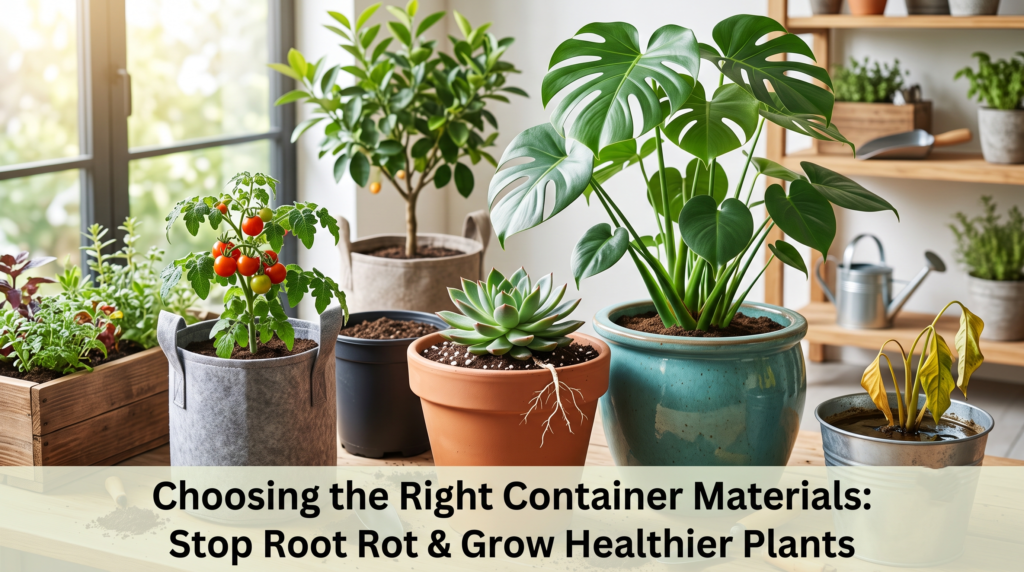
You bring home a beautiful, expensive plant, place it in a gorgeous decorative pot, and carefully water it. A few weeks later, the leaves turn yellow, droop, and eventually drop. Most plant parents immediately blame themselves for overwatering. However, the real villain is often a lack of root aeration caused by the pot itself. Choosing the right container materials is the single most effective, scientifically backed way to prevent root rot, regulate soil temperature, and ensure your plants and trees truly thrive.
In the world of horticulture, container gardening requires an understanding of how different materials interact with water, air, and temperature. Whether you are cultivating rare indoor tropicals or growing fruit trees on a sun-baked patio, the material of your planter dictates your watering schedule, your soil choice, and ultimately, the health of your root systems.
This comprehensive guide breaks down the science of plant pots, helping you match the perfect material to your specific plants, environment, and watering habits.
Why Container Material Matters More Than You Think 🧠
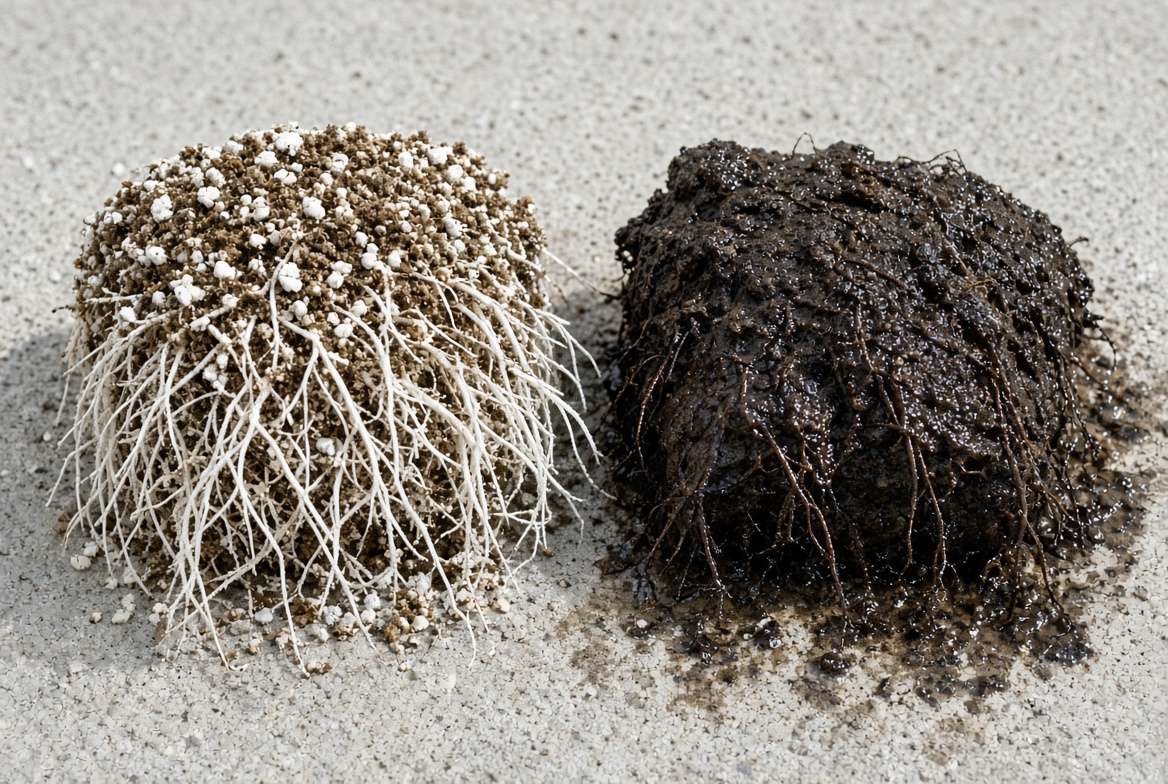
To understand why a pot’s material is so crucial, you have to look below the soil surface. Healthy plants require a delicate balance of moisture and oxygen at the root level. When this balance is disrupted, pathogenic fungi thrive, leading to root rot—the number one killer of potted plants.
The Science of Porosity Porosity refers to how easily air and water can pass through the walls of a container. Porous materials allow the soil to “breathe,” facilitating gas exchange. Roots take in oxygen and release carbon dioxide; if a pot is completely non-porous and lacking proper drainage, that carbon dioxide gets trapped, and oxygen is pushed out by stagnant water.
Thermal Conductivity and Insulation Pots live in dynamic environments. Outdoors, the summer sun can bake a container, severely damaging delicate root hairs along the inner walls. In winter, freezing temperatures can penetrate thin-walled pots, killing perennial trees. The thermal mass and insulating properties of your container material will dictate how well your plant survives extreme weather fluctuations.
Moisture Retention Rates The walls of a container actively participate in the soil’s moisture cycle. Some materials literally wick water away from the potting mix, while others create an impermeable vapor barrier that locks every drop of moisture inside. Understanding this dynamic is the key to preventing accidental overwatering or underwatering.
The Ultimate Breakdown: Container Materials Explained 🏆
Not all pots are created equal. Here is the expert breakdown of the most common container materials on the market, how they function, and what plants they serve best.
1. Terracotta & Clay: The Breathable Classics 🧱
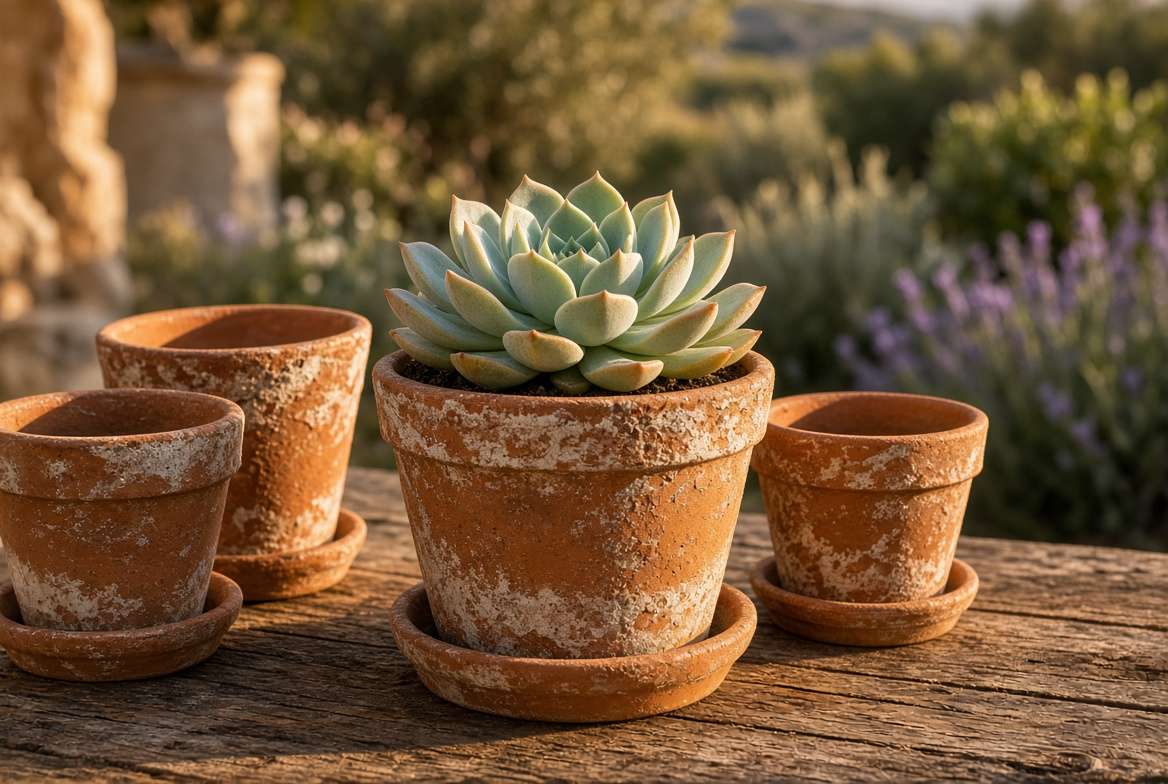
Terracotta (baked earth) is a staple in nurseries and gardens worldwide. These unglazed clay pots are highly porous, allowing air and moisture to pass freely through the walls.
-
How it Works: The clay acts as a sponge, pulling excess moisture from the potting soil and evaporating it through the outer walls.
-
Pros: Virtually eliminates the risk of root rot; provides excellent airflow to roots; heavy enough to prevent tipping; develops a beautiful, rustic patina over time.
-
Cons: Dries out very quickly; fragile and prone to cracking; can shatter if left outdoors during winter freezes (due to trapped moisture expanding as ice).
-
Best For: Cacti, succulents, snake plants, Mediterranean herbs (like rosemary and thyme), and anyone prone to overwatering their plants.
2. Plastic & Resin: The Lightweight Contenders 🪣
Plastic and fiberglass resin pots are the most common containers found in commercial garden centers. They are completely non-porous, meaning they do not allow air or water to pass through their walls.
-
How it Works: These materials create a vapor barrier. Water can only escape through the drainage holes at the bottom or through evaporation at the top surface of the soil.
-
Pros: Highly affordable; incredibly lightweight (making them ideal for large indoor trees like Ficus audrey or Monstera deliciosa); excellent at retaining moisture; durable and frost-proof.
-
Cons: Zero breathability, making root rot a high risk if the soil is too dense; cheap plastics can become brittle and fade under intense UV sunlight.
-
Best For: Moisture-loving plants (ferns, calatheas, carnivorous plants), hanging baskets, and seed-starting trays.
3. Glazed Ceramic: The Heavy-Duty Decorators 🏺
Glazed ceramic pots start as clay but are fired in a kiln with a glass-like coating. This glaze seals the clay, completely neutralizing its natural porosity.
-
How it Works: Similar to plastic, glazed ceramic locks moisture into the soil. However, it provides significantly more thermal mass.
-
Pros: Aesthetically stunning; incredibly stable and heavy, making them perfect for anchoring top-heavy trees; great moisture retention for thirsty plants.
-
Cons: Very expensive; extremely heavy and difficult to move once filled with wet soil; often manufactured without drainage holes.
-
Best For: Large indoor statement plants, tropical indoor trees, and patio centerpieces.
4. Fabric & Grow Bags: The Root-Pruning Marvels 🧵
Fabric pots, typically made from thick, BPA-free geotextiles, have revolutionized container gardening, particularly for vegetables and outdoor trees.
-
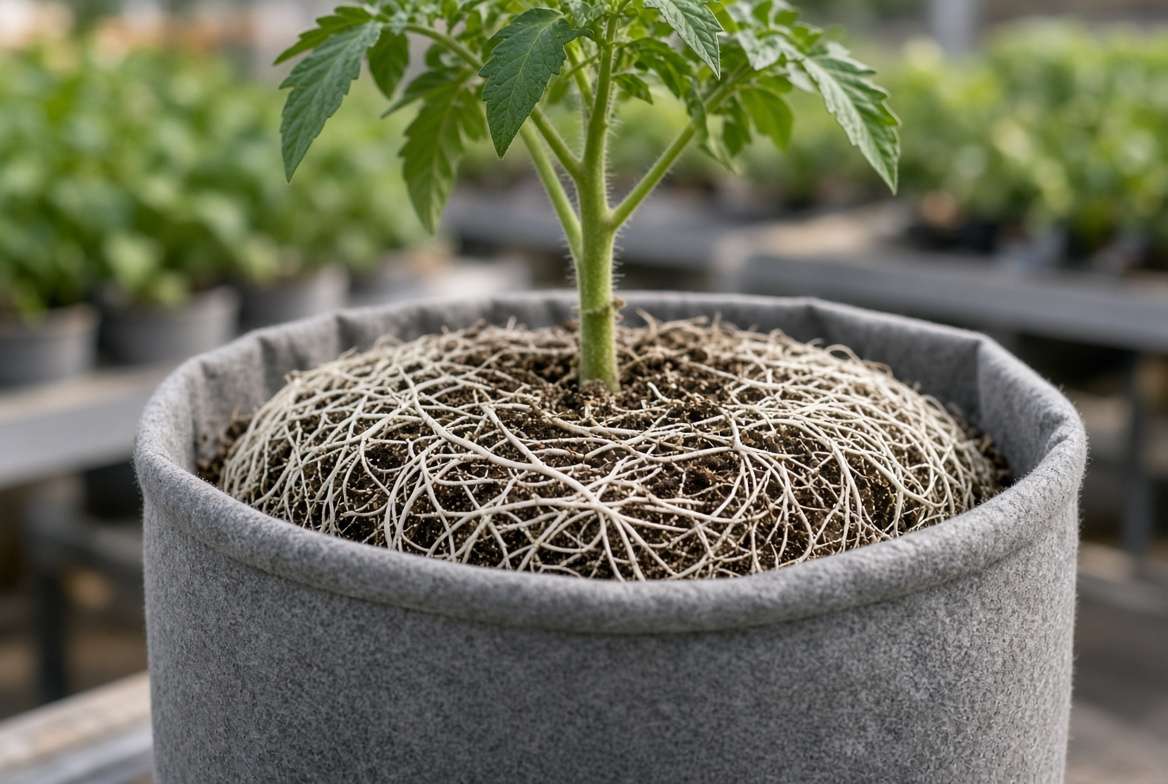
How it Works: When plant roots reach the edge of a fabric pot, they are exposed to dry air. This exposure causes the root tip to dehydrate and die (a process called “air-pruning”). The plant responds by branching out with hundreds of new, fibrous feeder roots rather than circling the bottom of the pot.
-
Pros: Creates massively dense, healthy root systems; impossible to overwater; lightweight and easy to store in winter.
-
Cons: Dries out incredibly fast, requiring frequent watering; lacks the structural rigidity of hard pots; can leave water stains on indoor floors or wooden decks.
-
Best For: Tomatoes, peppers, potatoes, cannabis, young fruit trees, and aggressive growers.
5. Wood: The Natural Insulators 🪵
Wooden planters, often made from cedar, redwood, or teak, offer a brilliant middle ground between breathability and moisture retention.
-
How it Works: Wood is semi-porous and acts as a fantastic natural insulator. The thick walls protect delicate roots from the scorching summer heat and bitter winter frost.
-
Pros: Superior temperature regulation; blends beautifully into outdoor landscaping; ideal for building custom, large-scale raised beds.
-
Cons: Will eventually decompose and rot (even treated wood has a lifespan); very heavy; requires maintenance and liners to extend longevity.
-
Best For: Outdoor patio trees (like citrus or Japanese maples), raised vegetable gardens, and perennial shrubs.
6. Metal & Concrete: The Industrial Giants 🏗️
For modern, architectural landscaping, metal (like galvanized steel or corten steel) and concrete are popular choices, but they require careful handling.
-
Concrete: Highly durable and porous, but it contains lime, which can leach into the soil and raise the pH (making it too alkaline for acid-loving plants like blueberries or hydrangeas).
-
Metal: Completely non-porous and a severe conductor of heat. A metal pot placed in direct summer sunlight can literally cook a plant’s roots.
-
Best For: Drought-tolerant landscaping and architectural statement pieces—provided the metal pots are kept in the shade or lined with thick insulating foam.
Comparing Container Materials at a Glance
The Matchmaker Guide: Pairing Material with Plant & Person 🌿
Choosing the right container materials isn’t just about the plant; it is also about knowing your own habits and your specific environment.
For the Chronic Overwaterer If you love your plants by watering them every single day, you need pots that will save the plant from your enthusiasm. Stick exclusively to terracotta and fabric grow bags. These materials will rapidly evaporate the excess water you apply, keeping the roots safe from rot.
For the Forgetful Underwaterer If you travel frequently or simply forget watering day, terracotta is your worst enemy. You need materials that hoard moisture. Plastic, resin, and glazed ceramic containers will lock humidity into the soil, giving your plants a fighting chance during dry spells.
Indoor vs. Outdoor Environments Indoor environments usually lack wind and intense heat, meaning soil stays wet much longer. Because of this, indoor growers must be highly cautious with plastic and ceramic pots. Outdoors, the wind and sun evaporate water quickly, making plastic and glazed ceramic highly advantageous for keeping outdoor tropicals hydrated.
The Golden Rule: Drainage is Non-Negotiable 🛑
No matter how carefully you choose your container material, it is entirely useless if the pot lacks drainage holes. Water must have a place to escape.
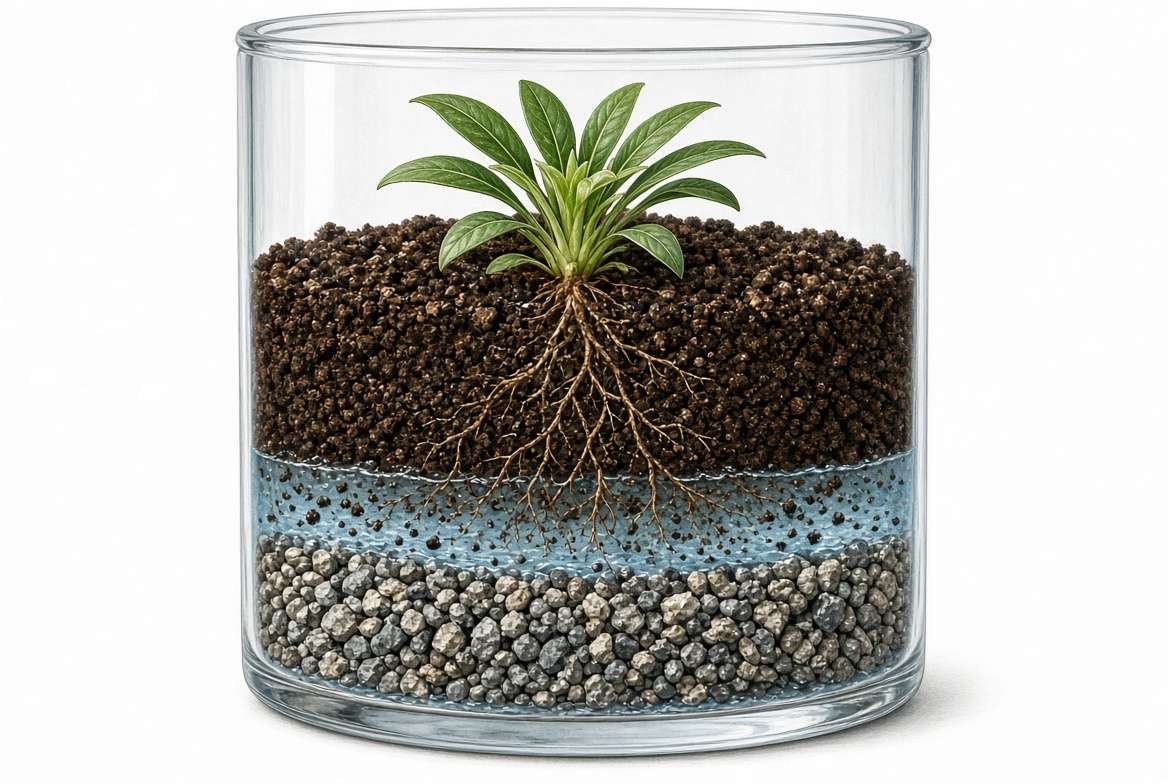
The “Gravel at the Bottom” Myth For decades, gardeners have been told to put a layer of gravel or rocks at the bottom of pots that lack drainage holes to “keep the roots out of the water.” Horticultural science has debunked this. Adding gravel creates a phenomenon called a perched water table. Water does not move easily from the fine-textured potting soil into the coarse gravel below. Instead, the water pools in the soil exactly at the boundary line of the gravel, pushing the soggy, rotting zone closer to the plant’s delicate upper roots. Always use pots with actual drainage holes, filled entirely with potting mix from top to bottom.
The Cachepot Method If you fall in love with a beautiful glazed ceramic pot that has no drainage holes, do not plant directly into it. Instead, plant your greenery in a cheap, lightweight plastic nursery pot that has plenty of holes. Simply drop that plastic pot into the decorative ceramic pot (the cachepot). When it is time to water, remove the plastic pot, water it in the sink, let it drain completely, and return it to the ceramic display pot.
Expert Insights: 3 Container Mistakes to Avoid ❌
-
Sizing Up Too Quickly: When repotting a plant, only increase the pot size by 1 to 2 inches in diameter. If you put a small plant in a massive pot, the small root system cannot drink the vast amount of water held in the surrounding soil. The soil stays wet for weeks, leading directly to root rot, regardless of the pot’s material.
-
Ignoring Weight Limits: Wet soil is incredibly heavy. Filling a massive glazed ceramic pot or concrete planter on an apartment balcony or a wooden deck can pose severe structural risks. Always use lightweight resin or fabric pots for large-scale balcony gardening.
-
Mismatched Soil Synergy: Your potting mix must complement your container material. If you use a non-porous plastic pot, you must use a chunky, highly aerated soil mix (amended with perlite, orchid bark, or pumice) to provide the oxygen the pot walls cannot.
Your Next Steps to Thriving Plants ✨
Mastering plant care goes far beyond just remembering to water; it requires creating a micro-environment where roots can breathe, drink, and anchor themselves safely. Choosing the right container materials is a delicate balancing act between your watering habits, your plant’s natural habitat, and your home’s environment.
Whether you opt for the breathable, rustic charm of terracotta, the lightweight convenience of plastic, or the root-boosting power of fabric grow bags, understanding how these materials function will instantly elevate your gardening success.
Take a look around your home or garden today. Are your moisture-loving ferns struggling in dry terracotta? Are your succulents rotting in glazed ceramic? Armed with this knowledge, you are ready to repot, rebalance, and watch your indoor jungle and outdoor garden truly thrive.
Bonus Guide: Mastering Soil-to-Pot Synergy 🧪
To truly create a skyscraper-level environment for your plants, understanding the container material is only the first half of the equation. The second half is the Soil-to-Pot Synergy. You can manipulate your potting mix to compensate for the weaknesses of your chosen container.
Here is how expert horticulturists adjust their soil based on the container material:
1. Amending for Plastic and Glazed Ceramic (Low Porosity) Because these pots trap moisture and block airflow, you must build the airflow directly into the soil.
-
The Fix: Never use straight, out-of-the-bag “indoor potting soil” in a plastic or ceramic pot. It is too dense.
-
The Recipe: Mix 50% high-quality potting soil with 25% perlite or pumice and 25% coarse orchid bark. This creates a “chunky” mix. Even when the plastic walls lock water in, the large air pockets created by the bark and pumice will ensure the roots can still breathe, drastically reducing root rot risks.
2. Amending for Terracotta and Fabric (High Porosity) These containers breathe so well that they can easily dehydrate your plants, especially in warm climates or dry, air-conditioned homes.
-
The Fix: You need a soil mix that acts as a water reservoir to balance the rapid evaporation.
-
The Recipe: Use 60% potting soil, 20% coco coir or sphagnum peat moss (which holds incredible amounts of water), and 20% worm castings (which retain moisture while providing gentle nutrients). This ensures the plant stays hydrated longer without suffocating.

Real-World Case Studies: Plant Rescues & Material Swaps 🩺
Sometimes the best way to understand container materials is to see them in action. Here are two common plant-fail scenarios and how swapping the container material saved the day.
Case Study 1: The Yellowing Fiddle Leaf Fig
-
The Problem: A plant owner purchased a stunning, 6-foot Fiddle Leaf Fig and immediately repotted it into a massive, heavy, glazed ceramic pot with no drainage holes (adding gravel at the bottom). Within a month, the bottom leaves developed dark brown spots and began dropping rapidly—classic signs of root rot.
-
The Solution: Ficus lyrata (Fiddle Leaf Figs) despise having “wet feet.” The lack of breathability in the ceramic pot, combined with the lack of drainage, suffocated the roots.
-
The Material Swap: The plant was removed, its rotting roots pruned, and it was repotted into a lightweight plastic nursery pot with massive drainage holes. This plastic pot was then slipped back into the decorative ceramic pot (the cachepot method).
-
The Result: The plant could be easily removed for thorough watering and draining. The root rot halted, and new growth emerged within weeks.
Case Study 2: The Shriveling Outdoor Lemon Tree
-
The Problem: A gardener planted a young Meyer Lemon tree in a sleek, dark metal planter on a sunny, south-facing patio. Despite frequent watering, the tree’s leaves curled, crisped, and fell off, and no fruit developed.
-
The Solution: Metal is a severe thermal conductor. In the afternoon sun, the dark metal pot was baking the soil, effectively cooking the delicate feeder roots of the citrus tree.
-
The Material Swap: The lemon tree was transplanted into a thick cedar wood planter.
-
The Result: The semi-porous, highly insulating wood protected the roots from the intense summer heat. The soil temperature stabilized, allowing the roots to absorb water normally, and the tree successfully flowered the following spring.
Seasonal Container Care: Adapting Your Pots to the Weather ☀️❄️
If you keep your potted plants and trees outdoors, the changing seasons will dramatically affect how your container materials perform.
Summer Heatwaves
-
Terracotta and Fabric: Will require daily (sometimes twice-daily) watering. These materials evaporate water so quickly that a heatwave can desiccate a plant in hours.
-
Plastic: Dark plastic pots will absorb heat. Try to shade the pots themselves (using companion plants or patio furniture) so the sun hits the plant’s leaves, not the plastic container.
Winter Freezes
-
Terracotta and Glazed Ceramic: These are in grave danger during winter. Clay naturally absorbs water. If a terracotta or ceramic pot is fully saturated with winter rain and the temperature drops below freezing, the water inside the clay walls will turn to ice and expand, shattering the pot instantly. Move these indoors or into a garage for the winter.
-
Wood and Resin: These are generally frost-proof. The thick walls of a wooden planter act as a cozy winter jacket, protecting dormant root systems from freezing solid.
Frequently Asked Questions (FAQs) 🙋♀️
Can I reuse old terracotta pots if a plant previously died in them? Yes, but you must sanitize them first. Fungi and pathogens that cause root rot can live inside the porous walls of the clay. Scrub the pot with soapy water, then soak it in a solution of one part bleach to nine parts water for 20 minutes. Rinse thoroughly and let it dry completely before reusing.
Is it safe to grow edible plants in plastic containers? Yes, provided you choose the right plastics. Look for containers marked with recycling codes 1, 2, 4, or 5. High-Density Polyethylene (HDPE, code 2) and Polypropylene (PP, code 5) are considered food-safe and stable, meaning they will not leach harmful chemicals into the soil of your vegetable garden.
How long do wooden planters typically last? The lifespan depends heavily on the wood type. Cedar and redwood naturally resist rot and insects and can last 10 to 15 years untreated. Softer woods like pine may rot away in just 3 to 5 years if they are constantly exposed to wet soil. Using a plastic liner (with drainage holes punched through) can significantly extend the life of any wooden planter.
The Final Word on Container Materials 🪴
Choosing the right container materials is not just about aesthetics; it is a foundational pillar of plant health and tree care. By understanding the science of porosity, thermal insulation, and moisture retention, you elevate yourself from a casual plant buyer to a knowledgeable horticulturist.
Remember, there is no single “perfect” pot—only the perfect pot for your specific plant, in your unique space, paired with your watering habits.
If you found this guide helpful, don’t let your fellow plant lovers struggle with yellowing leaves and root rot! Share this article with them, drop a comment below letting us know whether you are team terracotta or team plastic, and be sure to subscribe to our newsletter for more expert deep dives into plant and tree care. Happy planting! 🌿✨











