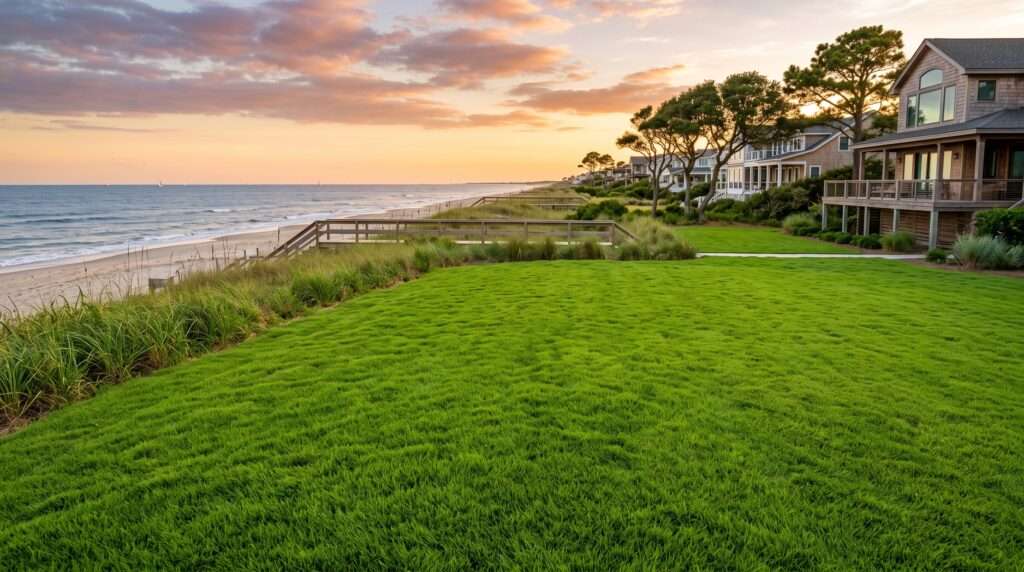
Living in coastal North Carolina—whether you are enjoying the historic charm of Wilmington, the breezy shores of the Outer Banks, or the peaceful stretches of the Crystal Coast—is an absolute dream. But for your lawn, it can feel like a nightmare. Sweltering summer heat, fast-draining sandy soil, and salty sea breezes create a punishing environment for standard turf. If you want a lush, green yard that actually survives the summer, you need to plant the best 10 grass for coastal nc.
Unfortunately, many homeowners make the costly mistake of planting the wrong cool-season or high-maintenance seeds. Fighting against nature with delicate turf inevitably leads to burnt-out lawns, skyrocketing water bills, wasted money, and endless frustration. When your soil drains water faster than the roots can drink, standard grasses simply do not stand a chance.
The solution to a thriving coastal yard is surprisingly simple: work with the environment by choosing warm-season, deep-rooted, and salt-tolerant grass types. To save you time, money, and guesswork, we have done the heavy lifting. By analyzing current Amazon data, real customer reviews, and agronomic science, we have created the ultimate buyer’s guide.
Read on to discover the top seeds and plugs perfectly suited to turn your sandy, salty plot of land into a resilient, low-maintenance, barefoot-ready oasis.
Why Coastal NC Needs Specific Grass Types (Quick Overview)
Coastal North Carolina falls primarily into USDA Hardiness Zones 8a and 8b. This climate zone features long, hot summers and relatively mild winters. However, the true challenge of growing grass on the coast comes down to the “Coastal Trifecta”:
-
Sandy Soil Drainage: Sand cannot retain water or nutrients well. The grass you choose must have a deep, aggressive root system to reach moisture far below the surface.
-
Salt Spray Tolerance: Ocean breezes carry salt that acts as a desiccant, literally pulling moisture out of grass blades and killing sensitive varieties.
-
High Heat and Humidity: Sustained temperatures in the 90s combined with high humidity create a breeding ground for fungal diseases. Warm-season grasses are naturally adapted to thrive in these exact conditions.
At a Glance: Top Picks Comparison
If you’re in a hurry to get planting, here is a quick overview of our top picks.
Deep Dive Reviews: The Best 10 Grass for Coastal NC
1. [Best Overall for High Traffic] Scotts Turf Builder Bermudagrass Seed
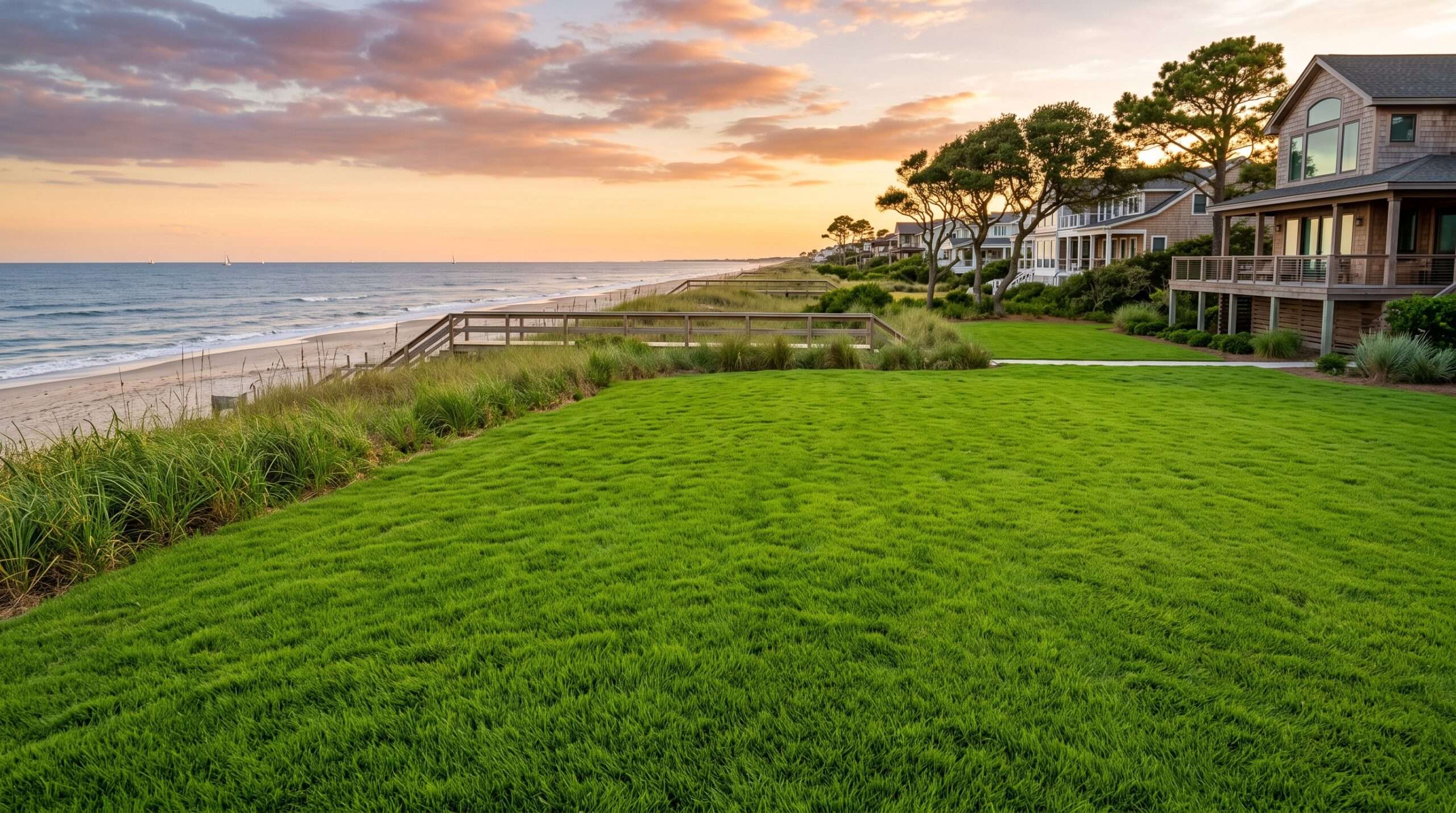
Product Description: Scotts Turf Builder Bermudagrass is a versatile, 3-in-1 formula combining premium seed, fertilizer, and a soil improver. It is specifically designed to establish deep roots that withstand the blistering Carolina sun and recover rapidly from heavy foot traffic.
Price: $17.77
Key Features & Benefits:
-
Coverage: 4 lb bag covers up to 2,665 sq. ft. (new lawns) or 8,000 sq. ft. (overseeding).
-
Drought Tolerant: Deep roots naturally resist extreme heat and dry spells.
-
Rapid Growth: Expect germination in just 7 to 14 days when soil temps reach 65°F–80°F.
Pros & Cons:
-
Pros: Blends well with existing grass; highly durable; built-in fertilizer.
-
Cons: Requires full sun (struggles in shade); aggressive spreading requires frequent edging.
Amazon Customer Ratings & Reviews: Boasting a high rating of roughly 4 to 4.5 out of 5 stars, thousands of buyers praise its fast germination and ability to fill in bare, sandy spots. A few users noted that it requires diligent, daily watering during the first 3 weeks to establish.
Why It’s a Good Choice for Coastal NC: Bermudagrass absolutely thrives in Wilmington’s and the Outer Banks’ full sun. Because it grows aggressively, it recovers instantly from both summer hurricane deluges and long dry spells.
Ideal Use Case: Perfect for active families with dogs and kids who need a lawn that bounces back from heavy weekend foot traffic and backyard sports.
2. [Best Premium Barefoot Feel] Zenith Zoysia Grass Seed
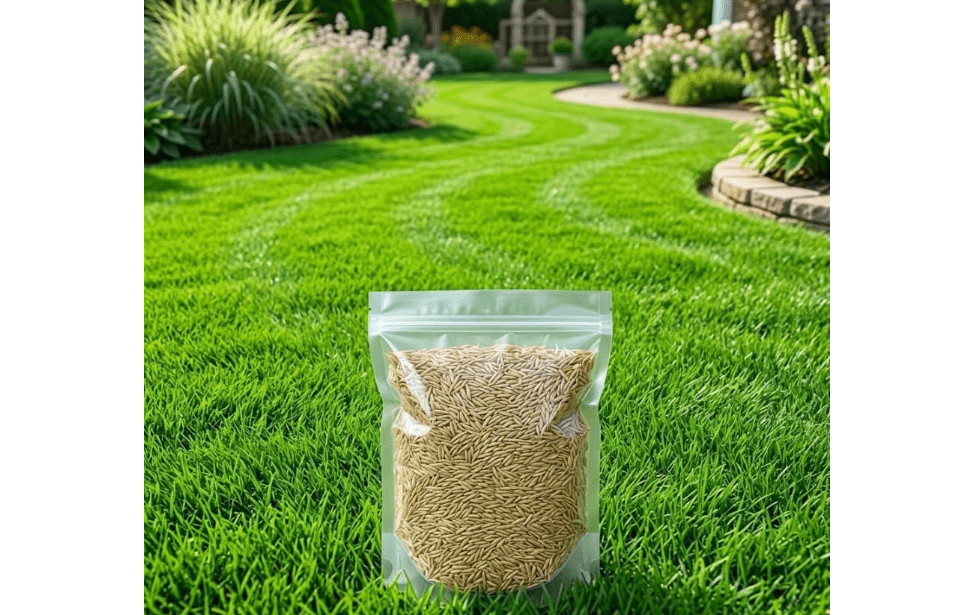
Product Description: Zenith Zoysia produces a dark green, incredibly dense turf that feels like a thick carpet under your feet. It is one of the few Zoysia varieties available in seed form, making a luxury lawn accessible without the exorbitant cost of laying sod.
Price: $49.99
Key Features & Benefits:
-
Coverage: 1-2 lbs per 1,000 sq. ft.
-
Shade Tolerance: Much better shade tolerance than Bermuda (requires only partial shade to full sun).
-
Low Maintenance: Slow growth habit means less frequent mowing (ideal height is 1 to 2 inches).
Pros & Cons:
-
Pros: Chokes out weeds due to extreme density; winter hardy; soft and barefoot-friendly.
-
Cons: Slow to germinate and establish compared to Bermuda; premium price tag.
Amazon Customer Ratings & Reviews: Reviewers love the end result, frequently highlighting the rich color and “carpet-like” quality that rivals expensive golf courses. Patience is required, as many users state it can take a full season to completely fill in.
Why It’s a Good Choice for Coastal NC: Zoysia handles coastal heat beautifully and has an “outstanding” drought tolerance. Its ability to handle both the intense Carolina sun and the dappled shade of live oak trees makes it highly versatile for coastal properties.
Ideal Use Case: Homeowners looking for a luxury, highly aesthetic, “barefoot-ready” lawn and who have the patience to nurture the seed during its slow establishment phase.
3. [Best Low-Maintenance/Drought] SeedRanch Pensacola Bahiagrass Seed
Product Description: Pensacola Bahiagrass is the ultimate survivor. Known for its extensive, deep-reaching root system, this grass can pull moisture from sandy coastal soils long after other grasses have dried up.
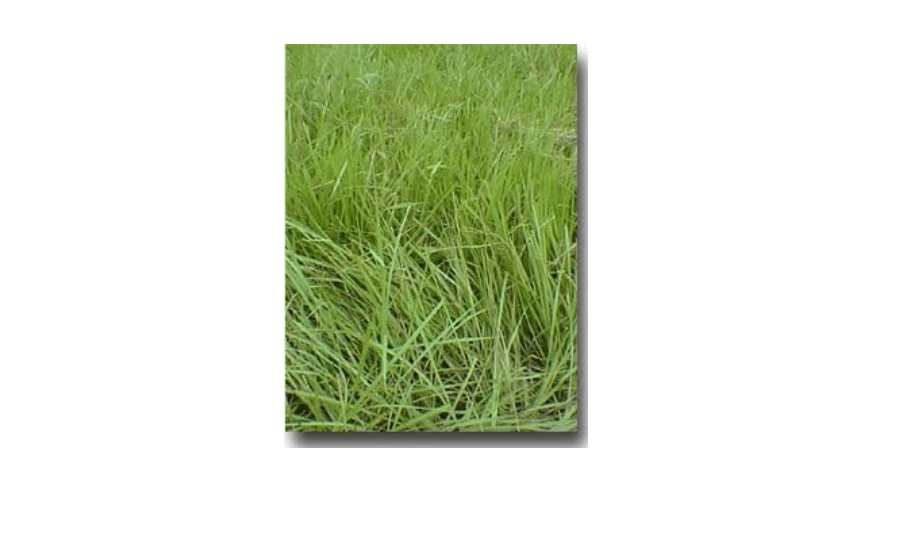
Price: $215.95
Key Features & Benefits:
-
Coverage: Typically 5-10 lbs per 1,000 sq. ft.
-
Root System: Roots can grow several feet deep, making it incredibly drought-resistant.
-
Soil Adaptability: Thrives in poor, infertile, and sandy soils where other grasses fail.
Pros & Cons:
-
Pros: Very low maintenance; requires minimal fertilizer; excellent drought survival.
-
Cons: Produces tall seed heads that require frequent mowing if you prefer a manicured look; lighter green color.
Amazon Customer Ratings & Reviews: Buyers rate Bahiagrass highly for its sheer survivability. Reviews consistently mention that it grows where nothing else will, though some users dislike the tall, V-shaped seed heads it produces in late summer.
Why It’s a Good Choice for Coastal NC: If you have pure sand for a yard, Bahia is your answer. It requires very little input (water or fertilizer) once established, making it ideal for the fast-draining soils of the coastal plains.
Ideal Use Case: Homeowners with large lots, poor sandy soil, or those who want a green lawn without the hassle of a rigid watering and fertilizing schedule.
4. [Best for Sandy, Acidic Soil] Gulf Kist Coated Centipedegrass Seed
Product Description: Often called the “Lazy Man’s Grass,” Gulf Kist Centipede is a low-growing, low-maintenance turf. This specific seed is coated with Bio-Kote to retain moisture and speed up the notoriously slow germination process of raw centipede seed.
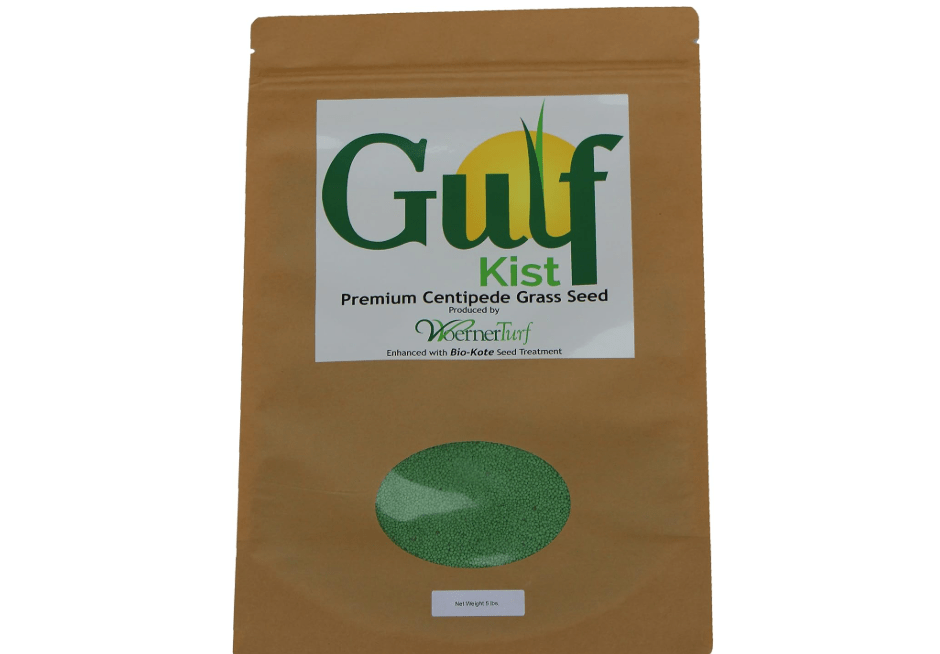
Price: $189.99
Key Features & Benefits:
-
Coated Technology: The coating creates a microenvironment around the seed, improving seedling survival rates.
-
Soil Preference: Loves the naturally acidic soils found in North Carolina.
-
Growth Habit: Creeps low to the ground, requiring infrequent mowing.
Pros & Cons:
-
Pros: Needs very little fertilizer (too much nitrogen will actually harm it); excellent heat tolerance.
-
Cons: Cannot handle heavy foot traffic; slow to recover if damaged.
Amazon Customer Ratings & Reviews: Customers appreciate the coated seed, noting it gives them a fighting chance in dry soils. Reviews praise its low maintenance, but warn that over-fertilizing is a common mistake that can ruin the lawn.
Why It’s a Good Choice for Coastal NC: Centipede grass evolved for the acidic, sandy loams of the Southeast. It doesn’t mind the coastal heat and naturally chokes out weeds once it forms a solid canopy.
Ideal Use Case: Retirees, vacation home owners, or anyone looking for a low-input, aesthetically pleasing front lawn that doesn’t see a lot of heavy foot traffic.
5. [Best for Shade & Salt Tolerance] Seed Ranch St. Augustine Floratam Plugs
Product Description: Because St. Augustine grass does not produce viable commercial seed, planting plugs is the best way to establish it. The Floratam variety is a wide-bladed, thick grass that acts as the gold standard for extreme salt tolerance and shade survival.
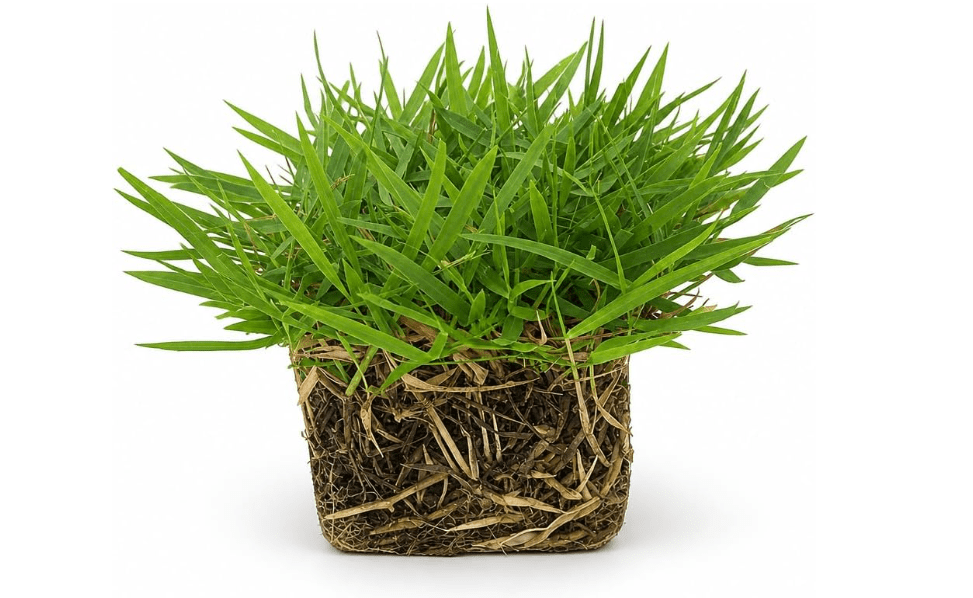
Price: $59.97
Key Features & Benefits:
-
Propagation: Spreads via aggressive above-ground stolons (runners).
-
Salt Tolerance: Exceptional ability to withstand direct oceanic salt spray.
-
Shade Tolerance: One of the best warm-season grasses for yards with heavy tree canopies.
Pros & Cons:
-
Pros: Blocks out weeds naturally; beautiful, thick texture; highly salt tolerant.
-
Cons: Must be planted via plugs or sod (labor intensive); susceptible to chinch bugs.
Amazon Customer Ratings & Reviews: Reviewers note that the plugs arrive healthy and root quickly if kept moist. Many buyers in coastal areas report that this is the only grass that survived the salt spray from nearby beaches.
Why It’s a Good Choice for Coastal NC: If your property is right on the water (e.g., Wrightsville Beach or Emerald Isle), St. Augustine is practically mandatory. It handles the salt spray and thrives under the shade of coastal pines.
Ideal Use Case: Oceanfront properties, yards with heavy shade, and homeowners willing to put in the initial labor of planting live plugs.
6. [Best for Quick Coverage] Pennington Smart Seed Bermuda Grass
Product Description: Pennington Smart Seed Bermudagrass is enhanced with Pennington’s proprietary Penkote technology, a seed coating that protects seedlings from disease and promotes faster root establishment. It is engineered to use up to 30% less water than ordinary grass seed once fully established.
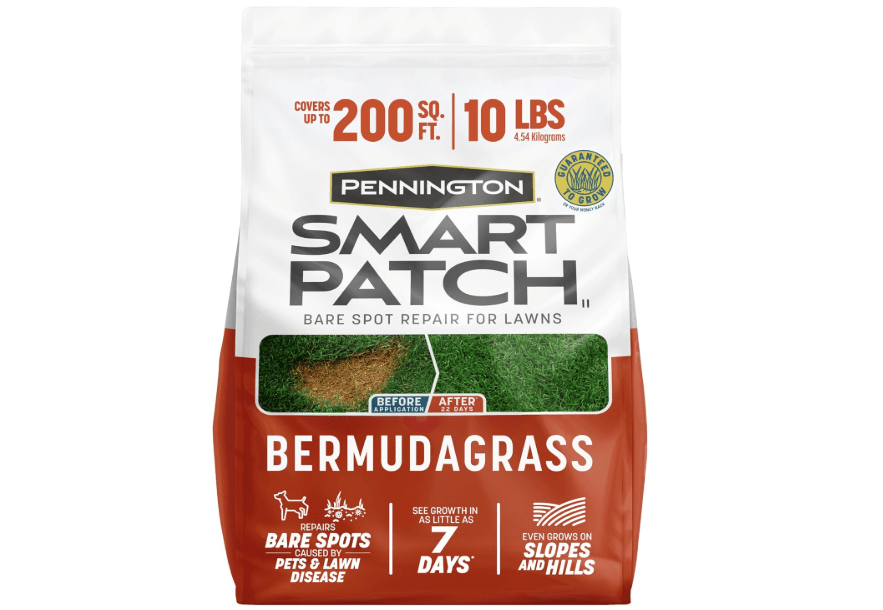
Price: $32.97
Key Features & Benefits:
-
Water-Conserving Formula: Requires significantly less irrigation after rooting, saving money on utility bills.
-
Penkote Coating: Protects each seed against soil-borne fungal pathogens common in humid coastal summers.
-
Aggressive Fill: Rapidly spreads through both rhizomes (underground) and stolons (above-ground) to create a tight sod layer.
Pros & Cons:
-
Pros: Establishes quickly; excellent heat and drought tolerance; highly durable under heavy use.
-
Cons: Prone to invading garden beds without a physical landscape barrier; goes dormant and turns brown during cool winter months.
Amazon Customer Ratings & Reviews: With thousands of reviews averaging 4.3 out of 5 stars, buyers frequently compliment its rapid germination and robust early growth. Many note that it starts sprouting green shoots in as little as 6 to 10 days when watered consistently in early summer.
Why It’s a Good Choice for Coastal NC: Pennington’s water-saving coating gives young grass blades the extra hydration protection needed when germinating in coarse, nutrient-poor coastal sand.
Ideal Use Case: Homeowners dealing with bare dirt who need fast, aggressive ground coverage and want a drought-tolerant lawn that stands up to full sun.
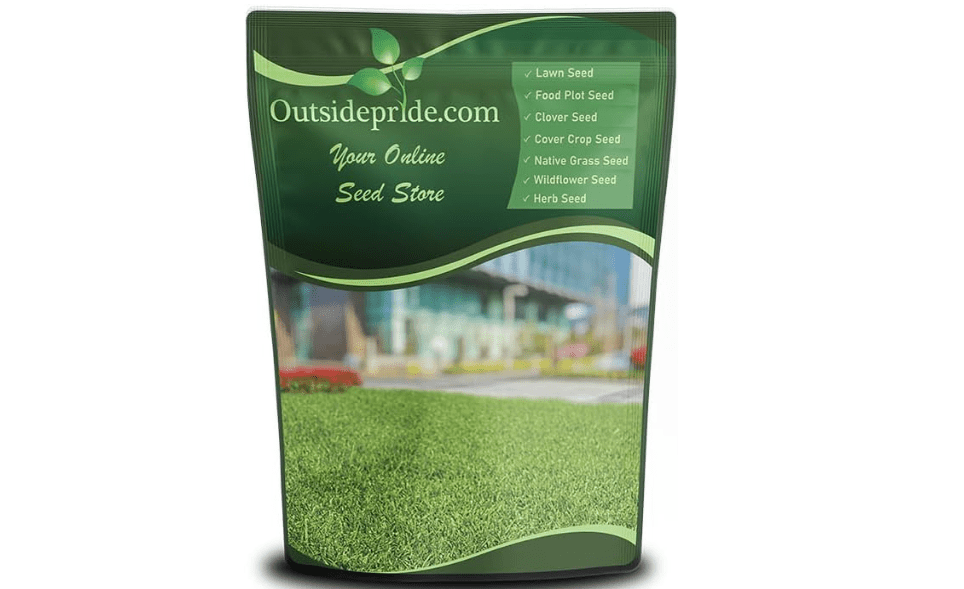
7. [Best for Extreme Coastal Proximity] Outsidepride Seashore Paspalum Seed
Product Description: Seashore Paspalum is an elite warm-season turfgrass bred specifically for coastal, oceanfront environments. Renowned for its unmatched tolerance to both aerial salt spray and saline irrigation water, this specialty grass delivers a striped, golf-course-quality finish.
Price: $49.99
Key Features & Benefits:
-
Salt Immunity: The highest salt tolerance among all common turfgrasses, handling direct coastal spray and high-salinity brackish water.
-
Striping Capability: Possesses a bright, lime-to-medium green color that holds crisp mowing stripes exceptionally well.
-
Dense Mat Formation: Forms a tight turf canopy that naturally crowds out aggressive coastal weeds.
Pros & Cons:
-
Pros: Unbeatable performance in oceanfront conditions; tolerates short mowing heights; low fertilizer requirements.
-
Cons: Premium seed price point; sensitive to certain common broadleaf lawn herbicides.
Amazon Customer Ratings & Reviews: Gardeners and coastal property owners praise Outsidepride Paspalum for solving lawn problems in locations where ocean breezes previously killed every other grass type. Users highlight that it remains vibrant green despite harsh, salty winds.
Why It’s a Good Choice for Coastal NC: If your yard is situated directly along the sounds, inlets, or oceanfront dunes of the Outer Banks or Oak Island, standard grasses will quickly succumb to salt burn. Seashore Paspalum thrives under these exact marine conditions.
Ideal Use Case: Coastal homeowners living within blocks of the ocean, properties using brackish well water for irrigation, or anyone wanting a showcase, striped lawn on the coast.
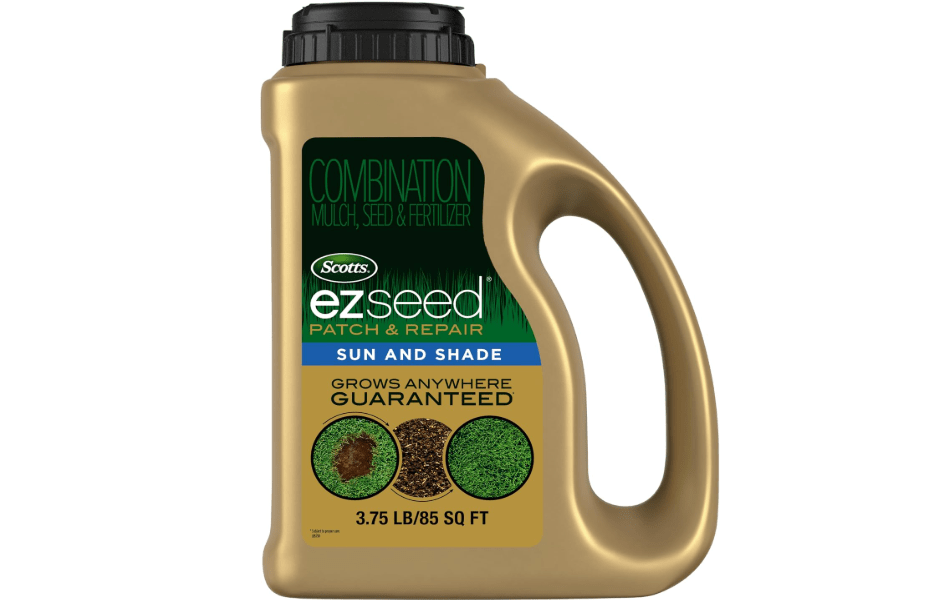
8. [Best for Patching & Repair] Scotts EZ Seed Patch & Repair Centipedegrass
Product Description: Scotts EZ Seed Centipede is an all-in-one patch and repair mix tailored for southeastern lawns. It combines high-quality centipedegrass seed with a super-absorbent growing material and controlled-release fertilizer to fix bare spots with minimal guesswork.
Price: $11.9
Key Features & Benefits:
-
3-in-1 Combination: Contains seed, fertilizer, and mulch that expands up to 4x its volume to keep seeds moist.
-
Water-Indicator Technology: Mulch turns light brown when dry, alerting you exactly when it is time to water again.
-
Tackifier Formula: Helps keep seeds from washing away during heavy coastal downpours and thunderstorms.
Pros & Cons:
-
Pros: Effortless application; protects delicate centipede seeds from drying out; ideal for pet damage or high-traffic bald patches.
-
Cons: Cost-prohibitive for seeding entire yards (designed strictly for spot repairs); slow-growing profile inherent to centipedegrass.
Amazon Customer Ratings & Reviews: Averaging 4.2 out of 5 stars, reviewers highlight the convenience of the color-changing mulch in hot climates. Many note that it successfully repaired damaged turf caused by dog urine or summer heat stress where plain seed failed.
Why It’s a Good Choice for Coastal NC: Summer thunderstorms on the North Carolina coast can easily wash away unprotected seeds on sandy inclines. The expanding mulch in EZ Seed anchors the seed in place while providing essential moisture in sand.
Ideal Use Case: Homeowners who already have an established centipedegrass lawn and need a fast, reliable solution for patching dead spots, bare patches, and high-wear areas.
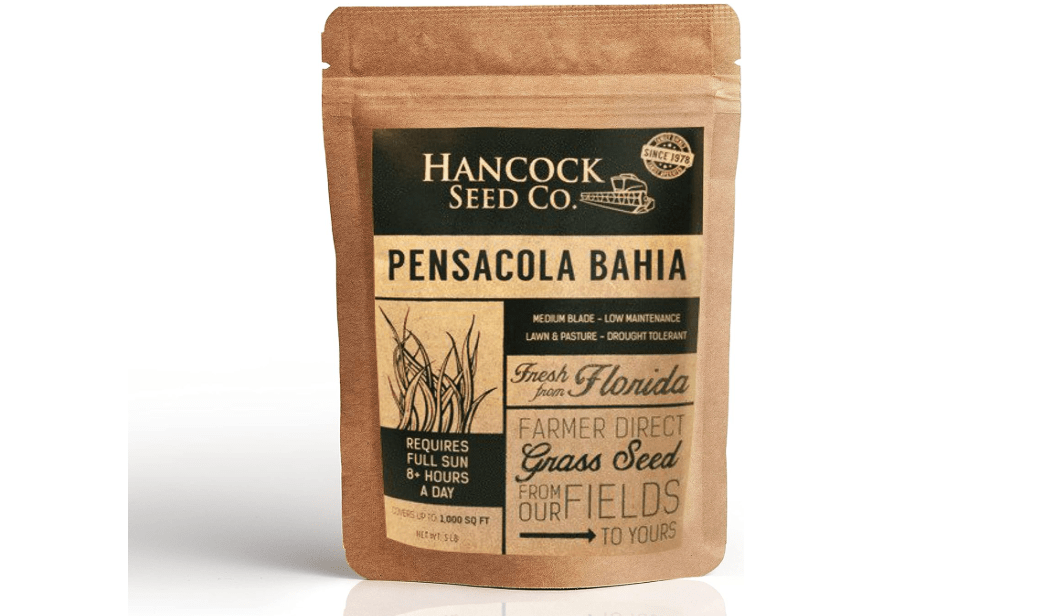
9. [Best Bulk Buy for Large Lots] Hancock’s Coated Pensacola Bahia Grass Seed
Product Description: Hancock Seed Co. offers raw and coated Pensacola Bahiagrass in bulk sizes, delivering maximum value for expansive properties. Bred to survive the toughest conditions, this deep-rooted pasture and turf grass is blended to cover sprawling acreages without breaking the bank.
Price: $293.99
Key Features & Benefits:
-
Massive Root Growth: Develops a fibrous root system that penetrates deep into sandy subsoils for long-term erosion control.
-
High Soil Versatility: Thrives in poor, low-pH soils with little to no organic matter.
-
Insect and Disease Resistance: Naturally resists most common turf pests and fungal issues that plague high-maintenance varieties.
Pros & Cons:
-
Pros: Extremely cost-effective per square foot; minimal water and nutrient inputs needed once established; excellent for stabilizing sandy slopes.
-
Cons: Lighter green hue and coarse texture; shoots up tall seed stalks quickly during mid-summer.
Amazon Customer Ratings & Reviews: Customers award Hancock’s high marks for seed purity, reliable germination rates, and generous bag weights. Reviewers note that it is the most economical way to turn acres of barren sand into usable, green groundcover.
Why It’s a Good Choice for Coastal NC: For properties in Brunswick, Pender, or Carteret counties with large open acreage or long sandy driveways, maintaining a finicky turf is impractical. Hancock’s Bahia establishes rugged, permanent green coverage with minimal expense.
Ideal Use Case: Owners of large residential lots (half-acre or more), rental cabins, or properties with sandy slopes requiring reliable erosion control on a budget.
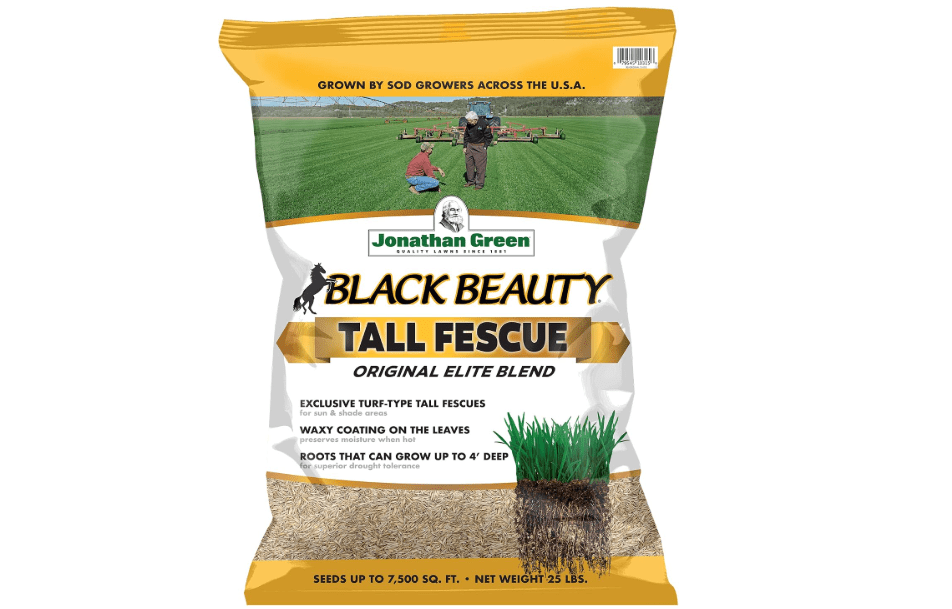
10. [Best for Shaded Transitional Zones] Jonathan Green Black Beauty Ultra Tall Fescue
Product Description: While coastal North Carolina is primarily warm-season territory, Jonathan Green Black Beauty Ultra provides a cool-season alternative for shady microclimates. This proprietary blend of elite tall fescues, Kentucky bluegrass, and perennial ryegrass features a natural waxy leaf coating that preserves internal moisture.
Price: $106.0
Key Features & Benefits:
-
Deep Root Penetration: Can root up to 4 feet deep, far outperforming standard fescues during warm weather.
-
Waxy Cuticle Coating: Leaves hold moisture efficiently, boosting heat and disease resistance in humid environments.
-
Year-Round Green: Retains a dark, emerald-green color through the winter when warm-season grasses go dormant and turn brown.
Pros & Cons:
-
Pros: Remains green throughout the winter; excellent performance under dense shade trees; soft, premium texture.
-
Cons: Requires supplemental watering during peak July/August heat; may require periodic fall overseeding in Zone 8b.
Amazon Customer Ratings & Reviews: Holding a 4.5 out of 5-star rating, users rave about its rich, dark-green color and rapid sprouting. Many customers in the coastal transition zone emphasize that it thrives in tree-shaded backyards where warm-season grasses fail to get enough sun.
Why It’s a Good Choice for Coastal NC: Properties heavily shaded by live oaks, loblolly pines, and magnolias often struggle to sustain sun-loving Bermuda or Bahia. Black Beauty Ultra provides deep-green turf in shady pockets that receive less than 4 hours of direct sunlight.
Ideal Use Case: Coastal yards with heavy tree cover, shaded side yards, or homeowners in northern coastal areas (Zone 8a) who prioritize vibrant green turf all winter long.
The Ultimate Coastal NC Grass Buying Guide (How to Choose)
Selecting the right product from this guide comes down to evaluating your specific lot conditions and maintenance expectations. Keep these key criteria in mind before ordering your seed:
1. Assess Your Soil Composition
Coastal North Carolina is dominated by sandy soils and sandy loams that lose moisture and nutrients rapidly.
-
Pure Sand: Prioritize deep-rooted varieties like Bahiagrass or Bermudagrass.
-
Acidic, Sandy Loam: Centipedegrass excels in soils with a low pH (5.0 to 5.5) and requires minimal fertilization.
2. Balance Sun Exposure vs. Shade
Warm-season grasses require significant direct sunlight to maintain density:
-
Full Sun (6+ hours of direct light): Bermuda, Bahia, and Paspalum perform best.
-
Partial Shade (4–6 hours of light): Zoysia offers moderate shade resilience.
-
Heavy Shade (under 4 hours of light): St. Augustine plugs or a shade-tolerant Tall Fescue blend are your most reliable options.
3. Factor in Foot Traffic and Durability
-
High Traffic (Kids, Dogs, Outdoor Entertaining): Choose Bermudagrass or Zoysia. They form dense root systems and recover quickly via spreading runners.
-
Low to Moderate Traffic: Centipedegrass creates a neat, low-growing carpet, but it recovers slowly if damaged by heavy activity.
4. Account for Salt Exposure
-
Direct Oceanfront / Salt Spray: Seashore Paspalum and St. Augustine offer the highest salt tolerance.
-
Inland Coastal (A few miles from the beach): Bermuda, Zoysia, and Bahia handle ambient coastal conditions without issue.
Frequently Asked Questions
When is the best time to plant grass seed in coastal NC?
For warm-season varieties (Bermuda, Zoysia, Centipede, Bahia, and Paspalum), the best planting window is late spring to early summer (May through June), once soil temperatures consistently exceed 65°F to 70°F. If planting cool-season Tall Fescue in shaded areas, seed in early autumn (September through October).
Can Tall Fescue survive a coastal North Carolina summer?
Tall Fescue can survive along the coast, but primarily in areas protected by partial to full shade. In direct full sun on sandy soil, the combination of 90°F+ heat and high humidity often leads to heat stress and brown patch disease without frequent irrigation.
How do I prepare sandy soil before seeding?
Rake away debris and loosen the top 2 to 3 inches of soil. Applying a light layer of compost or quality topsoil helps retain moisture around the seeds during the critical 2-week germination window. Keep the top inch of soil consistently damp until sprouts are well established.
Final Verdict: Which Grass Is Right for You?
Finding the best 10 grass for coastal nc lawns comes down to matching the seed to your property’s specific balance of sun, soil, and lifestyle needs:
-
For Active Families & Maximum Durability: Go with Scotts Turf Builder Bermudagrass for its rapid recovery, deep heat tolerance, and tough profile.
-
For Luxury, Barefoot Comfort: Choose Zenith Zoysia Grass Seed to achieve a lush, golf-course-style carpet that stays dense and crowds out weeds.
-
For Low-Maintenance on Poor Soil: Pick Gulf Kist Centipedegrass for natural adaptation to acidic sand, or SeedRanch Pensacola Bahia for sheer drought survivability on large lots.
-
For Direct Salt Spray & Oceanfront Yards: Select Outsidepride Seashore Paspalum or Seed Ranch St. Augustine Plugs.
Review your lawn’s sun and shade levels, check the current seasonal availability on Amazon, and get ready to enjoy a resilient, vibrant green coastal lawn.