
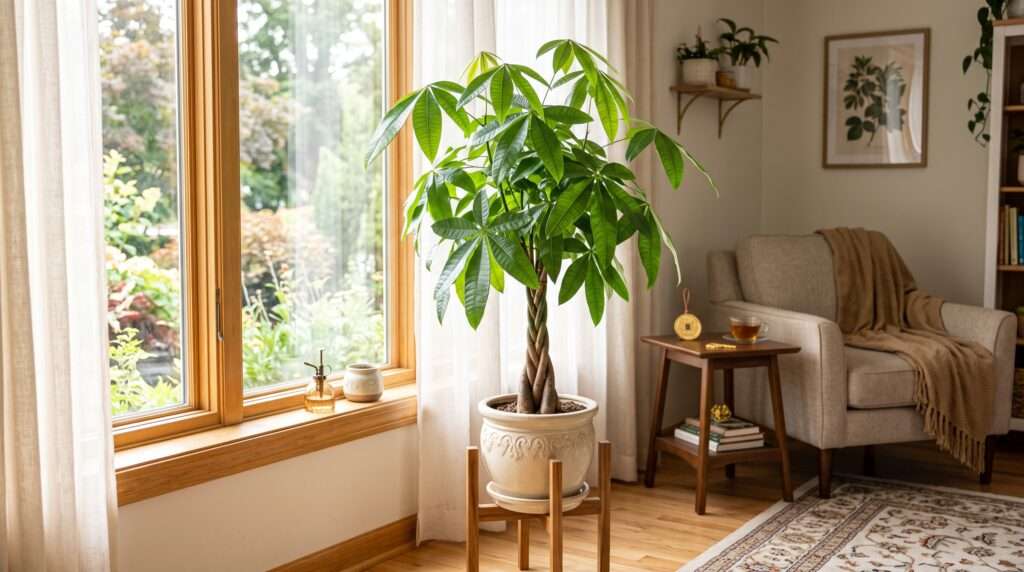
Millions of plant lovers bring home a beautiful, braided Pachira aquatica hoping for effortless prosperity and a touch of tropical greenery, only to find a trail of yellow, falling leaves within just a few weeks. If you are watching your once-vibrant plant struggle, you are not alone. The truth is, most of these issues are not caused by your watering schedule—they stem from poor location choices. Finding the best place for money tree plants is the single most critical step to ensure they thrive.
In this comprehensive guide, we are going to look at plant placement through a “dual-lens” approach. We will merge proven horticultural science (lighting, drafts, and humidity needs) with ancient Feng Shui principles (energy flow and wealth corners) to help you find the absolute perfect spot in your home.
Quick Answer Summary: Where is the best place for a money tree?
Light: A spot with bright, indirect sunlight (like near an East-facing or sheer-curtained South-facing window).
Temperature: Away from cold drafts, exterior doors, and direct AC/heating vents.
Feng Shui: The Southeast corner of your home or room, known as the “Wealth and Abundance” sector.
☀️ Section 1: Horticultural Needs — What Your Money Tree Craves First
Before we can map out the energetic flow of your home, we must first satisfy the biological needs of the Pachira aquatica. Native to the tropical swamps of Central and South America, these resilient trees are adapted to warm, humid environments under the dappled shade of larger canopy trees. If you want a lush, leafy canopy, you must mimic this native habitat.
The Ideal Light Balance (Bright, Indirect Sunlight) 🌤️
Light is the primary food source for your plant, but not all light is created equal. Money trees require bright, indirect light to photosynthesize efficiently. Placing them in direct midday sun will quickly scorch their delicate palmate leaves, causing them to bleach, turn crispy, and eventually drop. Conversely, a dark corner will halt growth and lead to leggy, weak stems as the plant desperately reaches for a light source.
-
The Shadow Test: How can you tell if your light is right? Hold your hand about 12 inches above the floor or table where you want to place the plant during the brightest part of the day. If your hand casts a distinct, sharp shadow, the light is too direct. If the shadow is soft and fuzzy around the edges, you have found perfect bright, indirect light.
-
East-Facing Windows: These are generally the holy grail for indoor tropicals. They offer gentle, cool morning sun that won’t burn the foliage.
-
South or West-Facing Windows: These provide excellent light but can be too intense in the afternoon. If you place your tree here, pull it back three to five feet from the glass, or use sheer white curtains to diffuse the harsh rays.
-
North-Facing Windows: These often provide too little light, especially in the winter. You may need to supplement with a full-spectrum grow light.
Temperature & Drafts: The Silent Leaf Killers 🌡️
Money trees are highly sensitive to sudden temperature fluctuations. Their ideal comfort zone mirrors our own: 65°F to 80°F (18°C to 27°C).
The hidden hazards in most homes are not the overall room temperatures, but the micro-climates created by drafts. A money tree placed near a frequently opened winter door or directly in the pathway of an air conditioning vent will experience cellular shock. This stress instantly triggers the plant to shed its leaves as a survival mechanism. Keep your plant in a stable, draft-free zone.
Humidity Levels for Tropical Happiness 💧
Because they originate from riverbanks and swamps, these plants love moisture in the air. While standard household humidity (around 30-40%) is tolerable, your plant will truly flourish and push out massive new growth if you can raise the humidity to 50% or higher.
-
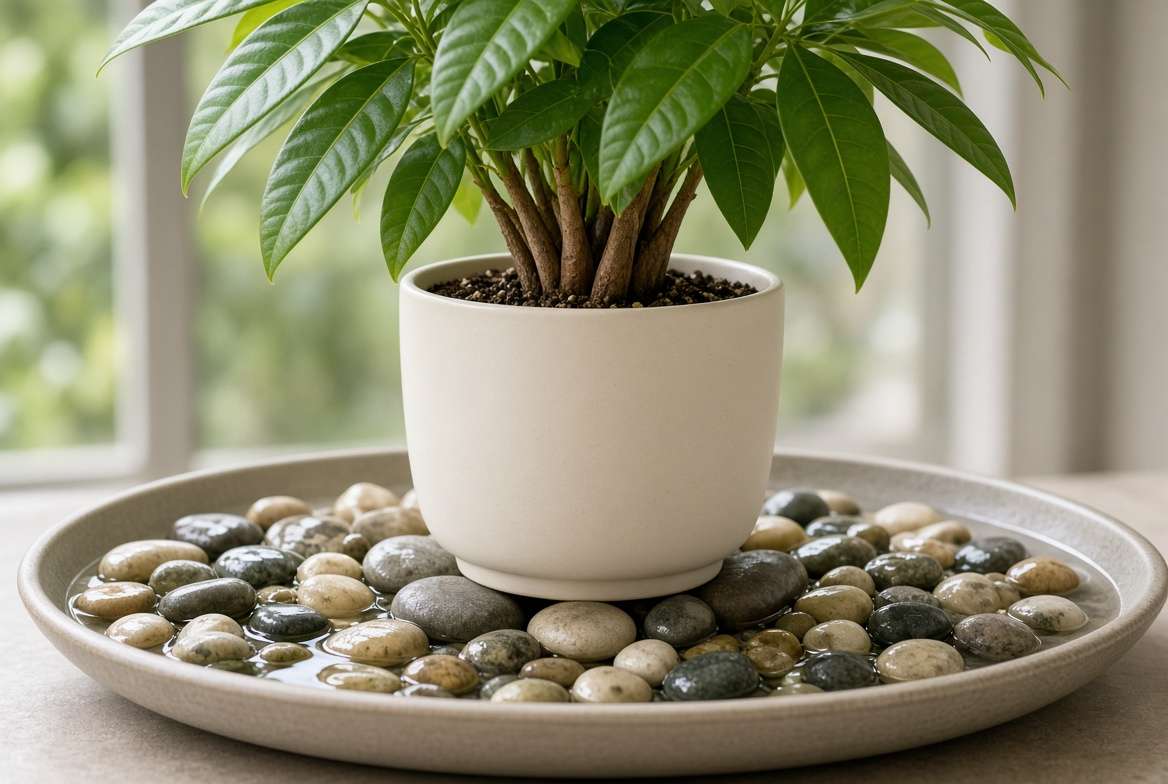
Pebble Trays: Place the plant’s pot on a shallow tray filled with pebbles and water. As the water evaporates, it creates a humid micro-climate around the leaves. (Ensure the bottom of the pot sits on the pebbles, not in the water, to prevent root rot).
-
Humidifiers: A small room humidifier placed a few feet away is the most effective method for winter months when indoor heating dries out the air.
-
Grouping Plants: Plants naturally release moisture through transpiration. Grouping your money tree with other tropicals like Pothos or Philodendrons creates a mutually beneficial humidity dome.
🧭 Section 2: Feng Shui Mastery — Placing Your Tree for Abundance & Flow
Once you have identified the spots in your home that offer the right light and temperature, it is time to narrow down your choices using Feng Shui. In this traditional Chinese practice, the money tree is a powerful magnet for wealth, prosperity, and positive energy (Chi).
The Southeast Corner: Activating the Wealth Bagua (Xun) 🪙
According to the Feng Shui Bagua map, the Southeast quadrant of your home, or the Southeast corner of any specific room, is dedicated to wealth and abundance.
-
Why it works: The Southeast sector is associated with the Wood element. A vibrant, growing tree is the ultimate expression of the Wood element. By placing your money tree in this exact corner, you are feeding and activating the energy of financial prosperity.
-
How to find it: Stand at your front door facing inward with a compass (your smartphone compass works perfectly). Identify the Southeast area of your entire home, or apply this same method to your main living space or office.
The Home Office & Desk Positioning 💼
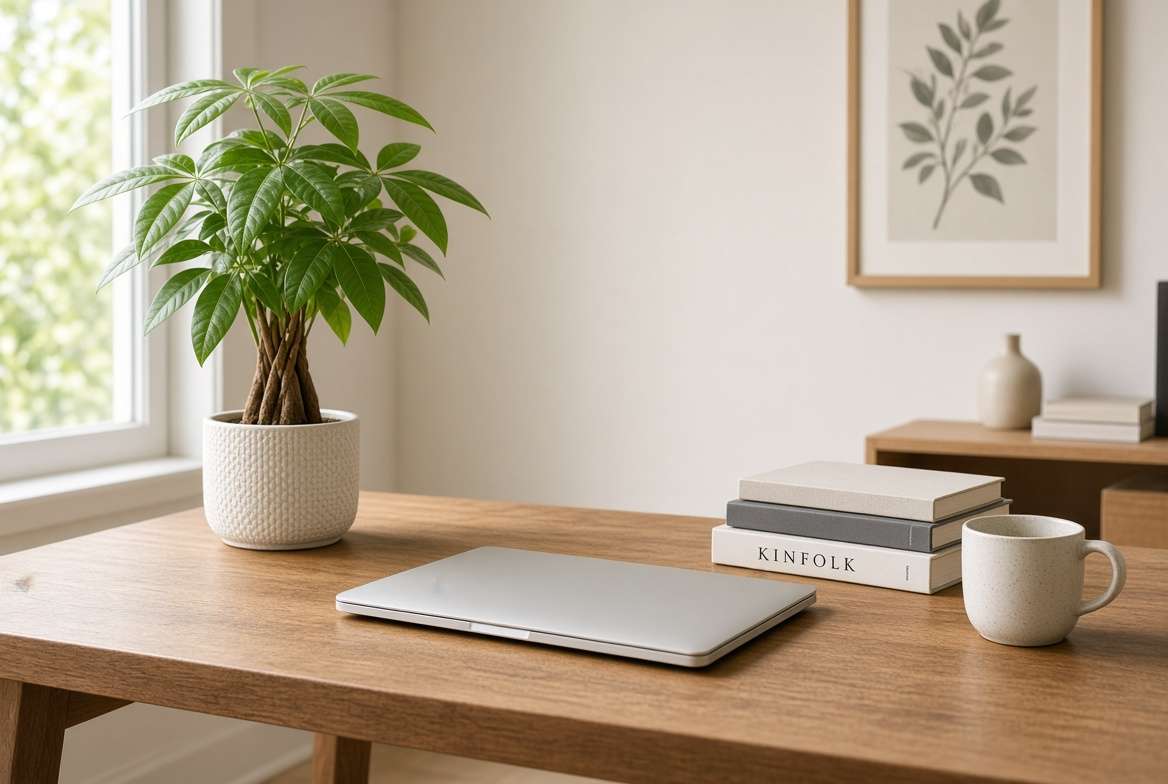
If you want to attract career growth, salary increases, or entrepreneurial success, placing the money tree in your workspace is highly recommended.
-
Stress Reduction: Having the plant within your peripheral vision while working has been scientifically shown to lower blood pressure and reduce screen fatigue.
-
The Commanding Position: Avoid placing the tree where it blocks your line of sight to the door or obstructs your walking path. It should sit proudly on a corner of your desk or a nearby stand, energetically supporting you without being a physical obstacle.
The East Sector: Enhancing Family Harmony & Health 🪴
If wealth isn’t your primary focus, or if your Southeast corner is a dark closet, look to the East. The East sector of the Bagua map governs family, health, and ancestral roots. Like the wealth corner, the East is also ruled by the Wood element. A lush, thriving money tree here promotes vitality, upward growth, and clears stagnant, heavy energy from family communal spaces.
🏠 Section 3: Room-by-Room Breakdown: Best & Worst Indoor Spots
Let’s translate these rules into real-world applications. Not every room in your house is equipped to host a Pachira aquatica. Here is an expert evaluation of standard household rooms.
The Living Room (The Overall Winner) 🛋️
For most homes, the living room is the absolute best place for a money tree.
-
The Pros: Living rooms typically feature the largest windows in the house, offering excellent light diffusion. They also have good airflow and enough physical space for the tree’s canopy to spread out as it matures.
-
The Setup: Place it beside an East-facing window, elevated on a decorative plant stand to give it prominence in the room, which is excellent for Feng Shui.
The Home Office / Study 🖥️
The office is the runner-up and the most strategic choice for career-driven plant parents.
-
The Pros: It actively balances the harsh, electromagnetic energy of computers, monitors, and tech clutter with soft, organic greenery.
-
The Precautions: You must be mindful of distance requirements. Keep the foliage far enough away from warm computer exhaust fans and overhead heating vents, which can quickly dry out the leaves.
The Bedroom (Pros, Cons, and Precautions) 🛏️
Bedrooms are a mixed bag when it comes to placement.
-
Botanical Perspective: It is perfectly safe and highly beneficial, as the plant purifies the air and releases oxygen.
-
Feng Shui Perspective: Plants represent active, upward-moving Yang energy. Bedrooms should ideally be spaces of restful Yin energy. If you place a money tree in the bedroom, keep it across the room from the bed rather than on a bedside table, ensuring it doesn’t disrupt your sleep cycle.
The Kitchen & Dining Area 🍳
Kitchens can be fantastic, but they require vigilance.
-
The Pros: Kitchens inherently have higher humidity due to boiling water and sink usage, which your tropical tree will love.
-
The Cons: You must watch out for extreme heat spikes from ovens and stoves. Additionally, keep the plant away from fruit baskets, as overripe produce can attract fungus gnats, which may then migrate to your plant’s damp soil.
🚫 Section 4: 5 Danger Zones to Avoid at All Costs
Even the most attentive watering routine cannot save a plant that is fighting for its life against environmental stressors. If you are debating the best place for your money tree, make sure you cross these five notorious “danger zones” off your list immediately.
-
Direct Heat Pathways: Never place your Pachira aquatica right above a baseboard radiator, directly next to a space heater, or underneath a forced-air heating vent. The continuous blast of hot, dry air will literally bake the moisture out of the leaves faster than the roots can absorb it, leading to rapid crisping and leaf drop.
-
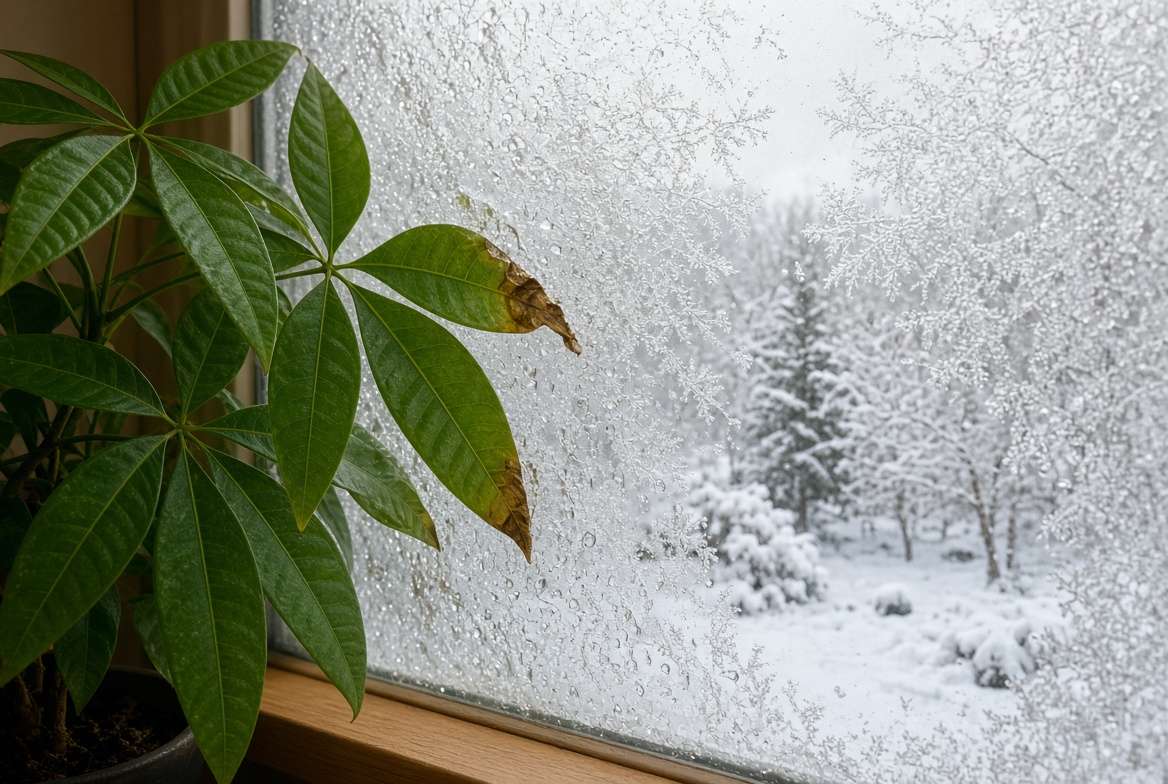
Touching Windowpanes in Winter: While a bright window is great, the plant’s leaves should never physically touch the glass. In winter months, windowpanes become freezing cold. This contact causes instant thermal shock, freezing the plant cells and resulting in blackened, dead foliage.
-
Dark Hallways & Deep Closets: A common misconception is that money trees are “low light” plants. They are not. Ambient room lighting or the occasional flip of a hallway switch is not enough energy for photosynthesis. In a dark hallway, your plant will simply stop growing and slowly starve.
-
Next to the Bathroom Drain (Feng Shui Warning): Botanically, a bright bathroom is great due to the humidity. However, traditional Feng Shui practitioners strongly caution against placing your primary wealth plant directly next to the toilet or shower drain. The belief is that the positive “wealth energy” will literally be flushed or drained out of your home.
-
High-Traffic Doorways: Money trees hate being bumped into. If your plant is in a narrow hallway or a busy entryway where dogs, kids, or backpacks constantly brush against its leaves, it will experience physical stress. Over time, this stress triggers the plant to shed its leaves defensively.
📊 Section 5: The Money Tree Placement Cheat Sheet
To help you make the fastest, most effective decision, use this quick-reference table. It balances both the botanical needs and the energetic Feng Shui benefits of common household spots.
🔍 Section 6: How to Tell if Your Money Tree Is in the Wrong Spot
Plants communicate their distress through their leaves. If you are seeing any of these common symptoms, your money tree is telling you that its current location is not working.
Dropping Green Leaves 🍃
If the leaves are perfectly green and healthy but are suddenly falling off the stem in alarming numbers, your plant is experiencing environmental shock. This almost always happens when you move the plant to a new location, or if it is sitting in a cold, invisible draft from an AC unit or a poorly sealed window.
Pale, Bleached, or Crispy Brown Patches 🍂
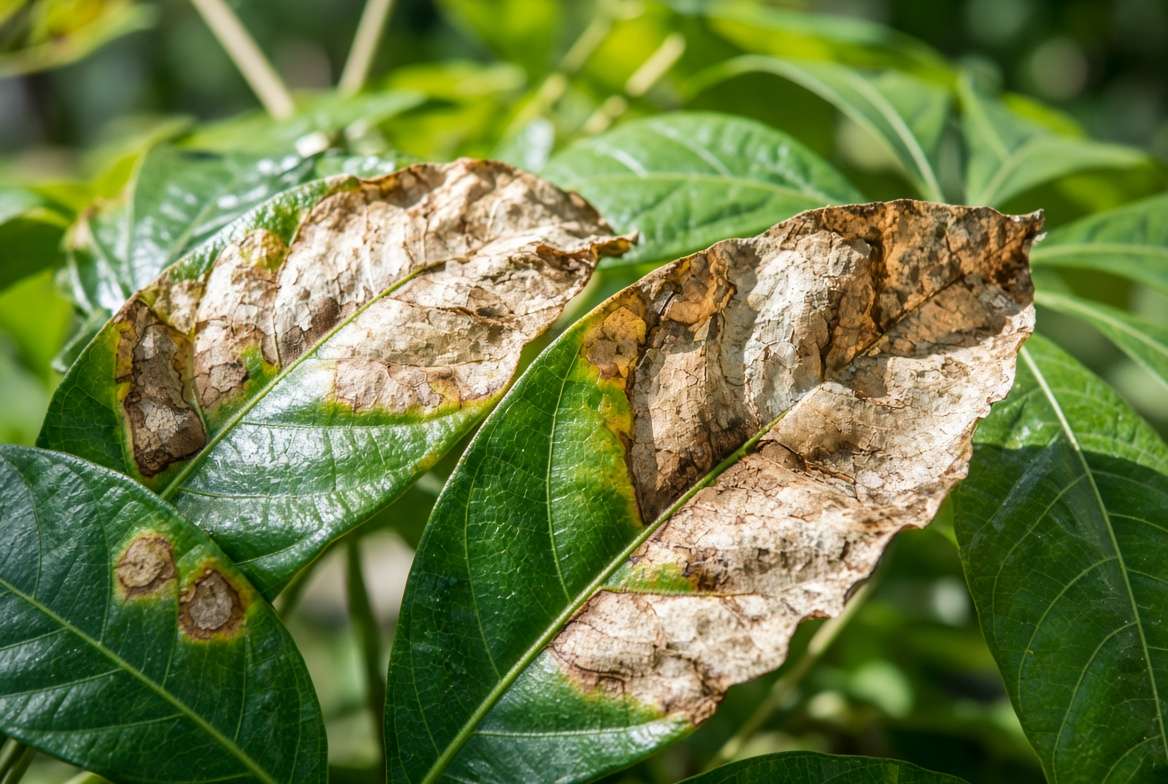
This is classic sunburn. If the leaves look like the color is being washed out of them, or if you see crispy, paper-like brown spots developing in the center of the leaves, your plant is getting hit by harsh, direct sunlight. Move it a few feet back from the window or add a sheer curtain.
Leggy, Stretching Stems with Small Leaves 🌱
When a money tree isn’t getting enough light, the space between the nodes (where leaves grow) becomes very elongated. The trunk will look thin, the stems will look “leggy,” and the new leaves will be unusually small. The plant is stretching its neck, desperately trying to reach a light source. Move it closer to a brighter window.
Yellowing Lower Leaves + Damp Soil 💧
While yellow leaves can sometimes mean overwatering, it is often a location issue in disguise. If your plant is in a low-light spot, its metabolism slows down. It isn’t photosynthesizing fast enough to use up the water in the pot. The roots end up suffocating in wet soil for days on end. The solution is dual: let the soil dry out, and move the plant to a warmer, brighter location to speed up transpiration.
❓ Section 7: Frequently Asked Questions (FAQ)
Can a money tree live in low light or a room with no windows?
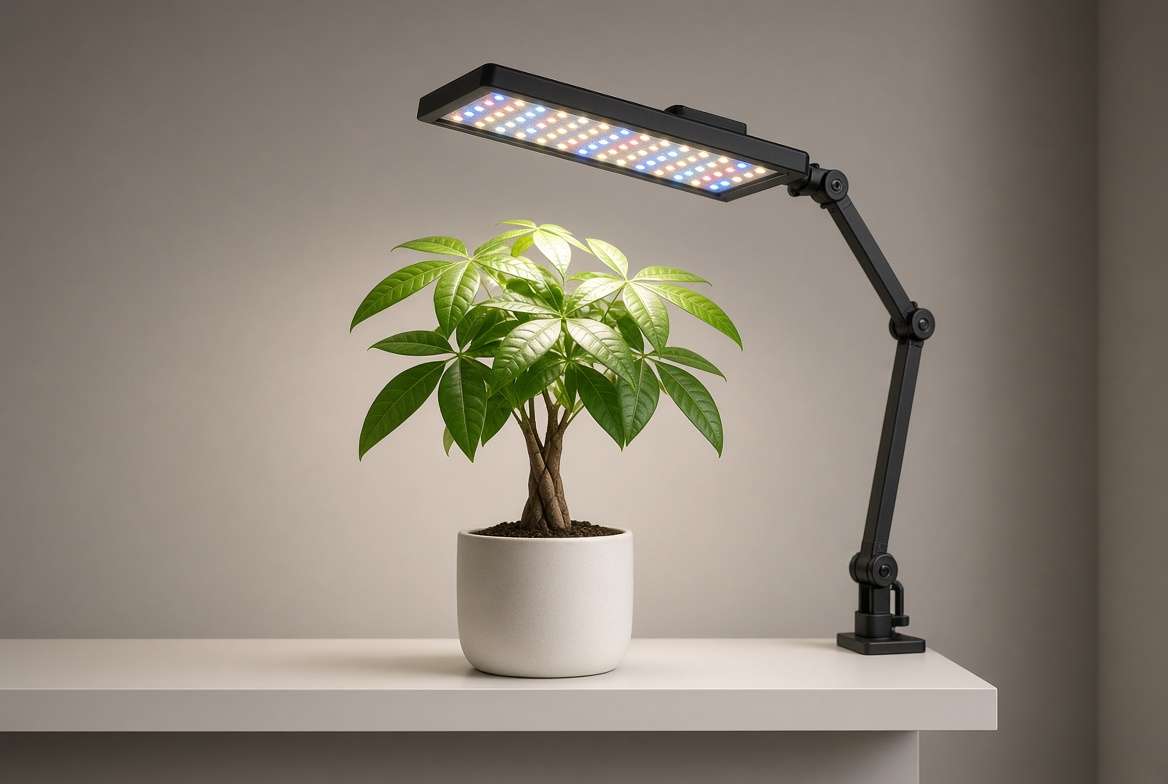
No, a money tree cannot survive long-term in a windowless room relying only on standard overhead house lights. If you absolutely must keep it in a dark room (like a basement office), you must invest in a high-quality, full-spectrum LED grow light. Position the light about 12 to 18 inches above the canopy and leave it on for 12-14 hours a day to mimic natural daylight.
Should I rotate my money tree, and how often?
Yes! Plants naturally grow toward the light (a process called phototropism). If you never rotate your money tree, it will become lopsided and heavy on one side, which can cause the braided trunk to lean or even snap. Give the pot a quarter-turn every time you water it (about once a week) to ensure an even, upright, and visually stunning canopy.
Is it bad luck to move a money tree once it’s settled?
From a botanical perspective, money trees are creatures of habit. They adjust their leaves to optimize the specific light angle of their spot, so frequent moves can cause stress and leaf drop. From a Feng Shui perspective, it is best to establish a permanent home for your wealth plant so its energy can take deep, stable roots. Find the best spot and leave it there!
Can I put my money tree outdoors in the summer?
Yes, they love the humid summer air! However, you must acclimatize them slowly (a process called “hardening off”). Do not move a plant from your indoor living room directly into the blazing July sun; it will fry instantly. Start by placing it on a fully shaded, covered porch. Let it adjust to the outdoor temperatures for a week before exposing it to gentle morning sunlight. Always bring it back indoors before nighttime temperatures drop below 55°F (12°C).
🎯 Section 8: Conclusion & Action Step
Finding the best place for money tree plants doesn’t have to be a guessing game. By prioritizing the plant’s basic biological needs—bright, indirect sunlight, stable temperatures, and good humidity—you create a foundation for robust, healthy growth. Once those boxes are checked, fine-tuning its placement using Feng Shui principles (like utilizing the Southeast wealth corner or your home office) transforms your happy houseplant into a powerful symbol of prosperity and positive energy.
Remember, observation is your best tool. Watch how your plant responds over the next few weeks and don’t be afraid to make slight adjustments to its location if needed.
Now it is your turn! Where are you currently keeping your money tree? Are you dealing with sudden leaf drop or trying to activate your home’s wealth corner? Drop a comment below with your window direction and room setup, and let’s troubleshoot your specific plant placement together!











