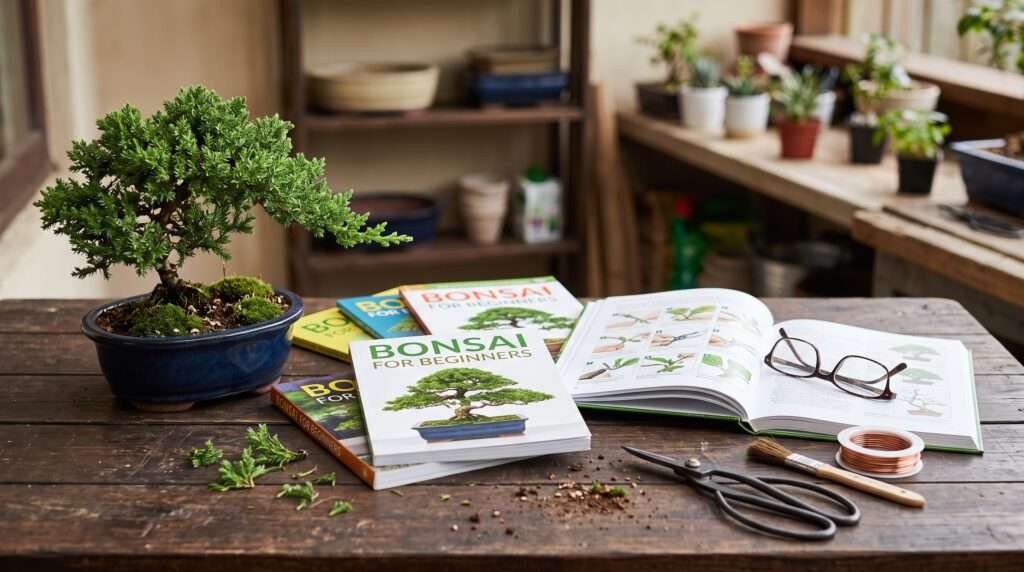
Getting your first bonsai tree is a thrilling experience—until the leaves start turning yellow and dropping off one by one. The harsh reality is that most beginners accidentally kill their first tree within a few short months. This usually happens due to a mix of conflicting internet advice, improper watering schedules, or mistakenly treating a temperate outdoor tree like a standard indoor houseplant.
To stop this cycle of frustration, you need a trusted, authoritative guide. We have analyzed the top-rated manuals on the market to curate the best 10 bonsai tree book for beginners, saving you time, money, and the heartbreak of losing your new miniature tree. By investing in the right foundational knowledge, you can bypass the overwhelming jargon and confidently learn exactly what it takes to keep your bonsai alive and thriving.
How We Evaluated and Ranked These Books
The world of bonsai is ancient, and the literature surrounding it can be intensely academic and overly complex. To find the resources that actually help new enthusiasts succeed, we evaluated over 40 different titles using a strict trust-building methodology.
Our ranking criteria heavily weighed horticultural accuracy and the clarity of step-by-step instructions. We prioritized books that excel in practical applicability for absolute novices—favoring clear, full-color diagrams and photography over dense walls of text. To ensure our recommendations reflect real-world success, we aggregated data from Amazon customer reviews, cross-referenced enthusiast consensus from leading online communities like BonsaiNut, and factored in endorsements from working bonsai professionals. The resulting list represents the most effective, accessible, and reliable literature available to get your journey started on the right foot.
Quick Comparison: Top Picks at a Glance
Detailed Reviews: The Best 10 Bonsai Tree Book for Beginners
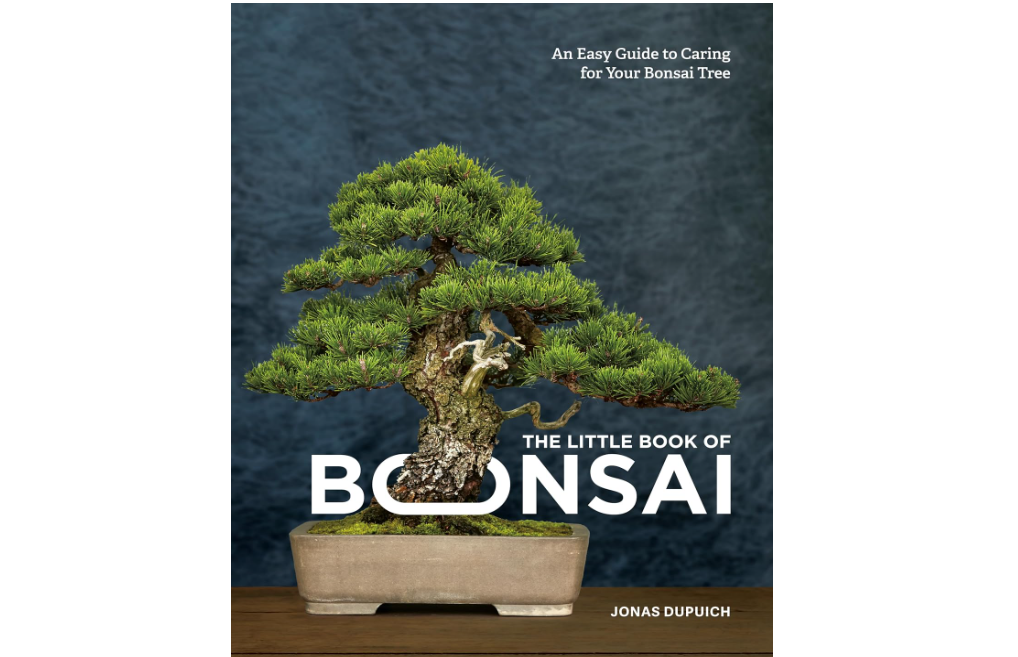
1. The Little Book of Bonsai by Jonas Dupuich
Product Description: Authored by Jonas Dupuich, the founder of the wildly popular Bonsai Tonight blog and an award-winning working professional, this compact, beautifully photographed manual is a breath of fresh air. It cuts directly through the intimidating traditional jargon to deliver modern, practical advice tailored specifically for the anxious novice. Rather than overwhelming you with the 1,000-year history of the art form, Dupuich focuses entirely on what to do when you bring your first tree home.
Price: $7.73
Key Features & Benefits:
-
Survival-First Approach: Focuses heavily on the essentials—watering mechanics, proper modern soil composition, repotting, and seasonal care routines.
-
Visual Step-by-Step: Features clear, high-quality photography that shows you exactly how to execute basic techniques, rather than relying on abstract sketches.
-
Busts Common Myths: Directly addresses and corrects the widespread misinformation that causes most beginner trees to fail.
Pros and Cons:
-
Pros: Highly visual and uncluttered layout; written with a non-intimidating, accessible tone; authored by an active, globally recognized professional.
-
Cons: Because it prioritizes keeping the tree alive, it does not dive deeply into advanced artistic styling, branch bending, or deep horticultural science.
Amazon Customer Ratings and Reviews: Consistently rated 4.8 out of 5 stars. Reviewers frequently praise its straightforward nature, often stating it was the only book that finally made watering and soil requirements “click” in their minds.
Why It’s a Good Choice: It completely removes the overwhelming complexity of traditional bonsai literature. It serves as a modern, friendly crash course designed strictly for basic survival.
Ideal Use Case / Who Should Buy It: The absolute beginner who just bought or was gifted their very first tree and is terrified of killing it. If you need answers fast, this is your starting point.
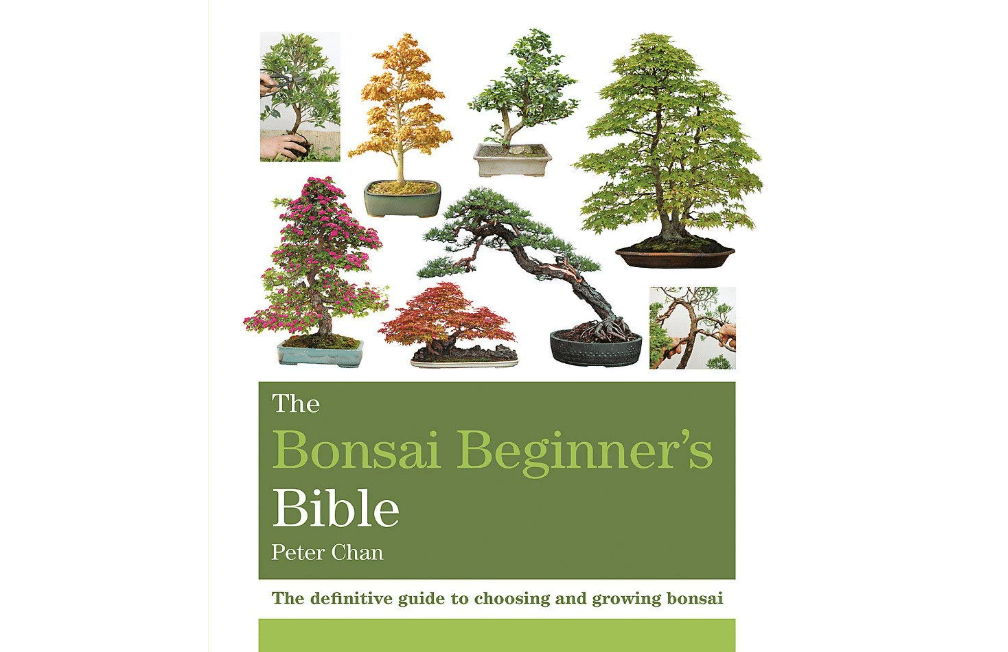
2. Bonsai Beginner’s Bible by Peter Chan
Product Description: Written by legendary bonsai master Peter Chan—founder of the UK’s premier nursery, Herons Bonsai—this pocket-sized, encyclopedic reference guide is a staple in the community. While it touches on general care, its true strength lies in its extensive A-Z directory of over 180 tree species. It acts as a field guide for your own backyard or windowsill.
Price: $14 .28
Key Features & Benefits:
-
Massive Species Directory: Contains specific, tailored care sheets for dozens of tree varieties, from common Junipers to exotic tropicals.
-
Holistic Overview: Covers basic shaping with wires, tackling common ailments, and choosing the right container.
-
Compact Size: Designed as a thick, chunky handbook that is easy to carry to a nursery or keep on a potting bench.
Pros and Cons:
-
Pros: Unbeatable for species-specific care; highly affordable; written by a Chelsea Gold Medal-winning expert.
-
Cons: The small physical dimensions of the book mean the font size is quite small, which can be difficult for some readers.
Amazon Customer Ratings and Reviews: Rated 4.6 out of 5 stars. Buyers love using it as an identification tool, flipping through the high-quality photos to figure out what kind of unlabeled tree they purchased from a big-box store.
Why It’s a Good Choice: Different trees require radically different care. A Ficus will die if treated like a Pine. This book ensures you correctly identify your species and apply the specific horticultural rules it demands.
Ideal Use Case / Who Should Buy It: People who bought an unlabeled “bonsai” from a hardware store, mall, or supermarket and urgently need to identify and care for that specific species.
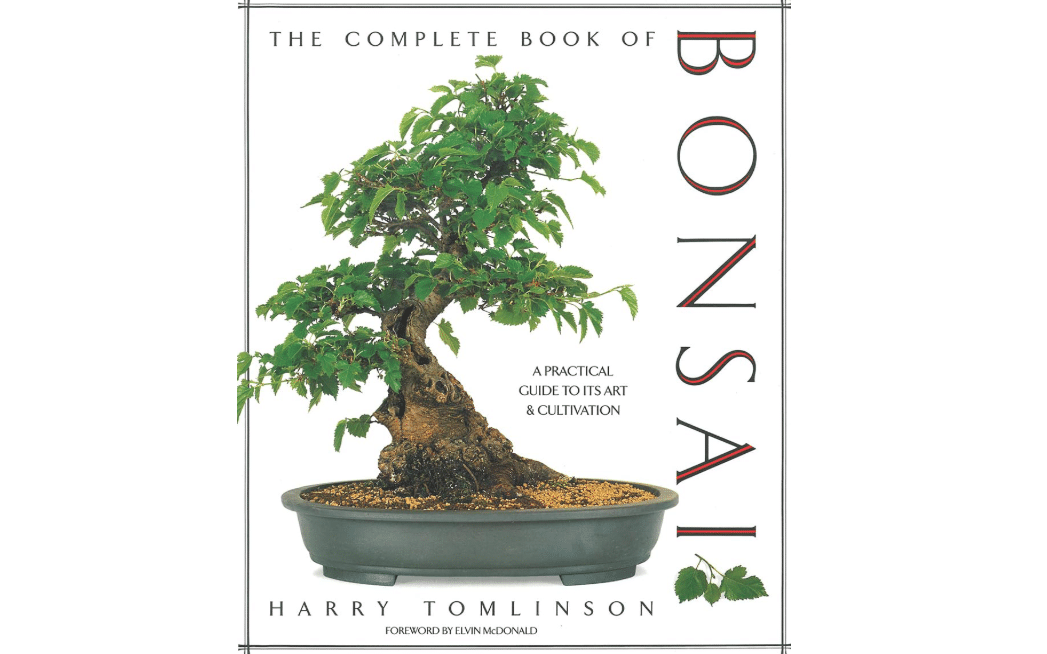
3. The Complete Book of Bonsai by Harry Tomlinson
Product Description: Considered by many to be the “Bonsai Bible,” this classic, comprehensive coffee-table style book has served as the definitive beginner-to-intermediate reference manual for decades. Tomlinson leaves no stone unturned, offering a deep dive into the history, art, and botanical science of the hobby. It is large, authoritative, and stunningly presented.
Price: $26.11
Key Features & Benefits:
-
Comprehensive Scope: Extensive chapters on horticulture, styling aesthetics, tool maintenance, and a massive photographic species guide.
-
High-Quality Production: Large format pages with stunning, inspiring photography of world-class masterpiece trees.
-
Evolutionary Progression: Shows the progression of raw nursery stock into finished bonsai over several years, helping beginners understand the timeline of the art.
Pros and Cons:
-
Pros: Extremely thorough; beautiful presentation makes it an excellent gift; serves as a long-term reference you won’t outgrow quickly.
-
Cons: Originally published years ago, some of the specific information regarding soil mixes (like using pure peat) is considered slightly dated by modern standards.
Amazon Customer Ratings and Reviews: Boasts a 4.7 out of 5 stars rating. It is widely referred to in customer reviews as the most complete and beautiful traditional book they own.
Why It’s a Good Choice: It provides a sweeping, romantic, and highly educational overview of the entire hobby in one volume. It answers the “how” as well as the “why.”
Ideal Use Case / Who Should Buy It: Enthusiasts looking for a foundational, all-encompassing reference text to anchor their home library, or anyone looking for the perfect gift for a budding hobbyist.
4. Bonsai Survival Manual by Colin Lewis
Product Description: Bonsai trees are essentially regular trees confined to tiny pots, which makes them highly susceptible to rapid decline if something goes wrong. Colin Lewis’s Bonsai Survival Manual is a dedicated problem-solving guide focused entirely on diagnosing health issues, preventing pests, and reviving trees that are on the brink of death.
Price: $11.78
Key Features & Benefits:
-
Diagnostic Flowcharts: Excellent visual aids to help you figure out exactly why your tree’s leaves are turning yellow, brown, or dropping.
-
Pest and Disease Index: Detailed instructions on how to identify and eradicate common killers like spider mites, aphids, and root rot.
-
Emergency Interventions: Actionable advice on how to safely repot or treat a tree that is currently failing.
Pros and Cons:
-
Pros: Can literally save trees from death; highly practical; takes the panic out of seeing a sick tree.
-
Cons: Very little focus on the artistic styling, wiring, or aesthetic aspects of the hobby.
Amazon Customer Ratings and Reviews: Strongly rated at 4.6 out of 5 stars. Praised heavily for its emergency troubleshooting sections, with many reviewers crediting the book with saving their dying plants.
Why It’s a Good Choice: It acts as an on-call plant doctor. When your tree suddenly looks sick, generic care advice won’t cut it—you need targeted, diagnostic troubleshooting.
Ideal Use Case / Who Should Buy It: Beginners who are actively struggling to keep their first bonsai healthy, or those fighting a pest infestation who need immediate, actionable triage advice.
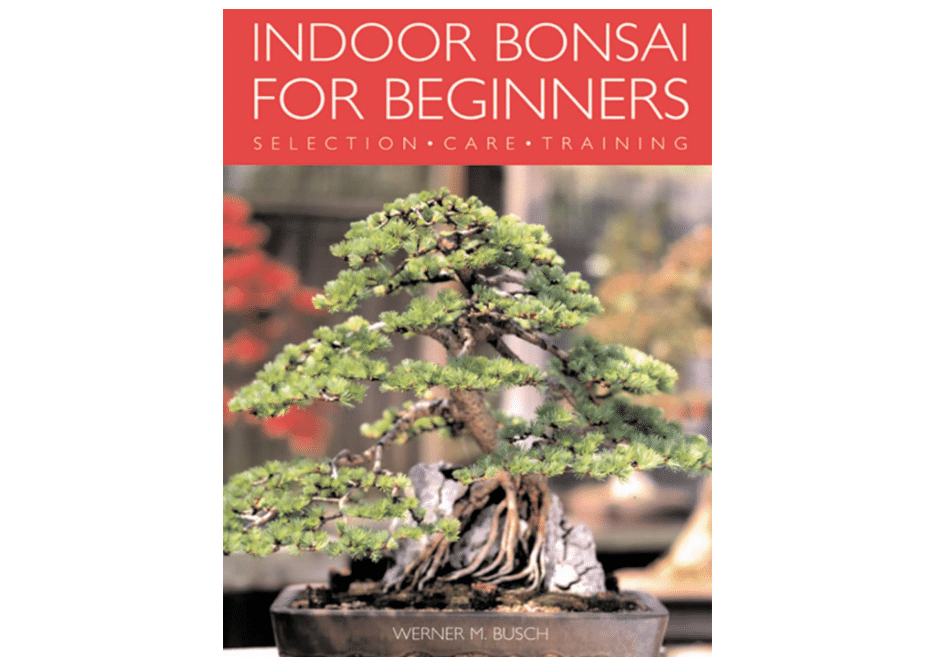
5. Indoor Bonsai for Beginners by Werner M. Busch
Product Description: One of the most tragic mistakes beginners make is bringing a Juniper or Maple inside their living room—a guaranteed death sentence for temperate trees. Werner M. Busch addresses this directly with a specialized guide dedicated entirely to the unique challenges of cultivating tropical and subtropical bonsai species indoors.
Price: $14.95
Key Features & Benefits:
-
Indoor Microclimates: Focuses on managing artificial lighting, humidity control, and indoor temperature fluctuations.
-
Tropical Species Focus: Highlights species that actually thrive indoors, such as Ficus, Jade (Portulacaria afra), and Chinese Elm.
-
Practical Adjustments: Teaches you how to adapt traditional outdoor bonsai techniques for an indoor environment.
Pros and Cons:
-
Pros: Brilliantly fills a major knowledge gap, as most traditional bonsai literature is strictly geared toward outdoor cultivation.
-
Cons: Completely useless if you plan to grow traditional outdoor species like pines, junipers, or larches.
Amazon Customer Ratings and Reviews: Holds a 4.5 out of 5 stars rating. Reviewers deeply appreciate the realistic, tailored advice that doesn’t just tell them to “put the tree outside.”
Why It’s a Good Choice: It stops apartment dwellers from making fatal horticultural mistakes and provides a realistic roadmap for enjoying the hobby without a backyard.
Ideal Use Case / Who Should Buy It: Apartment dwellers, office workers, and hobbyists without access to a yard, balcony, or outdoor growing space who want to cultivate trees strictly indoors.
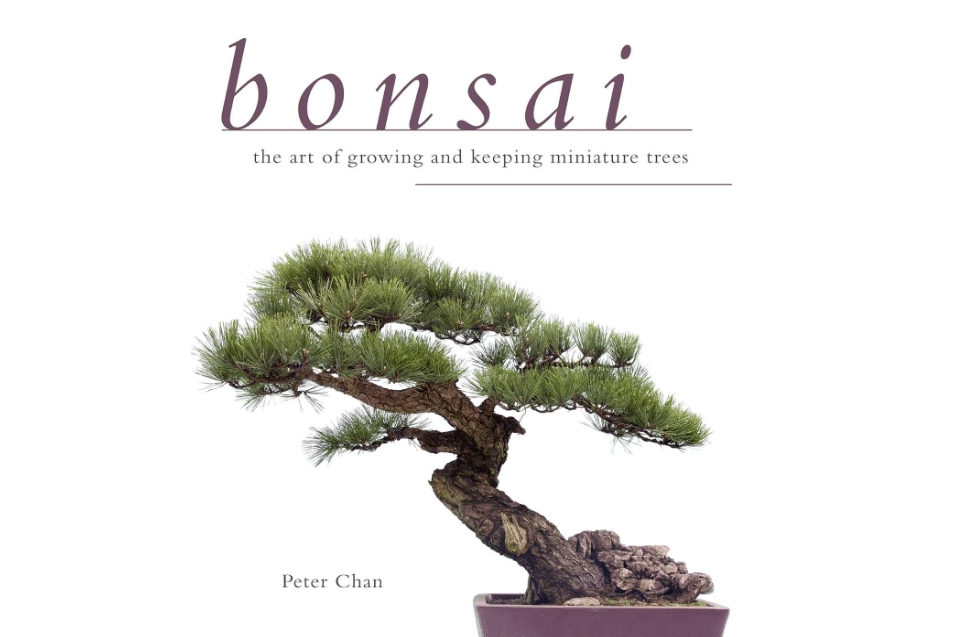
6. Bonsai: The Art of Growing and Keeping Miniature Trees by Peter Chan
Product Description: While Peter Chan’s Beginner’s Bible is a compact field guide, this broader, beautifully illustrated volume dives much deeper into the aesthetic and artistic principles of the craft. Once you know how to keep a tree alive, this book teaches you how to make it look like an ancient, weathered masterpiece. It acts as a masterclass in translating nature’s grandeur into a miniature potted form.
Price: $9.37
Key Features & Benefits:
-
Artistic Focus: Detailed chapters on advanced wiring techniques, directional pruning, and creating the illusion of age.
-
Seasonal Schedules: Provides strict, calendar-based care schedules to ensure you are styling, repotting, and feeding at the exact right time of year.
-
Large Format Imagery: Expansive pages feature inspiring photography that clearly demonstrates before-and-after styling transformations.
Pros and Cons:
-
Pros: Inspiring imagery; excellent, masterclass-level styling advice from an esteemed professional.
-
Cons: There is some content overlap with his smaller Beginner’s Bible, so owning both might feel redundant for budget-conscious buyers.
Amazon Customer Ratings and Reviews: Holds a solid 4.7 out of 5 stars. Readers consistently love how Chan translates complex, abstract artistic concepts into methodical, easy-to-follow steps.
Why It’s a Good Choice: It perfectly bridges the gap between basic horticulture (keeping the tree alive) and the art form itself (designing and shaping the tree).
Ideal Use Case / Who Should Buy It: Beginners who have mastered basic watering and soil management and are now ready to learn how to wire, bend, and structurally shape their trees.
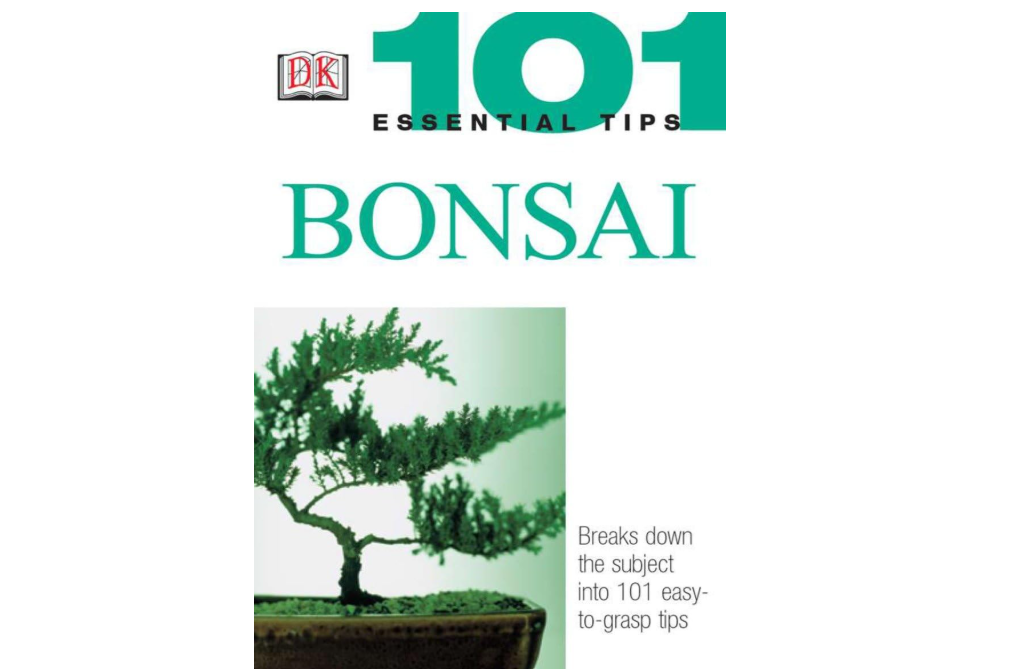
7. 101 Essential Tips: Bonsai by Harry Tomlinson
Product Description: Sometimes, you don’t want to read a textbook—you just want quick answers. Published by DK, this rapid-fire, bite-sized handbook breaks down complex bonsai care into 101 easy-to-digest, actionable tips. It is stripped of all fluff and historical exposition, focusing entirely on immediate utility.
Price: $6.51
Key Features & Benefits:
-
Bite-Sized Advice: Every tip is isolated, making it incredibly fast to skim and find exactly what you need.
-
Highly Visual: True to DK Publishing’s style, the book is packed with crisp, clear, step-by-step photos illustrating techniques like root pruning and repotting.
-
Core Fundamentals: Covers the absolute basics of watering, feeding, and sunlight requirements without overwhelming the reader.
Pros and Cons:
-
Pros: Extremely affordable; exceptionally fast to read and reference in a pinch.
-
Cons: Lacks in-depth explanations; the advice is very surface-level and won’t sustain a hobbyist looking to advance their skills.
Amazon Customer Ratings and Reviews: Rated 4.5 out of 5 stars. Frequently cited in reviews as the perfect stocking stuffer or add-on gift to accompany a newly purchased tree.
Why It’s a Good Choice: It delivers immediate, practical instructions without intimidating the reader with textbook-level botanical science.
Ideal Use Case / Who Should Buy It: Casual owners who were just gifted a tree, have zero prior gardening experience, and want quick, digestible answers right now.
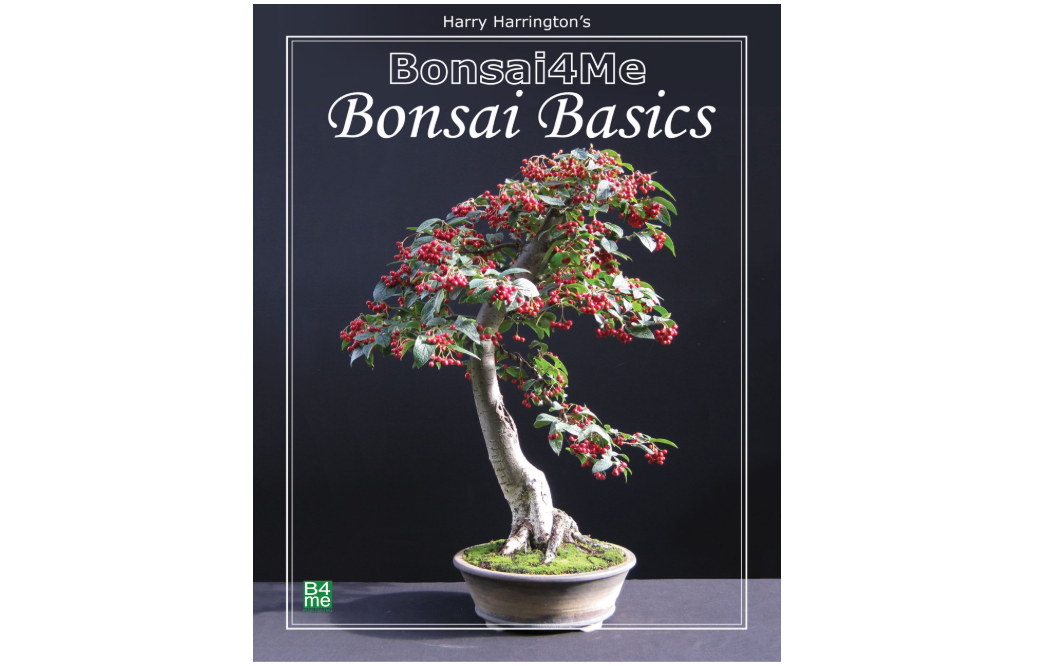
8. Bonsai4Me: Bonsai Basics by Harry Harrington
Product Description: Based on the massively popular Bonsai4Me website, this book offers gritty, modern, real-world advice from Harry Harrington, a highly respected self-taught practitioner. Unlike traditional books that assume you are buying expensive, pre-styled trees from specialty nurseries, Harrington focuses on creating incredible bonsai from cheap, everyday material.
Price: $25.00
Key Features & Benefits:
-
Urban Yamadori: Teaches you how to collect and develop raw nursery material or old garden hedges into beautiful bonsai.
-
Modern Soil Science: Provides practical, inexpensive recipes for mixing your own modern soil substrates (like using fired clays and pumice).
-
Myth-Busting: Actively dispels outdated, traditional bonsai myths that often hinder modern growers.
Pros and Cons:
-
Pros: Intensely practical and realistic; highly respected within online bonsai communities.
-
Cons: As a self-published title, the formatting and layout aren’t quite as slick or polished as books from major traditional publishing houses.
Amazon Customer Ratings and Reviews: Earns an impressive 4.7 out of 5 stars. Reviewers praise its down-to-earth tone and highly actionable advice for working with raw material.
Why It’s a Good Choice: It teaches you how to embrace the DIY spirit of the hobby, showing you how to build your own soil and style cheap garden center plants to save money.
Ideal Use Case / Who Should Buy It: Hands-on DIYers and budget-conscious beginners who want to develop their own raw material rather than spending hundreds of dollars on finished trees.
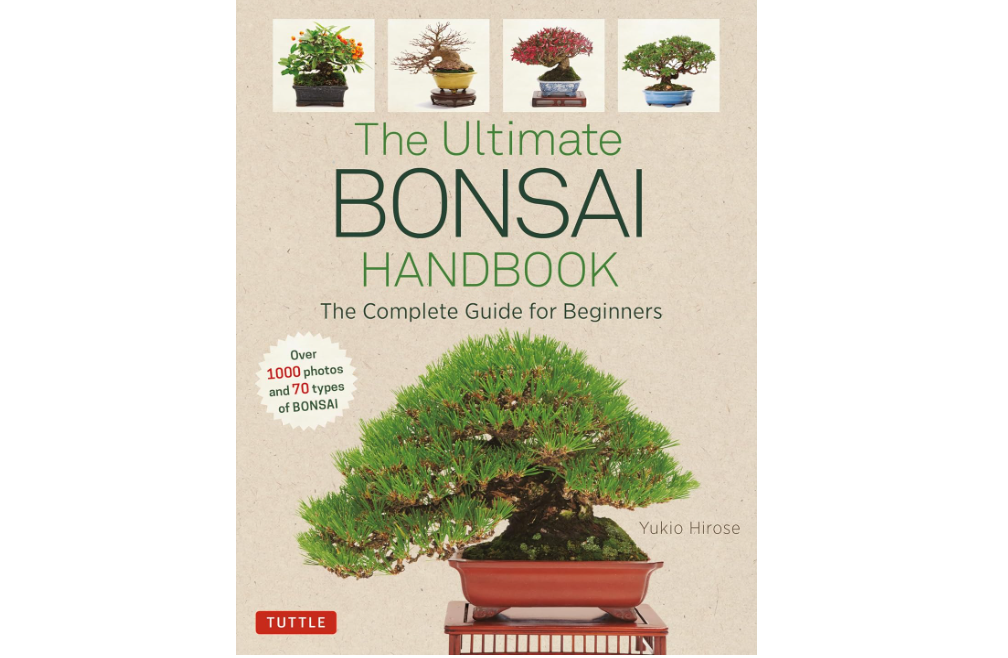
9. The Ultimate Bonsai Handbook by Yukio Hirose
Product Description: For those drawn to the deep cultural roots of the art, this book offers a traditional Japanese approach to bonsai, meticulously translated for the Western beginner. Yukio Hirose focuses heavily on the philosophy of seasonal rhythms, patience, and the disciplined execution of classical techniques.
Price: $15.10
Key Features & Benefits:
-
Seasonal Calendars: Features highly detailed seasonal care calendars to ensure your work aligns perfectly with the tree’s natural growth cycles.
-
Traditional Techniques: Offers an excellent primer on authentic Japanese wiring, branch selection, and potting techniques.
-
Focus on Classic Species: Highlights traditional Japanese species like Black Pine, Shimpaku Juniper, and Japanese Maple.
Pros and Cons:
-
Pros: Authentic, disciplined Japanese methodology; clear calendar-based structure keeps you organized.
-
Cons: The climate and seasonal advice is heavily based on Japanese weather patterns, requiring some mental translation for North American or European readers.
Amazon Customer Ratings and Reviews: Rated 4.6 out of 5 stars. Readers appreciate the quiet, methodical, and respectful approach the author takes toward tree care.
Why It’s a Good Choice: It instills the patience and timing required to succeed in this long-term hobby by aligning all your horticultural work with the shifting seasons.
Ideal Use Case / Who Should Buy It: Students of the craft who want to immerse themselves in traditional Japanese methodology and plan their year on a strict, disciplined care calendar.
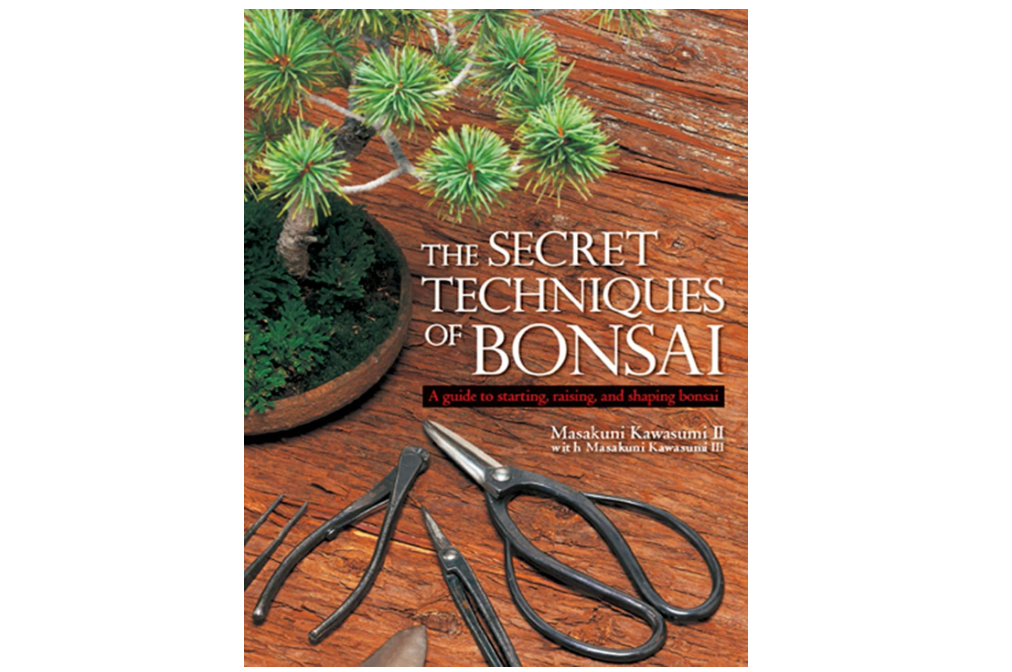
10. The Secret Techniques of Bonsai by Masakuni Kawasumi II
Product Description: Written by the son of the creator of the very first specialized bonsai tools, this unique book bridges the gap between basic care and advanced tool usage. A tree is only as healthy as the cuts made on it, and this book ensures every cut you make promotes rapid healing and vigorous growth.
Price: $29.00
Key Features & Benefits:
-
Tool Mastery: An unparalleled guide on how to select, use, maintain, and sharpen specific bonsai tools (like concave cutters and knob cutters).
-
Advanced Pruning: Breaks down the exact mechanics of structural pruning, showing how to create flush cuts that heal invisibly over time.
-
Historical Context: Offers fascinating insight into the development of modern bonsai tools.
Pros and Cons:
-
Pros: The absolute best guide on bonsai tool mechanics and structural pruning available on the market.
-
Cons: Might be too technical for someone who only owns a single pair of generic garden scissors and isn’t ready to invest in specialty tools.
Amazon Customer Ratings and Reviews: Scores a remarkable 4.8 out of 5 stars. Considered a masterclass in structural pruning, with reviewers noting it drastically improved their styling confidence.
Why It’s a Good Choice: Proper, clean cuts are essential to a tree’s health and aesthetic appeal; this book ensures you use the right tool the right way, every single time.
Ideal Use Case / Who Should Buy It: Serious beginners who have just purchased their first professional bonsai tool kit and want to learn how to utilize it properly to make clean, professional-grade structural cuts.
Buying Guide: How to Choose the Right Bonsai Book for You
Selecting the right manual can make the difference between a thriving tree and a dead twig. Before clicking “Add to Cart,” consider these three crucial factors to ensure you buy a book that actually meets your needs:
-
Identify Your Tree’s Environment (Indoor vs. Outdoor): Are you growing a Ficus on your apartment windowsill, or a Juniper on your backyard patio? If you only have indoor space, traditional books will frustrate you. You must opt for a specialized guide like Indoor Bonsai for Beginners to learn about managing artificial light and indoor humidity.
-
Determine Your Immediate Goal: Are you trying to keep a mall-bought tree alive, or do you want to learn how to wire and shape raw nursery stock? If survival is your only goal right now, choose a fundamentals-heavy book like The Little Book of Bonsai. If you want to get your hands dirty creating your own trees, look toward Bonsai4Me.
-
Check the Publication Date for Soil Advice: While styling principles (how a tree should look) have remained constant for centuries, horticultural science has evolved rapidly. Modern books offer vastly superior advice on inorganic soil substrates (like pumice and akadama). Older books may recommend organic potting soils or pure peat, which modern professionals generally advise against for bonsai cultivation.
Frequently Asked Questions (FAQs)
Can I learn bonsai just from YouTube, or do I really need a book? While YouTube is an excellent visual resource, it is inherently scattered and highly dependent on the creator’s specific climate. A high-quality book provides a structured, vetted, and easily referenceable foundation. When your tree is rapidly dropping leaves, flipping to a diagnostic index in a book is much faster and more reliable than scrubbing through a 30-minute video.
What is the best book for indoor bonsai? Without a doubt, Indoor Bonsai for Beginners by Werner M. Busch. It completely skips outdoor-only species and focuses exclusively on the microclimates, lighting, and tropical species (like Ficus and Jade) required for indoor success.
Do these books cover how to grow bonsai from seeds? Most beginner books briefly touch on seeds but highly advise against it. Growing a bonsai from a seed is a 10-to-15-year process before you can even begin styling it. Good beginner books focus on applying techniques to established nursery stock or pre-bonsai so you can practice the art form immediately.
Conclusion & Top Pick
Succeeding in this ancient hobby requires replacing guesswork with proven horticultural science. By choosing from our carefully vetted list of the best 10 bonsai tree book for beginners, you are investing directly in the health and longevity of your tree.
-
The Verdict: For the absolute novice who is terrified of making a mistake, The Little Book of Bonsai by Jonas Dupuich is our undisputed top pick. It is modern, friendly, and cuts out all the intimidating fluff.
-
The Runner-Up: For the enthusiast who wants a beautiful, all-encompassing volume to keep on their coffee table for years to come, The Complete Book of Bonsai by Harry Tomlinson remains an essential purchase.
Don’t wait until your tree’s leaves start turning crisp. Choose the manual that best fits your goals, click through to Amazon to secure your copy, and start your bonsai journey with confidence today!