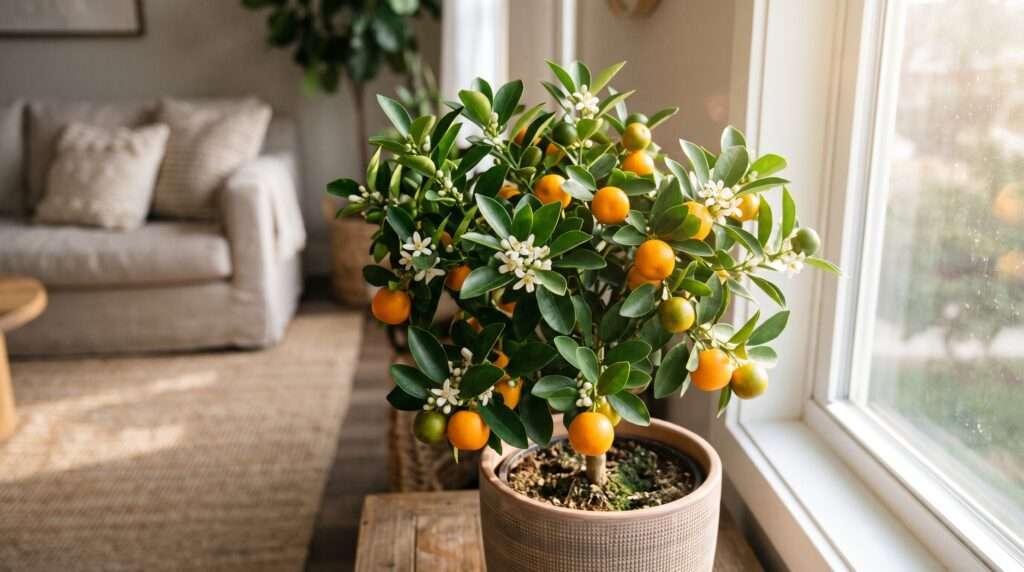
Imagine plucking fresh, vibrant micro-oranges from your living room right in the middle of winter. For most indoor gardeners, getting a citrus plant to simply survive indoors is a grueling battle against dropped leaves and barren branches. But the calamondin tree (Citrofortunella microcarpa) is the brilliant, resilient exception. As someone who has cultivated indoor and outdoor ornamental trees for years, I can confidently say that this specific citrus variety is the absolute best choice for home growers. It is forgiving, highly adaptable to container gardening, and with the right care, it will reward you with fragrant white blossoms and bright orange fruit simultaneously, all year long.
If you are tired of finicky indoor fruit trees that promise the world but deliver bare twigs, this comprehensive guide is for you. We will walk through exactly how to master the soil biology, lighting requirements, and hand-pollination techniques required to keep your calamondin thriving and producing heavy yields season after season. 🪴
What Makes the Calamondin Tree So Special? 🌟
Before diving into the care requirements, it is essential to understand the unique botany of this plant. Understanding its origins helps explain why it behaves the way it does in a household environment.
A Perfect Hybrid
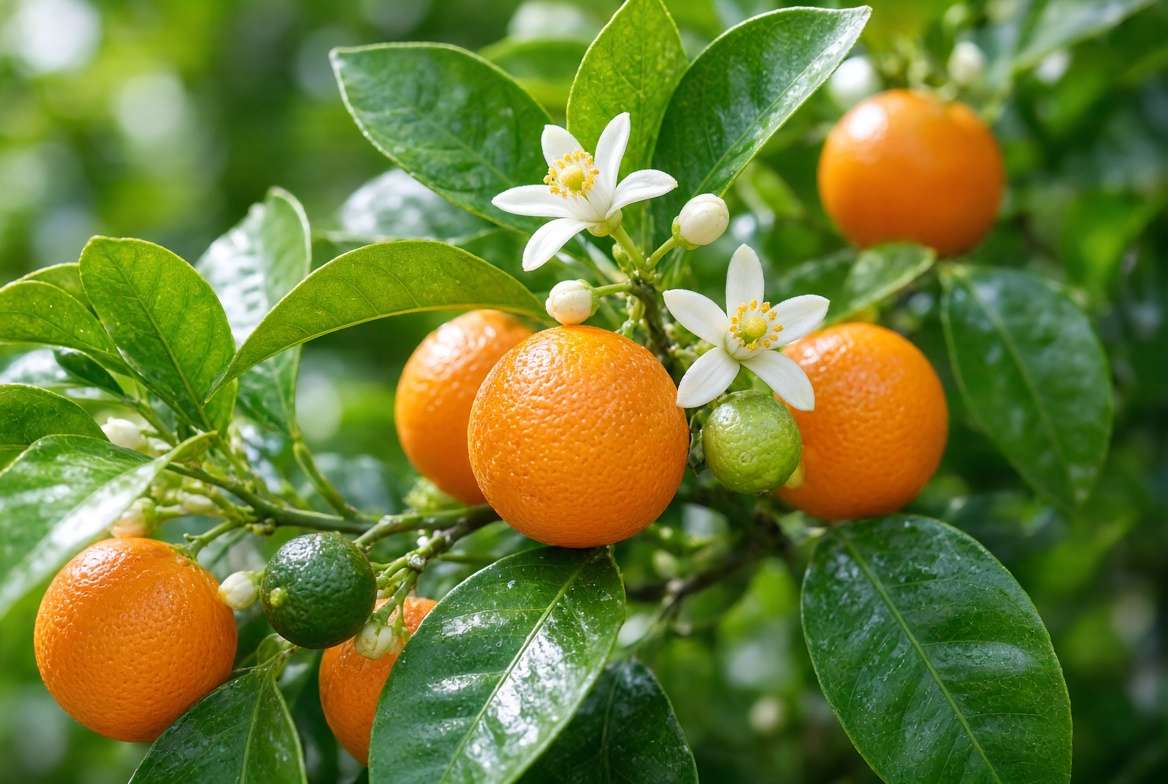
The calamondin is not a true orange. It is an ancient hybrid—a genetic cross between a mandarin orange (Citrus reticulata) and a kumquat (Fortunella margarita). This hybridization gives the plant its distinct characteristics: the cold-hardiness and edible skin of a kumquat, paired with the segmented, tart flesh and appearance of a miniature mandarin.
Indoor vs. Outdoor Growing
While commercial citrus demands the blazing heat and high humidity of regions like Florida or California, the calamondin is uniquely suited for container gardening. Its kumquat genetics provide a level of cold tolerance that allows it to withstand drafty windows and typical household temperatures that would immediately shock a Meyer lemon or a Key lime. Furthermore, its naturally compact, shrub-like growth habit means it will not rapidly outgrow your living space.
Pro Tip 💡
The ornamental value of this tree cannot be overstated. Unlike many fruit trees that have distinct, short blooming and fruiting windows, a healthy calamondin is often “everbearing.” It is entirely common to see tight green buds, open, highly fragrant white blossoms, green fruit, and fully ripe orange fruit on the same branch at the exact same time. It is a living, breathing centerpiece for your home.
Core Growing Conditions for a Healthy Calamondin ☀️
To achieve that highly desirable everbearing state, you must replicate the plant’s ideal natural environment as closely as possible.
Lighting the Way to Fruit Production
Light is the engine that drives fruit production. A calamondin tree requires a minimum of 6 to 8 hours of bright, direct sunlight daily.
-
Indoor Placement: Place your container right against a South-facing or unobstructed West-facing window. Do not place it several feet away; light intensity drops exponentially with every foot of distance from the glass.
-
Winter Supplementation: In regions with short, dark winters, a sunny window will not be enough to sustain fruit development. I highly recommend investing in a full-spectrum LED grow light (aim for at least 30-40 watts of actual draw per plant). Position the light 12 to 18 inches above the canopy and run it on a timer for 12 hours a day to simulate the summer sun.
The Perfect Citrus Soil Mix
If there is one area where beginner growers fail with citrus, it is the soil. Planting a calamondin in standard, moisture-retaining indoor potting soil is a death sentence. Citrus roots have a high demand for oxygen; if they sit in heavy, waterlogged muck, they will quickly succumb to root rot (Phytophthora).
You need a fast-draining, slightly acidic soil mix. You can buy a premium commercial cactus and citrus blend, or you can mix your own “Skyscraper Citrus Recipe” for maximum aeration:
-
1 Part Peat Moss or Coco Coir: For moisture retention and a slight acidity boost (citrus prefers a pH between 5.5 and 6.5).
-
1 Part Perlite or Pumice: To ensure rapid drainage and prevent soil compaction.
-
1 Part Pine Bark Fines (Orchid Bark): This is the secret ingredient. Bark provides structure, introduces beneficial air pockets, and mimics the well-aerated sandy loam of traditional citrus orchards.
Nailing Temperature and Humidity
Calamondins are tough, but they are not invincible. They thrive in daytime temperatures between 65°F and 80°F (18°C – 26°C). While they can tolerate brief nighttime dips down to 50°F (10°C), you should protect them from cold drafts from exterior doors or blasts of dry, hot air from HVAC vents.
Humidity is the other half of the environmental equation. Indoor winter air is often desert-dry, which can cause leaf curling and bud drop. Aim for 40% to 50% relative humidity.
-
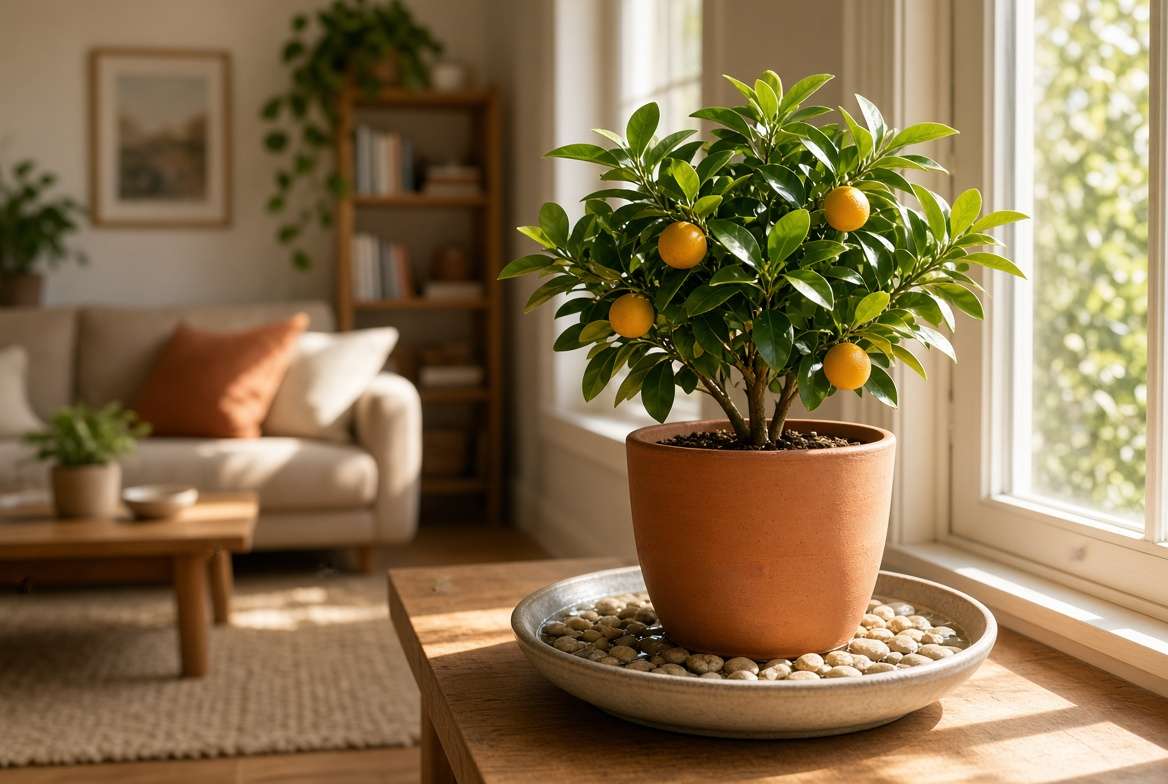
The Pebble Tray Method: Fill a wide saucer with decorative pebbles and water, then place the pot on top. As the water evaporates, it creates a localized humid microclimate around the foliage. Ensure the bottom of the pot is sitting on the pebbles, not in the water, to protect the roots.
-
Humidifiers: For large rooms with multiple plants, a dedicated ultrasonic humidifier is the most effective solution. (Avoid misting the leaves directly, as standing water on foliage indoors can invite fungal spores).
Mastering the Watering and Fertilizing Routine 💧
With the right environment established, your daily and weekly maintenance routines will dictate the size and flavor of your harvest.
The “Soak and Dry” Watering Method
Citrus trees prefer deep, thorough waterings followed by periods of drying out. Never give your calamondin frequent, shallow sips of water.
-
The 2-Inch Rule: Before you reach for the watering can, insert your index finger two inches deep into the soil. If it feels moist, wait a few more days. If it feels completely dry, it is time to water.
-
The Watering Technique: Slowly pour water over the entire surface of the soil until it runs freely out of the bottom drainage holes. This ensures the entire root ball is hydrated and helps flush out excess fertilizer salts. Always empty the drainage saucer afterward; never let your tree sit in standing water.
Feeding for Year-Round Yields
Producing flowers and fruit constantly takes a massive amount of energy. Your calamondin tree is a heavy feeder.
-
Macronutrients vs. Micronutrients: A standard houseplant fertilizer will not cut it. Citrus requires a specific N-P-K ratio (typically higher in Nitrogen to support leafy growth) and, crucially, a heavy dose of micronutrients like zinc, iron, and magnesium. A deficiency in these trace minerals is the leading cause of yellowing leaves.
-
The Schedule: Use a high-quality, organic citrus-specific granular fertilizer or a liquid feed. During the active growing season (early spring through late summer), feed the tree every 4 to 6 weeks. As daylight decreases in late fall and winter, taper the feeding back to once every 8 weeks, as the plant’s metabolic rate slows down.
The Secret to Year-Round Fruiting: Pollination & Yield Management 🐝
One of the most thrilling aspects of growing a calamondin tree indoors is watching the tiny green orbs develop after a flush of heavily scented white blossoms. However, because your living room lacks the natural breezes and pollinating insects of an outdoor garden, you need to step in and play the role of Mother Nature.
How to Hand-Pollinate Indoor Trees
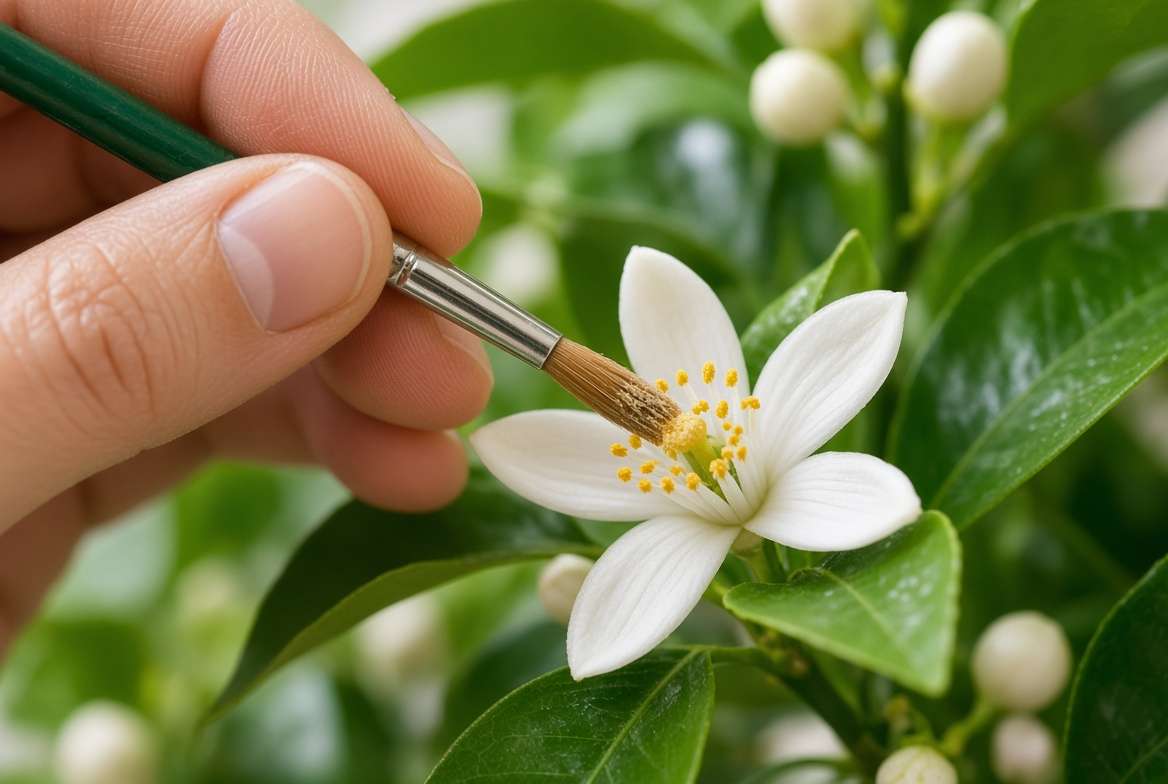
Calamondin trees are self-fertile (parthenocarpic), meaning you only need one tree to produce fruit. But to guarantee a heavy yield indoors, hand-pollination is highly recommended. When the white flowers are fully open and the yellow pollen on the stamen is visible and fluffy, take a small, soft-bristled artist’s paintbrush or a cotton swab. Gently brush the center of one flower, collecting the yellow pollen dust, and then lightly dab it onto the center stigma of the neighboring flowers. Move systematically around the canopy, repeating this process every few days while the tree is in bloom. This simple, two-minute task dramatically increases your fruit set. 🌸
Understanding Fruit Drop
If you notice tiny, pea-sized green fruits dropping onto your floor, do not panic immediately. A healthy calamondin tree will often produce far more blossoms and fruitlets than its branch structure or root system can support. The tree will naturally undergo a process called “self-thinning,” dropping excess fruit to focus its energy on maturing the remaining crop.
However, if the tree begins dropping larger, golf-ball-sized green fruit or dropping its leaves simultaneously, this is a sign of environmental stress. The usual culprits are allowing the soil to dry out completely until the leaves wilt, or a sudden, drastic swing in temperature. Maintain a consistent watering schedule to minimize stress-induced fruit drop.
Pruning and Repotting Your Calamondin ✂️
To keep your calamondin tree looking like a manicured ornamental specimen rather than a wild, tangled bush, structural maintenance is necessary.
Pruning for Shape and Airflow
The ideal time to prune your calamondin is in early spring, just before the tree pushes out its major flush of new vegetative growth.
-
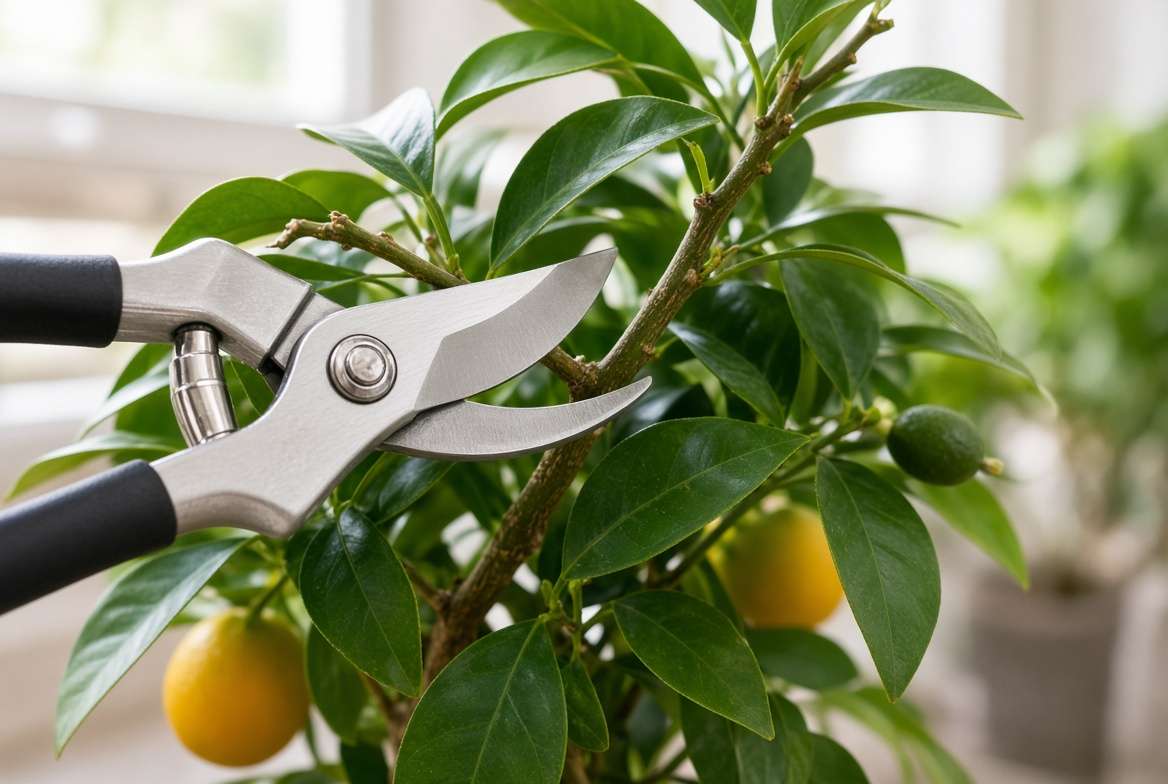
Remove Suckers: Always cut away any vigorous, thorny shoots growing from below the graft line (the swollen bump near the base of the trunk). These suckers come from the rootstock and will drain energy from the fruiting canopy.
-
Improve Air Circulation: Snip away any branches that are crossing and rubbing against each other in the center of the tree. Opening up the interior canopy allows light to penetrate deeper and increases airflow, which is one of your best natural defenses against fungal diseases and pests.
-
Aesthetic Trimming: You can safely prune back excessively long, leggy branches to maintain a compact, rounded shape. Always make your cuts at a 45-degree angle just above a leaf node facing the direction you want the new growth to go.
Repotting Without Shocking the Plant
Calamondin trees grow relatively slowly, so they only need to be repotted every two to three years. Signs that it is time for an upgrade include roots actively circling the surface of the soil, roots poking out of the bottom drainage holes, or water running straight through the pot without soaking in (a sign the soil has degraded).
When repotting, choose a container only one to two inches larger in diameter than the current one. Jumping to a massive pot leaves too much excess, damp soil around the root zone, inviting rot. Gently tease the outer roots loose, place the tree in the new pot, and fill in the gaps with your well-draining citrus soil mix, ensuring the root flare (where the trunk meets the roots) stays exposed above the soil line. 🪴
Troubleshooting Common Calamondin Problems 🚨
Even the most resilient indoor plants occasionally face challenges. By identifying the symptoms early, you can correct the issue before permanent damage occurs.
Yellowing Leaves (Chlorosis)
Yellowing foliage is the most common distress signal for a calamondin tree. To fix it, you must diagnose the specific pattern of yellowing:
-
Overall Yellowing & Dropping: Usually a sign of overwatering and suffocating roots. Check your drainage immediately.
-
Older Leaves Turning Yellow: Often a sign of a Nitrogen deficiency. The plant is stealing nutrients from old growth to support new growth. Step up your fertilizing schedule.
-
Green Veins with Yellowing Between (Interveinal Chlorosis): This is a classic sign of iron or zinc deficiency, or soil that is too alkaline, preventing the roots from absorbing existing nutrients. A foliar spray of chelated iron can offer a rapid, temporary fix while you adjust your soil pH or fertilizer.
Defeating Common Citrus Pests
Indoor winter environments—warm and dry—are breeding grounds for sap-sucking insects.
-
Spider Mites: These microscopic pests thrive in dry air. You will often notice fine, dusty webbing in the crotches of branches or a stippled, faded look to the leaves. Eradicate them by taking the tree to the shower and gently washing the foliage, followed by a thorough spray of horticultural neem oil or insecticidal soap, making sure to coat the undersides of the leaves. 🕷️
-
Scale Insects: These look like small, brown, waxy bumps firmly attached to the stems and the midribs of leaves. They excrete a sticky substance called honeydew, which can lead to black sooty mold. Because of their hard armor, sprays are often ineffective. Use a cotton swab dipped in rubbing alcohol to wipe them off manually, or apply a systemic organic treatment if the infestation is severe.
Harvesting and Using Your Calamondin Bounty 🍹
After months of careful cultivation, the ultimate reward is the harvest. Calamondins take several months to mature from a white flower to a fully ripe fruit.
How to Tell When Calamondins Are Ripe
Unlike apples or peaches, citrus fruits do not continue to ripen or sweeten once removed from the tree. You must leave them on the branch until they reach peak maturity. You will know your calamondin is ready to harvest when the skin turns a deep, vibrant, tangerine orange. The fruit should feel slightly soft and give a little when gently squeezed. If it feels rock hard, leave it for another week. When harvesting, use sharp snips or scissors to cut the stem just above the fruit; pulling them off by hand can tear the delicate skin and invite rapid spoilage. ✂️
Culinary Uses for the Fruit
The calamondin offers a unique flavor experience: the thin rind is surprisingly sweet and floral, while the juicy flesh and juice inside are sharply tart and acidic, akin to a lime. Because of this sweet-and-sour profile, they are incredibly versatile in the kitchen.
-
Slice them in half and drop them into a glass of ice water or sparkling water for a refreshing twist.
-
Squeeze the juice over grilled fish or into marinades where you would traditionally use lemon.
-
Because they are packed with natural pectin, they make an absolutely spectacular, brightly flavored homemade marmalade. 🍯

Frequently Asked Questions (FAQs) ❓
How long does it take for a calamondin tree to bear fruit? If you purchase a young, grafted tree from a reputable nursery, it will often arrive already bearing flowers or small fruit. If grown from a cutting, it may take 1 to 2 years.
Can I grow a calamondin tree from a seed? Yes, but it is not recommended for indoor growers. Trees grown from seeds will take anywhere from 5 to 7 years to produce their first fruit, and they tend to grow much taller and thornier than their grafted counterparts. Always buy a grafted dwarf variety for indoor success.
Why are the flowers falling off without forming fruit? This is typically due to a lack of pollination (remember to hand-pollinate!), insufficient light, or erratic watering that allowed the soil to dry out excessively while the tree was in bloom.
Is the calamondin tree toxic to pets? Yes. According to the ASPCA, the essential oils and psoralens found in the leaves, stems, and fruit of citrus trees are toxic to dogs, cats, and horses. Ingestion can cause vomiting, diarrhea, and depression. Keep your tree out of reach of curious pets. 🐾
Final Thoughts on Your Citrus Journey 🌱
Growing a thriving calamondin tree is one of the most rewarding endeavors an indoor gardener can undertake. By mastering its core requirements—providing abundant bright light, ensuring fast-draining soil, staying on top of a consistent fertilizing schedule, and engaging in proactive pest management—you will transform a standard houseplant into a highly productive, fragrant, and beautiful micro-orchard.
Don’t let the horror stories of finicky indoor citrus deter you. The calamondin is tough, forgiving, and eager to produce.
Have you successfully grown a calamondin indoors, or are you just starting your citrus journey? Share a photo of your tree or drop your questions in the comments below! Let’s keep growing together! 🌿✨