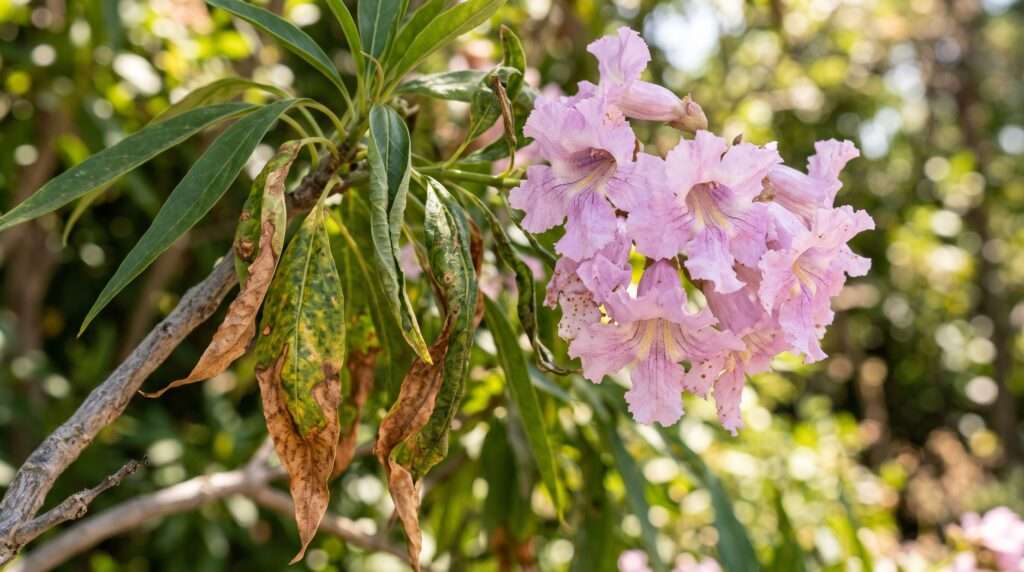
You step out into your garden, eager to admire the striking pink and white ruffled blooms of your beloved landscape tree, only to be met with a distressing sight: your chitalpa tree leaves shriveling, curling, and looking completely lifeless. 🚨 It is a moment of pure panic for any gardener.
But before you reach for the nearest hose or pruning shears, take a deep breath. As tree care professionals know, diagnosing leaf wilt is a systematic process of elimination. The Chitalpa (x Chitalpa tashkentensis) is a uniquely resilient hybrid, meaning standard gardening advice doesn’t always apply. Leaves drying up and contorting is a primary distress signal, and misdiagnosing the issue—like watering a tree that is actually suffering from fungal rot—can quickly turn a minor problem into a fatal one.
By the end of this comprehensive guide, you will understand exactly why your tree’s foliage is curling, how to accurately diagnose the root cause, and the immediate, actionable steps required to bring your Chitalpa back to vibrant health. ✨
Understanding the Chitalpa Tree’s Resilience (and Weaknesses) 🌱
To fix the problem, we first have to understand the plant. The Chitalpa is an intergeneric hybrid, a fascinating cross between the desert willow (Chilopsis linearis) and the southern catalpa (Catalpa bignonioides).
A Drought-Tolerant Hybrid
Because it inherits the desert willow’s genetics, the Chitalpa is inherently bred to handle intense heat, drought, and arid environments. It thrives in well-draining soils and dry conditions. This genetic makeup is a double-edged sword: it makes the tree incredibly low-maintenance in dry climates, but exceptionally vulnerable in heavy, wet soils.
Why Do Leaves Shrivel? The Plant’s Defense Mechanism
When a Chitalpa tree is under severe stress, it initiates a survival response. Leaves shrivel, curl, and droop to reduce their surface area. By minimizing the amount of leaf tissue exposed to the sun and wind, the tree effectively slows down transpiration (the rate at which it loses water through its foliage). Therefore, shriveling is not a disease in itself; it is a highly evolved mechanical symptom indicating that the tree cannot efficiently move water from its roots to its canopy.
Top 5 Causes of Chitalpa Tree Leaves Shriveling 🕵️♂️
Identifying the exact culprit requires a bit of detective work. Here are the five most common reasons your Chitalpa is struggling, starting with the most frequent offenders.
1. Water Stress: The Fine Line Between Thirsty and Drowning 💧
Watering issues account for the vast majority of Chitalpa decline. Because they are drought-tolerant, homeowners often misunderstand their watering needs.
-
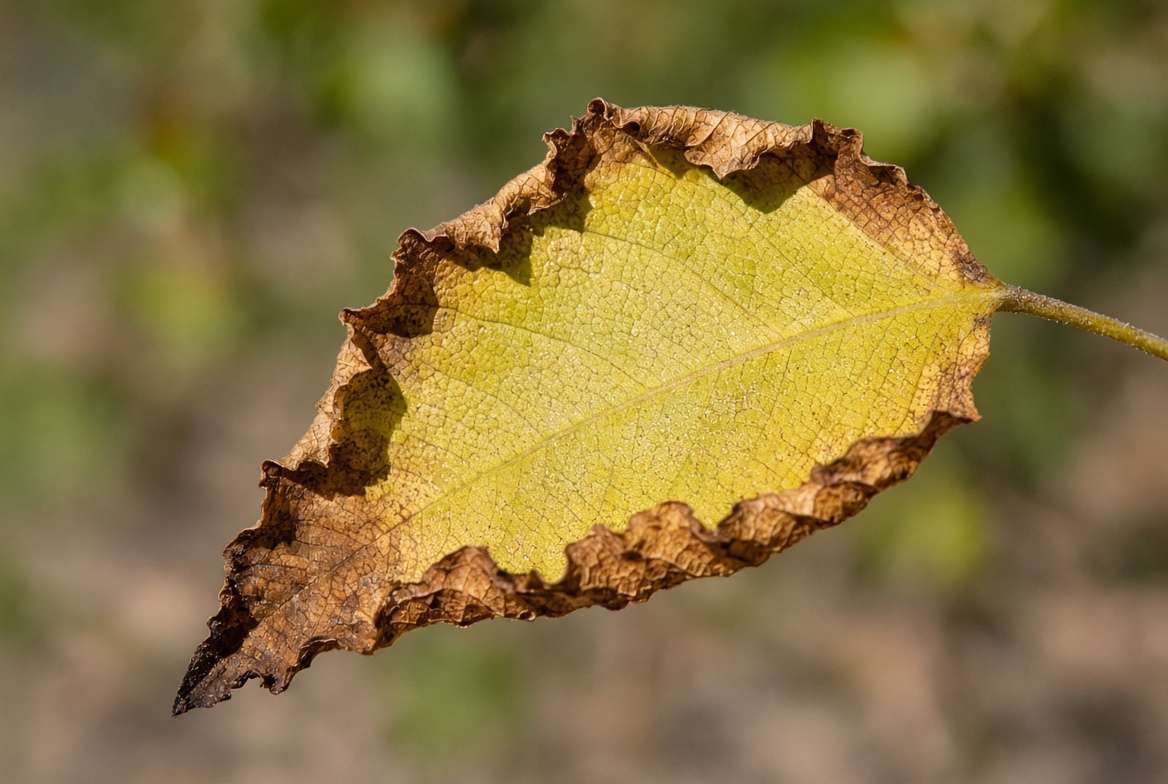
Overwatering & Root Rot (The #1 Culprit): Chitalpas absolutely despise “wet feet.” If your tree is planted in heavy clay soil, in a low-lying area of your lawn, or directly next to moisture-loving plants that receive daily irrigation, it is likely drowning. When soil is constantly waterlogged, oxygen is pushed out. The roots literally suffocate, die, and begin to rot. Unable to absorb water, the tree’s canopy dries out, resulting in limp, yellowing, and shriveling leaves.
-
Underwatering: While drought-tolerant, newly transplanted or very young Chitalpas have shallow, undeveloped root systems. During a severe heatwave, a lack of deep, restorative watering will cause the leaf edges to turn crispy, brown, and curl inward.
💡 Expert Insight: To tell the difference, look at the foliage color. Underwatered leaves tend to feel crispy and dry right away, often browning at the tips. Overwatered leaves usually turn a pale, sickly yellow and feel limp before they eventually shrivel and drop.
2. Verticillium Wilt: The Silent Fungal Killer 🍄
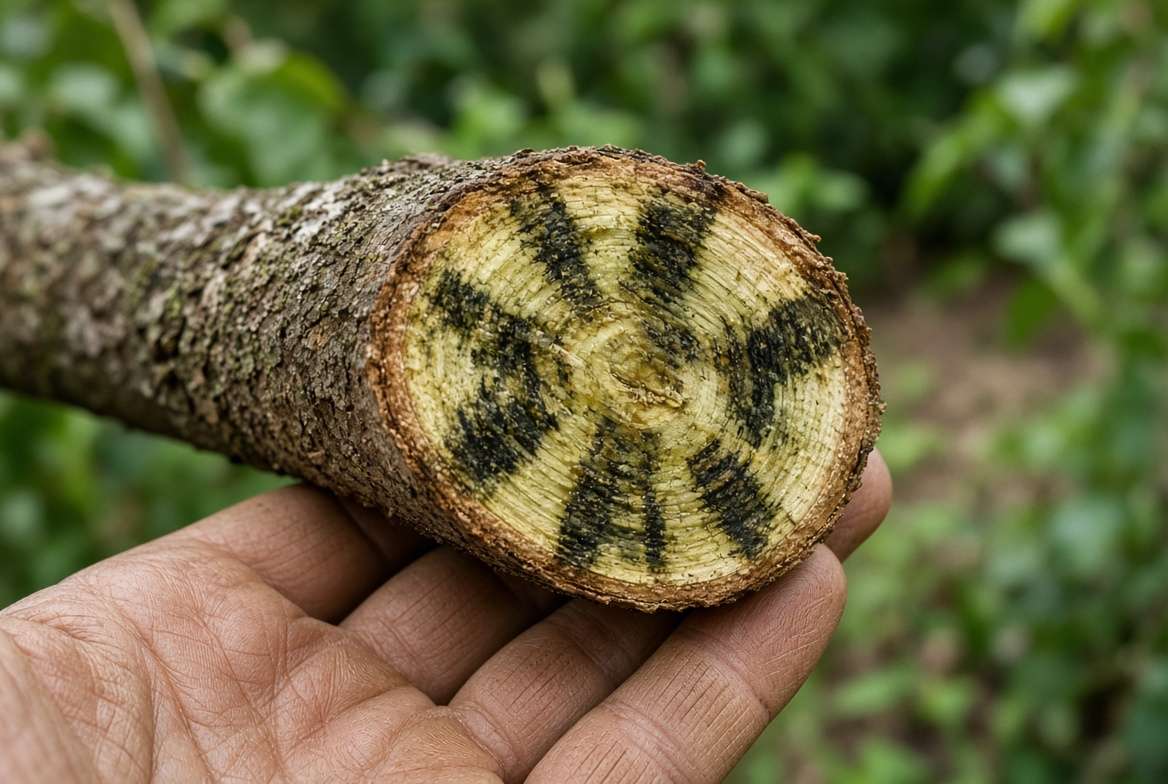
If your watering schedule is flawless but your tree is still dying, Verticillium wilt is the likely villain. Chitalpa trees are notoriously susceptible to this devastating soil-borne fungus (Verticillium dahliae).
The fungus enters through the root system and travels up the tree’s vascular system (the xylem), effectively clogging the “pipes” that transport water and nutrients.
-
The Telltale Symptom: Verticillium wilt almost always presents asymmetrically. You will notice sudden leaf shriveling and dieback on just one side of the tree, or even on a single branch, while the rest of the canopy looks perfectly healthy. If you peel back the bark on an affected branch, you may see dark green, brown, or black streaking in the sapwood beneath.
3. Extreme Heat & Sun Scorch ☀️
Even desert hybrids have their breaking point. If your region is experiencing an unprecedented, prolonged heatwave (temperatures exceeding 100°F / 38°C for days on end), the transpiration rate outpaces the roots’ ability to pull up moisture.
-
The Telltale Symptom: Sun scorch usually affects the newest, most tender growth first, or the side of the tree facing the harsh afternoon sun. The leaves will look bleached or faded in the center between the veins, quickly followed by dry, shriveled tissue that flakes away.
4. Powdery Mildew and Leaf Spot Fungi 🦠
While Chitalpas are generally hardy, they can fall victim to foliar diseases if the environmental conditions are poor—specifically, high humidity paired with poor air circulation. Over-head watering with a sprinkler system is a massive contributor to this problem.
-
The Telltale Symptom: Before the shriveling occurs, you will notice warning signs on the leaf surface. Powdery mildew presents as a dusty, white or gray coating that looks like someone sprinkled flour on the leaves. Leaf spot fungi present as small, dark brown or black dots surrounded by yellow halos. As the fungal infection progresses, it destroys the leaf tissue, causing the foliage to curl inward, dry up, and drop prematurely.
5. Sap-Sucking Pests (Aphids & Spider Mites) 🕷️
Insects are opportunistic. They rarely attack a perfectly healthy tree, but if your Chitalpa is already stressed from heat or improper watering, sap-sucking pests will move in. Spider mites and aphids are the most common invaders.
They congregate on the tender new growth and the undersides of leaves, piercing the plant tissue to feed on the sugary sap inside.
-
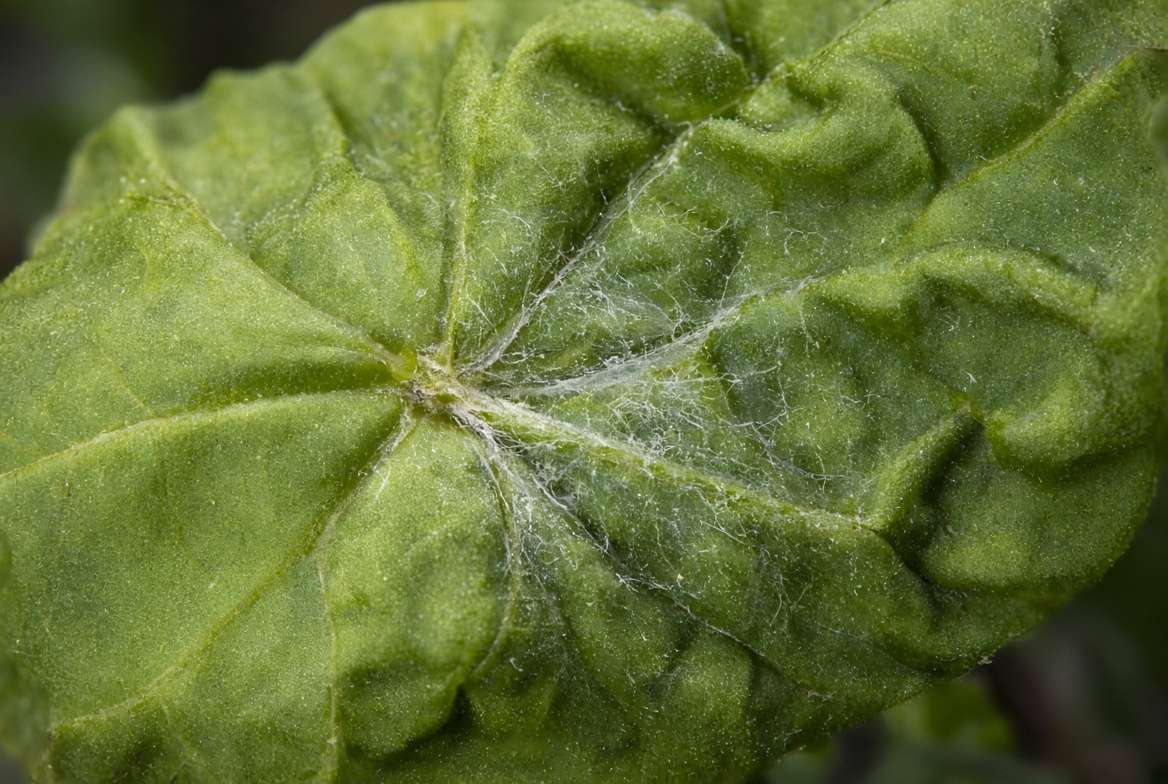
The Telltale Symptom: This constant drain of fluids causes severe leaf distortion, puckering, and eventual shriveling. Look for a sticky residue called “honeydew” (left behind by aphids) which often attracts black sooty mold. If spider mites are the culprit, you will see a faded, stippled appearance on the leaves and ultra-fine, silky webbing near the stems.
The 3-Minute Expert Diagnostic Test 🩺
Now that you know the top causes, it is time to diagnose your specific tree. Put away the chemical sprays and fertilizers for a moment. Go out to your Chitalpa tree and perform this quick, three-step assessment utilized by professional arborists.
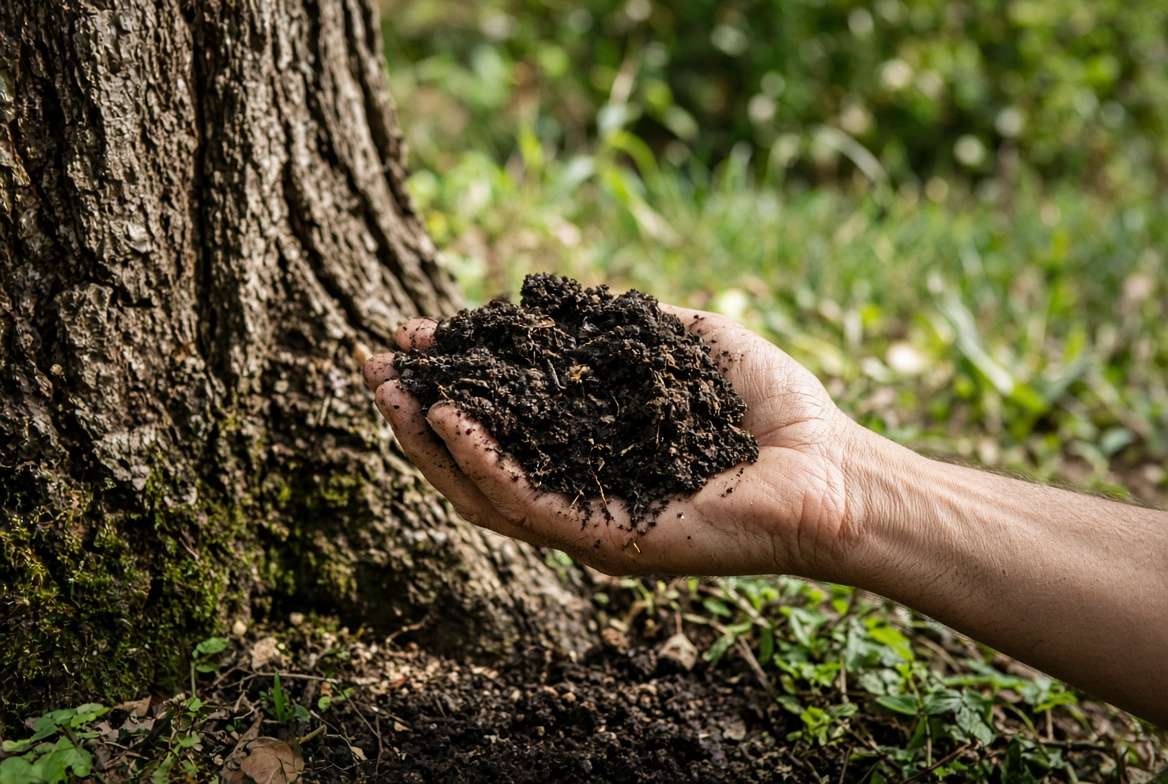
Step 1: The “Finger-Deep” Soil Test 🤏 Do not rely on the surface of the soil. Dig down about 3 to 4 inches near the tree’s root zone (under the canopy, not right against the trunk). Grab a handful of dirt.
-
If it is dusty, crumbly, and bone dry, your tree is severely underwatered.
-
If it forms a muddy, sopping wet ball that smells slightly sour or swampy, your tree is overwatered and suffocating.
-
If it feels like a damp, wrung-out sponge, the moisture is perfect, meaning your issue is likely fungal or pest-related.
Step 2: The “Scratch Test” on Shriveled Branches 🌿 Take a small pocket knife or your fingernail and gently scratch away a tiny sliver of bark on a branch where the leaves are shriveling.
-
If the tissue underneath (the cambium layer) is plump and bright green, the branch is still alive and can recover.
-
If it is hard, brown, or brittle, that branch has died.
-
If you see dark green or black streaks running through the wood, you are looking at Verticillium wilt.
Step 3: The Leaf Underside Inspection 🔍 Pluck a shriveled leaf and flip it over. Use a magnifying glass if you have one. Look for tiny, crawling specks (mites), clusters of green or black bugs (aphids), or white, powdery residue (mildew). If the leaf is completely clean but still shriveled, refer back to soil moisture or wilt.
Quick Fixes: How to Save Your Shriveling Chitalpa Tree 🚑
Once you have diagnosed the problem using the test above, you can take immediate action to stabilize your tree.
Fixing Watering Issues Instantly
-
To fix underwatering: Set a hose on a slow trickle at the drip line (the outermost edge of the tree’s canopy) for 45 to 60 minutes. This provides a deep, restorative soak that encourages roots to grow downward. Never water heavily right at the trunk.
-
To fix overwatering: Turn off all irrigation immediately. Pull back any dense mulch or rocks around the base of the tree to allow the soil to breathe and evaporate moisture. If the soil is heavy clay, gently aerate the ground around the tree with a garden fork to introduce oxygen to the drowning roots.
Managing Verticillium Wilt (Damage Control)
Crucial truth: There is no chemical cure or fungicide that will eradicate Verticillium wilt once it is inside the tree. However, you can manage it and prolong the tree’s life for years.
-
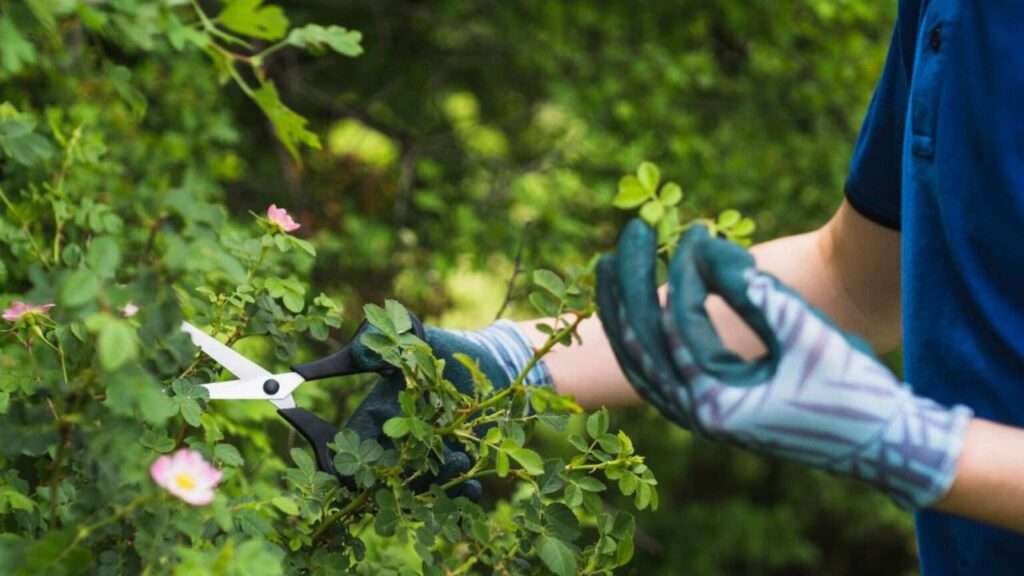
Sanitary Pruning: Immediately prune away the dead or dying branches. You must sanitize your pruning shears with rubbing alcohol or a 10% bleach solution between every single cut. If you skip this, you will spread the fungus to healthy parts of the tree yourself. ✂️
-
Dispose of the infected branches in the trash, not your compost bin.
Combating Pests and Powdery Mildew
-
For Pests: Blast aphids off with a strong jet of water from the hose. For stubborn infestations of spider mites or aphids, apply an organic insecticidal soap or Neem oil spray.
-
For Mildew: Improve air circulation (see pruning below) and apply a copper-based fungicide.
-
Timing matters: Never apply Neem oil, soaps, or fungicides during the heat of the day. The sun will react with the oils and chemically burn the leaves, worsening the shriveling. Always spray in the early evening. 🌙
The Power of Proper Mulching
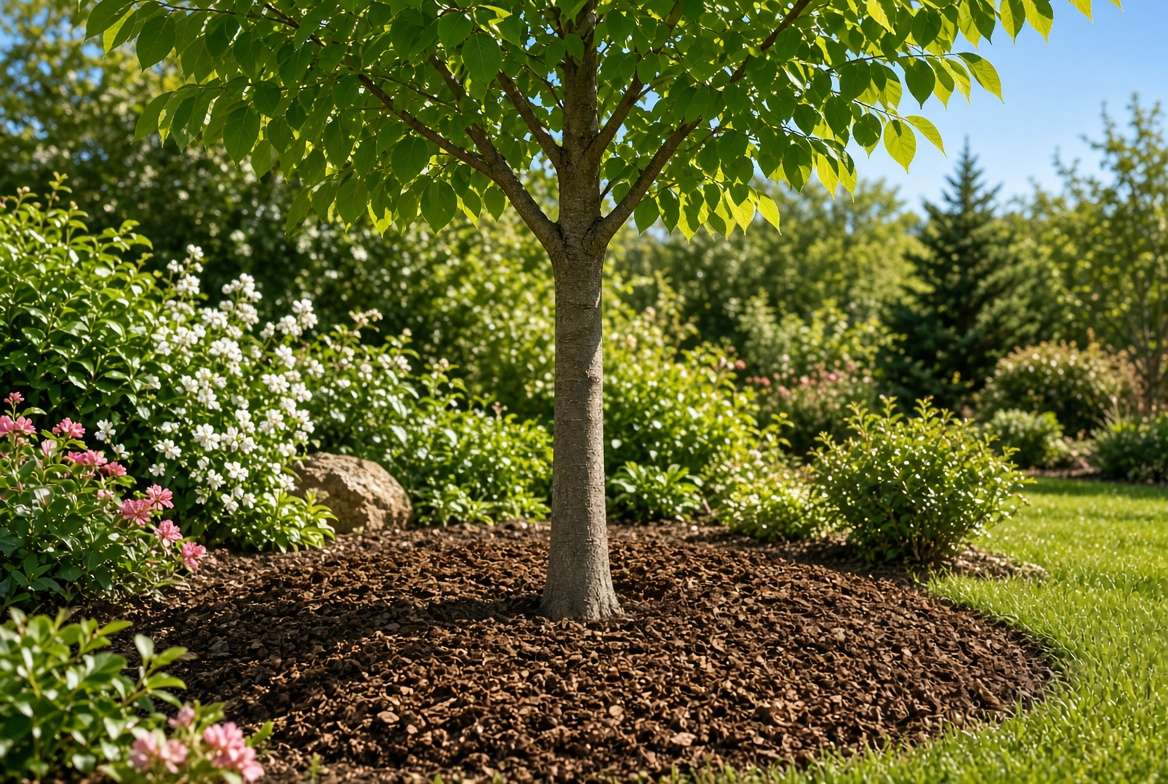
Apply a 2-3 inch layer of high-quality organic mulch (like shredded bark) around the base of the tree. This regulates soil temperature and retains moisture. However, avoid “volcano mulching”—never let the mulch touch the actual bark of the trunk, as this traps moisture against the wood and invites crown rot.
Long-Term Prevention: Keeping Your Chitalpa Healthy Year-Round 🗓️
Saving your tree from a crisis is step one. Step two is ensuring it never happens again.
Ideal Soil and Planting Conditions
Chitalpas demand well-draining soil. If you live in an area with dense, unamended clay, consider planting your Chitalpa in a raised berm or mound to ensure excess water rapidly drains away from the root crown.
Pruning for Airflow 🌬️
A dense, overcrowded canopy traps humidity, creating a breeding ground for powdery mildew and leaf spot. During the late winter dormancy period, selectively thin out crossing or rubbing branches in the center of the tree. This allows sunlight and wind to easily pass through the foliage, naturally keeping fungal spores at bay.
Fertilizing Dos and Don’ts
Do not panic-fertilize a stressed tree! Giving high-nitrogen fertilizer to a Chitalpa with shriveling leaves is like forcing a sick person to run a marathon. It forces the tree to push out rapid, weak new growth, which drains its remaining energy reserves and acts as a magnet for aphids. Wait until the tree has fully recovered, and only use a slow-release, low-nitrogen organic fertilizer in early spring.
When to Call a Certified Arborist 🧑🌾
While Chitalpas are resilient, there is a point of no return. You should contact a certified local arborist if you notice:
-
More than 50% of the canopy has suddenly shriveled and died within a few weeks.
-
Extensive bark peeling or splitting on the main trunk.
-
Severe Verticillium wilt that continues to spread rapidly despite sanitary pruning.
-
Mushrooms or large fungal conks growing directly out of the tree’s trunk or root flare (a sign of advanced internal rot).
Frequently Asked Questions (FAQs) 🙋♀️
Q: Will a Chitalpa tree grow back its leaves if they all fall off? Yes! If the leaf drop was caused by temporary stress (like a severe heatwave or underwatering), the tree can absolutely push out a new flush of leaves once the conditions improve. However, if the defoliation is due to severe root rot, the prognosis is much lower.
Q: How much water does a newly planted Chitalpa tree need? For the first year, water deeply once or twice a week, depending on the heat. The soil should dry out slightly between waterings. Once established (after 2-3 years), they rarely need supplemental watering unless you are experiencing a prolonged drought.
Q: Can Verticillium wilt spread to my other garden plants? Unfortunately, yes. Verticillium dahliae lives in the soil for years. If your Chitalpa ultimately dies from it, do not plant another susceptible species (like maples, redbuds, or smoke trees) in that exact same spot.
Q: Are brown, crispy edges on Chitalpa leaves always a sign of a disease? No. Brown, crispy edges (marginal necrosis) are almost always a sign of environmental stress—specifically extreme wind, sun scorch, or underwatering. Fungal diseases typically present with spots, powdery coatings, or asymmetrical wilting, rather than uniform crispy edges.
Conclusion: Don’t Give Up on Your Chitalpa! 💚
Seeing your beautiful landscape tree in distress is tough, but a chitalpa tree leaves shriveling is a cry for help, not an immediate death sentence. By systematically checking the soil moisture, inspecting the branches for wilt, and looking out for opportunistic pests, you can accurately diagnose the problem and take swift action.
Remember the golden rules: keep those roots drained, never overwater a desert hybrid, and always sanitize your pruning tools. Trees are incredibly resilient organisms, and with a little bit of targeted care, your Chitalpa will be back to producing those gorgeous, ruffled pink blooms in no time.
Have you successfully brought a wilting Chitalpa back from the brink, or are you currently struggling to diagnose your tree? Drop a comment or a photo below—we’d love to help you troubleshoot your garden! 🌱