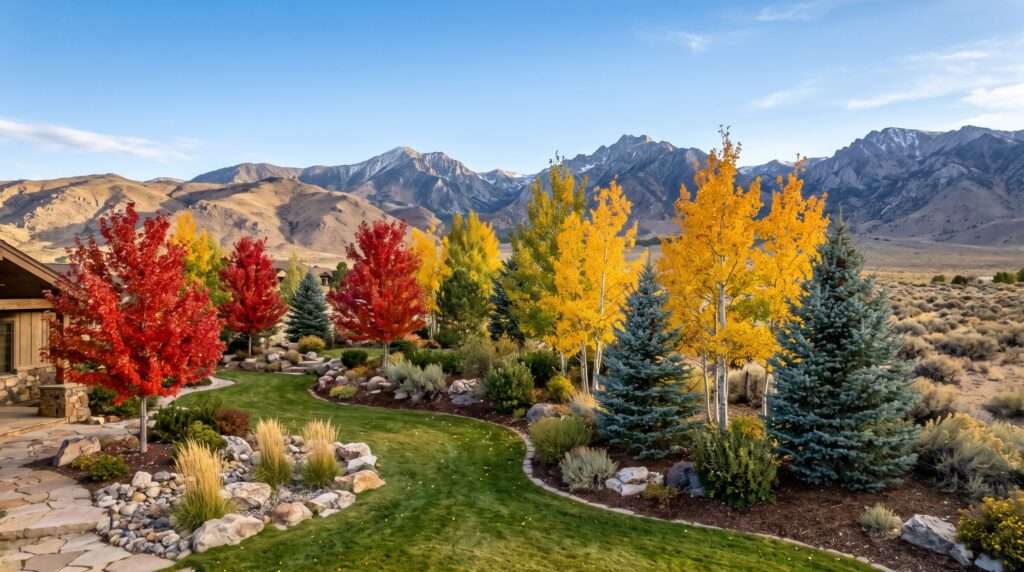
Northern Nevada’s high elevation, alkaline clay soils, and brutal temperature extremes—swinging from scorching summer days to late spring frosts—can turn a landscaping dream into an expensive graveyard of dead saplings. Generic nursery stock simply isn’t bred to survive the harsh realities of USDA Zones 5a through 7b. Buying the wrong species practically guarantees premature plant death from frost damage, root rot, or severe drought stress.
To save you time, money, and frustration, we have created the ultimate guide to the best 10 trees for northern nevada.
We didn’t just pick popular plants; we analyzed Amazon’s top-rated, safely-shipped live trees and cross-referenced them with strict arboriculture data specifically tailored for the Reno, Sparks, and Carson City climates. By focusing on cold hardiness, drought tolerance, and soil adaptability, we’ve identified the most resilient, high-value options on the market. Whether you need fast-growing shade, a turf-friendly canopy, or a wind-resistant evergreen, this guide will help you confidently choose a tree guaranteed to thrive in the high desert.
How We Evaluated: The High Desert Decision Guide
When evaluating trees for Northern Nevada, you cannot rely on standard growing guides. The Sierra Nevada rain shadow creates a unique microclimate that demands highly adaptable vegetation. Here is the strict criteria we used to rank and select the trees on this list:
-
Cold Hardiness & Frost Timing: A tree in this region must survive hard winter freezes (USDA Zones 5–7). More importantly, it must have biological timing that prevents it from leafing out too early and being destroyed by Northern Nevada’s notorious late-May frosts.
-
Drought Tolerance (Xeriscaping Potential): The high desert receives minimal rainfall. Once a tree’s root system is established (typically after 1 to 2 years), it must be able to thrive with deep, infrequent watering rather than constant surface irrigation.
-
Soil Adaptability: Northern Nevada soils are notoriously alkaline (high pH) and heavy in clay, which chokes out delicate root systems. We prioritized trees that do not succumb easily to iron chlorosis (yellowing leaves) in poor soil.
-
Value & Safe Shipping: We focused on reputable online nurseries selling on Amazon that utilize protective packaging, ensuring that your tree arrives with a healthy, moist root ball ready for immediate planting.
Quick Comparison
If you are in a rush, use this simple, mobile-friendly matrix to compare our top picks at a glance.
Detailed Product Reviews & Comparisons
1. Autumn Blaze Maple (Acer x freemanii) – Best Overall Shade Tree
-
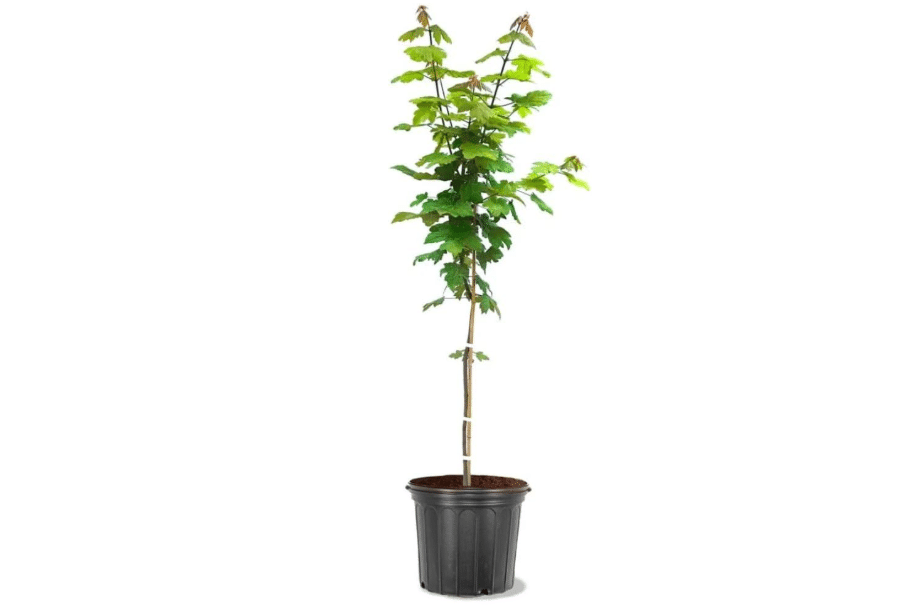
Product Description: The Autumn Blaze Maple is a masterclass in hybrid arboriculture. By crossing the rapid growth rate of the Silver Maple with the structural integrity and breathtaking crimson fall foliage of the Red Maple, breeders created a near-perfect shade tree. It features an upright, uniform branching habit that requires less corrective pruning than its parent species.
-
Price Range: .
-
Key Features & Benefits: This tree is incredibly vigorous, capable of putting on 3 to 5 feet of new growth per year under ideal conditions. It reaches a mature height of 40 to 50 feet with a 30-foot spread, creating a massive canopy of shade in a fraction of the time a traditional hardwood takes. Furthermore, it is a seedless variety, meaning you won’t spend your weekends raking up thousands of “helicopter” seed pods.
-
Pros & Cons:
-
Pros: Extremely fast shade production; brilliant, reliable red-orange autumn color; highly adaptable to various soil types; no messy seeds.
-
Cons: Because it grows so fast, the wood can be slightly brittle in extreme wind if it isn’t watered deeply to encourage anchor roots.
-
-
Amazon Customer Ratings: 4.6 out of 5 stars. Buyers consistently praise the secure shipping methods used by top nursery sellers, noting the trees arrive alive, leafed out (in season), and ready to thrive.
-
Why It’s a Good Choice for Northern Nevada: It handles the high desert’s freezing winters flawlessly (hardy down to Zone 3) and tolerates the region’s alkaline clay soils much better than a standard Red Maple.
-
Ideal Use Case: Homeowners living in newly built subdivisions who need quick, reliable shade for a hot backyard patio or a west-facing window.
2. Thornless Honeylocust (Gleditsia triacanthos inermis) – Best for Lawns & Dappled Shade
-
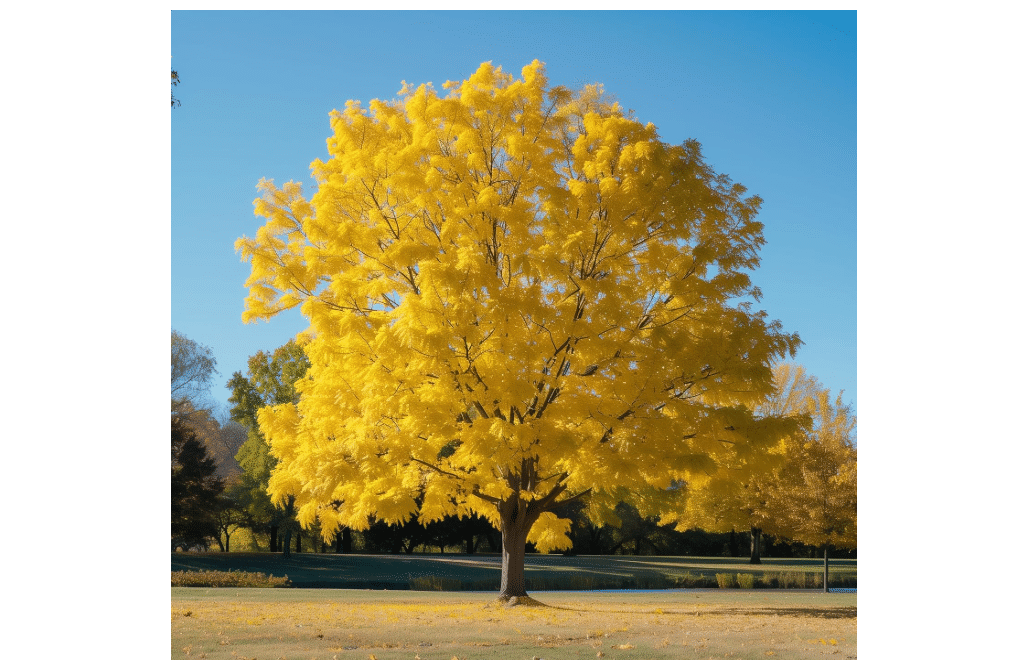
Product Description: If you want a shade tree that won’t kill the grass growing beneath it, the Thornless Honeylocust is your best bet. This elegant, airy tree features bipinnately compound leaves (tiny, fern-like leaflets) that create “dappled” or filtered shade. Unlike the wild variety, this cultivar is bred to be completely free of dangerous thorns and messy seed pods.
-
Price Range: $34.99
-
Key Features & Benefits: Reaching 40 to 50 feet at maturity, this tree is a structural marvel. Its tiny leaves turn a brilliant golden-yellow in the fall. Because the leaflets are so small, they easily blow away in the wind or fall into the grass to decompose, meaning practically zero fall raking is required.
-
Pros & Cons:
-
Pros: Superior drought tolerance once established; incredibly resistant to high winds (the Washoe Zephyr); turf-friendly canopy allows sunlight for grass.
-
Cons: Can be slightly slow to establish in the first two years while it focuses energy on building a massive taproot.
-
-
Amazon Customer Ratings: 4.5 out of 5 stars. Reviewers are obsessed with the low-maintenance nature of the fall cleanup and its survival rate in poor dirt.
-
Why It’s a Good Choice for Northern Nevada: The Honeylocust is widely known by local arborists as one of the most bulletproof trees for the Reno-Sparks area. It literally shrugs off heavy alkaline clay, intense summer UV rays, and winter freezes.
-
Ideal Use Case: Planting directly in front yards or manicured lawns where you want shade for your house but still want to maintain thick, green turf grass.
3. Common Hackberry (Celtis occidentalis) – Most Resilient & Wind Tolerant
-
Product Description: The Common Hackberry is the ultimate survivalist of the tree world. While it may not have the flashy spring flowers of an ornamental, it boasts a rugged, distinctively corky bark and a broad, elm-like canopy that provides incredibly dense, cooling shade. It is a workhorse tree designed to outlive almost everything else in the landscape.
-
Price Range: $99.00.
-
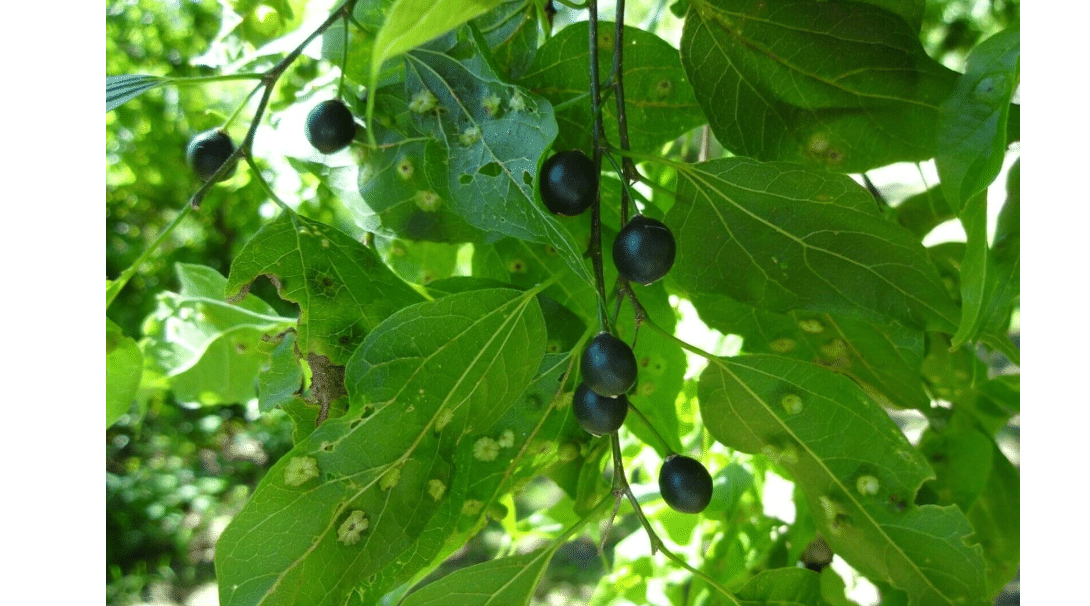
Key Features & Benefits: Growing 40 to 60 feet tall, the Hackberry is known for its incredibly deep, expansive root system. It produces small, pea-sized berries that are a massive draw for local songbirds and wildlife.
-
Pros & Cons:
-
Pros: Practically unkillable in poor, compacted soils; withstands the heaviest wind storms without branch failure; exceptional drought tolerance.
-
Cons: Susceptible to Hackberry nipple gall (a purely cosmetic issue that creates bumps on the leaves); the small berries can be slightly messy if planted directly over a paved driveway or sidewalk.
-
-
Amazon Customer Ratings: 4.4 out of 5 stars. Customers frequently note that while the tree looks like a generic stick upon arrival, it explodes with growth by its second spring.
-
Why It’s a Good Choice for Northern Nevada: When you have “builder grade” soil that feels like concrete, the Hackberry is one of the only shade trees that will aggressively root into it without complaint. It requires almost zero supplemental irrigation once it reaches maturity.
-
Ideal Use Case: Exposed properties, acreage, or large backyards needing a tough, low-maintenance windbreak or a massive shade canopy.
4. Quaking Aspen (Populus tremuloides) – Best Native Fast-Grower
-
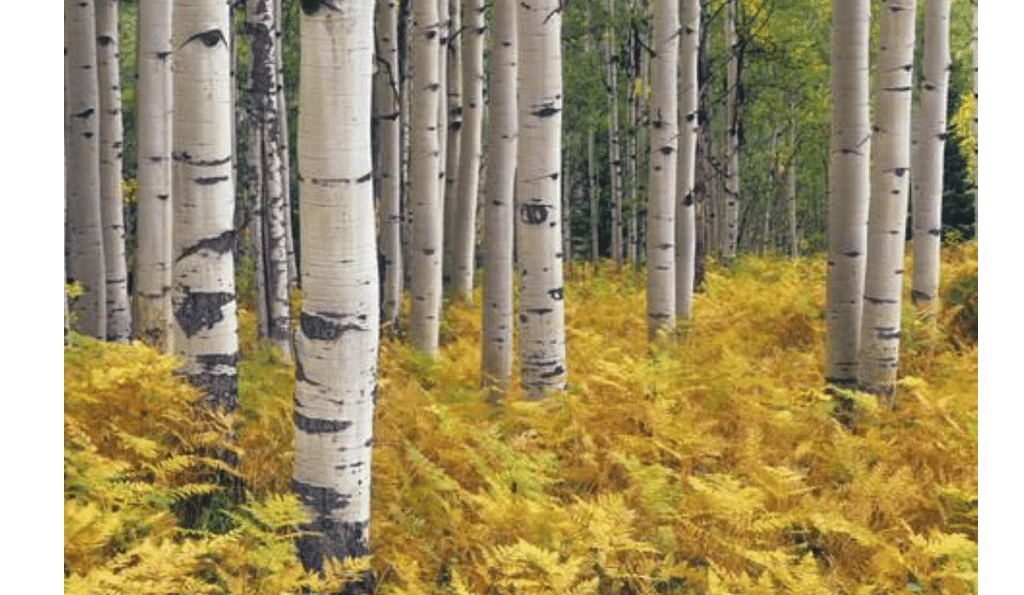
Product Description: A true icon of the American West, the Quaking Aspen brings the aesthetic of the nearby Sierra Nevada mountains right into your yard. Featuring striking chalk-white bark and delicate, round leaves attached to flattened petioles, the foliage “quakes” and rustles beautifully in the slightest breeze, creating a soothing acoustic effect.
-
Price Range: $85.00
-
Key Features & Benefits: This is a very rapid grower that easily shoots up to 40 feet. In autumn, the foliage turns a brilliant, glowing golden-yellow that lights up the landscape.
-
Pros & Cons:
-
Pros: Provides an instant alpine/cabin aesthetic; genetically adapted to high elevation and extreme cold; fast growth rate.
-
Cons: Aggressive root suckering—it wants to form a grove and will send up new shoots in your lawn; shorter lifespan than hardwoods like oaks or maples.
-
-
Amazon Customer Ratings: 4.3 out of 5 stars. Buyers love the visual impact but strongly advise following planting instructions immediately upon unboxing, as bare-root aspens dry out quickly.
-
Why It’s a Good Choice for Northern Nevada: Because it is a native species to the surrounding mountain ranges, it is biologically primed to handle Northern Nevada’s elevation, UV exposure, and wild temperature swings.
-
Ideal Use Case: Naturalistic landscape designs, property borders, or homeowners looking to create a relaxing, shaded grove at the edge of their lot.
5. Northern Red Oak (Quercus rubra) – Best Long-Term Investment
-
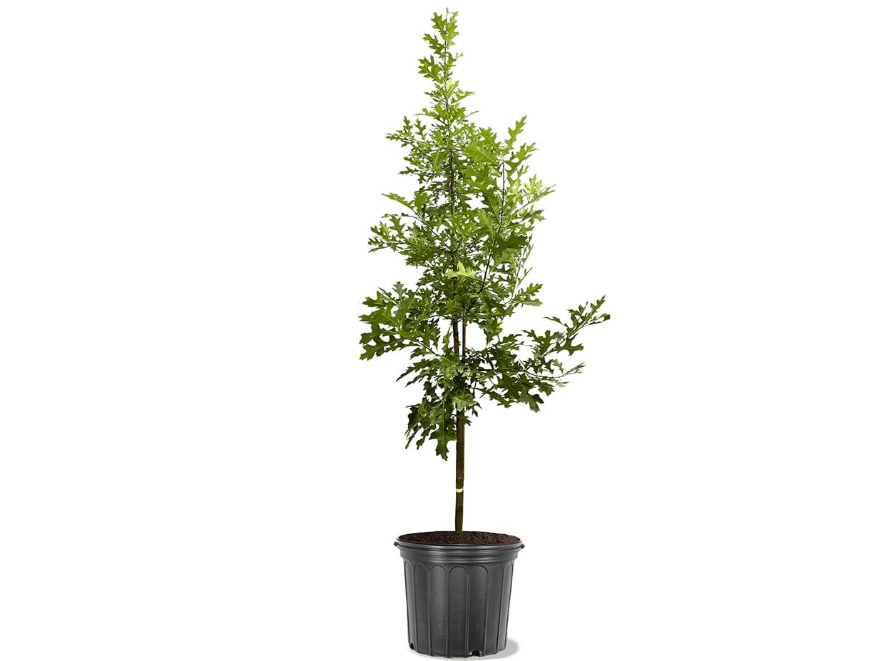
Product Description: The Northern Red Oak is a majestic, long-lived hardwood that brings undeniable stateliness and property value to a home. It provides a massive, sprawling canopy and features deeply lobed leaves that transform into a rich, russet-red in late autumn.
-
Price Range:
-
Key Features & Benefits: This tree is a generational investment. Capable of living for centuries, it reaches towering heights of 60 to 75 feet. The wood is exceptionally dense and strong, meaning it is highly resistant to storm and snow/ice damage.
-
Pros & Cons:
-
Pros: Incredible addition to long-term property value; highly resistant to branch breakage; deep taproots rarely interfere with sidewalks or foundations.
-
Cons: Slower growth rate compared to maples or willows (expect 1.5 to 2 feet per year); highly alkaline soils may necessitate iron supplements to prevent yellowing leaves (chlorosis).
-
-
Amazon Customer Ratings: 4.7 out of 5 stars. Highly rated for arriving with robust, healthy root balls and thick caliper trunks.
-
Why It’s a Good Choice for Northern Nevada: While it takes patience to reach maturity, its supreme cold-hardiness ensures it won’t succumb to the early freezes that often kill weaker ornamental trees in the high desert.
-
Ideal Use Case: Large front yards where the homeowner wants to establish a grand, legacy shade tree for future generations to enjoy.
6. Colorado Blue Spruce (Picea pungens) – Best Evergreen Windbreak
-
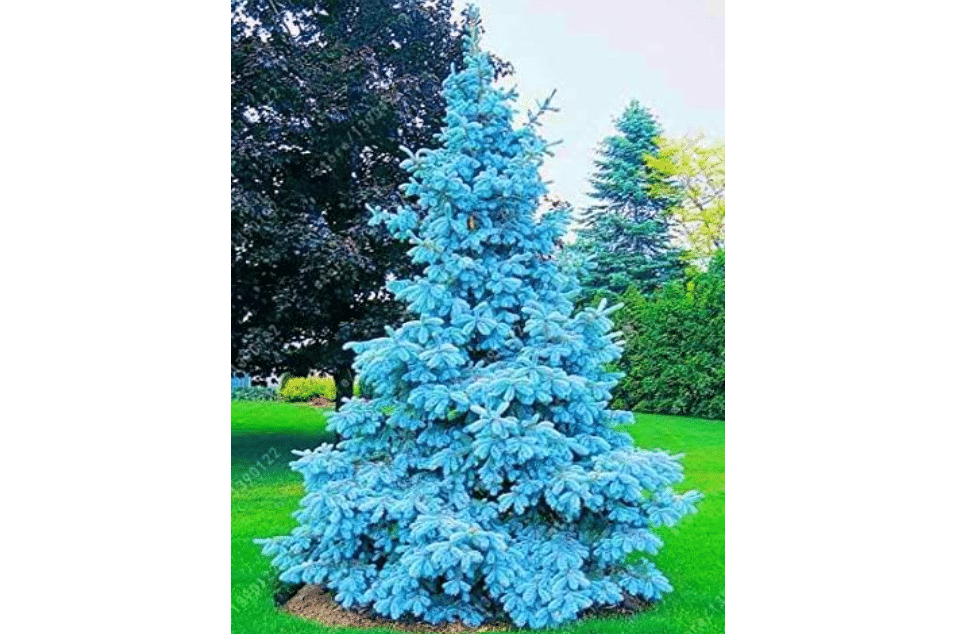
Product Description: The Colorado Blue Spruce is a classic, pyramidal conifer renowned for its striking silvery-blue needles and dense, year-round coverage. When the deciduous trees lose their leaves in November, this evergreen stands as a monumental focal point in the snowy landscape.
-
Price Range: $99.00
-
Key Features & Benefits: This tree grows up to 50 feet tall and 20 feet wide at the base, creating an impenetrable wall of foliage. The sharp, rigid needles make it highly deer-resistant, keeping local wildlife from treating your landscaping like a salad bar.
-
Pros & Cons:
-
Pros: Incredible winter visual interest; dense branching blocks highway noise and winter winds; extreme cold hardiness (thrives all the way down to Zone 2).
-
Cons: Can struggle with fungal issues if the foliage is watered too frequently from above; occasionally susceptible to spider mites during dry, hot stretches.
-
-
Amazon Customer Ratings: 4.6 out of 5 stars. Buyers praise the vibrant blue hue right out of the box and report high survival rates through harsh winters.
-
Why It’s a Good Choice for Northern Nevada: It offers much-needed winter greenery and flawlessly handles the bitter freezing temperatures. It is naturally adapted to the alkaline soils of the Mountain West.
-
Ideal Use Case: Planting in rows to create towering privacy screens between neighbors, or placing along property lines to block high winds and street noise.
7. Honeycrisp Apple Tree (Malus domestica ‘Honeycrisp’) – Best Cold-Hardy Fruit Tree
-
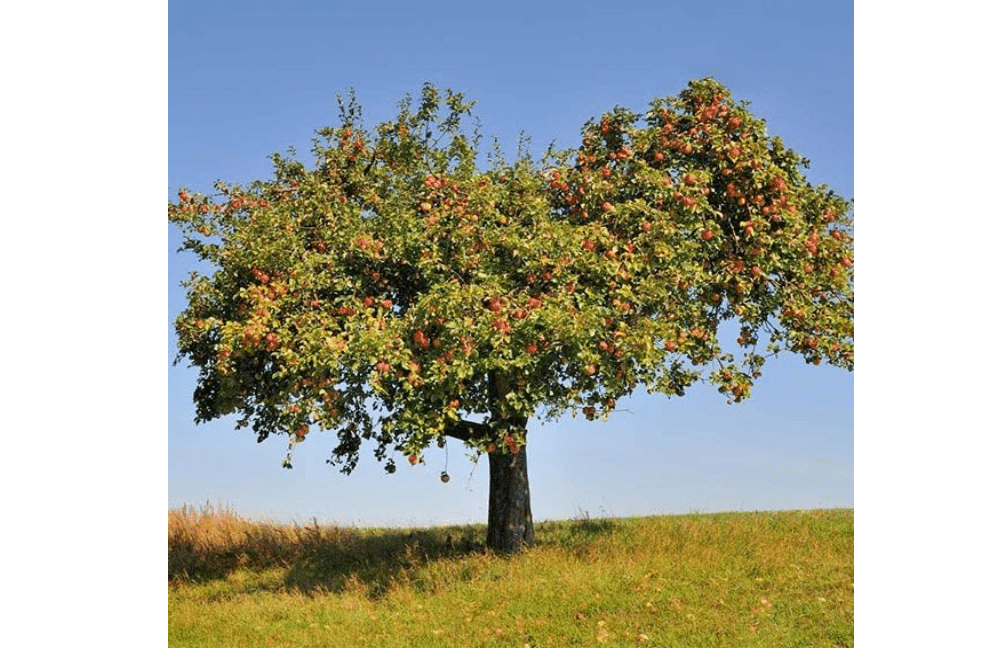
Product Description: For those looking to mix utility with beauty, the Honeycrisp is a highly sought-after, heavy-producing apple tree that yields crisp, famously sweet-tart apples. It bursts into stunning white and pink blossoms in the spring before developing its fruit.
-
Price Range: .
-
Key Features & Benefits: Apples require a specific amount of winter cold, known as “chill hours,” to produce fruit. The Honeycrisp needs 800 to 1,000 chill hours, which Northern Nevada easily provides. The fruit ripens in September, ready for fall harvesting.
-
Pros & Cons:
-
Pros: Apples store in the fridge for months without getting mealy; extremely cold hardy; beautiful spring aesthetic.
-
Cons: It is not self-fertile—you must plant a compatible pollinator tree (like a Gala, Fuji, or crabapple) nearby for best yields; requires annual dormant pruning to maximize fruit size.
-
-
Amazon Customer Ratings: 4.5 out of 5 stars. Customers rave about the thick caliper of the trunks upon delivery and the surprisingly fast fruit production (often within 2-3 years).
-
Why It’s a Good Choice for Northern Nevada: Apples are the most reliable fruit producers in this region. Unlike peaches and apricots, which bloom at the first sign of warmth and are subsequently destroyed by late-May frosts, apples bloom slightly later, effectively dodging the frost and ensuring a reliable harvest.
-
Ideal Use Case: Edible landscapes, backyard orchards, or families wanting the satisfaction of growing their own high-quality produce.
8. Chinese Pistache (Pistacia chinensis) – Best for Fall Color & Drought Resistance
-
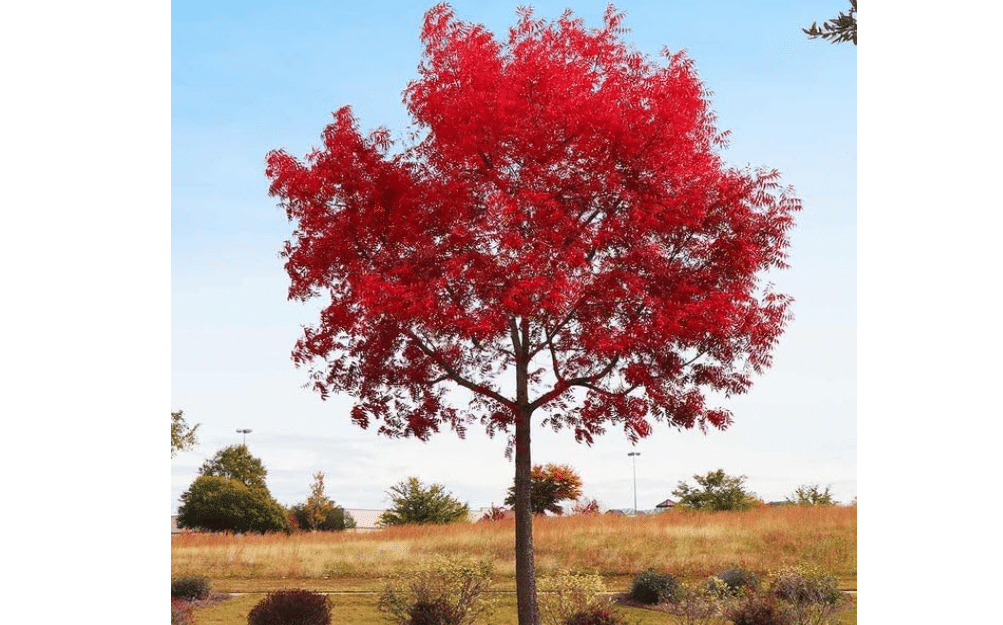
Product Description: The Chinese Pistache is a medium-sized ornamental tree that puts on a masterclass in autumn aesthetics. It completely transforms into a fiery, glowing explosion of neon orange, red, and yellow, rivaling the famous fall displays of the East Coast.
-
Price Range: $57.95
-
Key Features & Benefits: Growing to a very manageable 25 to 35 feet, it develops a beautiful, rounded, umbrella-like canopy. Once established, it sends down an extremely deep taproot, making it highly self-sufficient.
-
Pros & Cons:
-
Pros: Unrivaled fall color in the desert; completely ignores extreme summer heat and drought; virtually free of pests and diseases.
-
Cons: Can look a bit awkward, asymmetrical, and “twiggy” in its youth (the “ugly duckling” phase) before filling out into a perfectly rounded canopy after a few years.
-
-
Amazon Customer Ratings: 4.4 out of 5 stars. Reviewers highlight the flawless shipping process and the incredible transformation the tree undergoes each fall.
-
Why It’s a Good Choice for Northern Nevada: It is heavily promoted by local arborists and utility companies as a premier water-efficient tree. It brings intense autumn beauty without demanding the massive amounts of irrigation that maples or aspens require.
-
Ideal Use Case: Xeriscaping, street planting strips (hell strips), or serving as a vibrant patio focal point.
9. Heritage River Birch (Betula nigra ‘Heritage’) – Best for Unique Bark
-
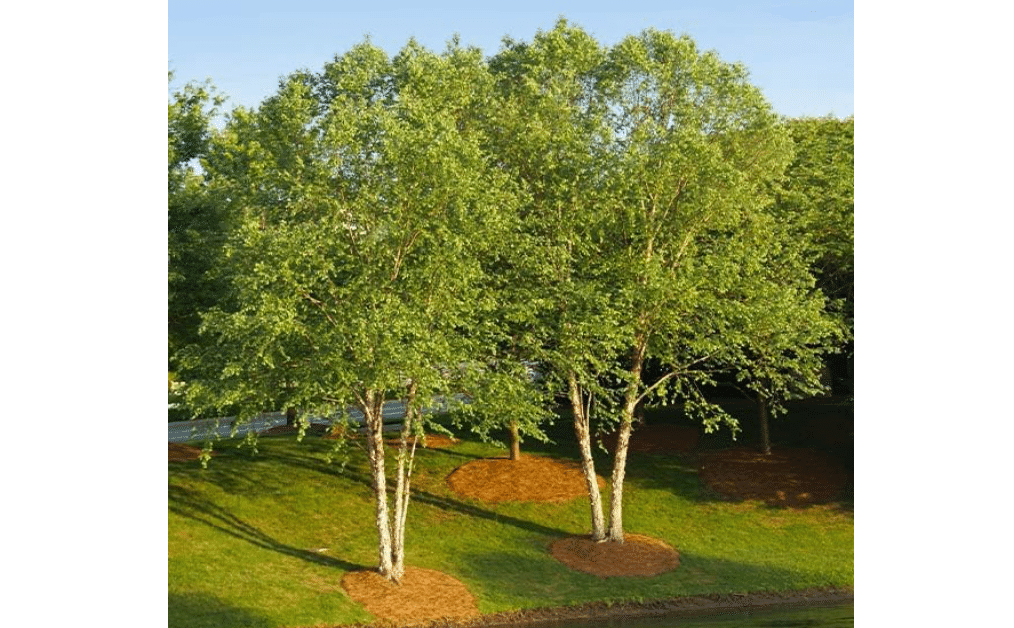
Product Description: The Heritage River Birch is an elegant, multi-trunk tree known for its spectacular, peeling bark that sheds to reveal layers of salmon-pink, cinnamon, and creamy-white beneath. It adds an architectural, structural element to the landscape even when completely bare in winter.
-
Price Range:
-
Key Features & Benefits: It is a notoriously fast grower, easily putting on 2 to 3 feet of vertical growth per year. It is highly disease resistant compared to traditional white birches and offers a vibrant, pure yellow fall foliage display.
-
Pros & Cons:
-
Pros: Incredible winter visual interest; handles heavy clay soils exceptionally well; completely immune to the deadly bronze birch borer that kills other birch species.
-
Cons: Has a higher water requirement than other trees on this list; the sweeping branches can drop small twigs during high wind events.
-
-
Amazon Customer Ratings: 4.7 out of 5 stars. Customers frequently praise the meticulous packaging from nurseries like FastGrowingTrees, noting the delicate bark arrives completely undamaged.
-
Why It’s a Good Choice for Northern Nevada: It survives the bitter cold effortlessly (hardy down to Zone 4). While it absolutely requires supplemental drip irrigation in the desert, its heat tolerance drastically outpaces traditional white birches, allowing it to survive Reno’s July heat waves.
-
Ideal Use Case: Planted near drainage swales, artificial dry creek beds, water features, or acting as a striking, softly shaded front-yard centerpiece.
10. Ginkgo Biloba (Autumn Gold) – Most Disease Resistant & Historic
-
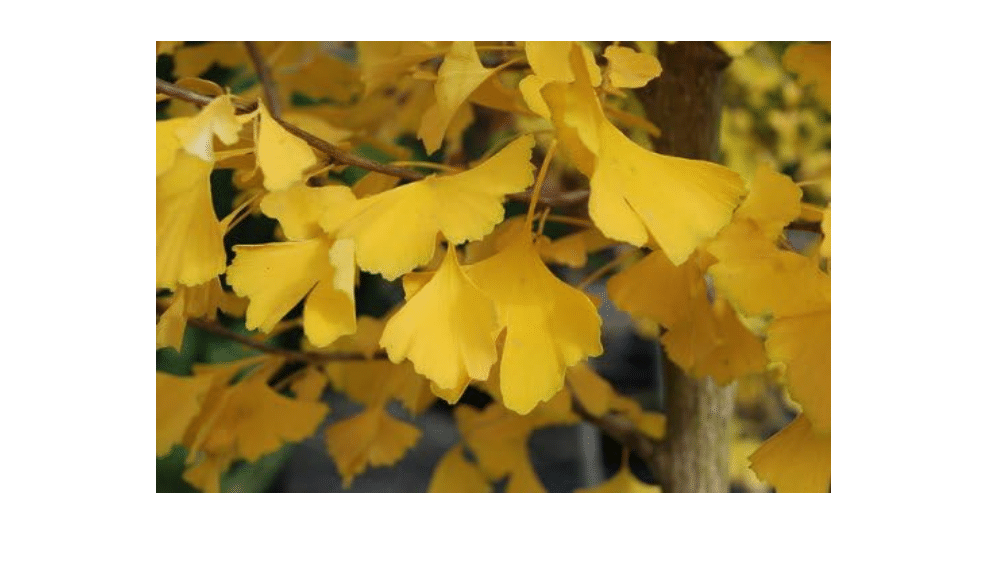
Product Description: The Ginkgo is quite literally a living fossil, surviving unchanged since the time of the dinosaurs. It features unique, beautiful fan-shaped leaves that turn a brilliant, uniform golden-yellow in the fall. Fascinatingly, when the temperature drops, the Ginkgo drops almost all of its leaves simultaneously in a breathtaking golden shower.
-
Price Range: $29.97
-
Key Features & Benefits: Reaching 40 to 50 feet, the Autumn Gold cultivar is a male clone. This is crucial, as female Ginkgos produce messy, foul-smelling fruit. It is completely immune to almost all urban pollution, pests, and fungal diseases.
-
Pros & Cons:
-
Pros: Essentially immortal; zero pest or disease issues; stunning architectural shape and unique leaf structure.
-
Cons: A very slow grower initially; commands a premium price point for larger saplings compared to faster-growing species.
-
-
Amazon Customer Ratings: 4.8 out of 5 stars. Buyers love the healthy root balls, the unique foliage, and the guarantee of receiving a fruitless male tree.
-
Why It’s a Good Choice for Northern Nevada: The Ginkgo is highly tolerant of alkaline clay, intense sun, and urban concrete environments. It remains completely unbothered by the harsh temperature fluctuations of the high desert.
-
Ideal Use Case: Urban lots, parkways, and homeowners looking for a low-maintenance, unique statement tree that they will never have to spray for pests.
Final Verdict: Which Tree Should You Buy?
Choosing the right tree for the high desert comes down to balancing your immediate landscaping goals with long-term water availability. If your primary goal is to cool down a sweltering backyard or lower your summer air conditioning bills, the Autumn Blaze Maple offers the fastest, most reliable canopy of dense shade, backed by spectacular fall color.
If you are transitioning your property away from thirsty lawns and leaning into xeriscaping or water-conscious design, prioritize the Thornless Honeylocust or the Chinese Pistache. Both are practically engineered for survival in poor, alkaline soils and will thrive on a fraction of the water required by traditional ornamentals. For those interested in an edible landscape, the Honeycrisp Apple Tree is the undisputed champion of the Northern Nevada climate, producing abundant fruit while dodging late-season frosts.
Before ordering, verify your exact USDA planting zone and prepare your planting site. Purchasing live trees online through Amazon from reputable nurseries ensures you receive a robust, professionally grown root system delivered right to your door. For the highest survival rates in Northern Nevada, aim to order and plant your tree in early spring (April) or early fall (September), giving the roots time to establish before the extreme weather sets in.