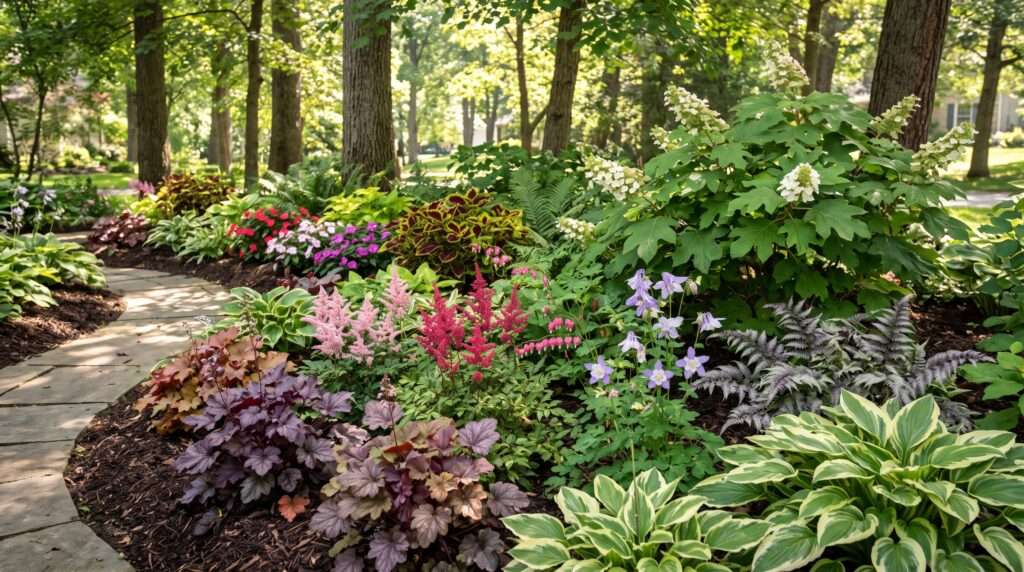
Have you ever stared at a garden bed that gets baked in the early morning but plunged into deep shadows by the afternoon, wondering what on earth will actually survive there? You are not alone. Most gardeners struggle with transitional light spaces—those frustrating landscape areas that aren’t quite full sun, but aren’t deep shade either. Choosing the wrong greenery for these shifting microclimates often leads to scorched leaves, stunted root systems, or leggy, bloomless stems. The secret to transforming these tricky transition zones into the most breathtaking parts of your landscape is finding the perfect plants in partial sun.
Success in the garden ultimately comes down to matching the right plant to the right microclimate. Whether you are managing the humid heat of the Southeast, the cooler, rainy Pacific Northwest, or the highly variable conditions of USDA Hardiness Zones 6 and 7, understanding how light interacts with your soil microbiology is the foundation of horticulture. In this comprehensive guide, we will explore guaranteed winners that will thrive in your garden’s shifting shadows, backed by botanical science, arboriculture principles, and hands-on landscape experience.
What Exactly Does “Partial Sun” Mean? (And How to Measure It) ⏱️☀️
Before digging into the soil and purchasing new perennials, it is critical to understand the precise botanical definitions of light exposure. Misunderstanding your garden’s daily light cycle is the number one reason newly planted borders fail to establish deep roots and thrive.
Partial Sun vs. Partial Shade: What’s the Difference? 🌗
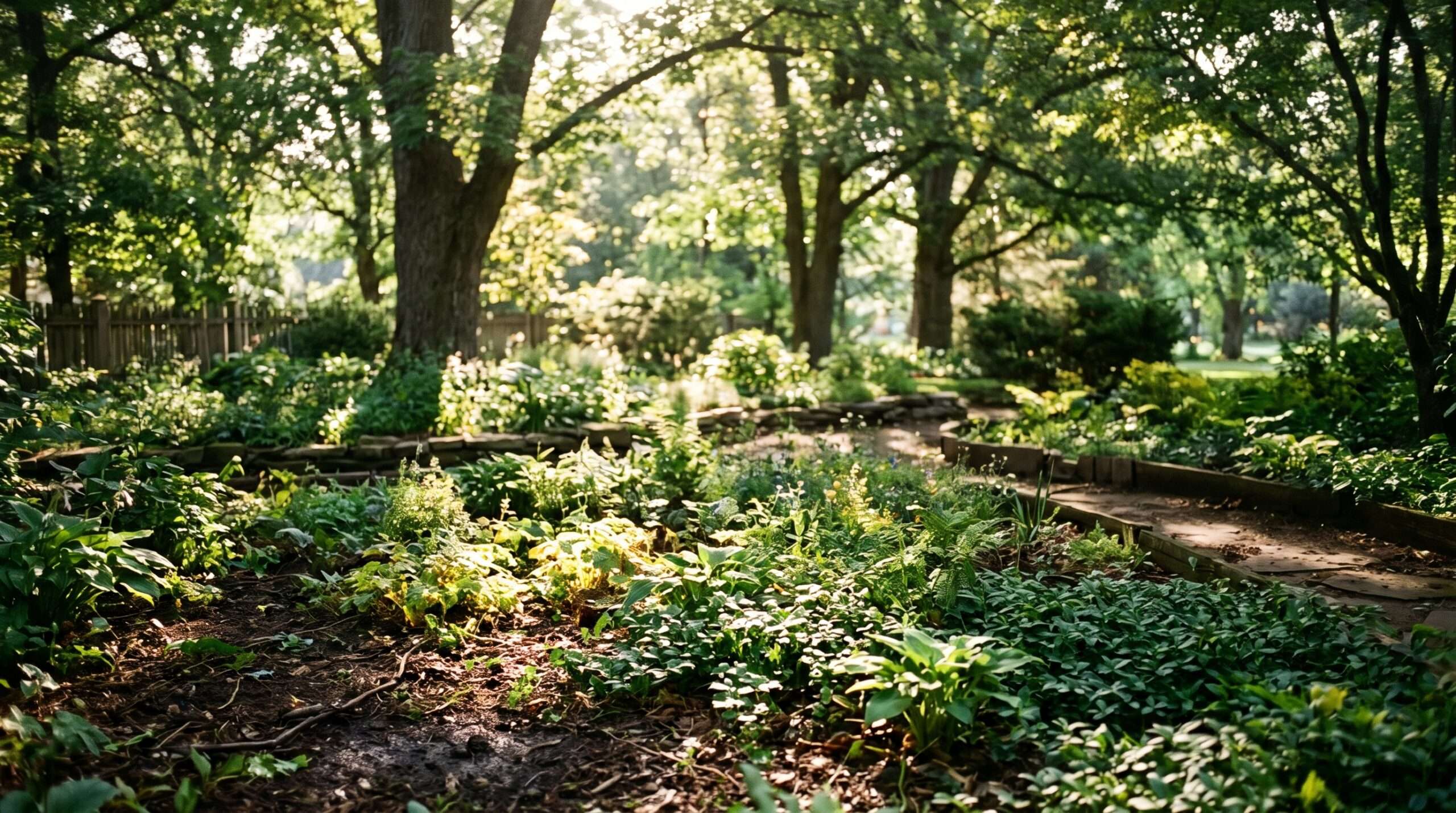
While often used interchangeably on plant nursery tags, “partial sun” and “partial shade” carry a subtle but highly important distinction in horticulture. Both terms generally dictate that the plant requires 3 to 6 hours of direct sunlight per day.
However, the terminology hints at the plant’s heat tolerance, evapotranspiration rates, and energy needs:
-
Partial Sun: These plants need those 3 to 6 hours of light to photosynthesize enough energy to produce robust flowers and vibrant foliage. If they receive less than 3 hours, their blooms will be sparse, and they may suffer from fungal diseases due to lingering moisture. They generally prefer their sunlight in the cooler morning hours, seeking relief from the blistering afternoon heat.
-
Partial Shade: These plants are highly sensitive to intense thermal stress. They can tolerate up to 6 hours of light, but it must be gentle, dappled sunlight filtered through a tree canopy, or strictly early morning rays. Harsh midday sun will quickly scorch their delicate foliage and deplete the soil moisture they rely on.
How to Track Your Garden’s Light 📝
Do not guess your light levels based on a quick glance out the kitchen window. Shadows stretch, shrink, and shift dramatically throughout the day and across the changing seasons, especially near large shade trees or structural walls.
Pro Tip 💡: Conduct the “Weekend Time-Lapse Test.” Pick a sunny day on the weekend. Step outside at 8:00 AM, 11:00 AM, 2:00 PM, and 5:00 PM. Take a photo of the specific garden bed each time. Review the photos at the end of the day to calculate exactly how many hours of direct, unobstructed sunlight the soil receives. Alternatively, you can purchase an inexpensive digital light meter to gauge the exact light intensity and duration of your target planting zone.
Top 15 Vibrant Plants in Partial Sun to Transform Your Garden 🌺🍃
Whether you are designing a woodland edge, planning a mixed border, or filling empty spaces under deep-rooted trees, these fifteen selections offer guaranteed performance and stunning visual appeal in transitional light.
Flowering Beauties for Endless Color 🌸
1. Astilbe (False Goat’s Beard) 🪶 Astilbes are the undisputed champions of dappled light gardens. They produce feathery, neon-bright plumes in striking shades of cherry red, pale pink, lavender, and crisp white. Standing proudly above lacy, fern-like foliage, these perennial blooms act like torches lighting up the shadowy corners of a yard.
-
Hardiness Zones: 3-9
-
Soil Needs: Rich, consistently moist, well-draining soil with active soil microbiology. Amending with organic compost is highly recommended.
-
Light Preference: Thrives optimally with 3-4 hours of morning sun. They will burn if exposed to harsh afternoon rays, especially in southern climates.
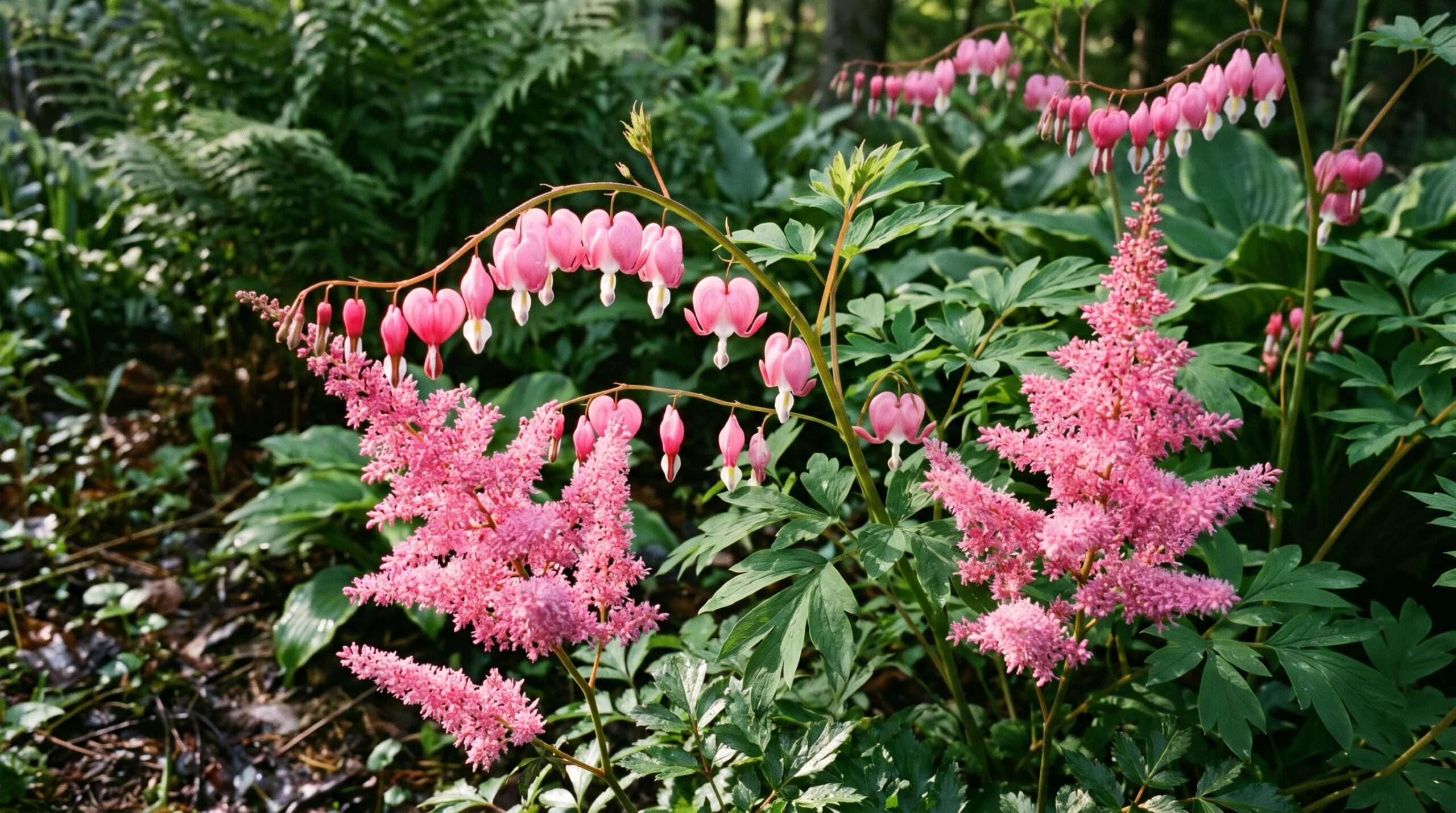
2. Bleeding Heart (Dicentra spectabilis) 💖 Nothing captures the romance of a spring garden quite like the Bleeding Heart. Producing elegant, arching stems dripping with heart-shaped, pink and white flowers, this classic herbaceous perennial prefers cooler temperatures. It naturally goes dormant in the peak heat of summer, making it a perfect companion for later-emerging plants like Hostas or Coral Bells that can fill the visual gap.
-
Hardiness Zones: 3-9
-
Soil Needs: Humus-rich soil with a slightly acidic pH.
-
Light Preference: Needs strict protection from the afternoon sun to prevent early dormancy and leaf scorch.
3. Fuchsia 🌺 Often utilized in stunning hanging baskets, window boxes, and patio containers, Fuchsias offer intricate, bi-colored blooms that resemble hanging lanterns or dancing ballerinas. While they have a reputation for being somewhat fussy, the secret to massive, continuous Fuchsia blooms is exactly 4 hours of gentle morning sun followed by complete, cooling afternoon shade.
-
Hardiness Zones: 8-10 (commonly grown as annuals in cooler regions).
-
Soil Needs: Light, highly aerated potting mix with excellent drainage to prevent root rot.
-
Light Preference: Gentle morning sun; they are highly susceptible to heat stress and will drop their blooms if overheated.
4. Columbine (Aquilegia) 🕊️ Columbines look incredibly delicate with their intricate, spurred petals, but they are actually rugged, remarkably drought-tolerant perennials once their root systems are fully established. Blooming in mid-spring, they are vital early-season magnets for hummingbirds, bees, and other pollinators. They easily self-seed, creating a beautiful, naturalized look along woodland edges and under tree canopies.
-
Hardiness Zones: 3-9
-
Soil Needs: Highly adaptable to varying soil conditions, but prefers average, well-draining garden soil.
-
Light Preference: Dappled sunlight or partial sun. They perform beautifully under the filtered light of shade trees.
5. Foxglove (Digitalis) 🗼 When you need to add dramatic vertical interest and architectural structure to a partially sunny border, Foxglove is the ultimate choice. Sending up tall, majestic spikes covered in tubular, freckled bells, they provide essential height to flat landscapes. Most standard varieties are biennials, meaning they focus energy on growing a low rosette of foliage their first year and bloom vigorously in their second.
-
Hardiness Zones: 4-9
-
Soil Needs: Loamy, moist, and slightly acidic soil.
-
Light Preference: Perfect for transitional zones receiving 4-5 hours of light.
6. Impatiens (New Guinea Varieties) 🏵️ While standard impatiens have long been traditional shade-garden staples, New Guinea Impatiens bring much larger, more robust flowers and thicker, disease-resistant foliage that can handle far more sunlight. They create unbeatable, continuous mounds of neon color from late spring all the way until the first frost, making them an incredible return on investment for high-impact landscaping.
-
Hardiness Zones: 10-12 (grown as high-performing annuals everywhere else).
-
Soil Needs: Evenly moist soil fortified with organic compost to support their heavy blooming cycle.
-
Light Preference: Ideally 4-6 hours of morning sun to maximize bloom production without wilting.
Stunning Foliage for Season-Long Interest 🪴
While flowers are fleeting, exceptional foliage provides structure, color, and visual interest from spring emergence all the way to the first autumn frost. The following plants offer incredible textures and hues that actually perform best when shielded from the scorching midday sun.
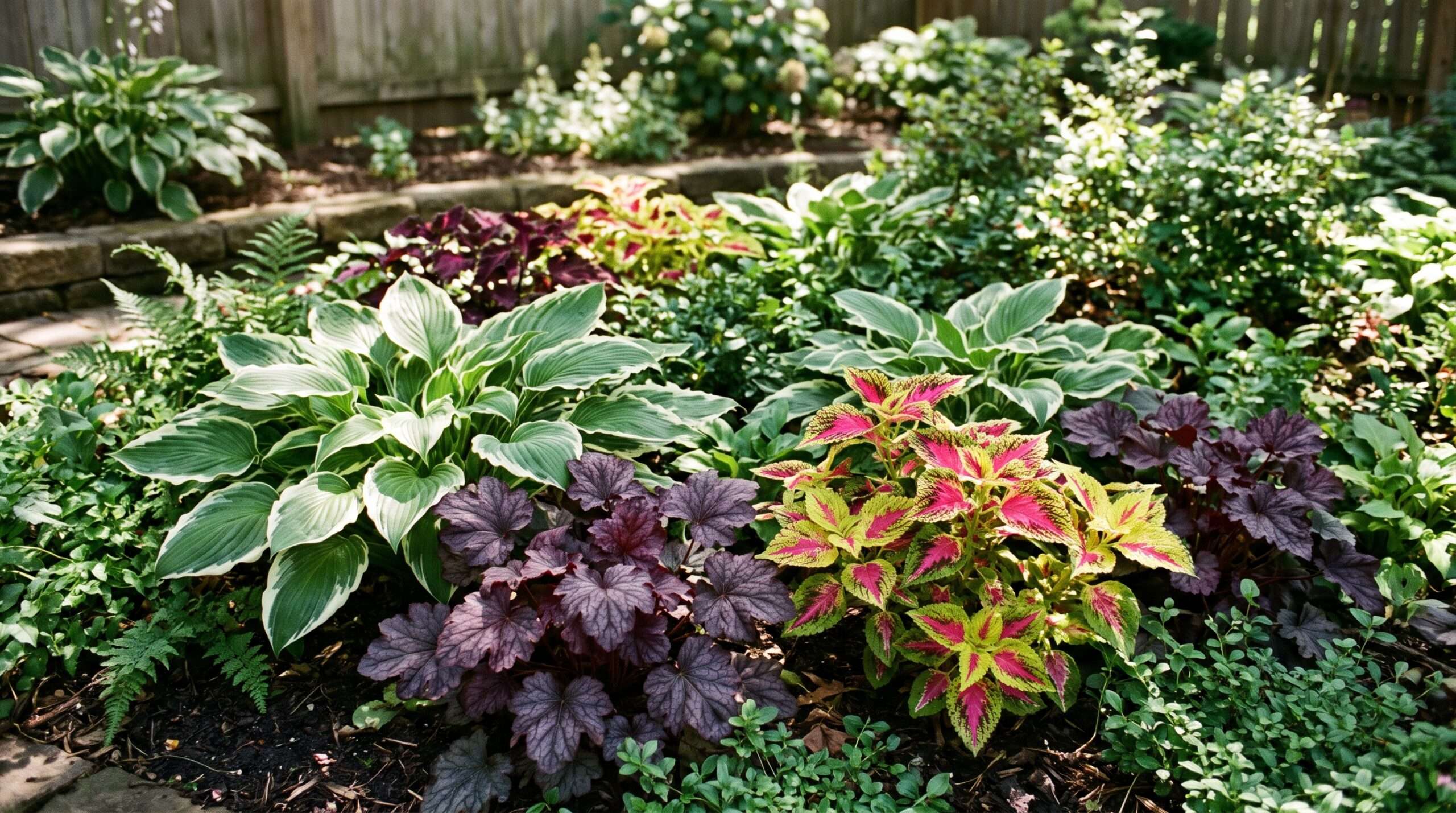
7. Coral Bells (Heuchera) 🍁 Coral Bells are the unsung heroes of transitional lighting. Their massive variety of scalloped, ruffled leaves comes in striking colors ranging from electric lime green and deep plum to fiery bronze and silver-veined maroon. While some newer cultivars can handle full sun, the vast majority perform their absolute best in partial sun, where their colors deepen and their delicate, bell-shaped summer flowers can attract bees without the foliage burning.
-
Hardiness Zones: 4-9
-
Soil Needs: Well-drained, organically rich soil. They are prone to frost heaving in winter, so applying a thick layer of organic mulch is essential.
-
Light Preference: 4 hours of morning sun; afternoon shade is crucial to prevent leaf scorch.
8. Hostas 🥬 Known as the undisputed kings of the shade garden, Hostas are incredibly versatile. However, many gardeners do not realize that certain varieties—specifically those with yellow, gold, or heavy white variegation—actually require several hours of morning sun to maintain their brilliant coloration. In deep shade, these variegated types will revert to a dull, solid green.
-
Hardiness Zones: 3-9
-
Soil Needs: Loamy, moist soil. Protect them from slugs and snails using organic pest control methods like diatomaceous earth.
-
Light Preference: Dappled sunlight or gentle morning rays; intense afternoon heat will quickly crisp the edges of their broad leaves.
9. Coleus 🌿 If you want to inject a tropical, high-impact aesthetic into your landscape, Coleus is unmatched. Boasting bold, velvety leaves intricately patterned in shades of hot pink, burgundy, chartreuse, and rust, they offer endless design possibilities. While older varieties required full shade, modern breeding has produced excellent sun-tolerant cultivars that thrive in partial sun environments.
-
Hardiness Zones: 10-11 (universally utilized as high-impact annuals in colder zones).
-
Soil Needs: Continuously moist, well-aerated soil.
-
Light Preference: 4-6 hours of partial sun brings out the most vivid leaf patterns.
10. Caladium (Angel Wings) 🪽 Grown from tubers, Caladiums produce striking, paper-thin, arrow-shaped leaves heavily veined with striking combinations of pink, red, green, and white. They are perfect for brightening dark corners under tree canopies or adding height to mixed patio containers. Because they are tropical natives, they crave warmth but despise direct, baking rays.
-
Hardiness Zones: 9-11 (dig up and store the bulbs indoors for winter in cooler zones).
-
Soil Needs: Rich, slightly acidic, and well-draining soil.
-
Light Preference: Filtered, dappled sunlight or morning sun only.
11. Japanese Painted Fern (Athyrium niponicum) 🌬️ For a touch of ethereal, woodland magic, the Japanese Painted Fern is indispensable. Unlike standard green ferns, this variety features silvery-grey fronds brushed with burgundy and deep purple stems. The metallic sheen of the foliage actually catches and reflects the dappled light, making the plant seemingly glow in shadowy transition zones.
-
Hardiness Zones: 3-8
-
Soil Needs: Humus-rich, consistently moist soil. They are highly intolerant of drought conditions.
-
Light Preference: Light to moderate shade, or very gentle morning sun.
Hardy Shrubs to Anchor Your Landscape 🌳
To create a professional, multi-layered landscape, you need structural shrubs to anchor your perennial beds. These woody plants provide essential year-round interest and thrive in the protective understory of larger trees.
12. Oakleaf Hydrangea (Hydrangea quercifolia) 🍂 A magnificent native shrub, the Oakleaf Hydrangea offers four seasons of interest. In early summer, it produces massive, cone-shaped panicles of white flowers that slowly fade to dusty pink. As autumn approaches, the deeply lobed, oak-like leaves transition into breathtaking shades of mahogany, crimson, and bronze. Furthermore, its peeling cinnamon bark provides structural winter interest.
-
Hardiness Zones: 5-9
-
Soil Needs: Well-drained, slightly acidic soil.
-
Light Preference: Thrives in partial sun. Unlike the more sun-sensitive Bigleaf Hydrangeas (macrophylla), the Oakleaf can handle a bit more light, though it still appreciates afternoon shade in hot southern climates.
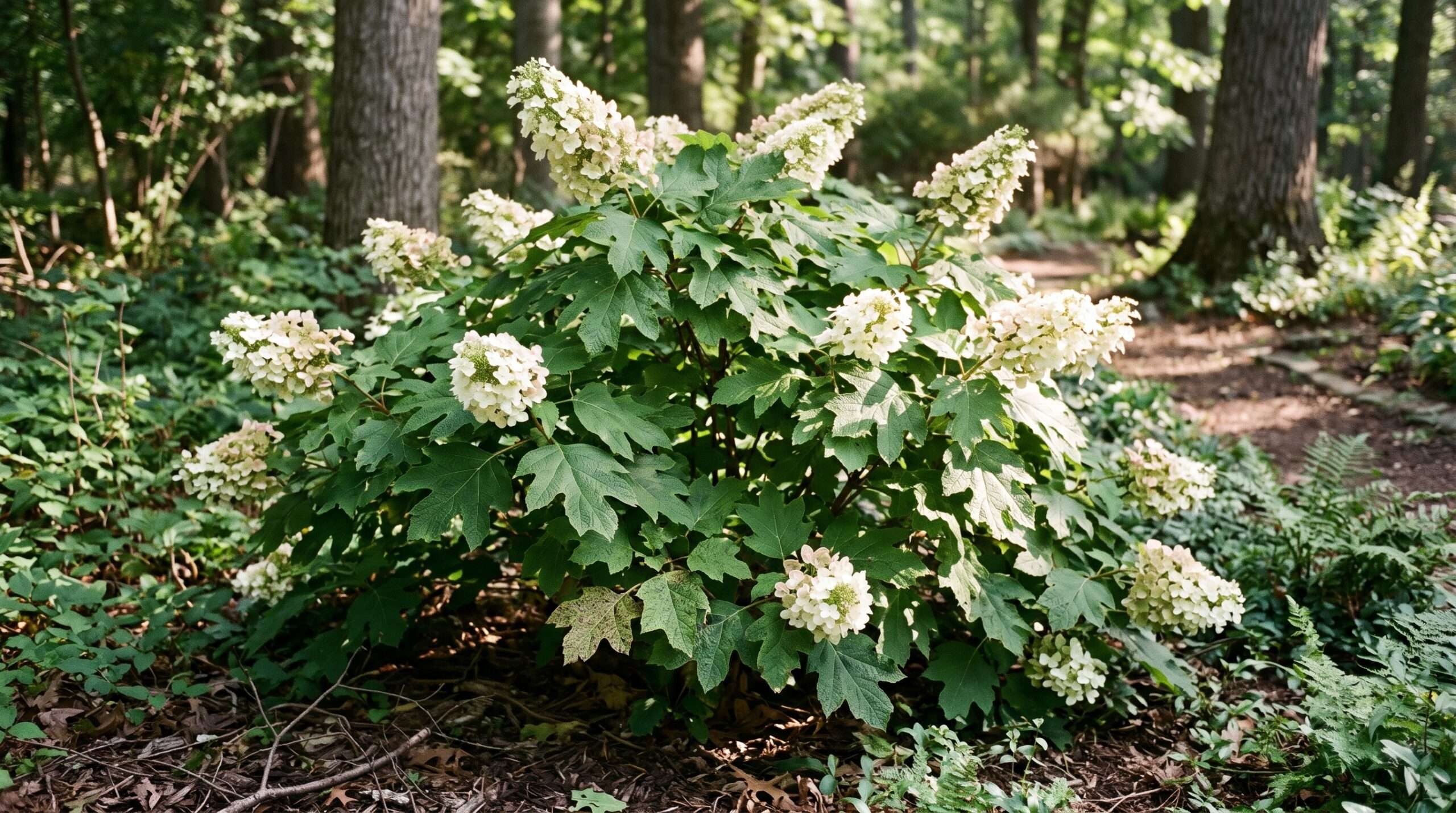
13. Azaleas & Rhododendrons 🌺 These classic woodland edge shrubs are essential for explosive, early-spring color. Ranging from creeping groundcovers to towering bushes, they offer trumpet-shaped blooms in every shade of pink, purple, red, and white. Because they possess shallow, delicate root systems, they absolutely despise the harsh afternoon baking that occurs in full-sun exposures.
-
Hardiness Zones: 3-9 (depending heavily on the specific cultivar).
-
Soil Needs: Highly acidic (pH 4.5 – 6.0), well-draining soil packed with organic matter like pine needles or composted leaves.
-
Light Preference: Dappled sunlight under deep-rooted shade trees is their ideal environment.
14. Camellias 🌹 Offering glossy, evergreen leaves year-round and stunning, rose-like flowers in the dead of winter or early spring, Camellias are the jewels of the Southern garden. They are slow growers, but once established, they are incredibly long-lived. Their thick foliage is prone to sunburn and winter wind-burn, making a sheltered, partially sunny spot critical for their survival.
-
Hardiness Zones: 7-9
-
Soil Needs: Acidic, consistently moist but well-draining soil.
-
Light Preference: Morning sun with bright, indirect afternoon light.
15. Daphne (Daphne odora) 🌸 If you want to add an unforgettable olfactory element to your garden, plant a Winter Daphne. Blooming in late winter to early spring, it produces clusters of pale pink and white flowers that emit an intoxicating, sweet citrus fragrance. It is somewhat notoriously finicky about being moved, so choose its permanent, partially sunny home carefully.
-
Hardiness Zones: 7-9
-
Soil Needs: Exceptionally well-draining soil. They are highly susceptible to root rot in boggy conditions.
-
Light Preference: Sheltered spots with morning sun and complete afternoon shade.
Expert Care Tips for Partial Sun Gardens 🧑🌾💧
Successfully cultivating a transition-zone garden requires adjusting your standard horticultural practices. Plants grown in partial sun have different metabolic rates and water requirements than those baking in the open.
Watering Strategies for Dappled Light 🚿
In a full-sun garden, high evapotranspiration rates mean the soil dries out rapidly. In partial sun, the soil retains moisture significantly longer. It is crucial to always test the soil moisture with your finger before watering. Overwatering in transitional light zones is the leading cause of fungal diseases like powdery mildew and devastating root rot. Always water deeply and infrequently at the base of the plant to encourage deep root establishment rather than shallow, dependent roots.
The Importance of Soil Drainage & Mulch 🍂
Mimicking the natural floor of a woodland edge is the best way to support these plants. Amending your heavy clay or sandy soil with rich, dark compost improves aeration and drainage. Additionally, applying a 2-inch layer of organic mulch (like shredded bark, pine needles, or leaf mold) acts as a critical insulator. Mulch regulates soil temperatures, suppresses invasive weed seeds, and slowly breaks down to feed the active soil microbiology. Keep the mulch pulled a few inches away from the direct base of the plant stems to prevent crown rot.
Fertilizing Without Encouraging Leggy Growth 🌿
Plants in lower light conditions process nutrients slower than full-sun crops. Over-fertilizing, especially with high-nitrogen synthetic formulas, will cause a rapid flush of weak, “leggy” green growth that flops over and produces very few flowers. Instead, rely on applying a gentle, slow-release granular fertilizer in early spring, paired with an annual top-dressing of organic compost.
Landscape Design Ideas for Tricky Transitions 🏡✨
Turning a patchy, half-lit yard into a cohesive botanical showcase requires strategic layout and container placement.
Layering for Maximum Impact 🥞
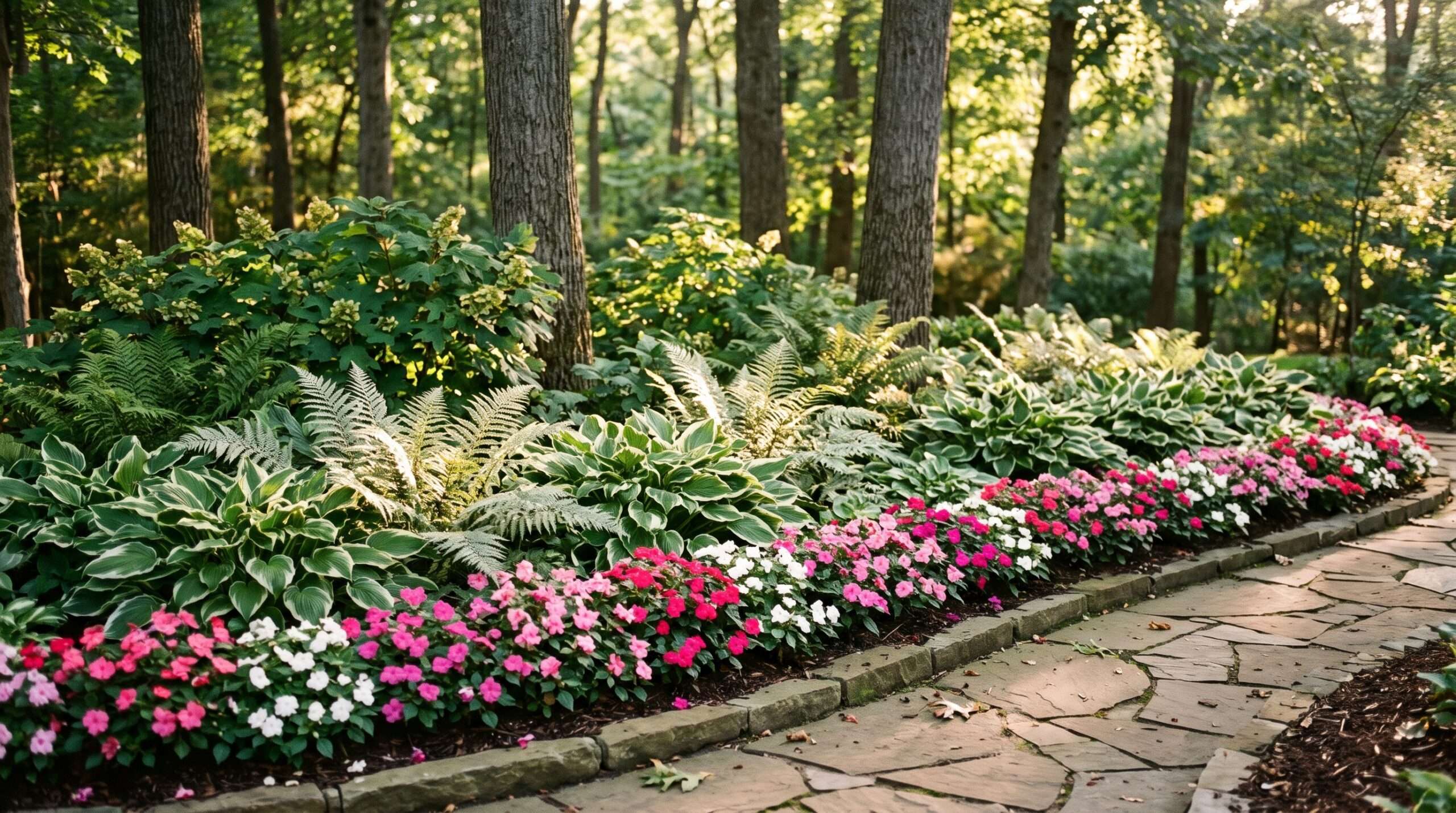
To build an authoritative, visually appealing garden bed, utilize the horticultural principle of vertical layering.
-
The Canopy: Existing shade trees or large property walls creating the partial sun conditions.
-
The Understory (Back): Plant tall, structural shrubs like Oakleaf Hydrangeas or towering Foxglove spikes in the rear.
-
The Mid-Ground: Fill the center with mounding foliage like Hostas, Coral Bells, and Japanese Painted Ferns to provide density and suppress weeds.
-
The Border (Front): Line the very edge of the bed with low-growing, continuous bloomers like New Guinea Impatiens or delicate Columbines to draw the eye inward.
Container Gardening in Partial Sun 🪴
If your tricky spot is a paved patio or a wooden deck that gets sliced by afternoon shadows, utilize container gardening. Using the classic “Thriller, Filler, Spiller” method, you can create breathtaking arrangements. Place a tall, dramatic Caladium or Coleus in the center as your Thriller. Surround it with blooming New Guinea Impatiens as your Filler. Finally, tuck trailing Fuchsia around the edges to act as the cascading Spiller.
Frequently Asked Questions (FAQs) 🙋♀️🌱
Is morning sun or afternoon sun better for partial sun plants? Morning sun is significantly cooler, gentler, and less intense. It helps dry the morning dew off foliage (preventing fungus) without stressing the plant. Afternoon sun is harsh, hot, and highly evaporative, which can easily scorch the delicate leaves of partial-sun species.
Can partial sun plants survive in full shade? While many partial-sun plants (like Coral Bells or Columbines) will physically survive in full, deep shade, their performance will drop drastically. They will typically exhibit slower growth, smaller leaves, “leggy” stretching as they reach for light, and a severe reduction in flower production.
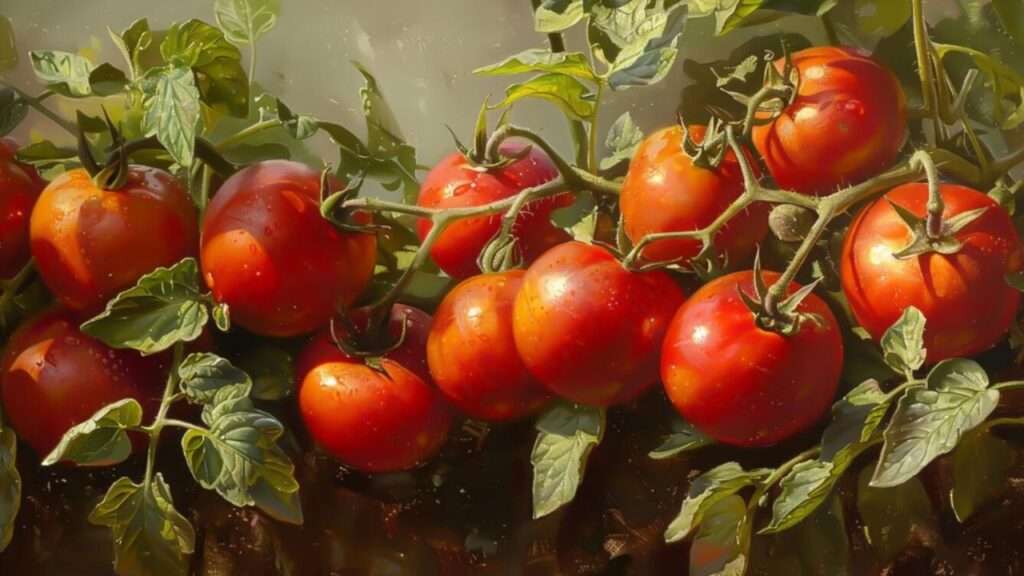
Can I grow vegetables in partial sun? Yes, but you must choose the right crops. Leafy greens (spinach, lettuce, kale) and root vegetables (carrots, radishes, beets) can tolerate and even appreciate partial sun, especially in mid-summer. However, fruiting plants (tomatoes, peppers, cucumbers) absolutely require 8+ hours of full sun to produce a harvest.
Embrace Your Garden’s Shifting Shadows 🌅
Discovering that a portion of your yard falls into the “partial sun” category is an incredible landscaping opportunity, not a limitation. By understanding exactly how light moves across your property and selecting species uniquely adapted to those transitional zones, you can cultivate a lush, vibrant ecosystem. From the neon plumes of Astilbes to the striking foliage of Caladiums, these fifteen plants prove that you do not need baking heat to achieve a breathtaking, colorful landscape.
If you are currently trying to landscape a tricky, half-shaded garden bed, drop a comment below and let us know which of these vibrant plants you are going to try first. Do not forget to share a picture of your newly planted, partial-sun sanctuary on social media and tag our website to inspire other gardeners!