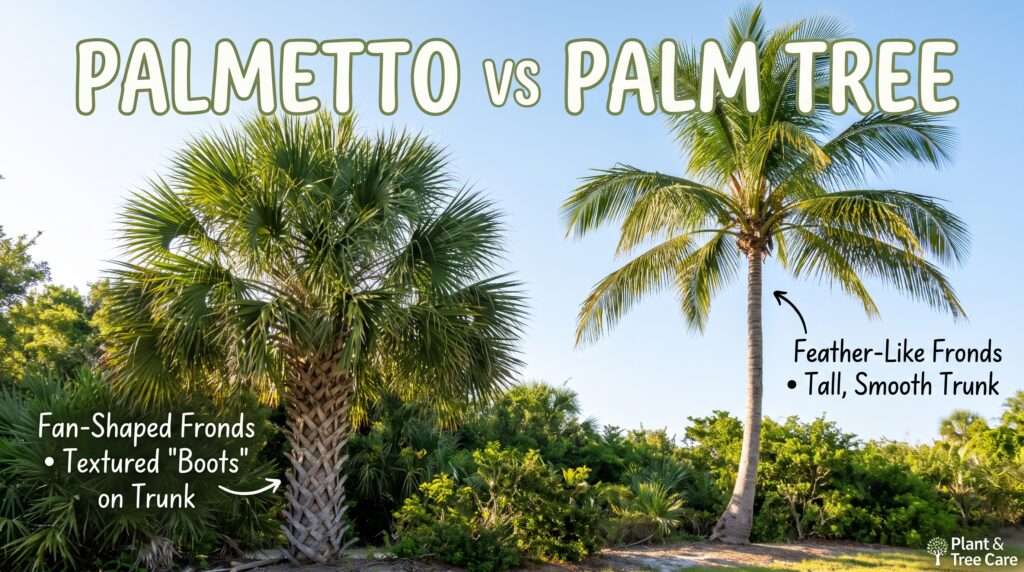
Imagine you are strolling through a beautiful coastal neighborhood or a sprawling local plant nursery. You spot a striking, fan-shaped plant with a textured trunk. You want one for your own yard, but a sudden question stops you in your tracks: What exactly are you looking at?
Understanding the differences in a palmetto vs palm tree comparison is one of the most common hurdles for both new homeowners and seasoned gardening enthusiasts. The confusion is completely understandable, but knowing exactly what is growing in your garden is the first and most critical step to providing the right care, fertilizer, and pruning regimen.
Here is the biggest “Aha!” moment you will have today: All palmettos are palm trees, but not all palm trees are palmettos! 🤯
In this comprehensive guide, we are going to dive deep into the botanical facts, give you 5 foolproof ways to easily identify them in the wild, and provide an expert-level care guide to keep your tropical landscape thriving for decades. Grab your gardening gloves, and let’s get started! 🧤🌿
The Botanical Basics: Are Palmettos and Palm Trees the Same? 🌿
Before we can tell them apart visually, we need to understand how these beautiful plants are related on a family tree. Knowing the science behind your landscape instantly makes you a better gardener.
Understanding the Arecaceae Family 🧬
Both palm trees and palmettos belong to the exact same botanical family, known as Arecaceae. This massive plant family is an umbrella category that encompasses over 2,500 different species of tropical and subtropical plants across the globe.
When people use the term “palm tree,” they are generally referring to this entire broad family. It includes everything from towering coconut palms on a Hawaiian beach to the elegant parlor palms sitting on your living room windowsill.
“Palmetto,” on the other hand, is a much narrower, specific subgroup within that massive family. It primarily refers to palms in the Sabal genus (like the Sabal palmetto) and the Serenoa genus (like the Saw palmetto). Think of “Palm” as the category of “Vehicles,” and “Palmetto” as a specific type, like “Jeeps.” 🚙
Why the Confusion Exists 🤔
If palmettos are just a type of palm, why do landscapers and gardeners treat them like two entirely different things? The confusion usually stems from regional nicknames and visual differences.
For example, the official state tree of Florida and South Carolina is the Sabal palmetto. However, locals lovingly refer to it as the “Cabbage Palm.” When a plant has the word “palm” in its common name but “palmetto” in its scientific name, it blurs the lines for everyday backyard gardeners. Furthermore, because palmettos often grow as low, bushy shrubs rather than towering trees, they simply look like an entirely different category of plant.
Expert Insight Box 💡: Proper identification is not just for showing off your plant knowledge! An arborist will tell you that confusing a standard tropical palm with a hardy palmetto can lead to disastrous landscaping mistakes, such as planting a cold-sensitive palm in a freezing climate or over-pruning a slow-growing palmetto until it dies.
Palmetto vs Palm Tree: 5 Easy Ways to Tell Them Apart 🔍
If you are standing in your yard or at a garden center trying to figure out what you are looking at, here are five highly effective, visual ways to tell a general palm tree apart from a palmetto.
1. Look at the Size and Trunk Structure 📏
The most obvious difference to the naked eye is the overall size and the way the trunk grows.
-
Traditional Palm Trees: The classic image of a palm tree involves a tall, prominent, single, solitary trunk stretching toward the sky. Species like the Royal Palm or Mexican Fan Palm can easily soar to 80 or even 100 feet tall! 🌴
-
Palmettos: While there are exceptions (like the towering Sabal Palmetto), most palmettos are classified as small trees or low-lying shrubs. Many popular palmettos, like the Saw Palmetto (Serenoa repens), actually have subterranean (underground) trunks or creeping stems that sprawl horizontally across the ground rather than growing vertically. If it looks like a thick bush of fan leaves sitting directly on the soil, it’s highly likely a palmetto.
2. Inspect the Leaf Shape (Fronds) 🍃
If the trunk doesn’t give it away, look closely at the leaves (botanically known as fronds). This is the most reliable identification method.
-
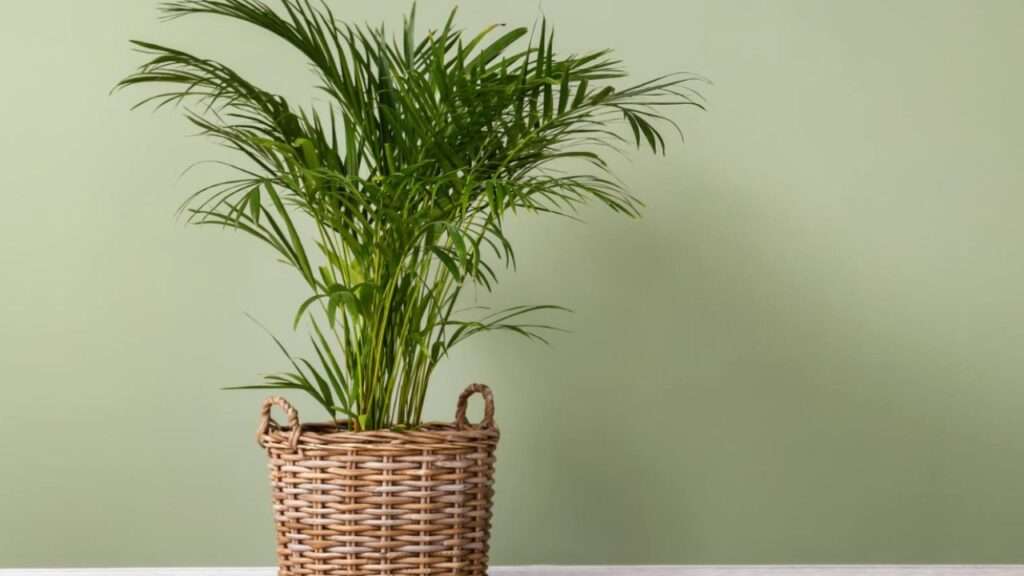
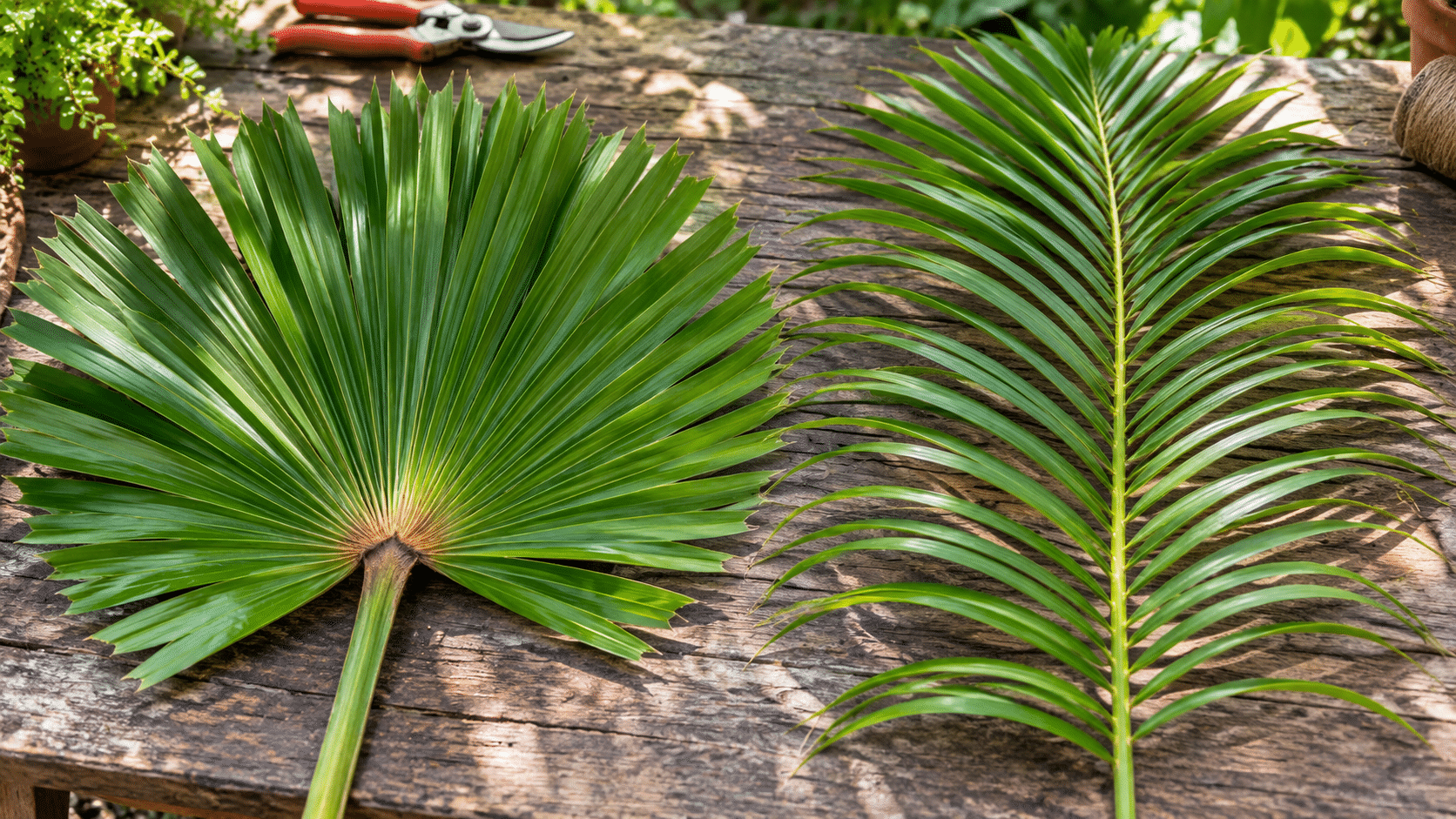
Traditional Palm Trees: Palms generally feature one of two main leaf structures: pinnate or palmate. Pinnate fronds look like long, delicate feathers (think of a Date Palm or an Areca Palm).
-
Palmettos: Palmettos almost exclusively feature a unique leaf shape called costapalmate. This means the leaf is fan-shaped, but it has a distinct, stiff, elongated midrib (called a costa) that curves downward through the center of the leaf.
-
Visual Tip 👀: If you hold a palmetto leaf in your hand and look down its center, you will notice the leaflets fold neatly to form a distinct “V” shape at the stem. Feather-shaped leaves? Definitely not a palmetto.
3. Assess Cold Hardiness and Climate ❄️
Where is the tree successfully growing outdoors year-round?
-
Traditional Palm Trees: Most classic palms are strictly tropical or warm-subtropical. If you expose a Coconut Palm or a Majesty Palm to a hard frost, the moisture inside the trunk will freeze, expand, and kill the plant.
-
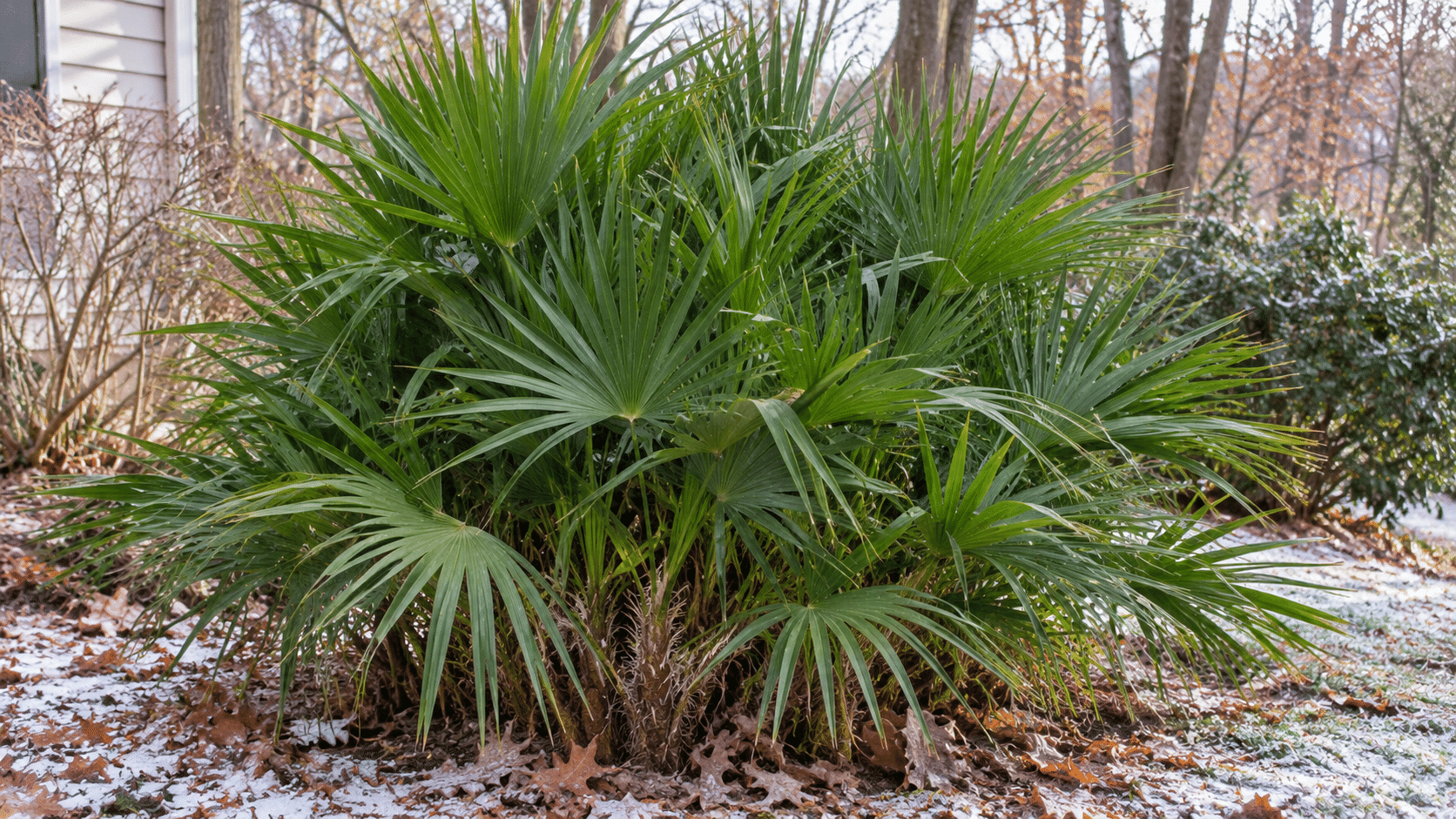
Palmettos: Palmettos are the rugged survivors of the Arecaceae family! They are incredibly cold-hardy. The Needle Palm (Rhapidophyllum hystrix) and the Dwarf Palmetto (Sabal minor) can actually survive freezing temperatures, ice, and even snow, making them popular landscaping choices up into USDA Hardiness Zone 6 (like parts of New York or Ohio). 🏔️
4. Check the Growth Rate 🐢 vs 🐇
If you have been watching the plant grow for a few seasons, its speed is a massive clue.
-
Traditional Palm Trees: Many popular landscaping palms are prized because they are incredibly fast growers. A Queen Palm (Syagrus romanzoffiana), for instance, can shoot up 2 to 6 feet in a single growing season when given the right fertilizer and water!
-
Palmettos: Palmettos require extreme patience. They are notoriously slow growers. A Sabal palmetto might take a decade just to form a visible above-ground trunk, and a Saw palmetto might only grow an inch or two per year.
5. Observe the Roots and Base 🪴
Finally, take a close look at where the trunk meets the soil and the texture of the trunk itself.
-
Traditional Palm Trees: Many palms have a flared, visible root initiation zone right above the soil line. As they grow and shed their old leaves, they often leave behind a relatively smooth trunk or a trunk with clean, horizontal rings (leaf scars).
-
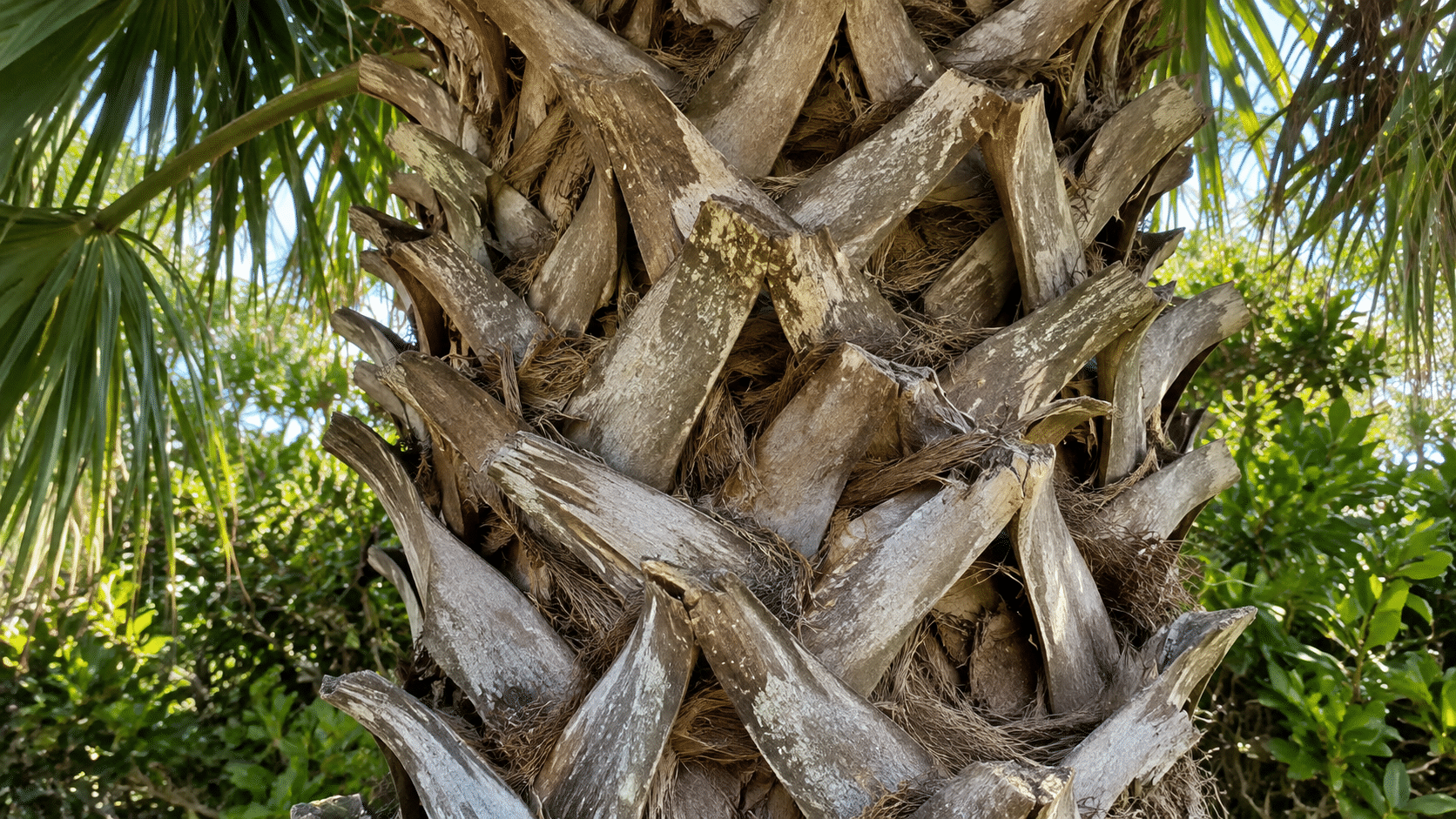
Palmettos: Palmettos are famous for their “boots.” Boots are the old, woody bases of dead leaves that cling tightly to the trunk. On a palmetto, these boots often remain attached for many years, creating a highly distinctive, rugged, crisscross texture that serves as a protective armor for the plant. 🛡️
Deep Dive: Getting to Know the Palmetto 🌴
Once you decide that a hardy, resilient palmetto is the right fit for your landscape, the next step is choosing the right species. Because they are native to the southeastern United States, palmettos are heavily adapted to coastal winds, poor soils, and fluctuating temperatures.
Most Popular Palmetto Varieties for Your Yard
-
Sabal Palmetto (Cabbage Palm): The undisputed king of the palmettos. Unlike its bushy cousins, the Sabal palmetto can grow up to 60 feet tall. It is renowned for its extreme hurricane resistance. The common name “Cabbage Palm” comes from the edible, cabbage-like heart found at the growing tip (though harvesting it kills the tree, so we advise against it!).
-
Serenoa repens (Saw Palmetto): The ultimate ground-cover palmetto. It creeps along the ground using horizontal rhizomes, creating dense, impenetrable thickets. It gets its “saw” name from the sharp, tooth-like spines running along the stems of the fronds.
-
Rhapidophyllum hystrix (Needle Palm): If you live in a cold climate and want a tropical aesthetic, this is your holy grail. Native to the southeastern US, it is widely considered the most cold-hardy palm in the world, capable of surviving brief drops to -5°F (-20°C).
Best Landscaping Uses for Palmettos 🏡
Palmettos are incredibly versatile in landscape design. Because many of them remain low to the ground and are remarkably shade-tolerant, they are perfect for understory planting beneath large oak canopies. Dense varieties like the Saw Palmetto make exceptional, maintenance-free privacy hedges or natural security barriers. Additionally, their deep, fibrous root systems make them excellent for erosion control along coastal properties or sloping yards.
Deep Dive: Getting to Know Traditional Palm Trees 🥥
If your goal is to recreate a towering tropical oasis, traditional palm trees are the architectural focal points you need. They bring height, elegance, and that classic resort-style aesthetic to any property.
Most Popular Palm Varieties for Your Yard
-
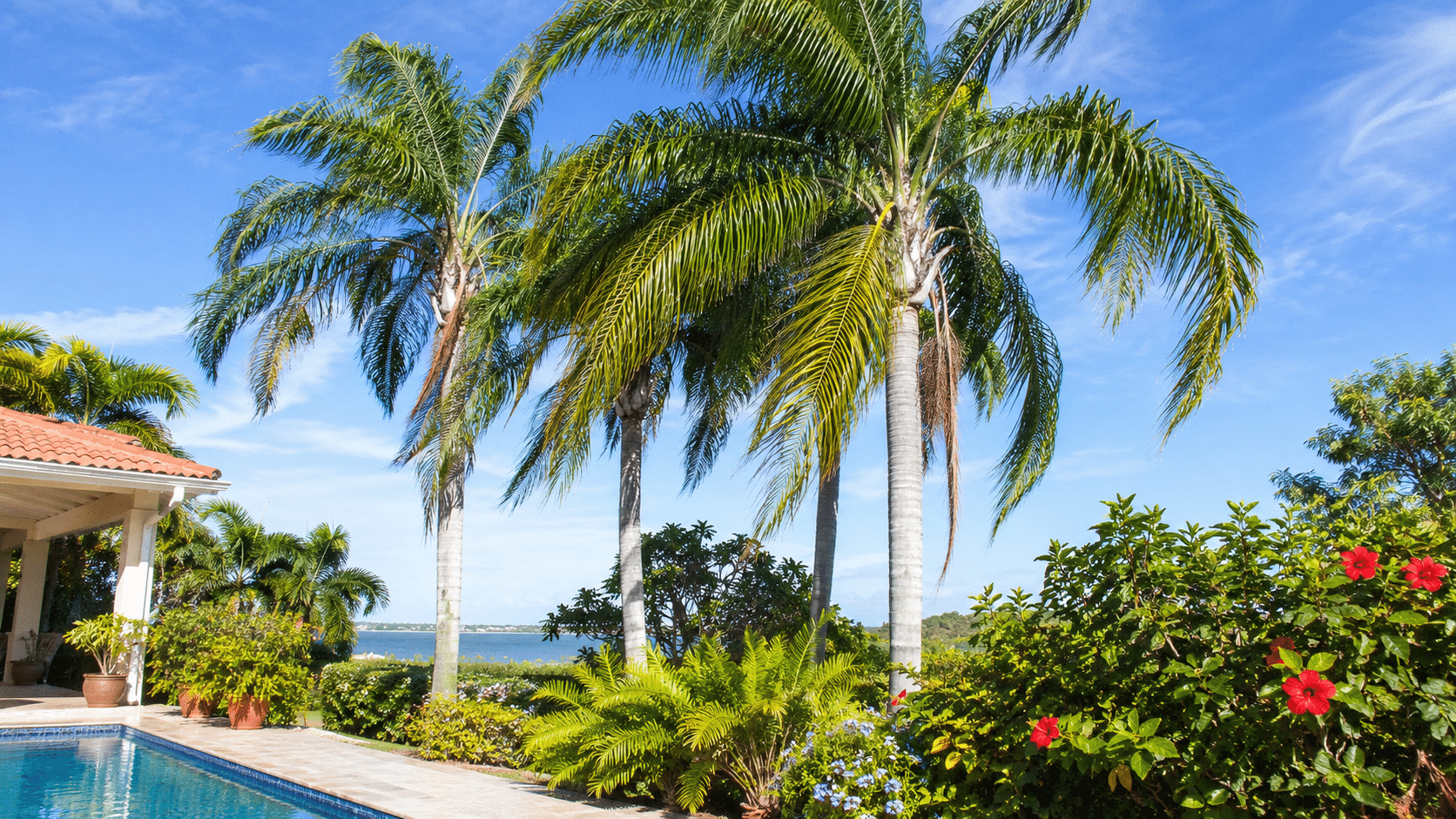
Syagrus romanzoffiana (Queen Palm): A staple in warm-weather landscaping (especially in Florida and California). Queen palms grow rapidly, featuring smooth, grey trunks and massive, weeping, feather-like (pinnate) fronds that sway beautifully in the breeze.
-
Phoenix dactylifera (Date Palm): The majestic giants of the desert. These trees feature thick, heavily textured trunks and a massive canopy of stiff, blue-green fronds. They are drought-tolerant and perfect for creating a grand, formal entryway.
-
Dypsis lutescens (Areca Palm): A clustering palm that grows multiple slender, bamboo-like canes from a single base. It is immensely popular not just outdoors as a privacy screen, but also indoors as a high-end houseplant.
Best Landscaping Uses for Palm Trees 🏝️
Traditional palms are best utilized as statement pieces or focal points in the center of a circular driveway or lawn. They are highly sought after for poolside planting because they drop very little debris (unlike deciduous trees that shed leaves into the water). When planted in staggered groups of three or five, towering palms can create a breathtaking overhead canopy that provides dappled shade for patios.
The Ultimate Care Guide: How to Keep Both Thriving 💦☀️
Whether you are growing a cold-hardy palmetto or a delicate tropical palm, mastering their fundamental care requirements is the secret to vibrant, green fronds and robust growth. While they are related, their care routines diverge in a few critical ways.
Sunlight Requirements 🌤️
-
Palmettos: Highly adaptable. While they love soaking up the sun, most palmettos are naturally found growing in the understory of large forests. This means they are incredibly shade-tolerant. You can plant a palmetto in partial shade or dappled light, and it will still thrive.
-
Traditional Palms: Sunlight hungry! The vast majority of tropical landscape palms demand full, direct sunlight (at least 6 to 8 hours a day) to maintain their color and growth rate. Planting a sun-loving palm in the shade will result in stretched, weak fronds and stunted growth.
Watering Routines and Drought Tolerance 💧
-
Newly Planted Trees: Both palmettos and traditional palms require aggressive watering during their first six months in the ground. The root ball must be kept consistently moist (but not sitting in a puddle) to encourage the roots to spread into the surrounding soil. Water deeply 2-3 times a week.
-
Established Trees: Once established, both are remarkably drought-tolerant. However, overwatering is the #1 killer of palms and palmettos in residential landscapes. If they are planted in heavy clay soil that does not drain, the roots will quickly suffocate and rot. Always let the top few inches of soil dry out between waterings.
Soil Preferences & Fertilization (The Secret Sauce) 🌿
If your palm or palmetto is growing yellow, crinkled, or spotted leaves, it is almost certainly a nutrient deficiency, not a disease.
-
Soil: Both plants demand loose, sandy, well-draining soil.
-
Fertilizer: Standard lawn fertilizer will actually harm your palms! Lawn fertilizers are high in nitrogen but lack the heavy micronutrients palms desperately need. You must use a dedicated Palm Fertilizer. These are specifically formulated with high amounts of Magnesium, Manganese, and Potassium. Apply a slow-release granular palm fertilizer 3 to 4 times a year during the active growing season.
Pruning: Do’s and Don’ts ✂️
This is where homeowners make the most damaging mistakes.
-
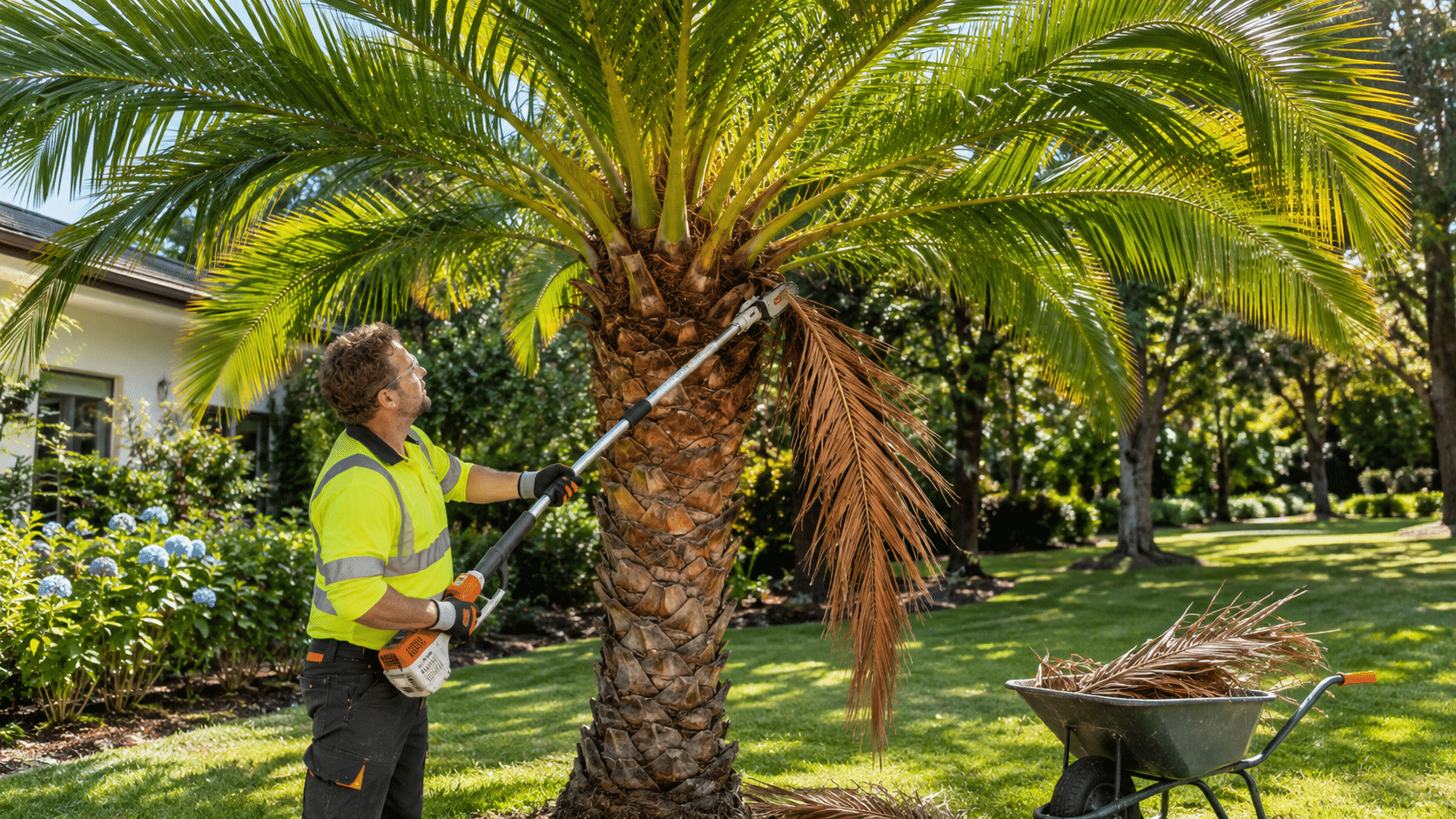
The “Hurricane Cut” Myth: Many landscapers drastically prune palms and palmettos down to just 2 or 3 fronds pointing straight up, claiming it protects them from hurricane winds. This is a dangerous myth. Stripping a palm of its green leaves removes its ability to photosynthesize, starves the plant, and severely weakens the trunk, making it more susceptible to snapping in a storm.
-
The Golden Rule of Pruning: Only cut a frond once it is completely brown, dry, and dead. If a frond still has green on it, the tree is actively pulling nutrients out of that dying leaf to feed the newer growth. Never cut above the horizontal line (the 9 o’clock and 3 o’clock positions).
Common Pests and Diseases (And How to Fix Them) 🐛
Even the most resilient trees can fall victim to local pests or fungal issues. Here is what to watch out for.
-
Lethal Yellowing / Lethal Bronzing: This is a devastating, incurable bacterial disease spread by small sap-feeding insects called planthoppers. The fronds will rapidly turn bronze or yellow, starting from the bottom and moving up, followed by premature dropping of fruit. The only cure is prevention. Arborists can inject healthy trees with antibiotics (Oxytetracycline) to protect them if the disease is active in your neighborhood.
-
Palmetto Weevils: The largest weevil in North America, this pest specifically targets stressed or dying palmettos (especially the Sabal palmetto). The female bores into the crown of the tree to lay eggs, and the resulting grubs eat the tree from the inside out, causing the crown to collapse entirely. Avoid over-pruning, as the scent of freshly cut fronds attracts the weevils.
-
Fungal Leaf Spots: If you notice black or brown spots surrounded by yellow halos on the fronds, it is likely a fungal infection caused by overhead watering or excessive humidity. Adjust your sprinklers so they do not hit the leaves directly, and apply a copper-based fungicide to halt the spread.
Frequently Asked Questions (FAQs) 🙋♀️
Is a palmetto bug named after the palmetto tree? 🪳 Yes! The notorious “palmetto bug” (which is actually just a polite Southern term for the American cockroach or Florida woods cockroach) gets its nickname because these large insects naturally live and hide in the damp, decaying boots and fronds at the base of palmetto trees.
Can I grow a palmetto indoors? 🏠 While you can, it is generally not recommended. Palmettos prefer outdoor humidity, airflow, and bright conditions. If you want an indoor palm, you are much better off choosing a traditional shade-loving palm like a Parlor Palm (Chamaedorea elegans) or an Areca Palm.
Are palm tree and palmetto berries poisonous to dogs? 🐶 Most native palmetto berries (like Saw Palmetto berries) are non-toxic, and some traditional palm fruits (like coconuts and dates) are perfectly safe. However, the seeds of the Sago Palm (which is technically a cycad, not a true palm, but often grouped with them) are incredibly toxic and highly fatal to dogs. Always properly identify your specific plant to be safe.
Which is more expensive to buy: a palmetto or a palm tree? 💰 Because palmettos are incredibly slow growers, mature specimens can be quite expensive. A Sabal palmetto with a clear trunk can easily cost hundreds or thousands of dollars because it likely took 15 to 20 years to reach that size at the nursery. Fast-growing traditional palms (like Queen Palms) are generally much cheaper to purchase at a large size.
Which One is Right For Your Garden? 🌺
The great palmetto vs palm tree debate ultimately comes down to your local climate, your patience, and your aesthetic goals.
If you live in a region that experiences freezing winters, have a yard with lots of shade, or want a low-maintenance native plant that provides dense ground cover, the rugged palmetto is your perfect match. If you live in a warm, frost-free zone and want a fast-growing, towering architectural centerpiece to shade your pool or frame your driveway, a traditional tropical palm tree is the way to go.
No matter which you choose, planting a member of the Arecaceae family instantly elevates your landscape and brings a permanent vacation vibe right to your front door.
Do you have a mysterious, fan-shaped plant growing in your yard that you still can’t quite identify? Drop a comment below, or check out our other comprehensive care guides to keep your tropical garden looking lush and green all year long!