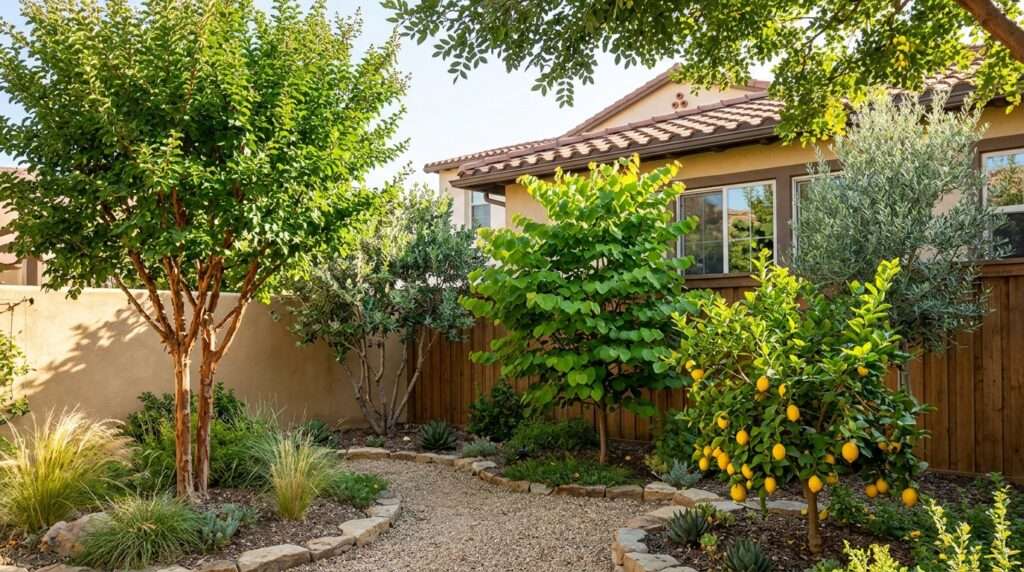
Southern California landscaping is changing. With shrinking yard sizes, strict HOA guidelines, and increasingly tight water restrictions, traditional landscaping approaches often fail. Homeowners frequently make the mistake of planting massive shade giants or water-guzzling species. The inevitable result? Lifted concrete patios, cracked foundations, and trees that wither during prolonged drought years.
However, you do not need an acre of land to create a stunning, shaded outdoor oasis. To build a resilient and beautiful landscape, you simply need the right compact, low-maintenance species. We have researched and ranked the best 10 small trees for southern california to help you find the perfect addition to your tight space or dry climate.
To ensure long-term success, this guide goes beyond basic nursery tags. Our selection process cross-references certified arborist recommendations, California water-wise planting guidelines, and verified Amazon customer reviews. Whether you are dealing with coastal marine layers or the extreme dry heat of the Inland Empire (USDA Zones 7–11), these top-rated live plants and nursery stock are proven to thrive, giving you the greenery you want without the maintenance headaches you dread.
Quick Comparison: Top Small Trees for SoCal
Detailed Product Reviews: The Best 10 Small Trees for Southern California
1. ‘Natchez’ Crape Myrtle (Lagerstroemia indica) – Best Overall Small Tree for Summer Color
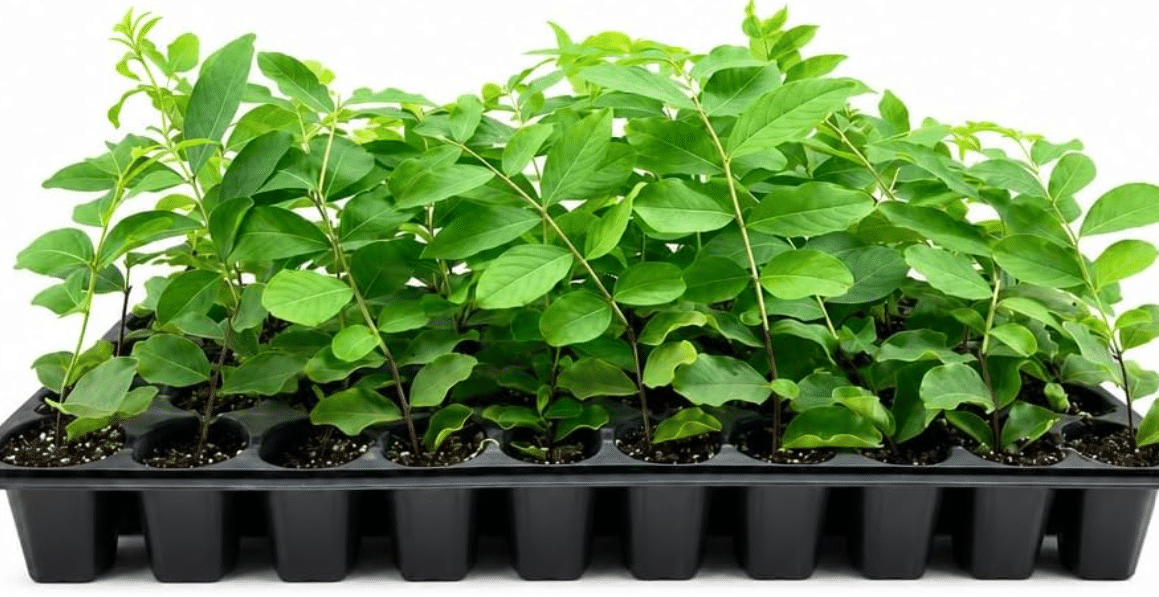
Product Description: The ‘Natchez’ Crape Myrtle is an undisputed champion of Southern California landscapes. Known for its spectacular, 100-day display of pure white summer flowers and stunning, peeling cinnamon-colored bark, this tree offers year-round visual interest. When ordered online, it typically ships in quart or 3-gallon containers (ranging from 12 to 60 inches tall on arrival) in a secure dormant or semi-dormant state. Its naturally multi-trunked growth habit makes it a sculptural masterpiece for compact front yards.
-
Typical Price Range: $49.97
Key Features & Benefits:
-
Mature Size: 20–30 ft. tall and 15–20 ft. wide (can be pruned smaller).
-
USDA Hardiness Zones: 7–10 (Perfect for almost all of SoCal).
-
Growth Rate: Fast (up to 3-5 feet per year once established).
-
Sunlight Needs: Full sun for maximum blooming.
Pros and Cons:
-
Pros: Highly drought-tolerant once established; resistant to powdery mildew; spectacular fall leaf color (reds and oranges); attracts pollinators.
-
Cons: Deciduous (loses its leaves in winter); flower droppings require minor sweeping in late summer.
Amazon Customer Ratings & Reviews: This tree consistently holds a strong 4.2 to 4.7-star rating across top Amazon nursery sellers. Buyers frequently praise its rapid growth rate and how well it survives shipping. A few critical reviews mention it arriving bare-root in winter, which is completely normal for dormant shipping but can surprise first-time online plant buyers.
Why It’s a Good Choice for Southern California: Crape Myrtles love the heat. The hotter it gets in the San Fernando Valley or the Inland Empire, the more vigorously the ‘Natchez’ blooms. Its non-invasive root system also means it won’t destroy your driveway or patio pavers.
Ideal Use Case / Who Should Buy It: Best for homeowners seeking a fast-growing, highly ornamental focal point for a small front yard or patio border who don’t mind a bare, sculptural trunk in the winter months.
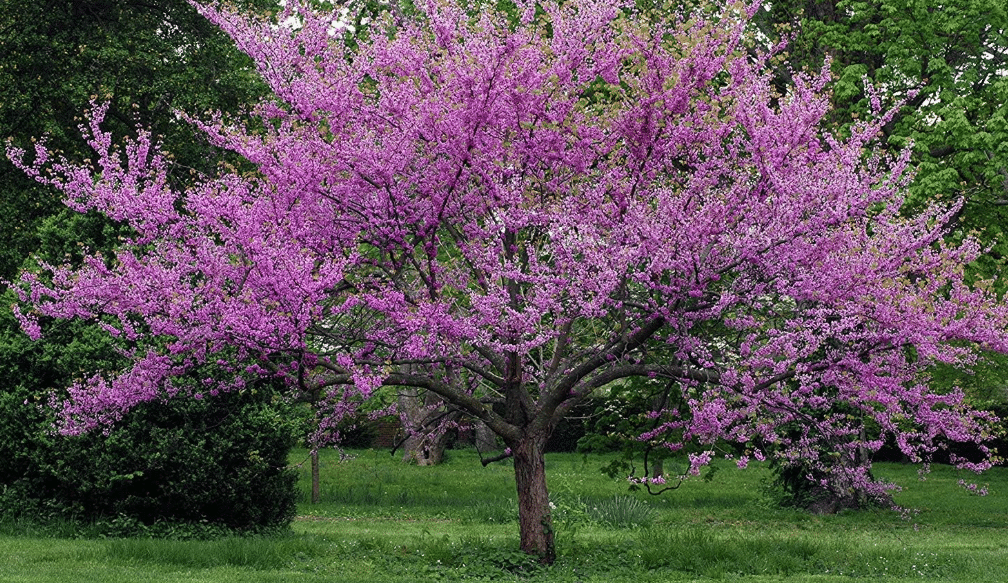
2. Western Redbud (Cercis occidentalis) – Best California Native for Low-Water Gardens
Product Description: If you want to plant a tree that truly belongs in the California ecosystem, the Western Redbud is an elite choice. It heralds the arrival of spring with an explosion of vibrant magenta-pink pea-like blossoms that emerge on bare branches before the leaves even appear. It features distinct, heart-shaped green leaves that transition to pale yellow in the autumn. Shipped actively growing or dormant depending on the season, this native tree requires almost zero soil amendment to thrive.
-
Typical Price Range: $43.00
Key Features & Benefits:
-
Mature Size: 10–20 ft. tall and 10–15 ft. wide.
-
USDA Hardiness Zones: 7–10.
-
Growth Rate: Moderate.
-
Sunlight Needs: Full sun to partial shade (appreciates afternoon shade in extreme inland heat).
Pros and Cons:
-
Pros: Native species requiring zero summer watering once established; incredibly pest-resistant; supports local hummingbirds and native bees.
-
Cons: Slower growth rate compared to commercial hybrids; seed pods can look slightly messy in late winter.
Amazon Customer Ratings & Reviews: Typically holding around a 4.5/5 star rating, buyers love the high transplant success rate of this native species. Many reviewers from arid regions note that while the tree looks like a fragile stick upon delivery, it quickly establishes a deep root system and bursts into life within one season.
Why It’s a Good Choice for Southern California: Because it evolved in the dry foothills of California, the Western Redbud is perfectly adapted to our prolonged summer droughts and poor, rocky clay soils. You are virtually guaranteed to avoid water restriction fines with this tree in your yard.
Ideal Use Case / Who Should Buy It: Perfect for eco-conscious gardeners building a drought-proof native landscape, or anyone wanting a small, colorful understory tree to plant beneath taller, existing canopy trees.
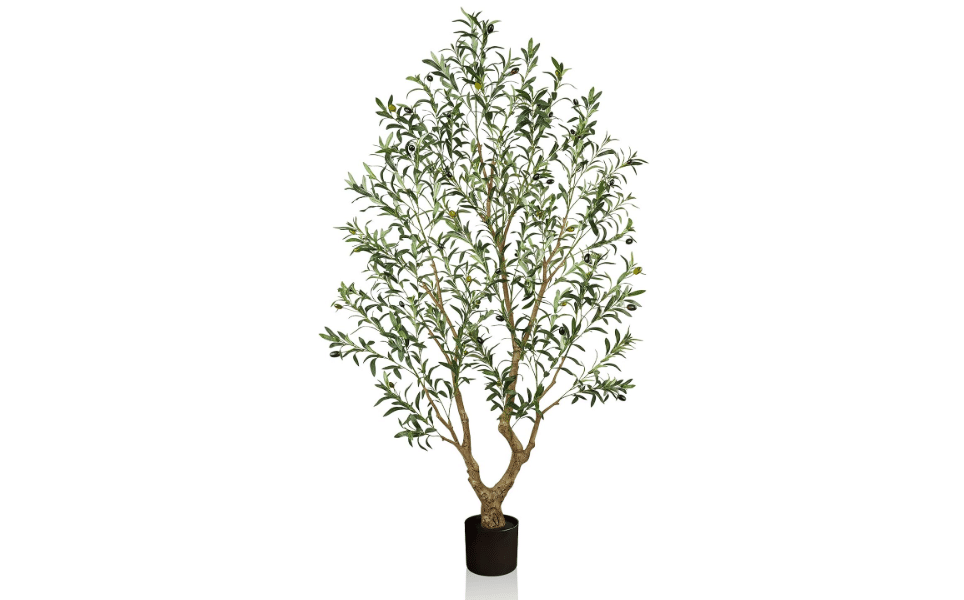
3. ‘Majestic Beauty’ Fruitless Olive (Olea europaea) – Best for Clean, Mediterranean Aesthetics
Product Description: The ‘Majestic Beauty’ is the ultimate solution for achieving that highly sought-after Tuscan or Santa Barbara aesthetic without the staining, slippery mess of fallen olives. Featuring airy, silvery-green foliage that shimmers in the coastal breeze, this fruitless variety provides elegant, dappled shade. These trees ship securely potted, usually heavily pruned back to reduce shipping stress, allowing them to focus entirely on root development once in your soil.
-
Typical Price Range:
Key Features & Benefits:
-
Mature Size: 20–25 ft. tall and wide.
-
USDA Hardiness Zones: 8–11.
-
Growth Rate: Slow to Moderate.
-
Sunlight Needs: Full, intense sun.
Pros and Cons:
-
Pros: 99% fruitless (no messy cleanup); evergreen (retains leaves year-round); exceptional drought tolerance; wind resistant.
-
Cons: Slower growing; can be susceptible to olive knot disease if overwatered in poorly draining soil.
Amazon Customer Ratings & Reviews: Averaging a solid 4.6/5 stars. Customers rave about the immediate structural elegance the tree provides. The only recurring negative feedback involves homeowners over-watering them, leading to yellowing leaves—a gentle reminder that olive trees thrive on neglect once established.
Why It’s a Good Choice for Southern California: The Mediterranean climate of SoCal perfectly mirrors the olive tree’s native Mediterranean basin. It easily withstands the dry Santa Ana winds and requires very little supplemental water, making it a staple of high-end Southern California landscape design.
Ideal Use Case / Who Should Buy It: Best for homeowners wanting to flank a driveway or anchor a minimalist, modern, or Spanish-style courtyard with an elegant, evergreen silhouette.
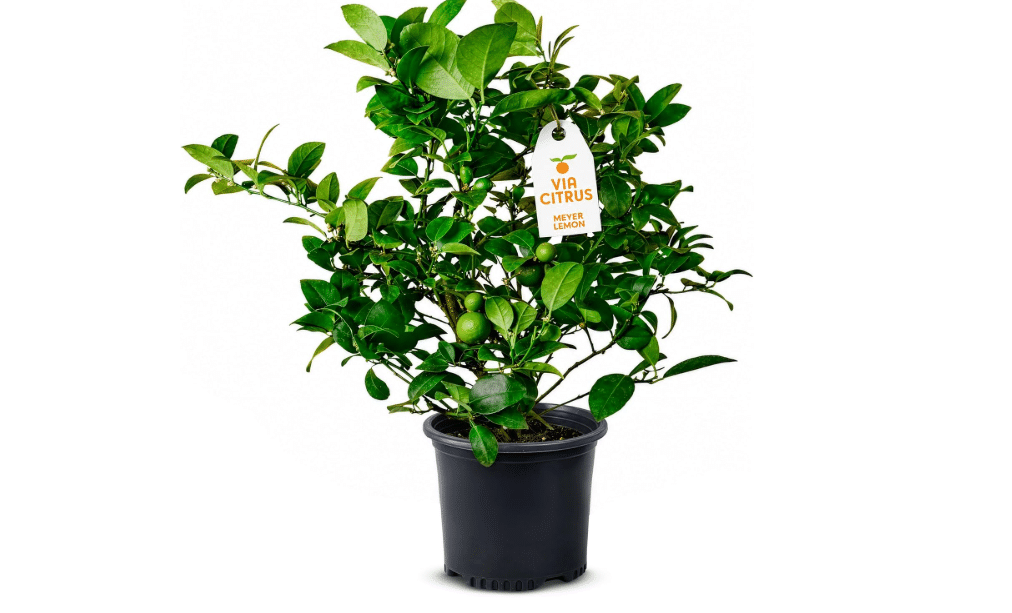
4. Dwarf Meyer Lemon Tree (Citrus x meyeri) – Best for Patios and Edible Landscaping
Product Description: You don’t need a sprawling orchard to grow your own fruit. The Dwarf Meyer Lemon is a powerhouse producer, yielding a cross between a traditional lemon and a mandarin orange—meaning the fruit is sweeter, thinner-skinned, and less acidic. Arriving as a grafted tree (usually 2 to 4 feet tall upon delivery), it features glossy dark green leaves and fills your yard with the intoxicating scent of jasmine-like citrus blossoms several times a year.
-
Typical Price Range:
Key Features & Benefits:
-
Mature Size: 6–10 ft. tall in the ground (smaller if kept in a pot).
-
USDA Hardiness Zones: 8–11 (In-ground).
-
Growth Rate: Moderate.
-
Sunlight Needs: Full sun (at least 8 hours per day).
Pros and Cons:
-
Pros: Produces delicious, gourmet fruit year-round; highly fragrant blossoms; naturally compact and easy to prune; thrives in large containers.
-
Cons: Needs regular fertilizer (citrus is a heavy feeder); sensitive to frost (though rarely an issue in SoCal).
Amazon Customer Ratings & Reviews: This is one of the highest-rated live plants on Amazon, regularly scoring 4.7/5 stars with thousands of reviews. Buyers are consistently amazed that the tree often arrives with blossoms or tiny green lemons already growing on it. The shipping packaging for this specific tree is highly praised by consumers.
Why It’s a Good Choice for Southern California: SoCal is the citrus capital of the world. The mild winters mean this tree can remain outdoors year-round without freezing, allowing for an almost continuous harvest of fruit right outside your kitchen door.
Ideal Use Case / Who Should Buy It: The absolute best choice for patio gardeners, culinary enthusiasts, or anyone wanting a functional, beautiful tree in a half-barrel planter.
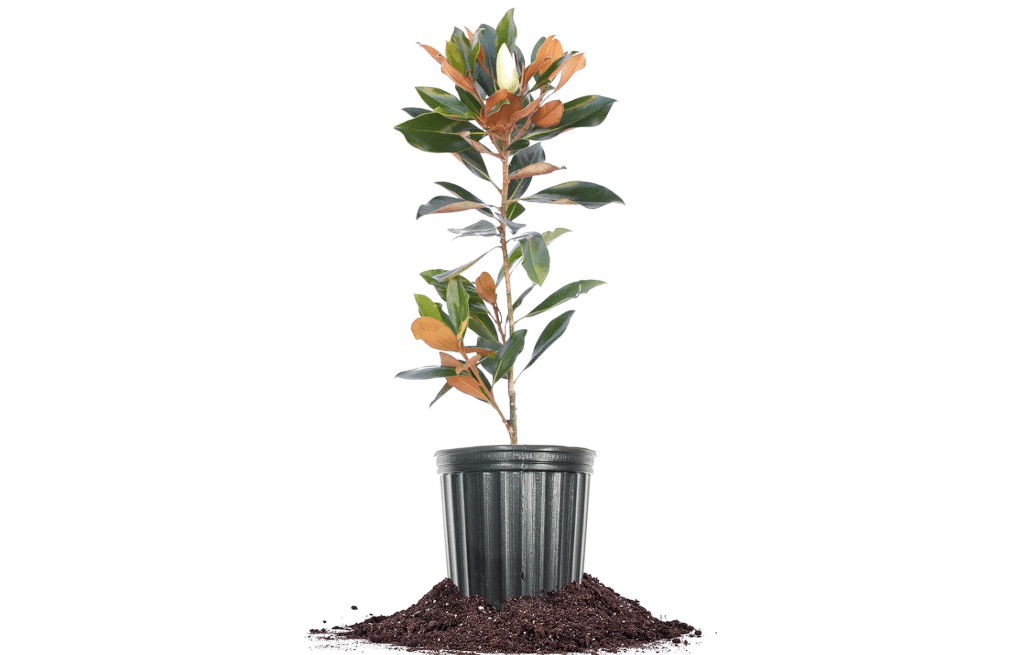
5. ‘Little Gem’ Dwarf Southern Magnolia – Best Compact Evergreen for Privacy
Product Description: The traditional Southern Magnolia is a gargantuan tree that will swallow a small yard. Enter the ‘Little Gem.’ This dwarf cultivar offers the exact same dense, leathery, dark-green leaves (with striking rusty-brown fuzzy undersides) and massive, dinner-plate-sized fragrant white blossoms, but on a fraction of the footprint. Shipped as a lush, upright shrub-tree, it immediately provides a dense screen for nosy neighbors.
-
Typical Price Range:
Key Features & Benefits:
-
Mature Size: 15–20 ft. tall and 7–10 ft. wide.
-
USDA Hardiness Zones: 7–10.
-
Growth Rate: Slow.
-
Sunlight Needs: Full sun to partial shade.
Pros and Cons:
-
Pros: Dense evergreen foliage perfect for privacy hedges; incredible floral fragrance; very narrow growth habit fits tight side-yards.
-
Cons: Drops stiff, leathery leaves year-round that take a long time to decompose; needs more water than desert-native trees.
Amazon Customer Ratings & Reviews: Averaging 4.4/5 stars. Customers love the instant lushness it brings to their property lines. Reviews frequently mention the intoxicating smell of the summer blooms. The main user complaint is the cleanup of the rigid leaves that fall intermittently.
Why It’s a Good Choice for Southern California: The narrow, columnar shape of the ‘Little Gem’ makes it the ultimate privacy screen for tightly packed SoCal subdivisions where houses are built close together. It tolerates urban pollution and coastal salt spray beautifully.
Ideal Use Case / Who Should Buy It: Homeowners looking to block a second-story window next door, or those wanting to create a dense, evergreen property boundary along a fence line in a narrow space.
6. Desert Willow (Chilopsis linearis) – Best for Extreme Inland Empire Heat
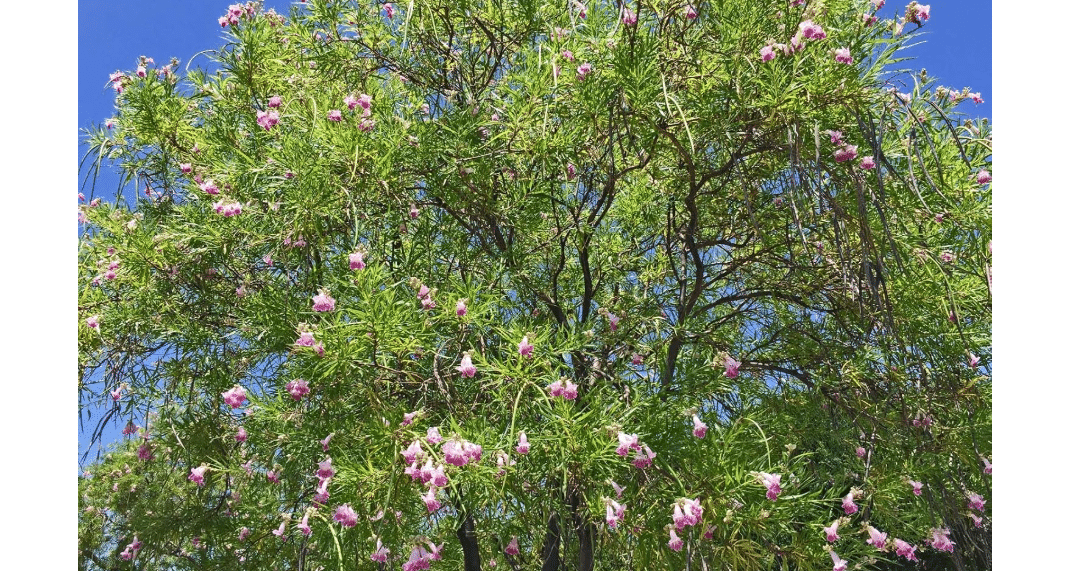
Product Description: Despite its name, the Desert Willow is not a true willow; it just shares the weeping, narrow-leaved aesthetic. This tough, desert-adapted tree bursts with large, orchid-like, trumpet-shaped flowers in shades of pink, burgundy, and white from late spring through fall. It arrives as a slender, multi-stemmed sapling that quickly establishes itself to provide light, airy shade that won’t kill the grass or succulents planted beneath it.
-
Typical Price Range:
Key Features & Benefits:
-
Mature Size: 15–30 ft. tall and 15–20 ft. wide.
-
USDA Hardiness Zones: 7–11.
-
Growth Rate: Fast.
-
Sunlight Needs: Full, blazing sun.
Pros and Cons:
-
Pros: Supreme heat and drought tolerance; highly attractive to hummingbirds; rapid grower; requires almost no maintenance.
-
Cons: Deciduous (drops leaves early in winter); thin, brittle branches can snap in severe winds if not pruned properly.
Amazon Customer Ratings & Reviews: Consistently earning 4.5/5 stars. Amazon buyers from arid climates rave about its survivability in 100+ degree heat. Customers frequently note that while the tree looks a bit sparse when first unpacked, it rebounds incredibly fast once planted in sandy or well-draining soil.
Why It’s a Good Choice for Southern California: If you live in Palm Springs, Riverside, or anywhere in the Inland Empire where summer temperatures regularly exceed 100°F (38°C), this tree will thrive where others crisp up and die. It requires deep, infrequent watering, perfectly matching SoCal water restriction schedules.
Ideal Use Case / Who Should Buy It: Homeowners in the hottest microclimates who want a fast-growing, flowering focal point for a xeriscape or rock garden.
7. Pineapple Guava (Feijoa sellowiana) – Best Multi-Trunk Shrub/Tree Hybrid
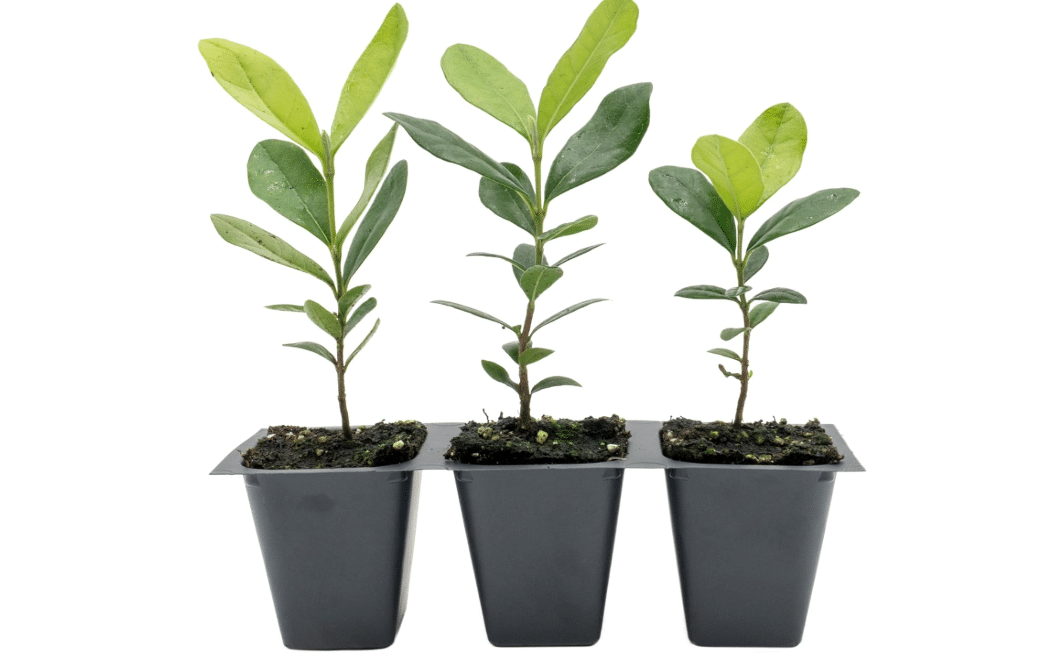
Product Description: The Pineapple Guava is one of the most versatile plants you can buy. Shipped as a dense shrub, it can be easily trained into a spectacular small, multi-trunked tree. It features silvery-green, rounded leaves and unique, fleshy, edible flowers in spring, followed by tangy-sweet green fruit in the fall. It is a stunning, dual-purpose landscape specimen that brings both architecture and agriculture to your yard.
-
Typical Price Range:
Key Features & Benefits:
-
Mature Size: 10–15 ft. tall and 10–15 ft. wide.
-
USDA Hardiness Zones: 8–11.
-
Growth Rate: Moderate.
-
Sunlight Needs: Full sun to partial shade.
Pros and Cons:
-
Pros: Evergreen; produces delicious fruit and edible flower petals; very adaptable to pruning; excellent coastal windbreak.
-
Cons: Fruit drop can be messy if not harvested; requires another tree nearby for the best fruit yield (though some are self-fertile).
Amazon Customer Ratings & Reviews: Boasting a 4.6/5 star rating. Reviewers are particularly impressed with the healthy foliage upon arrival. Many buyers buy them in pairs to ensure cross-pollination and a heavy fruit harvest, noting how well they establish in coastal soils.
Why It’s a Good Choice for Southern California: It handles the salty air and marine layer of coastal cities (like Santa Monica or San Diego) effortlessly, while still being highly drought-tolerant. Its dense structure provides excellent privacy without dwarfing a small yard.
Ideal Use Case / Who Should Buy It: Ideal for coastal gardeners, permaculture enthusiasts, or anyone wanting a thick, evergreen screen that can double as a small, structural tree.
8. ‘Desert Museum’ Palo Verde – Best Fast-Growing, Thornless Shade Tree
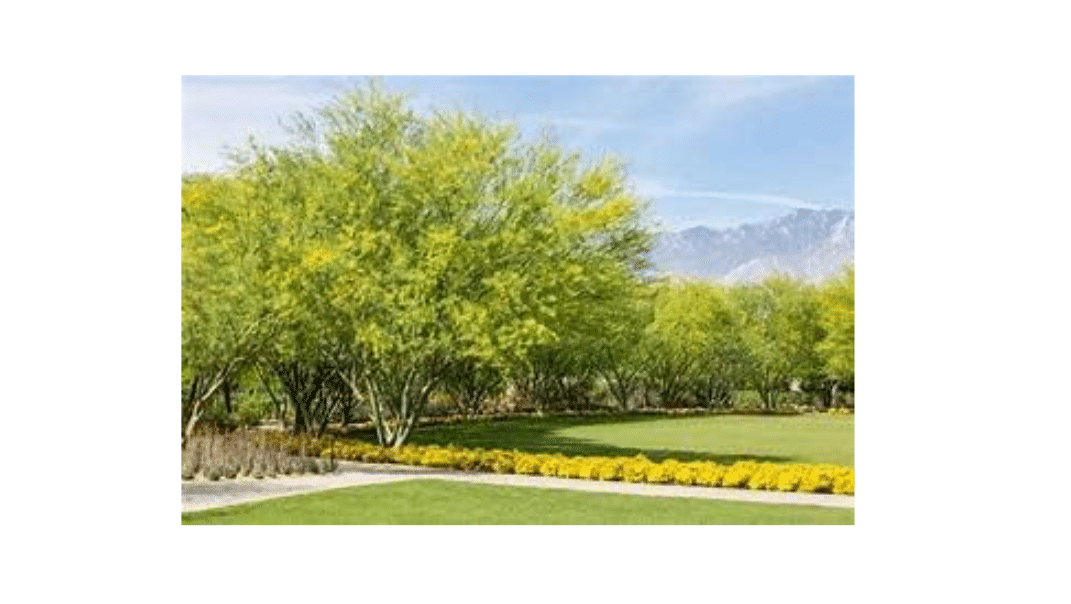
Product Description: A breathtaking architectural specimen, the ‘Desert Museum’ Palo Verde is a hybrid that combines the best traits of native desert trees without the nasty thorns. It is famous for its smooth, bright lime-green trunk and branches, which perform photosynthesis even when the tree drops its tiny leaves. In spring, it is completely smothered in brilliant, pale-yellow flowers. It ships as a fast-growing sapling that will quickly expand into a wide, umbrella-like canopy.
-
Typical Price Range: $7.95
Key Features & Benefits:
-
Mature Size: 20–25 ft. tall and 25 ft. wide.
-
USDA Hardiness Zones: 8–11.
-
Growth Rate: Very Fast.
-
Sunlight Needs: Full sun.
Pros and Cons:
-
Pros: Extremely fast shade producer; zero thorns (unlike native Palo Verdes); provides beautiful filtered shade; incredible green bark.
-
Cons: Needs strategic structural pruning when young to prevent wind damage; the massive flower drop in late spring requires cleanup.
Amazon Customer Ratings & Reviews: Typically scoring 4.7/5 stars. Customers are blown away by how quickly this tree grows—often putting on several feet of growth in a single season. The lack of thorns is the most celebrated feature compared to wild varieties.
Why It’s a Good Choice for Southern California: It is the ultimate “instant gratification” shade tree for hot SoCal yards. Its unique green bark provides modern, sculptural interest year-round, and its low water needs make it a perfect centerpiece for a water-wise landscape.
Ideal Use Case / Who Should Buy It: Homeowners looking to quickly shade a sun-baked driveway, west-facing window, or modern desert courtyard without planting a massive, water-hogging tree.
9. ‘Autumn Gold’ Ginkgo (Ginkgo biloba) – Best Fruitless Tree for Dramatic Fall Color
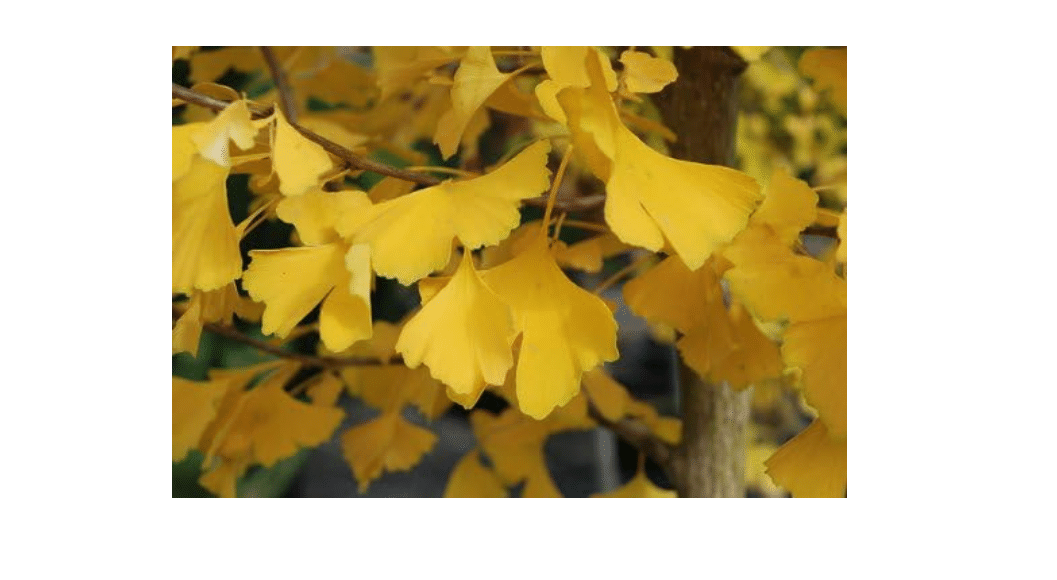
Product Description: It can be tough to get true autumn color in Southern California, but the ‘Autumn Gold’ Ginkgo delivers. This ancient, living fossil features unique, fan-shaped leaves that turn a blinding, luminous gold in late fall before dropping all at once. Crucially, the ‘Autumn Gold’ is a male clone, meaning it will never produce the famously foul-smelling fruit associated with female Ginkgos. It arrives as a slender, upright sapling and grows into a tidy, symmetrical canopy.
-
Typical Price Range:
Key Features & Benefits:
-
Mature Size: 25–35 ft. tall and 15–20 ft. wide (Slow to reach this size).
-
USDA Hardiness Zones: 4–9 (Best in coastal or inland valleys; struggles in the deepest desert).
-
Growth Rate: Slow.
-
Sunlight Needs: Full sun to partial shade.
Pros and Cons:
-
Pros: Unmatched, brilliant yellow fall color; incredibly disease and smog-resistant; deep, non-invasive taproot.
-
Cons: Very slow grower; does not tolerate the extreme dry heat of the deep desert (Zone 10+) well.
Amazon Customer Ratings & Reviews: Averaging 4.5/5 stars. Buyers love the unique leaf shape and the guarantee of a fruitless (male) tree. Because it grows slowly, some reviewers note the shipped tree is quite small, but praise its resilient, deep root system.
Why It’s a Good Choice for Southern California: Ginkgos are notoriously tolerant of urban pollution, making them perfect for smoggy Los Angeles or Orange County neighborhoods. Their deep taproots mean they won’t lift sidewalks, making them an ideal, polite street tree.
Ideal Use Case / Who Should Buy It: Best for patient homeowners wanting a clean, highly structured tree for a parkway (the strip of grass between the sidewalk and street) or a front lawn focal point.
10. Royal Purple Smoke Tree (Cotinus coggygria) – Best Unique Accent Tree for Small Front Yards
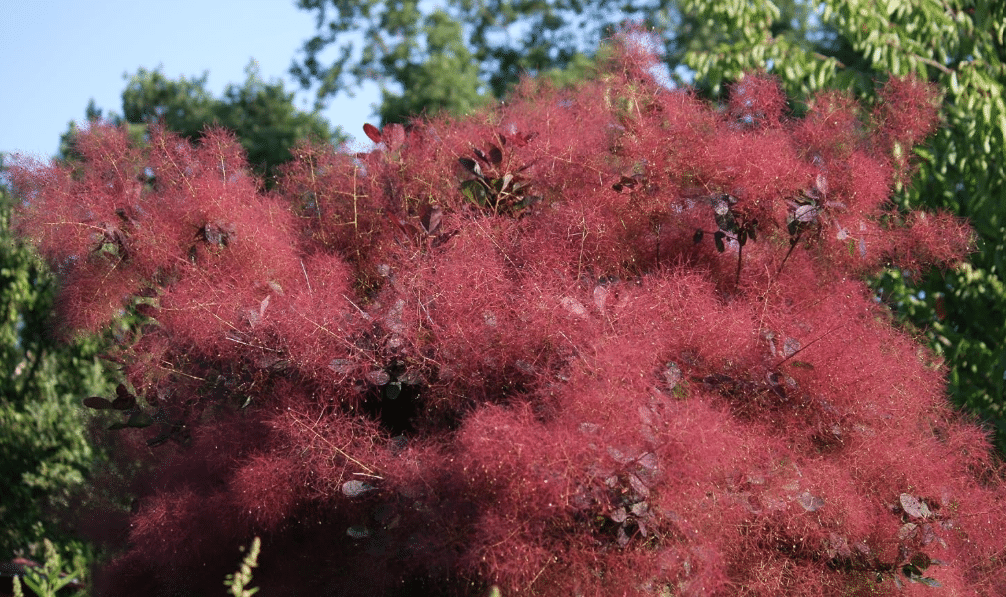
Product Description: For sheer dramatic contrast, nothing beats the Royal Purple Smoke Tree. It features stunning, deep maroon-purple foliage all summer long. In mid-summer, it produces large, feathery, pinkish-purple flower plumes that cover the tree, making it look as though it is enveloped in a cloud of purple smoke. Shipped as a robust shrub, it can easily be “limbed up” (pruning the lower branches) to create a striking small tree.
-
Typical Price Range: $3.00
Key Features & Benefits:
-
Mature Size: 10–15 ft. tall and 10–15 ft. wide.
-
USDA Hardiness Zones: 5–9.
-
Growth Rate: Moderate.
-
Sunlight Needs: Full sun (for the best purple color) to partial shade.
Pros and Cons:
-
Pros: Incredible dark foliage contrasts beautifully with green lawns/shrubs; very drought-tolerant; unique “smoky” floral display.
-
Cons: Deciduous; the color can fade to green if planted in too much shade.
Amazon Customer Ratings & Reviews: Earning a 4.4/5 star rating. Customers frequently comment on the striking color of the leaves immediately upon unboxing. Some buyers mention they kept it as a large shrub, while others successfully pruned it into a stunning, single-trunk accent tree.
Why It’s a Good Choice for Southern California: In a landscape often dominated by green succulents and brown mulch, the deep purple foliage provides a necessary, high-end visual pop. It is highly drought-tolerant once its roots are established in the SoCal clay.
Ideal Use Case / Who Should Buy It: Perfect for homeowners wanting a bold, colorful accent tree near an entryway or front porch to create instant curb appeal and contrast.
Comprehensive Buying Guide: How to Choose the Right Tree for Your Yard
Understanding SoCal Microclimates
Southern California is not one single climate. Before buying, understand your zone:
-
Coastal (Marine Layer): Cooler summers, salty air, and mild winters. (Trees like the Pineapple Guava and Olive excel here).
-
Inland Valleys & Desert: Extreme summer heat, low humidity, and occasional winter frost. (Stick to the Desert Willow, Palo Verde, or Crape Myrtle).
Root Systems vs. Hardscaping
The number one mistake in small yards is planting a tree with aggressive surface roots near concrete. For tight spaces, patios, and block walls, rely on trees with well-behaved or deep taproots, such as the Crape Myrtle or the Ginkgo, to avoid costly hardscape repairs.
Water-Wise & Drought Tolerance
“Drought-tolerant” does not mean “never water it.” All new trees require consistent, deep watering for the first 1 to 2 years to establish their root systems. Once established, trees like the Western Redbud and Palo Verde can survive almost entirely on rainfall, perfectly aligning with SoCal’s strict water mandates.
Evergreen vs. Deciduous
-
Evergreen (Magnolia, Olive, Citrus): Retain their leaves year-round. Best for privacy screens or hiding ugly views.
-
Deciduous (Crape Myrtle, Ginkgo, Desert Willow): Lose their leaves in winter. Best for planting on the south side of your home, providing shade in summer but allowing warm sunlight to hit your house in the winter.
Buying Live Trees on Amazon
Buying trees online is easier than ever. Nurseries ship trees in specialized corrugated boxes that secure the root ball. Depending on the time of year, your tree may arrive dormant (without leaves). This is normal! Plant it immediately, water it deeply, and it will flush out with new growth in the spring.
Frequently Asked Questions
What is the best time of year to plant a tree in Southern California? Fall is the absolute best time. The soil is still warm from summer, encouraging root growth, but the air is cooler, reducing stress on the leaves. Early spring is the second-best option. Avoid planting in the dead of summer (July-August).
How close to my house can I plant a small tree? A general rule of thumb for small trees (under 25 feet tall) is to plant them at least 10 to 15 feet away from the foundation of your home. This gives the canopy room to grow without brushing against your roof or gutters.
Do I need to amend my clay soil before planting? For native species (like the Western Redbud or Desert Willow), no. They prefer native soil. For non-natives (like Citrus or Magnolia), it helps to mix 30% compost with your native soil when backfilling the hole to improve drainage.
Final Verdict & Top Recommendations
You don’t need a sprawling estate to grow beautiful trees in Southern California. By choosing species adapted to tight spaces and dry conditions, you can lower your water bill, protect your concrete, and significantly boost your curb appeal.
Before you click through to order, here is a quick recap of our top awards:
-
The Safe Bet (Best Overall): The ‘Natchez’ Crape Myrtle offers the best balance of fast growth, drought tolerance, and explosive summer color.
-
The Native Pick: The Western Redbud is a bulletproof, eco-friendly choice for homeowners who want zero maintenance and vibrant spring blooms.
-
The Culinary Pick: The Dwarf Meyer Lemon proves that even the smallest patio can yield an incredible, year-round harvest of fresh fruit.
Measure your space, double-check your sunlight, and click the links above to have your perfect tree shipped directly to your door for the upcoming planting season