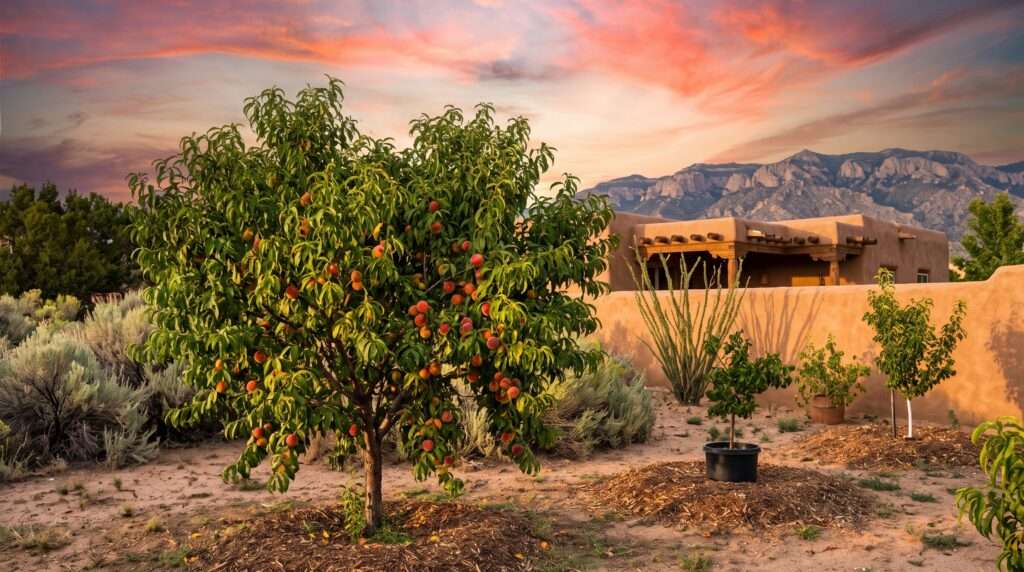
Growing a thriving backyard orchard in the Land of Enchantment is no easy feat. Between the notoriously alkaline caliche soils, punishing summer heat, and devastating late spring frosts, many aspiring home gardeners end up with dead saplings and wasted money. But cultivating a lush, productive harvest is entirely possible—if you choose the right cultivars. To bypass the heartbreak of a failed orchard, you need to plant the best 10 fruit trees for new mexico.
Success in this challenging climate comes down to a strict criteria: selecting late-blooming, drought-tolerant, and cold-hardy varieties that are specifically adapted to survive high-desert and southern state extremes. To eliminate the guesswork and save you from costly mistakes, we’ve cross-referenced data from local agricultural extensions like New Mexico State University (NMSU) with thousands of verified Amazon customer reviews to find the most resilient live saplings available to order online today.
Whether you are dealing with the snowy winters of Santa Fe or the arid heat of Las Cruces, this guide breaks down exactly what to buy, why it works in your zone, and where to get it, so you can plant your new trees with absolute confidence.
Why You Should Trust Us
At our core, we believe in data-driven gardening. Recommending a tropical citrus tree for Albuquerque would be a disaster, so we evaluate fruit trees based on strict New Mexico-specific survival metrics:
-
Chill Hours: We matched varieties requiring the correct amount of winter cold (typically 400–800 hours for central/northern NM).
-
Late Frost Evasion: We prioritized late-blooming varieties that won’t lose their blossoms to a surprise May snowstorm.
-
Soil Adaptability: We selected trees grafted onto rootstocks that can handle alkaline, high-pH clay and caliche soils.
-
Amazon Ratings & Shipping Viability: We only feature highly rated live trees from reputable Amazon nursery brands (like Brighter Blooms and Perfect Plants) that have a proven track record of arriving alive and healthy to your doorstep.
Quick Comparison: Top Picks at a Glance
For optimal mobile viewing, we’ve condensed our top recommendations into a simple, easy-to-read comparison table.
Detailed Product Reviews
Here is our in-depth breakdown of the best 10 fruit trees for new mexico. We’ve analyzed the features, benefits, and local viability of each tree to help you make the best buying decision.
1. Montmorency Sour Cherry Tree
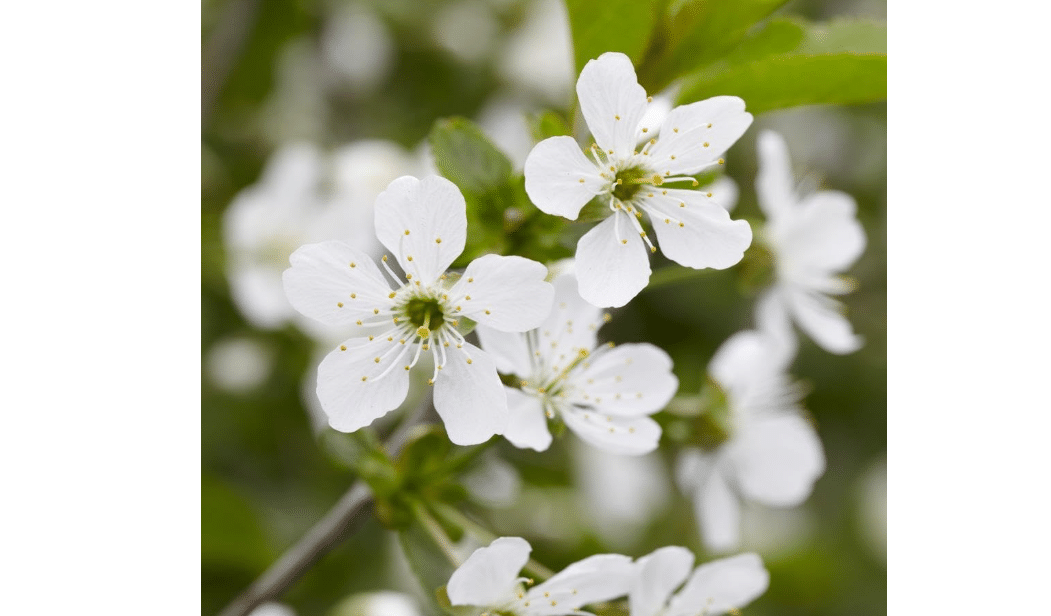
The Ultimate Frost-Dodging Cherry If you’ve ever tried growing sweet cherries in New Mexico, you know the heartbreak of seeing a late April frost wipe out your entire harvest. The Montmorency Sour Cherry solves this problem beautifully. As a late-blooming variety, its flowers stay tightly closed during early spring warm spells, only opening once the frost danger has passed. This tree produces incredibly heavy yields of bright red, juicy, tart cherries that make world-class pies, preserves, and dried snacks.
-
Estimated Price: $105.99
-
Key Features & Benefits: Self-fertile (no second tree needed), requires about 700 chill hours, highly disease-resistant, and visually stunning in the spring when it finally blooms.
-
Pros:
-
Blooms late to avoid spring frost damage.
-
Does not require a pollinator.
-
Adaptable to poorer, alkaline soils.
-
-
Cons:
-
Fruit is tart; not ideal for fresh snacking straight off the branch.
-
-
Amazon Customer Ratings: 4.4 out of 5 stars. Reviewers frequently praise how securely the tree is packaged for shipping and its vigorous growth in the first year.
-
Why it’s a good choice for New Mexico: It directly counters the state’s biggest orchard killer: late spring freezes.
-
Ideal Use Case: Perfect for home bakers, high-altitude gardeners (like those in Taos or Los Alamos), and anyone who wants a low-maintenance, reliable harvest.
2. Elberta Peach Tree
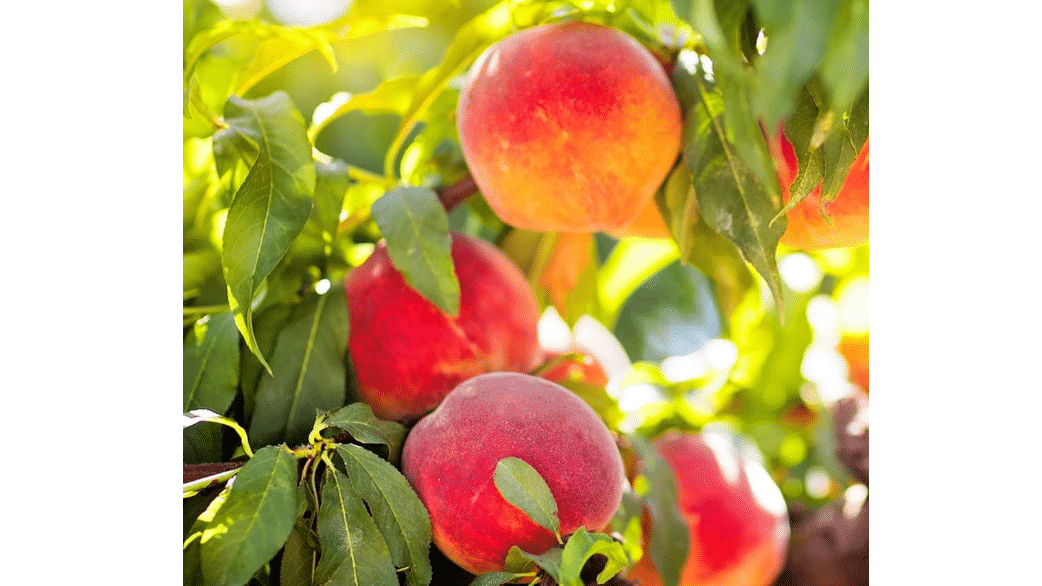
The Gold Standard for Desert Heat The Elberta Peach is one of the most famous and widely planted peach varieties in the world, and for good reason—it is incredibly tough. Known for producing massive, incredibly sweet, yellow-fleshed freestone peaches, the Elberta thrives in the intense summer heat of central and southern New Mexico. The tree establishes deep roots quickly, making it remarkably drought-tolerant once mature.
-
Estimated Price:
-
Key Features & Benefits: Self-fertile, requires roughly 600–850 chill hours, fast-growing canopy provides great shade, produces exceptionally large and sweet fruit.
-
Pros:
-
Incredible flavor; ideal for canning, freezing, and eating fresh.
-
Very heat-tolerant canopy.
-
Fast growth rate.
-
-
Cons:
-
Blooms slightly earlier than cherries, meaning a harsh late frost can still occasionally nip the buds.
-
-
Amazon Customer Ratings: 4.3 out of 5 stars. Buyers love the rapid fruit production, often noting they get a small harvest within just a couple of years.
-
Why it’s a good choice for New Mexico: Its heat tolerance allows it to thrive in places like Las Cruces, Roswell, and Albuquerque without scorching in the July sun.
-
Ideal Use Case: Best for central and southern NM gardeners who want heavy, reliable crops of large, classic peaches.
3. Li Jujube Tree (Chinese Date)
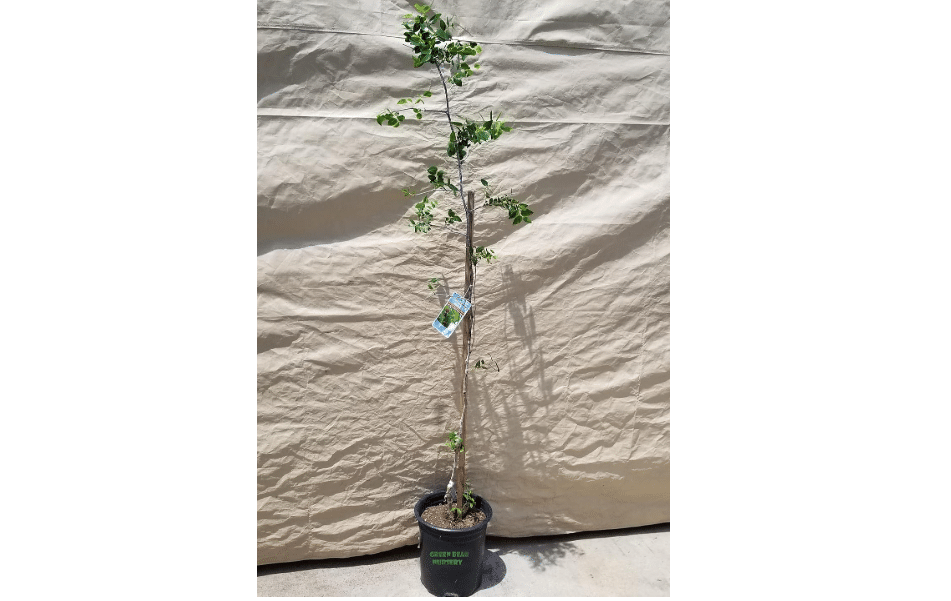
Bulletproof and Built for the Desert If you want a tree that practically thrives on neglect in the Chihuahuan Desert, the Li Jujube is your answer. Often called the Chinese Date, this tree produces small, apple-flavored fruits that wrinkle and sweeten into date-like treats when left on the branch. The Jujube is virtually indestructible in New Mexico: it scoffs at alkaline soil, requires minimal water, has no significant pests, and blooms very late in the summer, making frost damage impossible.
-
Estimated Price:
-
Key Features & Benefits: Extreme drought tolerance, requires very few chill hours (150-200), blooms in late spring/early summer, produces sweet, crunchy fruit.
-
Pros:
-
Practically immune to late spring frosts.
-
Requires a fraction of the water that apples and peaches need.
-
Highly tolerant of salty and alkaline caliche soils.
-
-
Cons:
-
The tree has thorns, which can make pruning tricky.
-
-
Amazon Customer Ratings: 4.6 out of 5 stars. Customers constantly rave about its hardiness and ability to survive intense heatwaves with zero wilting.
-
Why it’s a good choice for New Mexico: It is uniquely suited to the harsh extremes of the state’s climate, from intense sun to poor soil.
-
Ideal Use Case: Xeriscape gardeners, water-conscious homeowners, and anyone who wants a unique, completely fuss-free fruit harvest.
4. Honeycrisp Apple Tree
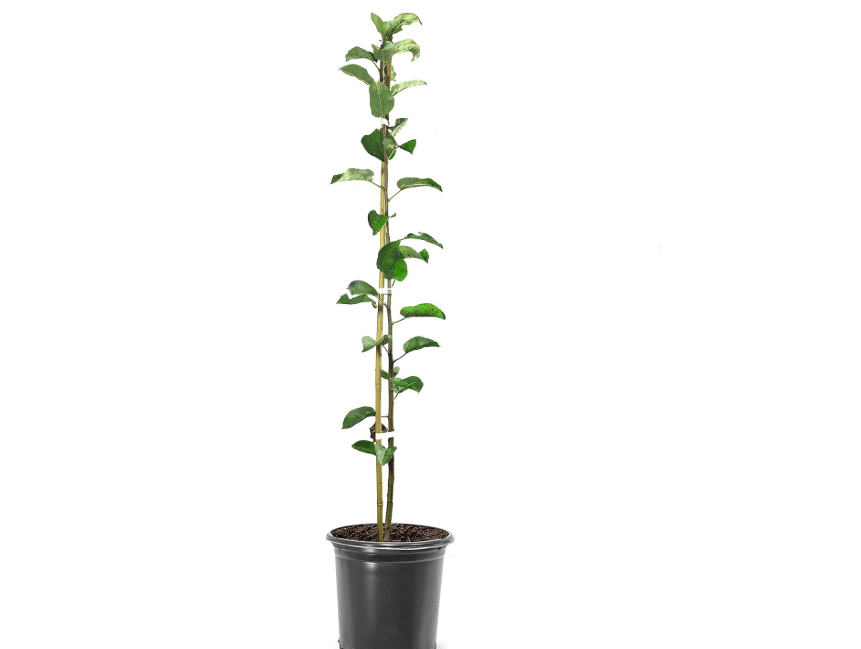
The Premium Pick for Northern Climates For gardeners in the northern, higher-elevation regions of New Mexico (Santa Fe, Taos, Farmington), the Honeycrisp Apple is a premium addition. Famous in grocery stores for its explosive crunch and perfect sweet-tart balance, growing it at home yields even better flavor. It is exceptionally cold-hardy, meaning brutal winter temperatures won’t damage the wood. Just keep in mind that it requires a pollinator (like a Gala or Fuji) to produce fruit.
-
Estimated Price: $34.99
-
Key Features & Benefits: Requires 800–1000 chill hours, extremely cold-resistant wood, produces large, premium-grade apples that store for months.
-
Pros:
-
Produces arguably the best-tasting apple available.
-
Exceptional winter hardiness.
-
Fruit stores brilliantly in a cool pantry or fridge.
-
-
Cons:
-
Not self-fertile; requires a partner apple tree.
-
Struggles in the extreme heat of the deep south (better for Zone 6 and below).
-
-
Amazon Customer Ratings: 4.5 out of 5 stars. Shoppers are highly satisfied with the root systems of the shipped trees and the unmatched quality of the home-grown fruit.
-
Why it’s a good choice for New Mexico: It takes advantage of the cold winters in the northern half of the state, turning those chill hours into an incredible autumn harvest.
-
Ideal Use Case: Gardeners in Northern New Mexico or mountainous regions with cold winters who want premium, grocery-store-quality fruit.
5. Bartlett Pear Tree
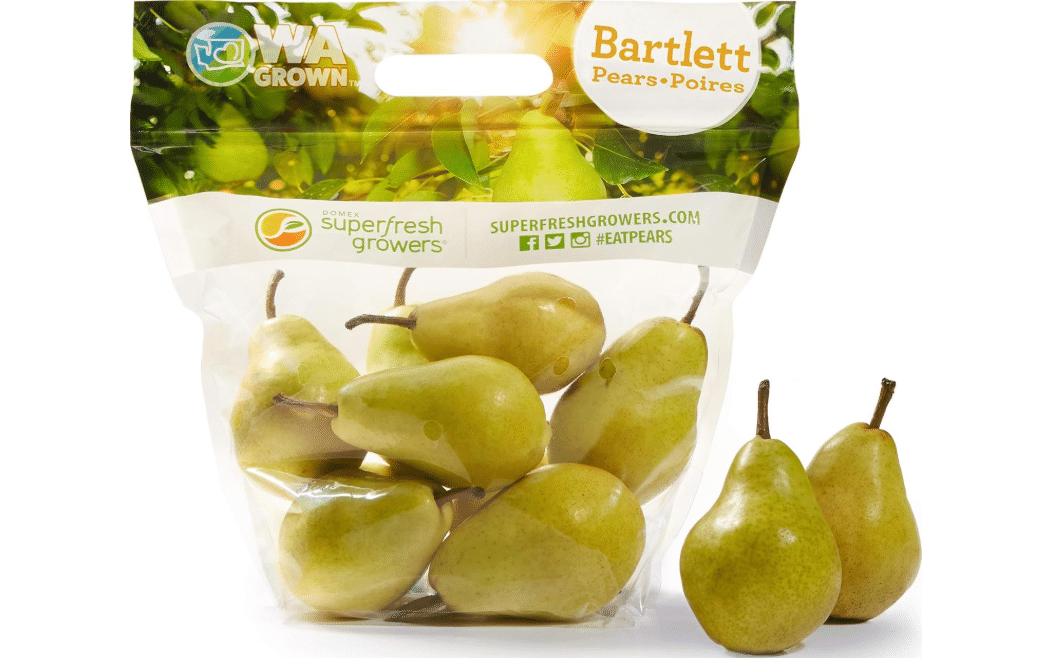
The Time-Tested, Heat-Tolerant Classic The Bartlett Pear is America’s favorite pear for a reason, and fortunately, it performs spectacularly in the high desert. This tree is remarkably resilient against the intense, dry heat of New Mexico summers. It produces beautiful, bell-shaped fruits that ripen from green to a brilliant golden yellow. The Bartlett is also known for being a vigorous grower, quickly establishing a strong root system that helps it scavenge for water during dry spells.
-
Estimated Price: $4.74
-
Key Features & Benefits: Requires about 500–600 chill hours, partially self-fertile (though yields increase with a pollinator like Anjou), and starts bearing fruit at a young age.
-
Pros:
-
Highly tolerant of dry, arid summer heat.
-
Incredibly heavy producer.
-
Outstanding for canning, preserving, and fresh eating.
-
-
Cons:
-
Can be susceptible to fire blight if heavily over-watered or over-fertilized with nitrogen.
-
-
Amazon Customer Ratings: 4.4 out of 5 stars. Reviewers appreciate how quickly these trees leaf out after shipping and their rapid growth rate in the first two seasons.
-
Why it’s a good choice for New Mexico: It easily handles the dry air that makes other humidity-loving fruit trees wither, and its chill hour requirements are perfectly aligned with central New Mexico.
-
Ideal Use Case: Homesteaders and gardeners in Albuquerque, Belen, or Los Lunas looking to preserve or can large harvests.
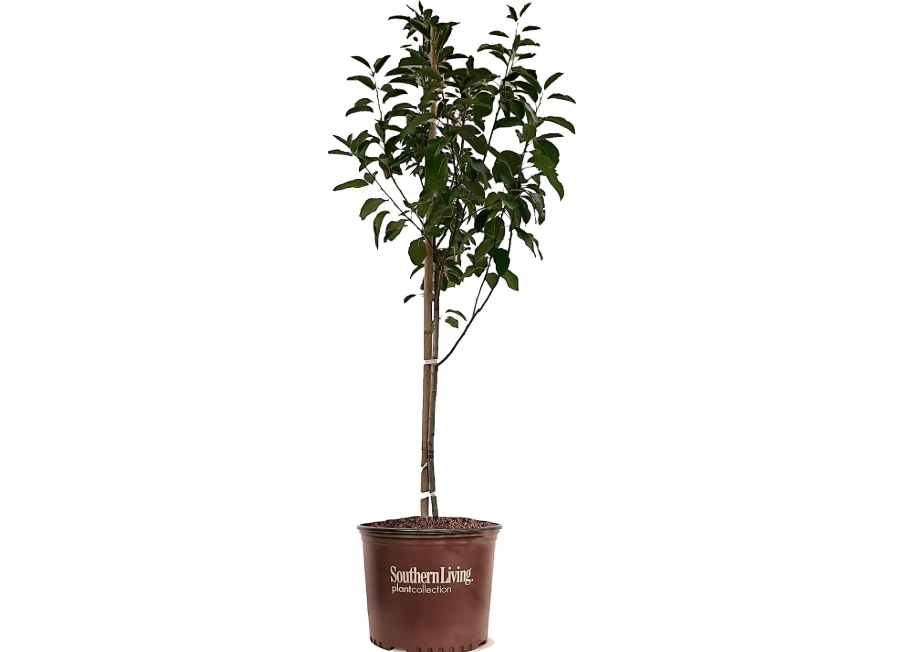
6. Arkansas Black Apple Tree
The Stunning, Late-Blooming Survivor If you want an apple tree that laughs at New Mexico’s unpredictable spring weather, the Arkansas Black is your best bet. This tree is a notoriously late bloomer, meaning its blossoms remain safely tucked away while April frosts decimate other orchards. Come fall, it yields absolutely stunning, deep red-to-nearly-black apples. These are “keeper” apples; they are rock-hard off the tree but soften and sweeten beautifully after a month in cold storage.
-
Estimated Price:
-
Key Features & Benefits: Requires 500–600 chill hours, highly resistant to cedar apple rust, produces gorgeous, long-storing fruit.
-
Pros:
-
Late blossoms naturally evade devastating spring freezes.
-
Apples can be stored in a cool pantry or fridge for up to 6 months.
-
Highly disease-resistant foliage.
-
-
Cons:
-
Not for immediate snacking; the fruit must be cured in storage to become sweet and edible.
-
Requires a pollinator (like a Gala or Fuji).
-
-
Amazon Customer Ratings: 4.5 out of 5 stars. Buyers love the unique, dramatic look of the dark apples and frequently mention the tree’s overall hardiness.
-
Why it’s a good choice for New Mexico: Between the frost-evading late blooms and its ability to handle dry soil, it is a low-stress addition to a desert orchard.
-
Ideal Use Case: Preppers, winter-storage enthusiasts, and high-desert growers who want a reliable, frost-resistant crop.
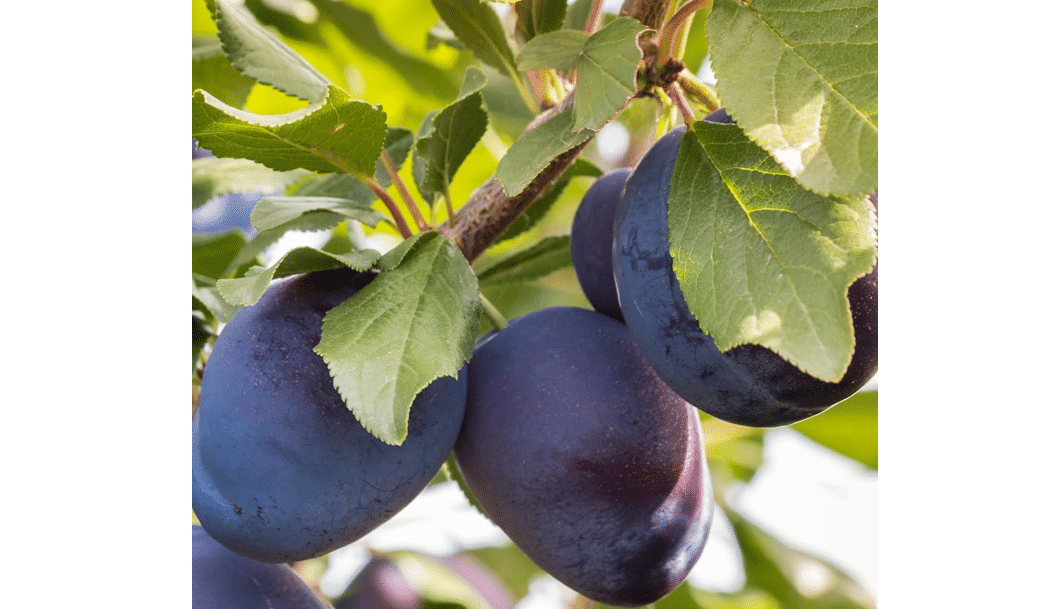
7. Stanley Plum Tree (European Plum)
The Champion of Alkaline Soils Plums generally struggle in the high pH, caliche-ridden soils of New Mexico, but the Stanley Plum is a notable, rugged exception. This European variety is incredibly adaptable to poor, heavy soils. It yields massive clusters of dark blue, oval plums with sweet, golden flesh. Because they have a high sugar content and low moisture, they are the absolute best variety for drying into prunes or baking into dense desserts.
-
Estimated Price:
-
Key Features & Benefits: Requires about 800 chill hours, 100% self-fertile, freestone fruit, highly productive.
-
Pros:
-
Excellent tolerance for heavy, alkaline clay and caliche soils.
-
Completely self-fertile; no second tree required.
-
Fruit is perfect for drying, canning, or fresh eating.
-
-
Cons:
-
The higher chill-hour requirement makes it unsuitable for the deep south (Carlsbad/Las Cruces).
-
-
Amazon Customer Ratings: 4.6 out of 5 stars. Customers constantly report being shocked by how many plums a single, relatively young tree can produce.
-
Why it’s a good choice for New Mexico: It solves the soil problem. While other trees require massive soil amendment, the Stanley Plum easily adapts to native New Mexico dirt.
-
Ideal Use Case: Gardeners in central and northern NM with poor soil who want a high-yield, versatile stone fruit.
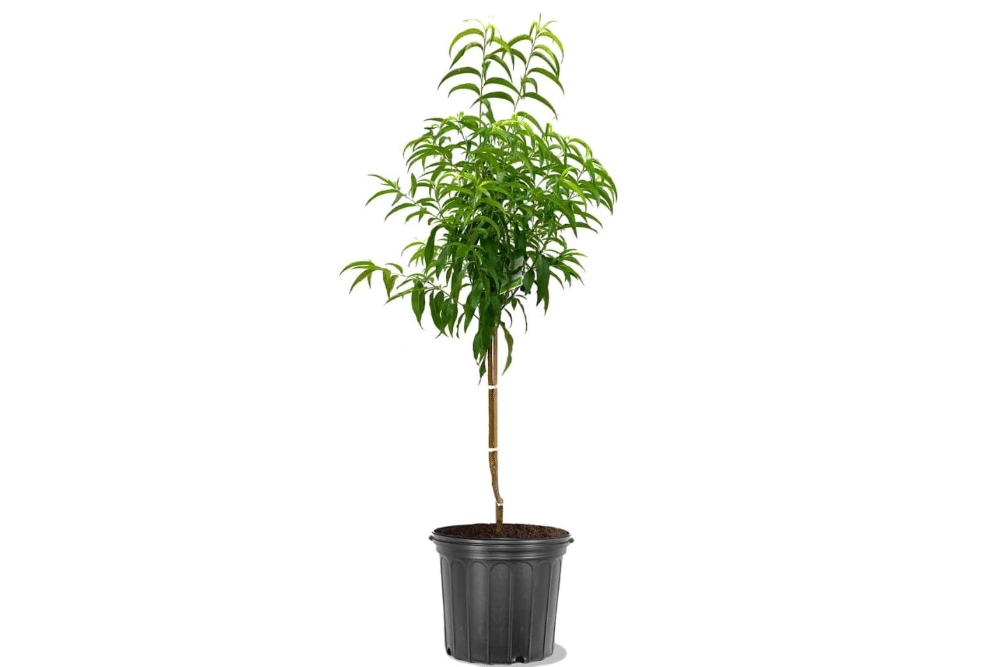
8. Redhaven Peach Tree
The High-Altitude Producer While the Elberta peach dominates the hotter, southern regions of the state, the Redhaven is the undisputed king of the cooler, higher-altitude areas. This tree requires slightly more winter chill, making it a fantastic, reliable choice for growers in Santa Fe, Edgewood, and the East Mountains. It is famously easy to maintain, reliably producing medium-sized, nearly fuzzless peaches that are sweet, juicy, and freestone.
-
Estimated Price:
-
Key Features & Benefits: Requires 800–900 chill hours, self-fertile, highly resistant to peach leaf curl, ripens early in the season.
-
Pros:
-
Exceptional cold-hardiness during harsh winters.
-
Very heavy, reliable producer.
-
Disease resistant.
-
-
Cons:
-
Needs too many chill hours to successfully fruit in the extreme southern parts of the state.
-
-
Amazon Customer Ratings: 4.7 out of 5 stars. It is one of the highest-rated peach trees online, with buyers praising its robust root stock and beautiful spring blossoms.
-
Why it’s a good choice for New Mexico: It provides an excellent, cold-hardy alternative to the Elberta for gardeners living above 6,000 feet.
-
Ideal Use Case: Mountain community residents and northern New Mexico gardeners who want foolproof, fresh-eating peaches.
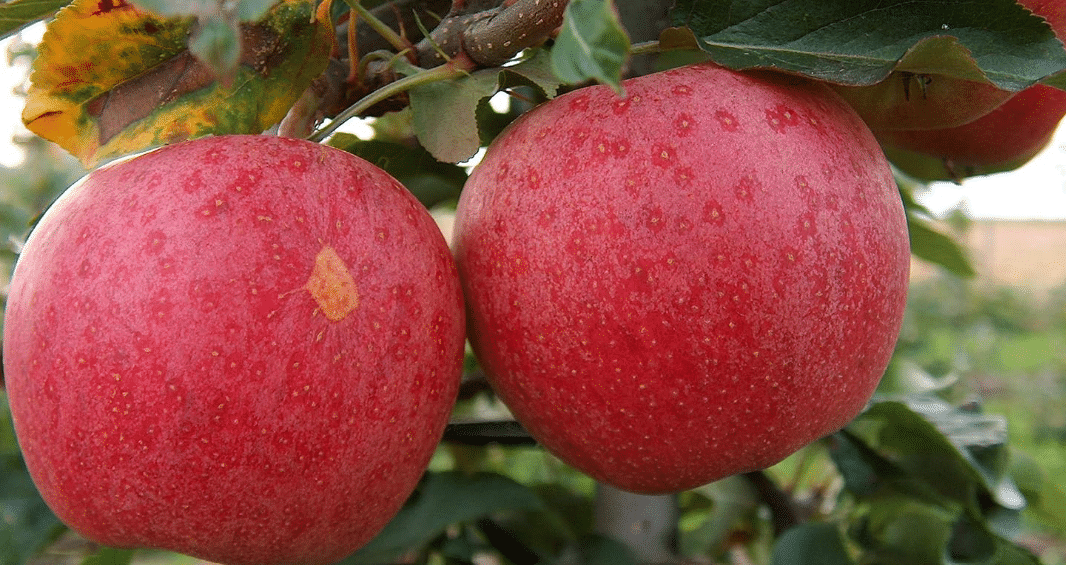
9. Gala Apple Tree
The Heat-Tolerant Pollinator The Gala Apple is a powerhouse of productivity and an essential addition if you plan on growing a multi-tree orchard. It is widely considered one of the best pollinators for other apple varieties (like the Arkansas Black and Honeycrisp). Beyond its utility, the Gala thrives in New Mexico’s intense summer heat without suffering from sunscald, producing buckets of sweet, crisp, thin-skinned apples that kids absolutely love.
-
Estimated Price: $47.00
-
Key Features & Benefits: Requires only 500 chill hours, partially self-fertile, ripens earlier in the fall than most apples.
-
Pros:
-
Fantastic heat tolerance for southern and central NM.
-
Serves as a universal pollinator for almost all other apple trees.
-
Fruit is sweet, crisp, and ready to eat straight off the branch.
-
-
Cons:
-
Does not store as long as winter apples; best eaten within a few weeks of harvest.
-
-
Amazon Customer Ratings: 4.5 out of 5 stars. Reviewers highlight how resilient the tree is during summer heatwaves and praise the sweet flavor of the fruit.
-
Why it’s a good choice for New Mexico: Its low chill-hour requirement and exceptional heat tolerance make it a highly adaptable tree for almost any micro-climate in the state.
-
Ideal Use Case: Families with children looking for a sweet snacking apple, and orchard growers who need a reliable pollinator tree.
10. 20th Century Asian Pear Tree
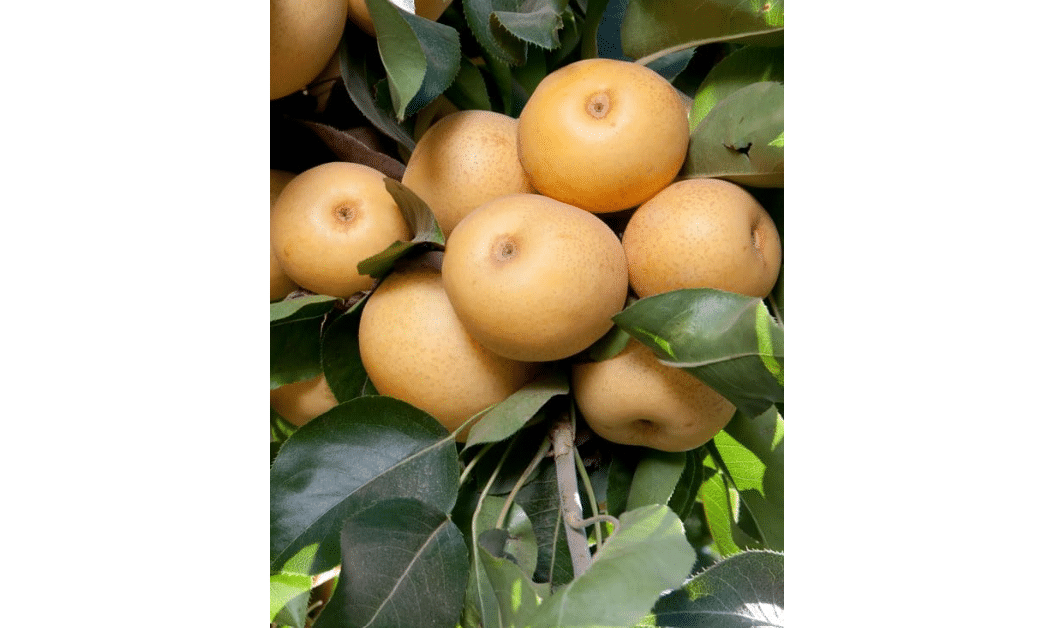
The Crisp, Drought-Resistant Wonder Imagine the juicy, refreshing snap of an apple combined with the sweet, floral flavor of a pear—that is the 20th Century Asian Pear. This tree is a hidden gem for high-desert gardeners. It requires very little winter chill, making it perfect for southern New Mexico, and its thick, leathery leaves make it incredibly resistant to the state’s dry, blowing summer winds.
-
Estimated Price:
-
Key Features & Benefits: Requires only 300–400 chill hours, partially self-fertile, highly drought-resistant once established.
-
Pros:
-
Perfect for the hot, dry climates of southern NM.
-
Fruit is incredibly crisp and refreshing.
-
Very low maintenance and disease-resistant.
-
-
Cons:
-
Overproduces easily; you must thin the young fruit in the spring, or the branches may snap under the weight of the harvest.
-
-
Amazon Customer Ratings: 4.8 out of 5 stars. This is often the highest-rated fruit tree on Amazon, with users obsessed with the unique crunch and flavor of the fruit.
-
Why it’s a good choice for New Mexico: It combines low chill hour requirements with outstanding drought and heat tolerance, thriving where traditional pears might struggle.
-
Ideal Use Case: Growers in Las Cruces, Roswell, and Carlsbad, or anyone who wants a unique, premium fruit that you rarely find fresh in local grocery stores.
The Ultimate New Mexico Fruit Tree Buying Guide
Choosing to plant the best 10 fruit trees for new mexico is only the first step. To ensure your Amazon saplings survive their first crucial year in the ground, you need to understand the unique environmental factors of the Southwest.
Navigating Chill Hours
Fruit trees need a specific amount of time in temperatures between 32°F and 45°F to reset their biological clocks and produce fruit.
-
Northern NM (Santa Fe, Taos): You get 800+ chill hours. Plant high-chill varieties like the Redhaven Peach or Honeycrisp Apple.
-
Southern NM (Las Cruces, Carlsbad): You get fewer than 500 chill hours. Stick to low-chill varieties like the Gala Apple, Elberta Peach, or Asian Pear.
Dealing with Late Frosts
New Mexico is infamous for 75-degree days in March followed by a hard freeze in late April. If a tree blossoms too early, the frost will kill the flowers, resulting in zero fruit for the year. Prioritize late-blooming trees like the Montmorency Sour Cherry and Arkansas Black Apple to evade these late freezes naturally.
Soil Amendments for Alkaline Dirt
New Mexico soil is incredibly alkaline (high pH) and often compacted with caliche (a natural cement-like layer of calcium carbonate). When planting your bare-root or potted Amazon tree, dig a hole twice as wide as the root ball. Mix the native soil with organic compost, peat moss (to lower the pH), and a heavy layer of mulch on top to retain moisture and slowly break down the clay.
Pollination Requirements
Always check if a tree is self-fertile or if it requires a pollinator. Self-fertile trees (like Peaches, Sour Cherries, and Plums) can produce fruit all by themselves. Trees that require a pollinator (like most Apples and Sweet Cherries) need a second, different variety of the same fruit planted within 50 feet so bees can cross-pollinate the blossoms.
Frequently Asked Questions (FAQs)
When is the best time to plant fruit trees in New Mexico? The best time to plant is early spring (right after the last hard freeze) or early fall. This allows the tree’s root system to establish itself in the warm soil before being subjected to the extreme heat of summer or the deep freezes of winter.
What is the easiest fruit tree to grow in a high-desert climate? The Li Jujube (Chinese Date) and the Montmorency Sour Cherry are arguably the easiest. The Jujube thrives on neglect, intense heat, and poor soil, while the Sour Cherry naturally evades the state’s biggest threat: late spring frosts.
How often should I water a newly planted tree in the desert? Newly planted trees need deep, consistent watering. For the first year, water deeply 2 to 3 times a week using a drip line or a slow trickle from a hose. You want the water to penetrate deep into the soil to encourage downward root growth, which protects the tree during future droughts.
Conclusion & Final Verdict
Growing an orchard in the Southwest doesn’t have to be a frustrating experience. By bypassing the finicky, high-maintenance varieties and focusing strictly on the best 10 fruit trees for new mexico, you can cultivate a beautiful, high-yielding landscape that survives the caliche soil, summer droughts, and erratic spring frosts.
If you are a beginner looking for the most foolproof options, we highly recommend starting with the Li Jujube for its sheer indestructibility, the Montmorency Sour Cherry to bypass frost damage, or the Elberta Peach for a classic, heavy-yielding desert harvest.
Ready to get planting? Click the links in our review section to check current availability and pricing on Amazon, and secure your live saplings before the seasonal planting window closes!