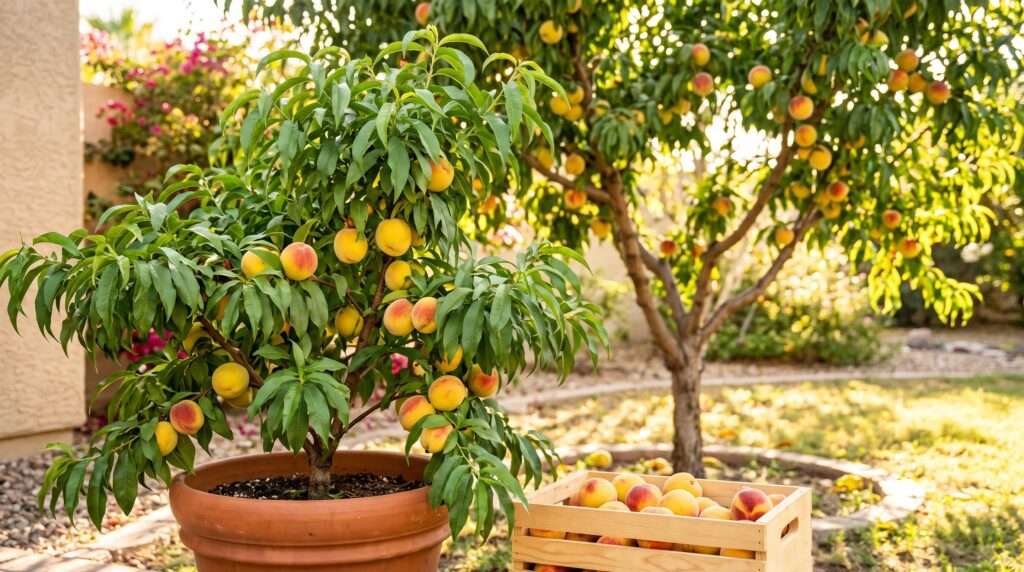
Nothing beats the taste of a sun-ripened peach picked straight from your own backyard—juice running down your wrist, skin still warm from the morning sun. Yet thousands of warm-climate gardeners plant a peach tree every spring only to end up with a leafy shade tree that never produces a single fruit. The culprit is almost always the same: picking up a standard, high-chill variety from a local big-box store. To save you years of wasted time and money, we researched and vetted the best 10 peach tree for zone 9 so you can plant with confidence and harvest baskets of sweet, homegrown peaches.
The biggest obstacle to growing peaches in USDA Zone 9 is the “chill hour” trap. Peach trees require a specific number of winter hours between 32°F and 45°F to break dormancy and trigger healthy spring blooms. While classic northern favorites like Elberta or Redhaven demand 700 to 950+ chill hours, most Zone 9 backyards only accumulate 150 to 400 chill hours all winter. Plant a high-chill tree in a warm-winter climate, and you will see delayed leafing, sparse or erratic blossoms, and virtually zero fruit. Whether you are gardening in the humid heat of Florida and the Gulf Coast or the dry, sun-drenched valleys of California and Arizona, selecting a proven low-chill cultivar is the single most important decision you will make.
If you are ready to start planting right away, here are our top three picks from the best 10 peach tree for zone 9:
-
Best Overall: Florida Prince Peach Tree – Bred by the University of Florida, this self-fertile powerhouse needs just ~150 chill hours and delivers heavy, reliable harvests as early as May, even in mild Zone 9b winters.
-
Best Overall Flavor: Eva’s Pride Peach Tree – Proves you don’t have to sacrifice gourmet taste for a low-chill requirement (100–200 hours), producing large, richly flavored freestone peaches that rival classic northern varieties.
-
Best for Containers: Bonanza Dwarf Peach Tree – A true genetic dwarf that tops out at just 5 to 6 feet tall, making it ideal for patios, balconies, and tight yards while still yielding full-sized yellow peaches.
Quick Comparison: Best 10 Peach Trees for Zone 9
(Price Guide: $ = Under $45 | $$= $45–$100 \vert{}$$$ = $100+, depending on bare-root vs. potted gallon size)
How We Evaluated & Selected These Zone 9 Peach Trees
Choosing the right fruit tree online requires looking far beyond glossy nursery photos. To build this authoritative guide to the best 10 peach tree for zone 9, we evaluated dozens of commercially available cultivars against four strict horticultural criteria:
-
Strict Chill-Hour Compatibility: Every tree on this list requires between 100 and 300 chill hours, ensuring reliable dormancy break and heavy fruit set across both Zone 9a (20°F to 25°F winter lows) and Zone 9b (25°F to 30°F winter lows).
-
Regional Climate Resilience: Zone 9 isn’t a monolith. Humid Zone 9 (Central Florida, Houston, New Orleans) battles fungal pressure and bacterial spot, while arid/coastal Zone 9 (Phoenix, Southern California) battles intense UV heat or cool marine layers. We included top performers for every Zone 9 microclimate.
-
Self-Fertility & Productivity: Most backyard gardeners only have room for one or two trees. Every single variety below is self-fertile, meaning you do not need a second pollinator tree to get a full harvest.
-
Verified Buyer & Extension Data: We cross-referenced University of Florida IFAS and UC Agriculture extension trials with verified Amazon and online nursery customer reviews—specifically tracking live-arrival packaging, rootstock vigor, and first-year survival rates.
In-Depth Reviews: The Best 10 Peach Trees for Zone 9
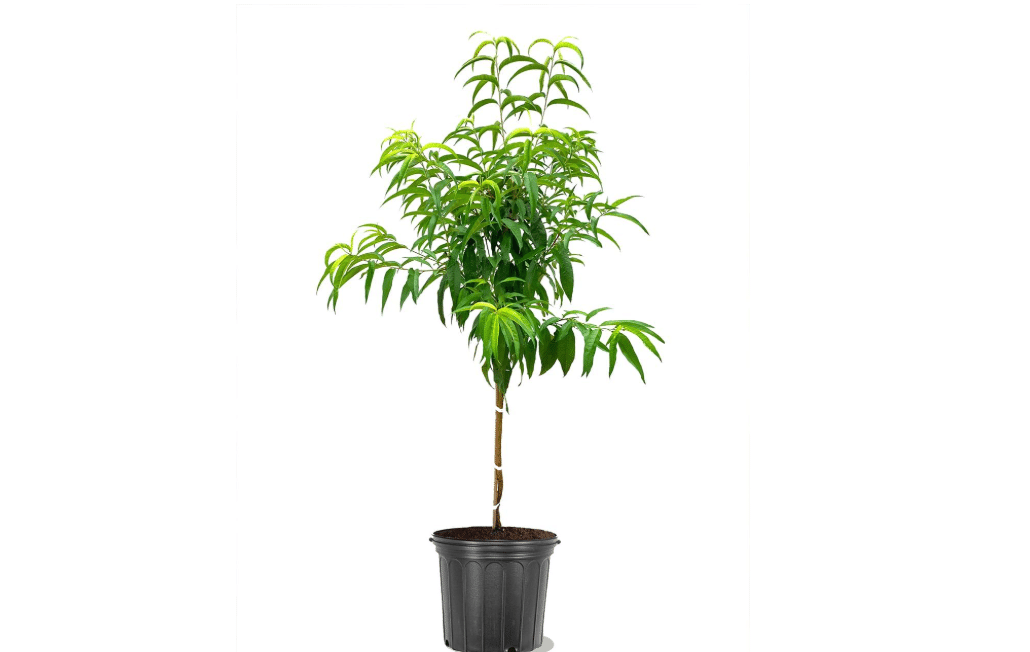
1. Florida Prince Peach Tree – Best Overall for Zone 9
Product Description
Developed by the University of Florida’s renowned stone-fruit breeding program, the Florida Prince (often listed as Flordaprince) is the undisputed workhorse of warm-winter peach growing. It produces medium-to-large, vibrantly blushed red-over-yellow peaches with juicy, melting yellow flesh. Because it ripens remarkably early—often by early May—you get to enjoy fresh peaches weeks before summer pests and peak heatwaves arrive.
Price
$89.99
Key Features & Benefits
-
Ultra-Low Chill Requirement: Needs only ~150 chill hours to break dormancy and set a heavy crop.
-
Self-Fertile: Produces abundant fruit on its own without requiring a cross-pollinator.
-
Early-Season Harvest: Ripens in late April to early May, beating peak summer humidity and fruit-fly pressure.
-
Compact Mature Size: Reaches 12–18 feet tall and 12–15 feet wide, easily kept under 10 feet with annual pruning.
Pros & Cons
Pros:
-
One of the most reliable producers in mild Zone 9b winters.
-
Vigorous, fast-growing tree that often sets its first small crop within 2 years.
-
Excellent sweet-tart balance with a rich aroma.
Cons:
-
Semi-cling pit means the flesh clings slightly to the stone when sliced.
-
Early blooming makes flowers vulnerable if your area gets an unexpected late-February freeze.
Amazon Customer Ratings & Reviews
-
Average Rating: 4.5 / 5 stars across major online nurseries and Amazon garden sellers.
-
What Buyers Say: Zone 9 gardeners in Florida and South Texas consistently praise how quickly Florida Prince establishes after planting. Many reviewers note that their trees arrived with healthy green foliage and produced 20+ peaches by their second spring.
Why It’s a Good Choice for Zone 9
Florida Prince was literally engineered for Zone 9’s mild winters. While other peach trees struggle to wake up after a warm January, Florida Prince blooms uniformly and sets a dependable, heavy crop year after year.
Ideal Use Case / Who Should Buy It
First-time Zone 9 fruit growers—especially in Florida, the Gulf Coast, and South Texas—who want a foolproof, low-maintenance peach tree that delivers guaranteed early-season harvests.
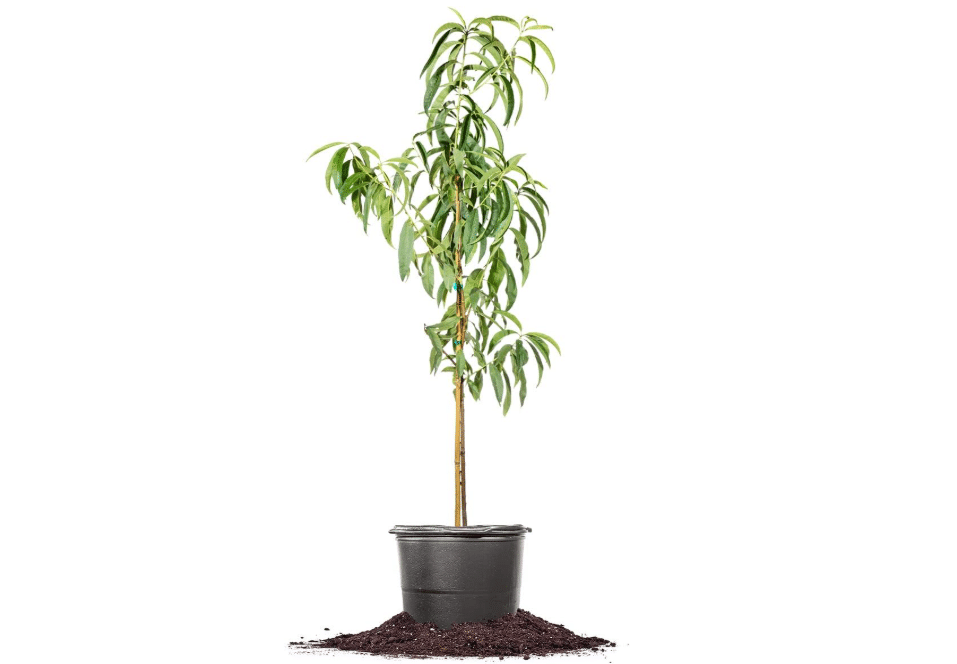
2. Tropic Snow Peach Tree – Best White-Fleshed Peach
Product Description
If you love the delicate, honey-sweet flavor of white peaches, Tropic Snow is the gold standard for warm climates. Also bred in Florida for low-chill adaptability, this cultivar produces eye-catching fruit with creamy white skin splashed with crimson blush. Inside, the snow-white flesh is ultra-juicy, aromatic, and noticeably lower in acidity than traditional yellow peaches.
Price
$114.99
Key Features & Benefits
-
Low Chill Requirement: Needs just 150–200 chill hours.
-
Freestone Convenience: Once fully ripe, the white flesh pulls cleanly away from the pit.
-
Early-to-Mid Harvest: Ripens in mid-to-late May in most Zone 9 regions.
-
Self-Pollinating: Sets heavy fruit loads as a standalone backyard tree.
Pros & Cons
Pros:
-
Exceptional, low-acid sweetness that tastes like pure summer candy.
-
Freestone pit makes it effortless to slice for salads, desserts, and fresh snacking.
-
Thrives in both humid Southeastern and warm Southwestern Zone 9 gardens.
Cons:
-
Soft skin bruises easily, making it better for backyard eating than long-term storage.
-
High sugar content attracts birds and squirrels—netting is recommended as fruit ripens.
Amazon Customer Ratings & Reviews
-
Average Rating: 4.6 / 5 stars.
-
What Buyers Say: Customers rave about the flavor, frequently calling it “the sweetest peach I’ve ever tasted.” Several buyers mention that even young 2-to-3-foot potted trees put on rapid growth in their first summer.
Why It’s a Good Choice for Zone 9
Most white peaches require 600+ chill hours, locking Zone 9 gardeners out of the category. Tropic Snow brings genuine, gourmet white-peach flavor to warm winters without compromising on yield.
Ideal Use Case / Who Should Buy It
Gardeners who prefer sweet, low-acid white peaches for fresh eating straight off the tree and want a freestone variety that ripens early.
3. Eva’s Pride Peach Tree – Best Overall Flavor
Product Description
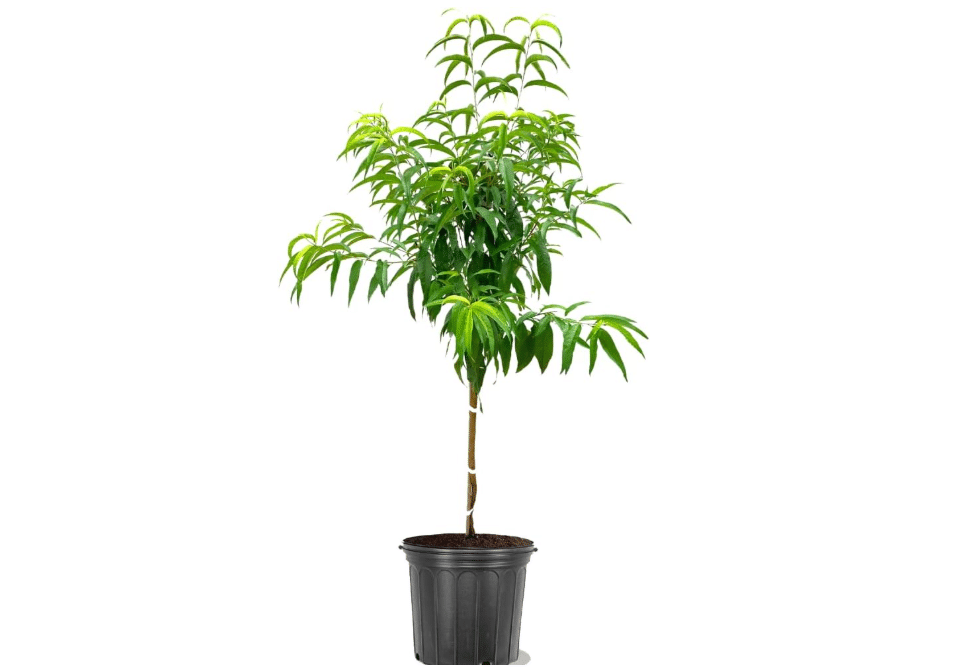
For decades, low-chill peaches had a reputation for tasting slightly blander than high-chill northern peaches. Eva’s Pride—bred by the legendary Zaiger Genetics—shattered that myth. It produces large, gorgeous yellow-fleshed freestone peaches with a deep red blush and a complex, intensely sweet-and-tangy flavor profile that routinely wins blind backyard taste tests.
Price
$101.78).
Key Features & Benefits
-
Ultra-Low Chill: Thrives on just 100–200 chill hours, making it versatile for Zone 9a, 9b, and even Zone 10.
-
True Freestone: Large fruit splits cleanly off the pit for effortless slicing and baking.
-
Early-Mid Ripening: Harvests from late May through early June.
-
Self-Fertile: Reliable annual producer with no pollinator required.
Pros & Cons
Pros:
-
Widely considered the best-tasting low-chill yellow peach on the market.
-
Large fruit size (often 3 inches or more when properly thinned).
-
Performs exceptionally well in both California/Arizona and the Gulf Coast.
Cons:
-
Sets fruit so heavily that you must thin young peaches to prevent broken branches.
-
High demand means it sells out quickly during late-winter bare-root season.
Amazon Customer Ratings & Reviews
-
Average Rating: 4.7 / 5 stars.
-
What Buyers Say: Orchard enthusiasts and home gardeners consistently highlight Eva’s Pride for its rich, old-fashioned peach flavor. Reviewers also note strong vigor and quick recovery after transplanting.
Why It’s a Good Choice for Zone 9
Its 100–200 chill-hour window gives you a massive safety buffer during unusually warm Zone 9 winters, while delivering fruit quality that rivals commercial Georgia peaches.
Ideal Use Case / Who Should Buy It
Foodies, home bakers, and serious fruit lovers who prioritize maximum, complex peach flavor above everything else.
4. Bonanza Dwarf Peach Tree – Best for Containers & Small Patios
Product Description
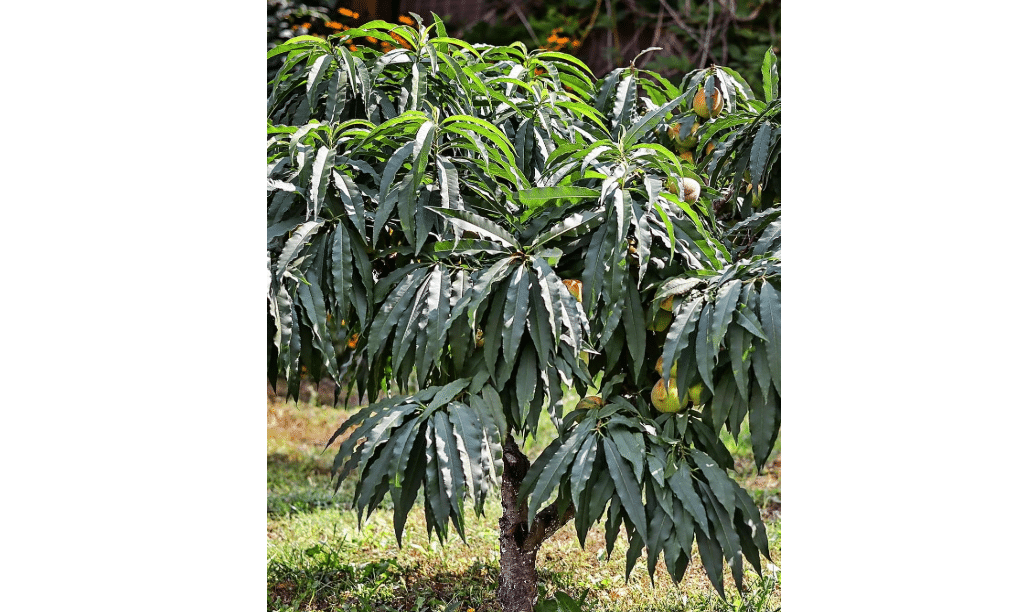
You don’t need a sprawling backyard to grow your own peaches. The Bonanza Dwarf Peach Tree is a true genetic dwarf—not just a standard tree on dwarfing rootstock—meaning it naturally stays a compact 5 to 6 feet tall and wide. Despite its miniature stature, it explodes with vibrant pink blossoms in spring and produces full-sized, 3-inch yellow freestone peaches by early summer.
Price
Key Features & Benefits
-
Container-Ready Size: Thrives permanently in a 15-to-20-gallon patio pot or raised bed.
-
Low Chill Requirement: Needs 200–300 chill hours.
-
Full-Sized Freestone Fruit: Sweet, juicy yellow flesh with a classic peach aroma.
-
Self-Fertile & Low Maintenance: Requires minimal pruning compared to full-sized trees.
Pros & Cons
Pros:
-
Fits effortlessly on balconies, patios, courtyards, and HOA-restricted yards.
-
Easy to cover with frost cloth during surprise cold snaps or bird netting before harvest.
-
Gorgeous ornamental value with lush, dense dark-green foliage and pink blooms.
Cons:
-
Smaller canopy means lower total poundage of fruit than a 15-foot tree.
-
Container-grown trees in Zone 9 require daily watering during peak summer heatwaves.
Amazon Customer Ratings & Reviews
-
Average Rating: 4.4 / 5 stars.
-
What Buyers Say: Patio and urban gardeners love how manageable this tree is. Many reviewers report harvesting 15 to 30 full-sized peaches from a single potted tree on their back deck.
Why It’s a Good Choice for Zone 9
In intense Zone 9 summer heat, having your peach tree in a movable pot lets you shift it into light afternoon shade if temperatures spike past 105°F, preventing sunscald while still enjoying reliable Zone 9 fruiting.
Ideal Use Case / Who Should Buy It
Apartment dwellers, renters, patio gardeners, and homeowners with tiny yards who want real homegrown peaches without taking up lawn space.
5. Red Baron Peach Tree – Best Ornamental & Dual-Purpose
Product Description
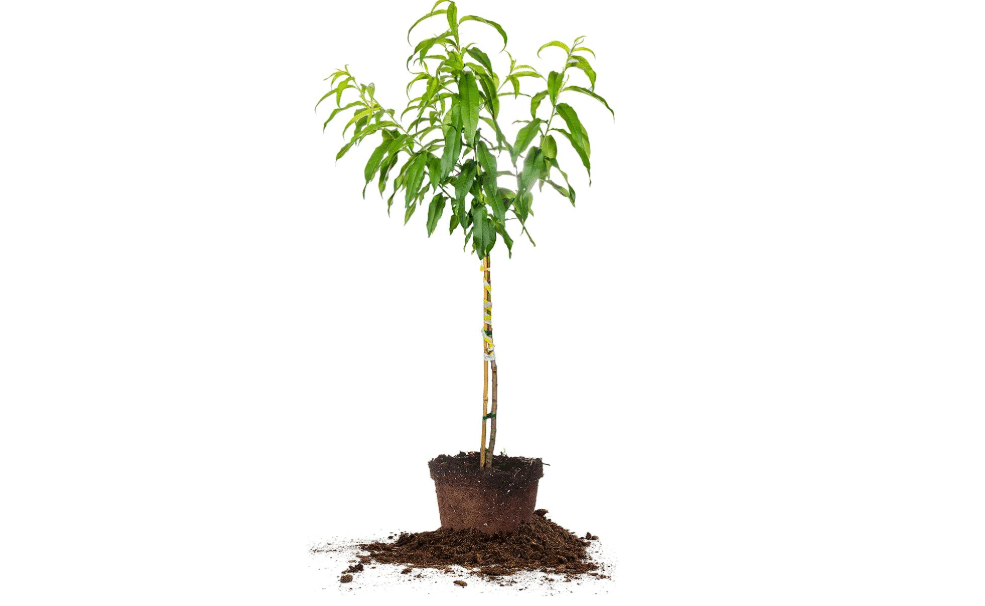
If your HOA or front-yard landscaping demands curb appeal, Red Baron is a showstopper. In early spring, this tree erupts in breathtaking, double-petaled crimson-red blossoms that look like miniature roses. Once the blooms fade, it transitions into a heavy-bearing fruit tree, producing large, firm, juicy yellow freestone peaches in June and July.
Price
Key Features & Benefits
-
Dual-Purpose Beauty: Combines ornamental flowering-tree aesthetics with high-quality edible fruit.
-
Low Chill Requirement: 250–300 chill hours.
-
Firm Freestone Flesh: 3-inch yellow peaches hold their shape well for slicing, grilling, and cobblers.
-
Self-Fertile: Produces abundant crops without a second tree.
Pros & Cons
Pros:
-
Unbeatable spring curb appeal—looks stunning as a front-yard focal point.
-
Very affordable bare-root pricing compared to specialty potted cultivars.
-
Rich, sweet flavor with firm texture that resists bruising.
Cons:
-
At 250–300 chill hours, it performs best in Zone 9a and cooler Zone 9b pockets (may struggle in the warmest parts of South Florida).
-
Needs standard annual open-center pruning to keep the canopy airy.
Amazon Customer Ratings & Reviews
-
Average Rating: 4.6 / 5 stars.
-
What Buyers Say: Buyers frequently mention that neighbors stop to ask about the stunning red flowers in spring—and are shocked to learn it produces delicious, full-sized peaches a few months later.
Why It’s a Good Choice for Zone 9
Many ornamental flowering peach trees produce inedible, bitter fruit. Red Baron gives Zone 9 homeowners the best of both worlds: a jaw-dropping landscape specimen and a legitimate backyard peach harvest.
Ideal Use Case / Who Should Buy It
Homeowners in Zone 9a (or cooler 9b) who want an edible landscaping centerpiece for their front yard or garden border.
6. Tropic Beauty Peach Tree – Best for Humid Zone 9 Climates
Product Description
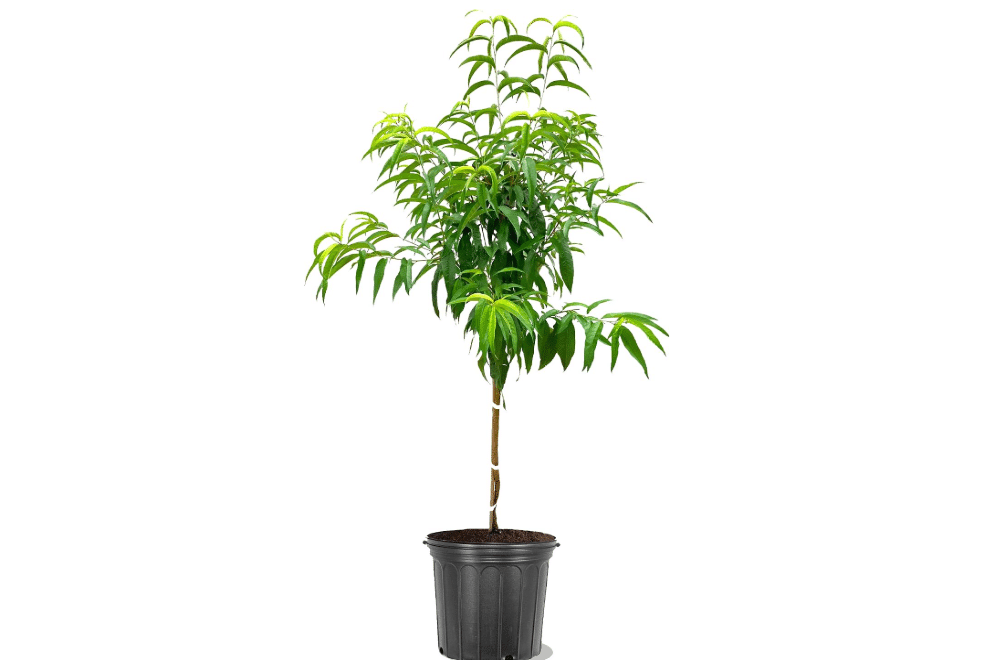
High humidity, warm nights, and wet spring mornings are a recipe for fungal and bacterial disasters on standard peach trees. Tropic Beauty, another standout release from the University of Florida, was bred specifically to laugh off muggy Southeastern weather. It produces medium-to-large, round yellow peaches covered in an 80% crimson blush, offering firm, melting flesh with a classic sweet-tangy snap.
Price
$89.99
Key Features & Benefits
-
Ultra-Low Chill Requirement: Needs only ~150 chill hours, making it rock-solid in Zone 9b.
-
Superior Disease Resistance: Naturally resilient against bacterial leaf spot and fungal pressure common in the humid South.
-
Firm Semi-Freestone Flesh: Holds up better on the counter and during slicing than softer early varieties.
-
May–June Harvest: Ripens right after Florida Prince, making them an ideal back-to-back pairing.
Pros & Cons
Pros:
-
Built for Florida, Louisiana, and coastal Texas humidity.
-
Produces uniform, market-quality fruit with bright red skin.
-
Vigorous, self-fertile tree that bounces back quickly from pruning.
Cons:
-
Vigorous growth habit means you must stay on top of summer and winter pruning to maintain airflow.
-
Flavor is slightly more balanced/tangy than ultra-sweet white varieties like Tropic Snow.
Amazon Customer Ratings & Reviews
-
Average Rating: 4.5 / 5 stars.
-
What Buyers Say: Gulf Coast and Central Florida buyers consistently report that Tropic Beauty outperforms other peaches in wet springs, with noticeably cleaner foliage and heavier fruit set.
Why It’s a Good Choice for Zone 9
Humidity is the #1 killer of Zone 9 peaches east of Texas. Tropic Beauty directly solves that problem with built-in disease tolerance and a low 150-hour chill threshold.
Ideal Use Case / Who Should Buy It
Gardeners in humid Zone 9 regions (Florida, coastal Georgia, Louisiana, and East/South Texas) who want a tough, disease-resistant tree that produces firm, classic yellow peaches.
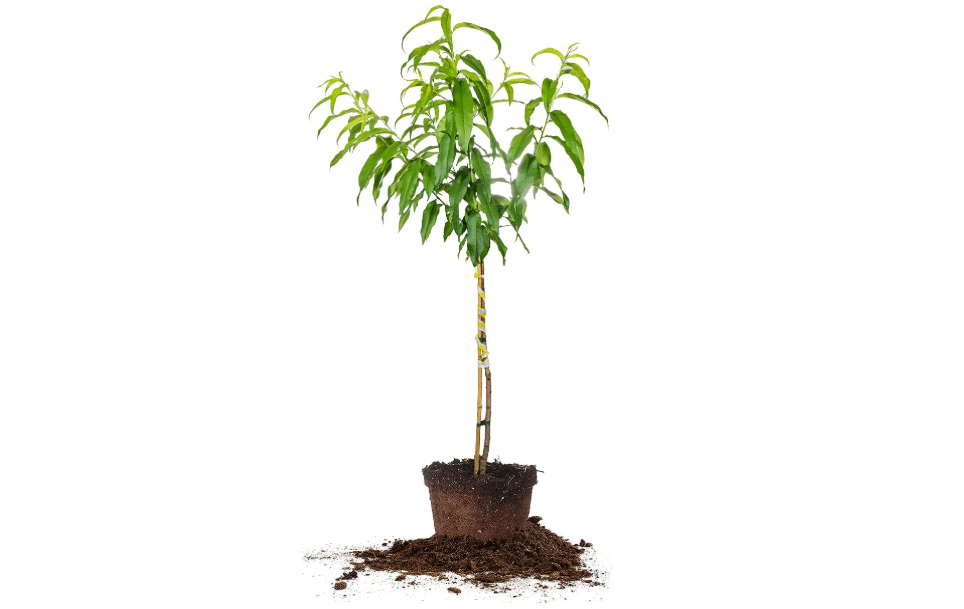
7. Desert Gold Peach Tree – Best Early-Season & Arid Zone 9 Variety
Product Description
In the scorching desert heat of Phoenix, Tucson, and inland Southern California, waiting until July for peaches can mean battling 115°F sunscald and stressed trees. Desert Gold solves this by being one of the earliest-ripening peaches you can plant. Bred specifically for arid, high-sunlight Zone 9 climates, it delivers bright yellow, red-blushed fruit as early as late April or early May.
Price
Key Features & Benefits
-
Low Chill Requirement: ~200 chill hours.
-
Ultra-Early Harvest: Ripens before peak desert heatwaves and summer pest cycles hit.
-
Heat & Sun Tolerance: Thrives in intense UV exposure and low-humidity desert air.
-
Self-Fertile Heavy Producer: Reliably sets dense clusters of sweet, aromatic yellow peaches.
Pros & Cons
Pros:
-
Beats the brutal summer heat in Arizona and inland California.
-
Classic, tangy-sweet yellow peach flavor that tastes amazing fresh or grilled.
-
Fast-growing and very productive once established.
Cons:
-
Semi-clingstone pit—flesh clings slightly to the stone if picked slightly firm.
-
Early blooms can be nipped if a rare late-winter desert frost hits.
Amazon Customer Ratings & Reviews
-
Average Rating: 4.6 / 5 stars.
-
What Buyers Say: Arizona and Southern California reviewers praise Desert Gold for thriving where other fruit trees scorch, noting abundant harvests in May when grocery store peaches are still flavorless.
Why It’s a Good Choice for Zone 9
Its early ripening window aligns perfectly with arid Zone 9 spring weather, letting the tree mature its crop in pleasant 80°F–90°F temperatures rather than blistering triple-digit heat.
Ideal Use Case / Who Should Buy It
Backyard growers in Arizona, Southern Nevada, inland Southern California, and arid West Texas who want an early, heat-proof peach harvest.
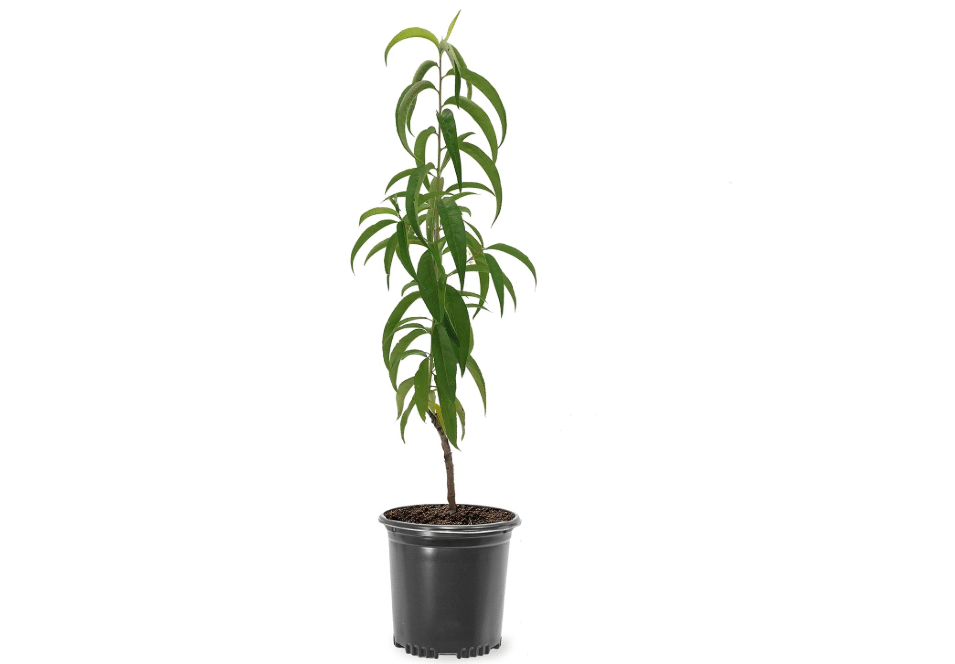
8. Saturn (Donut) Peach Tree – Best Unique & Kid-Friendly Variety
Product Description
Also known as the “Donut” or “Saucer” peach, Saturn is a showstopping novelty that backs up its quirky shape with unforgettable flavor. Its flat, dimpled fruits feature velvety, cream-and-red skin and snowy white flesh with a sweet, almond-like finish and virtually zero tartness. Because the tiny pit sits right in the center, kids and adults can pop it out and eat the entire peach like a donut.
Price
Key Features & Benefits
-
Low-to-Moderate Chill: 200–300 chill hours.
-
True Freestone: Small center pit pops out effortlessly.
-
Unique Low-Acid Sweetness: Rich, honeyed flavor with subtle almond notes.
-
Mid-Summer Harvest: Ripens in late June to July, extending your backyard peach season.
Pros & Cons
Pros:
-
Unmatched conversation-starter fruit that kids absolutely love.
-
Heavy producer with showy pink spring blossoms.
-
Self-fertile and adapts well to both in-ground planting and large half-barrel containers.
Cons:
-
Thin skin can split if the tree experiences erratic watering (drought followed by heavy rain).
-
At 200–300 chill hours, it is best suited for Zone 9a and cooler Zone 9b areas rather than tropical South Florida.
Amazon Customer Ratings & Reviews
-
Average Rating: 4.5 / 5 stars.
-
What Buyers Say: Families rave about the taste and novelty, with many buyers saying their children eat Saturn peaches straight off the branches before they even make it into the kitchen.
Why It’s a Good Choice for Zone 9
Unlike many specialty heirloom peaches that demand 700+ chill hours, Saturn brings gourmet specialty-market fruit right into Zone 9 backyards.
Ideal Use Case / Who Should Buy It
Families with kids, adventurous fruit collectors, and gardeners who want a sweet, white-fleshed mid-summer peach that stands out from standard grocery varieties.
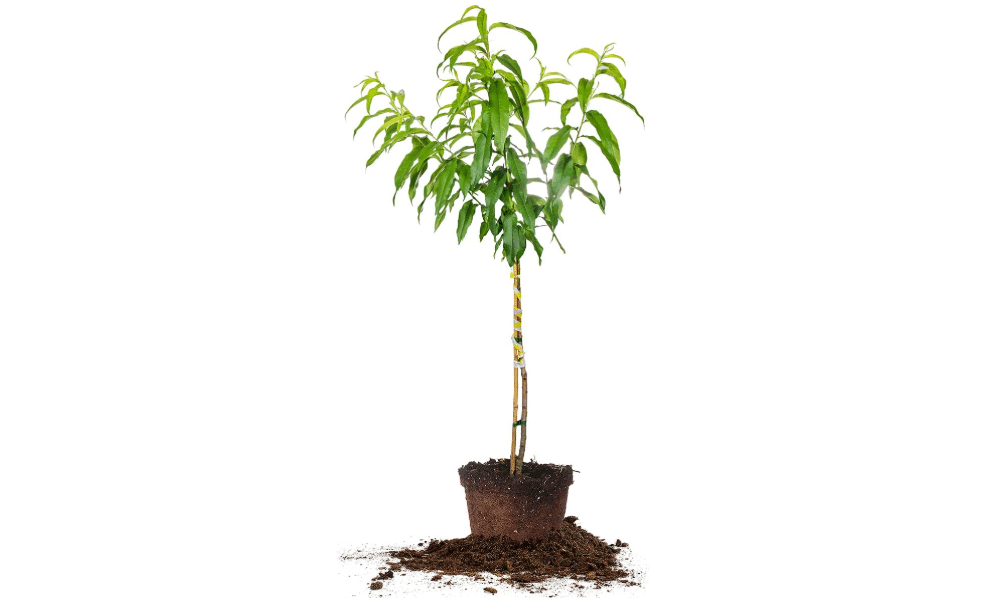
9. Mid-Pride Peach Tree – Best Mid-Season Yellow Freestone
Product Description
Most low-chill peaches ripen in May, leaving Zone 9 gardeners peachless by mid-summer. Mid-Pride—another masterpiece from Zaiger Genetics—fills that exact gap. Ripening in July and August, it produces large, golden-yellow freestone peaches blushed with red that deliver the rich, classic, syrupy flavor home canners and pie bakers dream about.
Price
$95.86
Key Features & Benefits
-
Low Chill Requirement: ~250 chill hours.
-
True Freestone: Splits cleanly in half for effortless canning, freezing, and baking.
-
Extended Harvest Window: Ripens in July–August, long after early varieties finish.
-
Self-Fertile & High-Yielding: Consistently produces large, heavy crops in warm climates.
Pros & Cons
Pros:
-
Widely regarded as the best mid-season yellow freestone peach for warm-winter regions.
-
Ideal texture and sugar-acid balance for cobblers, jams, and fresh eating.
-
Extends your home orchard harvest by an extra 4 to 6 weeks.
Cons:
-
Requires ~250 chill hours, so verify your local chill average if you live in the warmest parts of Zone 9b.
-
Mid-summer ripening means you must stay vigilant with deep watering during July heatwaves.
Amazon Customer Ratings & Reviews
-
Average Rating: 4.6 / 5 stars.
-
What Buyers Say: California and Texas growers frequently pair Mid-Pride with Eva’s Pride or Florida Prince, praising its massive fruit size and rich, old-fashioned peach flavor.
Why It’s a Good Choice for Zone 9
It gives Zone 9 gardeners access to a true, baking-grade mid-summer freestone peach without needing freezing northern winters.
Ideal Use Case / Who Should Buy It
Home bakers, canners, and backyard orchardists who want to pair an early May peach with a July–August producer for months of continuous fruit.
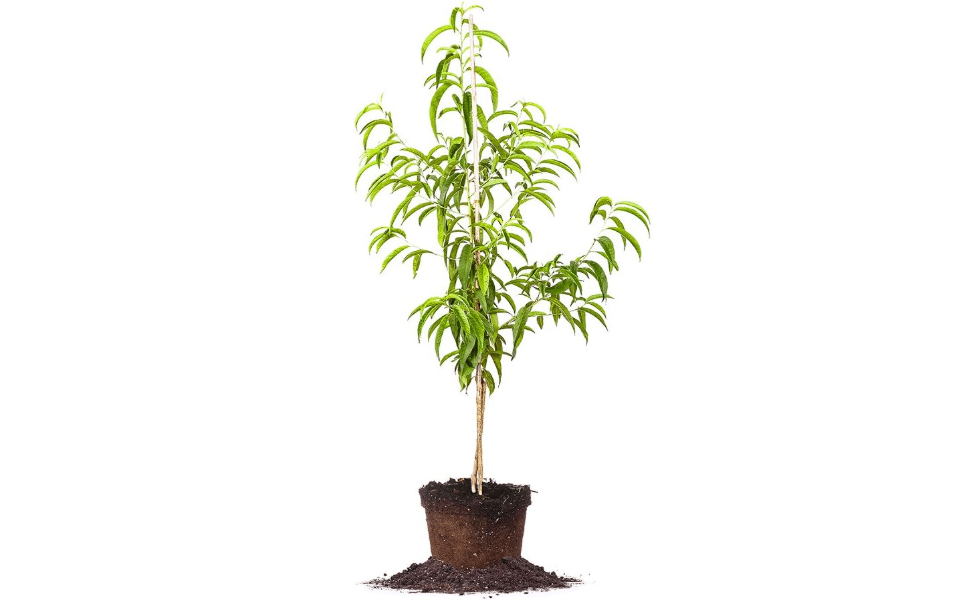
10. Santa Barbara Peach Tree – Best for Coastal Zone 9b
Product Description
Coastal Zone 9b gardeners face a unique paradox: winters are mild and frost-free, yet summers are often cooled by ocean breezes and marine layers—which can leave inland peach varieties under-ripened or bland. The Santa Barbara Peach Tree was bred specifically to thrive in these mild coastal microclimates, producing sweet, juicy, medium-to-large yellow freestone peaches even without scorching summer heat.
Price
Key Features & Benefits
-
Low Chill Requirement: 200–300 chill hours.
-
Coastal Climate Adaptability: Develops high sugar content even in cooler, marine-influenced summers.
-
True Freestone: Sweet yellow flesh separates cleanly from the pit.
-
Self-Fertile: Reliable annual fruiting with no second tree needed.
Pros & Cons
Pros:
-
Solves the “cool summer / warm winter” challenge of coastal Zone 9b.
-
Produces rich, sweet flavor and vibrant red-over-yellow skin.
-
Compact, manageable growth habit that responds well to backyard pruning.
Cons:
-
Specialty coastal availability means it can sell out early in the spring planting season.
-
Needs good airflow and preventative dormant spray if your coastal area gets heavy spring fog (to prevent peach leaf curl).
Amazon Customer Ratings & Reviews
-
Average Rating: 4.5 / 5 stars.
-
What Buyers Say: Coastal California and mild Zone 9b homeowners love how reliably Santa Barbara fruits when other varieties drop blossoms or produce watery fruit.
Why It’s a Good Choice for Zone 9
It is purpose-built for mild, maritime Zone 9b climates where temperature swings are gentle and standard inland peaches struggle to sweeten up.
Ideal Use Case / Who Should Buy It
Coastal Zone 9b gardeners (such as coastal Southern/Central California or mild bay-area microclimates) who want dependable, sweet yellow freestone peaches every July.
Comprehensive Zone 9 Peach Tree Buying Guide
Before you click “Add to Cart,” keep these five Zone 9 buying factors in mind to guarantee your new tree thrives:
1. Know Your Exact Chill Hours (Zone 9a vs. Zone 9b)
Not all Zone 9 backyards are equal. Zone 9a (winter lows of 20°F–25°F) typically averages 250–400 chill hours, giving you the freedom to grow every tree on this list—including 250–300 hour varieties like Red Baron, Mid-Pride, and Saturn. Zone 9b (winter lows of 25°F–30°F) often averages only 100–250 chill hours, meaning you should stick to ultra-low-chill champions like Florida Prince, Eva’s Pride, Tropic Snow, or Tropic Beauty. Check your local county extension website for your zip code’s 10-year chill-hour average.
2. Match the Tree to Your Humidity Level
-
Humid Zone 9 (Florida, Gulf Coast, Southeast Texas): Prioritize disease resistance and early ripening to beat summer fungal pressure. Florida Prince, Tropic Beauty, and Tropic Snow are your safest bets.
-
Arid/Coastal Zone 9 (California, Arizona, Desert Southwest): Prioritize heat tolerance, flavor, or coastal adaptability. Eva’s Pride, Desert Gold, Mid-Pride, and Santa Barbara excel here.
3. Freestone vs. Semi-Cling vs. Clingstone
-
Freestone (Eva’s Pride, Tropic Snow, Bonanza, Mid-Pride, Saturn): The pit falls right out when you slice the peach in half. Best for slicing, baking, canning, and snacking.
-
Semi-Cling / Semi-Freestone (Florida Prince, Tropic Beauty, Desert Gold): The flesh clings slightly to the pit when firm, but loosens as the fruit reaches peak ripeness. Very common in ultra-early varieties and delicious for fresh eating.
4. Bare-Root vs. Potted Trees
-
Bare-Root Trees ship dormant in winter (January–March) with no soil around the roots. They are more affordable, offer a wider selection of varieties, and establish strong root systems quickly—just plant them immediately upon arrival.
-
Potted Trees can be planted almost any time from late winter through early fall. They cost slightly more due to shipping weight, but they give you a head start and often fruit a year sooner.
5. Stagger Your Harvest for 3+ Months of Peaches
If you have room for two or three trees, don’t buy three of the same variety—you’ll be buried in 200 peaches for two weeks and have none the rest of the summer. Instead, pair an early variety (Florida Prince or Desert Gold in May) with a mid-season variety (Eva’s Pride or Red Baron in June) and a late variety (Mid-Pride or Saturn in July–August).
Essential Planting & Care Tips for Zone 9 Success
-
Full Sun & Fast-Draining Soil: Peach trees hate “wet feet.” Choose a spot with 6 to 8+ hours of direct sunlight and well-draining, slightly acidic soil (pH 6.0–6.5). If you have heavy clay or high water tables (common in Florida and Houston), plant your tree on a raised mound 8–12 inches high.
-
Prune to an Open-Center (Vase) Shape: In late winter while dormant, prune out the central leader and leave 3 to 4 outward-facing scaffold branches. This open vase shape lets sunlight ripen the interior fruit and maximizes airflow to prevent fungal diseases.
-
Thin Your Fruit Ruthlessly: When young peaches reach the size of a marble, thin them so only one peach remains every 6 to 8 inches along the branch. It feels painful to pull off baby fruit, but skipping this step leads to tiny, bland peaches and snapped limbs.
-
Protect Against Late-Winter Frosts: Because low-chill Zone 9 peaches bloom early (sometimes in February), keep a lightweight frost cloth on hand. If a surprise freeze below 28°F is forecast while your tree is in bloom, drape the cloth over the canopy overnight and remove it the next morning.
Frequently Asked Questions (FAQs)
Do I need two peach trees for pollination in Zone 9?
No. All 10 peach trees in this guide are self-fertile, meaning a single tree will pollinate its own blossoms and produce a full crop. However, planting a second low-chill variety nearby can slightly boost overall yields and extend your harvest season.
How long does it take for a Zone 9 peach tree to produce fruit?
Most grafted nursery peach trees begin producing their first small harvest in 2 to 3 years after planting, reaching full production by years 4 to 5. Remove any fruit that sets during the tree’s very first year so it directs all its energy into building strong roots and branches.
Can I grow an Elberta or Redhaven peach tree in Zone 9?
Generally, no. Classic northern varieties like Elberta (850+ chill hours) and Redhaven (950+ chill hours) rarely receive enough winter cold in Zone 9 to break dormancy properly. Stick to proven low-chill cultivars under 300 chill hours for reliable harvests.
What is the best month to plant a peach tree in Zone 9?
The ideal planting window in Zone 9 is late winter (January through early March) while the tree is dormant. This gives the roots several months to establish in cool soil before intense summer heat arrives. Potted trees can also be planted in spring or fall with consistent watering.
Final Verdict & Top Recommendations
Growing juicy, sun-warmed peaches in a warm-winter climate isn’t about luck—it’s about choosing a variety engineered for your exact chill hours and humidity. By sticking to the best 10 peach tree for zone 9, you sidestep the chill-hour trap and set yourself up for years of abundant backyard harvests.
-
Best Overall: Go with the Florida Prince Peach Tree for unbeatable Zone 9a/9b reliability and early May harvests.
-
Best Flavor: Choose Eva’s Pride if you want large, gourmet yellow freestone peaches that rival classic northern orchards.
-
Best for Small Spaces: Pick the Bonanza Dwarf Peach Tree to enjoy full-sized peaches right from your patio or balcony.
Because top low-chill cultivars sell out quickly each spring, check current nursery stock and shipping windows for your zip code today so you can get your tree in the ground at the optimal time.