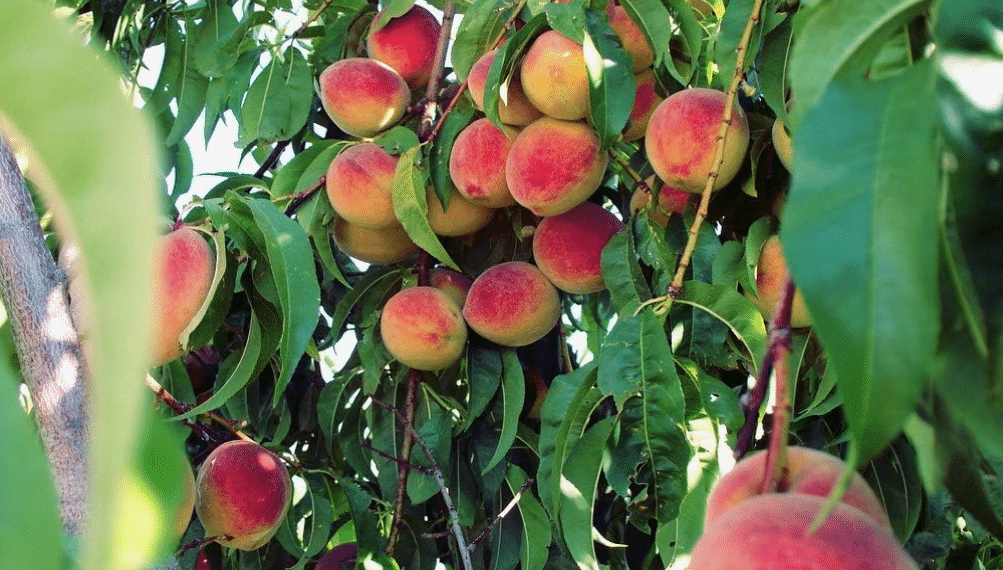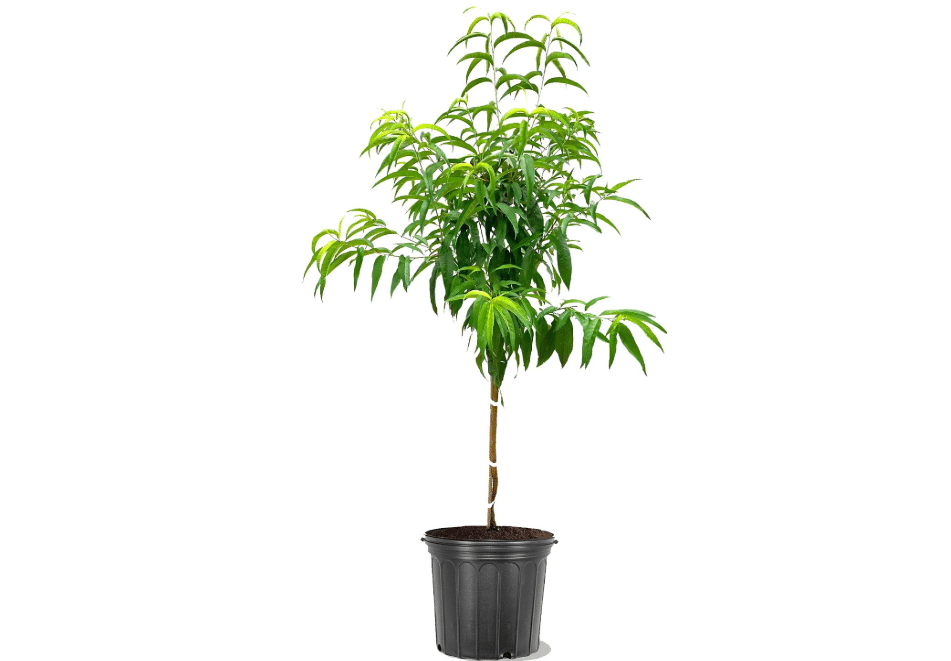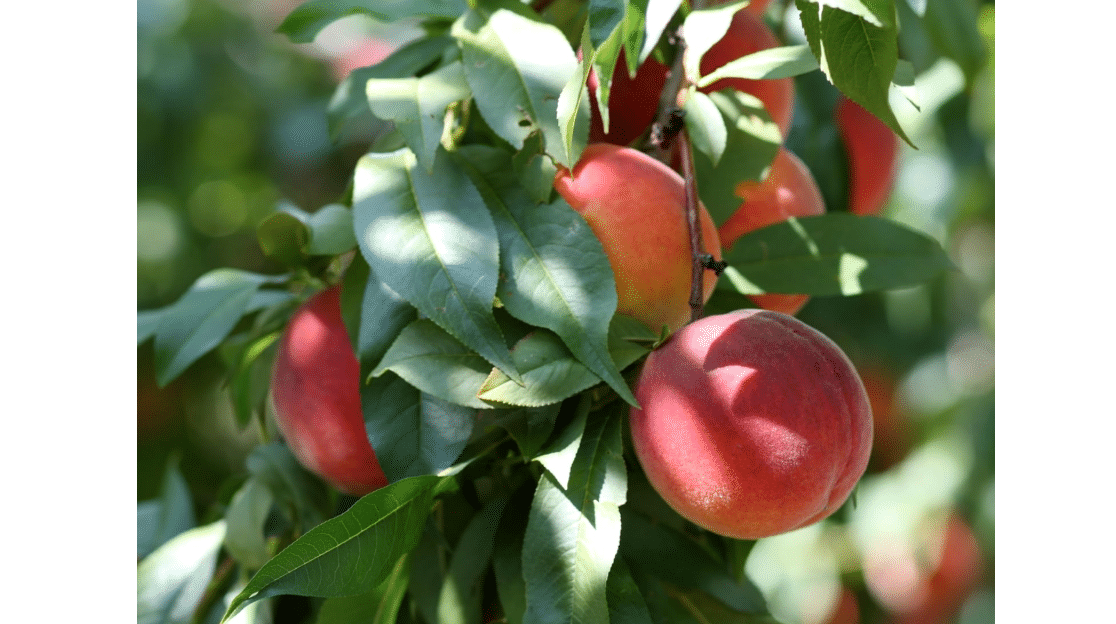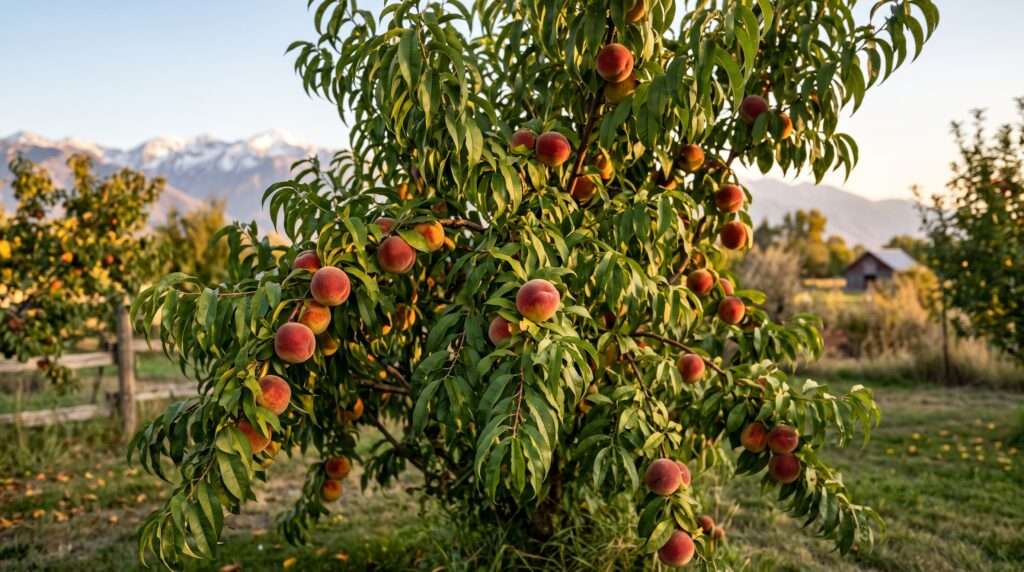
Imagine stepping into your backyard in late summer and biting into a sun-warmed, juice-dripping peach—even though your yard was buried under three feet of snow just a few months earlier.
For northern gardeners in USDA Zones 4 through 6, growing peaches often ends in heartbreak. Standard peach trees suffer from winter bud kill during sub-zero snaps, or they get tricked by a brief March warm-up, bloom too early, and lose their entire crop to a sudden late spring frost—leaving you with bare branches and zero fruit.
That is why selecting from the best 10 cold hardy peach tree varieties makes all the difference. Specifically bred to survive brutal winter lows down to -20°F to -30°F and stay dormant until late frosts pass, these resilient trees let you harvest baskets of sweet, homegrown peaches even in freezing climates.
⚡ Quick Verdict: Our Top 3 Cold Hardy Peach Trees
Best Overall: Contender Peach Tree — Unbeatable combination of Zone 4 hardiness, late-blooming frost protection, and sweet, extra-large freestone fruit.
Hardiest for Extreme Cold (Zone 4): Reliance Peach Tree — Bred in New Hampshire to survive -25°F winters where almost every other peach tree fails.
Best Disease-Resistant & Late-Blooming: Frost Peach Tree — Naturally resistant to peach leaf curl and built to thrive in cool, wet northern springs.
2. Quick Comparison Table: Top 10 Cold Hardy Peach Trees 📊
3. How We Selected the Best Cold Hardy Peach Trees (E-E-A-T Methodology) 🔬
To separate genuinely cold-tolerant cultivars from generic nursery trees that die after their first blizzard, we evaluated dozens of peach varieties using four strict horticultural criteria:
-
Bud Hardiness & Cold Tolerance: A peach tree’s wood might survive -15°F, while its flower buds die at -5°F. We prioritized cultivars scientifically proven to retain live fruit buds through -15°F to -30°F winter lows.
-
Late-Blooming Genetics: In northern states, a warm week in March followed by a 24°F freeze in April is the #1 crop killer. Every tree on this list either blooms late or produces hardy blossoms that resist spring frost damage.
-
High Chill Hour Requirements: Cold-climate growers need high-chill trees (800 to 1,000+ hours between 32°F and 45°F). High chill requirements act as a biological alarm clock, keeping the tree safely asleep during brief mid-winter thaws.
-
Nursery & Shipping Quality: We analyzed verified buyer feedback across Amazon and top online nurseries, focusing on rootstock health, secure moisture-retaining packaging, and real-world survival rates in Zones 4 through 6.
4. In-Depth Reviews: The Best 10 Cold Hardy Peach Trees 🏆
1. Contender Peach Tree — Best Overall Cold Hardy Peach Tree
Product Description
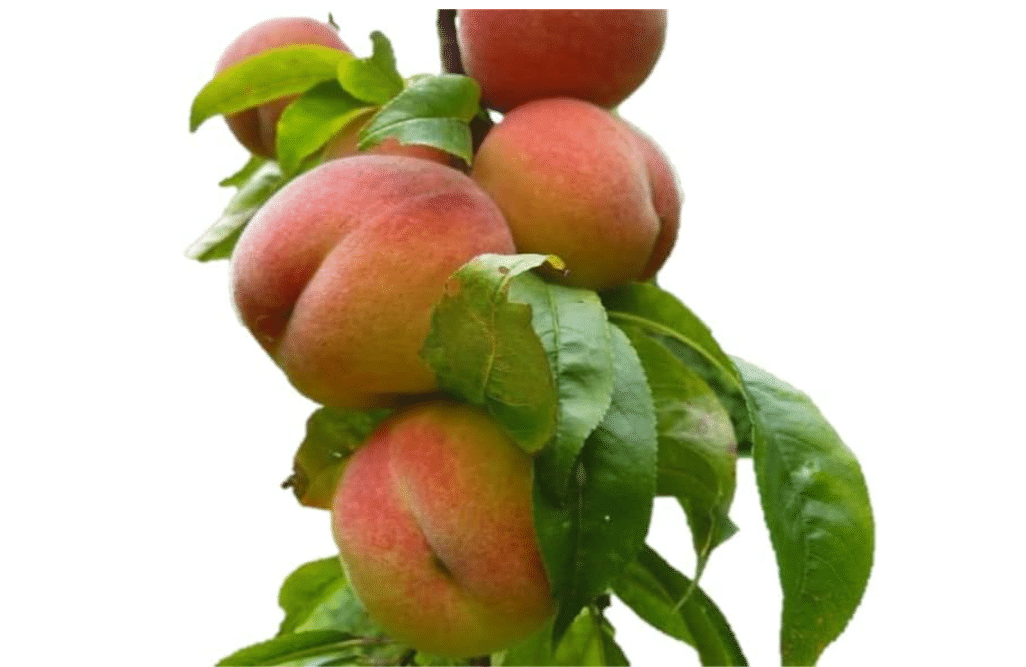
Developed by North Carolina State University specifically to combat unpredictable spring freezes, the Contender Peach Tree is widely considered the gold standard for northern backyard orchards. It produces extra-large, round, freestone peaches with vibrant crimson-blushed skin and sweet, firm yellow flesh that resists browning when sliced. Unlike many ultra-hardy varieties that sacrifice taste for survival, Contender delivers rich, classic peach sweetness right off the branch.
Price
Key Features & Benefits
-
Hardiness Zones: USDA Zones 4–8
-
Chill Hours: 1,000 hours (prevents premature spring blooming)
-
Pollination: Self-pollinating (only one tree required for a full harvest)
-
Fruit Type: Extra-large yellow freestone (pit separates cleanly from flesh)
-
Harvest Window: Mid-to-late August
-
Mature Size: 12–15 ft tall and wide (easily pruned to 8–10 ft)
Pros & Cons
-
Pros:
-
Exceptional late-blooming habit dodges April and May frosts.
-
Produces massive, sweet, grocery-store-beating freestone peaches.
-
Self-fertile and begins bearing fruit quickly (often within 2–3 years).
-
Strong resistance to bacterial spot.
-
-
Cons:
-
Sets fruit so heavily that annual fruit thinning is mandatory to prevent branch breakage.
-
High demand means potted sizes often sell out early in spring.
-
Amazon Customer Ratings & Reviews
Averaging 4.6 out of 5 stars across major nursery listings, verified buyers consistently praise Contender’s rapid establishment and resilience. Gardeners in Michigan, Wisconsin, and Upstate New York frequently report harvesting 30 to 50+ pounds of juicy peaches from mature trees even in years when their neighbors’ standard peach trees produced nothing due to late frosts.
Why It’s a Good Choice for Cold Climates
Contender’s superpower is its 1,000-hour chill requirement paired with extraordinary flower-bud tolerance. Even when winter temperatures plunge to -20°F, its buds remain viable, and it stays dormant longer in spring than almost any other sweet yellow peach.
Ideal Use Case / Who Should Buy It
This is the #1 pick for homeowners in USDA Zones 4 through 7 who only have space for one peach tree and want the highest possible odds of a dependable, delicious harvest every single summer.
2. Reliance Peach Tree — Hardiest for Extreme Zone 4 Winters
Product Description
If you live in a region where winter temperatures regularly plummet below -20°F, the Reliance Peach Tree is built for your yard. Bred at the University of New Hampshire in 1964, Reliance was engineered specifically to survive brutal New England and Canadian-border winters. It produces medium-to-large, bright yellow freestone peaches accented with a warm red blush and a mild, honey-sweet, low-acid flavor.
Price
$36.99
Key Features & Benefits
-
Hardiness Zones: USDA Zones 4–8 (can survive sheltered Zone 3b microclimates)
-
Chill Hours: 1,000 hours
-
Pollination: Self-fertile
-
Fruit Type: Medium-to-large yellow freestone to semi-freestone
-
Harvest Window: Mid-to-late August
-
Mature Size: Compact 10–15 ft tall and wide
Pros & Cons
-
Pros:
-
Unmatched winter bud hardiness—proven to fruit after -25°F freezes.
-
Naturally compact growth habit fits well in smaller suburban yards.
-
Reliable annual yields of 15 to 30+ lbs per mature tree.
-
Shows better-than-average tolerance to peach leaf curl when given good airflow.
-
-
Cons:
-
Flavor is slightly milder and less tangy than Contender or Redhaven.
-
Fruit skin is somewhat tender, making it best for fresh eating and canning rather than long-term storage.
-
Amazon Customer Ratings & Reviews
Holding an impressive 4.7 out of 5 stars, Reliance is a favorite among northern and high-elevation growers. Reviewers from Maine, Minnesota, Montana, and Colorado highlight that it arrives with strong root systems, bounces back quickly after planting, and reliably sets fruit where other peach varieties suffered complete winter dieback.
Why It’s a Good Choice for Cold Climates
Reliance earned its name for a reason: its dormant fruit buds are among the most cold-hardy in the entire Prunus persica species. When polar vortex events wipe out standard orchards, Reliance still blooms in vibrant pink come spring.
Ideal Use Case / Who Should Buy It
Choose Reliance if you garden in USDA Zone 4, Northern New England, the Upper Midwest, or mountainous elevations where winter survival is your absolute top priority.
3. Redhaven Peach Tree — Best All-Purpose & Canning Peach
Product Description
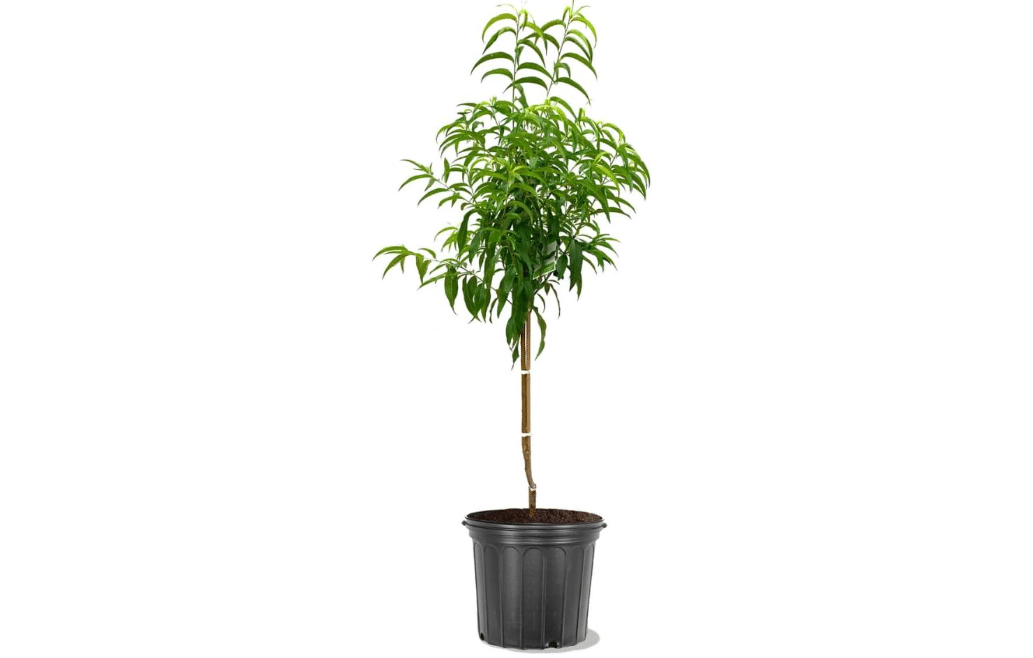
Released by Michigan State University in 1940, the Redhaven Peach Tree is the benchmark against which all other yellow peaches are measured. Famous for its nearly fuzzless, deep-red skin and firm, non-browning golden flesh, Redhaven delivers an intensely sweet, tangy, old-fashioned peach flavor. It ripens earlier than Contender or Reliance, giving northern growers a head start on summer peach season.
Price
$89.99
Key Features & Benefits
-
Hardiness Zones: USDA Zones 5–8
-
Chill Hours: 850–950 hours
-
Pollination: Self-pollinating
-
Fruit Type: Medium-to-large yellow freestone (semi-freestone when slightly underripe)
-
Harvest Window: Late July to early August
-
Mature Size: 12–16 ft (semi-dwarf) to 16–20 ft (standard)
Pros & Cons
-
Pros:
-
Rich, balanced sweet-tart flavor ideal for eating fresh, baking, freezing, and canning.
-
Non-browning flesh keeps sliced peaches looking bright and appetizing.
-
High resistance to bacterial leaf spot.
-
Heavy, consistent annual bearer.
-
-
Cons:
-
Less hardy than Contender or Reliance in severe Zone 4 winters (best for Zone 5+).
-
Requires diligent fruit thinning in June to achieve full fruit size.
-
Amazon Customer Ratings & Reviews
With a solid 4.5 out of 5 stars across hundreds of combined nursery reviews, buyers rave about Redhaven’s vigorous growth and early fruit production. Home canners specifically note how easily the skins slip off when blanched and how well the firm flesh holds its shape in cobblers and preserves.
Why It’s a Good Choice for Cold Climates
Bred in Michigan’s harsh Great Lakes climate, Redhaven combines a high chill requirement with strong wood hardiness and dependable bud survival down to -15°F, making it a powerhouse for Zone 5 and Zone 6 backyards.
Ideal Use Case / Who Should Buy It
The ideal choice for USDA Zones 5–8 gardeners, home bakers, and food preservers who want the most flavorful, versatile, all-purpose peach on the market.