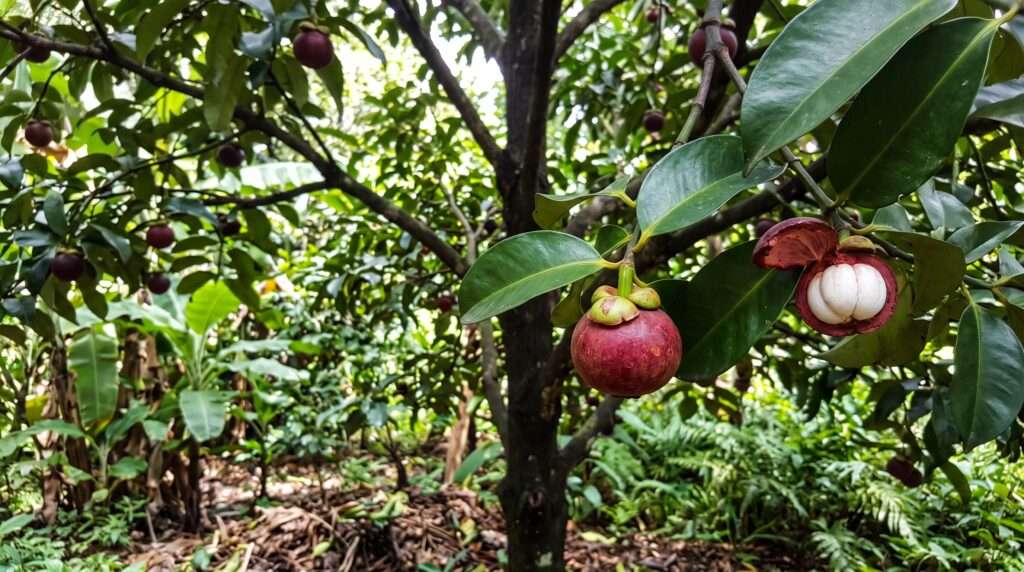
If you have ever cracked open the thick, deep-purple rind of a fresh mangosteen to reveal its snow-white, jewel-like segments, you already understand why Queen Victoria famously offered a knighthood to anyone who could bring her one intact. Its flavor is an unforgettable balance of sweet peach, tangy citrus, and delicate lychee. Naturally, your next thought as a plant lover might be: Can I grow a mangosteen tree in my own backyard or greenhouse?
The honest answer is yes—but it comes with a catch. The mangosteen tree (Garcinia mangostana) has earned a reputation among botanists and tropical fruit collectors as one of the most notoriously finicky trees on Earth. Unlike forgiving backyard staples like citrus or figs, a mangosteen will sulk, drop its leaves, or simply fail to thrive if its roots dry out for a single afternoon or if a cool breeze drops temperatures below its comfort zone.
The good news? Most beginners fail not because they lack a green thumb, but because they treat mangosteen like a standard sun-loving fruit tree. Once you understand its biology as a humid, shade-loving rainforest understory tree, keeping it alive—and eventually harvesting your own homegrown fruit—becomes entirely achievable. In this complete guide, we will walk through everything from microclimate hacks and soil chemistry to preventing the dreaded “gamboge” fruit disorder.
📋 Mangosteen Tree Quick-Reference Care Sheet
🌿 Understanding the Mangosteen Tree: Why Is It So Finicky?
Before you buy a sapling or plant a fresh seed, it helps to understand why this tropical evergreen behaves the way it does. Almost every care mistake stems from ignoring three unique biological traits.
Native Habitat & Growth Habit 🌴
The mangosteen is native to the ultra-humid tropical rainforests of Southeast Asia—specifically Indonesia, Malaysia, and southern Thailand. In the wild, it is an ultra-slow-growing evergreen that eventually forms a symmetrical, pyramidal crown reaching 20 to 60 feet tall. Its leaves are thick, glossy, and leathery, emerging a gorgeous bronze-red before maturing into a deep emerald green. Because it evolved beneath the towering canopy of taller jungle trees, young saplings are genetically wired to expect warm, still, humid air and filtered light.
The Secret Behind Its Fragile Root System 🌱
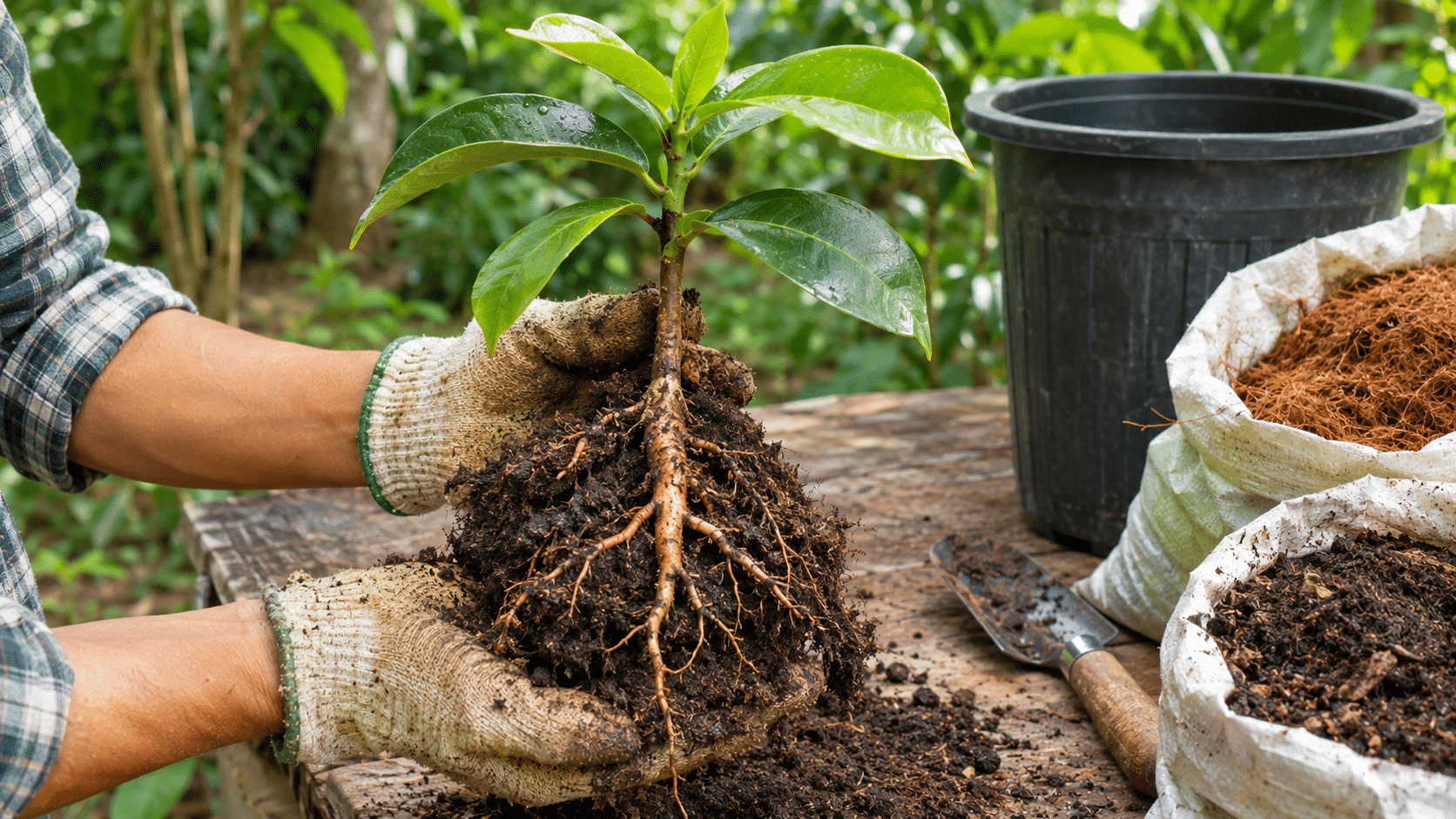
Here is the single most important horticultural fact about the mangosteen tree: it lacks true root hairs.
In most plants, microscopic root hairs do the heavy lifting of absorbing water and nutrients from the soil. Without them, a mangosteen relies on a deep, delicate, fleshy taproot and a sparse network of thicker lateral roots—often aided by beneficial mycorrhizal fungi in the soil. Because this root system is so inefficient at scavenging for moisture, it cannot tolerate drought. Conversely, because the roots are fleshy and sensitive to low oxygen, they rot quickly in soggy, compacted clay. This is also why mangosteen trees despise being transplanted; snapping or bruising the taproot can stall growth for over a year or kill the tree outright.
Parthenocarpy: The “Virgin Fruit” Phenomenon 🌸
If you are worried about finding space for two massive tropical trees to ensure cross-pollination, you can breathe a sigh of relief. Mangosteen trees are parthenocarpic—meaning they produce fruit without any pollination at all. In fact, male mangosteen trees are virtually nonexistent in cultivation. Even more fascinating, the seeds inside the fruit are apomictic (asexual clones of the mother tree). That means if you successfully grow a mangosteen from seed, it will grow true to type and produce the exact same delicious fruit as its parent.
☀️ Essential Mangosteen Tree Care Requirements
Replicating a Southeast Asian rainforest in your yard or greenhouse sounds intimidating, but it really comes down to dialing in five core environmental factors.
Climate, Temperature, and Humidity 🌡️💧
Mangosteen is a strict “ultra-tropical” species. It thrives in steady, warm temperatures between 68°F and 95°F (20°C–35°C) with very little seasonal fluctuation.
-
Cold Sensitivity: Growth slows to a crawl once temperatures dip below 68°F (20°C). Prolonged exposure below 50°F (10°C) causes severe stress and leaf drop, and anything approaching 40°F (4°C) can be fatal to young trees. They have zero frost tolerance.
-
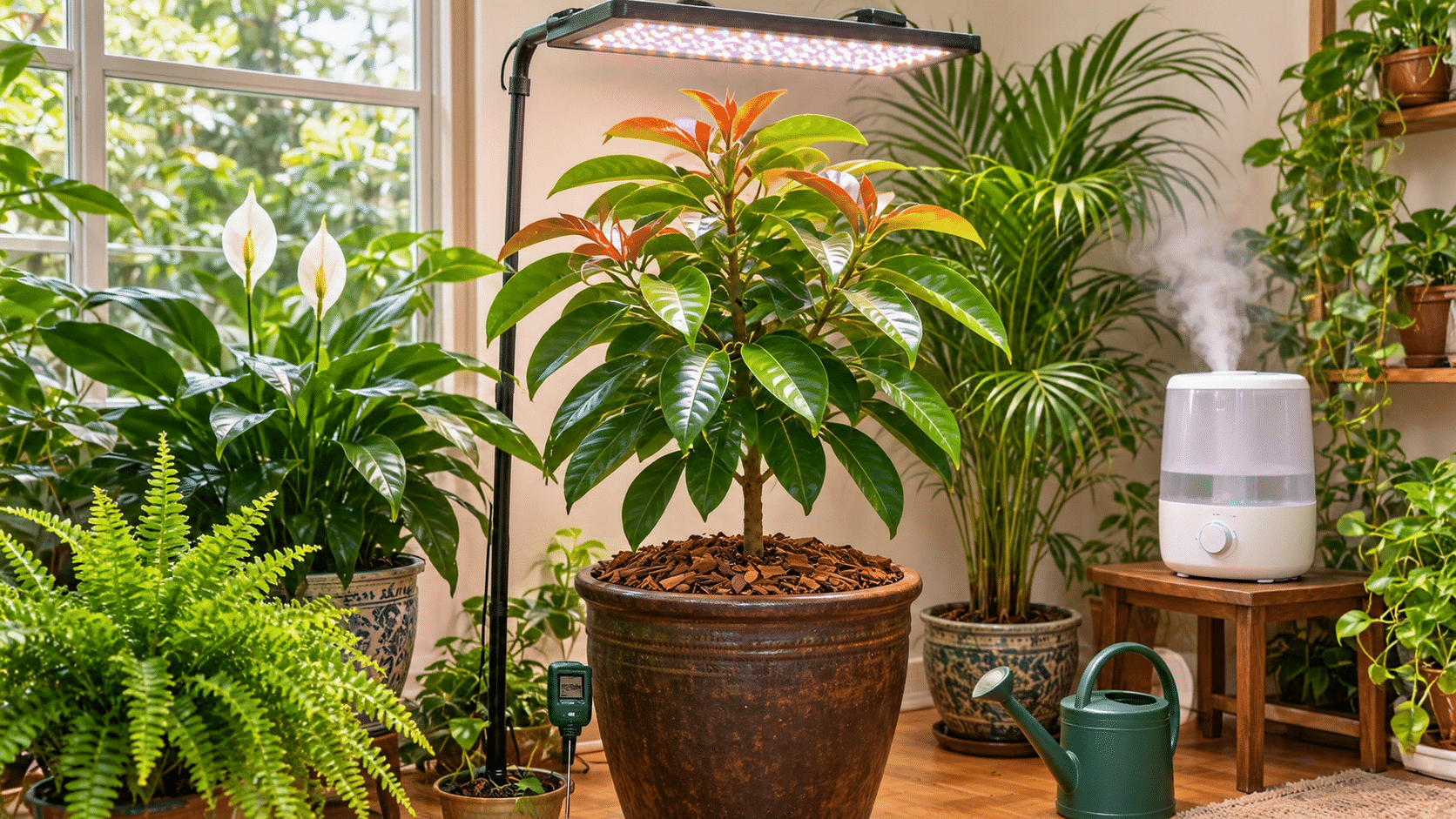
Humidity Needs: Aim for 70% to 80% relative humidity year-round. Dry air causes the leaf edges to crisp and brown, and it invites spider mites. If you live in a drier climate or grow indoors, group your mangosteen with other broad-leaved tropicals (like bananas, elephant ears, or ferns) to create a shared humid microclimate, use a room humidifier, or set up a micro-mist irrigation system outdoors.
Sunlight: The Shade-to-Sun Transition 🌤️
One of the fastest ways to kill a young mangosteen sapling is to plant it in full, blazing afternoon sun.
-
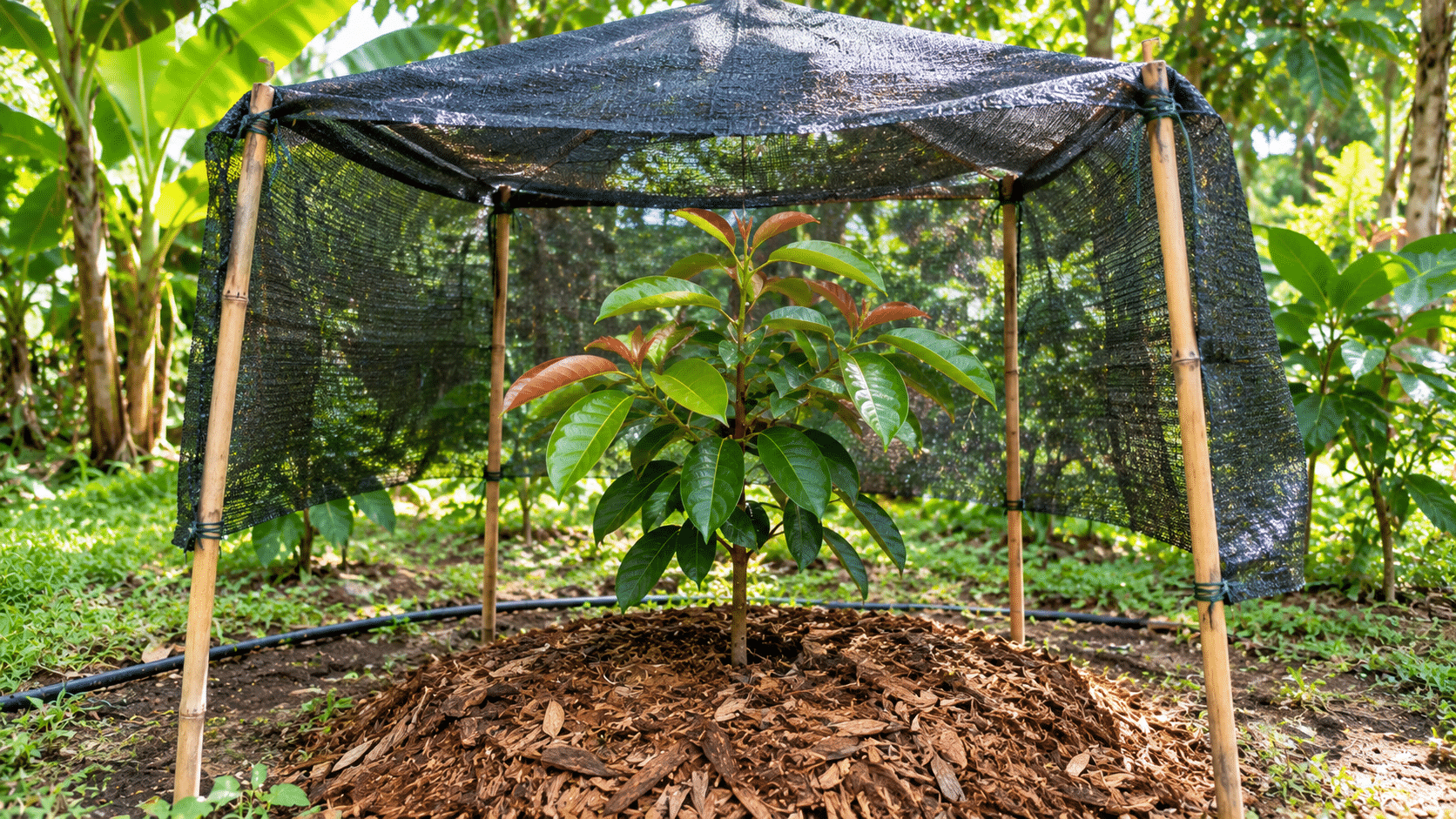
Years 1 to 4 (Juvenile Stage): Provide 50% to 70% dappled shade. Use a 50% shade cloth, or plant your young tree under the light canopy of a faster-growing “nurse tree” like a banana plant, pigeon pea, or moringa. Direct sun on juvenile foliage will bleach and scorch the leaves within days.
-
Years 5+ (Mature Stage): As the tree develops a thicker woody trunk and a denser canopy of its own, it gradually tolerates—and eventually prefers—bright, filtered sunlight to full morning sun.
Soil Requirements & Drainage 🌱
Because of its fragile, hairless roots, soil structure is non-negotiable. Mangosteen trees demand deep, organically rich, slightly acidic soil with a pH between 5.5 and 6.5. Alkaline or high-lime soils will lock out iron and micronutrients, leading to yellowing leaves (chlorosis).
-
For In-Ground Planting: If you have heavy clay soil, do not dig a deep bathtub-like hole that traps water. Instead, build a raised mound 18 to 24 inches high using native soil heavily amended with aged compost, peat moss or coco coir, and coarse sand or pine bark fines.
-
For Container Growing: Mix 40% high-quality organic potting soil, 30% coco coir or peat moss (for moisture retention and acidity), 20% perlite or pumice (for aeration), and 10% aged compost or worm castings. Inoculating the potting mix with a mycorrhizal fungi powder at planting time can dramatically boost root vigor.
Watering: Walking the Moisture Tightrope 🚿
Think of mangosteen soil like a wrung-out sponge: it should stay consistently, evenly moist, never soggy and never bone-dry.
-
Frequency: During hot summer months, young trees may need light watering every 1 to 2 days. Check the top inch of soil with your finger; if it feels barely damp, it is time to water.
-
Water Quality Matters: Mangosteen trees are sensitive to dissolved salts and calcium. Whenever possible, use rainwater, reverse-osmosis water, or filtered water rather than hard municipal tap water.
-
Mulch Is Your Best Friend: Apply a 3- to 4-inch layer of organic mulch—such as shredded coconut husk, pine bark, or fallen leaves—around the base of the tree, keeping it 3 inches away from the trunk. Mulch keeps the shallow roots cool, locks in moisture, and slowly breaks down into rich humus.
Fertilizing Schedule (Less Is More) 🧪
Because the mangosteen tree grows slowly, it is a light feeder. Over-fertilizing with strong synthetic salts will burn its delicate roots and cause sudden leaf drop.
-
Young Trees: Skip chemical fertilizers entirely during the first year. Instead, top-dress with worm castings, aged compost, or diluted fish emulsion/seaweed extract every 4 to 6 weeks during warm weather.
-
Established Trees (2+ Years): Apply a balanced, slow-release organic fertilizer (such as 8-8-8 or 10-10-10) with trace minerals every 2 to 3 months during the active growing season, always at half the manufacturer’s recommended strength.
-
Fruiting Trees: Once your tree reaches maturity and begins setting blossoms, shift to a formula slightly higher in potassium (such as 6-6-12) to support fruit development and sweetness.
🪴 How to Plant and Propagate a Mangosteen Tree
Whether you are starting from a fresh fruit bought at a specialty Asian market or investing in a nursery-grown sapling, how you get your tree into the ground sets the stage for the next decade.
Starting from Seed vs. Buying a Grafted Tree 🌱
-
Growing from Seed: Mangosteen seeds are recalcitrant, meaning they cannot survive drying out. If you want to sprout a seed from a store-bought fruit, you must wash off the white pulp and plant it within 3 to 5 days—after a week, germination rates drop to near zero. Plant the seed about 1 inch deep in a tall, narrow pot filled with damp coco coir and perlite, and keep it warm (80°F–85°F) under a humidity dome. Sprouting takes 2 to 4 weeks. While growing from seed is deeply rewarding (and produces a genetic clone of the parent), be prepared to wait 8 to 15 years for your first harvest.
-
Buying a Grafted or Air-Layered Tree: If you want fruit sooner, look for a grafted tree from a reputable tropical fruit nursery. Grafted trees typically begin fruiting in 6 to 8 years. When shopping, inspect the foliage for glossy, deep green leaves and avoid any plant that looks root-bound in a shallow pot.
Step-by-Step Planting Guide (In-Ground) 🕳️
If you are fortunate enough to live in USDA Zones 11–12 (such as southern Florida, Hawaii, or Puerto Rico), planting in the ground is your best path to a full-sized, fruiting tree.
-
Choose a Wind-Protected Spot: Select a location shielded from strong, drying winds, with dappled afternoon shade from surrounding trees or structures. Allow 20 to 30 feet of spacing from other large trees or buildings so the mature canopy has room to spread.
-
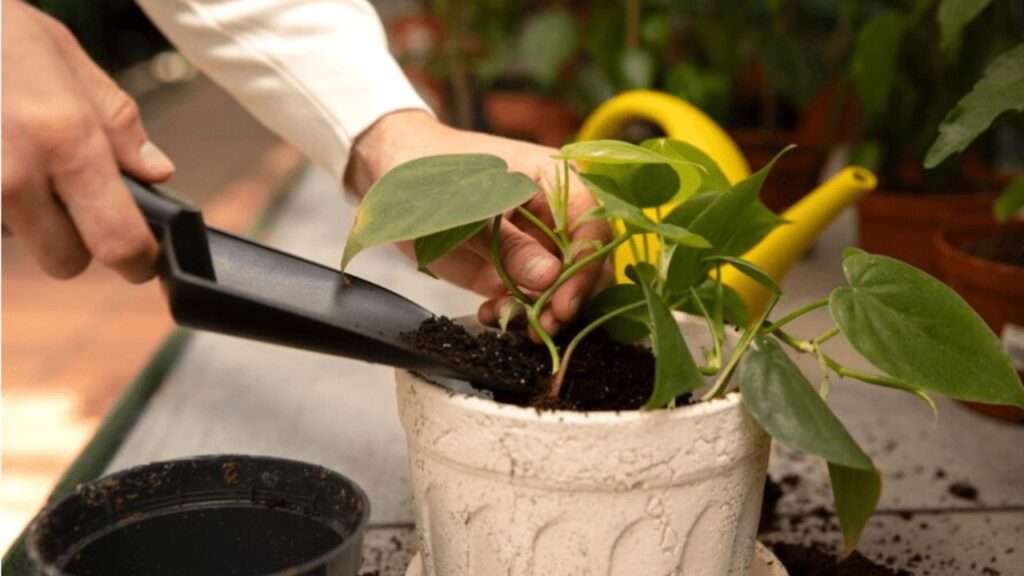
Dig Wide, Not Just Deep: Dig a planting hole twice as wide as the root ball and just as deep. Loosen the sides of the hole so the fleshy lateral roots can easily push outward.
-
Handle the Taproot Like Glass: Gently slide the tree out of its nursery container—or better yet, cut the plastic pot away with shears—so you do not tug on the stem. Never bare-root a mangosteen tree or aggressively tease apart the root ball; disturbing the central taproot can cause fatal transplant shock.
-
Backfill and Water In: Set the tree so the top of the root ball sits level with (or 1 inch above) the surrounding soil line. Backfill with your organic-rich soil mix, gently firming it to remove air pockets. Water deeply with rainwater or filtered water, and immediately apply a 3-inch layer of organic mulch.
-
Erect Temporary Shade: Even if the spot has dappled light, placing a 50% shade cloth tent over the newly planted sapling for its first 6 to 12 months dramatically improves survival rates.
Can You Grow a Mangosteen Tree in a Container or Greenhouse? 🏡
Yes—with realistic expectations. A mangosteen tree can thrive in a container for its first 5 to 7 years, making it a prized specimen for heated greenhouses, sunrooms, or bright tropical patios.
-
Choose a Deep Pot: Because of the long taproot, standard wide, shallow pots will stunt the tree. Use a tall, deep “tree pot” or citrus pot with plenty of drainage holes.
-
Repotting Carefully: Only step up one pot size (2 to 4 inches wider) every 2 to 3 years when roots begin peeking out of the bottom. Always repot during the warmest part of late spring or early summer.
-
Overwintering Indoors: If you bring your tree inside for winter, place it near a bright south- or east-facing window supplemented with a full-spectrum LED grow light (10 to 12 hours daily). Keep the room temperature above 65°F (18°C), run a dedicated humidifier nearby, and keep the tree far away from drafty windows and dry heating vents.
✂️ Pruning and Maintenance Throughout the Year
Unlike sprawling mangoes or vigorous avocados, the mangosteen is a remarkably polite, tidy grower that requires very little pruning.
Minimal Pruning Philosophy 🌳
Left to its own devices, a healthy mangosteen naturally grows into an attractive, symmetrical pyramid. Heavy pruning is counterproductive because it removes the slow-growing foliage the tree needs to build energy.
-
What to Prune: Use clean, sterilized bypass pruners to remove only dead, diseased, broken, or inward-crossing branches that rub against each other. You can also snip off any weak water sprouts (suckers) emerging from the lower trunk.
-
The 20% Rule: Never remove more than 15% to 20% of the canopy in a single year.
-
When to Prune: The ideal window is right after harvest (for mature trees) or at the very beginning of the warm, active growing season.
Seasonal Care Calendar 📅
-
Spring & Summer (Active Growth): Increase watering frequency to keep up with warm-weather evaporation. Resume light, diluted organic feeding every 6 to 8 weeks. Refresh your mulch layer to protect roots from peak summer heat.
-
Fall & Winter (Slower Growth): Slightly reduce watering—keep the soil lightly moist, never soggy, as cooler temperatures slow root uptake. Stop all fertilizing by mid-autumn so you don’t force tender new growth right before a cold snap. Move potted trees indoors before nighttime temperatures dip below 60°F (15°C).
🐛 Common Pests, Diseases, and Troubleshooting
A stressed mangosteen is a magnet for trouble, whereas a tree kept in warm, humid, well-draining conditions is surprisingly resilient. Here is what to watch for and how to fix it quickly.
Pests to Watch For 🔍
-
Spider Mites: The #1 indoor enemy. They thrive in dry air and leave fine webbing and tiny yellow stippling on the undersides of leaves. Fix: Rinse the foliage gently with lukewarm water, boost humidity above 70%, and spray with diluted neem oil or insecticidal soap.
-
Mealybugs & Scale Insects: Look for white, cottony clusters or small brown bumps along leaf veins and stems. Fix: Dab individual pests with a cotton swab dipped in 70% rubbing alcohol, then follow up with a horticultural oil spray.
-
Leaf Miners: Tiny larvae that tunnel through tender, bronze-red new leaves, leaving silvery squiggly trails. Fix: Avoid spraying harsh pesticides; simply prune off heavily damaged leaves and apply neem oil as a preventative right as new flushes emerge.
Diseases & Physiological Disorders 🩺
-
Root Rot (Phytophthora): The most common killer of potted and in-ground mangosteens. Symptoms include sudden wilting even though the soil is wet, yellowing leaves, and dark, mushy roots. Prevention: Ensure sharp drainage, never let pots sit in saucers of standing water, and use raised mounds in clay soil.
-
Leaf Spot & Anthracnose: Fungal issues that appear as dark brown or black blotches on leaves, usually triggered by stagnant air and wet foliage overnight. Fix: Water at the soil line rather than overhead, improve airflow with a gentle fan (indoors), and remove affected leaves.
-
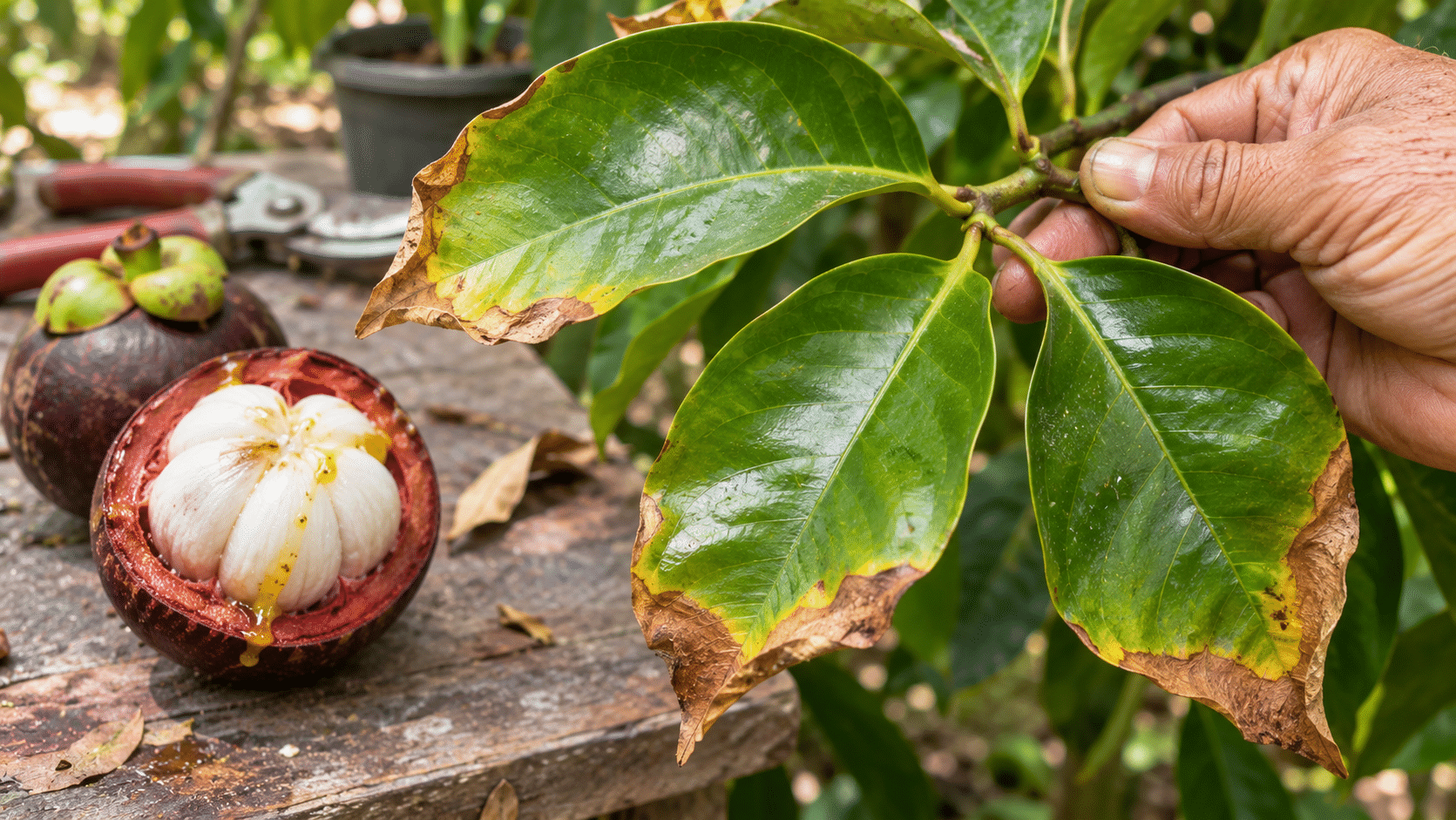
Gamboge (Yellow Latex in Fruit): If you ever cut open a homegrown mangosteen and find sticky, bitter, bright-yellow sap oozing through the white flesh, you are looking at gamboge. This isn’t a disease—it’s a physiological disorder caused by sudden fluctuations in soil moisture (such as a heavy rainstorm or deep drenching after a dry spell) or physical bruising to the developing fruit. Prevention: Maintain rock-steady, consistent irrigation while fruit is developing, and avoid letting the soil dry out between waterings.
🟣 Flowering, Fruiting, and Harvesting Your Mangosteens
Reaching the fruiting stage is a true badge of honor for any tropical fruit grower.
How Long Does It Take to Fruit? ⏳
Patience is the ultimate requirement. A seed-grown mangosteen tree typically takes 8 to 15 years to produce its first crop, while a grafted tree can fruit in 6 to 8 years. Once mature, a healthy tree can produce 200 to 500+ fruits per season—and remarkably, mangosteen trees can remain productive for over 50 to 100 years.
How to Tell When Mangosteen Is Ripe 🔎
Mangosteen fruit matures about 100 to 120 days after flowering. Knowing when to pick it is simple once you know the visual cues:
-
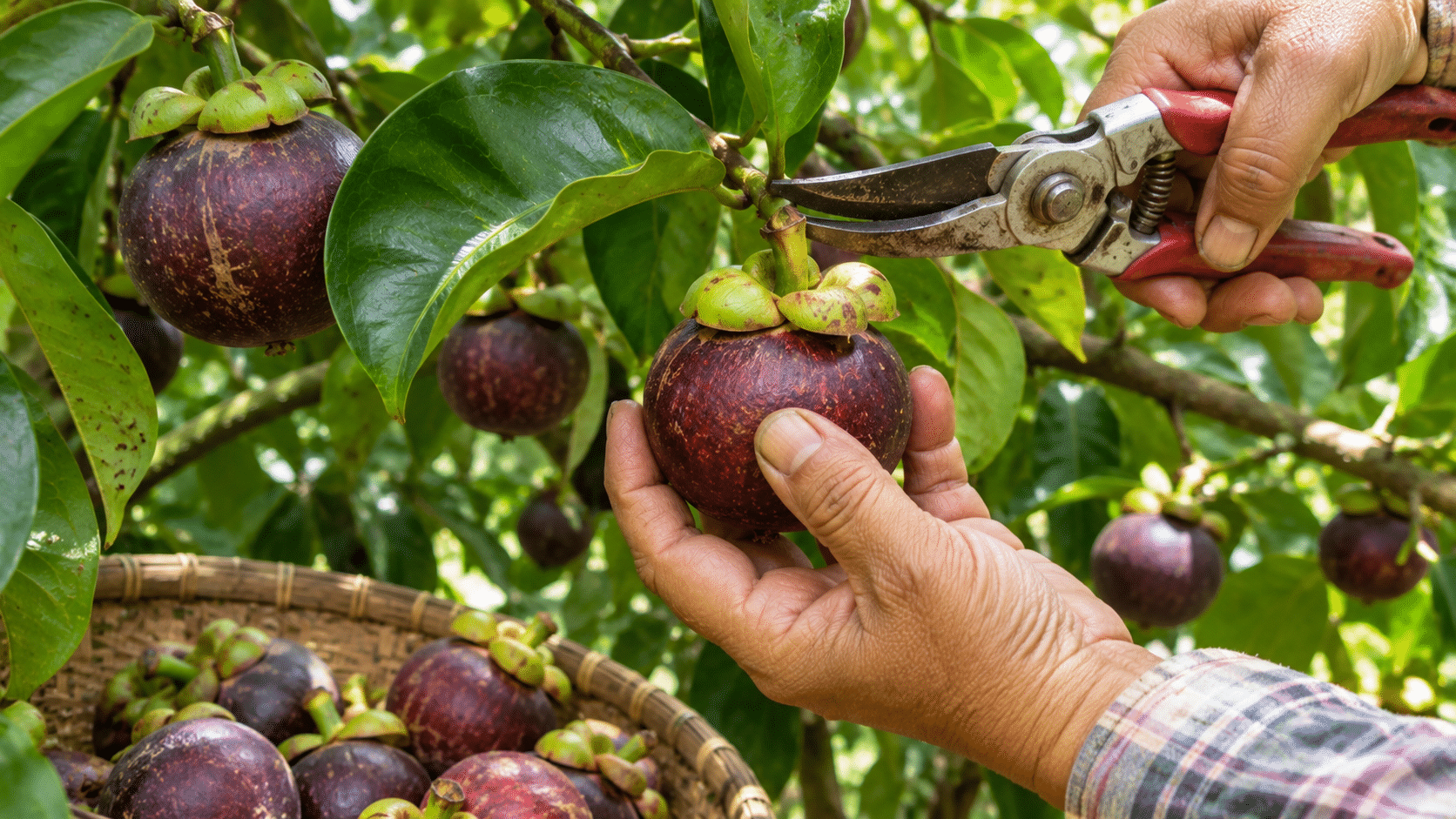
Color: The thick rind transitions from pale green to reddish-pink, and finally to a rich, deep reddish-purple.
-
The Calyx: The leafy crown (calyx) at the top of the fruit should still be bright green and fresh—a brown, shriveled calyx means the fruit is overripe or dried out.
-
The Squeeze Test: Give the fruit a gentle press with your thumb. A ripe mangosteen yields just slightly—like a ripe avocado or firm peach. If it feels rock-hard, it is either underripe or has hardened due to damage.
Harvesting and Storage Tips 🧺
Always harvest mangosteens by snipping the stem cleanly with pruners, leaving a short stub attached to the calyx. Pulling or twisting the fruit can tear the rind and trigger bitter latex sap.
Freshly picked mangosteens have a relatively short shelf life. They are at their peak sweetness within 2 to 3 days at room temperature, or up to 1 to 2 weeks when stored in a perforated bag in your refrigerator’s humid crisper drawer.
❓ Frequently Asked Questions (FAQs) About Mangosteen Trees
1. Can a mangosteen tree grow indoors?
Yes, you can grow a mangosteen tree indoors as a container plant, especially while it is young. However, it requires a dedicated tropical setup: a deep pot, temperatures consistently above 65°F (18°C), strong grow lights, and a humidifier maintaining 70%+ humidity. Getting an indoor potted tree to actually fruit is rare, though possible in a heated sunroom or greenhouse.
2. Why are my mangosteen tree leaves turning brown at the tips?
Brown, crispy leaf tips are almost always caused by one of three things: low humidity (dry air), mineral/salt buildup from hard tap water or over-fertilizing, or underwatering. Switch to rainwater or filtered water, flush the soil gently, and increase ambient humidity.
3. Do you need two mangosteen trees to produce fruit?
No! Mangosteen trees are parthenocarpic (self-fruiting) and do not require pollination to set fruit. A single healthy tree is all you need to eventually harvest mangosteens.
4. Why is mangosteen so expensive and rare to grow?
Mangosteens are expensive because the trees are ultra-slow growing (taking up to a decade to fruit), can only be grown commercially in narrow equatorial tropical zones, and produce delicate fruit with a very short shelf life that is costly to ship fresh.
5. What is the fastest way to get a mangosteen tree to fruit?
Start with a healthy grafted tree rather than a seed, inoculate the soil with mycorrhizal fungi at planting, protect the young tree with 50% shade cloth for its first few years, and never let the root zone dry out or drop below 65°F (18°C). Minimizing stress prevents the growth stalls that delay maturity.
🌿 Final Thoughts: Is Growing a Mangosteen Tree Worth It?
Growing a mangosteen tree is not a weekend project—it is a long-term horticultural adventure. It asks for patience, steady warmth, high humidity, and a gentle hand with its delicate roots. Yet even long before it ever drops its first deep-purple fruit, a thriving mangosteen rewards you with some of the most stunning, glossy, bronze-tipped tropical foliage in the plant kingdom.
If you respect its rainforest origins—giving it dappled shade in its youth, rich acidic soil, and consistent moisture—you will beat the odds that trip up most beginners.
Are you attempting to sprout a mangosteen from seed, or are you nursing a grafted sapling in your backyard or greenhouse? Drop your growing zone and any questions in the comments below—I’d love to help you keep your “Queen of Fruits” thriving! 🟣✨