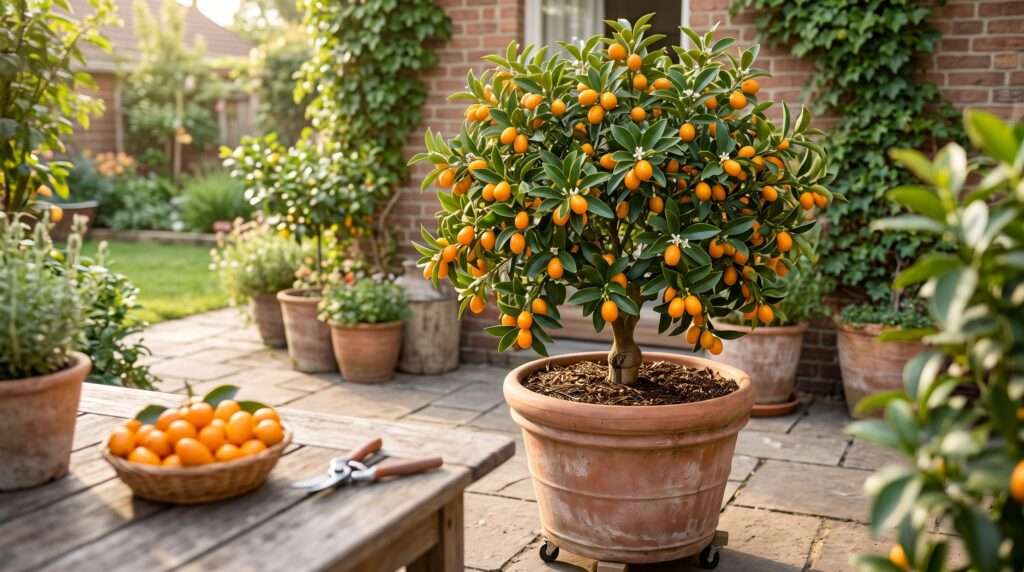
There is nothing quite like walking out to your patio on a crisp winter morning, plucking a bright orange kumquat straight off the branch, and popping the entire fruit into your mouth—peel and all. Unlike oranges or lemons, kumquats flip the citrus script: the thin, fragrant skin is honey-sweet, while the juicy interior delivers a bright, tangy zing.
Yet many home gardeners hesitate to grow citrus, assuming it demands a tropical backyard or a heated greenhouse. Others bring home a lush nursery tree, only to watch its leaves rain down onto the living room floor by December. The good news? Kumquat trees (Citrus japonica, formerly Fortunella) are the most cold-hardy, compact, and forgiving citrus you can grow. Whether you are planting directly into a sunny backyard border or raising a miniature orchard in patio containers, mastering a few core care habits will reward you with glossy evergreen foliage, intensely fragrant blossoms, and hundreds of bite-sized fruits every single year.
📋 Kumquat Tree Care at a Glance
🌳 Choosing the Best Kumquat Variety for Your Space & Taste
Before you bring a tree home, picking the right cultivar will make or break your harvest. The most common beginner mistake is buying the first citrus tree at a garden center—only to discover months later that it produces sharp, tart fruit when they really wanted a candy-sweet snack.
🍋 Nagami (The Classic Tart-Sweet Workhorse)
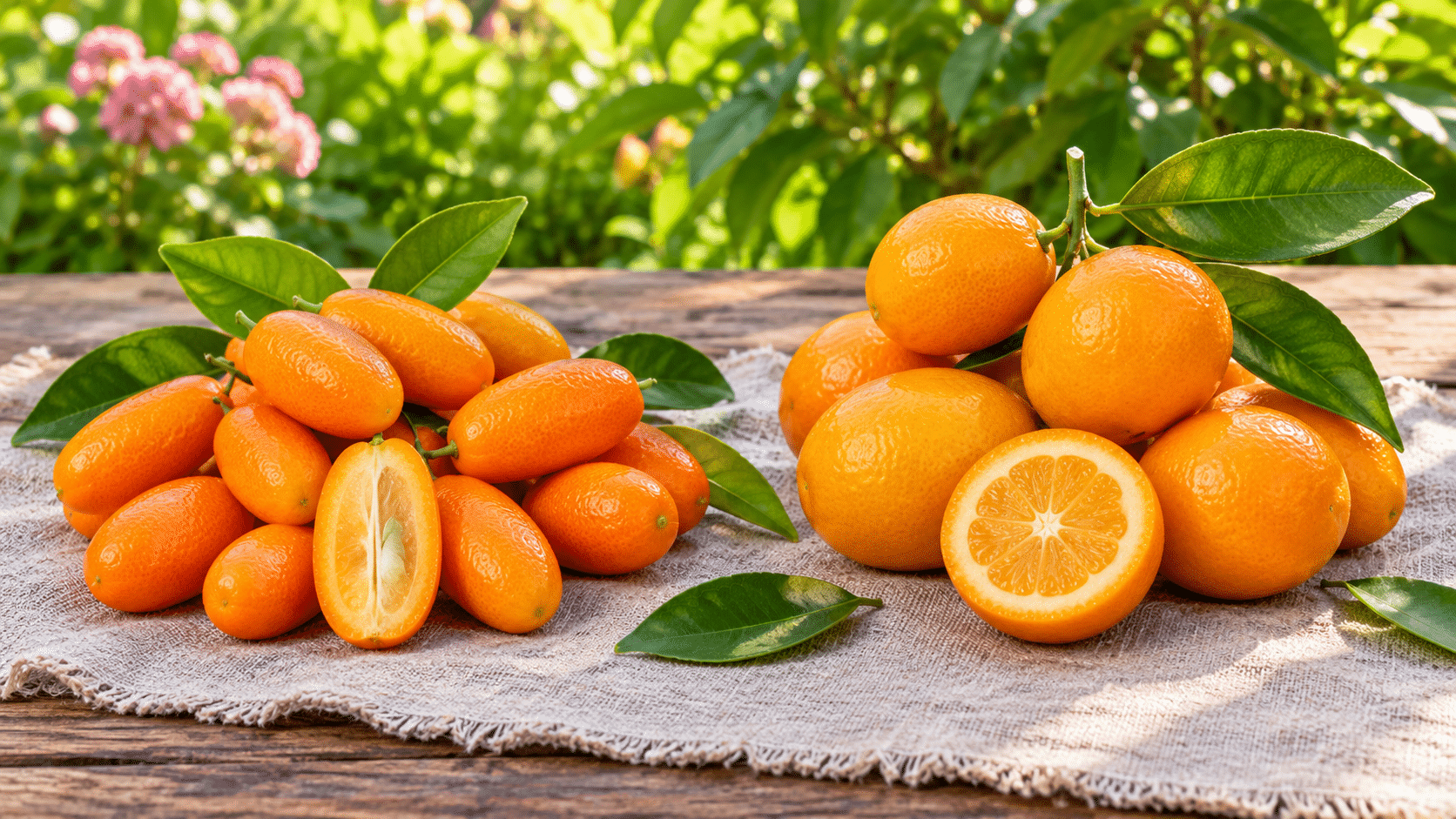
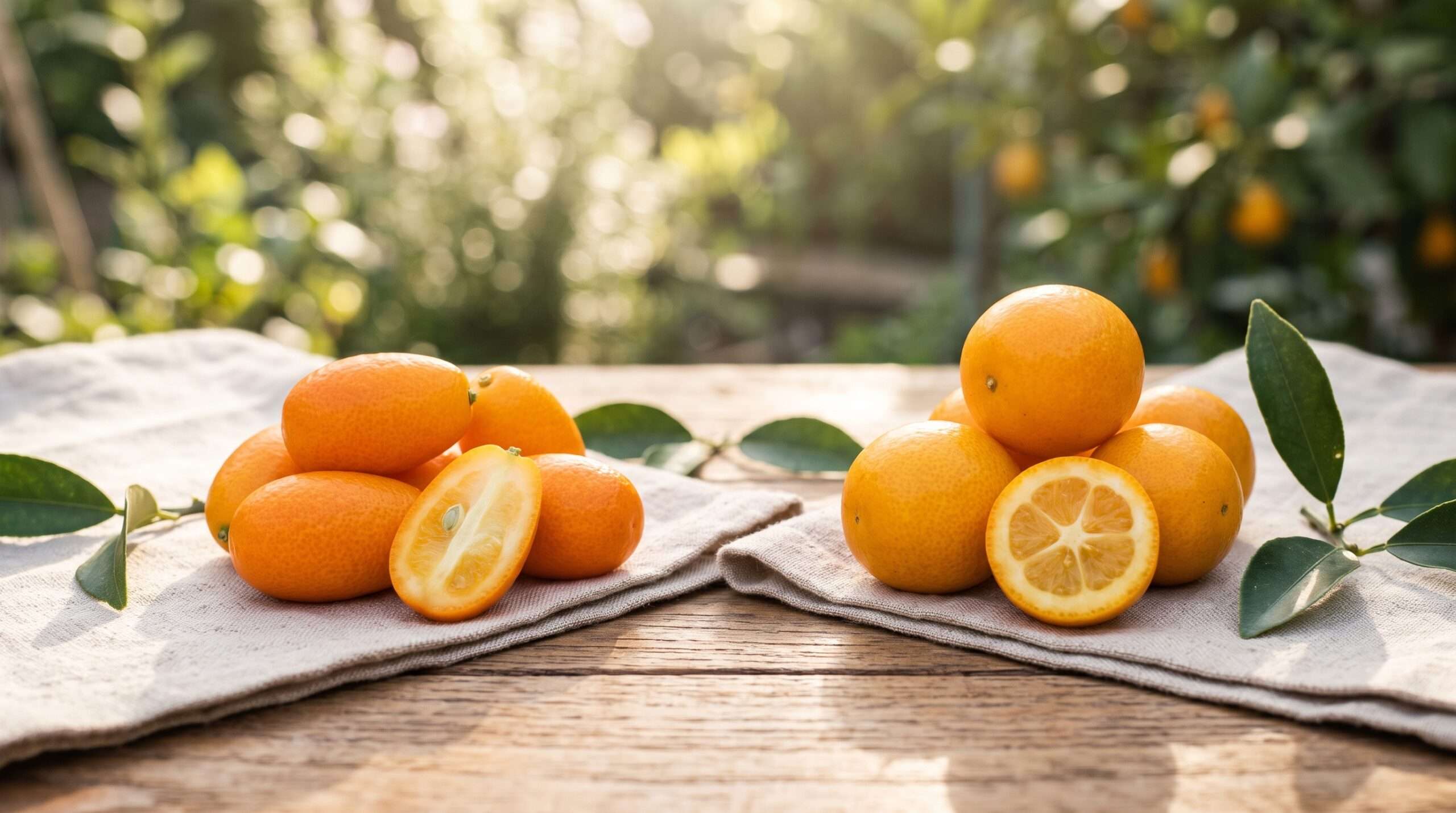
If you have ever tasted a kumquat from a grocery store, it was almost certainly a Nagami (Citrus japonica ‘Nagami’). This variety produces classic, oval-shaped, bright orange fruit with a sweet, aromatic peel and briskly tart pulp. Nagami is the most widely available cultivar at nurseries, naturally grows into a dense, ornamental shrub or small tree, and sets heavy crops reliably. It is unbeatable for marmalades, candied slices, cocktails, and anyone who loves that classic sweet-and-sour contrast.
🍯 Meiwa (The Sweetest Eating Kumquat)
If your primary goal is snacking straight off the tree, seek out a Meiwa kumquat. Often called the “sweet kumquat,” Meiwa produces larger, rounder fruit with a thicker, honeyed peel and surprisingly sweet, low-acid flesh. It grows slightly slower and stays more compact than Nagami, making it the crown jewel for growing kumquats in pots on balconies, decks, or sunny patios.
🔔 Fukushu & Marumi (Specialty Picks for Collectors)
-
Fukushu (Changshou): Produces large, bell-shaped, thin-skinned fruit that is sweet and juicy. Best of all, Fukushu is completely thornless—a major advantage if you have children or pets brushing past your patio pots.
-
Marumi: A round, golden-orange cultivar prized for its heavily scented white spring blossoms and slightly higher cold tolerance than Nagami.
💡 Expert Insight: Always Buy Grafted, Never Seed-Grown
It is tempting to plant seeds from store-bought fruit, but resist the urge if you want reliable harvests. Seed-grown kumquat trees take 7 to 10 years to bloom, often grow weak root systems, and rarely stay compact enough for containers. A grafted nursery tree (budded onto dwarfing rootstock like Flying Dragon or C-35 citrange) stays naturally manageable, resists soil-borne root diseases, and frequently produces its first handful of fruit within 1 to 2 years of planting.
🪴 Planting Kumquat Trees: In-Ground vs. Containers
Kumquats adapt remarkably well to both backyard landscapes and patio pots, provided you give their roots two non-negotiable things: warmth and rapid drainage.
☀️ Picking the Right Spot & Hardiness Zones
In USDA Zones 8b through 11, you can plant kumquats directly in the ground. Unlike lemons and limes that suffer severe damage at 30°F (-1°C), kumquats enter a deep winter dormancy. Once established, a dormant tree can survive brief temperature dips down to 18°F–20°F (-7°C to -6°C) without losing its main limbs.
Choose a south- or west-facing location sheltered from biting winter winds—near a brick wall or fence that radiates stored heat is ideal. Don’t overlook summer warmth, either: kumquats rely on hot summer temperatures to trigger heavy flowering and develop high sugar levels in their peels. Cool, foggy coastal summers will still produce healthy foliage, though the fruit may stay slightly more tart.
When planting in-ground:
-
Dig a hole twice as wide as the root ball, but no deeper.
-
Backfill mostly with your native soil (avoid creating a “bathtub” of rich compost in heavy clay, which traps water around the roots).
-
If your yard has heavy clay, plant the tree on a raised mound 6–8 inches above grade so winter rain drains away from the trunk.
🏺 Container Setup & The Ideal Potting Mix
If you live in Zones 4 through 8a—or simply have a small patio—growing kumquats in pots is actually an advantage, because you control the soil and microclimate completely.
-
Choose the Right Pot: Terracotta, unglazed clay, or breathable fabric grow bags are top choices because they allow moisture to evaporate through the walls, preventing soggy roots. Make sure the pot has generous bottom drainage holes.
-
Don’t Over-Pot: Only step up 1 to 2 container sizes (about 2–4 inches wider in diameter) when repotting. Dropping a small root ball into a massive 20-gallon planter leaves excess wet soil sitting around the roots, which invites root rot. A mature potted kumquat thrives happily in a 15- to 20-gallon container (roughly 18–20 inches wide).
-
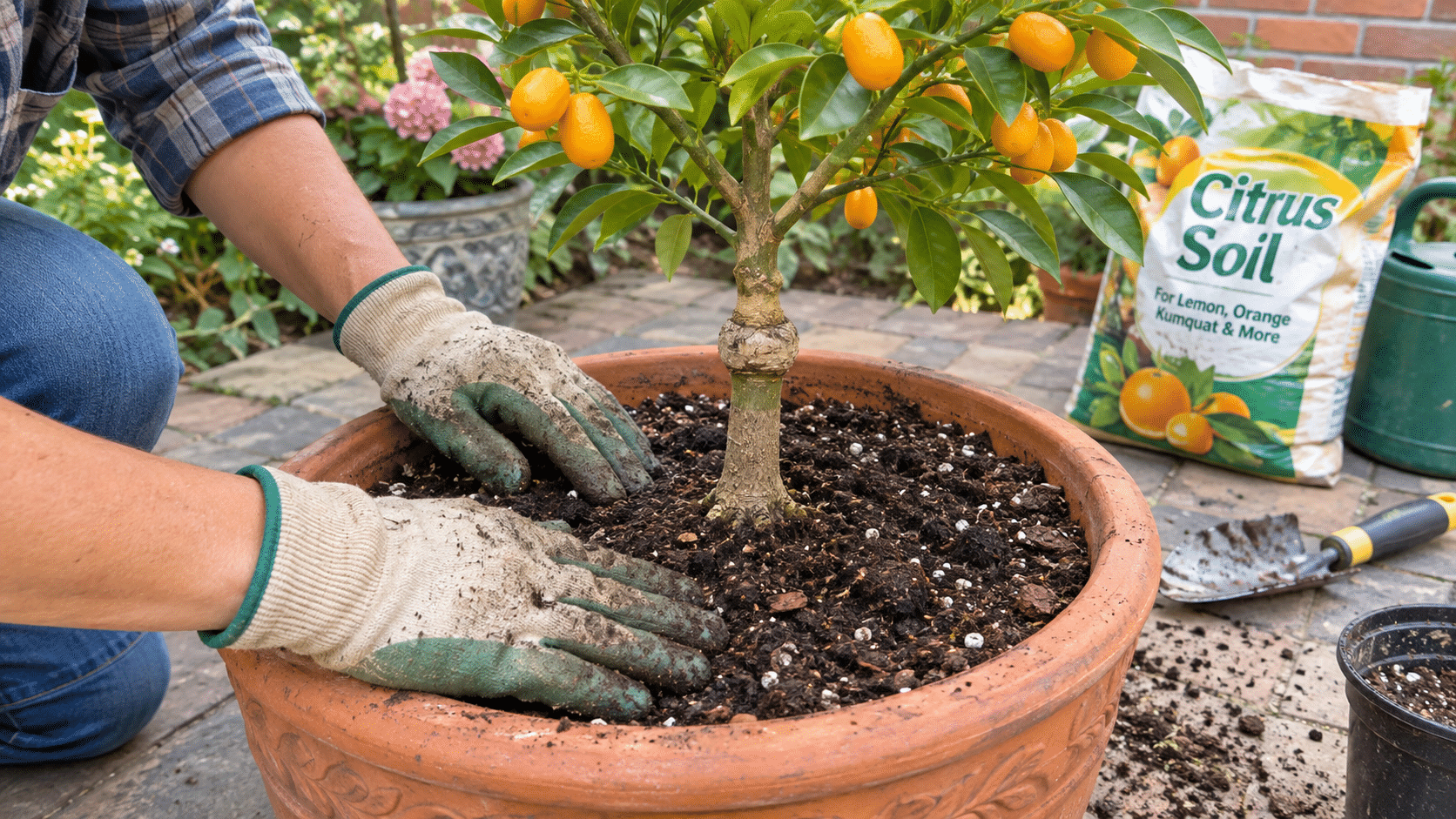
Mix the Right Soil: Standard bagged potting soil holds too much water and compacts over time. Use a dedicated citrus and cactus mix, or build a professional-grade 5-1-1 bark mix: 5 parts fine pine bark fines, 1 part peat moss or coco coir, and 1 part perlite. Aim for a slightly acidic pH between 5.5 and 6.5.
⚠️ Pro Tip: Protect the Graft Union
Look near the base of your tree’s trunk for a slight dog-leg bend or scar—that is the graft union. Never bury it! Keep the top of the root flare level with (or ½ inch above) the soil line, and ensure the graft union sits at least 4–6 inches above the soil to prevent fatal collar rot and rootstock sprouting.
💧 Essential Kumquat Tree Care for Maximum Fruit Production
Once your tree is settled in, consistent everyday care is what transforms a surviving citrus plant into a heavy-bearing fruit machine.
🌞 Sunlight & Temperature Needs
Citrus runs on solar power. Give your tree at least 6 to 8 hours of direct, unfiltered sunlight every day. More sun directly translates to sweeter fruit and tighter, bushier growth.
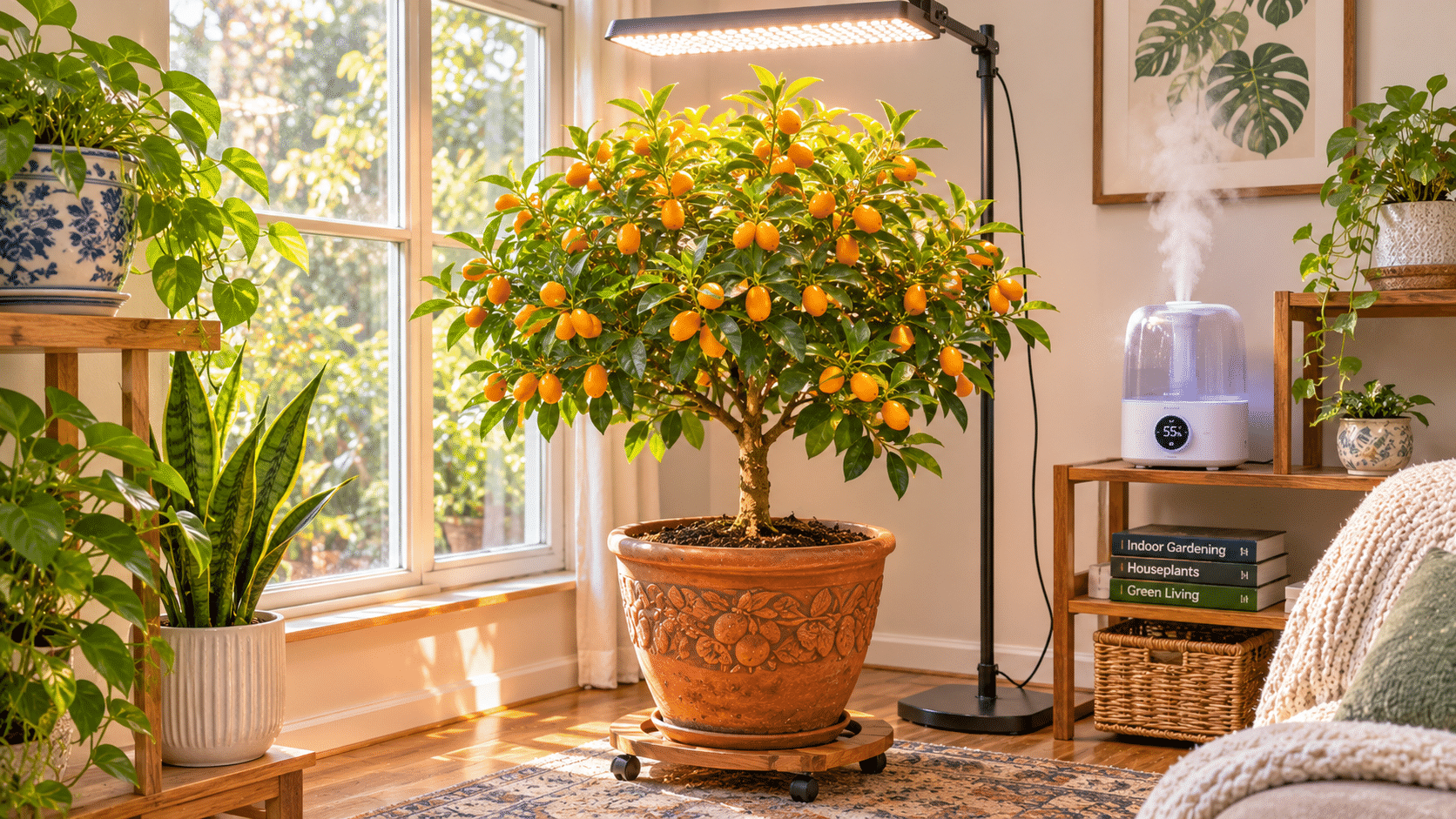
If you bring your potted tree indoors for the winter, a bright south-facing window is your best starting point—but even a sunny winter window often delivers less than half the light intensity of outdoor sun. Supplementing with a full-spectrum LED grow light positioned 12–18 inches above the canopy for 8–10 hours a day will prevent leggy branches and drastically reduce winter leaf drop.
🚿 Mastering the Watering Rhythm
More potted citrus trees die from overwatering than from drought. Kumquat roots need oxygen just as much as they need moisture; if they sit in waterlogged soil, the fine feeder roots suffocate and rot.
Skip rigid calendar schedules and use the Finger Test instead:
-
Push your index finger 2 inches into the soil. If it feels dry, water slowly and deeply until water streams freely out of the bottom drainage holes.
-
Empty the saucer underneath the pot after 15 minutes so the roots never sit in standing water.
-
Adjust by Season: In peak summer heat (85°F–95°F), a potted tree may need watering every 2 to 3 days. During cool winter months when the tree slows down, you may only need to water once every 10 to 14 days.
Read Your Leaves:
-
Curling inward like tiny tacos + dry soil = thirsty tree (underwatering).
-
Drooping, yellowing leaves + damp, heavy soil = suffocating roots (overwatering).
🧪 Fertilizing for Sweet, Abundant Harvests
Kumquats are heavy feeders during their active growing season, especially in containers where frequent watering flushes nutrients out of the potting mix.
Use a complete citrus fertilizer (such as a balanced or nitrogen-forward formula like 6-3-3, 12-6-6, or an organic citrus tone) that explicitly includes chelated micronutrients—specifically iron, magnesium, zinc, and manganese. Standard all-purpose plant foods often lack these trace minerals, leading to pale, yellowed foliage.
-
Spring to Late Summer (March–August): Feed every 4 to 6 weeks with a slow-release granular citrus fertilizer, or every 2 weeks at half-strength with a liquid citrus feed.
-
Early Autumn (September–October): Taper off feeding so new shoots can harden off.
-
Winter (November–February): Stop fertilizing completely. Pushing soft, tender new growth in winter makes outdoor trees vulnerable to frost burn and stresses indoor trees struggling with low light.
✂️ Pruning & Spotting Sneaky Rootstock Suckers
One of the best perks of kumquat tree care is how little pruning they demand. Unlike sprawling lemons or vigorous limes, kumquats naturally grow into tidy, rounded canopies.
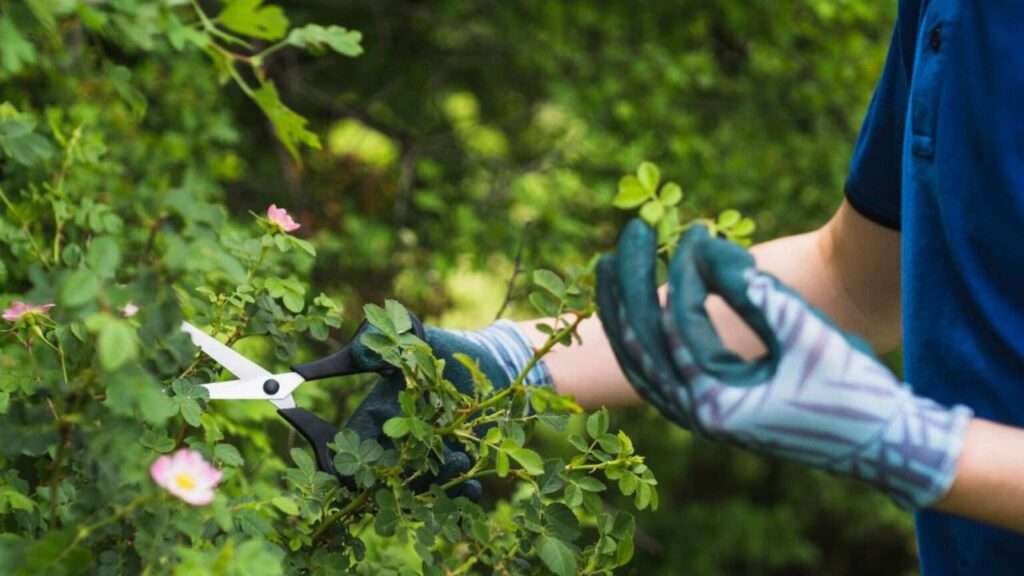
Do your light shaping in late spring (after harvest and once all danger of frost has passed, before summer buds set). Using clean, rubbing-alcohol-wiped bypass pruners:
-
Remove any dead, diseased, or crossing branches to open the center for airflow and sunlight.
-
Tip-prune overly long shoots to encourage bushier branching.
-
Never remove more than 20–25% of the canopy in a single year.
🔍 Experience-Backed Tip: Watch for Rootstock Suckers
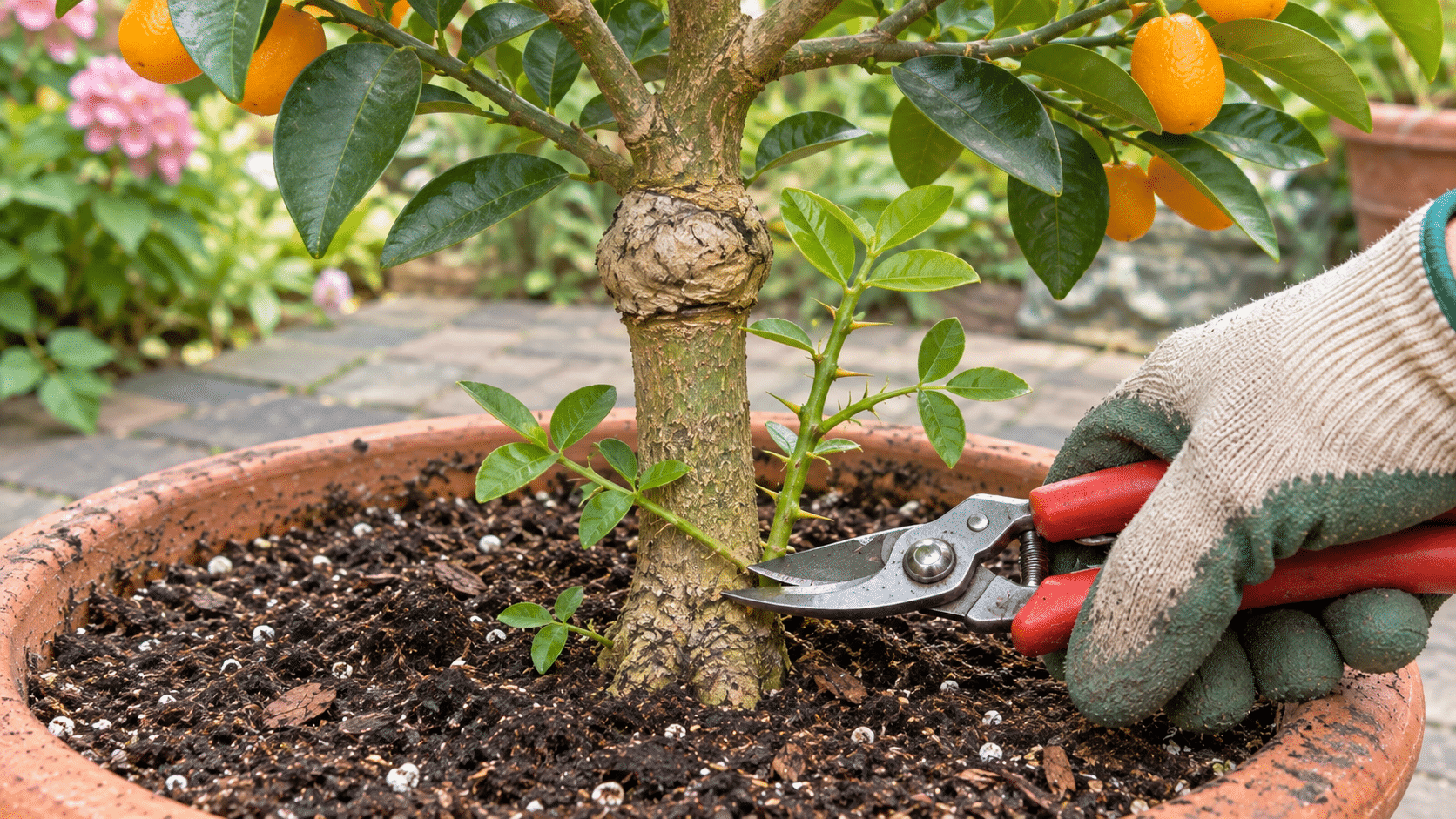
Periodically inspect the lower trunk below the graft union. If you spot a fast-growing, thorny green shoot with three-lobed (trifoliate) leaves instead of the normal single oval kumquat leaf, snip it off flush with the trunk immediately. That is a rootstock sucker—if left alone, it will hijack the tree’s energy, outgrow the kumquat canopy, and produce inedible, bitter seedy fruit.
❄️ Overwintering Kumquat Trees (Cold-Climate Survival Guide)
If you garden in USDA Zones 4 through 8a, bringing your potted kumquat indoors for winter is the single trickiest part of the year. Most indoor citrus failures don’t happen because of the cold—they happen because of transition shock and bone-dry household air.
🚪 The Gradual Transition Indoors
Do not rush your kumquat indoors at the first hint of autumn chill. Unlike tender limes, kumquat trees actually benefit from a few weeks of crisp, cool nights (down to 40°F–45°F / 4°C–7°C). Those cool temperatures signal the tree to slow its metabolism, harden off its leaves, and sweeten the ripening fruit on its branches.
Once consistent nighttime freezes (below 32°F / 0°C) are in the forecast, move your tree indoors gradually over 10 days:
-
Days 1–4: Move the pot from full sun into a shaded porch or under a patio overhang so the leaves adjust to lower light levels.
-
Days 5–7: Bring the tree inside overnight, then set it back out in bright shade during the day.
-
Day 8–10: Spray the foliage thoroughly with a garden hose and treat with a light coat of insecticidal soap or neem oil (to avoid importing hitchhiking pests), then move it to its permanent winter spot.
🌡️ Ideal Indoor Winter Conditions
-
Cool & Bright Beats Hot & Dark: Your tree will be happiest in a bright, unheated sunroom, enclosed porch, or cool bedroom kept between 50°F and 60°F (10°C–15°C). Warm living rooms (70°F+) paired with dim winter light cause the tree to burn through stored energy and drop healthy green leaves.
-
Avoid Drafts & Vents: Keep pots well away from forced-air heating vents, radiators, and icy exterior doors.
-
Boost Humidity: Indoor winter air often drops below 20% humidity, which stresses citrus foliage and invites spider mites. Aim for 40%–50% humidity by running a small cool-mist humidifier nearby or setting the pot on a wide tray filled with pebbles and water (just make sure the bottom of the pot rests above the waterline).
-
In-Ground Frost Protection (Zone 8): If a rare Arctic blast threatens to drop temperatures below 20°F (-6°C), water the soil thoroughly the afternoon before the freeze (moist soil holds heat better than dry soil), drape a breathable frost cloth over the canopy all the way to the ground, and apply a 3-inch ring of wood-chip mulch—keeping the mulch pulled 4 to 6 inches away from the trunk to prevent bark rot.
🩺 Troubleshooting Common Kumquat Tree Problems & Pests
Even well-cared-for citrus trees hit occasional bumps. Knowing how to read your tree’s distress signals lets you fix small issues before they cost you a harvest.
🍂 Why Is My Kumquat Dropping Leaves or Fruit?
-
Winter Leaf Drop: Sudden shedding of green leaves indoors is almost always caused by cold roots combined with warm air, sudden light loss, or overwatering. Fix it by adding a grow light, cutting back on watering, and keeping the pot off freezing tile or concrete floors (set it on a wooden plant caddy).
-
Normal Fruit Drop (“June Drop”): Don’t panic if your tree sheds a wave of marble-sized green fruitlets in late spring or early summer. Kumquats naturally self-thin, dropping excess fruit they don’t have enough energy to ripen so the remaining crop grows larger and sweeter.
-
Fruit Splitting: If ripe or nearly ripe kumquats crack open on the branch, the culprit is inconsistent watering—a dry spell followed by a heavy rain or deep soak causes the pulp to swell faster than the skin can stretch. Keep soil moisture steady while fruit is sizing up.
💛 Decoding Yellow Leaves (Chlorosis)
Yellowing leaves are your tree’s way of asking for a specific adjustment:
-
Uniform Yellowing (Especially Lower Leaves): Usually indicates overwatering (check root moisture first) or a nitrogen deficiency during active spring growth.
-
Green Veins with Bright Yellow Leaf Tissue (Interveinal Chlorosis): A classic sign of iron, magnesium, or zinc deficiency—often triggered when soil pH creeps too high (above 7.0), locking out minerals. Treat with a chelated citrus micronutrient spray or drench, and check your soil pH.
🐛 Organic Pest & Disease Control
Because you eat kumquats peel and all, sticking to gentle, food-safe organic treatments is essential.
| Pest / Issue | What to Look For | Organic Fix |
| Citrus Leafminer 🐛 | Silvery, squiggly tunnels etched inside curled new leaves | Spray new flush growth with neem oil or spinosad every 7–10 days; avoid heavy late-summer pruning that triggers vulnerable new shoots. |
| Spider Mites 🕸️ | Fine webbing on leaf undersides; tiny yellow stippling (common indoors) | Rinse foliage firmly with lukewarm water, boost humidity, and apply insecticidal soap every 5 days for 3 rounds. |
| Scale & Mealybugs 🪲 | Hard brown bumps or white cottony tufts on stems; sticky “honeydew” residue | Dab small clusters with a cotton swab dipped in 70% rubbing alcohol, or coat thoroughly with horticultural oil. |
| Phytophthora Root Rot 🍄 | Wilting despite wet soil, yellowing canopy, mushy dark roots | Repot immediately into fresh, fast-draining bark mix; trim away dead black roots and cut back on watering. |
🧺 Harvesting & Enjoying Your Homegrown Kumquats
One of the joys of growing kumquat trees is their extended harvest window. Unlike peaches or cherries that all ripen in a single frantic week, kumquats hold beautifully on the tree for months—acting as living, edible ornaments all winter long.
✂️ When and How to Harvest
Depending on your climate and cultivar, kumquats begin ripening in late November and can continue through March or April.
-
Use the Taste Test, Not Just Color: Kumquats turn orange weeks before they reach peak sweetness. Wait until the peel is a deep, glowing tangerine-orange and yields just slightly to a gentle squeeze. Pick one and taste it—if it’s still overly sharp, leave the rest on the tree for another two weeks.
-
Clip, Never Pull: Always harvest with clean pruning shears or kitchen snips, cutting the stem flush with the top of the fruit. Yanking kumquats off by hand often tears the delicate peel (which ruins storage life) and can snap off the tiny fruiting spurs needed for next year’s blossoms.
🍽️ Best Ways to Eat & Store Them
Before you take your first bite, try the “Roll & Pop” trick: gently roll the whole kumquat between your thumb and forefinger for 5 seconds. This warms and ruptures the aromatic essential oil glands in the peel, releasing an burst of sweet citrus fragrance right before you eat it whole.
-
Storage: Unwashed, clipped kumquats keep on the kitchen counter for 3 to 4 days, or in a breathable bag in your refrigerator’s crisper drawer for up to 2 to 3 weeks.
-
Kitchen Uses: If your mature tree blesses you with a bumper crop, slice them thinly (removing the tiny seeds) for bright winter salads, simmer them into quick kumquat marmalade, candy them in simple syrup for desserts, or muddle them into sparkling water and cocktails.
📅 Seasonal Kumquat Care Calendar (Quick-Reference Guide)
Bookmark this year-round schedule to keep your kumquat tree care effortless and on track:
| Season | 💧 Watering | 🧪 Fertilizing | ✂️ Pruning & Maintenance | 🌡️ Protection |
| Spring 🌸 | Increase as temperatures rise; water when top 1–2″ dry. | Resume citrus fertilizer with micronutrients every 4–6 weeks. | Lightly shape canopy after harvest; snip any rootstock suckers. | Gradually acclimate potted trees back outdoors after last frost. |
| Summer ☀️ | Deep, frequent watering (every 2–3 days for pots in peak heat). | Continue steady feeding through August to fuel fruit set. | Watch for citrus leafminer on new flush; keep moisture even to prevent fruit split. | Provide afternoon shade only during extreme 100°F+ heatwaves. |
| Fall 🍂 | Taper watering slightly as days shorten and cool. | Taper off in September; stop feeding by October. | Inspect for scale or mites before moving pots indoors. | Let cool nights harden off foliage; transition pots inside before first freeze. |
| Winter ❄️ | Water sparingly (every 10–14 days indoors); never let roots stay soggy. | Do not fertilize. | Harvest ripe fruit with shears; run grow lights & humidifier indoors. | Cover in-ground Zone 8 trees with frost cloth if temps dip below 20°F. |
❓ Frequently Asked Questions About Kumquat Trees
Do I need two kumquat trees to get fruit?
No! Kumquat trees are completely self-pollinating, meaning a single tree will produce a full, abundant harvest all on its own. If you grow your tree indoors year-round without bees or wind, you can boost fruit set by gently swirling a small, soft paintbrush from blossom to blossom when the tree blooms.
How long does it take for a kumquat tree to produce fruit?
A grafted nursery tree typically begins producing its first harvest within 2 to 3 years (and many 2-year-old nursery trees already arrive with small fruits attached). If you grow a kumquat from seed, expect to wait 7 to 10 years before seeing flowers.
Can you grow a kumquat tree indoors year-round?
Yes, you can grow a kumquat tree indoors all year—especially compact varieties like Meiwa—as long as you provide at least 6 to 8 hours of bright south-facing light supplemented with a full-spectrum LED grow light, good airflow, and 40%+ humidity. However, giving your potted tree a “summer vacation” outdoors from late spring through early fall will noticeably increase both fruit yield and sweetness.
Are kumquat trees toxic to dogs or cats?
According to the ASPCA, citrus plants—including kumquats—contain essential oils and psoralens that are mildly toxic to dogs and cats if ingested in large quantities. Nibbling a single fallen leaf rarely causes serious harm, though eating substantial amounts of stems, peels, or fruit can trigger stomach upset or mild vomiting. Place potted trees out of reach of curious chewers.
Why are my kumquats sour instead of sweet?
Sour kumquats usually come down to three causes: harvesting too early (before the peel develops full sugars), insufficient sunlight during summer ripening, or growing a Nagami variety (whose pulp is naturally tart, while the peel is sweet). Leave fruit on the branch longer, maximize direct sun, and consider adding a Meiwa tree if you prefer candy-sweet flesh.
🌱 Start Your Home Citrus Harvest
Growing your own kumquat trees is one of the most rewarding projects a home gardener can take on. You don’t need an acre of Florida farmland or a glass conservatory—just three golden rules: plenty of direct sunlight, fast-draining soil, and steady, thoughtful watering.
Pick up a grafted Meiwa for effortless sweet snacking or a classic Nagami for unbeatable productivity, settle it into a breathable pot or sunny backyard spot, and let nature do the rest. Before long, you will be stepping outside in the middle of winter to harvest your own glossy, sun-warmed citrus right off the branch. 🍊✨