
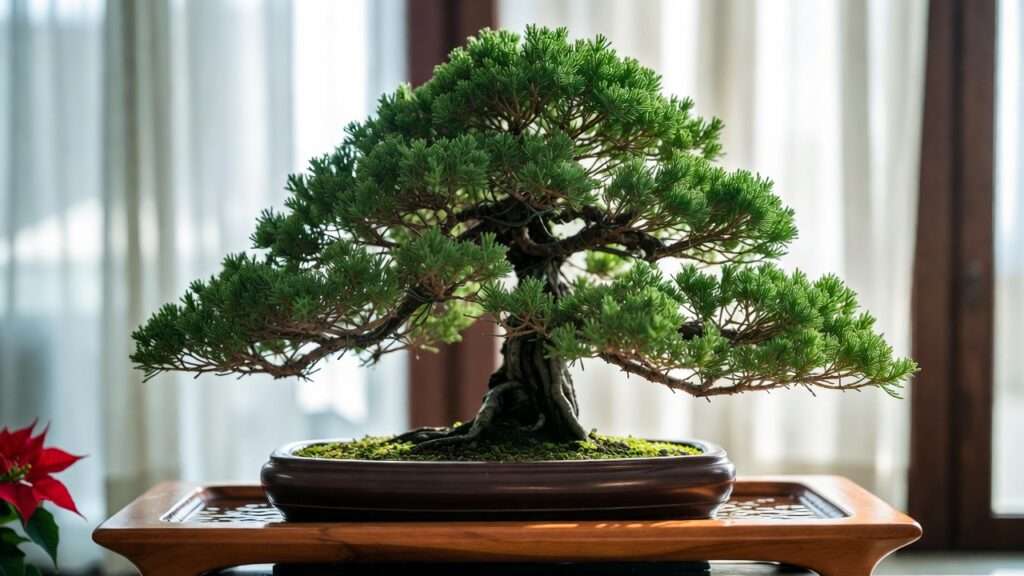
Imagine this: Your majestic Juniper bonsai, meticulously shaped over years of outdoor care, finally gets its moment to shine inside your home. Guests gasp in awe as they admire its twisting branches up close during a special dinner, or you capture that perfect photo for your bonsai collection. The tree looks stunning in the soft indoor light… but a few days later, you notice needles turning brown and tips drying out 😔. Sound familiar?
This heartbreaking scenario happens far too often when bonsai enthusiasts try adapting outdoor bonsai for indoor display without understanding the critical differences between hardy outdoor species and true indoor varieties.
As a long-time bonsai grower with over 15 years of experience nurturing temperate species through seasons, exhibitions, and home displays, I’ve learned that short, thoughtful indoor showcases can be magical — and safe — when done correctly. The key? Treating indoor time as a brief, special treat rather than a permanent move.
In this comprehensive guide, you’ll discover expert-backed steps to safely bring your outdoor bonsai (think Juniper, Pine, Maple, Elm, and more) indoors temporarily for events, photography, holidays, or pure enjoyment — all while protecting its long-term health. We’ll cover preparation, ideal placement, care during the stay, safe return outdoors, species-specific advice, creative display ideas, and common pitfalls to avoid. By following these proven methods, you can enjoy your living artwork up close without risking stress, decline, or worse.
Let’s ensure your bonsai thrives for decades to come! 🌳❤️
Understanding Outdoor vs. Indoor Bonsai: Why the Difference Matters 🌳❄️
Outdoor bonsai — often called “hardy” or “temperate” species — evolved in natural environments with full sun, fresh air circulation, seasonal temperature fluctuations, and cold winter dormancy. Popular examples include Juniper (Juniperus procumbens ‘nana’), Japanese Black Pine, Trident Maple, Chinese Elm, and Beech. These trees require genuine outdoor conditions year-round to stay vigorous and healthy.
In contrast, true indoor bonsai are typically tropical or subtropical species (Ficus, Jade, Serissa, Fukien Tea) that tolerate lower light, stable warm temperatures, and higher indoor humidity. They thrive in homes without needing cold periods.
The Risks of Long-Term Indoor Keeping for Outdoor Species ⚠️ Bringing an outdoor bonsai inside for weeks or months causes cumulative stress:
- Insufficient light leads to etiolation (leggy, weak growth), needle/leaf drop, and reduced photosynthesis.
- Dry indoor air (often 20–40% humidity vs. ideal 50–70% outdoors) accelerates dehydration, especially in conifers.
- No dormancy cycle weakens the tree over years, making it prone to pests, diseases, and dieback. Many owners mistakenly think “just a little longer” is fine — but even one extended period can set back years of progress.
Short displays (2–5 days max) mimic traditional Japanese practices and cause minimal harm when managed properly.
(These images show beautiful examples of hardy bonsai enjoying bright natural window light indoors — notice the vibrant foliage when placement is optimal!)
When and Why You Should Display Your Outdoor Bonsai Indoors 🎉
Temporary indoor displays have deep cultural roots. In Japan, the tokonoma alcove is designed for short, intentional showcases of bonsai during tea ceremonies, holidays, or family gatherings — emphasizing mindfulness and appreciation of nature’s beauty.
Common reasons to bring yours inside:
- Special occasions (weddings, birthdays, anniversaries)
- Holiday decorations (e.g., a Pine for winter vibes without lights damaging needles)
- Photography or social media sharing 📸
- Closer personal enjoyment during rainy/cold weather
The golden rule: View indoor time as a rare privilege, not routine. This preserves the tree’s health while creating memorable moments.

(Traditional tokonoma setups — elegant, minimal, and inspiring for your own displays!)
Preparing Your Outdoor Bonsai for Indoor Transition (Step-by-Step) 🛡️
Proper prep minimizes shock and maximizes display appeal.
Step-by-Step Preparation Checklist
- Inspect thoroughly — Check for pests (spider mites, scale), disease, or weak branches. Treat outdoors if needed (e.g., neem oil spray).
- Light prune if desired — Remove any stray wires or overly long shoots for a polished look, but avoid heavy styling close to moving.
- Water deeply 1–2 days prior — Ensure even moisture so the tree isn’t thirsty upon entry. Use room-temperature water.
- Clean the pot and foliage — Wipe dust from leaves with a soft brush or damp cloth; rinse the pot exterior for showroom shine ✨
- Choose display accessories — Select a stable stand, humidity tray, or moss top-dressing now.
Ideal Timing and Duration Limits
- Best seasons: Spring (post-frost) or early fall — milder stress.
- Avoid: Peak summer heat (trees cook near windows) or deep winter dormancy (frozen roots dislike warm indoors).
- Safe maximum: 2–5 days for most hardy species; aim for 1–3 days ideally.
- Immediate return signs: Wilting despite moisture, excessive needle shed, or pale color.
Choosing the Perfect Indoor Spot for Temporary Display 🏡✨
Placement is crucial — the right location reduces stress dramatically, while a poor one can cause rapid decline even in just a few days.
Optimal Placement to Minimize Stress
- Prioritize the brightest south- or west-facing window available. Outdoor bonsai crave intense natural light (at least 4–6 hours of direct or very bright indirect sunlight daily even for short stays).
- Position the pot several inches (4–8 inches) away from the glass to prevent leaf scorch from magnified heat in summer or cold drafts/frost burns in winter.
- Keep away from heating vents, radiators, fireplaces, TVs, or appliances — these create hot, dry microclimates that dehydrate foliage quickly.
- Avoid drafty doors/windows or spots with swinging temperature changes.
- Elevate on a stable stand or table for airflow underneath and aesthetic appeal.
Here are some inspiring examples of well-placed temporary indoor bonsai displays:
(Notice how these trees sit in bright, diffused window light — vibrant greens and no signs of stress!)
Using Supplemental Lighting if Natural Light Is Limited 💡 In apartments, northern exposures, or cloudy seasons, natural light may fall short. Supplement with full-spectrum LED grow lights:
- Choose lights rated 6500K (daylight color temperature) for balanced growth.
- Hang or position 12–18 inches above the canopy.
- Run on a timer for 12–14 hours per day to mimic natural daylight cycles ⏰.
- Affordable options: Clamp-on shop lights with daylight bulbs or dedicated bonsai/plant LED panels (20–40 watts sufficient for one tree).
This setup keeps photosynthesis going strong during the short stay.
(Effective grow light setups — notice the even illumination and healthy foliage!)
Essential Care Tips During the Indoor Stay 💧🌬️
Indoor environments differ vastly from outdoors — proactive daily care prevents issues.
Watering, Humidity, and Airflow While Indoors
- Check soil moisture daily — poke your finger 1 inch into the soil; water thoroughly when it feels dry (indoor heating/AC dries soil faster than outdoors).
- Use room-temperature, dechlorinated water (let tap water sit 24 hours).
- Boost humidity with a pebble tray: Fill a shallow tray with pebbles and water, place the pot on top (never let the pot sit directly in water to avoid root rot). Evaporation creates a micro-humid zone around the tree.
(Proven humidity tray examples — simple, effective, and bonsai-safe!)
- Gentle misting 1–2 times daily helps if your home humidity dips below 40%.
- Ensure good air circulation — a small fan on low (oscillating, not blasting directly) prevents fungal buildup and mimics outdoor breezes.
Temperature and Ventilation Best Practices
- Maintain 60–75°F (15–24°C) — avoid extremes.
- Open a window briefly each day (if weather permits) for fresh air exchange without creating drafts.
- Monitor with a cheap hygrometer/thermometer combo for peace of mind.
Returning Your Bonsai Outdoors Safely (Acclimation Guide) 🔄🌳
The return trip is just as important as the indoor stay. Abrupt changes from cozy indoor conditions back to full outdoor sun, wind, or temperature swings can cause shock — even after only a few days inside.
How to Transition Back Outside Without Shock Follow this gradual re-acclimation protocol:
- Day 1–2: Shaded outdoor spot first — Place the bonsai in a protected, shaded area outdoors (under a porch, tree canopy, or north side of the house). This lets the tree readjust to natural air, humidity, and light intensity slowly.
- Day 3–5: Gradually increase light exposure — Move to dappled sun or morning sun only, then slowly to its normal outdoor position. For example:
- Morning: 2–3 hours filtered sun
- Next day: 4–5 hours
- By day 5: Full normal placement
- Monitor closely — Watch for stress signals like wilting, leaf/needle curl, browning tips, or sudden drop. If any appear, move back to shade immediately and mist lightly. Most healthy trees recover fully within a week if reintroduced properly.
Aftercare Boosters
- Once fully acclimated, resume your regular outdoor watering, fertilizing, and maintenance schedule.
- Apply a light dose of balanced liquid fertilizer (e.g., ½ strength organic bonsai fertilizer) about 5–7 days after return to support recovery energy.
- Avoid repotting, heavy pruning, or wiring for at least 4–6 weeks post-display — give the tree time to stabilize.
This careful transition is what separates short-term displays from long-term damage. Many of my own trees have enjoyed dozens of indoor appearances over the years with zero setbacks thanks to this method ❤️.
Species-Specific Tips for Popular Outdoor Bonsai 🌲
Not all hardy species handle indoor time the same way. Here’s a quick-reference guide based on real grower experience and nursery observations:
- Juniper (most common hardy species) — Most tolerant. Can safely handle up to 5 days indoors with bright light and good humidity. Watch for tip browning if air is very dry.
- Japanese Black Pine & other Pines — Very resilient. 4–5 days is usually fine; they appreciate slightly cooler indoor temps (60–68°F).
- Trident/Japanese Maple — More sensitive due to thin leaves. Limit to 2–3 days max. Extra humidity (tray + misting) is essential; avoid direct sun near windows to prevent scorch.
- Chinese Elm & Zelkova — Moderately tolerant. 3–4 days ok with bright light. They drop a few leaves as protest but bounce back quickly.
- Beech & Hornbeam — Fairly sensitive. Stick to 2–3 days; they dislike dry air intensely.
- Larch, Spruce, Hemlock (young trees especially) — Least tolerant. Best to limit to 1–2 days or avoid altogether unless conditions are perfect.
Quick Species Tolerance Chart:
| Species | Max Safe Days Indoors | Light Needs | Humidity Priority | Notes |
|---|---|---|---|---|
| Juniper | 4–5 | Very bright | Medium | Most forgiving |
| Pine (Black, White) | 4–5 | Bright | Medium | Loves cool rooms |
| Japanese Maple | 2–3 | Bright indirect | High | Extra misting essential |
| Chinese Elm | 3–4 | Bright | Medium-High | May drop leaves temporarily |
| Beech | 2–3 | Bright indirect | High | Very sensitive to dry air |
Use this as your personal cheat sheet before planning any display!
Creative Display Ideas to Make Your Bonsai Shine ✨📸
Once your tree is safely positioned, elevate the presentation:
- Traditional tokonoma style — Simple wooden stand, neutral wall background, small accent plant or stone companion.
- Modern minimalist — Sleek black or white table, clean lines, single dramatic spotlight from above.
- Seasonal flair — Add subtle moss, tiny lanterns for holidays, or autumn-colored companion leaves (never glued or wired permanently).
- Photography tips — Shoot during golden hour window light, use a 50mm lens for natural perspective, blur the background for focus on the tree. Rotate the pot slightly each day for even light exposure.
These small touches turn a simple display into a piece of living art that guests (and Instagram followers) remember.
Common Mistakes to Avoid (Lessons from Experienced Growers) ⚠️
From forum horror stories and my own early experiments:
- Leaving the tree indoors “just one more day” — the #1 cause of decline.
- Placing near fruit bowls (ethylene gas from ripening fruit accelerates leaf/needle drop).
- Overwatering due to guilt — soggy soil indoors = root rot fast.
- Ignoring early warning signs (slight wilting, pale color) and hoping it improves.
- Forgetting to acclimate back outdoors — many trees suffer more from the return trip than the stay itself.
Always err on the side of shorter displays and caution.
FAQs: Quick Answers to Top Reader Questions ❓
Can I display my outdoor bonsai indoors for a week? No — 5 days is the absolute upper safe limit for most hardy species. Beyond that, stress accumulates quickly.
What if my home has very low natural light? Use strong supplemental LED grow lights (full-spectrum, 12–14 hrs/day) or limit to 1–2 days only.
Will one short display ruin my tree forever? Absolutely not — when done correctly (short duration + proper care), healthy trees recover completely with no long-term effects.
Is it okay during winter holidays (e.g., Christmas)? Yes, if you keep it 2–4 days max, use cool room temps, bright light, and return it promptly. Avoid hot/dry spots near fireplaces.
What are good alternatives for longer indoor enjoyment? Consider growing true indoor tropical bonsai (Ficus, Jade, etc.) for year-round home display, or rotate several hardy trees for short guest appearances.
Conclusion: Enjoy Your Bonsai Responsibly for Years to Come 🌟❤️
Adapting outdoor bonsai for indoor display can be one of the most rewarding parts of this ancient art — bringing your miniature landscape into your living space for special moments without compromising the tree’s vitality.
By respecting duration limits, preparing carefully, choosing smart placement, maintaining ideal conditions, and acclimating properly on return, you create beautiful memories while safeguarding decades of careful cultivation.
Treat these indoor showcases as rare treats, follow the guidelines in this guide, and your bonsai will reward you with health and beauty season after season.
Have you tried a safe indoor display yet? Share your experience, favorite display setup, or photos in the comments below — I’d love to see your trees shining indoors! 🌱✨











