
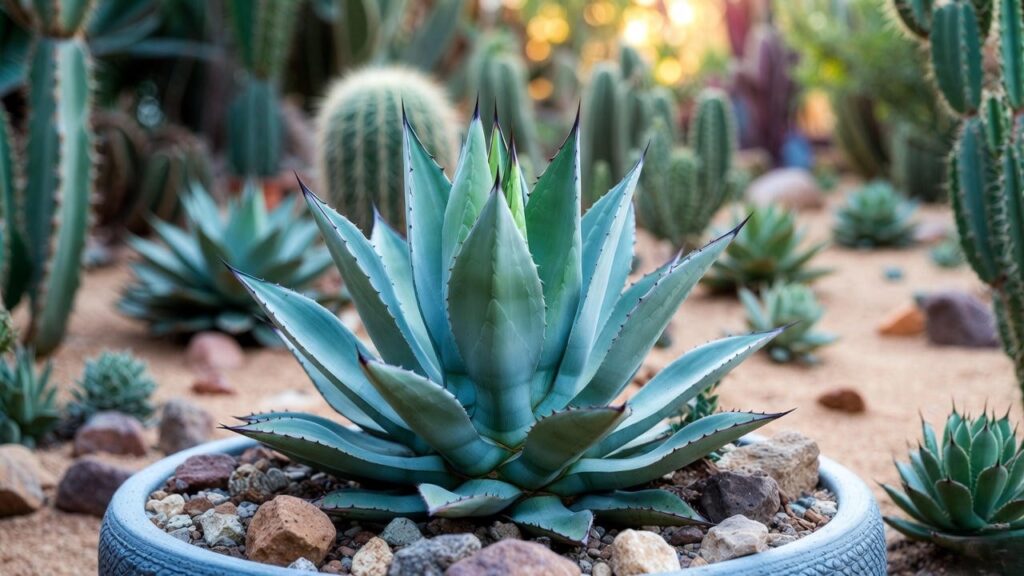
Imagine transforming your garden or indoor space with a stunning, architectural succulent that boasts soft, arching leaves in vibrant blue-green tones—without the sharp spines that make most agaves intimidating! 🌿 The Agave desmettiana plant, often called the Smooth Agave or Dwarf Century Plant, is a true gem for plant lovers seeking beauty, low maintenance, and forgiveness for occasional neglect. Whether you’re a beginner worried about overwatering or an experienced gardener aiming for that perfect xeriscape focal point, this guide will equip you with expert insights to achieve lush, thriving growth. Let’s dive into the secrets of cultivating this elegant, drought-tolerant beauty! ✨
What Is the Agave Desmettiana Plant? 🏺
The Agave desmettiana plant is a captivating evergreen succulent from the Asparagaceae family, prized for its graceful, urn-shaped rosettes and remarkably smooth leaves—a rarity among agaves. Native to regions in Mexico but heavily cultivated for centuries (to the point where wild populations are scarce), this species honors Belgian horticulturist Louis De Smet, after whom it’s named.
Overview and Botanical Background
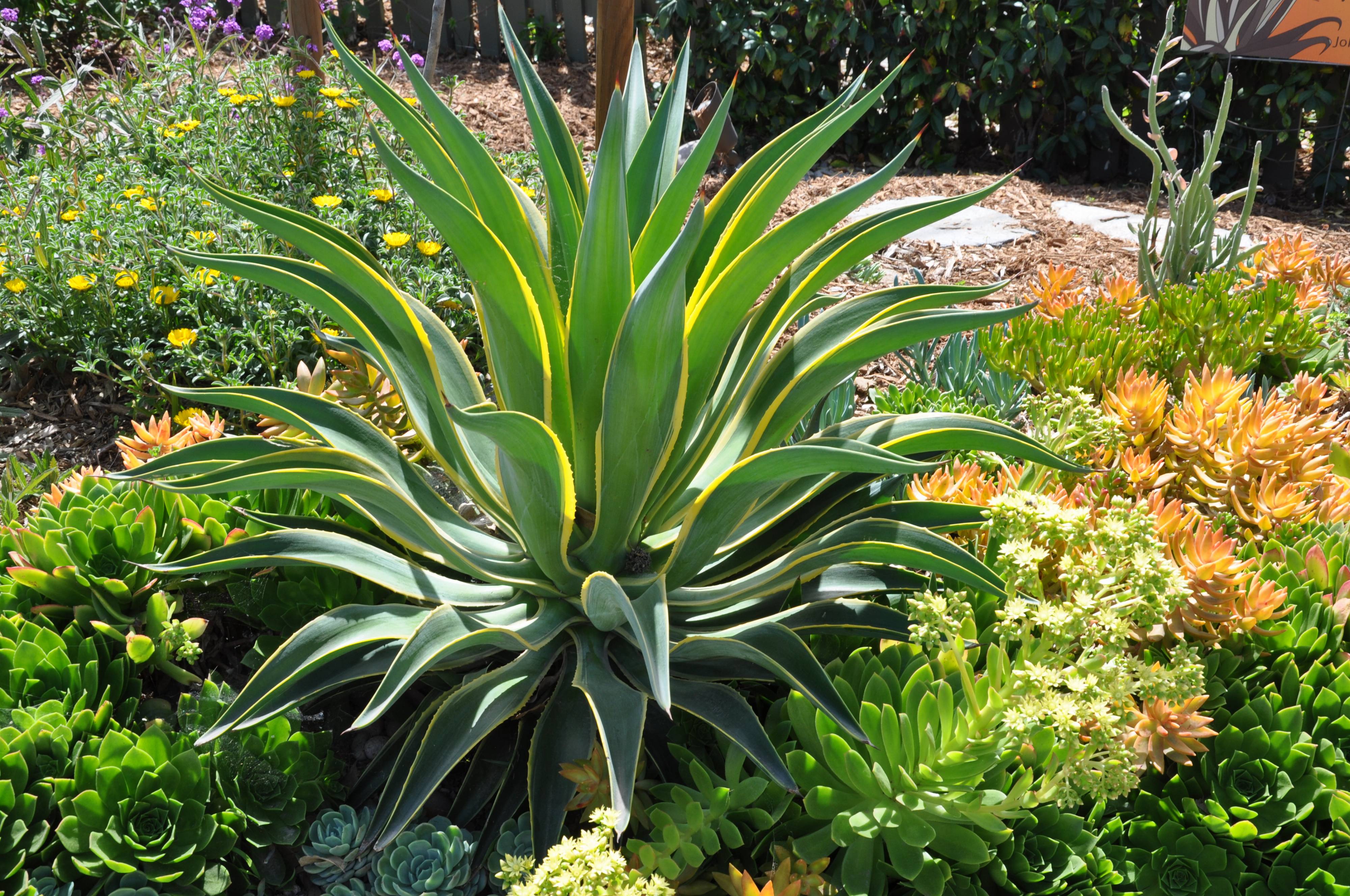
Agave desmettiana forms compact to medium-sized rosettes, typically reaching 2-4 feet in height and width when mature. Its leaves are fleshy, linear-lanceolate, and curve elegantly outward, creating a fountain-like effect. Unlike many agaves with vicious marginal teeth, this one has smooth or minimally toothed edges, ending in a soft reddish-brown terminal spine.
Common Names and Varieties 🌈
- Smooth Agave: Highlighting its spineless, touch-friendly leaves.
- Dwarf Century Plant: Referring to its smaller stature compared to giant century plants.
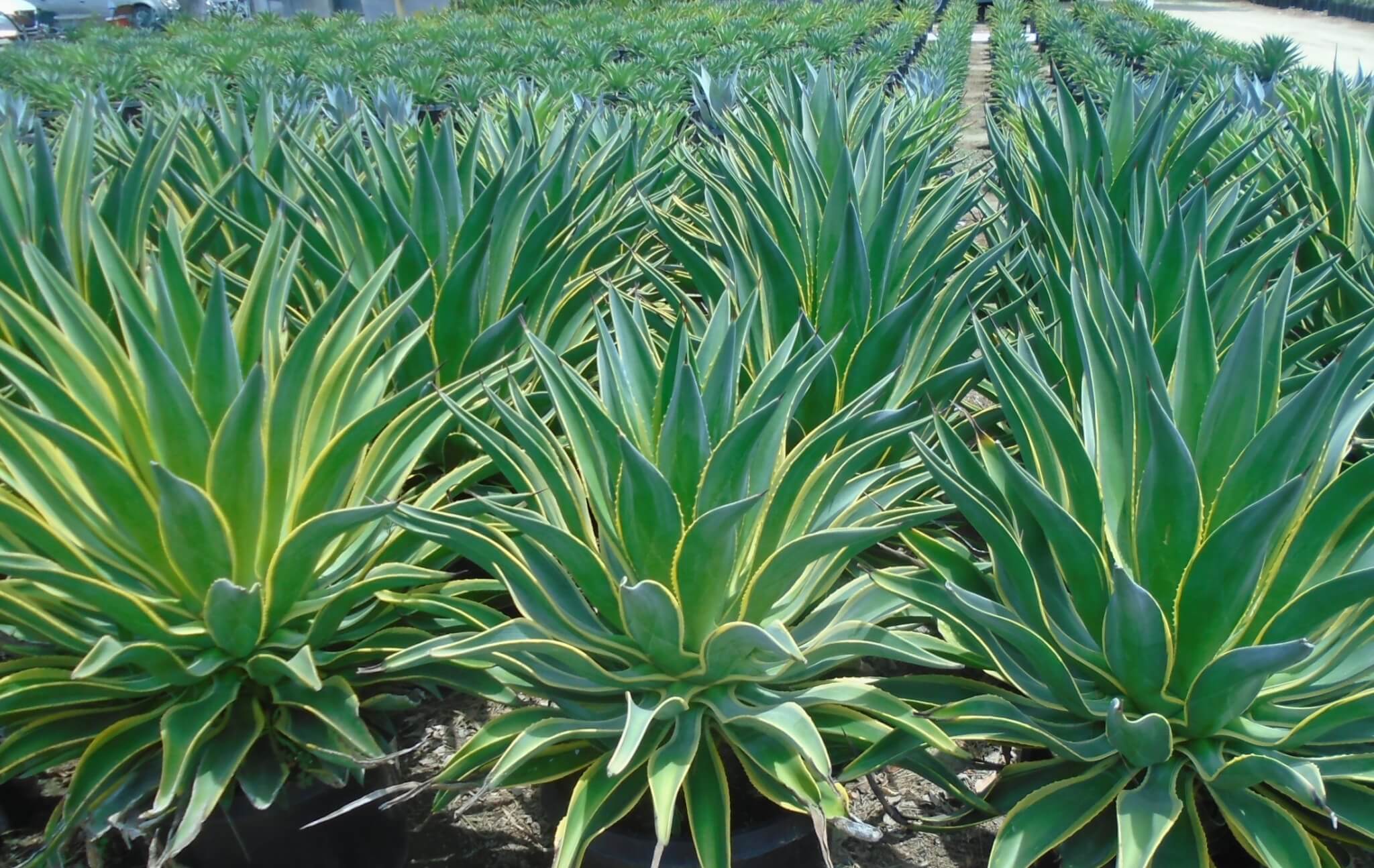
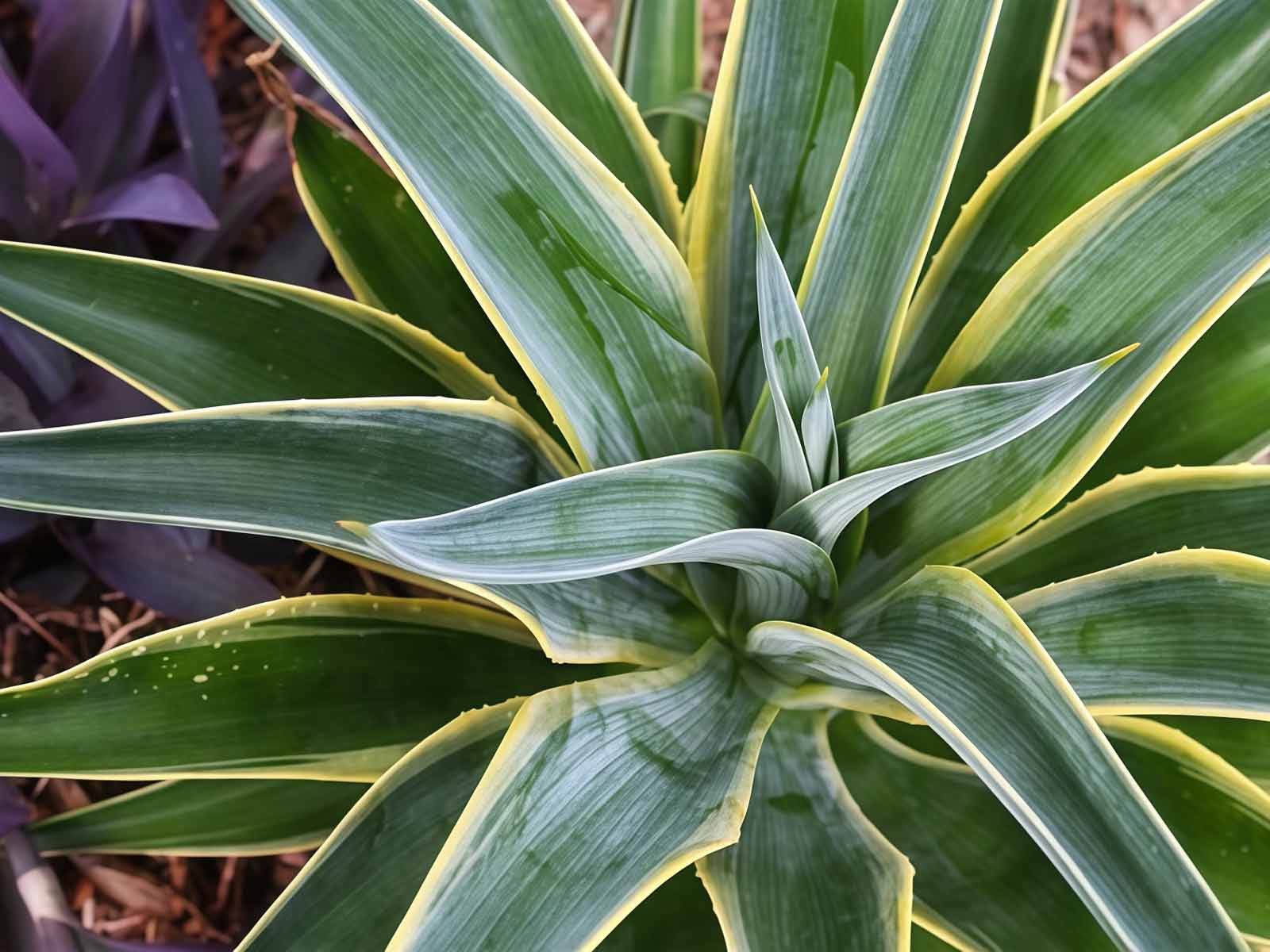
- Popular cultivars include Agave desmettiana ‘Variegata’, featuring striking bright green leaves edged in golden yellow, adding a glowing, backlit appearance.
Key Characteristics: Size, Growth Habit, and Unique Smooth Leaves
This moderately fast-growing agave produces numerous basal offsets (pups), forming clumping colonies over time. Leaves can reach 20-40 inches long and 3-4 inches wide, with a glaucous blue-green hue. It’s monocarpic—each rosette flowers once after 8-15 years, producing a dramatic 8-10 foot tall stalk with pale yellow blooms, then dies—but offsets ensure longevity.
History and Origin: From Cultivation Roots to Modern Gardens
Cultivated for ornamental use since the 19th century, Agave desmettiana thrives in modern xeriscapes, containers, and indoor settings, offering a safer alternative to spiny relatives.
Why Choose Agave Desmettiana for Your Garden or Home? ❤️
In my years working with succulents across various climates, few plants match the versatility and charm of Agave desmettiana. It’s ideal for busy gardeners or those new to drought-tolerant plants.
Benefits: Drought-Tolerant, Low-Maintenance, and People/Pet-Friendly
Once established, it requires minimal water, forgiving forgetful watering. Its near-spineless nature makes it safe around children, pets, and high-traffic areas—unlike prickly agaves that demand caution.
Aesthetic Appeal: Architectural Form and Year-Round Interest
The arching rosettes provide sculptural elegance, with variegated forms adding vibrant color contrast. It maintains interest through seasons, especially in mass plantings.
Versatility: Perfect for Containers, Xeriscapes, Indoors, or Landscapes
Excel in pots on patios, as indoor statements near sunny windows, or ground-planted in rock gardens. Hardy in USDA zones 9a-11b (down to about 20-25°F/-6.7°C briefly), it’s suitable for coastal, desert, or Mediterranean designs.
Comparison with Similar Agaves (e.g., Agave Attenuata vs. Desmettiana) 🔍
Often confused with Agave attenuata (Foxtail Agave), which has completely spineless, softer leaves and a curving inflorescence. Desmettiana is more upright, faster-offsetting, and slightly hardier, while attenuata offers smoother flexibility but similar low-maintenance appeal.
Ideal Growing Conditions for Agave Desmettiana ☀️
Success starts with mimicking its native habitat: bright light, excellent drainage, and minimal fuss.
Light Requirements
- Full Sun vs. Partial Shade: Best Practices for Optimal Color and Growth Thrives in full sun (6+ hours daily) for compact form and intense coloration. In hotter climates, afternoon shade prevents scorching. Variegated types need bright light to maintain yellow margins.
- Indoor Lighting Tips for Healthy Indoor Specimens Place near south-facing windows; supplement with grow lights if needed. Rotate for even growth.
Temperature and Hardiness
- USDA Zones and Cold Tolerance (Down to ~25°F) Zones 9-11; brief dips to 20-25°F cause minor damage, but prolonged cold leads to mushy leaves. In cooler areas, grow in containers for winter protection.
- Protecting from Frost and Extreme Heat 🧊🔥 Cover with frost cloth or move indoors during freezes. Provide shade cloth in extreme heat waves.
Soil and Drainage Essentials
- Best Soil Mix Recipes (Cactus/Succulent Blend with Perlite or Pumice) Use well-draining cactus mix amended with 50% perlite, pumice, or gravel. Recipe: 1 part potting soil, 1 part coarse sand, 1 part perlite.
- Why Drainage Is Critical: Avoiding Soggy Roots Poor drainage invites root rot—the #1 killer of agaves.
Watering Guide: The Key to Success 💧
Watering is where most Agave desmettiana owners go wrong—too much leads to root rot, too little causes shriveling. The good news? This plant is incredibly forgiving once you master the “soak and dry” method.
How Often to Water: Seasonal Schedules and “Soak and Dry” Method
- Spring/Summer (Active Growth): Water deeply every 10-14 days when the top 3-4 inches of soil are completely dry. Always check with your finger or a moisture meter.
- Fall/Winter (Dormant Period): Reduce to every 3-4 weeks, or even less in cool climates. Overwatering in winter is the biggest threat.
- Soak and Dry Technique: Thoroughly saturate the soil until water drains from the bottom (for pots) or deeply soaks the ground (for in-ground plants), then wait until fully dry before the next watering. This mimics desert rains and promotes strong roots.
Signs of Overwatering vs. Underwatering
- Overwatering: Soft, mushy base; yellowing or blackening leaves from the bottom up; foul odor from soil; wilting despite wet soil.
- Underwatering: Leaves curling inward, tips browning, rosette becoming loose or shriveled.
Expert Tips for Rainy Climates or Humid Environments
In high-rainfall areas, grow in raised beds or pots with excellent drainage. Elevate containers on feet to prevent standing water. If humidity is high, ensure good airflow around the plant to avoid fungal issues.
Fertilizing and Nutrition 🌱
Agave desmettiana has low nutrient needs—over-fertilizing can cause leggy growth or burns.
When and How to Fertilize (Low-N Needs for Succulents)
Fertilize only during the active growing season (spring through early fall). Use a balanced, slow-release fertilizer (e.g., 10-10-10 or succulent-specific formula) at half strength.
Recommended Fertilizers: Balanced, Slow-Release Options
- Granular slow-release like Osmocote or Espoma Cactus Mix.
- Liquid options: Diluted fish emulsion or cactus fertilizer (apply monthly during growth).
Avoiding Over-Fertilization Burn
Apply to dry soil and water in afterward. Skip fertilizing newly propagated pups or stressed plants.
Propagation: Easy Ways to Multiply Your Plants 👶
One of the joys of Agave desmettiana is its prolific pup production—soon you’ll have a colony!
Step-by-Step Offset (Pup) Removal and Planting
- Wait until pups are at least 4-6 inches tall with their own roots.
- Gently dig around the pup base, sever with a clean knife.
- Let the cut callous for 3-7 days in shade.
- Plant in well-draining soil, water sparingly until established.
Bulbil Propagation from Flower Stalks
After flowering, the stalk may produce bulbils (tiny plantlets). Harvest, callous, and plant like pups.
Rare Seed Propagation and Success Rates
Seeds are viable but germination is slow and inconsistent (20-50% success). Use fresh seeds in sandy mix, keep warm and moist.
Best Time of Year and Aftercare Tips
Propagate in spring/early summer for best root development. Keep new plants in bright, indirect light for the first few weeks.
Repotting and Maintenance 🪴
Regular maintenance keeps your Agave desmettiana looking pristine and healthy. While it’s low-fuss, occasional repotting and grooming prevent issues and encourage vigorous growth.
When to Repot: Signs Your Plant Has Outgrown Its Container
Repot every 2-3 years or when roots circle the pot bottom, emerge from drainage holes, or growth slows. Spring is ideal—avoid during winter dormancy.
Step-by-Step Repotting Guide (With Safety Tips)
- Water lightly 1-2 days before to ease removal.
- Wear gloves (even though mostly spineless, the terminal spine can prick).
- Tip the pot sideways, gently tap to release the root ball.
- Inspect roots: Trim any rotten or dead sections with sterilized shears.
- Choose a new pot 2-4 inches wider with drainage holes.
- Add fresh succulent mix, plant at the same depth, and firm soil.
- Wait 1 week before watering to allow roots to settle.

Pruning and Grooming: Removing Dead Leaves and Managing Suckers
Pull or cut dead lower leaves at the base for airflow and aesthetics. Control offsets by removing unwanted pups to keep a single rosette focal point, or let them cluster for a natural colony look.
Common Problems and Solutions 🛠️
Even with perfect care, issues can arise. Early detection saves your plant—here’s what I’ve encountered most over years of growing agaves.
Overwatering and Root Rot: Prevention and Recovery
The top killer. Prevention: Always use well-draining soil and pots. Recovery: Unpot, trim mushy roots, let dry 1-2 weeks, repot in fresh mix, and withhold water.
Pests: Agave Snout Weevil, Scale, Mealybugs, and Treatment
- Agave Snout Weevil: Devastating—larvae bore into the core, causing collapse. Signs: Wilting, soft base. Treat with systemic insecticides (imidacloprid) in spring as preventive; remove severely infested plants to protect others.
- Scale and Mealybugs: White cottony or armored spots. Wipe with alcohol-soaked cotton or use horticultural oil/neem.
Leaf Issues: Yellowing, Spots, or Damage
Yellowing often signals overwatering; spots from sun scorch or fungal (treat with fungicide). Frost damage causes blackening—protect or trim affected parts.
Monocarpic Flowering: What Happens When It Blooms (And How to Propagate Before It Dies)
After 8-15 years, the rosette sends up a spectacular flower spike, then dies. Propagate pups well in advance—the offsets will carry on!
Design Ideas and Landscaping Tips 🎨
Agave desmettiana shines in design—its soft form makes it more versatile than spiky cousins.
Container Gardening: Pots, Indoors, and Patio Displays
Elevate on patios for drama; use terracotta or glazed pots for Mediterranean vibes. Indoors, it’s a stunning houseplant near bright windows.

Outdoor Uses: Rock Gardens, Borders, Mass Plantings, or Focal Points
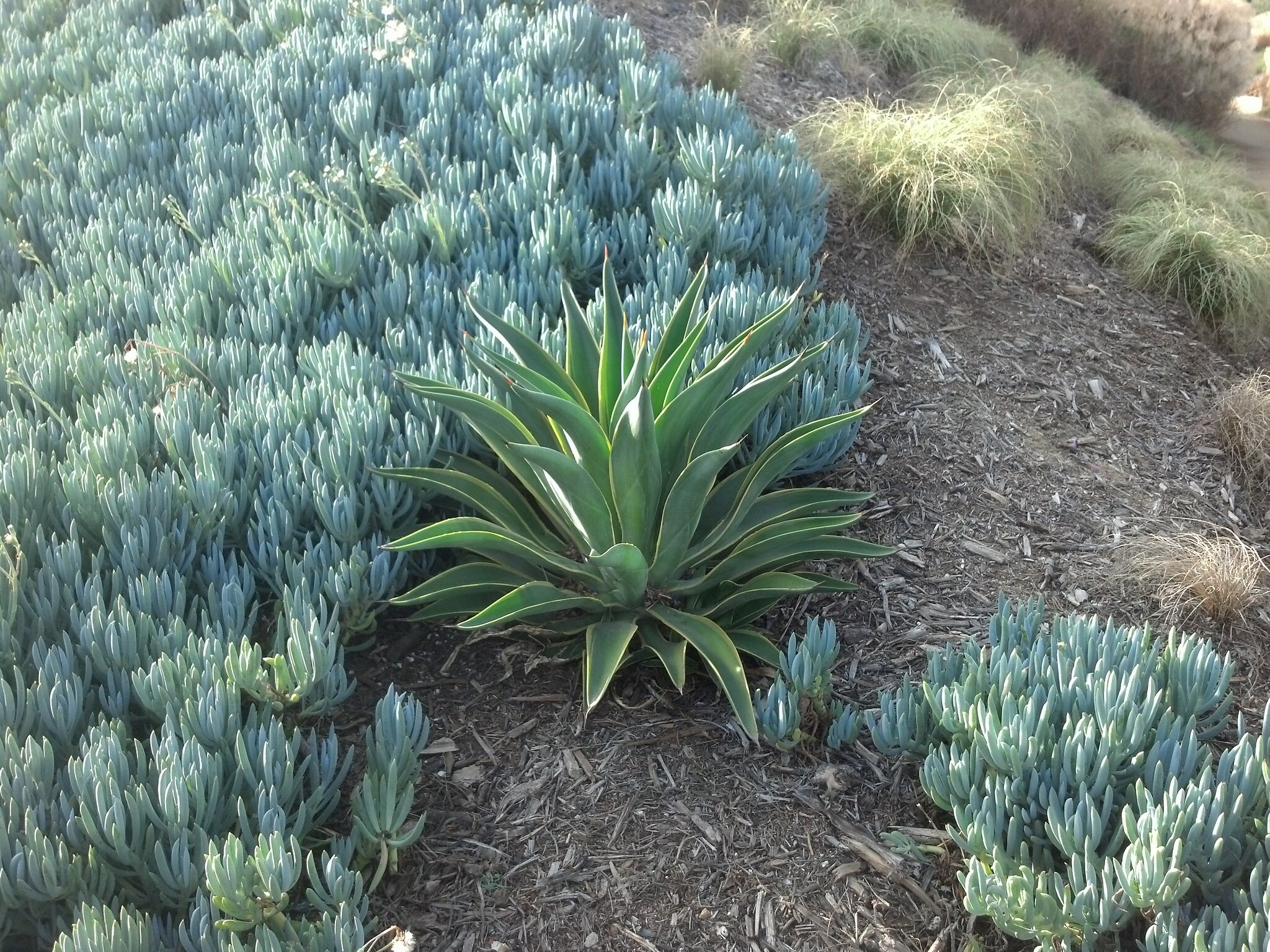
Perfect for xeriscapes—pair with boulders for desert elegance or as borders along paths.
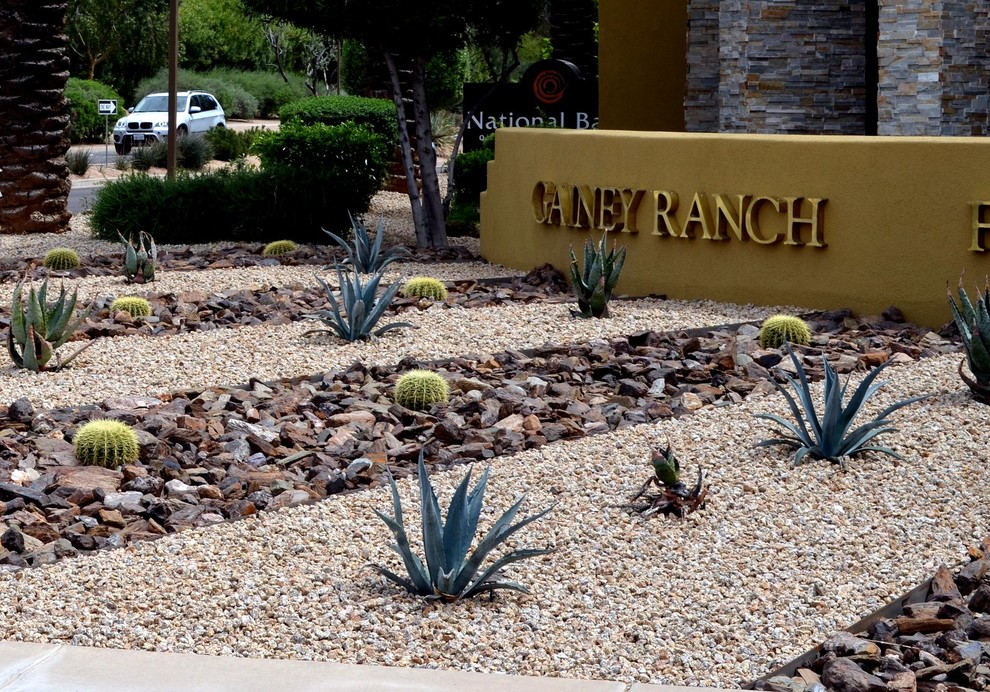
Companion Plants: Pairing with Other Drought-Tolerant Beauties
Combine with yuccas, aloes, sedums, or lavender for texture contrast. Avoid water-loving plants nearby.
Variegated Cultivars for Extra Wow Factor 🌟
‘Variegata’ adds luminous stripes—place in prominent spots for year-round glow.
Expert Insights and Pro Tips from Years of Experience 🔑
Having grown and observed Agave desmettiana in coastal, desert, and Mediterranean climates for over a decade, here are some battle-tested tips that go beyond basic care.
Seasonal Care Calendar
- Spring (March–May): Resume regular watering, fertilize once, repot if needed, remove excess pups, watch for snout weevil activity.
- Summer (June–August): Peak growth – water every 10–14 days, provide afternoon shade in very hot regions (>95°F/35°C), enjoy the lush rosettes.
- Fall (September–November): Gradually reduce watering, stop fertilizing by mid-October, prepare frost protection if temperatures dip below 30°F.
- Winter (December–February): Water sparingly (once every 3–4 weeks), keep as dry as possible, move potted plants indoors or cover if frost is forecast.
Growing in Challenging Climates
- Hot Desert Areas: Mulch with gravel to keep roots cool and reduce evaporation. Use light shade cloth (30%) during heat waves.
- Cooler Coastal or Transitional Zones: Plant in the warmest microclimate (south-facing wall). Terracotta pots help by wicking excess moisture in winter.
- High Humidity Regions: Ensure excellent airflow, avoid overhead watering, and consider growing under a patio roof.
Toxicity Notes: Safe Handling for Pets and Kids
While Agave desmettiana is much safer than most agaves, the sap can cause mild skin irritation in sensitive individuals. The terminal spine, though soft, can still poke. Keep out of reach of very young children and curious pets who might chew leaves. It is not listed as highly toxic by ASPCA, unlike many other agaves.
Long-Term Growth Expectations and Maturity Timeline
- Year 1–2: Rapid establishment, rosette doubles in size.
- Year 3–5: Full mature size (2–4 ft wide), heavy pup production.
- Year 8–15: Possible flowering (especially in ideal conditions). After flowering, the mother rosette dies, but offsets take over seamlessly.
Frequently Asked Questions (FAQs) ❓
How fast does Agave desmettiana grow? Moderately fast for an agave. Expect 6–12 inches of new leaf growth per year under good conditions, reaching mature size in 3–5 years.
Is it truly spineless and safe around children? Almost! It has smooth leaf margins and a relatively soft terminal spine, making it one of the safest agaves for family gardens and indoor spaces.
Can it survive indoors year-round? Yes, provided it gets at least 4–6 hours of bright, direct light daily (south-facing window or grow lights). Rotate the pot quarterly for even growth.
What should I do when the mother rosette flowers and dies? Don’t panic! Cut the flower stalk down once it finishes blooming. Harvest and propagate the pups immediately. The colony will continue through the offsets.
What’s the best soil mix recipe for pots? A reliable, well-draining recipe: • 40% commercial cactus/succulent potting mix • 30% coarse perlite or pumice • 20% coarse sand or decomposed granite • 10% small gravel or lava rock This combination prevents waterlogging while retaining just enough moisture.
Why are the lower leaves turning yellow and falling off? Most often overwatering or poor drainage. It can also be natural aging (the oldest leaves die off). Check soil moisture and root health first.
How do I prevent snout weevil damage? Apply a preventive systemic insecticide (containing imidacloprid) in early spring. Keep the area clean of debris, and inspect the base of the plant regularly.
Is the variegated form harder to grow? Slightly. It needs brighter light to maintain strong variegation and is a bit less cold-hardy. Otherwise, care is identical to the green form.
Can I plant Agave desmettiana in the ground in zone 8? Only with protection. Plant against a south-facing wall, use heavy mulch, and cover during freezes. Container growing is safer.
Conclusion: Start Your Thriving Smooth Agave Journey Today! 🚀
The Agave desmettiana plant is proof that you don’t need to be an expert—or have perfect conditions—to grow a show-stopping succulent. With its forgiving nature, elegant form, and near-spineless leaves, it’s the ideal choice for beginners, busy gardeners, and design enthusiasts alike. 🌿
Follow the guidelines in this guide—bright light, excellent drainage, thoughtful watering, and minimal fuss—and you’ll be rewarded with a healthy, architectural beauty that brings desert elegance to your space year after year.
Ready to get started? Pick up a healthy specimen (or two!), grab a well-draining pot, and give your new Smooth Agave the care it deserves. I’d love to hear how it thrives in your garden or home—drop a comment below with your progress or questions!
Happy growing! 🌵✨











