
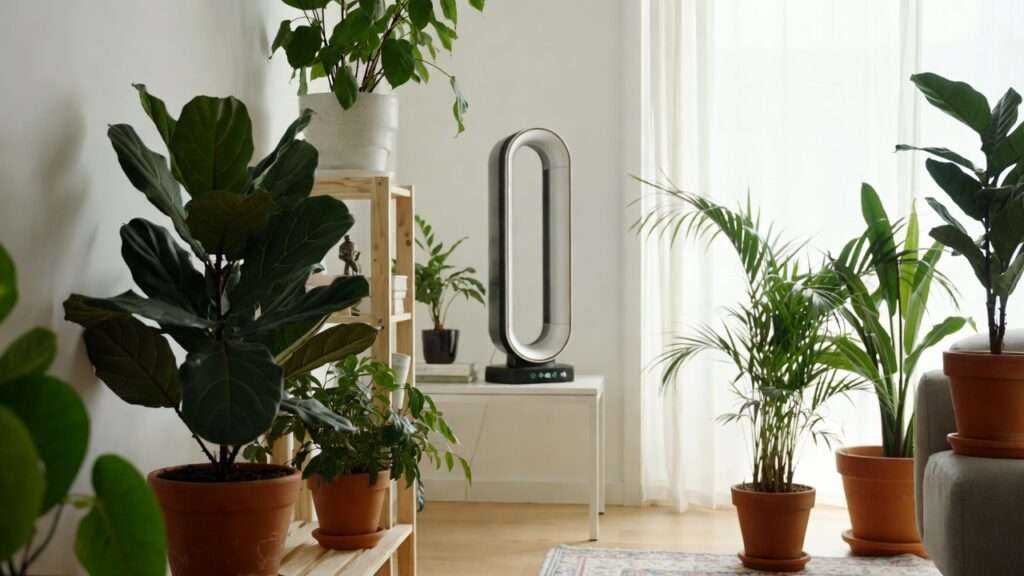
🌿 Imagine walking into your living room, surrounded by lush green houseplants you’ve carefully nurtured—snake plants standing tall, peace lilies blooming elegantly, and pothos trailing gracefully from shelves. As a plant lover, you’ve probably heard (or even told friends) that these beauties are working hard to purify the air you breathe, removing toxins and boosting your home’s health. It’s a comforting thought, especially in today’s world where indoor air quality concerns are on the rise.
But here’s the reality check that many plant enthusiasts face: air purification vs. mechanical air filters—which one actually delivers cleaner indoor air? With volatile organic compounds (VOCs) from furniture and paints, particulate matter (PM) from dust and pets, and allergens floating around in our tightly sealed modern homes, it’s natural to wonder if your beloved houseplants can truly compete with dedicated mechanical air purifiers equipped with HEPA filters and activated carbon.
The short answer? Houseplants offer wonderful, complementary benefits, but they can’t match the speed, scale, and measurable impact of mechanical air filters for serious air purification. The good news? You don’t have to choose one or the other. A smart hybrid approach—combining your thriving indoor garden with the right mechanical filtration—can give you the best of both worlds: cleaner air and a beautiful, biophilic home that supports your well-being.
In this in-depth guide, we’ll break down the science, debunk common myths (including the famous NASA study), compare the two approaches head-to-head, and share practical tips tailored for plant caregivers. Whether you’re dealing with allergies, want fresher air for your family, or simply love surrounding yourself with greenery, you’ll walk away with clear, evidence-based answers to make informed decisions.
What Causes Poor Indoor Air Quality? (Context for Readers)
Indoor air can be 2–5 times more polluted than outdoor air, according to organizations like the EPA and WHO. Why? Modern homes prioritize energy efficiency with sealed windows and insulation, trapping pollutants inside.
Key culprits include:
- Particulate matter (PM2.5 and PM10): Tiny particles from dust, pet dander, pollen, cooking smoke, and outdoor pollution that sneaks in. These can penetrate deep into lungs, aggravating asthma and respiratory issues.
- Volatile organic compounds (VOCs): Gases like formaldehyde (from pressed-wood furniture and carpets), benzene (paints, tobacco smoke), trichloroethylene (cleaners and degreasers), and xylene (adhesives). These off-gas slowly and cause headaches, dizziness, and long-term health risks.
- Other threats: Carbon dioxide buildup from poor ventilation, mold spores in humid spots, allergens, and even airborne viruses.
For plant lovers, this hits close to home. We fill spaces with greenery to create calming, natural environments—but everyday activities (cooking, cleaning, bringing in outdoor dust) introduce pollutants faster than most realize. Poor indoor air quality contributes to “sick building syndrome,” fatigue, and worsened allergies. The real question: Can houseplants handle this load, or do we need mechanical help?
The Myth and Reality of Houseplants as Air Purifiers
The idea that houseplants are powerful air purifiers exploded thanks to the 1989 NASA Clean Air Study by B.C. Wolverton. In sealed test chambers, plants like peace lilies, spider plants, and snake plants removed significant VOCs (e.g., benzene, formaldehyde) over hours or days. NASA aimed at life support for space missions, and the results were promising in controlled, tiny environments.
However, applying those findings to real homes has been widely overstated. Recent scientific reviews paint a clearer picture:
- A landmark 2019 meta-analysis by Drexel University researchers (published in the Journal of Exposure Science & Environmental Epidemiology) reviewed decades of studies. They calculated “clean air delivery rate” (CADR)—a standard metric for air cleaners. Single plants showed median CADR of just 0.023 m³/h for VOCs. To match typical building ventilation (~1 air change per hour), you’d need 10–1,000 plants per square meter of floor space—impractical for any home (e.g., hundreds to thousands in a standard room).
- The American Lung Association (2024 update) states plainly: Houseplants do not meaningfully clean indoor air. Natural ventilation or mechanical systems outperform them vastly.
- Recent 2024–2025 studies (e.g., comparisons of plants vs. HEPA purifiers for PM2.5/PM10) show plants can capture some dust via leaf surfaces (deposition rates 1.67–3.55 times slower than HEPA in tests) and absorb minor VOCs through leaves, roots, and soil microbes. But the effect is slow and limited—often negligible in ventilated spaces.
Realistic benefits of houseplants include:
- Slight humidity increase (helpful in dry climates).
- Dust settling on broad leaves (which you can wipe off).
- Psychological perks: Reduced stress, better mood via biophilia.
- Minor VOC reduction in low-ventilation spots (e.g., small bathrooms).
But for actual purification? The consensus from environmental engineers and health bodies: Houseplants support wellness holistically, but they don’t replace proper filtration.
How Mechanical Air Filters and Purifiers Work
Mechanical air filters and purifiers take a direct, engineered approach to cleaning indoor air, unlike the passive role of plants. Most modern units rely on proven filtration technologies that actively pull air through multiple stages to trap or neutralize pollutants.
The cornerstone for many is HEPA filtration (High-Efficiency Particulate Air). True HEPA filters capture 99.97% of particles as small as 0.3 microns—including dust, pollen, pet dander, mold spores, and some bacteria. This makes them exceptionally effective against particulate matter (PM2.5 and PM10), which plants handle only minimally through leaf deposition.
Many purifiers pair HEPA with activated carbon filters, which adsorb VOCs like formaldehyde, benzene, and odors through a porous surface that binds gas molecules. Some advanced models add UV-C light to kill airborne pathogens or photocatalytic oxidation for breaking down VOCs, though these can produce byproducts if not designed well (stick to reputable brands).
A key performance metric is Clean Air Delivery Rate (CADR), standardized by AHAM (Association of Home Appliance Manufacturers). It measures how quickly and effectively a purifier cleans air for smoke, dust, and pollen in cubic feet per minute. Good room-sized units deliver CADR scores of 200–400+, achieving several air changes per hour (ACH) in typical spaces—far outpacing plants’ negligible CADR (often under 1 m³/h per plant).
Popular, well-reviewed options include:
- Coway Airmega series (high CADR, quiet, smart sensors).
- Levoit Core models (affordable, effective HEPA + carbon combos).
- Dyson or Blueair units (premium features like app control and real-time air quality monitoring).
Limitations exist: They consume electricity (though efficient models use little), require filter replacements every 6–12 months (cost $50–150/year), and can be noisy on high settings. They also lack the aesthetic, mood-boosting, or humidity-regulating perks of living plants.
In short, mechanical purifiers provide rapid, quantifiable purification—ideal when you need fast results against allergens, smoke, or VOC spikes.
Head-to-Head Comparison: Houseplants vs. Mechanical Air Filters
To make the air purification vs. mechanical air filters debate crystal clear, let’s compare them across key factors relevant to plant-loving homeowners.
| Aspect | Houseplants | Mechanical Air Filters/Purifiers | Winner & Why |
|---|---|---|---|
| Pollutant Removal Speed | Slow (hours to days for minor VOC reduction; gradual PM deposition on leaves) | Fast (minutes to hours; multiple ACH) | Mechanical – Dramatically quicker impact |
| Effectiveness (CADR) | Very low (~0.02–0.1 m³/h per plant; need hundreds for noticeable effect) | High (200–800+ m³/h typical) | Mechanical – Orders of magnitude better |
| Best For | Minor VOCs, some PM via leaves; humidity boost | PM2.5/PM10, allergens, smoke, odors, VOCs | Depends – Plants complement; filters dominate |
| Coverage Area | Passive, room-limited (better near pollution sources) | Active circulation (whole-room or multi-room) | Mechanical |
| Initial & Ongoing Cost | Low ($10–50 per plant; minimal ongoing) | Medium–high ($100–600 unit; $50–200/year filters) | Plants (cheaper long-term) |
| Maintenance | Watering, pruning, pest control, occasional leaf wiping | Filter changes, occasional cleaning | Tie – Both require care |
| Additional Benefits | Aesthetic appeal, stress reduction (biophilia), slight humidity increase, oxygen at night (some like snake plant) | None aesthetic; pure function | Plants |
| Drawbacks | Risk of mold from overwatering, allergens if dusty, pet toxicity (e.g., peace lily), impractical numbers needed | Electricity use, noise, filter waste, no natural vibe | — |
| Real-World Impact | Minor support in low-pollution, well-ventilated homes | Significant reductions (e.g., 50–90% drop in PM/VOCs with proper use) | Mechanical |
Verdict: Mechanical air filters win decisively for actual air purification performance. Recent comparisons (including 2025 studies on PM2.5/PM10 removal) show HEPA purifiers reach safe levels 1.67–3.55 times faster than even the best dust-collecting plants like Boston ferns or Monstera. Plants shine as companions—enhancing mental health, adding beauty, and providing small synergistic benefits—but they don’t replace technology when cleaner air is the priority.
The Best of Both Worlds: Combining Houseplants and Mechanical Filters
The most empowering realization for plant lovers is this: you don’t have to pick sides in the air purification vs. mechanical air filters debate. The smartest, healthiest homes integrate both—letting mechanical purifiers handle the heavy lifting of rapid pollutant removal while houseplants contribute their gentle, aesthetic, and subtle supportive benefits.
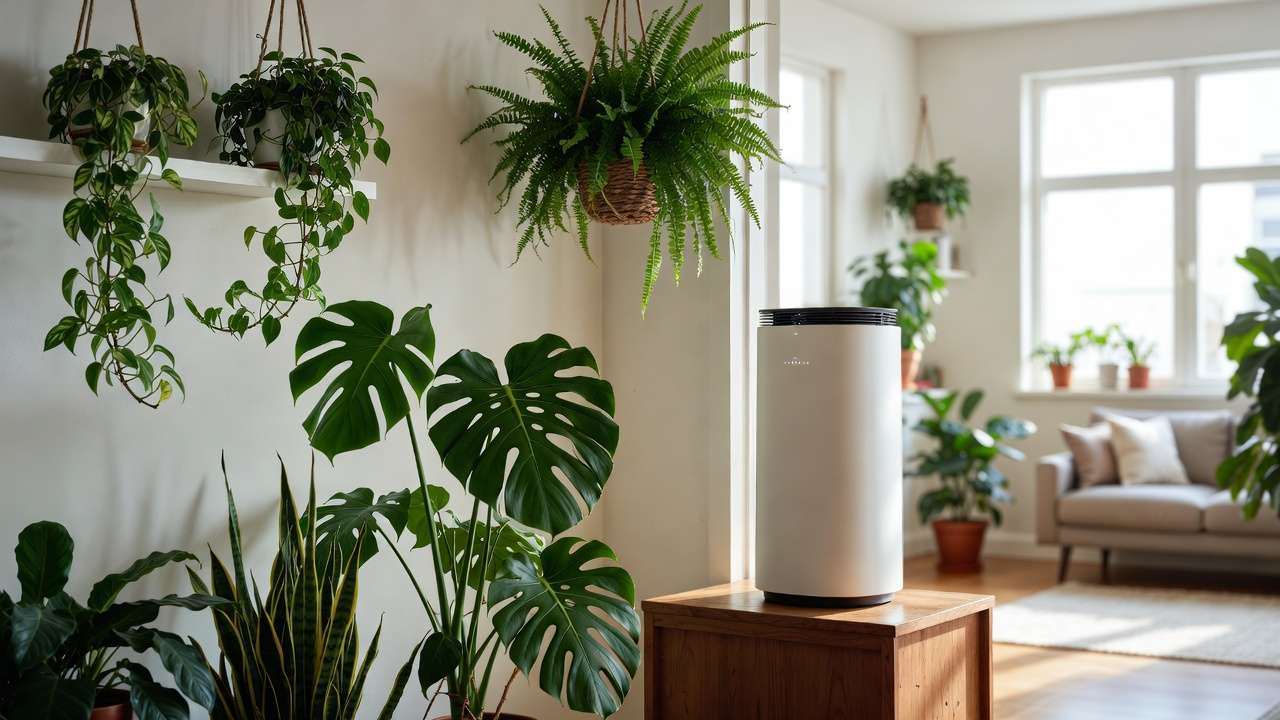
Here’s why the hybrid approach works so well:
- Mechanical filters provide fast, high-volume air cleaning (multiple ACH), quickly lowering PM2.5, allergens, and VOC spikes from cooking, cleaning, or new furniture.
- Houseplants add slow, steady micro-improvements: leaf surfaces capture some dust and fine particles over time, soil microbes help break down certain VOCs, and the plants themselves increase relative humidity slightly (countering dry air that worsens respiratory irritation).
- Psychologically and aesthetically, plants reduce stress, improve mood, and make your space feel alive—benefits no purifier can replicate.
Real-world evidence supports this synergy. Studies on “biophilic design” combined with filtration show improved perceived air quality and well-being. Allergy sufferers and asthma patients often report the biggest relief when using a HEPA purifier consistently while maintaining a moderate collection of easy-care plants.
Practical hybrid setups for plant-filled homes:
- Primary living areas — Place a high-CADR purifier (e.g., 300+ CADR) in the main room where you spend the most time. Run it on auto mode with a built-in air quality sensor.
- Bedrooms — Use a quieter, smaller purifier overnight. Pair it with low-light, air-supportive plants like snake plant or ZZ plant (which release oxygen at night).
- Strategic plant placement — Position broad-leaf plants (Boston fern, Monstera, rubber plant) near windows, furniture, or high-traffic areas where dust settles. Wipe leaves monthly to prevent re-releasing captured particles.
- Small enclosed spaces — Bathrooms and kitchens benefit from moisture-loving plants (peace lily, ferns) plus good exhaust ventilation rather than relying solely on plants.
- Monitoring tools — Invest in an affordable indoor air quality monitor (e.g., Temtop, Airthings, or Qingping models under $100) to track PM2.5, VOCs, CO2, and humidity. Data helps you see when the purifier makes the biggest difference and where plants add value.
Many people start small: one reliable purifier + 5–15 favorite houseplants. Over time, they notice fewer allergy symptoms, better sleep, and a more inviting home environment.
Top Houseplants That Offer the Most Air Quality Support (Even If Limited)
While no houseplant will transform your air quality on its own, certain species stand out in research for slightly better pollutant interaction, ease of care, and visual appeal. Here are the strongest performers for plant-care enthusiasts:
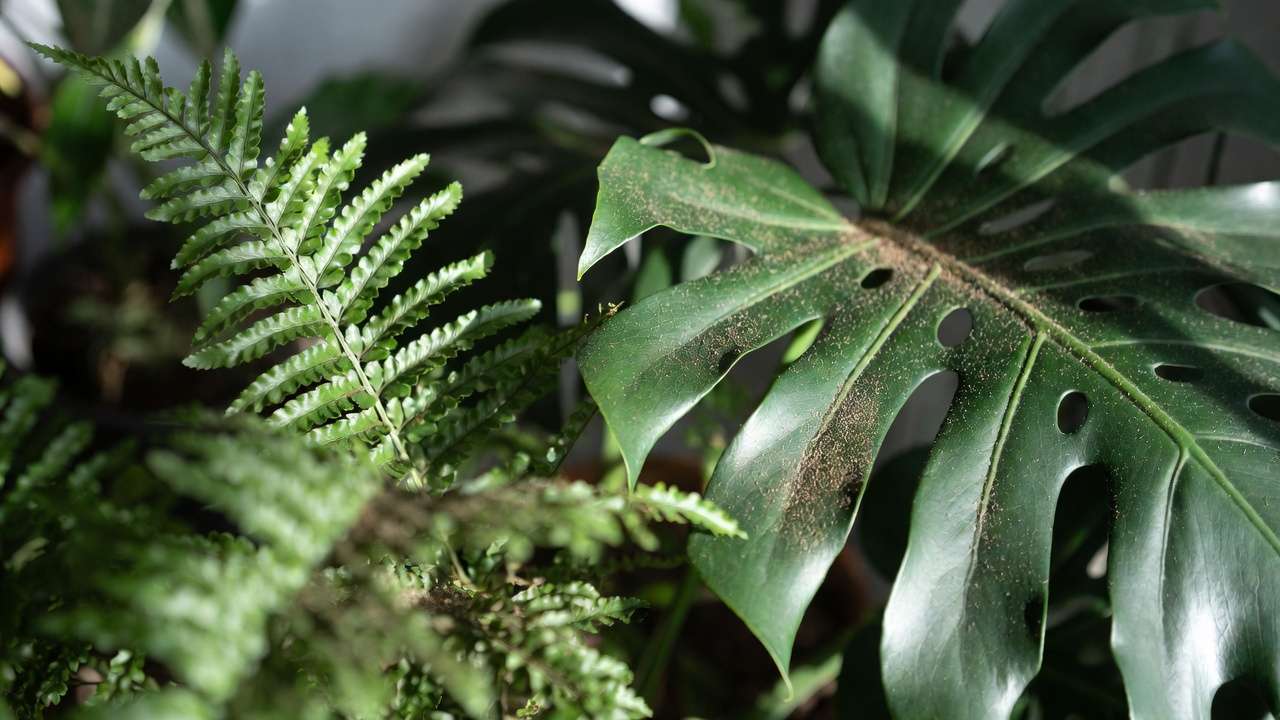
- Boston Fern (Nephrolepis exaltata)
- Best for: Capturing particulate matter (PM) via dense, feathery fronds.
- Care: Bright indirect light, high humidity, keep soil consistently moist. Mist regularly.
- Bonus: Excellent humidity booster in dry rooms.
- Monstera deliciosa (Swiss Cheese Plant)
- Best for: Large leaf surface area traps dust effectively; some VOC absorption.
- Care: Bright indirect light, water when top 2–3 inches dry, well-draining soil.
- Bonus: Striking tropical look, easy to propagate.
- Spider Plant (Chlorophytum comosum)
- Best for: Classic NASA performer; removes small amounts of formaldehyde and xylene.
- Care: Low to bright indirect light, forgiving of irregular watering. Produces “pups” for easy sharing.
- Bonus: Non-toxic to pets.
- Snake Plant (Dracaena trifasciata)
- Best for: Nighttime oxygen release (CAM photosynthesis); some VOC removal.
- Care: Thrives on neglect—low light, infrequent watering.
- Bonus: Architectural shape, extremely hardy.
- Peace Lily (Spathiphyllum)
- Best for: Moderate VOC absorption in lab tests.
- Care: Medium to low light, keep soil moist but not soggy.
- Caution: Toxic to pets—keep out of reach.
- Rubber Plant (Ficus elastica)
- Best for: Broad, glossy leaves catch dust well.
- Care: Bright indirect light, moderate watering.
- Bonus: Bold statement plant.
- Pothos (Epipremnum aureum)
- Best for: Hardy trailing growth; minor VOC help.
- Care: Very low light tolerant, water when soil dries out.
- Bonus: Nearly impossible to kill.
Pro tip: Aim for 1–2 medium/large plants per 100 square feet for noticeable (though small) complementary effects. Focus on healthy, thriving plants—stressed or dusty ones provide zero benefit and can even worsen air quality.
Practical Tips for Better Indoor Air (Regardless of Choice)
Achieving noticeably cleaner indoor air doesn’t require choosing between plants and purifiers—it’s about smart habits that support both. These evidence-based practices amplify any purification strategy and are especially valuable in plant-filled homes:
- Prioritize ventilation first — Even the best mechanical filter or houseplant collection can’t outperform fresh outdoor air exchange. Open windows for 15–30 minutes daily (when outdoor air is cleaner), use bathroom/kitchen exhaust fans during cooking or showering, and consider a whole-house ventilation system if you live in a very sealed or polluted area. This dilutes indoor pollutants faster than any single method.
- Control pollution at the source — Choose low-VOC paints, furniture, and cleaning products. Avoid indoor smoking or burning candles/incense excessively. Use natural, unscented cleaners when possible. For new furniture or carpets (major VOC off-gassers), ventilate aggressively for the first few weeks.
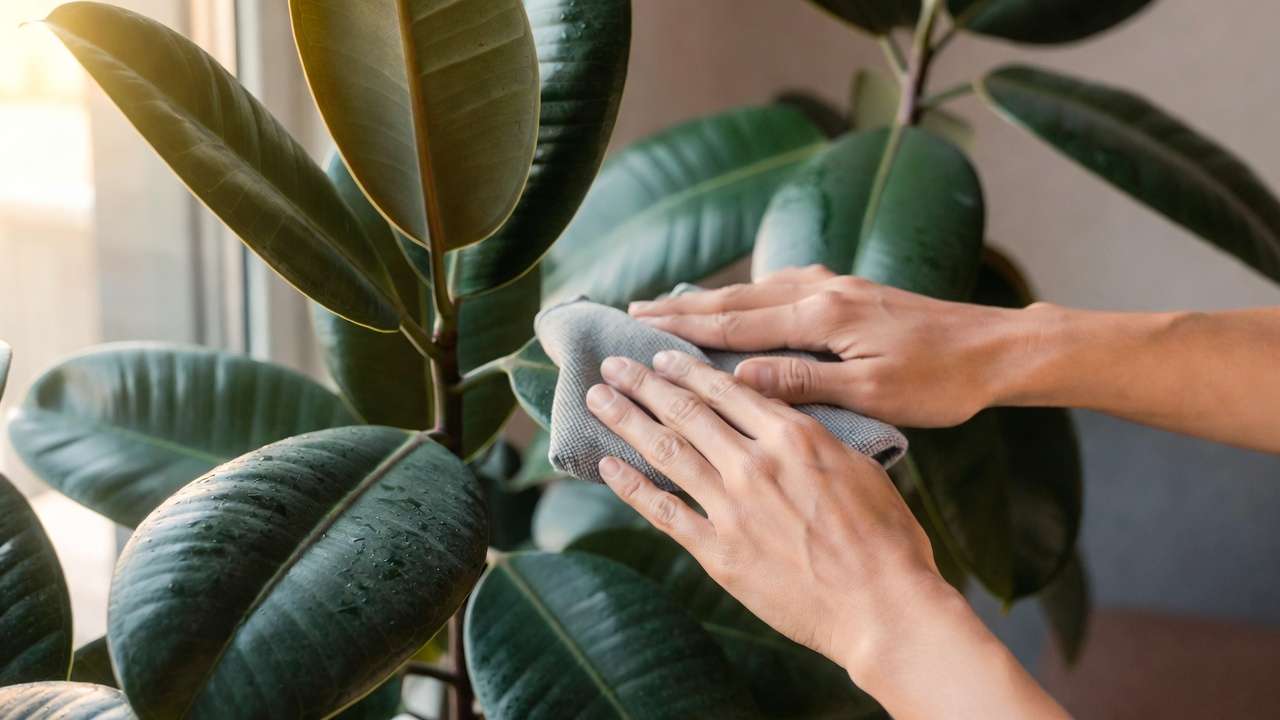
- Keep plants healthy and dust-free — Dusty or moldy plants can actually worsen air quality. Wipe broad leaves gently with a damp cloth every 2–4 weeks to remove captured dust (don’t just let it sit). Avoid overwatering—excess moisture in soil promotes mold spores. Use well-draining pots and let the top inch of soil dry between waterings.
- Maintain your mechanical purifier — Replace HEPA and carbon filters on schedule (check manufacturer guidelines, usually 6–12 months). Vacuum the pre-filter regularly. Place the unit in the room where you spend the most time, elevated off the floor for better circulation.
- Monitor your air quality — Affordable devices (under $100) like those from Temtop, Govee, or Airthings measure PM2.5, VOCs, CO2, temperature, and humidity in real time. Seeing numbers drop after running a purifier or opening windows is motivating and helps you fine-tune your setup.
- Humidity balance — Aim for 40–60% relative humidity. Too dry worsens respiratory irritation; too high encourages mold. Plants help modestly here, but a small humidifier or dehumidifier may be needed depending on your climate (especially useful in Khulna’s humid conditions during certain seasons).
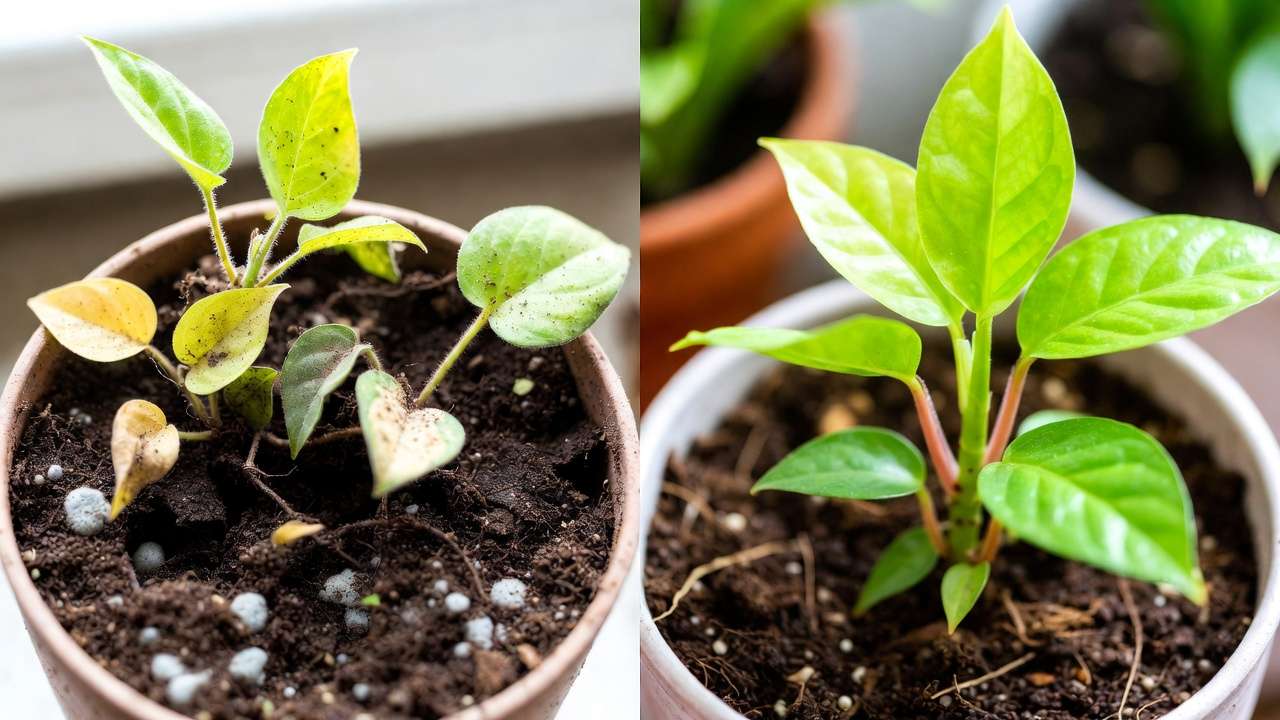
Implementing just a few of these habits can reduce indoor pollutants by 30–70% in many homes, according to EPA guidelines.
FAQs
Do houseplants replace air purifiers? No. While they provide minor, supportive benefits (dust capture, slight VOC reduction, humidity), scientific consensus shows they cannot match the performance of mechanical HEPA + carbon purifiers for meaningful air cleaning.
How many houseplants would I need to make a real difference in air quality? Realistically, hundreds to over a thousand in a typical room—far beyond what’s practical or aesthetically pleasing. Even 10–20 well-chosen plants offer only small complementary effects.
What’s the best type of mechanical air purifier for a home full of plants? Look for a true HEPA filter (99.97% efficiency at 0.3 microns) paired with a substantial activated carbon layer for VOCs and odors. Models with high CADR (200+ for medium rooms) and quiet operation work best. Bonus: ones with auto mode and air quality sensors.
Can houseplants ever make indoor air quality worse? Rarely, but yes—overwatering leads to mold growth in soil, releasing spores into the air. Dusty, neglected leaves can re-release trapped particles when disturbed. Keep plants healthy and clean to avoid this.
Has the NASA Clean Air Study been completely debunked? Not debunked—the study was valid for sealed spacecraft chambers with high pollutant loads. But its results were never intended for typical homes with ventilation. Modern reviews clarify that real-world impact is minimal compared to ventilation or filtration.
Should I still get houseplants if I already have a good air purifier? Absolutely! Plants bring joy, stress relief, natural beauty, and small synergistic benefits. The purifier handles purification; the plants handle the biophilic, emotional side of a healthy home.
Conclusion
When it comes to air purification vs. mechanical air filters, the evidence is clear: mechanical purifiers win for fast, effective, measurable removal of indoor pollutants like PM2.5, allergens, and VOCs. Houseplants—while beloved and beneficial—cannot compete on the same scale for actual air cleaning.
Yet the real victory isn’t choosing one over the other. It’s embracing both. A reliable HEPA + carbon purifier quietly does the heavy work of keeping your air safe and fresh, while your thriving collection of snake plants, Monsteras, ferns, and pothos fills your space with life, color, and calm. Together, they create a healthier, more beautiful home that supports both your body and your soul.
If you’re ready to breathe easier without giving up your green companions, start small: pick one high-performing purifier for your main living space, add (or care for) a few of the top air-supportive plants, and adopt a few simple habits like regular ventilation and leaf wiping. Your lungs, your allergies (if you have them), and your houseplant collection will thank you.
Here’s to cleaner air and greener spaces—may your home be both thriving and fresh! 🌿💨











