
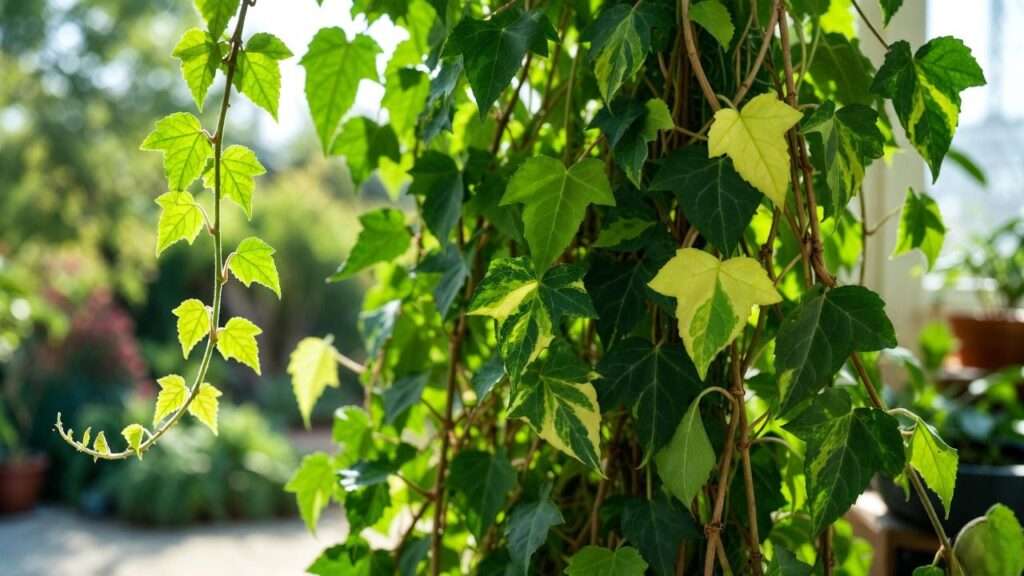
Imagine stepping into a room filled with cascading lush greenery that instantly calms the soul, or gazing at a garden slope transformed into a vibrant evergreen carpet that prevents erosion while looking effortlessly elegant. If you’ve ever struggled with bare walls, shady corners that refuse to grow grass, or indoor spaces lacking that tropical vibe, the Algerian ivy plant (Hedera algeriensis, also known as Hedera canariensis) could be your perfect solution. This fast-growing, adaptable vine brings bold, glossy foliage to both indoor and outdoor settings, turning challenging areas into stunning features with minimal effort. In this ultimate guide, we’ll dive deep into everything you need to know to grow a thriving Algerian ivy plant— from ideal conditions to troubleshooting common issues—so you can enjoy its beauty year-round without the guesswork. 🌱

What Is Algerian Ivy? A Quick Overview 🌍
The Algerian ivy plant is an evergreen climbing or trailing vine native to the coastal regions of North Africa, including Algeria, and the Canary Islands. Known for its vigorous growth and large, glossy leaves, it’s a standout in the Hedera genus, offering a more tropical appearance than many other ivies. This plant uses aerial rootlets to cling to surfaces, allowing it to climb walls, trellises, or trees up to 20-80 feet in optimal conditions, or spread as a dense ground cover.
Key characteristics include heart-shaped leaves that can reach 4-8 inches wide, often with 3-5 shallow lobes, and reddish stems that add subtle contrast. Unlike some ivies that flower prominently, Algerian ivy produces small, inconspicuous greenish-yellow blooms followed by black berries—though these are rarely a highlight indoors.
Algerian Ivy vs. English Ivy: Key Differences 🆚
Many gardeners confuse Algerian ivy with its cousin, English ivy (Hedera helix), but the differences are significant and impact care choices:
- Leaf Size and Shape: Algerian ivy boasts much larger leaves (up to 8 inches wide) with broader, fewer lobes compared to the smaller, more pointed 3-5 lobed leaves of English ivy.
- Growth Habit: Algerian is more vigorous and heat-tolerant, making it ideal for warmer climates, while English ivy is hardier in colder zones (down to USDA Zone 4 vs. Algerian’s Zone 7-11).
- Tolerance: Algerian handles drought, salt spray (great for coastal gardens), and partial sun better, but it’s less cold-resistant.
- Appearance: Algerian often has reddish stems and spaced-out leaves for a bolder look; variegated forms are more common and striking.
Choosing Algerian ivy means opting for faster coverage in milder climates, but with caution for its potential invasiveness.
Popular Varieties ✨
While the standard green Algerian ivy is robust and excellent for ground cover, variegated cultivars steal the show for decorative appeal:
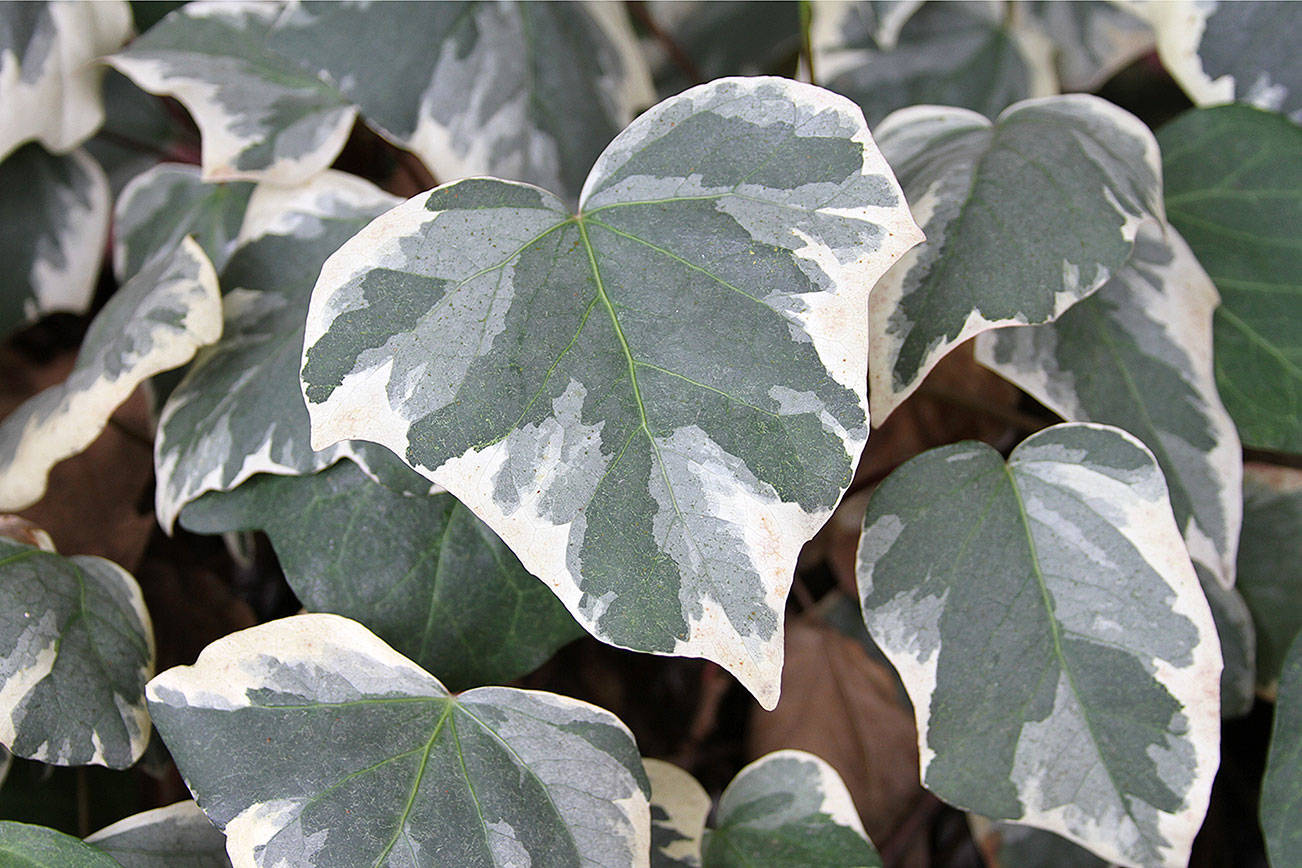
- ‘Gloire de Marengo’ (also called ‘Variegata’): The most popular, with creamy-white margins on gray-green leaves—perfect for brightening shady spots but needs more light to retain variegation.
- ‘Canary Cream’: Similar creamy edges for a soft, elegant contrast.
- Solid green forms: Ideal for low-maintenance outdoor coverage where speed matters most.
Ideal Growing Conditions for Algerian Ivy ☀️💧
Success with the Algerian ivy plant starts with mimicking its native habitat: shaded coastal areas with moderate moisture and protection from extremes.
Light Requirements
Algerian ivy prefers bright, indirect light indoors—think east-facing windows or a few feet from south/west ones. Outdoors, it thrives in partial to full shade, tolerating deeper shade better than full sun, where leaves may scorch or growth stunt (though it needs more water in sun).
- Variegated types like ‘Gloire de Marengo’ require brighter conditions to maintain their colorful edges; low light causes reversion to plain green.
- Expert Tip: Rotate indoor plants quarterly for even growth. 🌞
Temperature and Humidity
This ivy loves temperatures between 50-80°F (10-27°C), making it suitable for most homes. It’s hardy in USDA Zones 7-11 outdoors but protect from frost below 10°F (-12°C)—mulch roots in cooler zones.
High humidity is a bonus: Mist indoors, use pebble trays, or group with other plants. It’s coastal-tolerant, handling salt spray excellently for beachside gardens. 🏖️
Soil Needs
Well-draining, fertile soil is key. Indoors, use a rich potting mix amended with perlite or compost for aeration. Outdoors, it adapts to clay, sand, loam, or chalky soils but prefers slightly alkaline, organic-rich earth (pH 6.0-7.5).
Avoid heavy, waterlogged soils to prevent root issues—add organic matter for nutrient boost.
Watering and Feeding Your Algerian Ivy 💦🥗
Proper watering is one of the most critical aspects of Algerian ivy care, as this plant thrives on consistent moisture without tolerating soggy conditions. Overwatering leads to root rot—one of the top killers of indoor ivies—while underwatering causes dry, crispy leaf edges.
Watering Schedule
Aim to keep the soil evenly moist but not waterlogged. Check the top 1-2 inches of soil: water thoroughly when it feels dry to the touch.
- Indoors: Typically every 7-10 days during the growing season (spring/summer), reducing to every 2-3 weeks in fall/winter when growth slows and light is lower.
- Outdoors: Depends on climate—more frequent in hot, dry weather (possibly weekly) and less during rainy periods. Established plants are somewhat drought-tolerant but perform best with regular moisture.
- Pro Tip: Always use pots with drainage holes indoors. Water until it runs out the bottom, then empty the saucer to prevent standing water.
Factors influencing frequency include pot size (smaller pots dry faster), humidity, light levels, and temperature. In high-heat or low-humidity environments, you may need to water more often.
Fertilizing Essentials
Algerian ivy is not a heavy feeder, but regular nutrition promotes lush, vibrant growth.
- Use a balanced, water-soluble fertilizer (e.g., 20-20-20) diluted to half strength.
- Apply monthly during the active growing season (March-September).
- Skip fertilizing in fall and winter to allow the plant to rest.
- Expert Insight: If your ivy shows pale leaves or slow growth despite good light, it might need a feed. Organic options like compost tea or fish emulsion work well for natural gardening enthusiasts.
Over-fertilizing can cause salt buildup, leading to burned leaf tips—always flush the soil occasionally with plain water.
Pruning, Training, and Maintenance ✂️
Algerian ivy’s vigorous nature is a blessing for quick coverage but requires regular maintenance to keep it tidy and healthy.
Pruning Techniques
Prune to encourage bushier growth, control size, and remove any damaged or diseased parts.
- When to Prune: Major pruning in late winter/early spring before new growth; light trims anytime.
- How to Prune: Use clean, sharp shears to cut just above a leaf node. Remove up to one-third of the plant at a time to avoid stress.
- Pinch tips on young plants for denser foliage.
Outdoors, aggressive pruning prevents it from overwhelming structures or neighboring plants.
Training Your Ivy
This climbing vine loves support:
- Indoors: Train on moss poles, trellises, or let trail from hanging baskets.
- Outdoors: Guide along walls, fences, or as ground cover.
- Attach stems gently with soft ties, as aerial roots will eventually cling naturally.
Repot indoor plants every 2-3 years in spring when roots fill the pot—choose a container only 1-2 inches larger to avoid excess moisture retention.
Propagation: Easy Ways to Multiply Your Plants 🪴
One of the joys of growing Algerian ivy is how effortlessly it propagates—perfect for expanding your collection or sharing with friends.
Stem Cuttings (The Easiest Method)
- Take 4-6 inch cuttings from healthy stems in spring/summer, cutting just below a node.
- Remove lower leaves to expose nodes.
- Place in water or moist potting mix—roots form in 2-4 weeks.
- In water: Change weekly to prevent bacteria; transplant once roots are 2 inches long.
- In soil: Dip in rooting hormone for faster results, cover with a plastic bag for humidity.
Success rate is nearly 100% under good conditions!
Layering
For outdoors or large plants: Pin a stem to the soil while still attached to the parent—roots will form where it touches, then sever once established.
Expert Tip: Variegated varieties propagate true to form from cuttings, making it easy to maintain those beautiful creamy edges.
Common Problems and Solutions 🐛
Even with the best care, Algerian ivy plants can encounter issues, especially indoors where conditions are controlled but sometimes suboptimal. As an experienced horticulturist who’s grown dozens of ivies over the years, I’ve seen these problems firsthand—and most are preventable or fixable with early intervention.
Common Pests
Algerian ivy is relatively pest-resistant outdoors but vulnerable indoors, particularly in dry, warm environments.
- Spider Mites: Tiny arachnids that cause stippled, yellowing leaves and fine webbing. Common in low humidity.
- Aphids: Small, soft-bodied insects clustering on new growth, sucking sap and causing distortion.
- Mealybugs: White, cottony masses in leaf axils or undersides.
- Scale: Hard or soft bumps on stems/leaves.
Treatment:
- Isolate affected plants immediately.
- Rinse with a strong water spray (outdoors or in shower).
- Apply neem oil, insecticidal soap, or horticultural oil weekly until cleared—safe and effective for organic gardening.
- Prevention: Boost humidity, avoid overcrowding, and quarantine new plants.
:max_bytes(150000):strip_icc()/GettyImages-1455890819-e86c65d0a2b844cbb49fb5e260b59931.jpg)
Diseases and Cultural Issues
- Leaf Spot: Fungal or bacterial spots—often from overhead watering or poor air circulation.
- Root Rot: Deadly fungal issue from chronic overwatering; signs include wilting despite moist soil and mushy roots.
- Other Symptoms: Yellow leaves (over/underwatering or low light), brown tips (dry air or fluoride in water), leggy growth (insufficient light).
Troubleshooting Table:
| Symptom | Likely Cause | Solution |
|---|---|---|
| Yellowing leaves | Overwatering or poor drainage | Allow soil to dry; repot in fresh mix if needed |
| Brown, crispy tips | Low humidity or dry soil | Increase misting; use pebble tray; consistent watering |
| Leggy, sparse growth | Insufficient light | Move to brighter location; prune for bushiness |
| Spots on leaves | Fungal infection | Remove affected leaves; improve airflow; fungicide if severe |
| Wilting/soft stems | Root rot | Unpot, trim rotten roots, repot in dry soil; reduce watering |
Expert Insight: Always inspect undersides of leaves regularly—early detection saves plants!
Safety Considerations: Toxicity and Invasiveness ⚠️
Toxicity
Algerian ivy contains saponins, making all parts mildly toxic if ingested. Symptoms in pets or children include vomiting, diarrhea, drooling, or mouth irritation. It’s not usually fatal but best kept out of reach—elevate hanging baskets or use high shelves indoors. 🐶🐱
Safer alternatives for pet-friendly homes: Spider plant, Boston fern, or parlor palm.
Invasiveness
In mild climates (Zones 7-11, especially California, Pacific Northwest, Southeast), Algerian ivy can escape cultivation and become invasive, outcompeting natives and damaging trees/structures. It’s listed as invasive in some states.
Responsible Practices:
- Contain in pots outdoors.
- Prune rigorously to prevent seeding.
- Check local regulations (e.g., via USDA or state extension services) before planting as ground cover.
- Opt for sterile cultivars or natives if concerned.
Uses and Design Ideas for Algerian Ivy 🎨
Algerian ivy’s versatility makes it a designer favorite for solving tricky landscaping or interior challenges.
Indoor Uses
- Hanging Baskets: Let trails cascade for dramatic effect in bright rooms.
- Climbing Supports: Train on moss poles or trellises for vertical greenery.
- Shelves and Bookcases: Trail from high spots for living curtains.
- Air Purification: Like many ivies, it filters toxins (NASA clean air study approved!).
:strip_icc()/types-ivy-plants-indoor-outdoor-houseplants-61215b6fe0074e9dadb490a2191c851f.jpg)
Outdoor Uses
- Ground Cover: Excellent for erosion control on slopes or under trees where grass fails.
- Wall Climber: Covers unsightly fences or buildings (use caution on wood/mortar).
- Container Plantings: Patios, balconies, or mixed planters.
Creative Pairings: Combine with hostas, ferns, or impatiens in shade gardens; variegated forms contrast beautifully with dark foliage.

Expert Tips for Long-Term Success 🌟
- Wear gloves—sap can irritate sensitive skin.
- Watch for “phase change”: Mature growth produces shrub-like branches with different leaves—interesting but less climbing.
- In containers, use heavy pots to prevent tipping as it grows.
- Winter indoors: Keep away from drafts/heating vents.
- Revival Trick: If leggy, cut back hard in spring—it bounces back vigorously.
Frequently Asked Questions (FAQs) ❓
Is Algerian ivy easy for beginners? Absolutely—forgiving, fast-growing, and low-maintenance once you nail watering.
Can Algerian ivy grow in full sun? It tolerates but prefers shade; in sun, increase water and watch for scorch.
How fast does Algerian ivy grow? Up to 3-9 feet per year in ideal conditions—great for quick privacy or coverage!
Is Algerian ivy pet-safe? No, mildly toxic—choose elevated placements or pet-friendly plants.
Why are my variegated leaves turning green? Insufficient light; move to brighter spot gradually.
Can it survive outdoors in winter? In Zones 7-11 yes; mulch roots in borderline areas.
Conclusion
Your Algerian ivy plant has the potential to become a stunning, low-effort star in your home or garden, providing lush greenery that purifies air, controls erosion, or simply delights the eye. By following this ultimate guide—rooted in years of hands-on experience and proven horticultural practices—you’ll avoid common pitfalls and enjoy thriving, vibrant growth indoors or out. Whether you’re a novice tackling your first vine or a seasoned gardener seeking bolder foliage, Algerian ivy delivers. Start today, and watch your spaces transform! 🌿✨











