
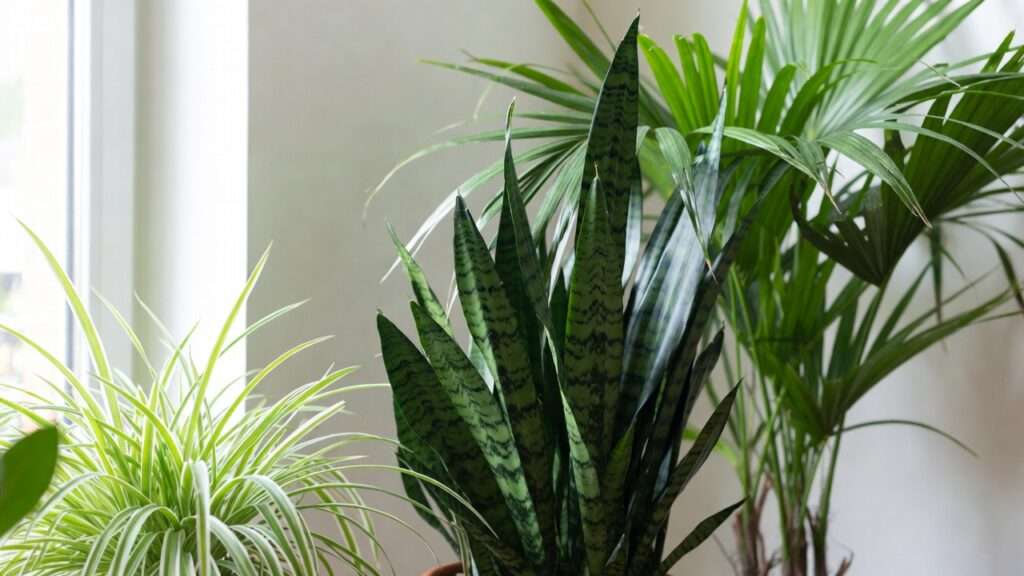
Imagine walking into your living room, greeted by lush green foliage that instantly calms your mind and freshens the air—without the dreaded sneeze attack, itchy eyes, or runny nose that often follows. For anyone with pollen sensitivities, mold allergies, dust reactions, or sap irritations, houseplants can feel like a risky addition to home decor. But here’s the exciting truth: the right choices turn indoor plants into true allies for better breathing and wellness, not hidden triggers.
Allergy considerations when choosing houseplants are more important than ever, especially as we spend more time indoors and seek natural ways to improve air quality. In this in-depth expert guide, we explore proven strategies based on the Ogren Plant Allergy Scale (OPALS™), NASA Clean Air Study findings, and recommendations from allergists and horticulturists. You’ll get a full breakdown of low-allergen superstars, common culprits to skip, maintenance tips to keep allergies at bay, and even how certain plants actively help reduce symptoms. Whether you’re a beginner plant parent or building a full indoor jungle, this guide helps you create a beautiful, symptom-free home oasis. Let’s dive in! 🌱💚
Understanding Why Some Houseplants Trigger Allergies 🤧
Houseplant-related allergies aren’t always obvious—pollen isn’t the only culprit indoors. Many reactions stem from a combination of factors that build up over time in enclosed spaces:
- Pollen production — Even low-flowering plants can release airborne pollen grains that irritate nasal passages and lungs, especially in sensitive individuals.
- Mold spores — Overly moist soil or humid conditions promote mold growth on leaves or roots, releasing spores that trigger respiratory issues.
- Dust accumulation — Hairy, fuzzy, or textured foliage traps household dust, pet dander, and other airborne allergens, making them worse over weeks.
- Plant sap and fragrances — Milky latex sap (common in figs or euphorbias) can cause contact dermatitis, while strong floral scents irritate airways.
- Airborne irritants — Fern spores or volatile organic compounds (VOCs) from certain species add to indoor allergen loads.
The key to avoidance? Prioritize plants with smooth, waxy leaves (easy to dust off), minimal flowering indoors, low pollen output, and good resistance to mold. Many of these also excel at purifying air by removing toxins like formaldehyde, benzene, and xylene—turning potential problems into health boosters! 🌬️✨
The Ogren Plant Allergy Scale (OPALS™): Your Secret Weapon 📊
Created by horticulturist Thomas Ogren, the Ogren Plant Allergy Scale (OPALS™) is a science-backed rating system from 1 (least allergenic) to 10 (most allergenic). It evaluates factors like pollen type, quantity, stickiness, and overall irritant potential. For indoor houseplants, target scores of 1–3 for minimal risk—higher scores often mean more pollen or spore issues.
While OPALS is more commonly applied outdoors, it translates well indoors: low-scoring plants produce little to no airborne allergens and rarely flower heavily in home settings. Examples include many dracaenas and palms at 1–2, while ferns and some ficus rank higher due to spores or sap.
This tool empowers evidence-based decisions, helping allergy sufferers enjoy greenery without guesswork. Cross-reference with allergist advice and NASA data for the best results. 🔍
:max_bytes(150000):strip_icc()/eight-houseplants-that-thrive-in-low-light-8-0922-2000-39845777816b4f1f8a49b6ef758ef35e.jpg)
Top 15+ Allergy-Friendly Houseplants: Best Picks for a Symptom-Free Home 🌟
These selections consistently rank low on OPALS (1–3 where rated), appear in NASA air-purification lists, and earn praise from allergy experts for minimal triggers. They’re forgiving, dust-resistant, and often double as natural humidifiers or toxin removers.
Low-Maintenance Superstars (Perfect for Beginners) 🏆
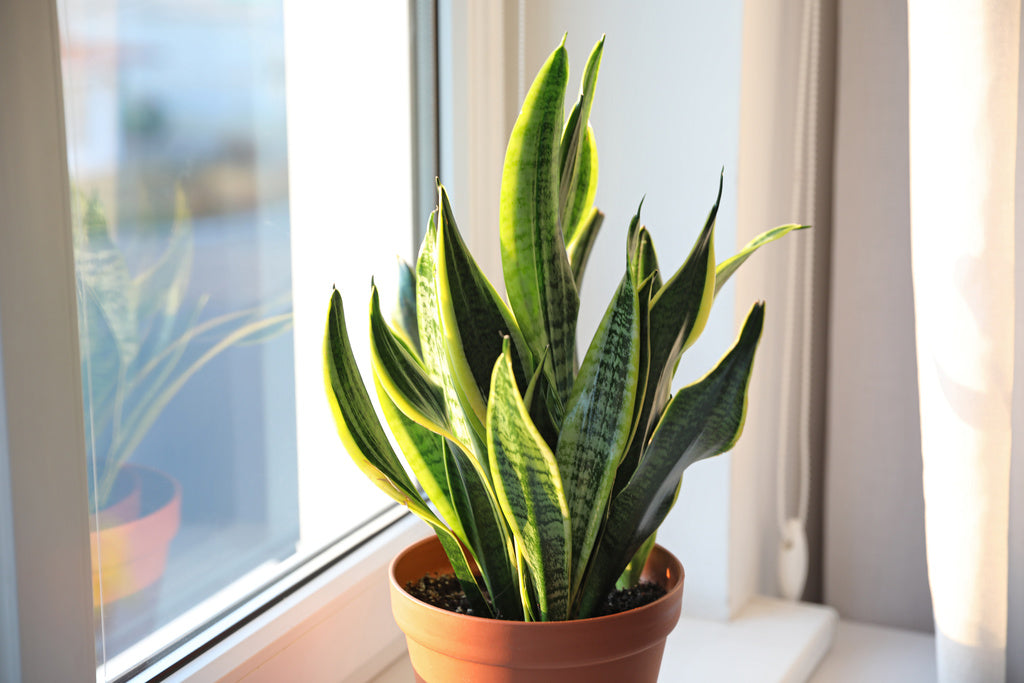
- Snake Plant (Dracaena trifasciata) — Often called Mother-in-Law’s Tongue, this tops nearly every allergy-friendly list. Low pollen, waxy upright leaves resist dust buildup, and it releases oxygen at night while filtering toxins like formaldehyde and benzene. Thrives on neglect—ideal for bedrooms! 🐍
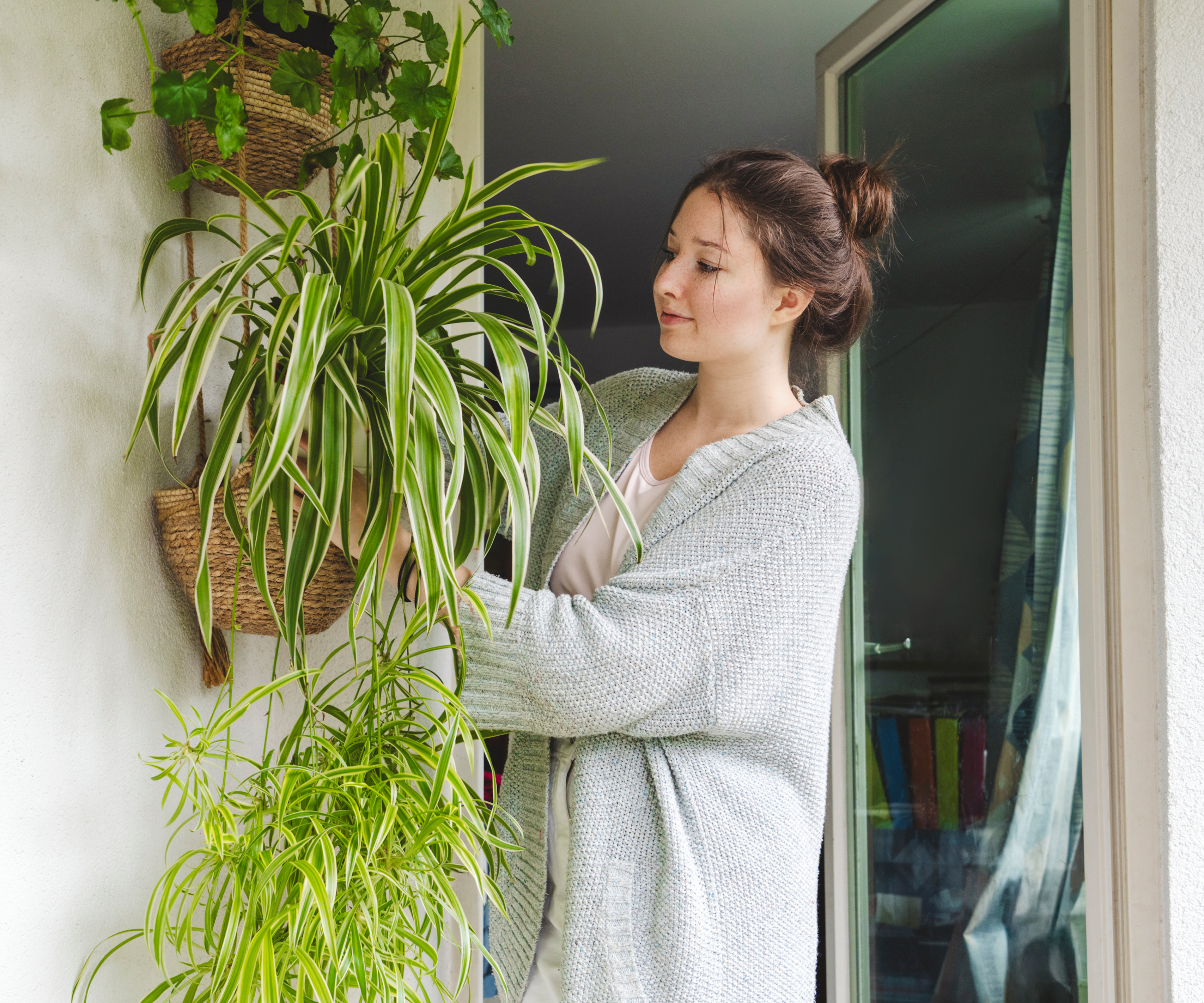
- Spider Plant (Chlorophytum comosum) — A NASA standout for removing formaldehyde and xylene. Produces baby “spiderettes” safely (no heavy pollen), with arching, smooth leaves that wipe clean easily. Pet-friendly and thrives in indirect light. 🕸️
- Golden Pothos (Epipremnum aureum) — Trailing vines with heart-shaped, glossy leaves that repel dust. Excellent at toxin removal, low-maintenance, and rarely flowers indoors—making it a safe, beautiful choice for shelves or hanging baskets. 💛
Elegant Palms That Add Humidity & Peace ✌️
- Parlor Palm (Chamaedorea elegans) — Low-pollen classic that adds tropical vibe without triggers. Gentle humidity boost helps dry-air irritation, low-light tolerant, and scores low on allergen scales. 🌴
:max_bytes(150000):strip_icc()/grow-chamaedorea-indoors-1902884-1-ccf2df16fb51494ca78df7f510372219.jpg)
- Bamboo Palm (Chamaedorea seifrizii) — Another NASA favorite; filters multiple pollutants while producing minimal pollen. Feathery fronds create a soft, airy feel—great for living rooms.
- Areca Palm (Dypsis lutescens) — Natural humidifier with low allergen potential; brightens spaces and cleans air effectively.
Other Reliable Allergy-Safe Options 🌿
These plants round out a diverse, low-risk collection suitable for various home conditions—from low light to bright indirect spots—while keeping allergen exposure minimal.
- Peace Lily (Spathiphyllum) — A powerful air purifier that tackles ammonia, benzene, and trichloroethylene. Its elegant white blooms are low-pollen when managed (prune spent flowers promptly), but monitor soil moisture closely to prevent mold. ⚪
- Chinese Evergreen (Aglaonema) — Variegated, tough foliage with low allergen potential; smooth leaves make dusting simple, and it tolerates shade well.
- Aloe Vera — Succulent rated OPALS 1; its gel soothes skin (great for minor irritations), but handle carefully if you’re sensitive to sap. Minimal flowering indoors.
- Dracaena varieties (Janet Craig, Marginata, etc.) — Glossy, air-purifying leaves; hardy and low-pollen.
- ZZ Plant (Zamioculcas zamiifolia) — Shiny, dust-repelling foliage; thrives on neglect and rarely blooms—perfect for allergy-conscious beginners.
- Cast Iron Plant (Aspidistra elatior) — Extremely resilient with minimal allergens; ideal for low-light, low-maintenance corners.
These recommendations draw from consistent endorsements in horticultural resources, allergy-focused blogs, and scientific studies on indoor air quality—ensuring you get plants that truly deliver beauty without the sneezes! 🌱
Houseplants to Avoid: The Common Allergy Triggers 🚫😷
While many plants are safe, some popular ones frequently cause issues for allergy sufferers due to high pollen, spores, dust-trapping textures, or irritating sap. Here’s what to skip or approach with caution:
- Weeping Fig (Ficus benjamina) — High on allergen lists thanks to milky sap (causing contact dermatitis) and heavy dust accumulation on small leaves. It also sheds leaves often, releasing particles.
:max_bytes(150000):strip_icc()/grow-ficus-trees-1902757-1-80b8738caf8f42f28a24af94c3d4f314.jpg)
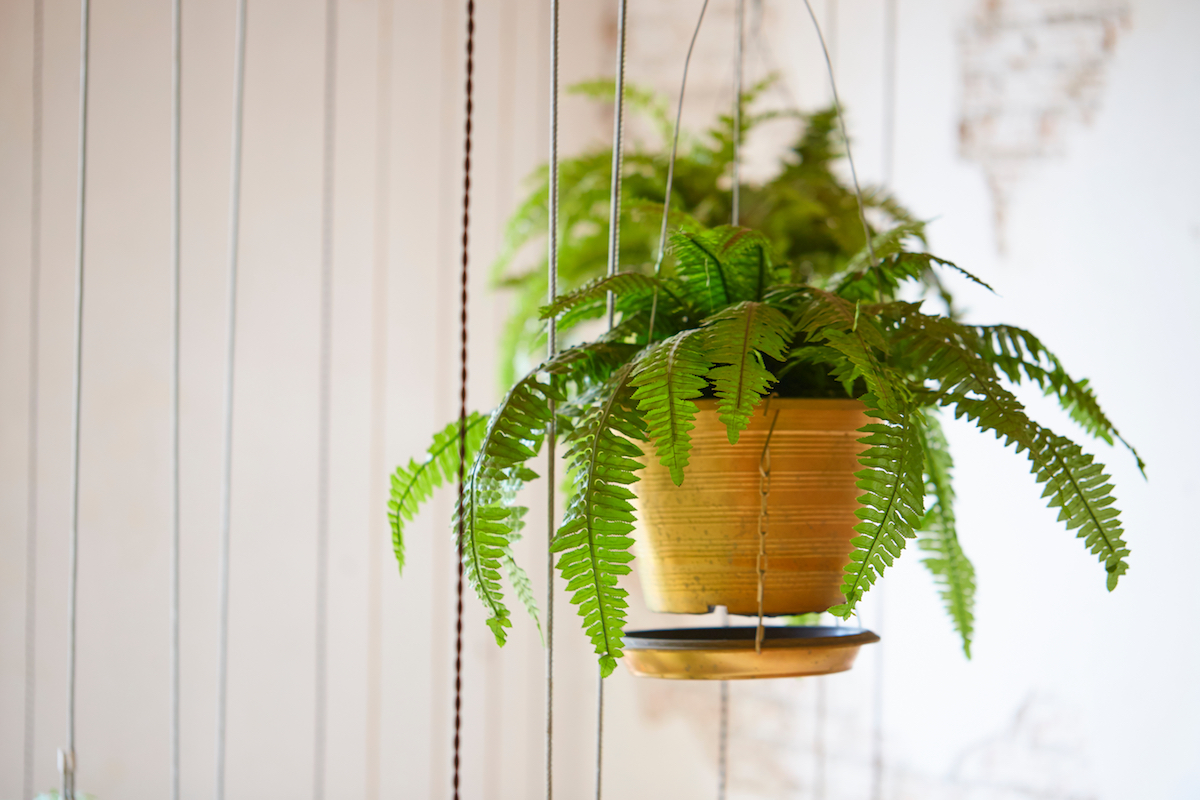
- Ferns (e.g., Boston Fern, Maidenhair) — Release airborne spores that mimic pollen triggers; high humidity needs often lead to mold in soil or on fronds.
- Orchids — Pollen-heavy blooms can irritate; some varieties produce strong scents.
- English Ivy — Fuzzy leaves trap dust and mold; allergenic proteins in sap.
- Scented Geraniums or heavily fragranced plants — Essential oils and scents aggravate airways.
- Yucca Plants — Sharp leaves + occasional pollen/sap issues.
- Certain flowering houseplants (African violets, chrysanthemums, or heavily blooming types) — Pollen release indoors increases risk.
If you already own one of these, consider relocating it outdoors (if climate allows) or gifting it to a non-allergic friend. Better safe than sniffly! 😅
Practical Tips to Minimize Allergies with Any Houseplant 🧼🌱
Even the safest plants can become triggers without proper care. Follow these expert-backed habits to keep your indoor garden hypoallergenic:
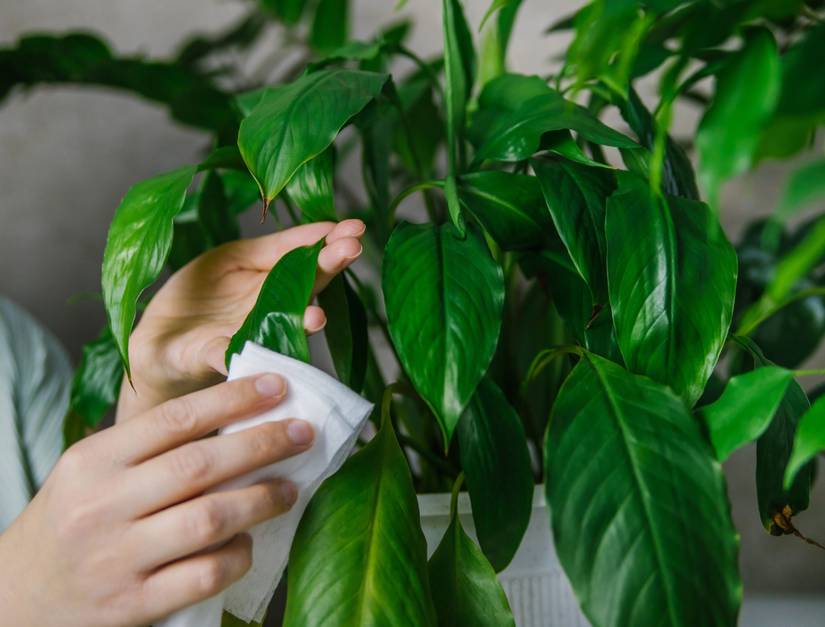
- Wipe leaves weekly (or bi-weekly) with a soft, damp microfiber cloth to remove dust and dander buildup.

- Choose pots with drainage holes and use well-aerated, sterile potting mix to prevent mold.
- Water sparingly—allow the top 1–2 inches of soil to dry out between waterings to discourage fungal growth.
- Opt for female or non-flowering cultivars when possible (e.g., some palms) to cut pollen.
- Position plants in bright, well-ventilated areas to reduce humidity-related mold.
- Pair with a HEPA-filter air purifier for extra allergen control, especially during high-pollen seasons.
- Introduce new plants one at a time and monitor symptoms for 1–2 weeks.
- Clean pots and saucers regularly to avoid standing water.
These simple routines—rooted in allergist and horticulturist advice—make a huge difference in maintaining a symptom-free space. 🌬️
Bonus: How Houseplants Can Actually Help Reduce Allergies 🌬️
Beyond being low-risk, many of our recommended picks actively combat indoor allergens and irritants:
- NASA Clean Air Study highlights snake plants, spider plants, pothos, and palms for removing VOCs (volatile organic compounds) like formaldehyde from furniture/paint.
- They gently increase humidity (without excess) to ease dry-air nasal irritation.
- Greenery reduces stress (per biophilia research), indirectly supporting immune function.
- Nighttime oxygen release from snake plants improves bedroom air quality for better sleep.
In short: Thoughtful plant choices don’t just avoid problems—they solve them by purifying and balancing your indoor environment! 😌
Frequently Asked Questions (FAQs) ❓
Q: Can houseplants really worsen my allergies? Yes—through pollen, mold spores, dust traps, or sap—but low-OPALS, smooth-leaved varieties drastically reduce this risk.
Q: Are air-purifying plants safe for severe allergies? Absolutely—top ones like snake plants and spider plants are low-allergen while filtering toxins. Proper maintenance is key.
Q: What’s the single best houseplant for allergy sufferers? The snake plant often wins for its dust-resistant waxy leaves, night oxygen production, minimal pollen, and toughness. 🐉
Q: Should I avoid all flowering houseplants? Not all, but foliage-focused ones are safer. If you love blooms, prune early or select low-pollen types.
Q: How do I test if a plant triggers me? Introduce one plant, place it in your space for 1–2 weeks, and track symptoms. Consult an allergist if unsure.
Conclusion: Build Your Allergy-Safe Indoor Oasis Today! 🏡💚
Creating a lush, green home doesn’t have to come with sneezes or discomfort. By focusing on allergy considerations when choosing houseplants—low OPALS ratings, smooth/waxy foliage, excellent air-purifying abilities, and consistent care—you can enjoy the mental health perks, better air quality, and natural beauty of indoor plants safely.
Start small: Pick a snake plant or pothos today, give it the right spot and weekly wipe-down, then expand your collection confidently. Your lungs (and your decor) will thank you!
Ready to shop for your symptom-free jungle? Head to a local nursery or trusted online seller, armed with this guide. Happy (and sniffle-free) planting! 🌿✨











