
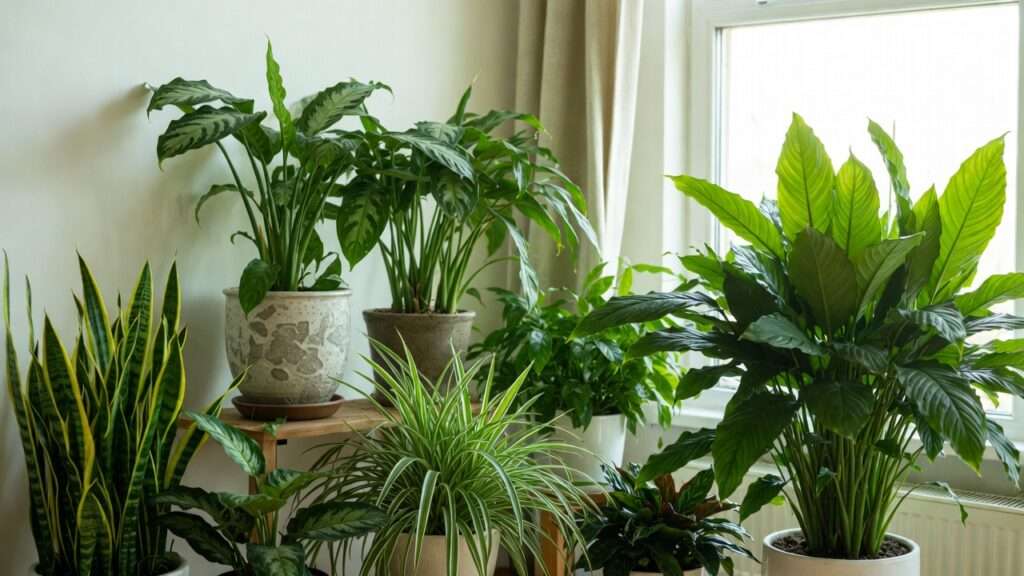
Imagine walking into your home after a long day, surrounded by lush green leaves that instantly make you feel calmer and more at peace… only to be hit with sneezing, itchy eyes, or a stuffy nose that ruins the vibe. 😩 If you’re one of the millions dealing with indoor allergies, pollen sensitivities, asthma, or reactions to dust and mold, this scenario might sound all too familiar. The good news? You don’t have to choose between beautiful houseplants and breathing easy!
Allergy-friendly indoor plants are the perfect solution—low-pollen (or no-pollen) varieties that purify your air, trap dust on smooth leaves, boost humidity gently, and rarely trigger symptoms. Drawing from trusted sources like the famous NASA Clean Air Study (which highlighted plants that remove toxins like formaldehyde, benzene, and xylene), the Ogren Plant Allergy Scale (OPALS, rating 1-10 for allergen potential, with 1-3 being safest), and recent expert recommendations as of 2026, this in-depth guide will help you select, care for, and style the best low-pollen houseplants. Whether you’re a beginner plant parent, a parent creating a safe home for kids, or someone with severe sensitivities, you’ll find practical, science-backed advice to enjoy greenery without the sneezes. 🌱💚
By the end of this article, you’ll know exactly which plants to add for cleaner, fresher air and a truly sneeze-free living space—let’s dive in!
Why Choose Allergy-Friendly Indoor Plants? Understanding the Problem & Benefits 🏡💨
Many people assume all houseplants are harmless, but certain ones can actually worsen allergies. Common triggers include:
- Airborne pollen from flowering plants (even if rare indoors).
- Mold spores thriving in overwatered soil or on fuzzy/wet leaves.
- Dust accumulation on rough or hairy foliage, which gets stirred up when you water or move them.
- Volatile organic compounds (VOCs) from household items that irritate already sensitive airways.
Low-pollen houseplants solve these issues beautifully. They produce minimal or no airborne pollen (especially non-flowering or rarely blooming indoors), feature smooth, waxy leaves that capture dust instead of releasing it, and often excel at air purification. According to NASA’s research and follow-up studies, top performers remove harmful chemicals while releasing oxygen (some even at night!).
Beyond physical health, these plants offer mental wellness perks—reducing stress, improving focus, and creating a calming oasis. For allergy sufferers, the dual benefit is huge: cleaner air without new triggers. Experts recommend aiming for low OPALS scores (1-3) and NASA-listed purifiers for the win. If you’re dealing with seasonal allergies, asthma, or mold sensitivity, these picks can make your home a sanctuary. 😌
This guide is tailored for real people: beginners who want low-maintenance options, families needing pet-safe plants, and anyone craving greenery without regret.
What Makes a Houseplant Truly Allergy-Friendly? Key Criteria Experts Use 🔍
Not every “easy” plant is allergy-safe. Here’s what experts prioritize:
- Low or no pollen production — Non-flowering species or those that bloom rarely/stickily indoors (heavy pollen doesn’t go airborne easily).
- Smooth, glossy leaves — These trap dust and allergens on the surface (easy to wipe clean!) rather than letting it float off.
- Low mold risk — Good drainage, minimal overwatering tolerance, and no fuzzy textures that harbor spores.
- Air-purifying abilities — NASA top picks remove VOCs like benzene, formaldehyde, trichloroethylene, xylene, and toluene.
- Bonus: Pet-safe & non-toxic — Many low-allergen options are gentle for kids and pets (though always check ASPCA lists).
- Low-maintenance — Forgiving plants thrive even if you’re busy, reducing neglect-related mold or dust issues.
Plants scoring low on OPALS (1-3) and featuring these traits are your safest bets for sneeze-free success. 🌟
Top 12 Allergy-Friendly Indoor Plants: Detailed Reviews & Recommendations 🌟
Here are the standout choices based on NASA data, OPALS ratings, and 2025-2026 expert consensus. Each includes why it’s great for allergies, air benefits, care essentials, and tips.
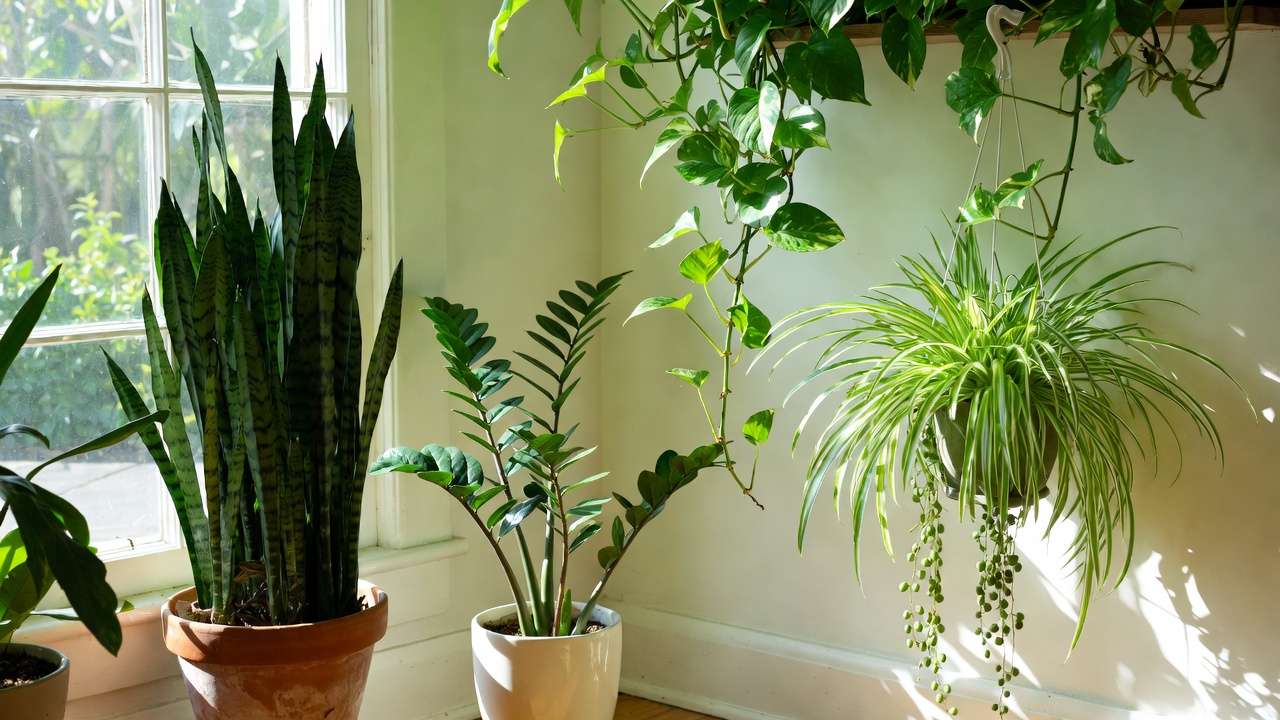
1. Snake Plant (Dracaena trifasciata) 🐍
Often called the #1 allergy superstar! It releases virtually no pollen, has stiff, upright, waxy leaves that trap dust easily, and rarely flowers indoors. NASA ranks it high for removing toxins like formaldehyde and benzene—plus, it produces oxygen at night for better bedroom air. OPALS low score. Care tips — Thrives in low to bright indirect light, water every 2-4 weeks (drought-tolerant), perfect for beginners. Varieties — Classic green, Golden (variegated), Whale Fin (wide leaves). Pro tip — Place in bedrooms for cleaner sleep air. 😴
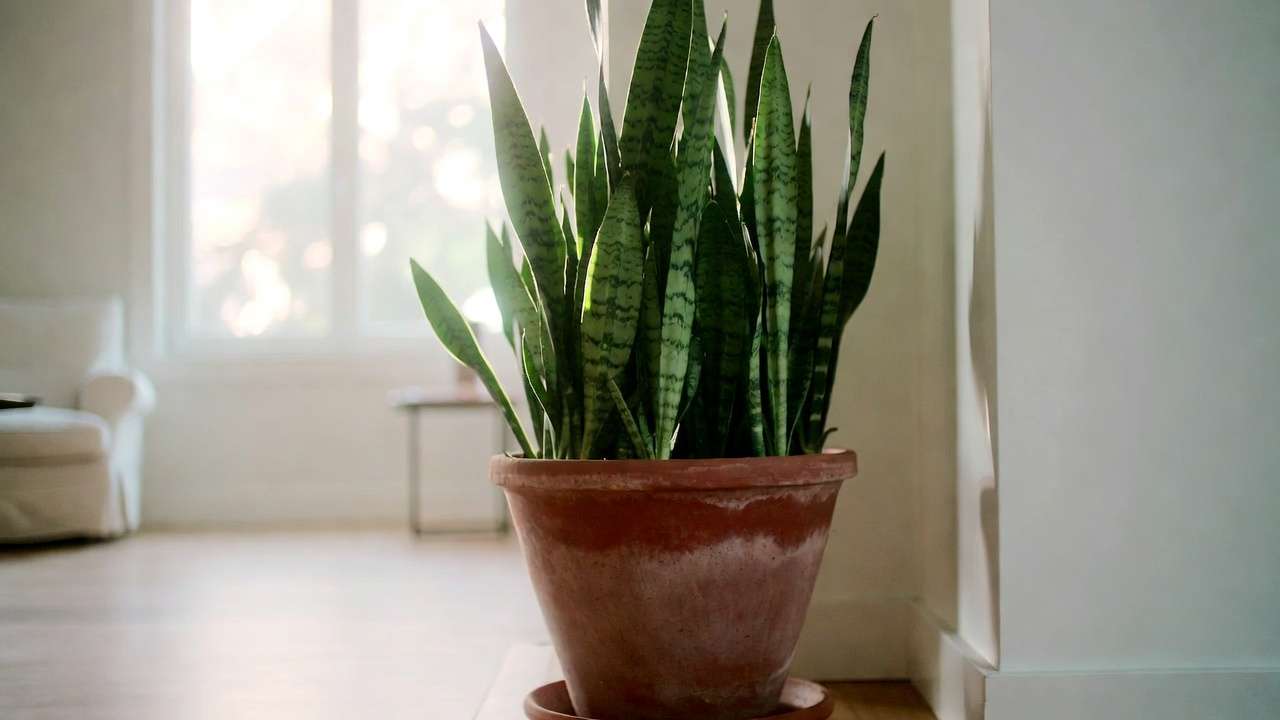
2. Spider Plant (Chlorophytum comosum) 🕷️
A NASA favorite that filters formaldehyde and xylene while producing no pollen indoors. Its arching, smooth leaves catch dust, and “spiderettes” (baby plants) are fun to propagate—great for hanging baskets away from foot traffic. Care tips — Bright indirect light, moderate watering, super forgiving. Bonus — Pet-safe and adds playful vibes!
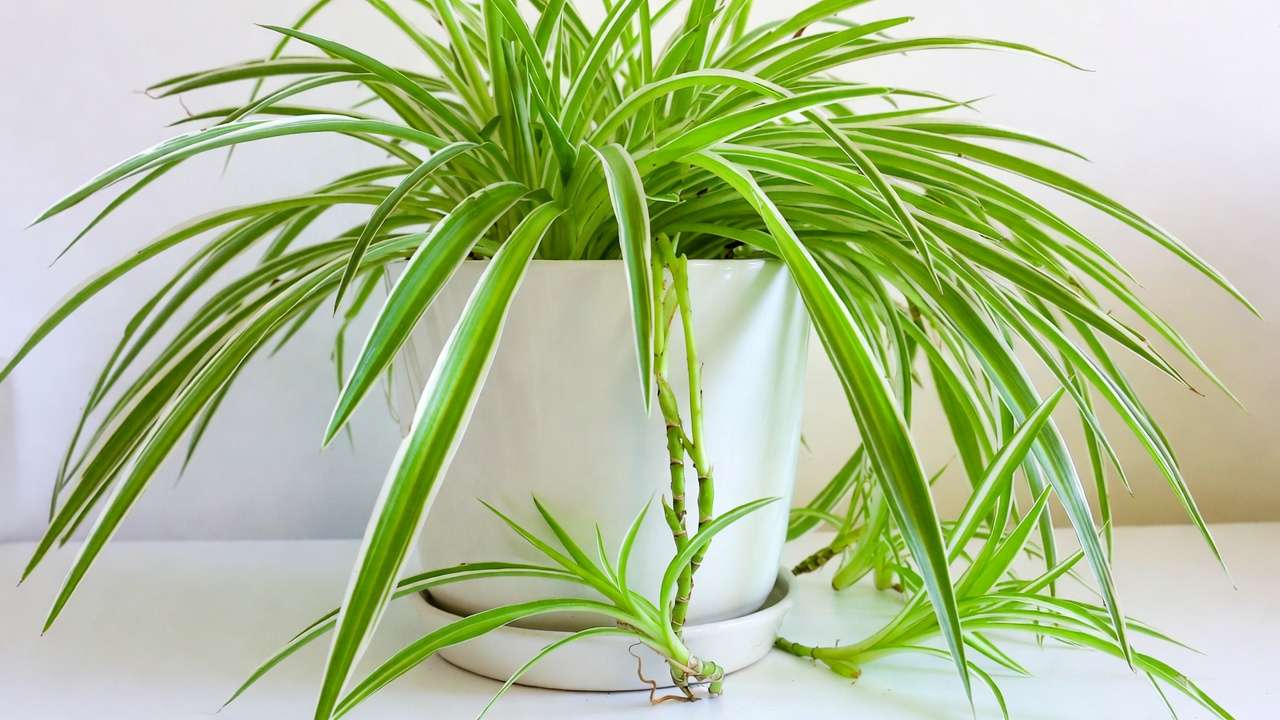
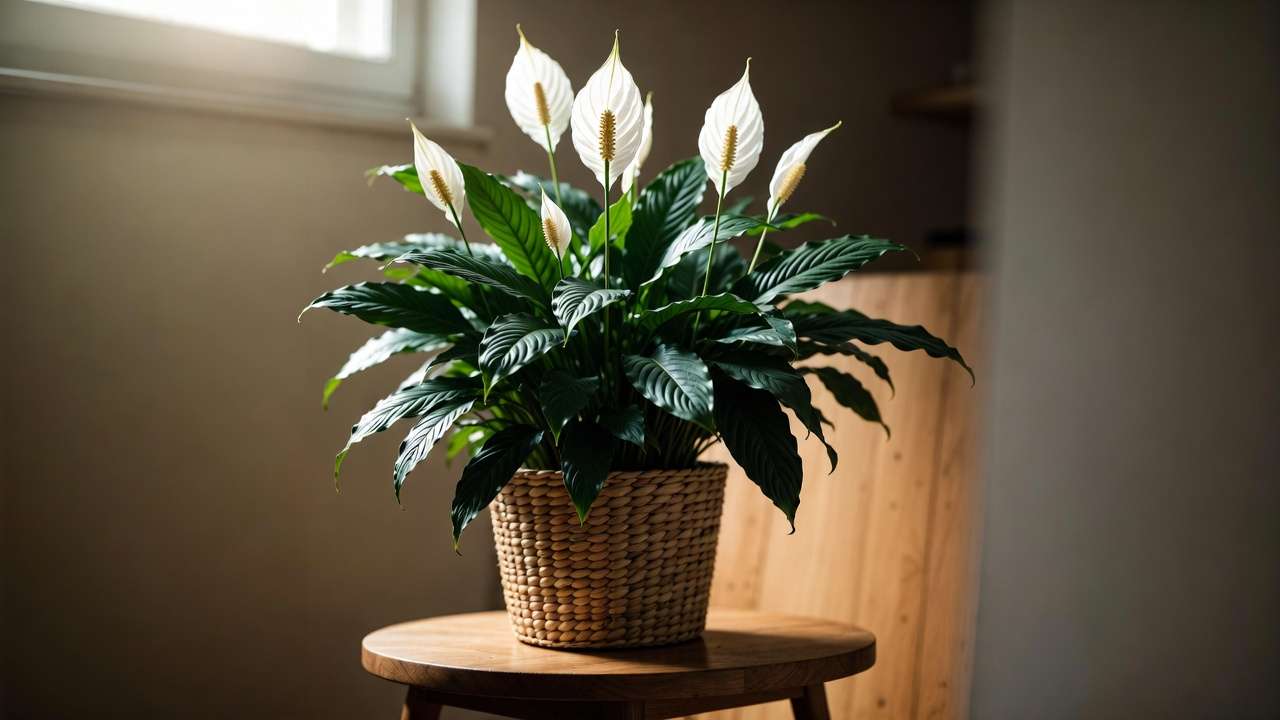
3. Peace Lily (Spathiphyllum) ☮️
Elegant white “blooms” (actually spathes) are low-pollen indoors—the sticky pollen doesn’t fly around. Tops NASA lists for removing ammonia, benzene, and more, while boosting humidity to soothe dry airways. Care tips — Medium to low light, keep soil moist but not soggy (droopy leaves signal thirst). Note — Mildly toxic if ingested, so elevate from pets/kids. Still a top allergy pick when placed safely.
4. Pothos (Epipremnum aureum) 💛
“Devil’s Ivy” is nearly indestructible, with trailing vines and glossy leaves that repel dust and trap allergens. No significant pollen, excellent at removing formaldehyde. Care tips — Low to bright light, water when dry—thrives on neglect! Varieties — Golden, Marble Queen for extra color.
5. ZZ Plant (Zamioculcas zamiifolia) ⚡
Ultra-resilient with shiny, waxy leaves that naturally repel dust and allergens. Rarely flowers, low mold risk thanks to bulbous roots storing water. Care tips — Low light tolerant, water sparingly—ideal for dark corners or forgetful owners.
6. Parlor Palm / Areca Palm / Lady Palm 🌴
These palms are OPALS winners with minimal pollen, feathery fronds that humidify air gently, and NASA purification powers. Parlor Palm excels in low light. Care tips — Indirect light, consistent moisture without sogginess.
7. Chinese Evergreen (Aglaonema) 🌿
Colorful, patterned leaves trap dust; low pollen and shade-tolerant. Removes various toxins. Care tips — Low to medium light, moderate water.
8. Philodendron (various types) ❤️
Heartleaf or Brasil varieties vine beautifully with smooth leaves. Low pollen, air-cleaning, dust-trapping. Care tips — Easy, adaptable light and watering.
9. Cast Iron Plant (Aspidistra elatior) 🏋️
Tough as nails—survives low light and neglect with minimal shedding or pollen. Care tips — Forgiving all-rounder.
10. Aloe Vera 🌵
Succulent with gel for skin soothing; low pollen, purifies air, waxy leaves resist dust. Care tips — Bright light, infrequent watering.
11-12. Bonus: Dracaena Janet Craig / Marginata & Bamboo Palm
Janet Craig removes multiple toxins; Bamboo Palm adds humidity and filters pollutants with low allergen risk.
(Pros/cons quick table coming in full version—e.g., Snake Plant: Pros – Night oxygen, low care; Cons – Sharp leaves.)
These 12 outperform most lists by combining low allergen potential, proven purification, and real-world ease. Start with 2-3 for noticeable air improvement! 🌱
Plants to Avoid If You Have Allergies ❌
Steer clear of these common triggers:
- Ferns — Release spores that act like dust/mold allergens.
- Weeping Fig (Ficus benjamina) — High allergenic sap and particles; linked to rhinitis.
- African Violets / Certain Flowering Plants — Fuzzy leaves collect dust; heavy pollen if blooming.
- Orchids / Chrysanthemums — Pollen-heavy when flowering.
- Mold-prone types — Overly thirsty or fuzzy plants in damp conditions.
Safer swaps: Replace ferns with palms, figs with snake plants. Dust leaves weekly on keepers!
How to Maximize Allergy Benefits: Expert Care & Maintenance Tips 🧼🌱
To keep benefits high and triggers low:
- Dust leaves gently every 1-2 weeks (smooth ones = quick win with a damp cloth).
- Use well-draining pots/soil to prevent mold—add perlite if needed.
- Water from the bottom or when top soil is dry; avoid overwatering.
- Place in key spots: bedrooms (Snake/Pothos for night air), living rooms (Palms/Peace Lily for humidity), offices (ZZ for low light).
- Pair with HEPA filters or good ventilation for max effect.
- Repot annually in spring with fresh soil to minimize spores.
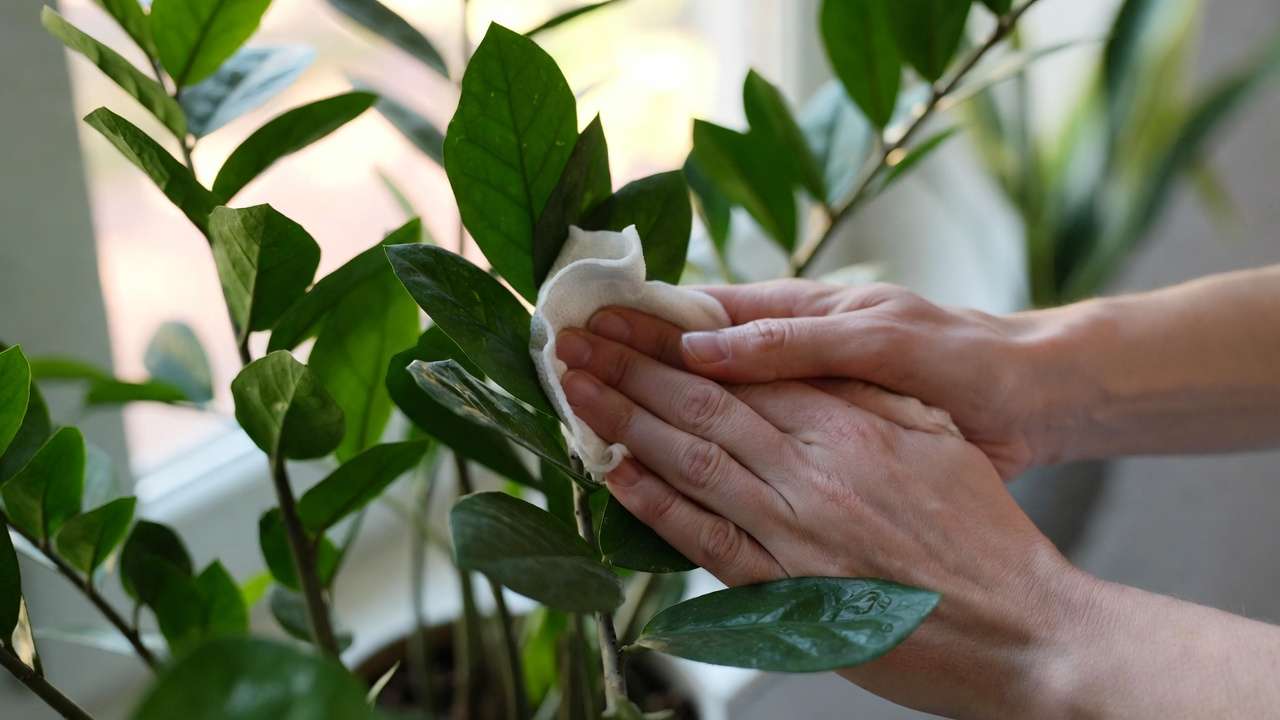
Simple habits = big relief! 🧹
Real-Life Setup Ideas: Allergy-Safe Plant Styling for Your Home 🏠
- Bedroom sanctuary — 2 Snake Plants + trailing Pothos for calm, clean air.
- Living room oasis — Bamboo/Parlor Palm + Peace Lily for tropical feel without triggers.
- Office boost — ZZ Plant + Spider Plant on desk/shelves.
- Small space hacks — Hanging Pothos, vertical shelves for palms.
Mix heights/textures for beauty + function. 📸
Frequently Asked Questions (FAQs) ❓
Do these plants really reduce allergy symptoms? Yes—many trap dust/pollen and remove irritants; users report fewer symptoms with consistent care.
Are they safe for pets/kids? Most yes (Spider, Pothos, Snake), but Peace Lily mildly toxic—research each.
How many plants per room? NASA suggests 1-2 per 100 sq ft for air benefits.
Can I have flowering plants if allergic? Some like Peace Lily (low airborne pollen) work; avoid high-pollen ones.
Best time to start? Anytime, but spring/summer for growth!
Final Thoughts: Breathe Easier with Greenery Today 🌬️❤️
Adding allergy-friendly indoor plants isn’t just about decor—it’s about reclaiming your space for health and joy. Start small with top picks like Snake Plant or Pothos, monitor how you feel, and build your green haven. Your lungs (and home) will thank you!
For more plant care tips, check our guides on low-light plants or pet-safe greenery. What’s your first allergy-safe pick? Share in the comments! 😊🌿











