
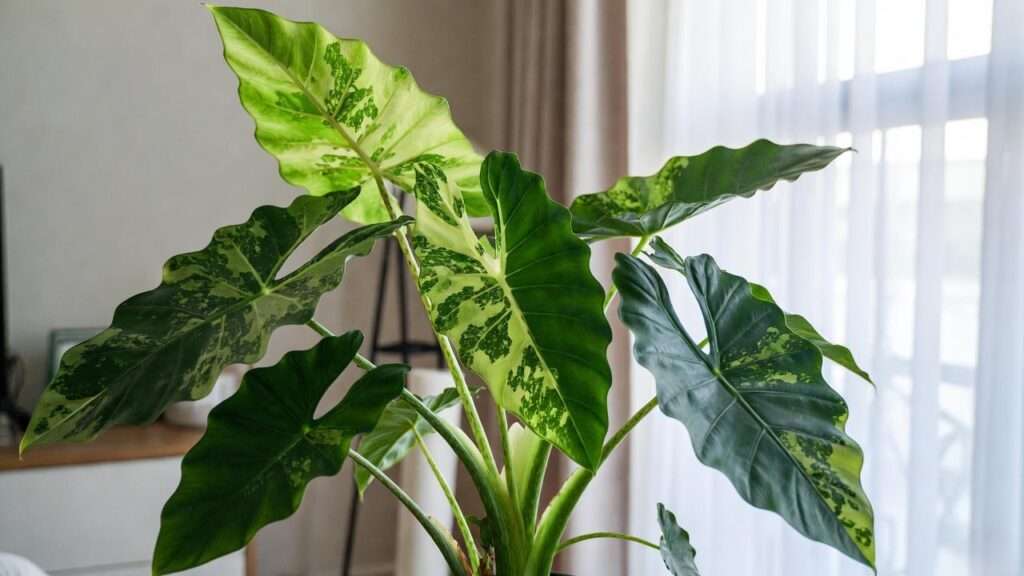
Imagine bringing home a stunning houseplant whose leaves glide through the air like a school of stingrays swimming in a tropical ocean—unique, exotic, and utterly captivating. That’s the magic of the Alocasia Stingray plant, a standout in the world of indoor foliage. But here’s the catch many new owners face: those dramatic, stingray-shaped leaves can suddenly droop, yellow, or even drop entirely, leaving you wondering if you’ve killed your new favorite plant. Don’t worry—if you’re searching for reliable Alocasia Stingray plant care tips to keep it lush and vibrant year-round, you’ve come to the right place. In this ultimate guide, drawing from years of hands-on experience with tropical aroids, we’ll cover everything you need for thriving leaves and robust growth. 🐠🌱
Introduction: Why the Alocasia Stingray is a Must-Have Houseplant 🐠🌱
The Alocasia Stingray has skyrocketed in popularity among houseplant enthusiasts for good reason. Its whimsical leaves, with broad “wings” and a long, upturned “tail,” mimic a stingray in motion, adding a playful yet sophisticated touch to any indoor space. Native to the humid rainforests of Southeast Asia, this Alocasia macrorrhiza variety thrives in conditions that mimic its tropical origins—bright indirect light, consistent moisture, and high humidity.
As a seasoned plant care expert who’s grown dozens of Alocasias (including rescuing several “dormant” Stingrays that bounced back beautifully), I can tell you this plant isn’t as finicky as rumors suggest. Common struggles like leaf drop or yellowing often stem from minor care tweaks, not inherent difficulty. With the right knowledge, your Alocasia Stingray can reach 3-5 feet indoors, unfurling new leaves regularly and becoming a true statement piece. This guide goes beyond basics, offering pro insights to prevent issues and encourage show-stopping growth. Let’s dive in! 💚
:max_bytes(150000):strip_icc()/how-to-grow-alocasia-stingray-hero-66d8a000b48742e9a5e8d5f89f536d45.jpg)
What is the Alocasia Stingray Plant? 🐠
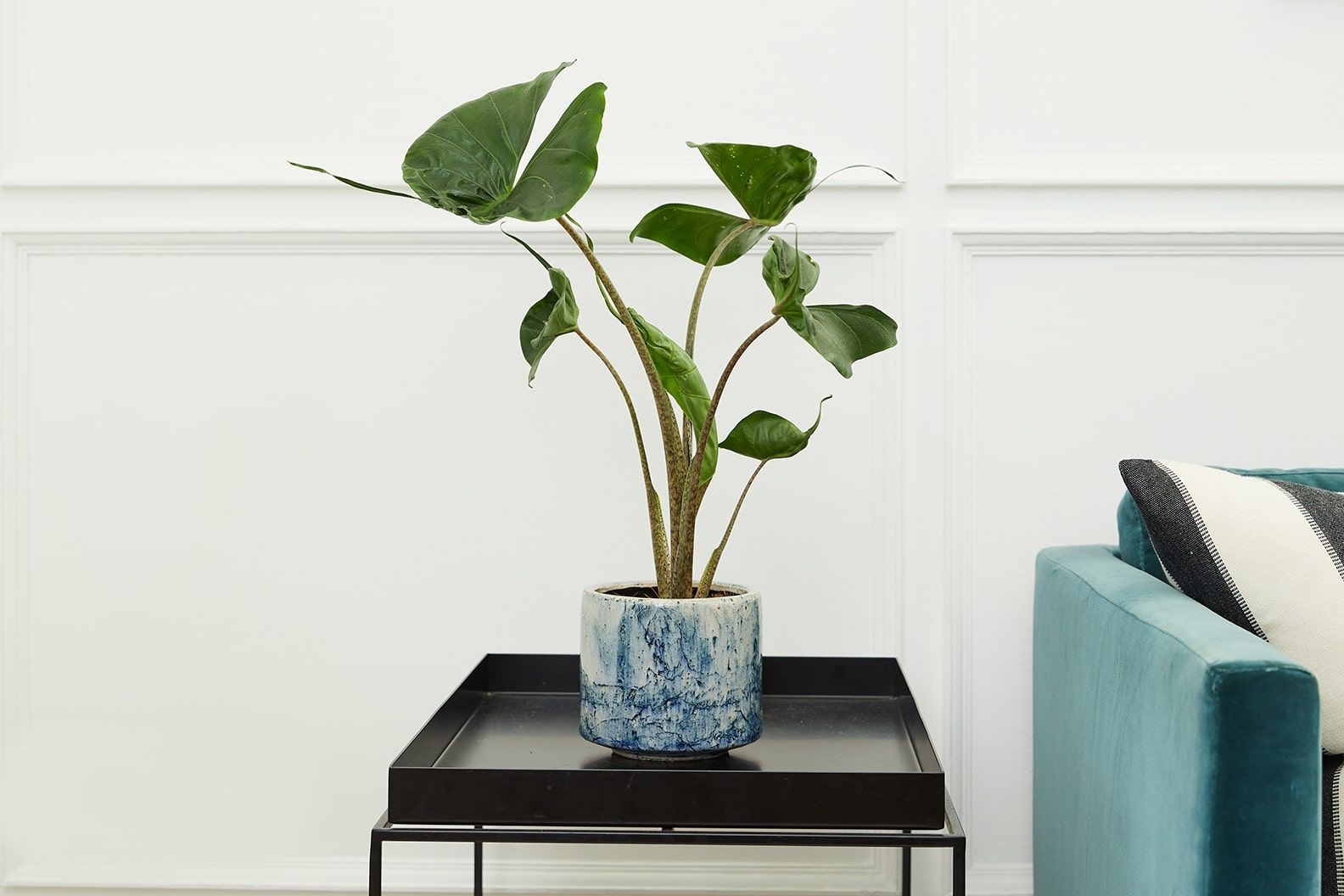
Botanically known as Alocasia macrorrhiza ‘Stingray’, this captivating houseplant belongs to the Araceae family, often called elephant ears for their large foliage. The ‘Stingray’ cultivar stands out with its distinctive leaf shape: rounded lobes resembling wings and a elongated tip that curls upward like a stingray’s tail. Leaves can span 12-18 inches, featuring deep green surfaces with subtle veining and patterned stems that add extra visual interest.
Originating from tropical Southeast Asia and northern Australia, it’s adapted to dappled understory light in humid jungles. Indoors, mature plants grow 3-5 feet tall and wide, with a moderate to fast growth rate during spring and summer—new leaves emerge every few weeks under ideal conditions. It’s not overly rare anymore but remains a sought-after exotic for its quirky charm. Perfect for plant lovers wanting something beyond basic monstera or pothos! 🌴
Ideal Light Requirements for Vibrant Leaves ☀️
Light is the foundation of healthy Alocasia growth—get it right, and you’ll enjoy glossy, expansive leaves; get it wrong, and you’ll see pale foliage or scorch marks.
Best Lighting Conditions
Alocasia Stingray thrives in bright, indirect light for 6-8 hours daily. East-facing windows are ideal for gentle morning sun, while south or west windows work if filtered with sheer curtains. Aim for 200-400 foot-candles (similar to a well-lit office).
Signs of Too Much or Too Little Light
- Too much direct sun: Burnt, crispy edges or brown patches.
- Too little light: Leggy stems, small leaves, or leaning toward the light source.
Expert Tips for Optimal Placement Indoors
Rotate your plant quarterly for even growth. In low-natural-light homes, supplement with grow lights (full-spectrum LED, 12-14 hours daily). I’ve had great success placing mine 2-3 feet from a south window—vibrant without burn!
Watering Your Alocasia Stingray: The Key to Avoiding Root Rot 💧
Watering is where many Alocasia owners stumble—too much leads to rot, too little triggers dormancy.
How Often to Water
Water when the top 1-2 inches of soil feel dry (usually every 7-10 days in growing season). Thoroughly soak until water drains out, then empty the saucer.
Checking Soil Moisture Properly
Use your finger or a moisture meter—avoid guessing! Bottom watering encourages deep roots.
Seasonal Adjustments (More in Summer, Less in Winter)
Increase frequency in spring/summer for active growth; reduce in fall/winter to prevent soggy soil.
Common Watering Mistakes and How to Fix Them
Overwatering causes yellow lower leaves and mushy stems—repot with fresh soil if rot sets in. Underwatering leads to drooping; resume consistent moisture for recovery. Pro tip: Use room-temperature, filtered water to avoid mineral buildup.
Soil and Potting Mix: Creating the Perfect Foundation 🪴
Aroids like the Stingray demand airy, well-draining soil to mimic rainforest floors.
Recommended Soil Recipe (Airy, Well-Draining Aroid Mix)
Commercial aroid mixes are excellent, or DIY: 40% potting soil, 30% orchid bark, 20% perlite, 10% peat or coco coir for slight acidity (pH 5.5-6.5).
DIY Mix Ideas with Perlite, Bark, and Peat
Add charcoal for sweetness and fungus prevention.
Importance of Drainage and Pot Choice
Always use pots with drainage holes—terracotta breathes well for moisture control.
When and How to Repot for Healthy Roots
Repot every 1-2 years in spring when roots circle the pot. Go one size up; gently tease roots and remove any “death plugs” from nursery pots (a common hidden issue causing rot).
Humidity and Temperature Needs for Tropical Vibes 🌴
Alocasias are true tropicals, and the Stingray is no exception—mimicking its rainforest habitat is key to preventing crispy tips and encouraging glossy, expansive leaves.
Ideal Humidity Levels (60%+)
Aim for 60-80% relative humidity. Below 50%, you’ll see brown edges; above 80% risks fungal issues, but Stingrays handle high humidity beautifully.
Easy Ways to Boost Humidity (Pebble Trays, Humidifiers, Misting)
- Pebble trays: Fill a saucer with pebbles and water, placing the pot on top (not in water).
- Humidifiers: A cool-mist model near your plants works wonders in dry homes.
- Misting: Daily light misting helps, but combine with other methods for best results.
- Grouping plants: Creates a microclimate.
:max_bytes(150000):strip_icc()/SPR-how-to-make-a-pebble-tray-7371481-Hero-C-5d303cbb85744594b59e9839a63d5abd.jpg)
Temperature Range and Avoiding Cold Drafts
Keep temperatures between 65-80°F (18-27°C) daytime, no lower than 60°F (15°C) at night. Avoid drafts from windows, doors, or AC vents—sudden chills cause leaf drop.
Pro Tips for Year-Round Comfort
In winter, move away from cold windows; use a heat mat if needed. I’ve rescued many Stingrays by simply relocating them to a warmer spot—quick recovery guaranteed!
Fertilizing for Lush, Fast Growth 🍽️
Feeding your Alocasia Stingray properly fuels those iconic large leaves and rapid unfurling.
Best Fertilizers and Schedules
Use a balanced, water-soluble fertilizer (e.g., 20-20-20) diluted to half strength every 4-6 weeks during spring and summer.
Growing Season vs. Dormancy Feeding
Fertilize actively March-September; stop or reduce drastically in fall/winter when growth slows.
Signs of Nutrient Deficiency
Yellowing older leaves (nitrogen lack), weak stems (potassium), or pale new growth (general deficiency).
Organic vs. Synthetic Options
I prefer organic like fish emulsion or worm castings for steady release, but synthetic works faster for quick boosts.

Pruning, Cleaning, and Maintenance Tips ✂️
Regular upkeep keeps your plant looking pristine and healthy.
How to Prune Dead or Yellow Leaves Safely
Use sterilized scissors to cut at the base of the petiole. Remove only fully yellow/brown leaves—partial ones still photosynthesize.
Cleaning Leaves for Better Photosynthesis
Wipe with a damp cloth weekly to remove dust; shower monthly for a deep clean.
Supporting Tall Stems
Stake if needed for stability as it matures.
Seasonal Care Routine
Spring: Repot/fertilize start. Summer: Max growth monitoring. Fall: Reduce water/feed. Winter: Minimal intervention.
Propagation: Multiply Your Stingray Collection Easily 🌱🌱
One of the joys of Alocasia care—easy multiplication!
Step-by-Step Rhizome Division
During repotting, gently separate rhizomes with at least one growth point. Pot in fresh aroid mix.
Growing from Corms/Offsets
Harvest bulb-like corms from soil; soak overnight, then plant in sphagnum moss until roots/sprouts form.
Best Time and Success Tips
Spring/early summer for fastest rooting. Keep warm, humid, indirect light.
Common Propagation Pitfalls
Overwatering new divisions (leads to rot); use fungicide dip for safety.
Common Problems and Troubleshooting 🛠️
Even with great care, issues arise—here’s how to diagnose and fix.
Yellowing Leaves: Causes and Solutions
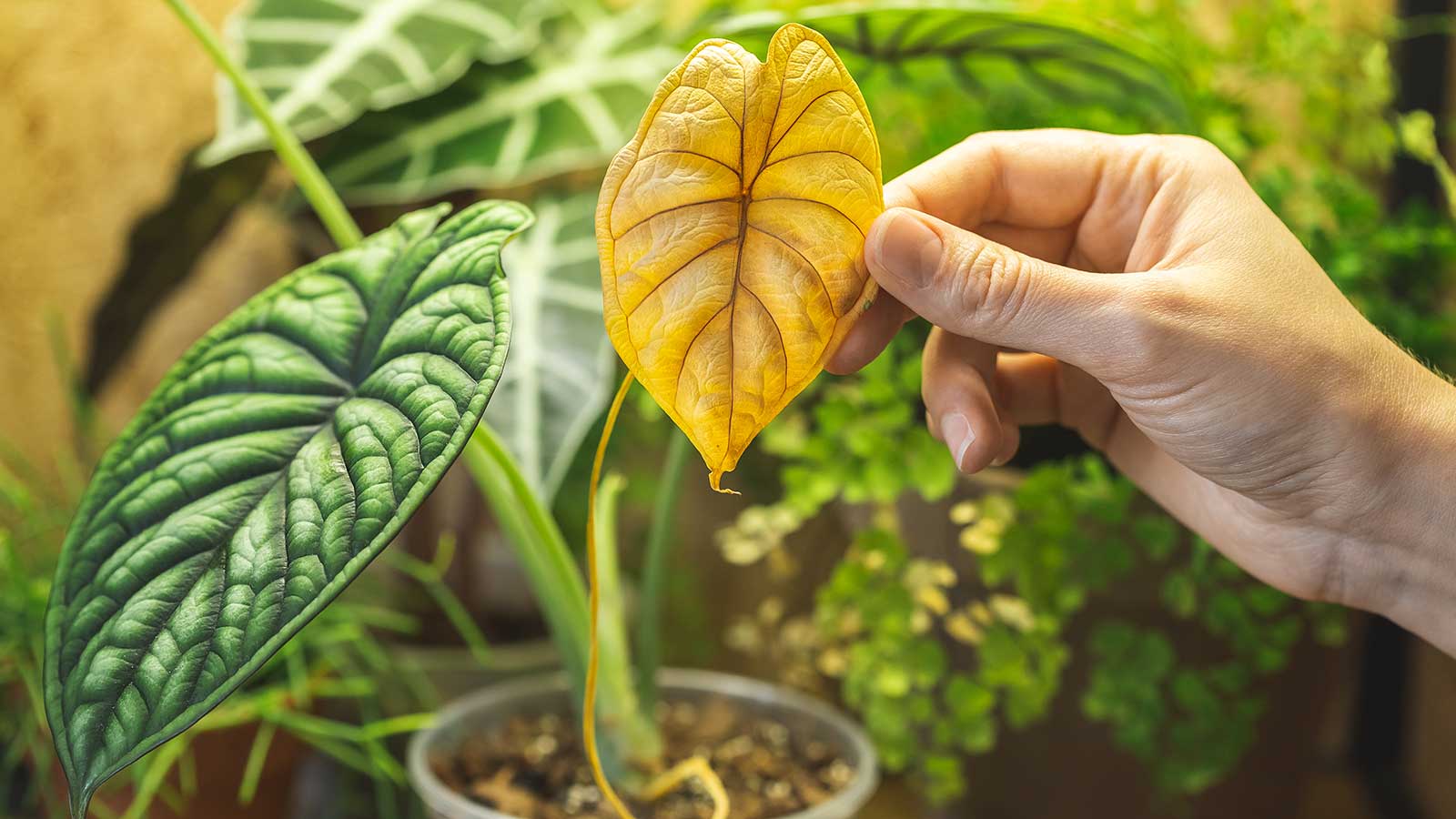
Overwatering, poor drainage, or natural old leaf senescence. Adjust watering; trim affected.
Drooping or Wilting
Underwatering or shock—check soil, increase humidity.
Brown Tips and Edges
Low humidity, fluoride in water, or inconsistent moisture.
Pest Infestations (Spider Mites, Mealybugs, etc.)
See below for details.
Root Rot Prevention and Recovery
Well-draining soil key; if caught early, repot and trim rotten roots.
Dealing with Dormancy (It’s Normal!)
In winter/low light, leaves die back—reduce water, wait for spring rebound. Not dead!
Pests and Diseases: Prevention and Treatment 🐛
Tropical plants like the Alocasia Stingray attract a few common pests, especially in dry indoor conditions. Early detection is key—inspect undersides of leaves regularly.
Identifying Common Pests
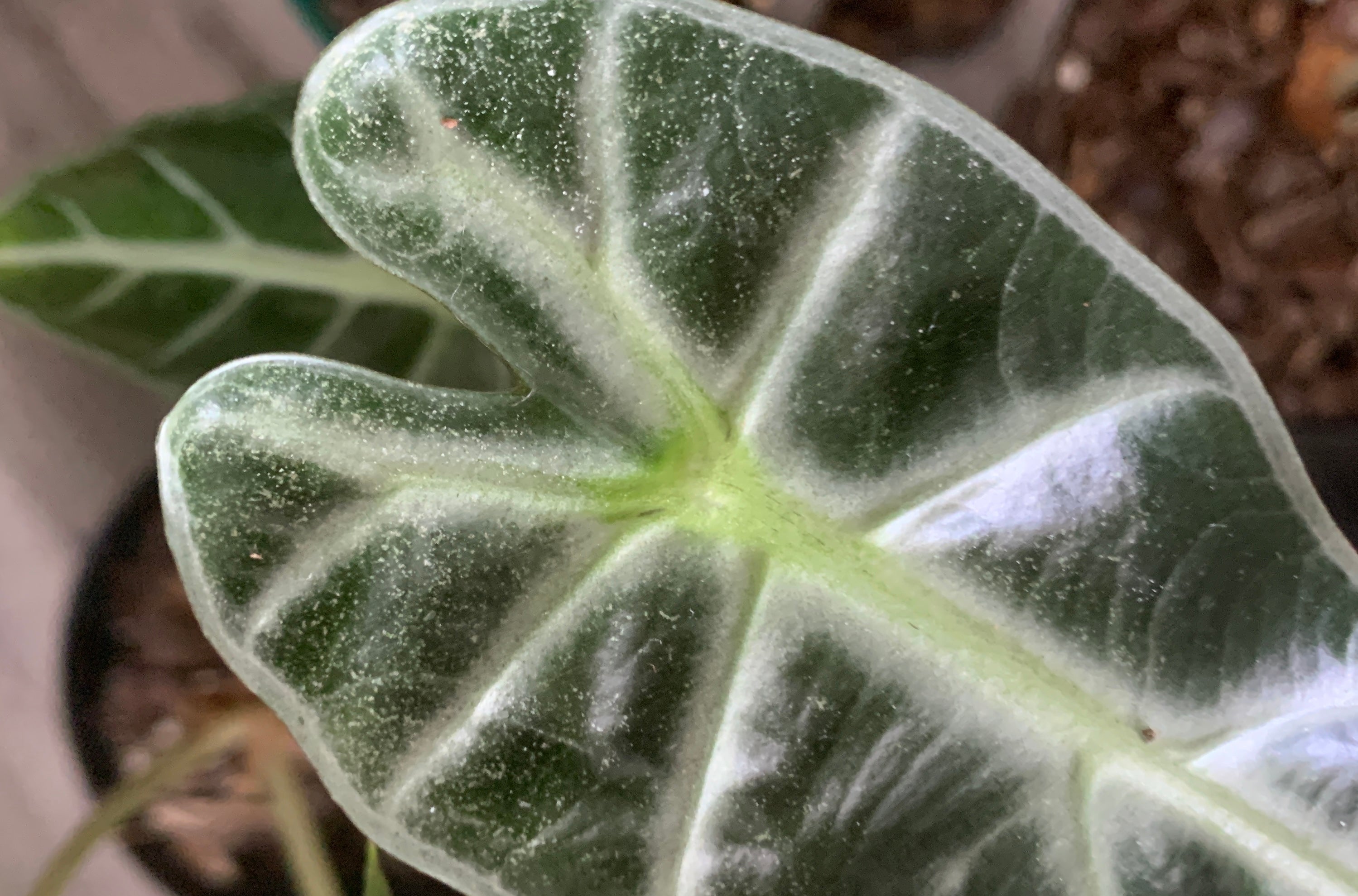
- Spider Mites: Tiny webs, stippled yellow spots on leaves.
- Mealybugs: White, cottony masses on stems and leaf joints.
- Others: Aphids, scale, thrips (less common but possible).
Natural and Chemical Treatments
Start with natural: Neem oil spray, insecticidal soap, or alcohol wipes for mealybugs. For spider mites, increase humidity and rinse leaves. Severe cases: Systemic insecticides (use sparingly indoors).
Fungal Issues and How to Avoid Them
Leaf spot from overwatering/humidity—improve airflow, avoid wet leaves.
Expert Prevention Strategies
Quarantine new plants, maintain humidity >60%, clean leaves. I’ve prevented outbreaks by weekly neem prophylactics on my collection—highly recommend!
Toxicity and Safety Considerations ⚠️
All Alocasias contain calcium oxalate crystals, making them toxic.
Why It’s Toxic to Pets and Kids
Ingestion causes mouth irritation, swelling, vomiting.
Symptoms if Ingested
Burning sensation, drooling, difficulty swallowing—seek vet/medical help immediately.
Safe Placement Tips in Homes with Animals or Children
Elevate on high shelves or hanging baskets, out of reach. Train pets or use deterrents.

Advanced Tips for Show-Stopping Growth 💚
Take your Stingray to the next level with these pro techniques.
Encouraging Larger Leaves
Consistent bright light, regular feeding, high humidity—leaves can exceed 18 inches!
Outdoor Summer Care (If Applicable)
In USDA zones 9-11, summer outdoors in shade; acclimate slowly.
Styling Ideas in Home Decor
Pair with modern pots, group with other aroids for jungle vibe.
Long-Term Care for Mature Plants
Support with moss poles if tall; divide every few years to rejuvenate.
Frequently Asked Questions (FAQs) ❓
Why is my Alocasia Stingray going dormant? 🌙 It’s normal in winter or low light—reduce water, keep above 60°F, and wait for new growth in spring.
Can it tolerate low light? No—low light causes small leaves and legginess. Bright indirect is essential.
How fast does it grow? Moderate to fast in ideal conditions: 1-2 new leaves per month in growing season.
Is it rare or hard to find? Once rare, now widely available online/nurseries, but quality varies.
Best companions for grouping plants? Other humidity lovers like philodendrons, calatheas, or ferns.
Why are the leaf tips brown? Usually low humidity or inconsistent watering—boost moisture levels.
Does it flower indoors? Rarely, but possible spadix blooms—focus on foliage!
How big can it get? 3-5 feet tall indoors; larger in greenhouses.
Is bottom watering better? Yes, prevents stem rot.
Can I use tap water? Prefer filtered/rainwater to avoid fluoride burn.
Conclusion: Enjoy Your Thriving Alocasia Stingray! 🎉
With the right care—bright indirect light, well-draining soil, high humidity, and mindful watering—your Alocasia Stingray will reward you with stunning, stingray-like leaves that dance in the breeze. Remember, minor setbacks like dormancy or pests are manageable with early intervention. As someone who’s nurtured these beauties for years, I promise: the effort is worth the exotic elegance they bring to your home. Happy growing—share your progress in the comments or with fellow plant lovers! 🌿🐠💚











