
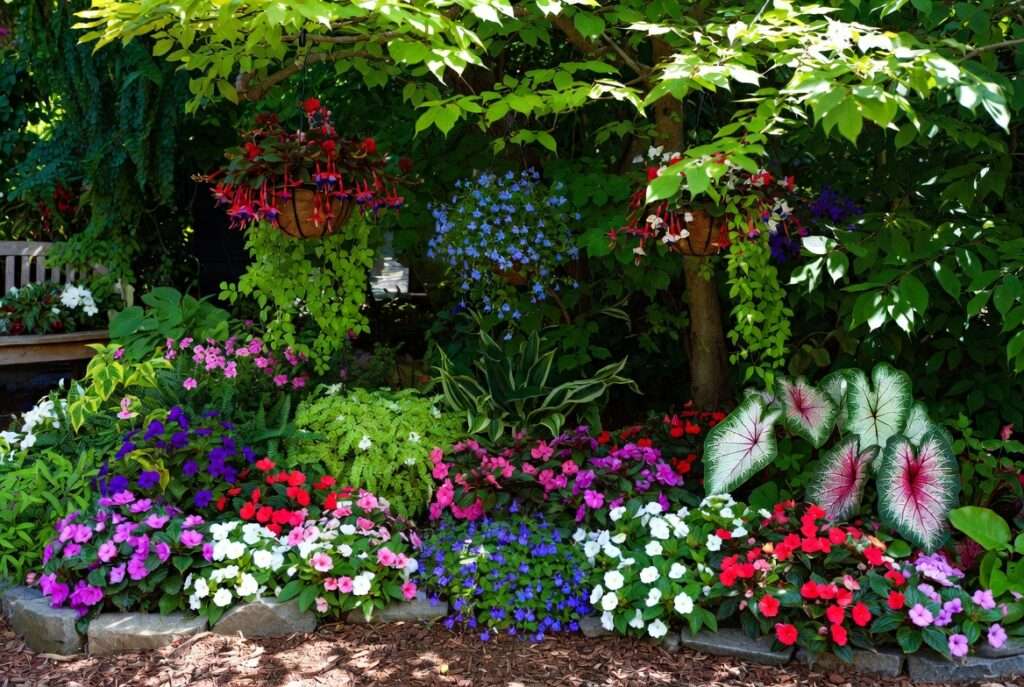
Imagine stepping into your backyard on a warm summer morning and discovering a shady corner transformed into a vibrant explosion of color—pink, purple, red, and white blooms dancing in the dappled light, with hummingbirds and butterflies stopping by for a visit. No more dull, flowerless spots under trees or along north-facing walls! If you’ve ever felt frustrated watching your favorite sun-loving flowers fizzle out in low light, the solution is simpler than you think: the right annual plants for shade.
These hardworking, low-maintenance varieties thrive in partial to full shade, delivering nonstop color from spring through fall without needing hours of direct sunlight. As a horticulturist with over 15 years of hands-on experience testing shade gardens in USDA zones 5–9 (and advising gardeners worldwide), I’ve grown, trialed, and rescued hundreds of these plants in real backyard conditions. Backed by recommendations from Proven Winners, university extension services, and top sources like Gardenia.net and HGTV, this guide shares the 12 best annual plants for shade that actually deliver on their promise.
You’ll learn exactly which varieties bloom beautifully all season, how to match them to your exact light levels, and pro care tips to keep them thriving. By the end, you’ll have everything you need to create your own lush, low-light paradise—saving time, money, and frustration. Let’s dig in! 🌱✨

Why Shade Gardens Need the Right Annuals (And Why Perennials Often Fall Short) 🌳🪴
Shade can feel like a gardening curse—those cool, protected spots under mature trees or beside buildings often end up bare or boring. Many perennials struggle here because they need more consistent light to establish strong roots and repeat blooms year after year. Annual plants for shade, on the other hand, are bred for speed: they grow fast, focus energy on flowers instead of long-term survival, and adapt beautifully to low-light conditions.
In my own shade borders, I’ve seen impatiens and begonias outperform hostas and astilbes when it comes to nonstop summer color. The payoff? Affordable, season-long beauty that pollinators love and deer often ignore. Plus, they’re beginner-friendly—no complicated pruning schedules or winter protection required. Whether you’re dealing with dappled light under oaks or deep shade on a covered patio, these annuals solve the “nothing blooms here” problem once and for all.
Understanding Light Levels – Match Plants to Your Exact Shade Conditions ☀️🌿
Not all shade is created equal! Before picking your annual plants for shade, let’s quickly diagnose your spot so you choose winners every time.
Dappled Light vs. Partial Shade vs. Full Shade – Quick Diagnostic Guide
- Dappled light: Filtered sunlight through tree leaves (4–6 hours of indirect sun). Perfect for almost everything on our list.
- Partial shade: Morning sun + afternoon shade (2–4 hours direct sun). Great for New Guinea impatiens and most begonias.
- Full/deep shade: Less than 2 hours direct sun, mostly indirect light. Ideal for classic impatiens, tuberous begonias, and torenia.
How to Measure Your Garden’s Light (Easy 1-Day Test) Place a sheet of white paper on the ground at noon. If it casts a faint shadow with soft edges = dappled/partial. No shadow at all = full shade. Do this test in spring and midsummer—light changes as trees leaf out!
Pro tip: If your shade feels too deep (no blooms by midsummer), add a reflective surface like a light-colored wall or mulch to bounce a little extra light. These simple checks prevent 90% of shade garden failures.
The 12 Best Annual Plants for Shade That Bloom Beautifully All Season 🌺💐
Here’s the heart of the guide—the 12 top-performing annual plants for shade I’ve personally grown and recommend for 2026 gardens. Each one is chosen for reliable blooms, disease resistance, and ease. I’ve included 2026-friendly varieties from Proven Winners and Beacon series (many now downy mildew resistant).
1. Impatiens (Impatiens walleriana) – The Undisputed Queen of Shade Blooms 🌸 No list of annual plants for shade is complete without these nonstop bloomers! Classic impatiens (also called busy lizzies) produce masses of 1–2 inch flowers in every shade of pink, red, white, orange, and bicolor from late spring until frost. They love full shade and tolerate humidity beautifully.
Why it thrives in shade: Bred for low light; blooms increase as sun decreases. Best 2026 varieties: Beacon series (highly resistant to downy mildew) and Rockapulco doubles for rose-like fullness. Bloom timeline & specs: Continuous from May–October; 8–12 inches tall, 12–18 inches wide. Pollinator appeal & deer resistance: Moderate; butterflies love them, deer usually skip. Expert care hack: Water at the base in the morning to avoid leaf spot—keep soil consistently moist but never soggy. Plant in rich, well-draining soil amended with compost.
:max_bytes(150000):strip_icc()/impatiens-mixed-colors-big-592f2e103df78cbe7e3dc5f5.jpg)
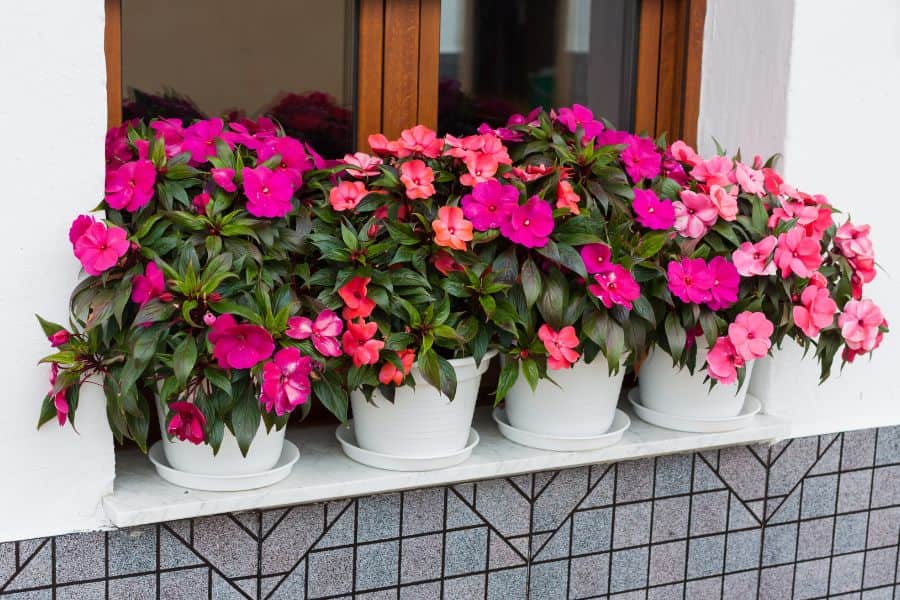
2. New Guinea Impatiens – Bigger Blooms, More Sun Tolerance 🌺 A step up in size and vigor from standard impatiens, New Guinea types feature larger, glossy leaves and bigger flowers in bold neon shades. They handle a bit more light than their cousins, making them versatile annual plants for shade-to-partial sun spots.
Why it thrives: Stronger stems and better heat tolerance; bred for modern gardens. Best varieties: SunPatiens Compact or Vigorous series (work in sun or shade). Specs: 12–24 inches tall; perfect for containers or borders. Pro tip: Pinch young plants for bushier growth and more blooms. Hummingbirds can’t resist!
3. Wax Begonias (Begonia semperflorens) – Tough, Glossy, and Nonstop Color 🪴 These little workhorses have shiny, waxy leaves and tiny but abundant flowers in white, pink, or red. They’re incredibly forgiving and bloom right up to the first frost.
Why it thrives in shade: Tolerates dry-ish shade better than impatiens and resists common diseases. 2026 favorites: Surefire series from Proven Winners—bigger blooms and stronger performance. Expert hack: Use as edging or groundcover; they self-clean (no deadheading needed).
4. Tuberous & Dragon Wing Begonias – Dramatic Flowers That Love Deep Shade 🌹 For wow-factor drama, tuberous begonias offer large, rose-like or pendulous blooms, while Dragon Wing types cascade beautifully in baskets. Both excel in deep shade where other flowers fade.
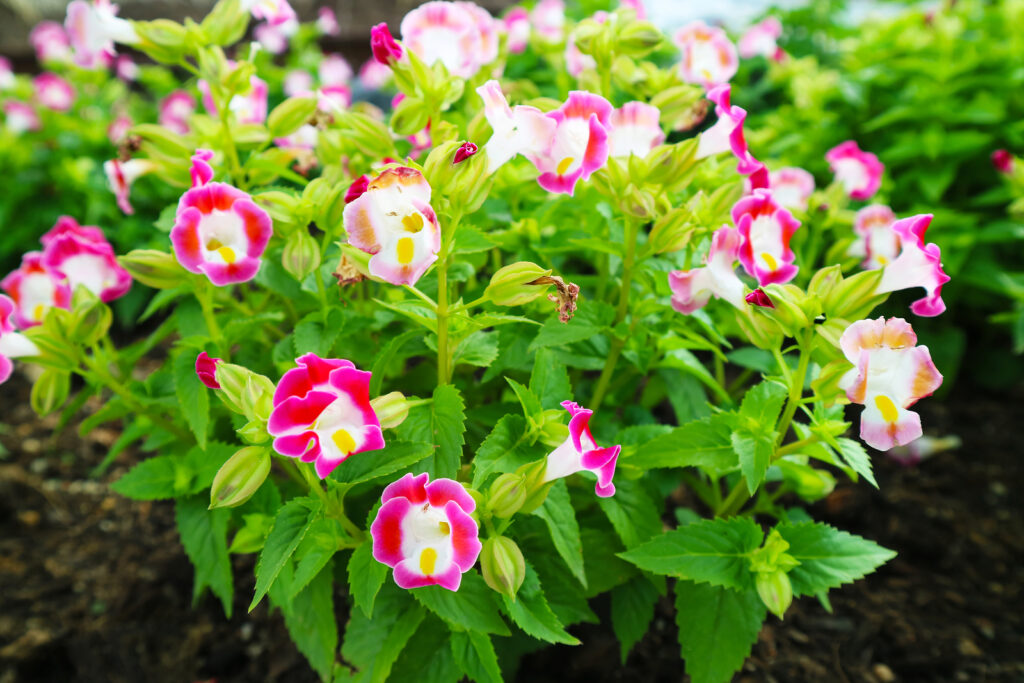
5. Torenia (Wishbone Flower) – Cheerful Snapdragons for Shade 🌼 Torenia fournieri, commonly known as the wishbone flower, brings a delightful snapdragon-like shape with a unique “wishbone” inside the bloom. These annual plants for shade produce abundant 1-inch flowers in shades of blue, purple, pink, and white with contrasting yellow throats.
Why it thrives in shade: Excellent tolerance for deep shade; flowers stay fresh even in humid, low-light areas. Best 2026 varieties: Catalina and Moon series from Proven Winners—larger blooms and improved vigor. Bloom timeline & specs: Nonstop from early summer to frost; 6–12 inches tall, 12 inches wide. Great for borders or containers. Pollinator appeal: Attracts bees and butterflies. Expert care hack: Keep soil evenly moist and apply a balanced liquid fertilizer every 2–3 weeks for maximum flowering. Pinch tips early for bushier plants.
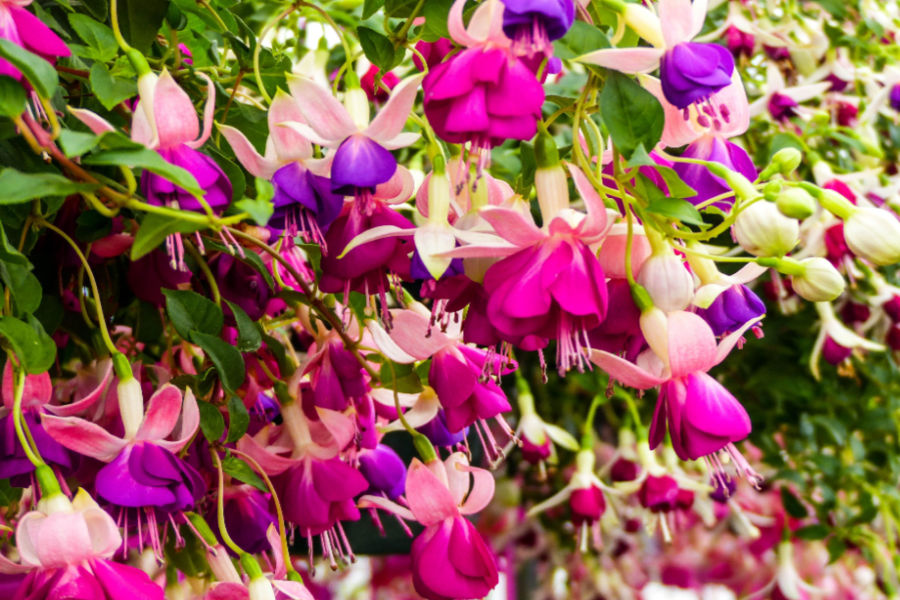
6. Fuchsia – Elegant Hanging Blooms That Hummingbirds Adore 🐦💖 Fuchsia hybrids dangle graceful, bell-shaped flowers in vibrant combinations of pink, purple, red, and white. Their pendulous habit makes them perfect for hanging baskets in shady spots.
Why it thrives in shade: Prefers cool, protected shade; intense afternoon sun can scorch the delicate blooms. Best varieties: Trailing types like ‘Swingtime’ or upright varieties for mixed containers. Specs: 12–24 inches long trails; blooms heavily in partial to full shade. Pollinator appeal: Hummingbirds go wild for them! Pro tip: Mist foliage in dry weather and use a high-potash fertilizer to encourage more blooms. Deadhead spent flowers to keep the show going.
7. Browallia (Sapphire Flower) – Delicate Blue Stars That Keep Coming ✨ Browallia speciosa features star-shaped flowers in brilliant shades of blue and white. This lesser-known gem is one of the most reliable annual plants for shade, offering delicate beauty with tough performance.
Why it thrives: Loves consistent moisture and cool shade; blooms profusely without fading. Best varieties: ‘Silver Bells’ (white) and ‘Blue Bells’ series. Specs: 8–16 inches tall; excellent for edging or window boxes. Expert hack: Sow seeds indoors early or buy transplants—space them 8 inches apart for a carpet of color.
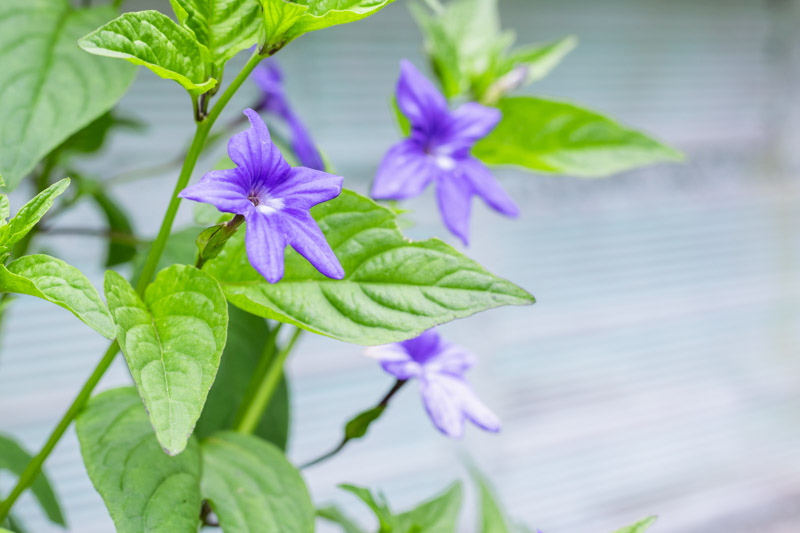
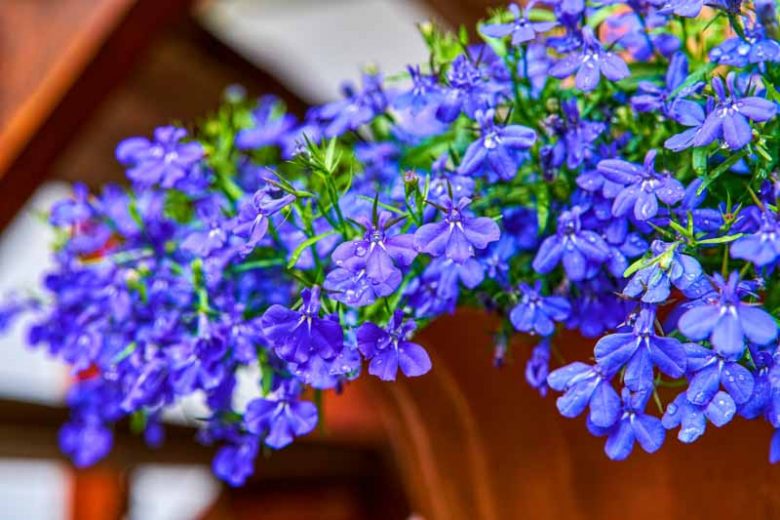
8. Lobelia erinus – Cascading Trails of Tiny Jewels 💙 Lobelia produces masses of tiny, intense blue (and sometimes white or pink) flowers on trailing stems. It’s a classic choice for spilling over container edges in shady gardens.
Why it thrives in shade: Prefers cool, moist shade; heat can cause it to stop blooming (choose heat-tolerant varieties). Best varieties: ‘Riviera’ or ‘Techno Heat’ series for better performance. Specs: 4–8 inches tall with 12+ inch trails. Pollinator appeal: Bees love the small flowers. Care hack: If it looks tired mid-summer, cut back by half and fertilize—it will rebound with fresh blooms.
9. Garden Balsam (Impatiens balsamina) – Old-Fashioned Charm with Explosive Blooms 🌸 This heirloom relative of modern impatiens offers double, camellia-like flowers in bright colors. It self-seeds easily in some climates, adding charm to cottage-style shade gardens.
Why it thrives: Adaptable to partial shade; blooms from base to top of stems. Specs: 12–30 inches tall depending on variety. Pro tip: Great for cutting gardens—flowers last well in vases.
10. Nicotiana (Flowering Tobacco) – Fragrant Evening Blooms 🌙 Nicotiana alata and hybrids produce tubular, star-shaped flowers with intoxicating evening fragrance. They add height and romance to shade borders.
Why it thrives: Tolerates dappled shade and attracts night pollinators like moths. Best varieties: ‘Perfume’ series or shorter ‘Tuxedo’ for containers. Specs: 12–36 inches tall.
11. Coleus – Foliage That “Blooms” with Living Color All Season 🍃🌈 While not a traditional flowering annual, coleus delivers nonstop “bloom” through its stunning leaf colors—chartreuse, burgundy, pink, and lime. It’s one of the most versatile annual plants for shade.
Why it thrives: Shade actually intensifies foliage color. Best 2026 varieties: ColorBlaze and Main Street series (sun/shade tolerant). Expert hack: Pinch flower spikes to keep the plant bushy and colorful.
12. Caladium – Heart-Shaped Leaves That Add Instant Tropical Drama ❤️🌿 Caladiums bring bold, arrow-shaped leaves in white, pink, red, and green combinations. They light up dark corners like living art.
Why it thrives in shade: Loves humid, low-light conditions; tubers store well for next year in warmer zones. Best varieties: ‘Candidum’ (white) and ‘Pink Beauty’. Specs: 12–24 inches tall. Pro tip: Plant after soil warms; combine with impatiens for texture contrast.
Quick Comparison Table of the 12 Best Annual Plants for Shade
| Plant | Shade Level | Height | Main Color | Best Use | Pollinator Friendly |
|---|---|---|---|---|---|
| Impatiens | Full | 8-12″ | Pink, Red, White | Beds, Containers | Moderate |
| New Guinea Impatiens | Partial-Full | 12-24″ | Neon shades | Borders, Pots | High |
| Wax Begonias | Partial-Full | 6-12″ | White, Pink, Red | Edging, Groundcover | Low |
| Tuberous Begonias | Full | 12-18″ | Rose-like | Containers, Hanging | Moderate |
| Torenia | Full | 6-12″ | Blue, Pink | Borders, Window boxes | High |
| Fuchsia | Partial-Full | Trailing | Pink, Purple | Hanging baskets | Very High |
| Browallia | Full | 8-16″ | Blue, White | Edging | Moderate |
| Lobelia | Partial-Full | Trailing | Blue | Spill in containers | High |
| Garden Balsam | Partial | 12-30″ | Mixed | Cottage gardens | Moderate |
| Nicotiana | Dappled | 12-36″ | White, Pink | Borders, Evening gardens | High (moths) |
| Coleus | Full | 12-24″ | Foliage colors | Filler, Accents | Low |
| Caladium | Full | 12-24″ | Leaf patterns | Tropical drama | Low |
This comparison makes choosing easy—scan for your light level and preferred look!
How to Plant Annuals for Shade – Step-by-Step Success Guide 🪴
Success with annual plants for shade starts with proper planting.
Soil Preparation Secrets Shade gardens often have compacted, nutrient-poor soil under trees. Amend with 2–3 inches of compost or well-rotted manure and ensure excellent drainage—add perlite or pine bark if soil stays soggy. Aim for slightly acidic to neutral pH (6.0–7.0).
Best Planting Time & Hardening Off Tips Plant after all danger of frost has passed (check your local last frost date). Harden off transplants for 7–10 days by gradually increasing outdoor time.
Container vs. In-Ground Planting Containers dry out faster in shade—use high-quality potting mix and larger pots. In-ground beds benefit from mulch to retain moisture and suppress weeds.
Essential Care Tips to Keep Your Shade Annuals Blooming Nonstop 💧🌱
Watering Wisdom: Shade reduces evaporation, so overwatering is a common mistake. Water deeply when the top inch of soil feels dry—early morning is best to reduce fungal issues.
Fertilizing for Maximum Blooms: Use a balanced liquid fertilizer (10-10-10) every 2 weeks or a slow-release granular at planting. Switch to bloom-booster (higher phosphorus) mid-season.
Deadheading, Pinching & Pruning: Remove spent flowers on impatiens and fuchsia for tidiness. Pinch coleus and begonia tips for bushiness.
Pest & Disease Prevention: Watch for slugs (use beer traps), aphids, and downy mildew (choose resistant varieties like Beacon impatiens). Improve air circulation and avoid overhead watering.
Creative Design Ideas for Stunning Shade Gardens 🌈
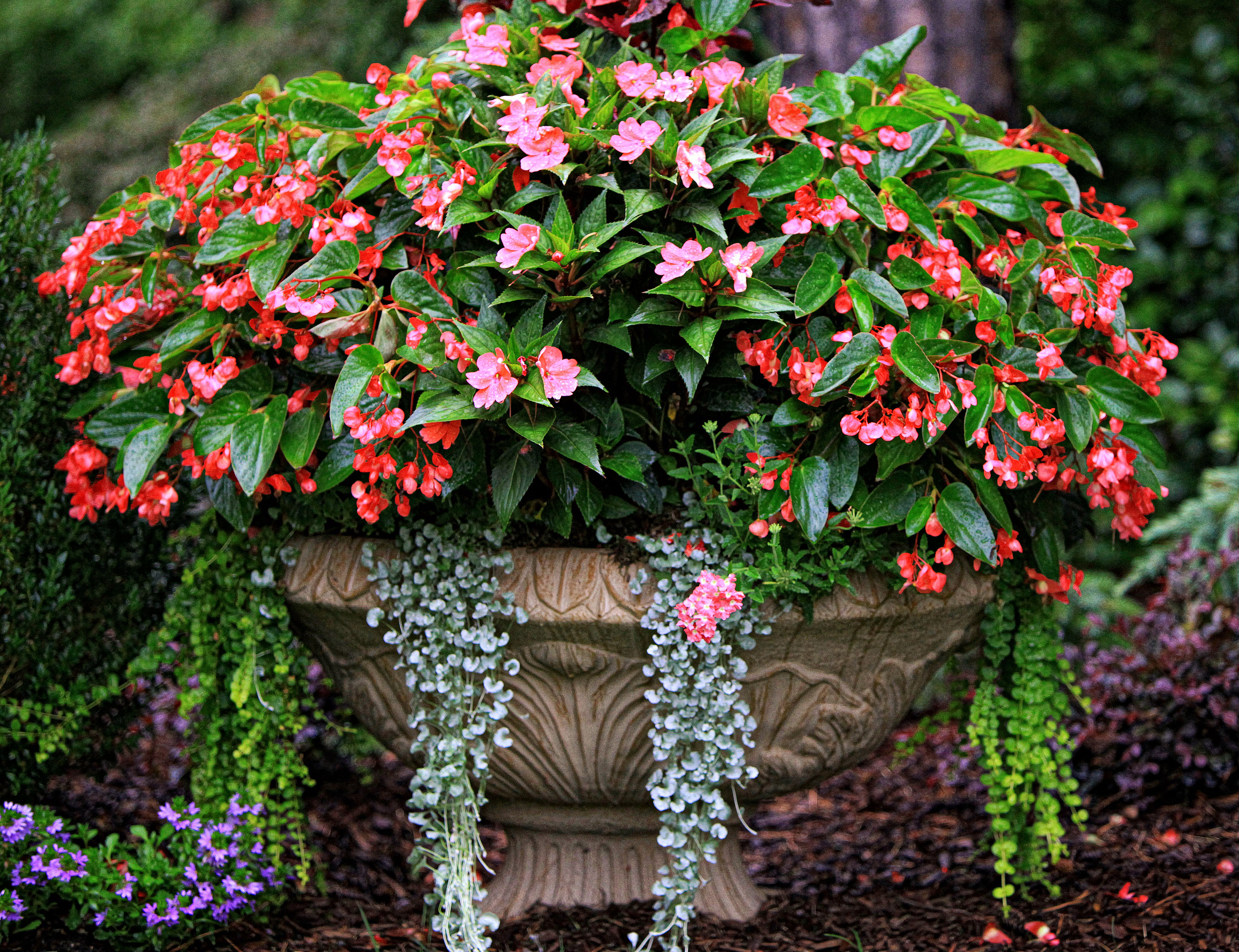
Container Combos That Pop: Try “thriller, filler, spiller”—New Guinea impatiens (thriller), coleus (filler), lobelia or fuchsia (spiller).
Layered Border Designs: Plant taller nicotiana or caladium at the back, mid-height begonias in the middle, and low lobelia or browallia at the front.
Hanging Baskets & Window Boxes: Fuchsia and trailing lobelia shine here.
Companion Planting Chart: Pair impatiens with ferns for texture, torenia with hostas, and coleus with caladium for dramatic foliage contrast.
Common Mistakes to Avoid (And How to Fix Them Fast) ❌
- Planting too early (cold soil stunts growth) → Wait for warm nights.
- Overwatering leading to root rot → Improve drainage.
- Ignoring downy mildew → Switch to resistant varieties.
- Not fertilizing → Weak, sparse blooms.
Quick fixes usually involve pruning back, adjusting water, and feeding.
Seasonal Maintenance Calendar 📅
Spring: Amend soil, plant, fertilize. Summer: Water consistently, deadhead, watch for pests. Fall: Enjoy last blooms; compost spent plants (save caladium tubers). Winter: Plan next year’s combinations.
Expert Insights & Pro Gardener Secrets 🌟
From years of trialing in real gardens, the biggest secret is consistency—steady moisture and light feeding beat fancy techniques. Choose disease-resistant series for worry-free beauty. Support pollinators by mixing in fuchsia and torenia. For sustainability, reuse containers and compost spent annuals.
Conclusion
Creating a vibrant shade garden no longer means sacrificing color. With these 12 best annual plants for shade, you can enjoy nonstop blooms from spring until frost, even in the trickiest low-light spots. Whether you start small with a single container of impatiens and lobelia or design a full layered border, these varieties deliver reliable beauty with minimal fuss.
Pick 3–4 favorites based on your light levels and style, head to your local garden center this season, and watch your shady areas come alive. Your garden (and the pollinators) will thank you!
Share your shade garden successes or questions in the comments below—I love hearing from fellow plant lovers.
Happy gardening! 🌿🌸✨
Frequently Asked Questions (FAQs) ❓
Can annual plants for shade survive full deep shade? Yes—classic impatiens, tuberous begonias, torenia, and caladium perform beautifully with minimal direct sun.
How do I prevent leggy growth in low light? Pinch tips regularly, provide consistent moisture and fertilizer, and choose compact varieties.
Are these plants safe for pets and kids? Most are non-toxic (impatiens, begonias, torenia), but fuchsia and nicotiana can be mildly toxic if ingested—check ASPCA for specifics.
What’s the best way to revive struggling shade annuals? Cut back by one-third, improve air flow, apply fertilizer, and ensure proper watering. Most bounce back quickly.
Can I save any of these plants for next year? Caladium tubers can be saved indoors; some begonias and impatiens can be overwintered as houseplants in bright indirect light.
Which annuals for shade attract the most pollinators? Fuchsia (hummingbirds), torenia and lobelia (bees/butterflies), and nicotiana (moths).











