
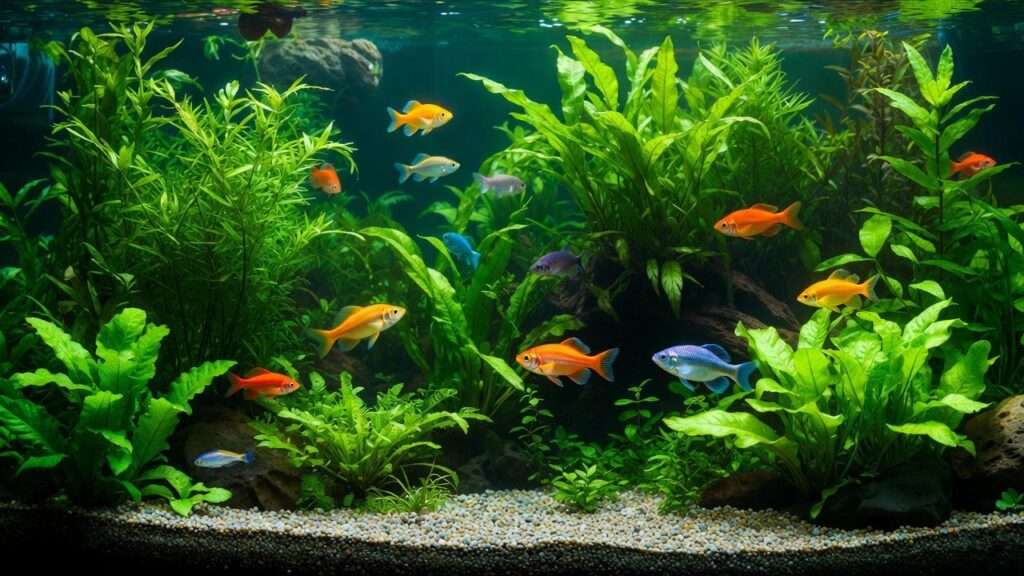
Imagine gazing into your aquarium and seeing a lush underwater jungle: vibrant green leaves swaying gently in the current, robust roots anchoring strong plants, and colorful fish weaving through a natural paradise. Too many aquarists face the frustration of yellowing leaves, stunted growth, or plants that just won’t take hold—all because they chose the wrong substrate. But here’s the good news: the right aquarium gravel for plants can turn your tank into a thriving, low-maintenance ecosystem without breaking the bank on expensive specialized soils. 🌱💚
In this comprehensive 2026 guide, we’ll dive deep into why gravel works wonders for planted tanks, the top options available today, and expert tips to achieve that envy-worthy aquascape you’ve always wanted.
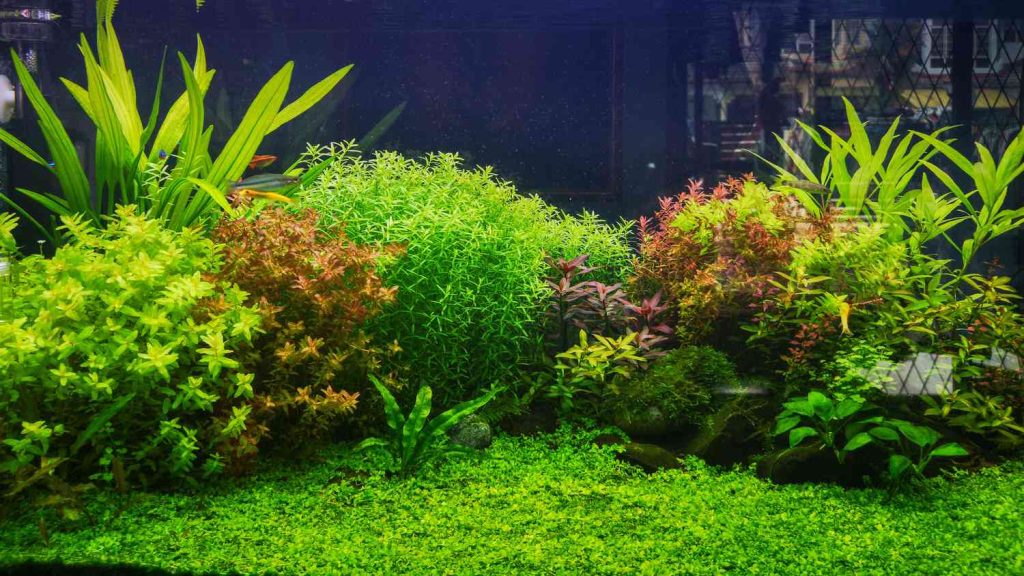
Why Substrate Matters for Planted Aquariums 🪴
The substrate isn’t just the “floor” of your tank—it’s the foundation of your entire aquatic ecosystem. It anchors plants, houses beneficial bacteria, influences water chemistry, and directly impacts root health.
The Role of Substrate in Plant Health
Aquatic plants absorb nutrients through both their leaves (from the water column) and roots (from the substrate). Heavy root feeders like Amazon swords and crypts rely heavily on substrate nutrients for iron, potassium, and trace elements. A good substrate promotes strong root development, prevents uprooting, and supports overall vigor. Poor choices lead to nutrient deficiencies, algae outbreaks, or anaerobic pockets that release harmful gases.
Gravel vs. Aquasoil: Pros and Cons for Rooted Plants
Active aquasoils (like Fluval Stratum or ADA Amazonia) are nutrient-rich and lower pH slightly, making them ideal for high-tech tanks with CO2 injection. However, they break down over time (1-3 years), can cloud water initially, and cost more.
Gravel, on the other hand, is inert (doesn’t alter water parameters), durable (lasts forever), easy to clean, and budget-friendly. With root tabs or liquid fertilizers, gravel supports lush growth in low- to medium-tech setups. It’s perfect for beginners or those avoiding frequent substrate replacements.
Pros of Gravel:
- Stable pH and hardness
- Excellent for beneficial bacteria colonization
- Won’t compact or create dead zones easily
- Versatile aesthetics (colors, sizes)
Cons:
- No built-in nutrients (supplement needed)
- Coarser textures may challenge fine-rooted plants
Common Myths About Gravel and Aquarium Plants
Myth #1: “Plants can’t grow in gravel.” False—thousands of successful tanks prove otherwise with proper supplementation.
Myth #2: “Gravel causes algae.” Algae stems from excess nutrients/light imbalance, not gravel itself.
Myth #3: “You need soil for carpeting plants.” Many carpets thrive in gravel with root tabs and good flow.
Key Factors When Choosing Aquarium Gravel for Plants 🔍
Not all gravel is created equal. Here’s what to prioritize:
Ideal Grain Size and Texture for Root Growth
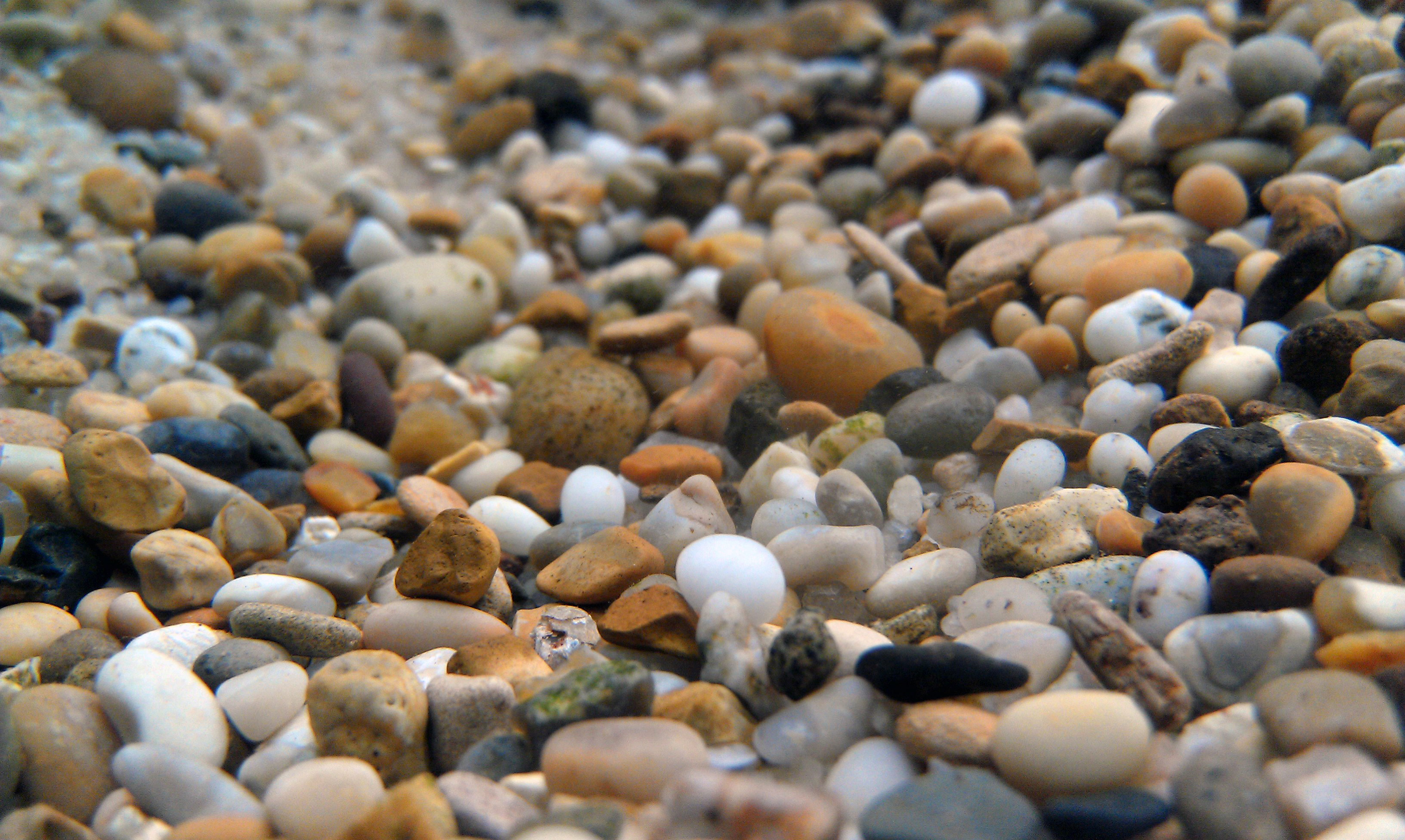
Aim for 2-5mm grains—fine enough for roots to grip but coarse enough for water circulation (preventing anaerobic zones). Pea gravel (larger) suits heavy rooters; avoid super-fine sand-like gravel that compacts.
Nutrient Considerations: Inert Gravel and Supplementation
Most gravel is inert, so pair it with root tabs (e.g., Seachem Flourish Tabs or API Root Tabs) for iron and macros. Liquid fertilizers like Seachem Flourish handle column feeders.
pH and Water Chemistry Impact
Natural gravel doesn’t buffer; crushed coral raises pH for African cichlids. Stick to inert for most planted tanks.
Aesthetic and Practical Choices (Colors, Natural vs. Coated)
Black or dark gravel makes plants pop; natural river gravel looks authentic. Avoid dyed coated gravel—it can leach over time.
Top Recommendations: Best Aquarium Gravel for Plants in 2026 🏆
Based on current reviews, user experiences, and performance in planted tanks:
Best Overall: CaribSea Eco-Complete Planted Aquarium Substrate
This volcanic gravel comes pre-loaded with beneficial bacteria and trace nutrients. It’s porous for root growth, doesn’t cloud water much, and supports heavy feeders without immediate tabs.
Best Budget Option: Natural Pea Gravel or River Rocks with Root Tabs
Hardware store pea gravel (rinsed thoroughly) costs pennies. Pair with monthly root tabs for stunning results in low-tech tanks.
Best for Heavy Root Feeders: Seachem Fluorite (Black or Dark)
Porous clay gravel with high CEC (holds nutrients). Dusty initially but settles; excellent long-term iron source.
Best for Low-Tech Tanks: Fine Inert Gravel (e.g., Black Diamond Blasting Sand alternative or standard aquarium gravel)
Inexpensive, stable, and easy. Supplement heavily for demanding plants.
Expert Picks: Activ-Flora or Fluorite Alternatives
Nutrient-enriched options like Activ-Flora provide a middle ground between inert gravel and full soil.
Detailed Reviews and Comparisons
| Substrate | Grain Size | Nutrients | Price (per 20lb) | Best For | Drawbacks |
|---|---|---|---|---|---|
| CaribSea Eco-Complete | 3-5mm | Moderate (bacteria + traces) | $$ | All-around planted | Can be dusty |
| Seachem Fluorite | 3-7mm | Low (iron-rich clay) | $$$ | Long-term stability | Very dusty on setup |
| Natural Pea Gravel | 5-10mm | None | $ | Budget/low-tech | Needs heavy supplementation |
| Activ-Flora | 2-4mm | Enriched | $$ | Aquascaping | Limited availability |
How to Set Up Gravel for Optimal Plant Growth 🛠️🌱
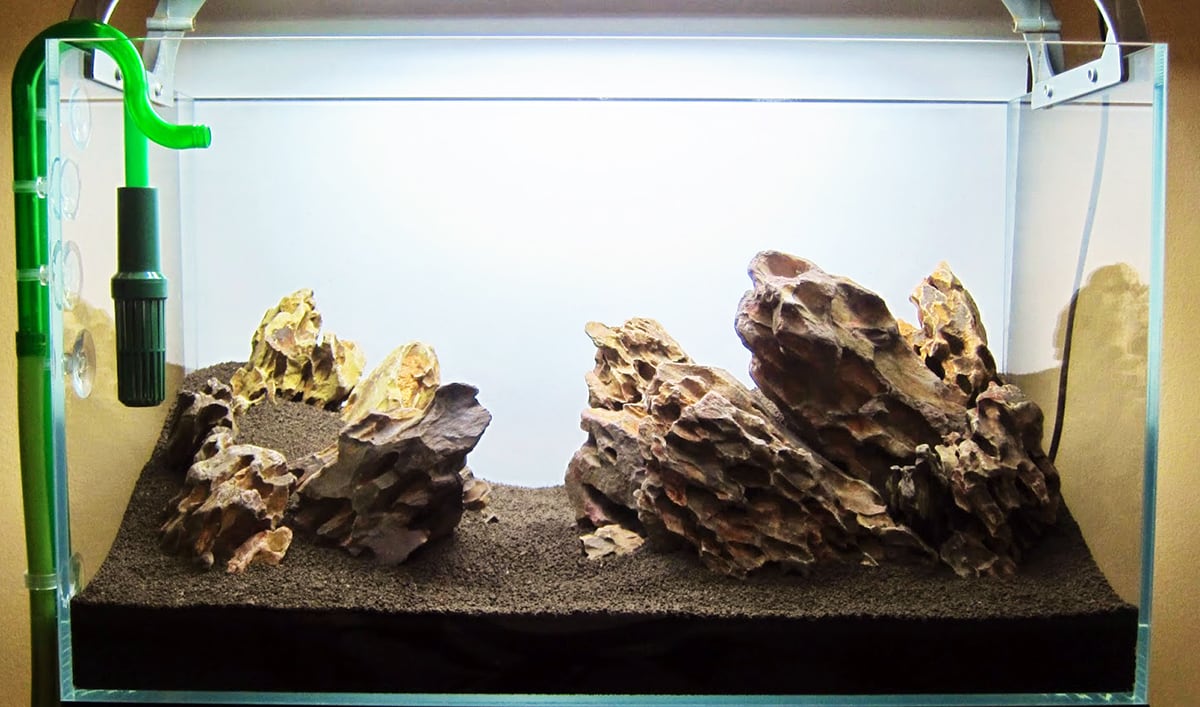
Setting up your gravel substrate correctly is crucial for long-term success. Follow this expert step-by-step guide to avoid common pitfalls and create a stable foundation.
Step-by-Step Preparation and Rinsing
- Choose the right amount — Aim for 1-2 pounds of gravel per gallon for a 1-2 inch depth (deeper in the back for sloping).
- Rinse thoroughly — Place gravel in a bucket and rinse under running water until it runs clear. This removes dust that could cloud your tank for weeks.
- Optional base layer — For extra nutrients, add a thin layer of laterite or organic potting soil (capped with gravel) beneath.
Layering Techniques (Including Capping Options)
- Single layer gravel: Simple and effective for most setups.
- Capped setup: Nutrient-rich base (e.g., dirt or aquasoil) topped with 1-2 inches of gravel to prevent leaching and clouding. Popular for budget high-nutrient tanks.
- Sloped design: Deeper gravel in the back (3-4 inches) for tall plants, shallower in front for carpeting attempts.
Adding Root Tabs and Fertilizers Effectively
Insert root tabs (like Osmocote or Seachem Flourish Tabs) directly under plant roots every 3-6 months. For column feeders, use comprehensive liquid fertilizers weekly. Start with half doses to avoid algae.
Planting Tips for Success in Gravel
- Dig a small hole, insert roots, and gently cover while holding the crown above substrate.
- Use tweezers for precision.
- Anchor rhizome plants (Anubias, Java Fern) to rocks/wood—never bury the rhizome!
- Initial planting: Add plants during fill-up to minimize disturbance.
Best Aquarium Plants That Thrive in Gravel Substrates 🌿🐠
Many stunning plants excel in gravel with proper supplementation. Here’s a curated list based on real-world performance.
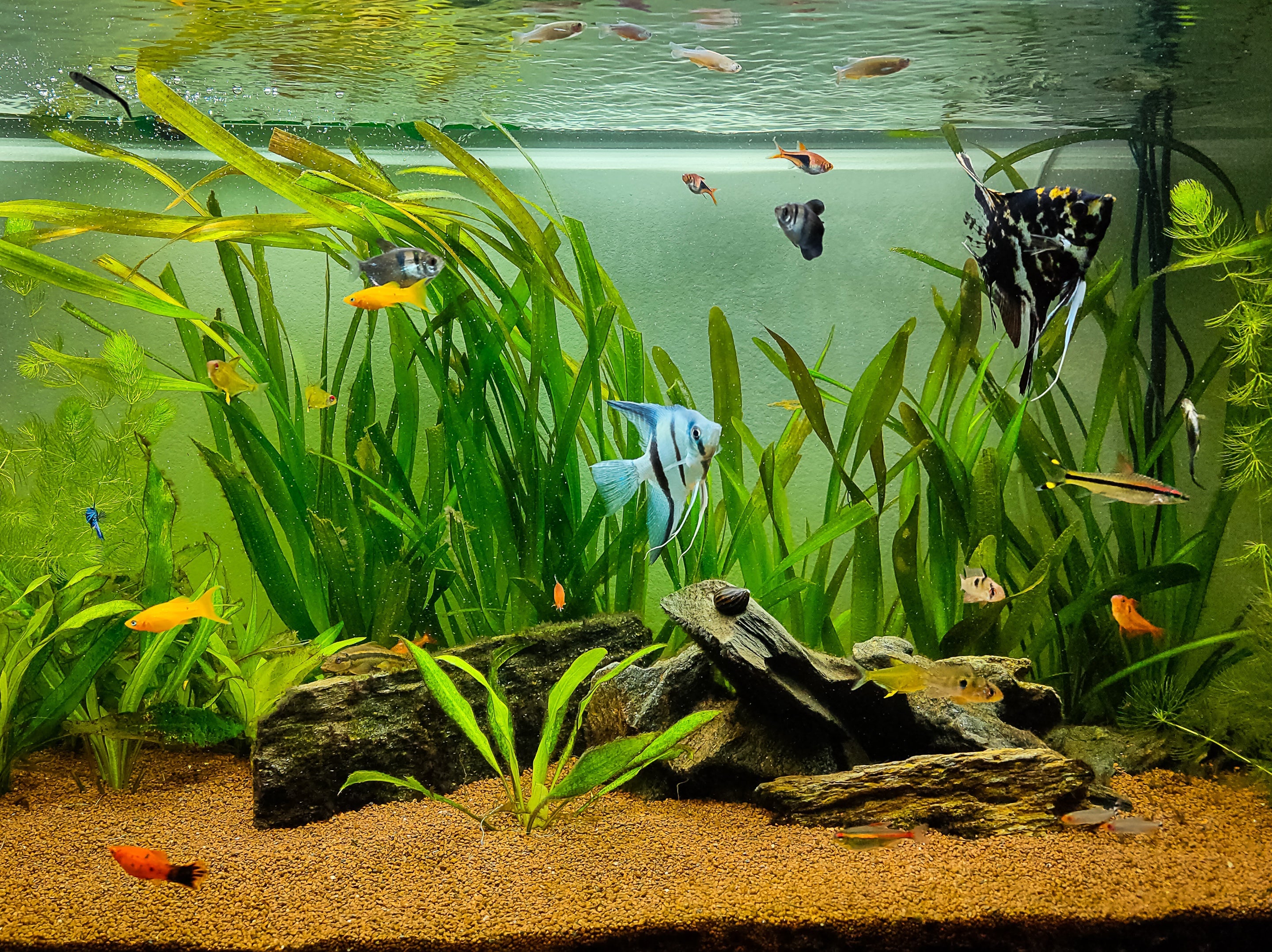
Heavy Root Feeders (Amazon Swords, Cryptocorynes, Vallisneria)
These classics love gravel’s stability. Amazon Swords can reach 20 inches; Crypts melt initially but rebound stronger; Vallisneria spirals beautifully as background grass.
Easy Beginners (Java Fern, Anubias – Rhizome Care in Gravel)
Low-light tolerant epiphytes. Tie to decor—perfect for gravel tanks as they absorb from water column.
Carpeting and Foreground Options with Supplements
Dwarf Sagittaria, Micro Sword, or Chain Swords can carpet with root tabs and medium light. Not as dense as in soil, but achievable.
Stem Plants and Floaters as Complements
Rotala, Ludwigia, Bacopa—fast growers that feed from water. Hornwort or Water Sprite float or plant loosely.
Pro Tips: 10 Must-Try Species for Gravel Tanks
- Echinodorus ‘Amazon Sword’
- Cryptocoryne Wendtii
- Vallisneria Spiralis
- Anubias Barteri
- Java Fern
- Java Moss (attach to gravel/rocks)
- Dwarf Hairgrass (with tabs)
- Sagittaria Subulata
- Hygrophila Corymbosa
- Pogostemon Helferi (foreground star)
Maintenance and Troubleshooting 🔧
Gravel tanks are easier to maintain than soil but require smart techniques.

Cleaning Gravel in Planted Tanks Without Disturbing Roots
Use a gravel vacuum lightly—hover over surface or gently stir open areas during 20-30% weekly water changes.
Preventing Anaerobic Pockets and Algae Issues
Good circulation and moderate stocking prevent gas buildup. Algae? Balance light (6-8 hours) and nutrients.
When to Add More Nutrients or Switch Substrates
Yellowing old leaves signal deficiency—add tabs. If growth stalls after 1-2 years, consider capping with enriched gravel.
Common Problems and Expert Solutions
- Melting plants: Normal for crypts/swords; be patient.
- Uprooting: Weight with plant weights initially.
- Cloudy water: Pre-rinse better next time!
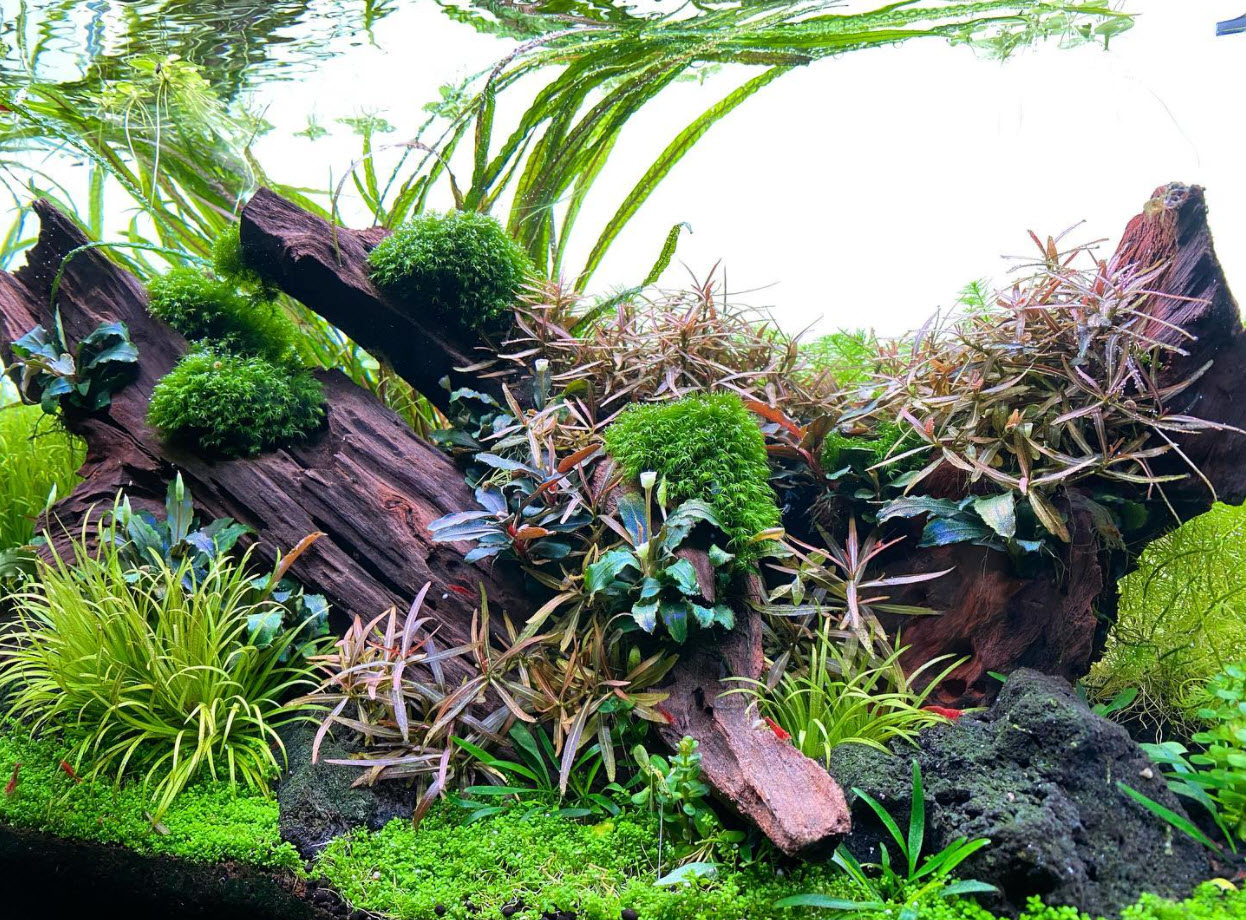
Advanced Techniques: Boosting Gravel for High-Tech Growth ⚙️🌿
For aquarists ready to push boundaries, gravel can absolutely support high-tech planted tanks with CO2 injection, intense lighting, and demanding species. Here’s how experienced hobbyists achieve professional-level growth.
Combining Gravel with Aquasoil Layers
The “capped” method remains popular: Lay 1-2 inches of nutrient-rich aquasoil (e.g., Fluval Bio-Stratum or ADA Amazonia) as a base, then cap with 1-2 inches of inert gravel. This prevents clouding while providing long-term nutrients. Roots penetrate the cap easily in coarser gravel.
DIY Nutrient Enrichment
Mineralize garden soil (bake to sterilize, soak to leach tannins), mix with clay or laterite for iron, and cap with gravel. Budget-friendly and highly effective for lush growth—many long-time aquarists swear by this Walstad-inspired approach.
CO2 and Lighting Synergy with Gravel Setups
With CO2 (20-30 ppm) and high PAR lighting (50+ lumens/liter), even inert gravel tanks explode with growth when dosed with comprehensive fertilizers (EI or PPS-Pro methods). Pearling plants in hours? Absolutely achievable.

Expert Insights: Real Experiences from Long-Time Aquarists 🔬
Drawing from decades in the hobby and community feedback:
Case Studies: Successful Gravel-Planted Tanks
One veteran aquarist ran a 125-gallon tank with plain pea gravel and root tabs for years—Amazon swords reached 24 inches, vallisneria formed dense forests, and crypts melted then thrived. Another capped dirt with Eco-Complete, achieving competition-level aquascapes on a budget.
Thousands of Reddit and forum users report stunning results with gravel + supplementation, proving expensive soils aren’t mandatory.
2026 Trends in Planted Aquarium Substrates
Sustainability drives the market: Eco-friendly, natural gravels and biodegradable enrichments gain traction. Nutrient-enriched inert options like updated Eco-Complete formulas and porous clay gravels (Seachem Fluorite remains timeless) dominate. Hybrid setups (gravel over soil) surge for cost-effective, long-lasting tanks. Volcanic substrates like Fluval Bio-Stratum appeal for porous bacteria colonization.
Frequently Asked Questions (FAQs) ❓
Is gravel better than sand for aquarium plants? Gravel offers better circulation and less compaction, making it superior for most rooted plants. Sand works well for certain species but risks anaerobic pockets if too fine.
Can I grow carpeting plants in gravel? Yes—with root tabs, CO2, and high light. Dwarf hairgrass, Monte Carlo, or glosso can spread, though denser carpets are easier in soil.
How often should I use root tabs in gravel? Every 3-6 months for heavy feeders. Push tabs deep under roots and monitor growth—yellowing leaves signal it’s time.
Does gravel affect water parameters? Inert gravel doesn’t; avoid crushed coral unless raising pH/GH intentionally.
Can I switch from soil to gravel mid-cycle? Possible but disruptive—gradually replace sections to preserve bacteria.
What’s the best depth for gravel in planted tanks? 2-4 inches: Enough for roots without dead zones.
Will gravel cause algae issues? No—algae comes from light/nutrient imbalance, not substrate.
Are colored gravels safe for plants? Avoid coated/dyed—stick to natural for safety and aesthetics.
How do I prevent gas buildup in gravel? Malaysian trumpet snails or good flow help stir naturally.
Can bottom-dwellers like corydoras live with gravel? Yes—rounded pea gravel is barb-safe.
Is Eco-Complete worth it over plain gravel? For beginners, yes—built-in benefits speed success.
What if my plants melt in new gravel? Common transition—crypts especially. Patience and stable parameters bring rebound.
Conclusion: Start Your Thriving Planted Tank Today 🌊💚
Choosing the right aquarium gravel for plants doesn’t have to be complicated or expensive. With proper selection, supplementation, and care, gravel delivers stable, beautiful, thriving tanks that rival any aquasoil setup. Whether you’re a beginner building your first low-tech paradise or an advanced aquascaper pushing high-tech limits, gravel offers versatility, durability, and proven results.
Dive in, experiment confidently, and watch your underwater garden flourish. Your fish—and your eyes—will thank you! 🐟✨











