
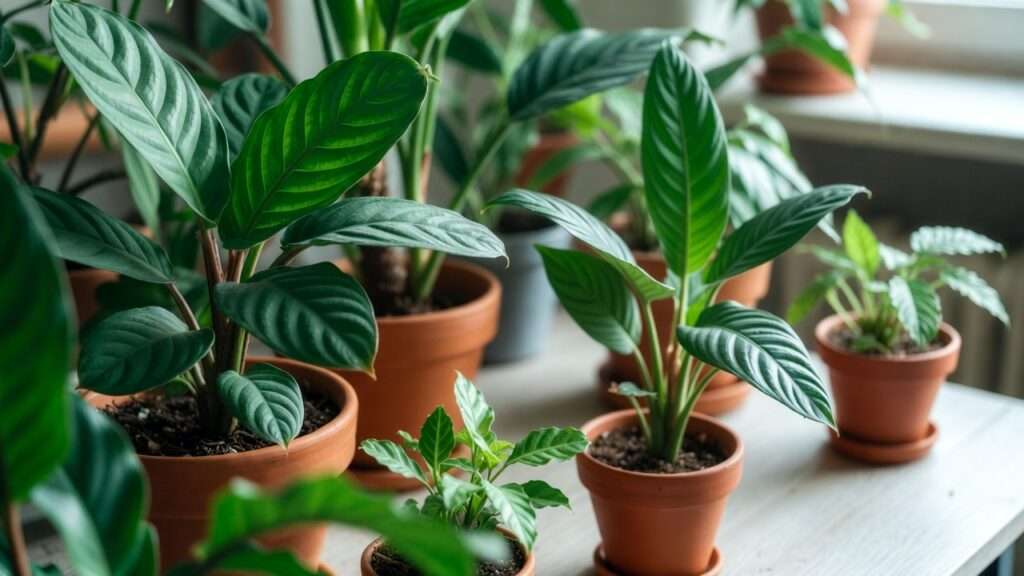
Have you ever placed a beautiful snake plant or peace lily in your living room, hoping it would quietly act as a natural air filter, scrubbing away invisible toxins while you relax? 😌 The idea is incredibly appealing — especially in today’s world where we spend up to 90% of our time indoors, surrounded by off-gassing furniture, cleaning products, and electronics. The promise of air-purifying plants has been everywhere, largely thanks to a famous 1989 NASA study that suggested common houseplants could remove harmful volatile organic compounds (VOCs) like benzene, formaldehyde, and trichloroethylene from the air.
But are air-purifying plants proven to deliver meaningful benefits in your actual home? 🤔 After decades of follow-up research, including major reviews in 2019 and beyond, the scientific consensus has shifted. While the original NASA findings were groundbreaking for sealed environments like space stations, they don’t translate directly to everyday homes or offices. In this comprehensive guide, we’ll break down the science honestly, bust common myths, highlight the real (and wonderful) advantages of indoor plants, and share practical tips so you can make informed decisions for better indoor air quality and overall well-being. Let’s get to the root of it! 🌱
What the Famous NASA Clean Air Study Actually Found 🚀📊
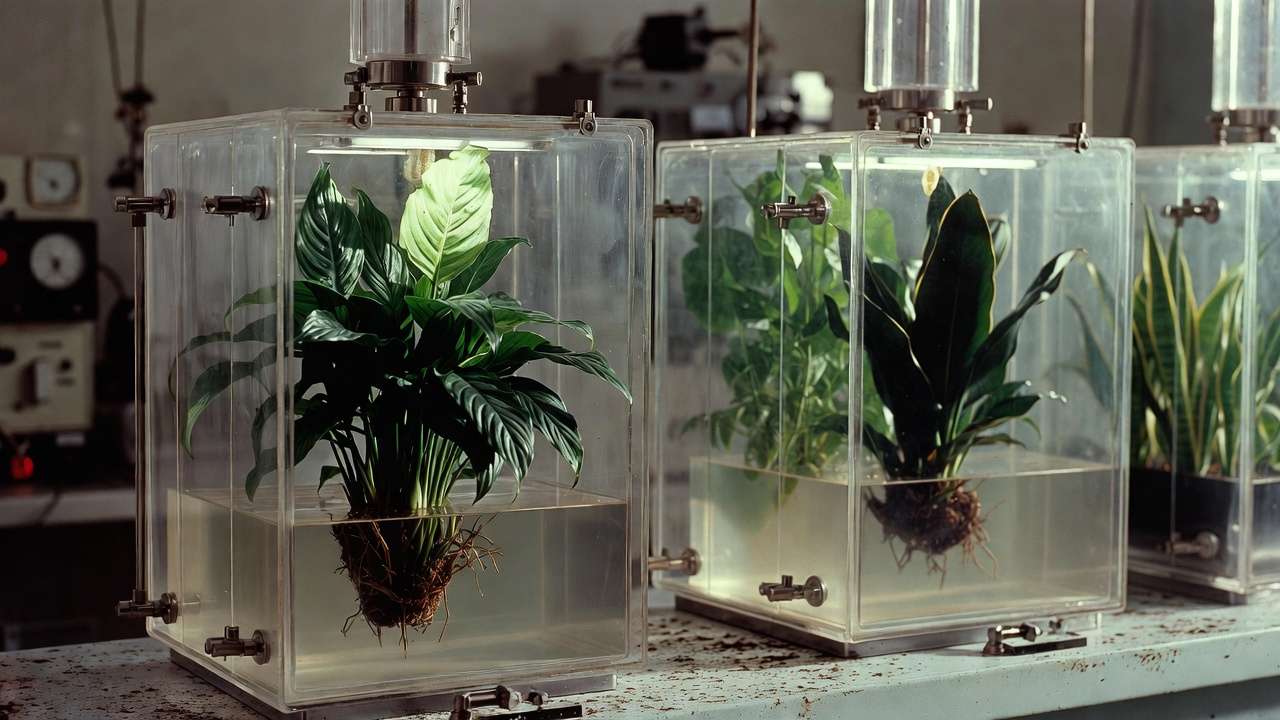
The story starts with B.C. Wolverton and his team at NASA’s Stennis Space Center. In their 1989 report, Interior Landscape Plants for Indoor Air Pollution Abatement, they tested how houseplants performed in small, sealed plexiglass chambers pumped with specific pollutants.
Key discoveries included:
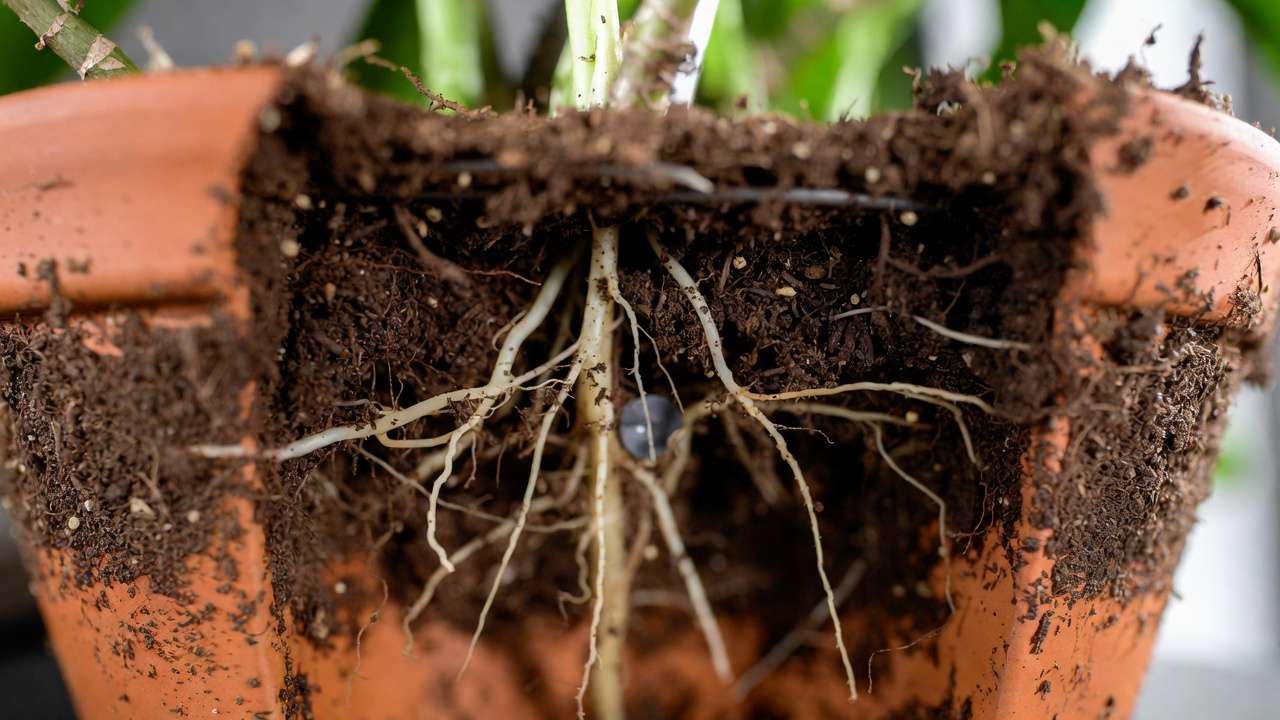
- Plants — especially through their roots and associated soil microorganisms — removed significant amounts of VOCs. Leaves played a role, but the root zone did most of the heavy lifting! 🔬
- Top performers removed up to 87% of certain toxins (like formaldehyde) in 24 hours under those controlled conditions.
- The study aimed to solve air quality issues in future space habitats, where no fresh air exchange exists.
This research was legitimate and innovative — it highlighted nature’s bioremediation potential. Wolverton even noted that more air circulation around roots boosted efficiency. But the experiments used tiny chambers with high pollutant concentrations and zero ventilation — exactly the opposite of a typical home. 🌬️
Why the NASA Study Doesn’t Directly Apply to Real Homes (The Big Disconnect) ⚠️
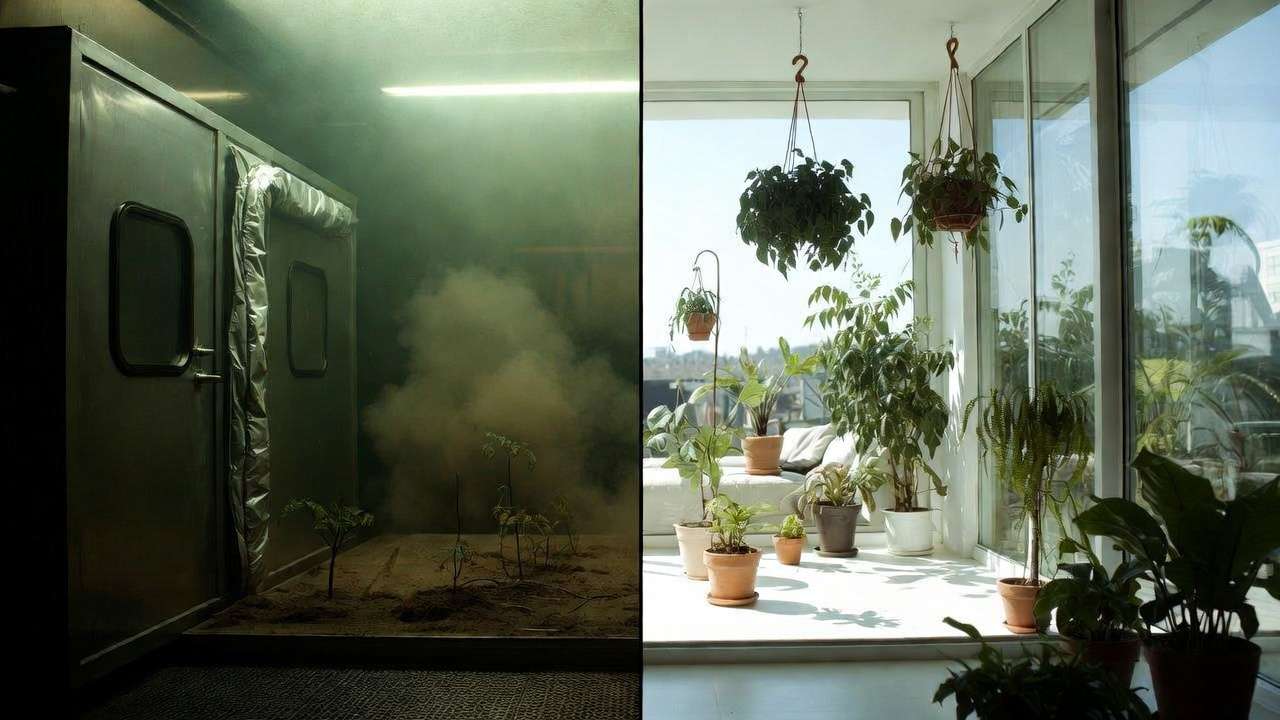
Here’s where the hype meets reality. Modern critiques, including a landmark 2019 meta-analysis by Drexel University researchers published in Nature‘s Journal of Exposure Science & Environmental Epidemiology, analyzed decades of data and reached a clear conclusion: Potted plants do not meaningfully improve indoor air quality in normal settings.
Why the gap?
- Air exchange rates — Homes and offices refresh air 0.5–3 times per hour naturally or via ventilation. This dilutes VOCs far faster than plants can absorb them.
- Scale issue — To match ventilation’s effect, you’d need 10–1,000 plants per square meter (or roughly 680 plants in a 1,500 sq ft home, per American Lung Association estimates). That’s not a few houseplants; that’s a greenhouse! 😅
- Real-world dilution — Pollutants in homes come from ongoing sources (paint, carpets, cleaners) at lower concentrations than in lab chambers.
- Recent updates (through 2024–2025) from sources like the American Lung Association and Wikipedia summaries confirm: The NASA results haven’t replicated effectively in complex, ventilated environments.
Experts emphasize source control (low-VOC products) and proper ventilation as primary solutions — plants are a bonus, not a replacement.
What Current Science Says: Are Air-Purifying Plants Proven in Real-World Settings? 🧪
The verdict from post-NASA research (including 2019 Drexel review, Nature journal analyses, and ongoing studies up to 2025): Not proven for significant VOC reduction in typical indoor spaces. Plants do absorb some pollutants via stomata (leaves) and rhizosphere microbes, but the impact is modest — often negligible compared to opening a window.
Nuanced findings:
- Small benefits appear with very high plant density or specialized setups (e.g., active biofiltration with fans pushing air through soil).
- Some 2021–2022 studies (e.g., in hot desert climates or during COVID discussions) suggest minor reductions in formaldehyde or airborne microbes, but not game-changing.
- Emerging tech like genetically modified or bacteria-enhanced plants (e.g., Neoplants’ systems) shows promise, but standard houseplants? The effect remains limited.
Bottom line: The “air-purifying” label is overstated for everyday use, but that doesn’t mean plants are useless — far from it!
The Real, Proven Benefits of Indoor Plants (Beyond the Air-Purifying Hype) 😌🌸
Even if dramatic toxin removal isn’t realistic, indoor plants deliver science-backed perks that enhance health and happiness:
- Mental health boost — Studies show reduced stress, anxiety, and better focus/productivity. Biophilia (our innate love of nature) makes rooms feel calmer and more restorative.
- Humidity regulation — Plants release moisture through transpiration, helping in dry climates or heated homes — great for skin and respiratory comfort.
- Minor dust/allergen trapping — Leaves catch airborne particles, slightly lowering dust levels.
- CO₂ absorption & oxygen release — Noticeable in clusters; snake plants even produce oxygen at night, ideal for bedrooms. 🌙
- Overall wellness — Faster recovery from illness, improved mood, and a sense of nurturing life indoors.
These benefits are real, measurable, and achievable with just a handful of plants — no jungle required!
Top Houseplants from the NASA List — Still Worth Having? (With Care Tips) 🪴
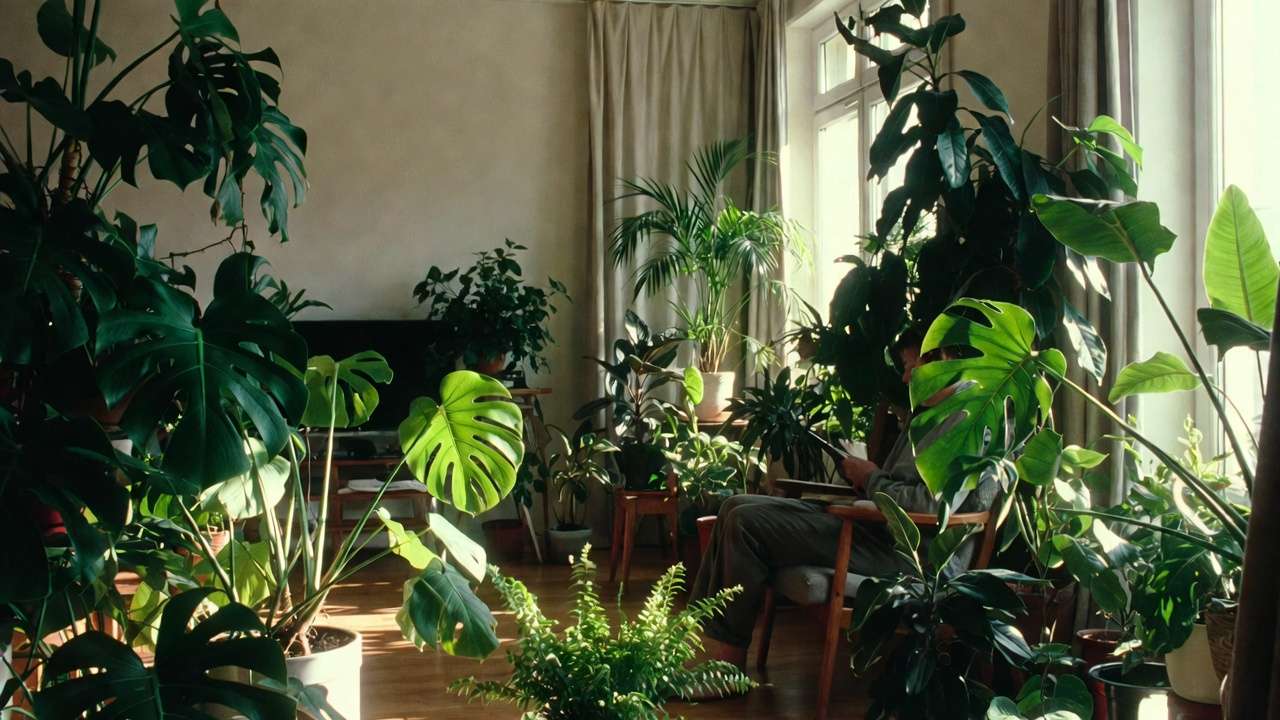
Many NASA-tested plants remain favorites for their beauty, ease, and minor contributions. Here’s a curated selection with realistic expectations and expert care advice:
- Snake Plant (Sansevieria trifasciata) — Nighttime oxygen producer; tolerates low light and neglect. Water sparingly; great for beginners. 🌙
- Peace Lily (Spathiphyllum) — Elegant white blooms; removes some VOCs modestly. Likes medium light, consistent moisture (droopy leaves signal thirst!).
- Spider Plant (Chlorophytum comosum) — Super resilient, produces “pups” for easy propagation. Bright indirect light; excellent for hanging.
- Golden Pothos (Epipremnum aureum / Devil’s Ivy) — Trailing beauty; thrives in low light. Water when soil dries; forgiving and fast-growing.
- Others worth considering: Bamboo Palm (humidity lover), English Ivy (traps particles), Aloe Vera (soothing gel bonus).
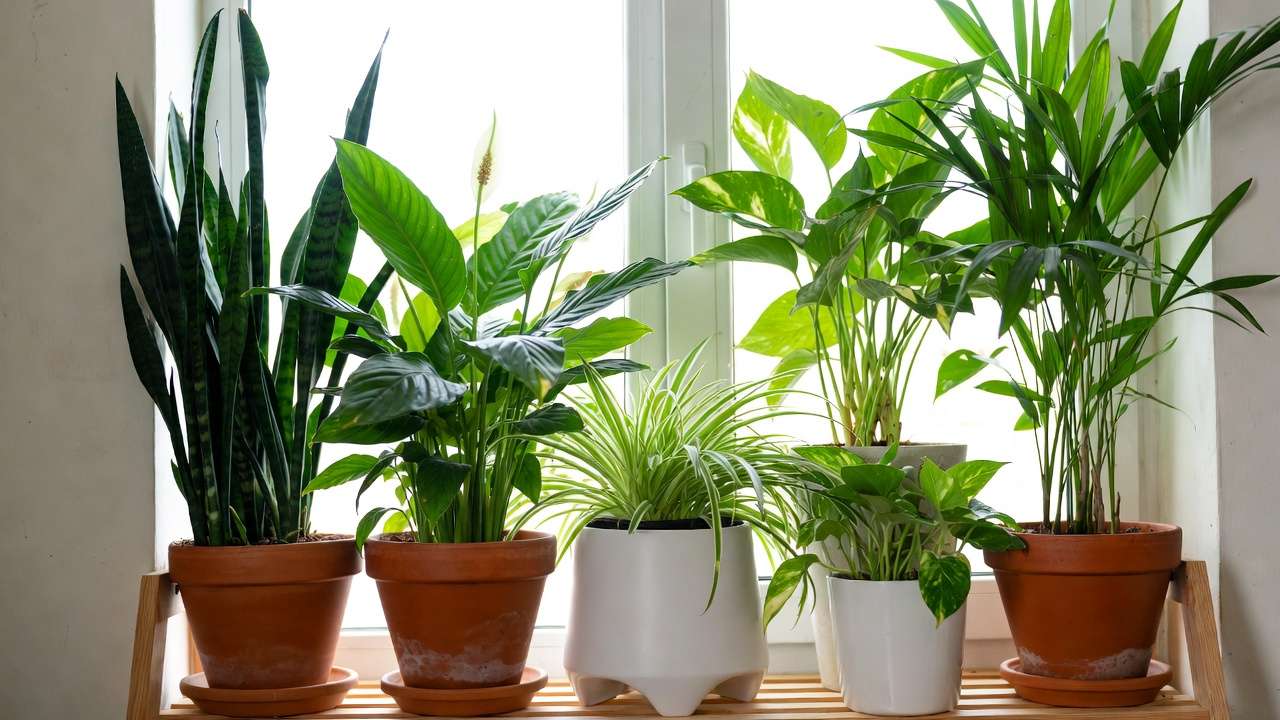
Pro tip: Healthy, thriving plants maximize any microbial benefits — focus on proper light, well-draining soil, and avoiding overwatering to prevent mold. 🛡️
How to Maximize Any Potential Air Quality Benefits from Plants 🌟
Want to squeeze out every bit of goodness? Try these strategies:
- Cluster plants for cumulative effect (e.g., 10–20 in a room).
- Enhance root exposure: Use porous pots, add gentle fans for air movement around soil.
- Combine approaches: Pair plants with HEPA purifiers, open windows daily, choose low-VOC paints/furnishings.
- Explore active systems: DIY fan-through-soil setups inspired by Wolverton for boosted filtration.
- Monitor progress: Use affordable indoor air quality sensors to track real changes.
Common Myths vs. Facts About Air-Purifying Plants (Quick Reference) ✅❌
- Myth: A few plants dramatically clean home air. Fact: They contribute modestly at best; ventilation rules.
- Myth: Plants remove all indoor pollutants. Fact: Mainly certain VOCs in ideal lab conditions — not comprehensive.
- Myth: NASA recommended plants as home air solutions. Fact: Focused on space; media oversimplified.
Expert Insights and Recommendations from Plant Care Pros 🌿
As a plant enthusiast with years of growing experience, I can tell you: Healthy plants = happier microbes = slightly better outcomes. Prioritize low-maintenance species suited to your space’s light/humidity. Plants aren’t magic filters, but they bring joy, reduce stress, and connect us to nature — that’s priceless! ❤️
Conclusion: Should You Get (More) Indoor Plants? 🌱❤️
Are air-purifying plants proven as powerful toxin removers in homes? No — the science says otherwise for realistic expectations. But should you fill your space with greenery anyway? Absolutely yes! The mental, emotional, and subtle physical benefits far outweigh the debunked hype.
Start small: Pick one or two easy-care plants, enjoy watching them grow, and breathe easier knowing you’re nurturing both your home and your well-being. Your indoor jungle awaits — go green! 🌿✨











