
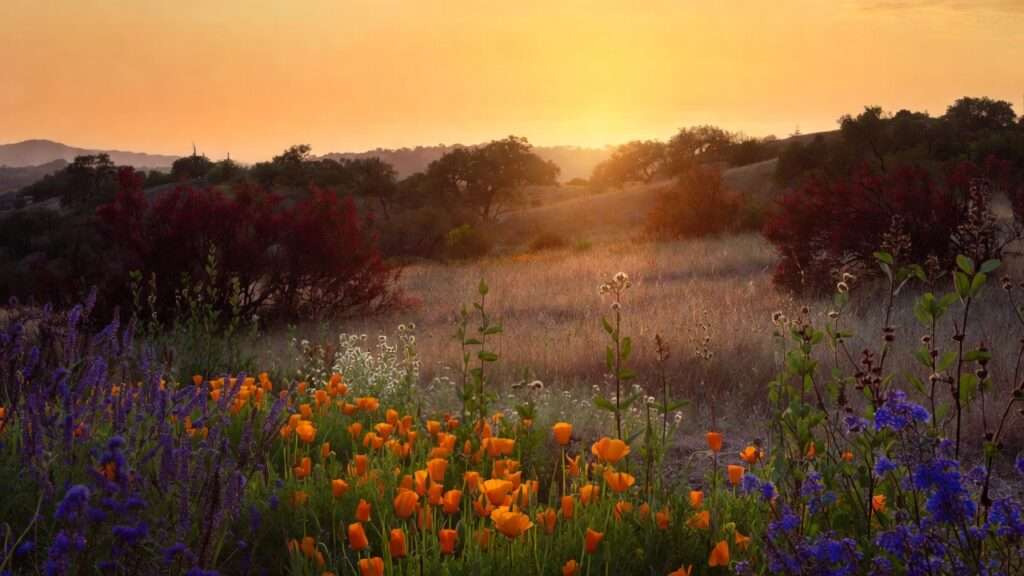
Imagine stepping into your backyard and being greeted not by cracked, brown soil and endless watering demands, but by waves of vibrant color dancing in the hot sun. Bright oranges, sunny yellows, soft purples, and fiery reds blooming effortlessly despite scorching heat and minimal rainfall. If you’re tired of high water bills, struggling lawns, and a lifeless arid landscape, arid region wildflowers offer the perfect solution. These resilient natives and adapted beauties thrive in drought-prone areas, require little maintenance once established, and turn your dry garden into a stunning, eco-friendly oasis that supports pollinators 🐝 and saves water 💧.
As a plant care specialist with over a decade of experience in xeriscaping and arid horticulture, I’ve helped countless homeowners in desert and semi-arid regions transform barren yards into thriving, low-water havens. This in-depth guide draws from proven practices, regional extension recommendations, and real-world results to bring you the most comprehensive resource on arid region wildflowers for landscaping. Whether you’re in the Southwest U.S., parts of Australia, the Middle East, or any dry climate, you’ll find actionable advice to solve your biggest gardening challenges: water scarcity, poor soil, extreme temperatures, and lack of color year-round.
Why Choose Arid Region Wildflowers for Your Landscape? 🌞💧
Gardening in arid regions comes with unique hurdles. Water restrictions are common, soils are often sandy or rocky with low organic matter, and intense sun can bake tender plants. Traditional lawns and thirsty flowers simply don’t survive without constant irrigation.
Enter drought-tolerant wildflowers. These plants have evolved deep taproots, silvery or fuzzy foliage to reflect heat, small or waxy leaves to minimize evaporation, and timed blooms that burst during brief rainy seasons. Once established (usually after the first year), many need little to no supplemental water — perfect for xeriscaping principles that prioritize grouping plants by water needs, using mulch, and focusing on natives.
Key benefits include:
- Massive water savings — up to 50-75% less than traditional gardens.
- Pollinator paradise — attracting bees, butterflies 🦋, hummingbirds 🐦, and beneficial insects.
- Low maintenance — minimal pruning, no heavy fertilizing, natural pest resistance.
- Ecological value — supporting biodiversity, preventing soil erosion, and reducing urban heat islands.
- Year-round interest — colorful blooms in spring/summer plus interesting seed heads and foliage in off-seasons.
By choosing these wildflowers, you’re not just beautifying your space — you’re building a sustainable, resilient landscape that works with your arid environment.
Understanding Arid Region Conditions and Plant Selection 🌍
Arid and semi-arid zones typically receive less than 10-20 inches (250-500 mm) of annual rainfall, feature USDA hardiness zones 7-11 (or equivalent), and have alkaline, well-draining soils. Extreme temperature swings — hot days over 100°F (38°C) and cold nights or winters — demand tough plants.
Look for these traits in successful selections:
- Deep or extensive root systems for accessing groundwater.
- Adaptations like pubescence (hairy leaves), glaucous (waxy coating), or reduced leaf surface.
- Bloom periods aligned with natural moisture (spring wildflower superbloom potential).
- Preference for natives or regionally adapted species to avoid invasiveness and maximize survival.
Prioritize natives: They co-evolved with local wildlife, soil, and climate, offering superior performance and ecological benefits over exotics.
Top 15+ Drought-Tolerant Wildflowers for Arid Landscaping 🌼🔥
Here are standout picks proven in real arid gardens. Each thrives with minimal water, adds vivid color, and fits xeriscape designs.
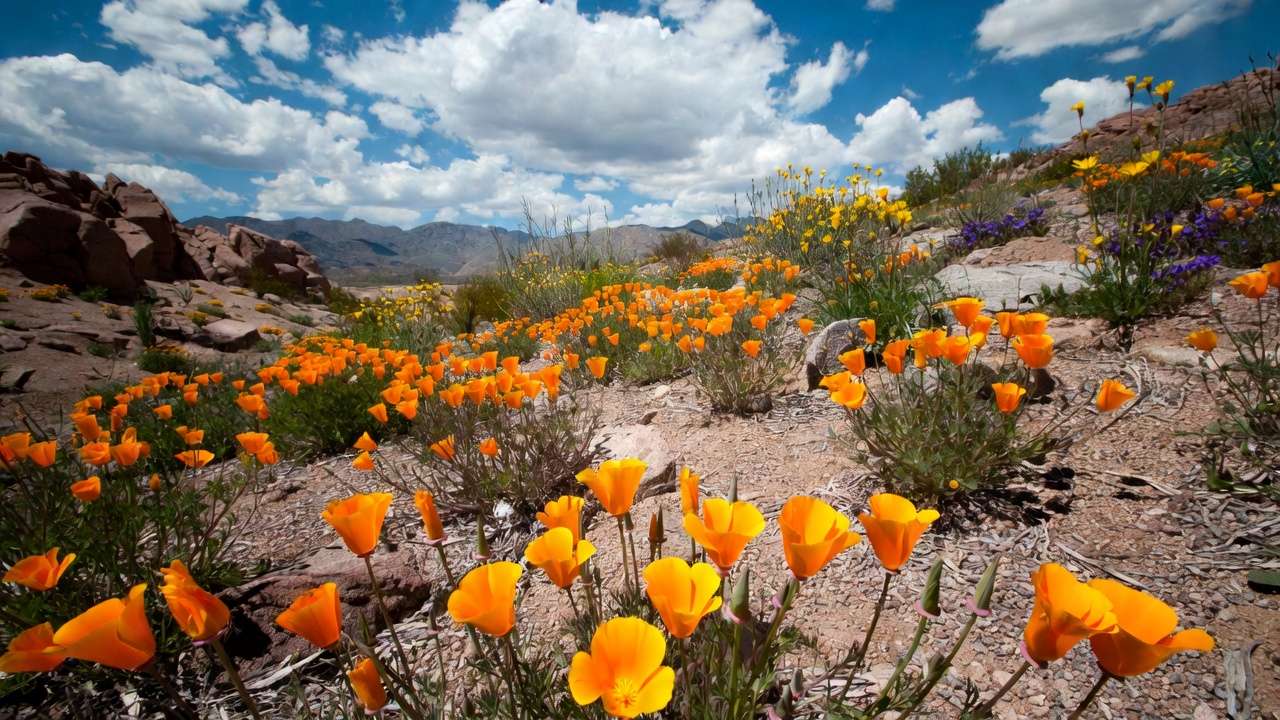
California Poppy (Eschscholzia californica) 🌼 The state flower of California and a superstar in arid landscapes. Bright orange-cupped blooms open in sunshine and close at night or on cloudy days. Grows 12-18 inches tall, self-seeds readily for natural drifts. Blooms spring to early summer. Extremely drought-tolerant once established; perfect for mass plantings or rock gardens. Pollinators love it!
Desert Marigold (Baileya multiradiata) ☀️ Cheerful golden-yellow daisy-like flowers on silvery stems rise 8-20 inches. Blooms profusely spring through fall in hot, dry conditions. Woolly foliage deters heat stress. Ideal for borders or filling sunny spots; attracts bees and butterflies.
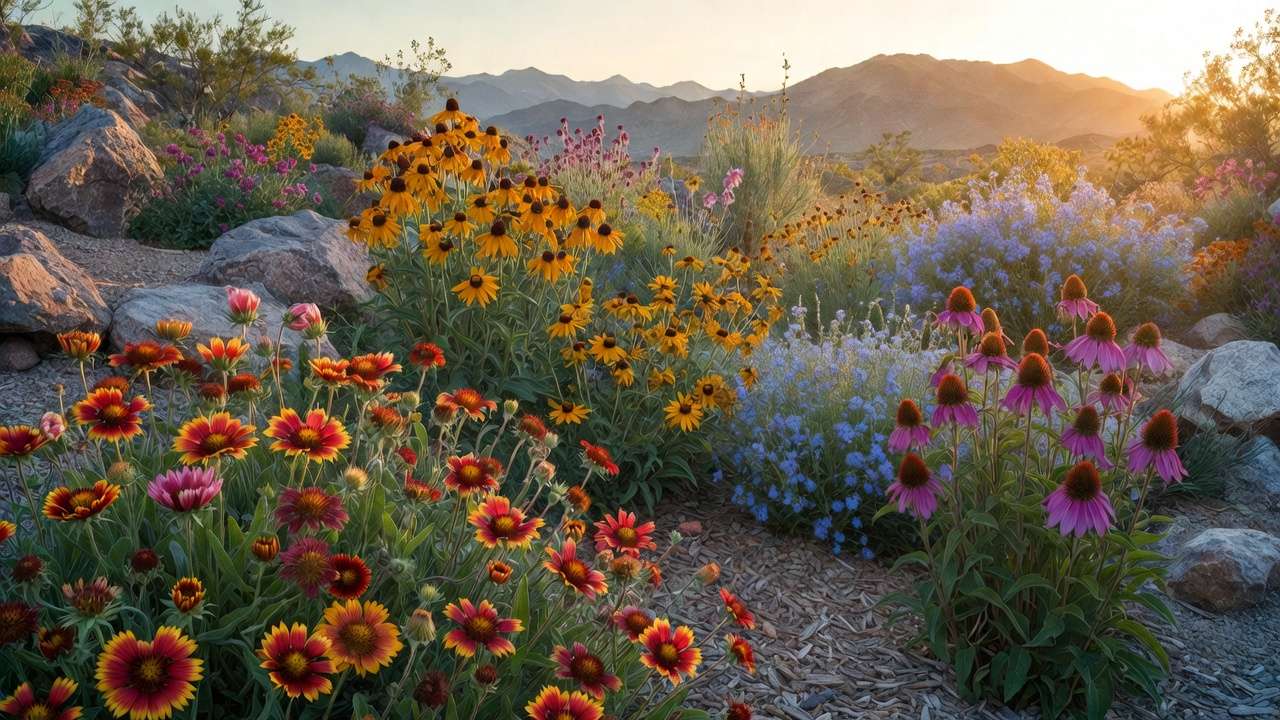
Blanket Flower (Gaillardia spp., especially G. aristata or pulchella) 🎨 Fiery red-yellow bicolor daisies that blanket the ground in color. 18-24 inches tall, long-blooming from late spring to frost. Super tough in poor soil; deadheading encourages more flowers. Great for cutting gardens too.
Black-Eyed Susan (Rudbeckia hirta) 🖤 Classic golden petals with dark centers. Grows 2-3 feet, blooms summer to fall. Excellent for wildlife — seeds feed birds in winter. Handles clay to sandy soils; self-seeds moderately.
Purple Coneflower (Echinacea purpurea) 💜 Iconic pink-purple daisy with raised cone centers. 2-4 feet tall, blooms mid-summer. Medicinal uses, strong pollinator draw (especially butterflies). Very hardy and drought-resistant after year one.
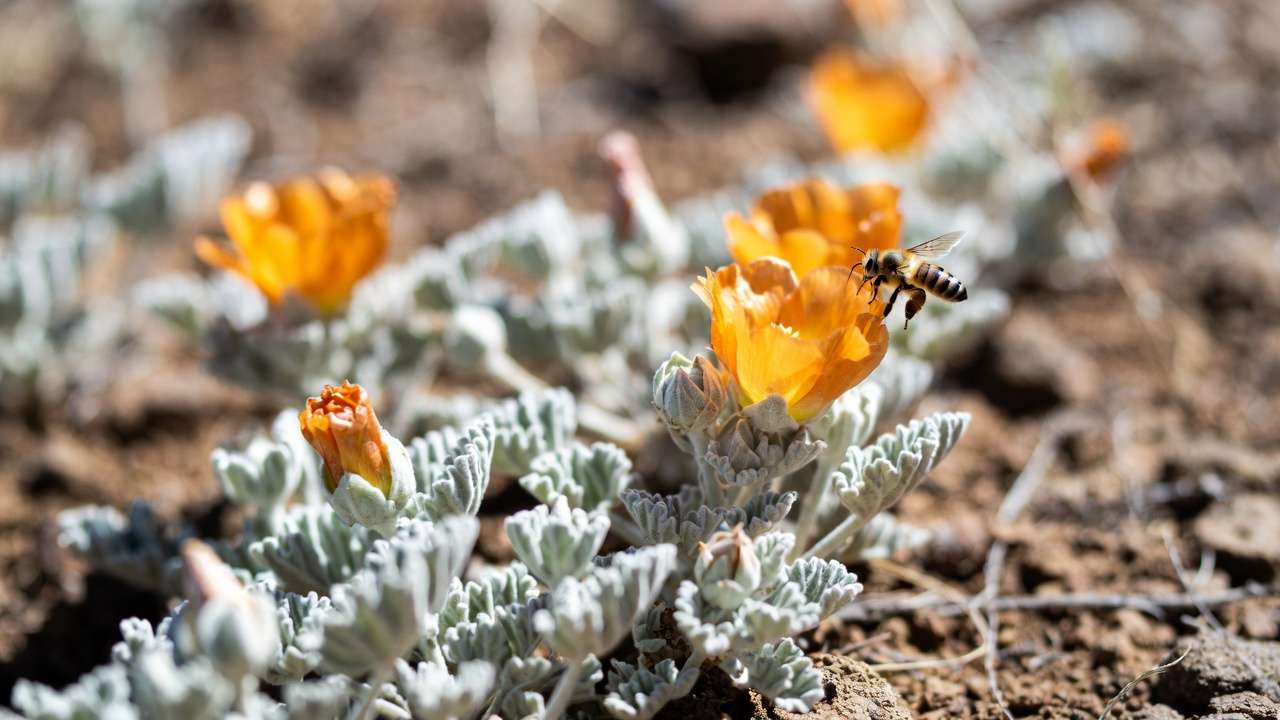
Desert Globemallow (Sphaeralcea ambigua) 🔥 Vibrant orange to apricot cup-shaped flowers on mounding 2-3 foot plants. Fuzzy silver-green leaves add texture. Blooms spring-fall; hummingbird and bee favorite. Thrives in the hottest, driest spots.
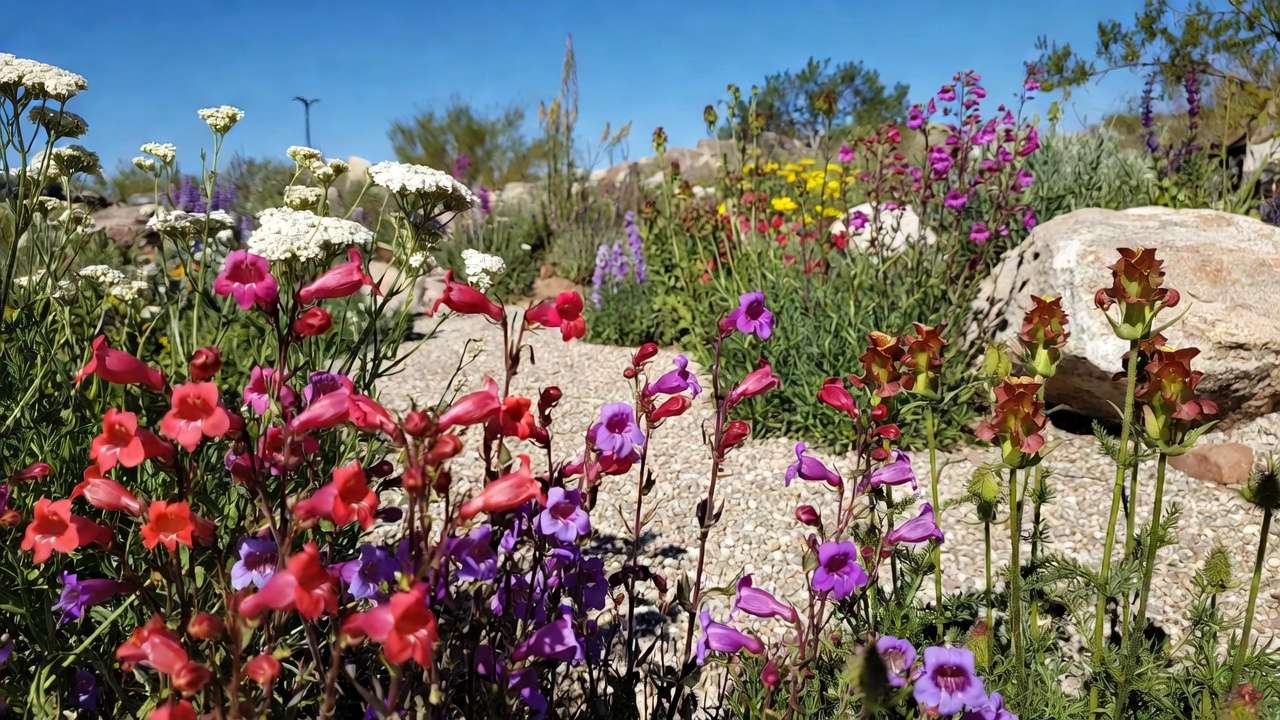
Yarrow (Achillea millefolium or filipendulina) 🌿 Flat clusters of white, pink, or yellow tiny flowers atop ferny foliage. 1-3 feet tall, aromatic leaves. Extremely drought-tolerant; spreads gently for groundcover effect.
Penstemon (desert species like P. parryi or P. eatonii) 🔔 Tubular flowers in pink, red, purple — hummingbird magnets 🐦! 1-3 feet, spring blooms. Well-drained soil essential; many native to Southwest deserts.
Mexican Hat (Ratibida columnifera) 🎩 Unique cone-shaped flowers with drooping red/yellow petals. 1-3 feet, blooms summer. Fun texture; attracts pollinators and self-seeds.
Blue Flax (Linum lewisii) 💙 Delicate sky-blue flowers on fine stems. 1-2 feet, blooms repeatedly. Adds airy texture to xeriscapes.
Coreopsis (Tickseed, various species) 🌼 Sunny yellow daisy blooms, prolific and long-lasting. 1-3 feet; great for mass color.
Butterfly Weed (Asclepias tuberosa) 🦋 Bright orange clusters essential for monarch butterflies. 1-2 feet; deep roots make it ultra-drought tolerant.
Lavender (Lavandula angustifolia or adapted varieties) 💜 Fragrant purple spikes, silver foliage. Pollinator favorite; excellent for borders.
California Fuchsia (Epilobium canum) ❤️ Fiery red tubular blooms late summer-fall. Hummingbird haven; spreads gently.
Bonus regional stars: Brittlebush (Encelia farinosa) for silvery daisy blooms, Desert Lavender for fragrance.
How to Plant and Establish Arid Wildflowers Successfully 🌱🛠️
Planting success in arid regions hinges on timing, preparation, and smart establishment watering — get these right, and your wildflowers will thrive with almost no ongoing help.
Site Preparation Start with realistic expectations: most arid soils are low in organic matter, alkaline, and drain quickly (a good thing for these plants!). Test soil pH if possible (aim for 6.5–8.0); few amendments are needed.
- Clear weeds and debris.
- Loosen the top 4–6 inches (10–15 cm) with a rake or tiller — avoid deep tilling that brings up buried weed seeds.
- For heavy clay pockets, incorporate a bit of coarse sand or gravel to improve drainage. Skip rich compost; it can hold too much moisture and cause rot.
Best Planting Times
- Fall planting (ideal in most arid zones): Seeds or transplants establish roots during cooler months with occasional winter rains, leading to stronger plants and earlier blooms next spring.
- Early spring (before heat ramps up): Great for annuals like California Poppy if fall wasn’t possible. Avoid mid-summer planting — heat stress kills seedlings fast.
Seeding vs. Transplants
- Direct seeding (most economical and natural): Broadcast mixes or individual species at recommended rates (usually 5–10 lbs/acre for large areas, scaled down for yards). Mix tiny seeds with sand for even spreading. Lightly rake or press into soil — cover no more than 1/8 inch (3 mm).
- Transplants (faster results, better control): Buy nursery starts of perennials like Penstemon or Globemallow. Dig holes twice the pot width, plant at same depth, and backfill without burying the crown.
Watering During Establishment This is crucial — the first year is the only time these plants need regular attention.
- Water deeply (to 6–8 inches) but infrequently to encourage deep roots.
- Keep soil consistently moist (not soggy) for 4–8 weeks until seedlings reach 4–6 inches. Use drip irrigation or soaker hoses under mulch for efficiency.
- Taper off gradually: After establishment, many survive on rainfall alone or occasional deep soaks during prolonged dry spells.
Mulching Tips Use inorganic mulches like decomposed granite, gravel, or river rock (2–3 inches deep) — they retain moisture, suppress weeds, moderate soil temperature, and give that classic arid aesthetic. Organic mulches work too but decompose faster in heat.
With these steps, expect 70–90% germination and survival rates in good conditions.
Design Ideas and Landscaping Inspiration for Dry Gardens 🎨🏜️
A successful arid wildflower garden looks intentional yet natural — think controlled chaos with pops of color against stone and texture.
Creating Color Schemes
- Monochromatic bursts: All yellow/orange (Desert Marigold + Globemallow + California Poppy) for fiery energy.
- Cool pastels: Blue Flax, Purple Coneflower, and Penstemon for serene vibes.
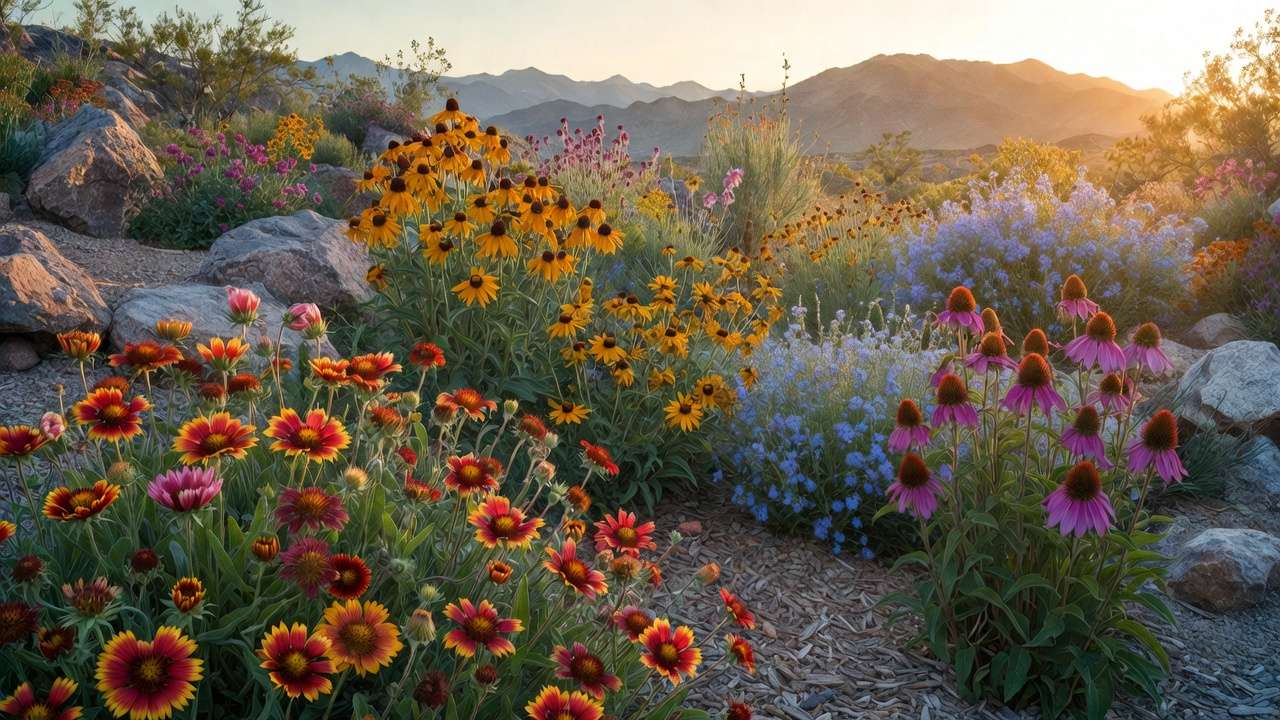
- Vibrant meadow mix: Combine complementary colors (Blanket Flower reds/yellows with Black-Eyed Susan golds) for a wild, painterly effect.
Companion Planting Pair wildflowers with:
- Ornamental grasses (Muhly Grass for pink plumes, Blue Grama for fine texture).
- Drought-hardy shrubs (Sagebrush, Rabbitbrush, or Desert Lavender) as anchors.
- Succulents/cacti (Agave, Yucca) for structural contrast and year-round form.
Layout Examples
- Mass plantings: Large drifts of one species (e.g., California Poppies) for impact — mimics natural superbloom events.
- Rock garden borders: Tuck low-growers like Blue Flax between boulders for a rugged, natural look.
- Pollinator patches: Cluster nectar-rich flowers (Butterfly Weed, Penstemon, Yarrow) near seating areas to enjoy buzzing visitors 🐝🦋.
- Pathway edges: Line gravel walks with Mexican Hat or Coreopsis for casual charm.
Year-Round Interest Mix bloom seasons: Spring annuals (Poppy, Desert Marigold) + summer perennials (Coneflower, Globemallow) + fall seed heads (Yarrow, Rudbeckia). Silvery foliage (Yarrow, Globemallow) shines in winter.
Common Mistakes to Avoid
- Overwatering established plants → leads to leggy growth or rot.
- Planting in shade → most need full sun (6–8+ hours).
- Ignoring spacing → overcrowding causes competition and disease.
These ideas turn harsh yards into inviting, sustainable retreats.
Ongoing Care and Maintenance Tips for Long-Term Success 🧑🌾
Once established, arid wildflowers practically garden themselves.
- Watering: Rarely needed — deep soak only during extreme drought (every 4–6 weeks max). Overwatering is the #1 killer.
- Pruning/Deadheading: Snip spent blooms on long-flowering types (Blanket Flower, Yarrow) to extend season and encourage rebloom. Cut back perennials in late winter for tidy growth.
- Pest/Disease Resistance: Natives rarely suffer serious issues — occasional aphids handled by beneficial insects. Avoid sprays; let nature balance.
- Fertilizing: Usually unnecessary. If growth is weak, a light application of low-nitrogen organic fertilizer in early spring is enough.
- Winter Care: In colder arid zones (below zone 8), mulch lightly for insulation. Most perennials die back naturally.
Minimal effort yields maximum reward!
Common Challenges and Solutions in Arid Wildflower Gardens ⚠️
Even the toughest native plants face hurdles in harsh dry climates. Here are the most frequent issues gardeners encounter — and proven, practical fixes.
Weed Competition During Establishment Young seedlings struggle against aggressive desert weeds like tumbleweed or Bermuda grass.
- Solution: Pre-plant solarization (cover soil with clear plastic for 4–6 weeks in summer to kill weed seeds) or hand-pull diligently the first season. Apply 2–3 inches of gravel mulch immediately after planting to smother weed germination. Once wildflowers fill in, they naturally outcompete most weeds.
Extreme Heat Waves or Prolonged Drought Temperatures over 110°F (43°C) or multi-month dry spells can stress even drought-tolerant species.
- Solution: Provide temporary shade cloth (30–50% shade) during the hottest weeks of the first summer. Deep-water (1–2 inches) every 3–4 weeks during establishment if no rain falls. After year two, most plants will go dormant gracefully and rebound with the next rains.
Unexpected Cold Snaps in Winter In higher-elevation or northern arid zones, freezes can damage tender new growth.
- Solution: Choose plants rated for your USDA zone (or equivalent). Mulch crowns lightly with gravel or pine needles in late fall. Most perennials like Yarrow, Coneflower, and Penstemon are surprisingly cold-hardy once rooted.
Deer, Rabbits, or Rodents Browsing Some animals find young wildflowers tasty, especially in food-scarce deserts.
- Solution: Plant deer-resistant species first (aromatic Yarrow, fuzzy Globemallow, strongly scented Lavender). Use temporary netting or motion-activated sprinklers during establishment. Over time, mature plantings become less appealing as animals learn the tough foliage isn’t worth the effort.
Poor Germination or Patchy Growth Seeds may fail due to old stock, improper depth, or inconsistent moisture.
- Solution: Always buy fresh seed from reputable native plant suppliers. Test a small batch indoors first if concerned. Ensure even soil contact when broadcasting and maintain light, consistent moisture (mist daily if needed) until sprouting begins.
Addressing these proactively turns potential frustration into confidence and success.
Expert Insights and Real-World Success Stories 📖
From extension services to seasoned xeriscape designers, the consensus is clear: patience during the first year pays off dramatically.
- University of Arizona Extension recommends fall seeding for Southwest gardens, noting that California Poppy and Desert Marigold often achieve “superbloom” density in the second spring with minimal inputs.
- Colorado State University highlights that mixing early bloomers (Poppy, Blue Flax) with late-season stars (Coneflower, Butterfly Weed) extends color from March through October in high plains deserts.
- Real homeowner example — In Albuquerque, New Mexico, a 1,200 sq ft former lawn was converted using a native wildflower seed mix (including Blanket Flower, Penstemon, and Yarrow). After year-one establishment watering, the owners reduced irrigation by 80% and now enjoy constant pollinator activity 🐝🦋 plus compliments from neighbors.
These stories prove that arid region wildflowers aren’t just pretty — they deliver measurable water savings, biodiversity gains, and lower long-term maintenance costs.
Frequently Asked Questions (FAQs) ❓
How much water do arid wildflowers really need after the first year? Most need none beyond natural rainfall once established. A deep soak every 4–8 weeks during extreme dry periods keeps them looking their best, but many survive on zero supplemental water.
Are these wildflowers invasive? When you choose natives or regionally adapted species (like those listed here), they are non-invasive and support local ecosystems. Avoid aggressive non-natives like certain African daisies.
What’s the best way for beginners to start? Begin small: Pick 3–5 easy species (California Poppy, Desert Marigold, Blanket Flower), plant in fall, and focus on good site prep and establishment care. Success breeds confidence!
Where can I buy seeds or plants? Look for native plant nurseries, botanical garden sales, or reputable online suppliers specializing in xeriscape and desert species (e.g., High Country Gardens, Native American Seed, or local extension-recommended vendors).
Do they attract pests or get diseases? Rarely. Their adaptations make them highly resistant. Beneficial insects usually keep any minor aphids or caterpillars in check.
Can I mix them with cacti and succulents? Absolutely! The textures and colors complement each other beautifully in rock gardens and xeriscapes.
Will they come back every year? Perennials (Coneflower, Yarrow, Penstemon, Globemallow) return reliably. Annuals (California Poppy, Desert Marigold) often self-seed generously for future displays.
How do I get that “wild meadow” look in a small yard? Use a diverse seed mix, plant in drifts rather than rows, and let plants self-seed naturally while removing only the most aggressive weeds.
Conclusion: Start Your Arid Transformation Today! 🌟
You don’t need endless water or constant labor to enjoy a beautiful garden in a dry climate. Arid region wildflowers for landscaping deliver vivid color, ecological value, and incredible resilience — turning challenging yards into low-maintenance, life-filled spaces that practically celebrate the sun and scarcity of rain.
Pick your top 3–5 favorites from the list, prepare your site this fall (or early next spring), commit to smart establishment watering, and watch your dry garden come alive. The rewards — buzzing pollinators 🐝, reduced water bills 💧, compliments from passersby, and the quiet pride of a sustainable landscape — are well worth it.
Have you tried any of these wildflowers yet? Which ones are calling your name? Drop a comment or share your progress — I’d love to hear how your arid oasis grows! 🌼🏜️











