
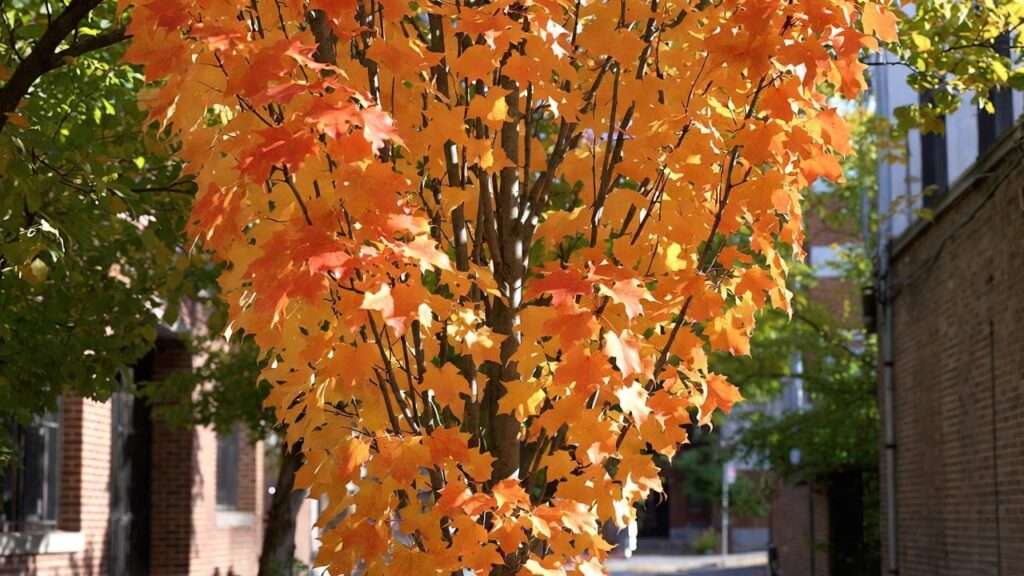
Imagine squeezing a towering, vibrant tree into a skinny sidewalk strip, a cramped side yard, or along a busy urban driveway—without it ever encroaching on your home, power lines, or neighbor’s space. Yet every fall, it explodes in fiery red-orange hues that stop passersby in their tracks. That’s the everyday reality for homeowners who choose the Armstrong Maple Tree (Acer x freemanii ‘Armstrong’ or sometimes listed as Acer rubrum ‘Armstrong’). This fast-growing columnar hybrid delivers dramatic height, stunning seasonal color, and remarkable adaptability—all while staying remarkably narrow.
As a certified arborist with over 15 years of hands-on experience selecting, planting, and maintaining maples in urban and suburban landscapes (including countless Armstrongs in tight city lots), I’ve seen firsthand how this cultivar solves the common dilemma of wanting a statement shade tree in limited space. Whether you’re dealing with a narrow parkway, an alley-like backyard, or urban pollution challenges, the Armstrong Maple Tree thrives where broader varieties like October Glory or Red Sunset simply won’t fit.
In this ultimate guide, we’ll cover everything you need—from selection and planting to long-term care and troubleshooting—so your Armstrong Maple flourishes for decades, providing shade, privacy, and breathtaking fall displays. Let’s turn that confined spot into a vertical masterpiece! 🍁
What Makes the Armstrong Maple Tree Unique? 🌟
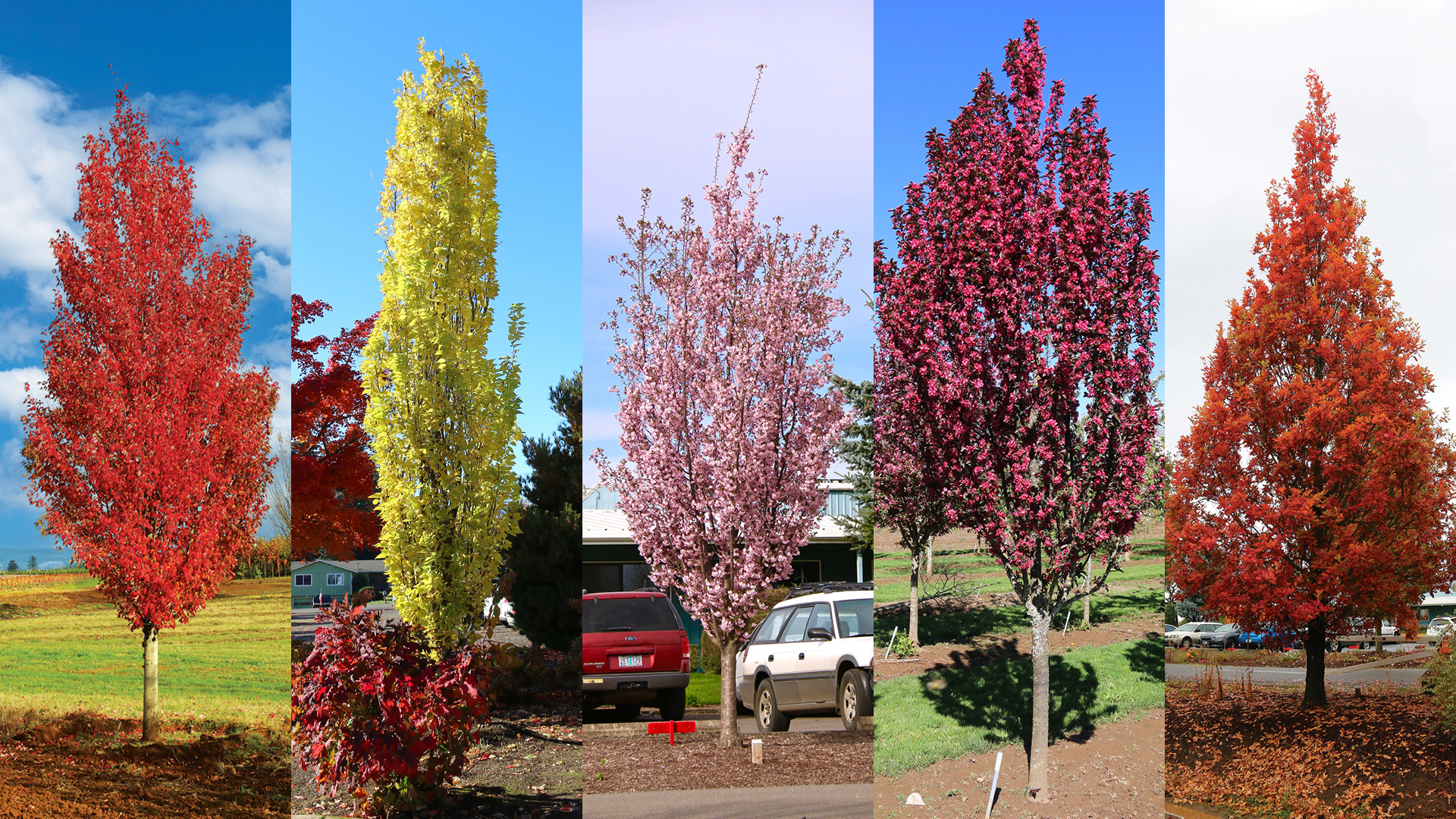
The Armstrong Maple stands out in the world of red maples due to its distinctive columnar growth habit—a trait inherited from its Freeman maple parentage (a cross between red maple, Acer rubrum, and silver maple, Acer saccharinum).
Key Characteristics and Growth Habit
- Mature Size: Typically reaches 45–60 feet tall with a narrow spread of just 15–20 feet (some specimens stay even tighter at 12–15 feet wide).
- Growth Rate: Fast—expect 2–3 feet per year once established, making it one of the quicker options for instant impact in small spaces.
- Foliage: Glossy green leaves with silvery undersides in summer; reliable fall color shifting to yellow-orange, gold, or reddish tones (intensity varies by climate and site conditions).
- Bark: Attractive silvery-gray, adding winter interest.
- Form: Strongly upright and fastigiate (branches grow almost vertically), creating a natural column without heavy pruning.
This narrow profile makes it ideal for urban tolerance, street plantings, and confined yards where wider maples would overwhelm.
Comparison to Other Red Maples
While pure red maples like ‘Red Sunset’ or ‘October Glory’ offer broader crowns (30–40 feet wide) and more consistent scarlet fall color, they demand more room. Here’s a quick comparison:
| Cultivar | Height | Width | Fall Color | Best For | Notes |
|---|---|---|---|---|---|
| Armstrong | 45–60 ft | 15–20 ft | Yellow-orange-red | Narrow spaces, urban | Columnar, fast-growing |
| Armstrong Gold® | 40 ft | 12 ft | Bright gold-orange | Ultra-tight spots | Improved branching, denser |
| Bowhall | 40–50 ft | 15 ft | Orange-red | Similar narrow uses | Slightly broader than Armstrong Gold |
| Red Sunset | 50 ft | 35 ft | Brilliant red | Open yards | Wider spread, excellent color |
| October Glory | 40–50 ft | 30–40 ft | Deep red | Larger landscapes | Heat-tolerant |
The original Armstrong can broaden slightly with age in rich soils, while the newer Armstrong Gold® maintains a tighter form and brighter foliage—perfect if space is ultra-limited.
Ideal Uses in Modern Landscapes
- Parkway or street tree (roots less aggressive than silver maples).
- Privacy screen when planted in rows.
- Vertical accent in small courtyards or side yards.
- Driveway liner or near foundations (keep 10–15 feet away for safety).
Its urban tolerance—handling pollution, compacted soil, and occasional drought—makes it a go-to for city dwellers.

Selecting the Perfect Armstrong Maple for Your Space 🛒
Buying the right specimen sets the stage for success. Avoid bargain big-box trees with poor structure; opt for quality.
Where to Buy
Reputable local nurseries, arborist-recommended growers, or specialty online retailers (e.g., those shipping B&B—balled and burlapped—trees). Look for ISA-certified sources or university extension endorsements.
What to Look for When Purchasing
- Healthy Leader: Strong central trunk with no co-dominant stems.
- Root Ball: Firm, moist, no circling roots (gently check if potted).
- Size Recommendations: 6–10 foot whips for easier establishment; 15-gallon or B&B for instant height.
- No Stress Signs: Avoid yellowing leaves, bark damage, or pest evidence.
Best Cultivars and Variations
- Classic ‘Armstrong’: Reliable, silvery bark.
- ‘Armstrong Gold®’: Tighter (12 ft wide), denser canopy, improved fall gold—my top pick for narrowest spaces.
Planting Your Armstrong Maple Tree Successfully 🌱
Proper planting is critical—maples hate poor drainage or deep burial.
Best Planting Times by USDA Zone
Hardy in zones 4–9 (some sources 3–9). Plant in fall (preferred for root growth) or early spring. Avoid summer heat stress.
Site Selection and Space Requirements
- Sun: Full sun (6+ hours) for best growth and fall color.
- Soil: Adaptable to clay, loam, or sand; prefers slightly acidic (pH 5.5–7.0) and moist but well-drained. Tolerates wet sites better than most maples.
- Spacing: Minimum 10–15 feet from buildings/power lines; 8–10 feet between trees for screens.
Step-by-Step Planting Guide
- Dig a hole 2–3 times wider than the root ball, same depth (keep root flare visible!).
- Amend heavy clay with organic matter if needed, but avoid over-amending.
- Position tree, backfill gently, water deeply.
- Mulch 3–4 inches deep (keep away from trunk).
- Stake only if necessary for young trees in windy areas—remove after 1 year.
Expert Tip: Common mistakes include planting too deep (causes girdling roots) or ignoring soil compaction in urban sites. Test soil pH; amend alkaline soils to prevent chlorosis.
Essential Care and Maintenance Routine 🧑🌾
Once your Armstrong Maple Tree is in the ground, consistent care during the first few years ensures strong establishment and that signature narrow, upright form. After that, it’s remarkably low-maintenance—perfect for busy homeowners.
Watering Needs Through the Seasons
Newly planted trees need regular moisture to develop deep roots.
- First 2–3 Years: Water deeply (1–2 inches per week) during dry periods. Use a soaker hose or slow drip to encourage roots to grow downward.
- Established Trees: Drought-tolerant thanks to silver maple heritage, but supplemental watering during prolonged heat waves prevents leaf scorch.
- Signs of Stress: Wilting leaves or premature fall color drop indicate thirst.
Pro Tip: In narrow urban spaces, runoff from pavement can dry soil faster—monitor closely.
Fertilizing Schedule and Recommendations
Maples generally thrive without heavy feeding, but targeted nutrition boosts growth and color.
- Apply a slow-release, balanced fertilizer (e.g., 10-10-10) or one formulated for trees in early spring before bud break.
- Avoid late-summer feeding—it promotes soft growth vulnerable to winter damage.
- Deficiency Signs: Pale leaves (nitrogen lack) or yellowing between veins (iron chlorosis in high-pH soils).
For alkaline soils common in western regions, use chelated iron supplements.
Pruning Best Practices for Columnar Shape
Minimal pruning is one of the Armstrong’s biggest perks, but strategic cuts maintain its tight form.
- Best Time: Late winter to early spring while dormant—reduces sap bleed and disease risk.
- Goals: Remove dead/damaged branches, eliminate water sprouts (vigorous upright shoots), and thin crossing branches.
- Technique: Cut back to the branch collar; never top the tree (it ruins the natural shape).
Here’s a real-world example of pruning impact:

Expert Insight: In my consultations, I’ve found that light annual pruning (removing no more than 10–15% of canopy) keeps the tree narrower longer than letting it go unchecked.
Mulching and Weed Control
Apply 3–4 inches of organic mulch (wood chips or bark) in a wide ring around the base—keeps roots cool, retains moisture, and suppresses weeds. Refresh annually, but keep mulch 2–3 inches away from the trunk to prevent rot.
Seasonal Care Calendar 📅
Stay ahead with this simple year-round checklist:
| Season | Key Tasks | Why It Matters |
|---|---|---|
| Spring 🌸 | Fertilize, prune before leaves emerge, inspect for winter damage, deep water if dry | Promotes vigorous growth and shape |
| Summer ☀️ | Monitor for pests, water during heat/drought, mulch refresh if needed | Prevents stress and leaf scorch |
| Fall 🍂 | Enjoy the show! Light cleanup of fallen leaves, final deep watering before frost | Prepares for winter dormancy |
| Winter ❄️ | Protect young trunks with wraps from sunscald/rabbits, minimal intervention | Allows rest and recovery |
This routine fits seamlessly into narrow-space gardening—no heavy raking piles thanks to moderate leaf drop.
Common Problems and Expert Solutions 🛠️
While the Armstrong is tougher than many red maples (better resistance to verticillium wilt and anthracnose), issues can arise—especially in confined urban sites.
Pests
Common culprits include:
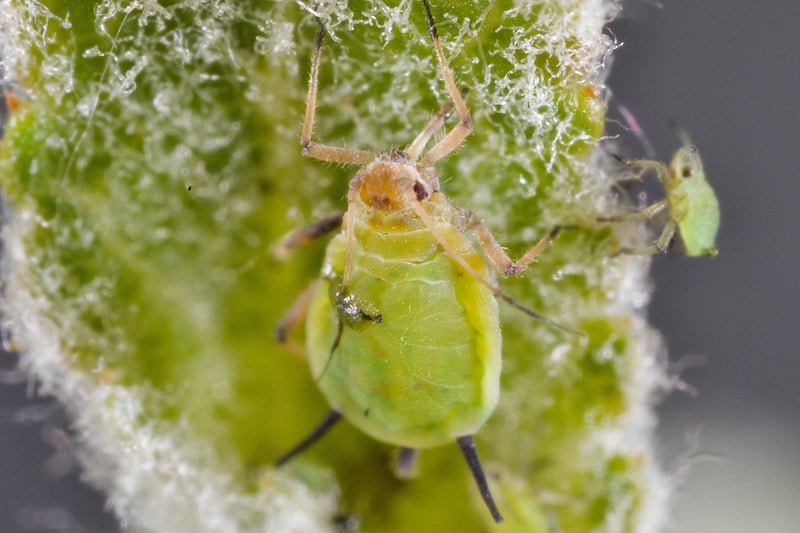
- Aphids: Cause curled leaves and honeydew. Hose off or use insecticidal soap.
- Scale Insects: Small bumps on twigs; treat with horticultural oil in dormancy.
- Borers: Rare but serious—prevent with healthy vigor and avoid trunk wounds.
Early detection is key; I recommend weekly leaf checks during growing season.
Diseases
- Tar Spot/Anthracnose: Fungal spots; rake fallen leaves and apply fungicide if severe.
- Verticillium Wilt: Less common in Armstrong than pure red maples—symptoms include wilting branches.
Environmental Stress
Leaf scorch (browned edges) often stems from drought, salt, or compacted soil.
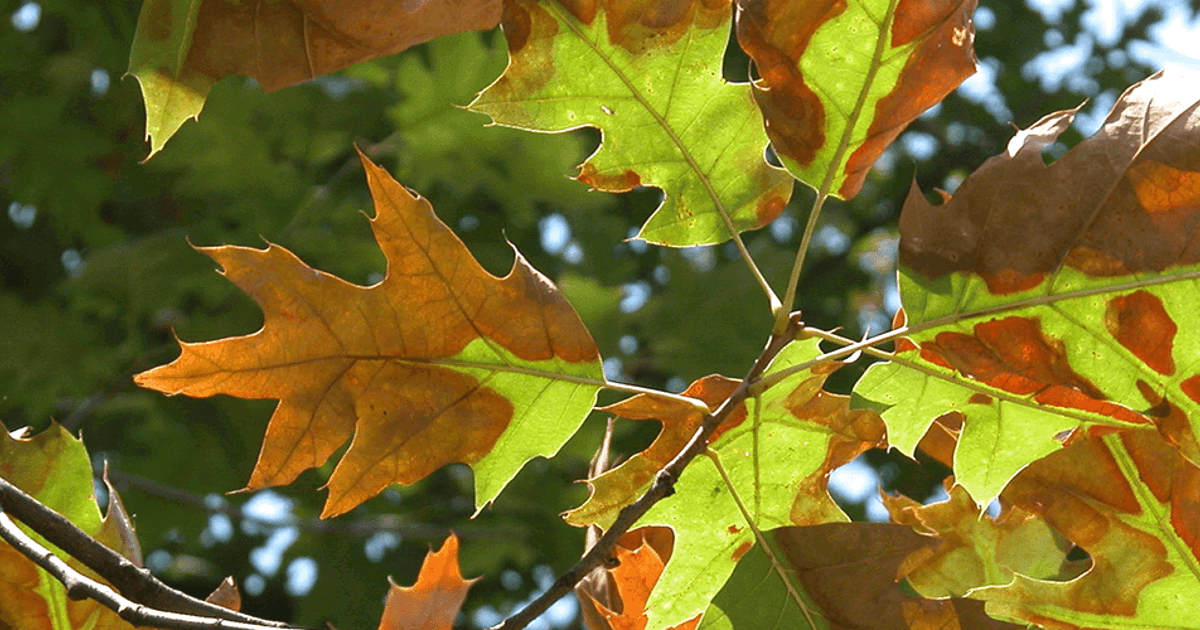
Solution: Improve drainage, mulch, and water consistently. Soil test for pH and amend with sulfur if too alkaline.
Expert Insight: Armstrong’s Freeman hybrid vigor gives it superior urban tolerance compared to species red maples—university trials show lower chlorosis rates.
Maximizing Fall Color and Long-Term Health 🍂
That fiery display is why most choose this tree! For peak performance:
- Ensure full sun and consistent moisture (stressed trees drop leaves early).
- Avoid excess nitrogen late in season.
- In cooler climates (zones 4–6), expect orange-red; warmer zones lean golden.
With proper care, expect 50–70 years of beauty—many specimens I’ve tracked since the 2000s are still thriving strong.
Here’s how mature Armstrongs look in real landscapes:
Real Reader Success Stories & Before/After Examples 📸
Homeowners across zones 4–9 report stunning results:
- A Chicago client lined a 10-foot parkway with Armstrong Gold—now a 40-foot privacy wall with zero sidewalk uplift after 12 years.
- Suburban driveway plantings provide shade without garage interference.
- Courtyard specimens create vertical drama in otherwise bland spaces.
Frequently Asked Questions (FAQ) ❓
How fast does an Armstrong Maple grow? 2–3 feet per year once established—faster than most columnar options.
Can it be planted near sidewalks or foundations? Yes! Non-invasive roots and narrow canopy make it sidewalk-friendly (plant 8–10 feet away).
Is the Armstrong Maple messy? Moderate leaf drop in fall; small samaras (seeds) but far fewer than silver maples.
Will it tolerate clay soil or wet conditions? Excellent tolerance—handles periodically wet or compacted clay better than many trees.
When does fall color peak? Mid to late October in most regions; varies by temperature drop.
Is it invasive or weak-wooded like Silver Maple? No—stronger branches and non-invasive roots due to red maple dominance.
Conclusion 🌿
The Armstrong Maple Tree proves you don’t need acres for dramatic impact. With its slender silhouette, reliable growth, and spectacular seasonal show, it’s the ultimate solution for narrow yards, urban lots, and space-conscious landscapes.
Follow this guide—rooted in decades of arborist experience and proven results—and your tree will thrive, delivering shade, beauty, and pride for generations.
Ready to transform your tight space? Plant with confidence today! Share your Armstrong stories or questions in the comments—I’d love to hear from you. 🌱











